2490904 Search Results

MOR2963141: Coronation medal of Charles I, 1625. From The Connoisseur Magazine, published 1902. / Bridgeman Images

MOR2963150: English Infantry soldier in 1750. From The Story of England, published 1930. / Bridgeman Images
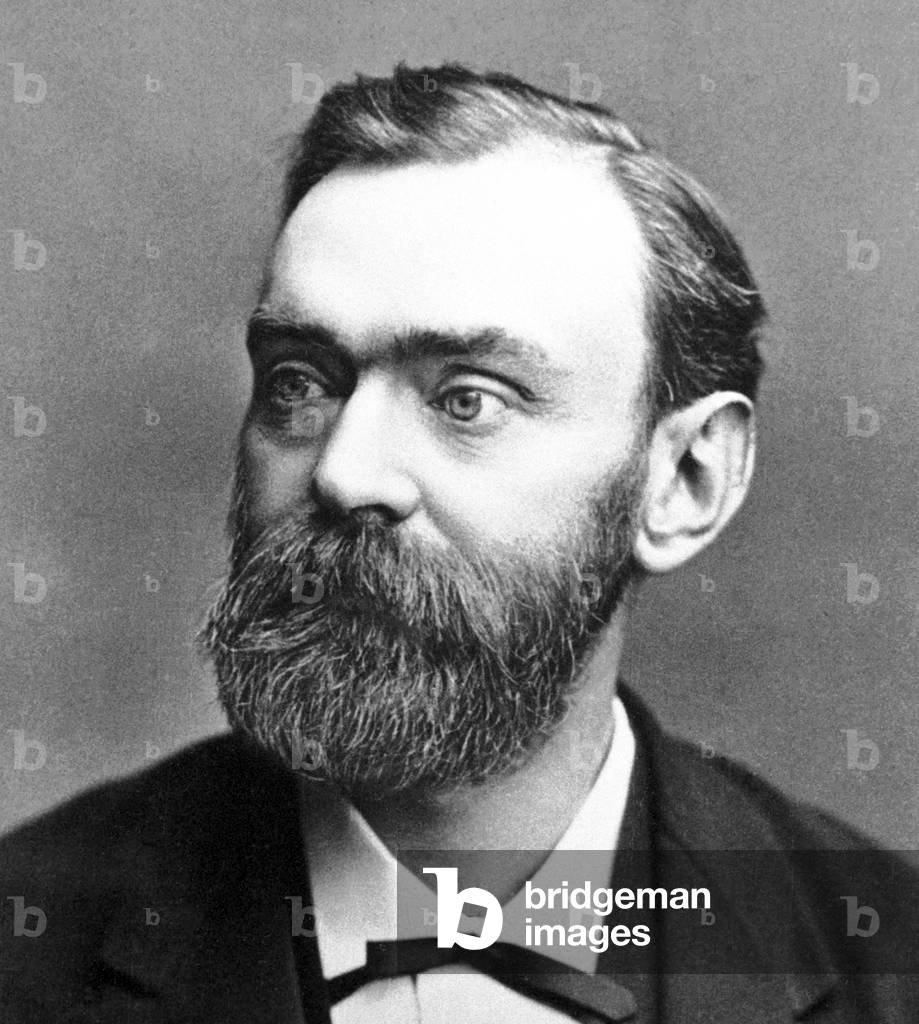
PFH3277880: Sweden: Alfred Bernhard Nobel (1833 - 1896), chemist, engineer, inventor, businessman and philanthropist. Photographic portrait, late 19th Century, Unknown photographer, (19th century) / Bridgeman Images

MOR2963196: A procession inside Saint Peter's Basilica, Vatican City, Rome, Italy in the late 19th century. From Italian Pictures by Rev. Samuel Manning, published c.1890., Manning, Reverend Samuel (fl.1880s) / Bridgeman Images

PFH3277910: India: At a village well near Indore, Madhya Pradesh / Bridgeman Images

PFH3277917: Germany: Carl Friedrich Gauss (1777-1855), German mathematician and scientist, portrait published in 'Astronomische Nachrichten', 1828 / Bridgeman Images
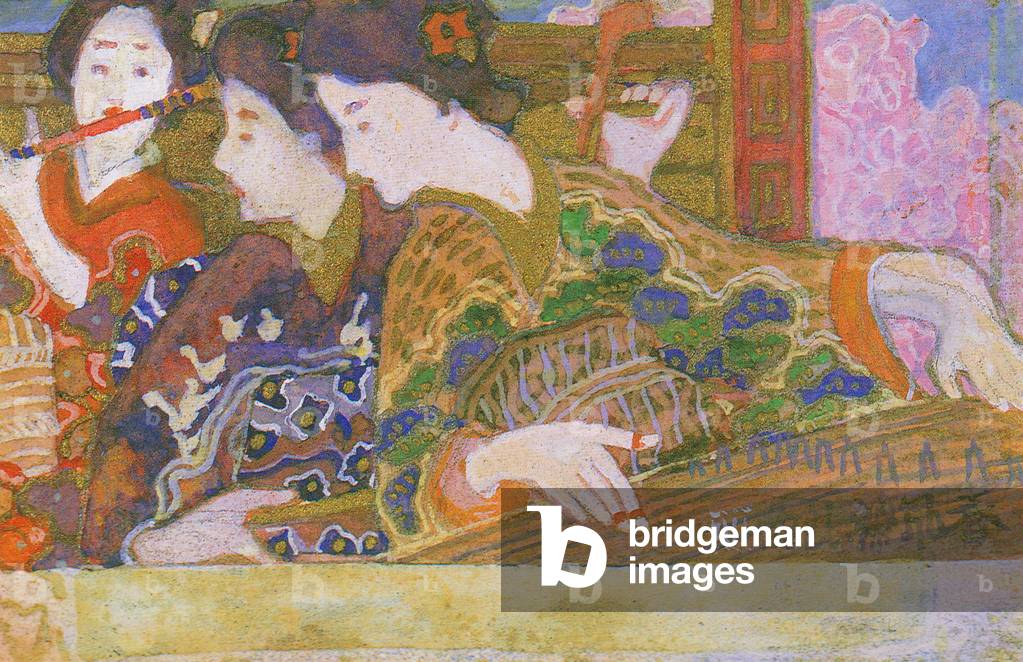
PFH3277930: Japan: 'Picture Postcard', watercolour painting by Shigeru Aoki (1882-1911), c. 1904, Aoki, Shigeru (1882-1911) / Bridgeman Images

PFH2965829: China: Tian Chi (Heaven Lake) in the Tian Shan (Heavenly Mountains), Xinjiang Province (photo) / Bridgeman Images

PFH3277977: Malaysia / China: Carving of Huang Tianhua, depicting his role in the 16th Century Ming Dynasty novel 'Fengshen Yanyi' ('Investiture of the Gods'). From Ping Sien Si Temple, Pasir Panjang Laut / Bridgeman Images
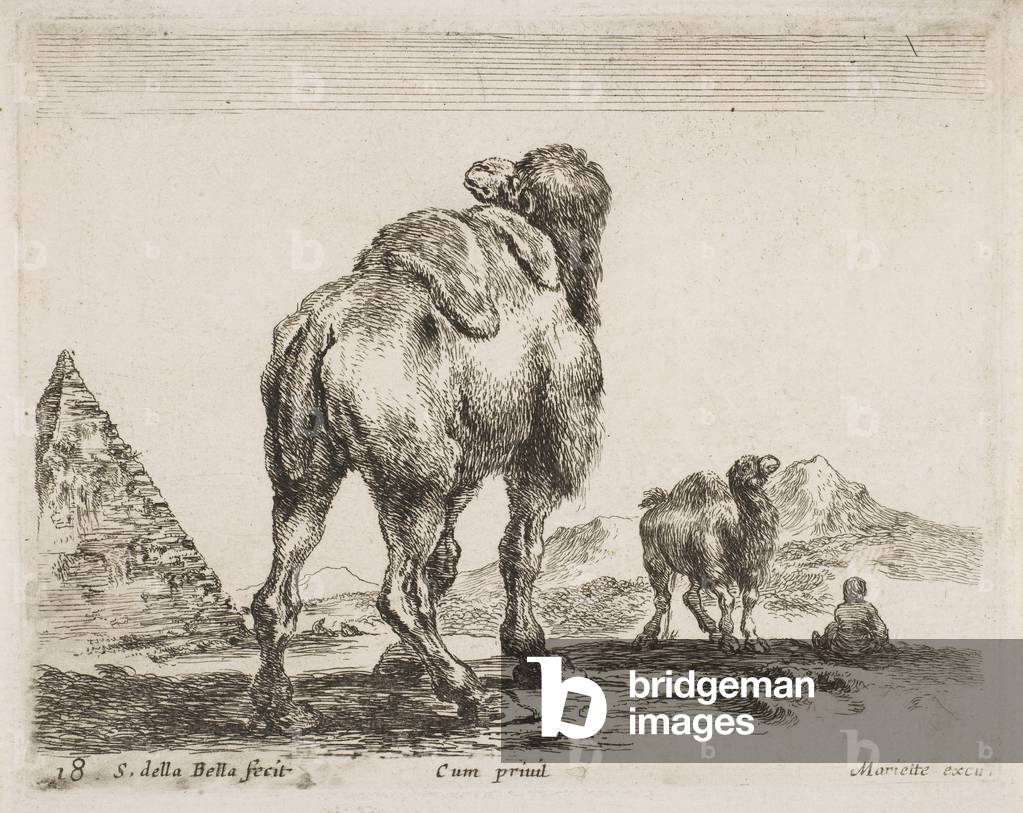
STC2966834: Camel viewed from behind, pub. 1641 from Diversi Animali (etching), Bella, Stefano della (1610-64) / Bridgeman Images

STC2966891: Boney and Talley, The Corsican Carcase-Butcher's Reckoning Day - No Quarter Day!, pb. 1803 (hand coloured engraving), Gillray, James (1757-1815) / Bridgeman Images

PRX3125129: Woman portrait, Holbein the Younger, Hans (1497/8-1543) / Bridgeman Images

KWE3252942: Madame de Pompadour holding court in French society, 18th century, after a 19th century print. / Bridgeman Images

GRC3036132: Cowboy's Six-Shooter Gun, 1967 (screen print), American School, (20th century) / Bridgeman Images
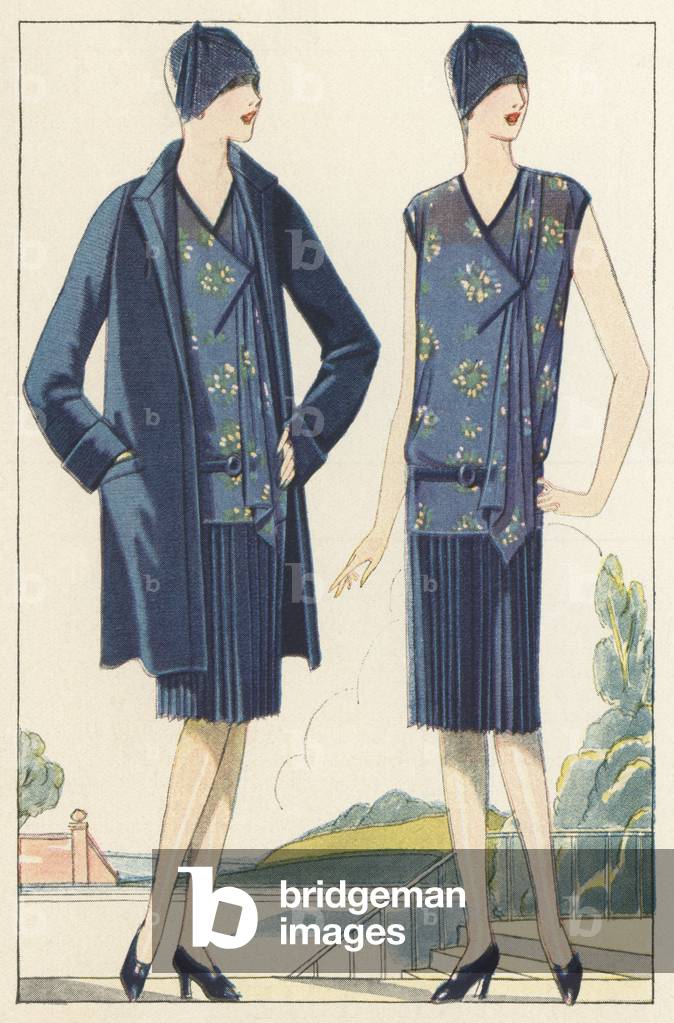
GRC3036180: Flappers in Frocks and Coats, 1928 (screen print), American School, (20th century) / Bridgeman Images
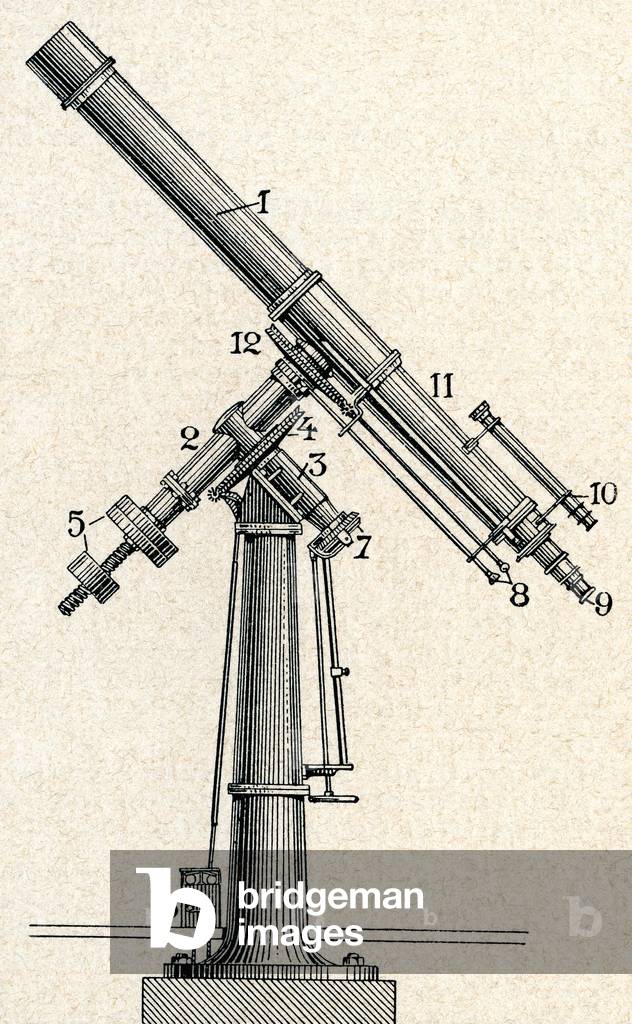
KWE3252984: A 19th century telescope on an equatorial mount / Bridgeman Images
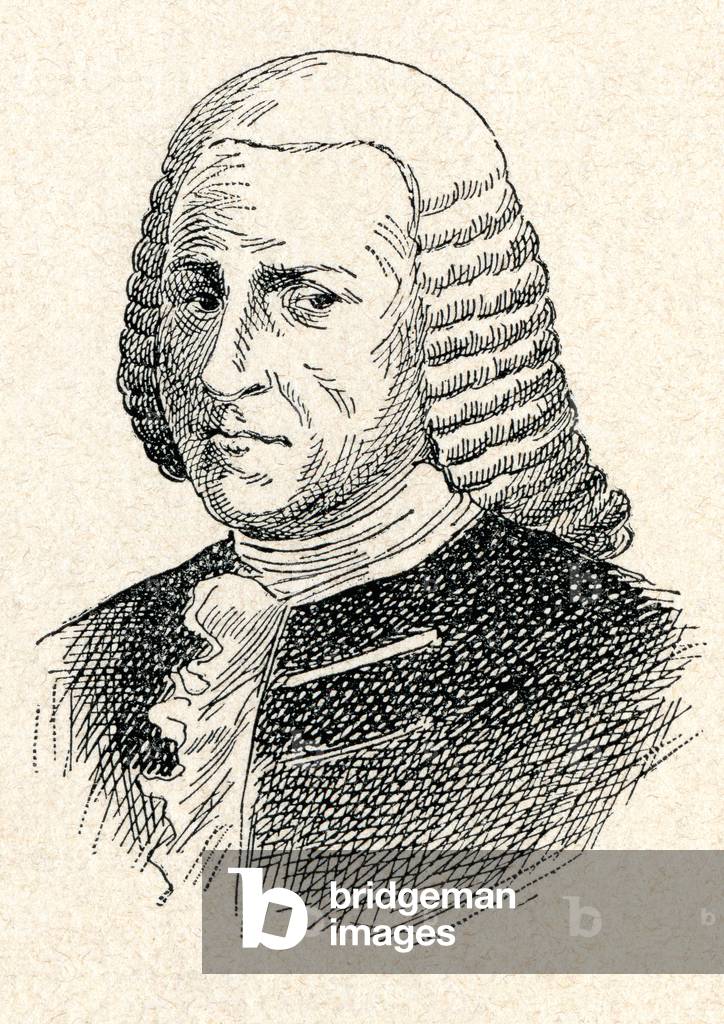
KWE3253002: Francisco de Echeveste / Bridgeman Images
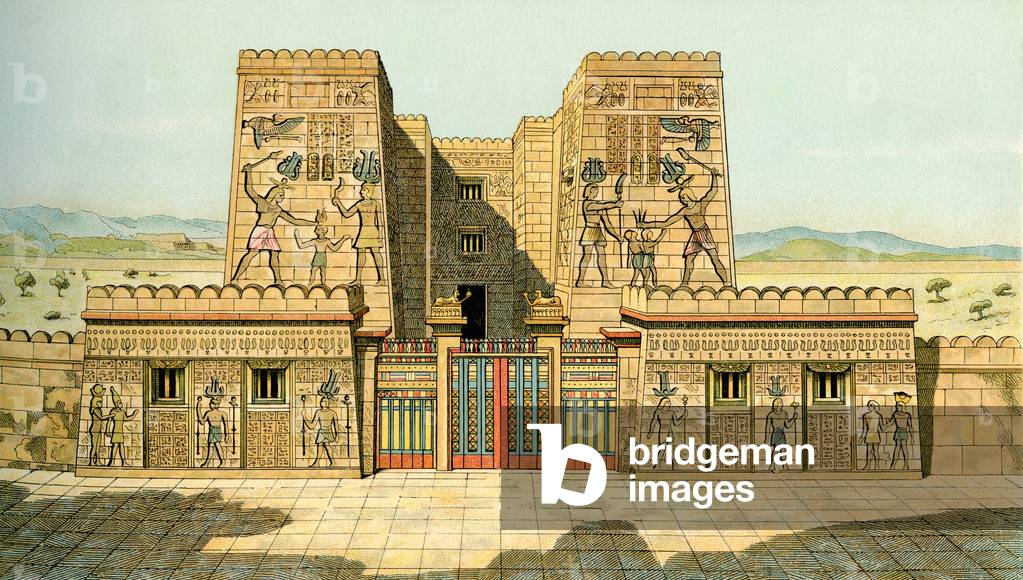
KWE3253011: Imaginary reconstruction of an Egyptian palace in Pharaonic times / Bridgeman Images
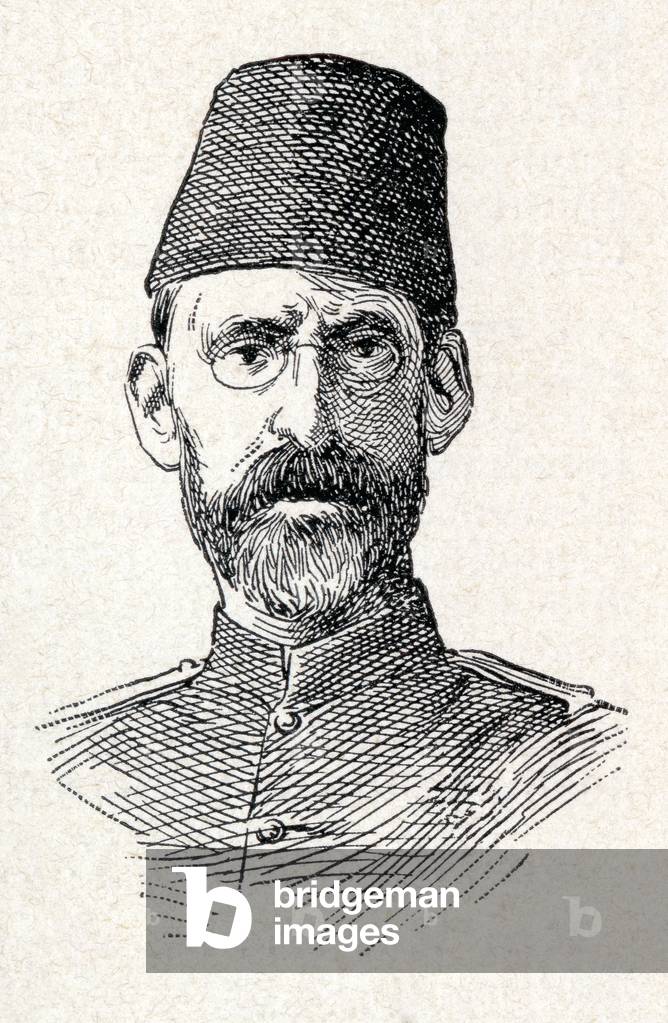
KWE3253029: Mehmed Emin Pasha, born Isaak Eduard Schnitzer, baptized Eduard Carl Oscar Theodor Schnitzer / Bridgeman Images
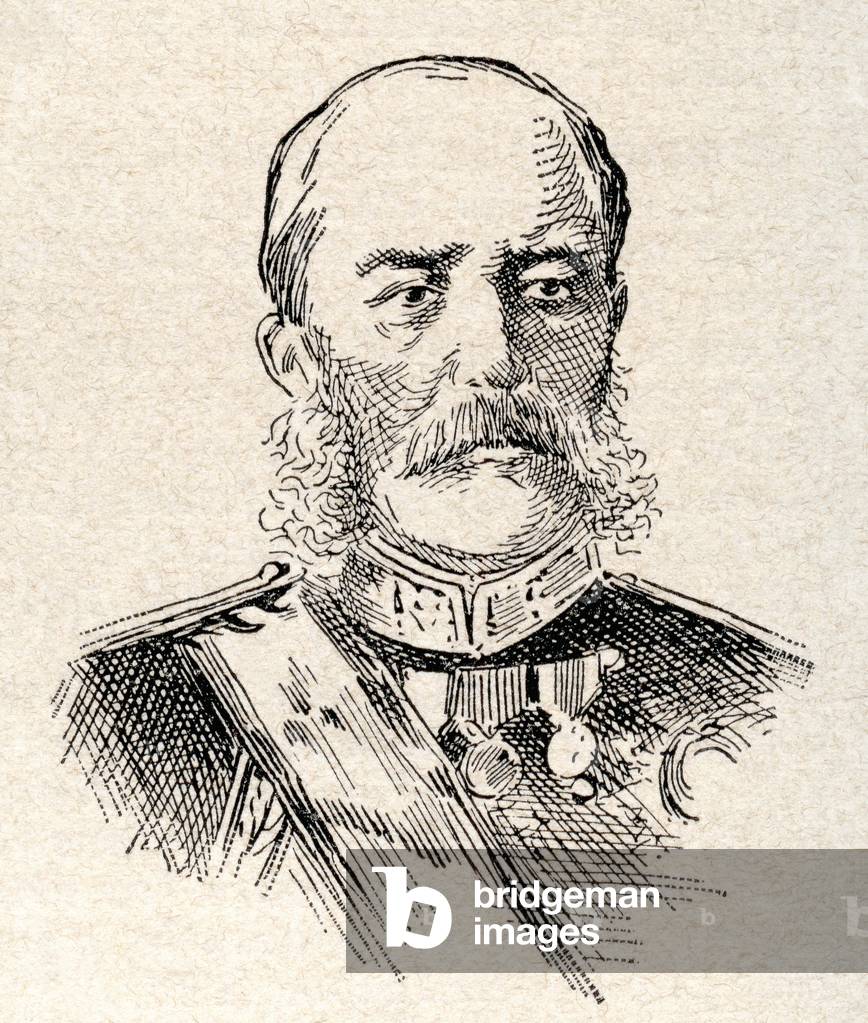
KWE3253041: Viscount Enomoto Takeaki / Bridgeman Images
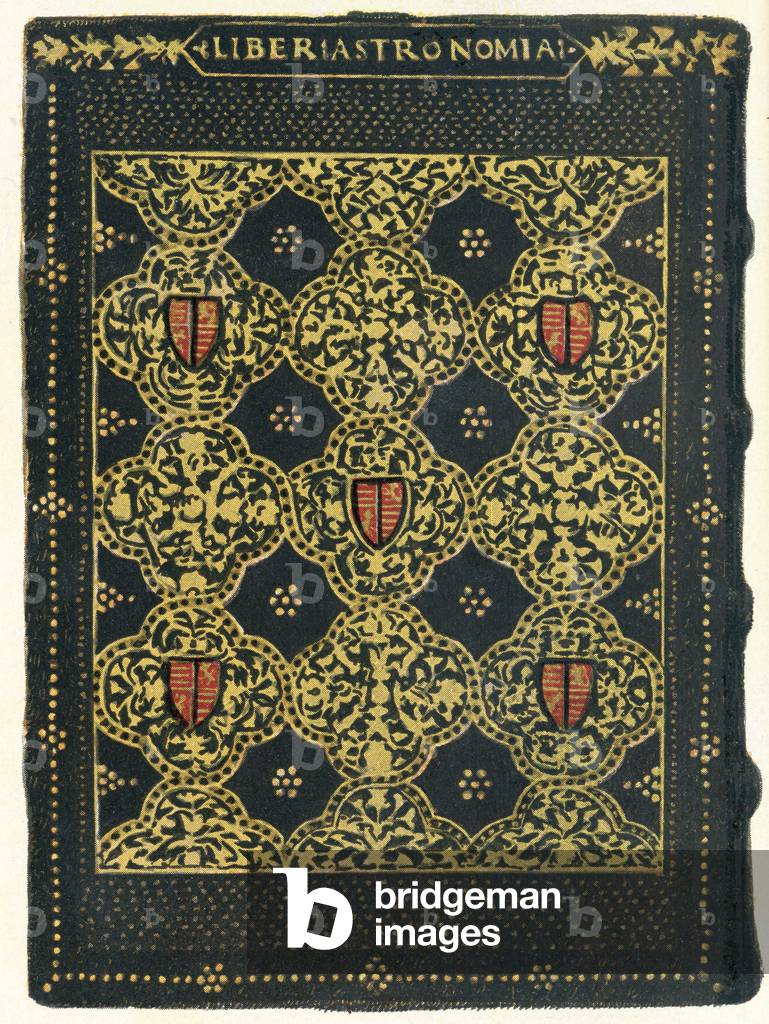
KWE3253077: An example of 15th century German bookbinding, boards covered with tooled leather and gold decoration / Bridgeman Images
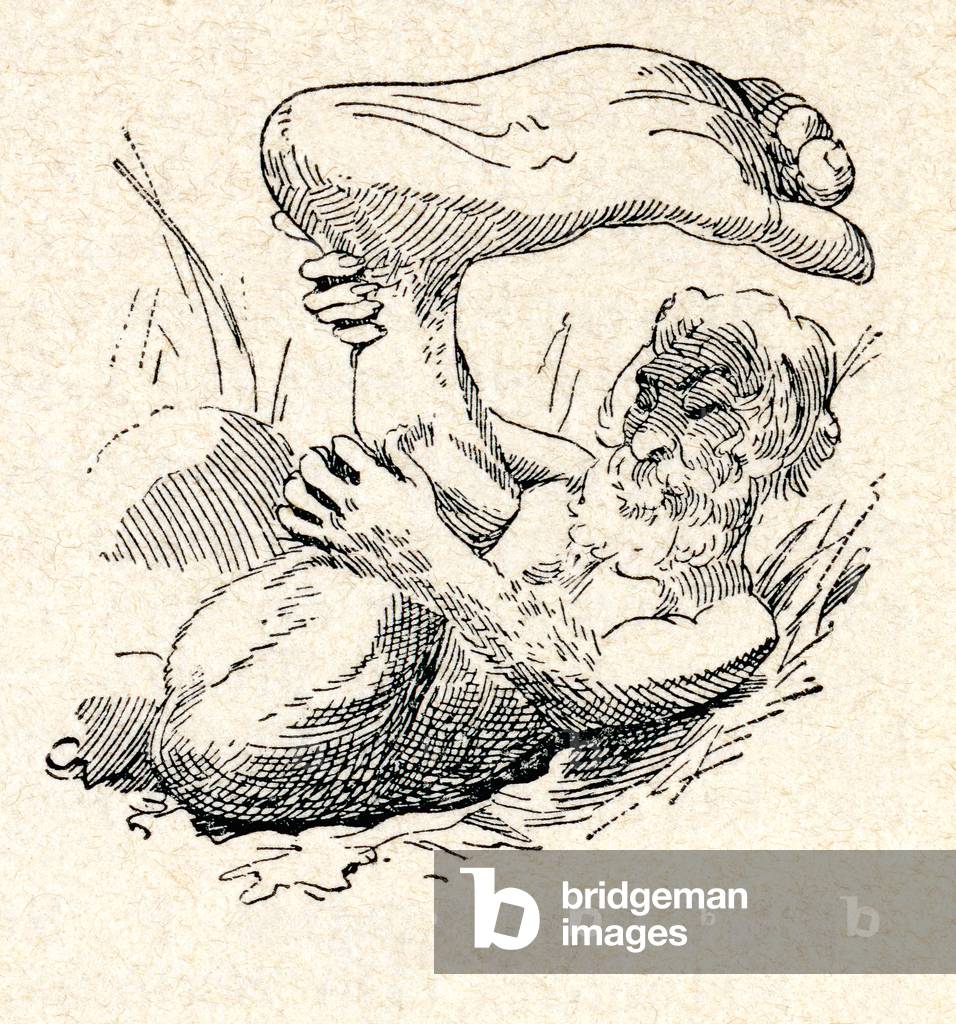
KWE3253083: A monopod aka sciapod, skiapod, skiapode / Bridgeman Images

PIX4650014: Launch of Space Shuttle Challenger STS - 51 - B 04/1985 - Launch of Space Shuttle Challenger STS - 51 - B. Apr 09 1985 - Launch of Space Shuttle Challenger STS - 51 - B. Apr 09 1985 / Bridgeman Images

PIX4619391: Nebulae NGC 6334 and NGC 6357 in Scorpio - Nebulae NGC 6334 and NGC 6357 in Scorpius: These nebulae are located about 5500 light years from Earth - Located in the constellation of Scorpius, the Cat's Paw Nebula resemble a faint, luminous paw-print on the sky. Deep images reveal that the nebula is about a degree across in the sky. At a distance of about 5500 light-years away it is a truly vast structure spanning almost 100 light-years across. The sculpted gases of NGC 6334 are illuminated by the light of numerous powerful stars, some exceeding 10 solar masses. The two brilliant blue stars in the upper left are Lambda and Kappa Scorpii. Many of these luminous hot stars are surprisingly not visible because they lie within the dusty plane of our galaxy. At infrared wavelengths the numerous hot stars are revealed and the nature of this object as a region of massive star formation becomes clear. In the past decade water masers, molecular outflows, and x-ray sources have provided direct evidence of clusters of protostars within NGC 6334. The nebula was discovered by John Herschel in 1837, and the brief and uninformative description in his Cape Observations catalog is a testament to its faintness. The ruddy hue of this complex is the result of the absorption of blue light by the ubiquitous dust clouds along our line of sight in the plane of the Milky Way. The red, intricate bubble making up the left paw print is particularly striking and is most likely either a star expelling large amounts of matter at high speed as it nears the end of its life or the remnant of a recent supernova - Located near the famous “” Cat Paw”” nebula (NGC 6334), the Stellar Cluster Pismis 24 lies at the core of NGC 6357. Its stars include some of the most massive stellar behemoths known. One of the brightest stars in the cluster, Pismis 24-1, was thought possibly to be the most massive on record, approaching 300 solar masses, until it was discovered by the Hubble Telescope to b / Bridgeman Images

PIX4619532: Trifide nebula (M20) in the constellation Sagittarius: View of the Trifide nebula (M20/NGC 6514) located in the constellation Sagittarius between 5000 and 10,000 light years from Earth. Measuring some forty light years across, this nebula contains enough gas to make many thousands of suns. Trifid is located in Sagittarius constellation between 5000 and 10,000 light-years away / Bridgeman Images

PIX4619639: Nebula of the Lagoon (M8) in Sagittarius - View of the center of the nebula of the Lagoon (M - 8/ngc 6523), located in Sagittarius, at a distance of 6500 years - light. The image obtained by an 800 mm telescope extends over a diameter of 30 AL / Bridgeman Images
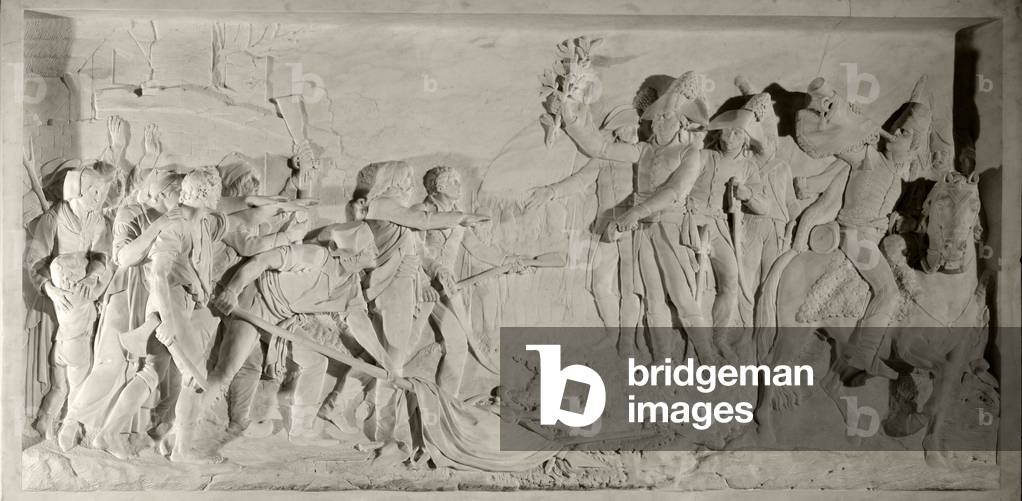
JLJ4619815: Vendee War: pacification of the Vendee, in 1796. Low relief in marble carved, 1800, 1796 (marble), Boizot, Louis Simon (1743-1809) / Bridgeman Images

JLJ4686278: Battle Plan of Cales Males on 30 June 1596 (engraving), Unknown Artist, (16th century) / Bridgeman Images

JLJ4686337: Art Byzantium: wild boar hunting, 1554 (miniature), Byzantine School / Bridgeman Images

JLJ4686426: Nymph and little genie rides on a marine horse; Nymph and Triton surrounded by two small genies, 1549 (stone), Goujon, Jean (1510-c.67) / Bridgeman Images

JLJ4686449: The Mill Of The Galette In Montmartre, 1845 (oil on canvas), Corot, Jean Baptiste Camille (1796-1875) / Bridgeman Images

JLJ4686505: Bouquet Of Flowers From The Fields, 1912 (pastel), Redon, Odilon (1840-1916) / Bridgeman Images

JLJ4686558: Don Quixote delights his madness through Wisdom. "The Ingenious Gentleman Don Quixote of La Mancha", 1714 (oil on canvas), Coypel, Antoine (1661-1722) / Bridgeman Images

LRI4686579: Funerary crown composed of 100 conical elements. 350-300 BC (clay), Greek school, (4th century BC) / Bridgeman Images

JLJ4686590: The ten kings of the apocalypse weapons of spears and shields with their troops, 11th century (miniature), Unknown Artist, (11th century) / Bridgeman Images

JLJ4686752: Presume portrait of Jean Baptiste Colbert (1619-1683), intendant of finance of Louis XIV, 17th century (oil on canvas), Champaigne, Philippe de (1602-74) / Bridgeman Images
