2497570 Search Results

PNH354901: Curve and Curve II, 1966 (painted wood), Rothenstein, Michael (1908-93) / Bridgeman Images

PNH354940: Sun Box III, 1975 (wood & paint boxed), Rothenstein, Michael (1908-93) / Bridgeman Images
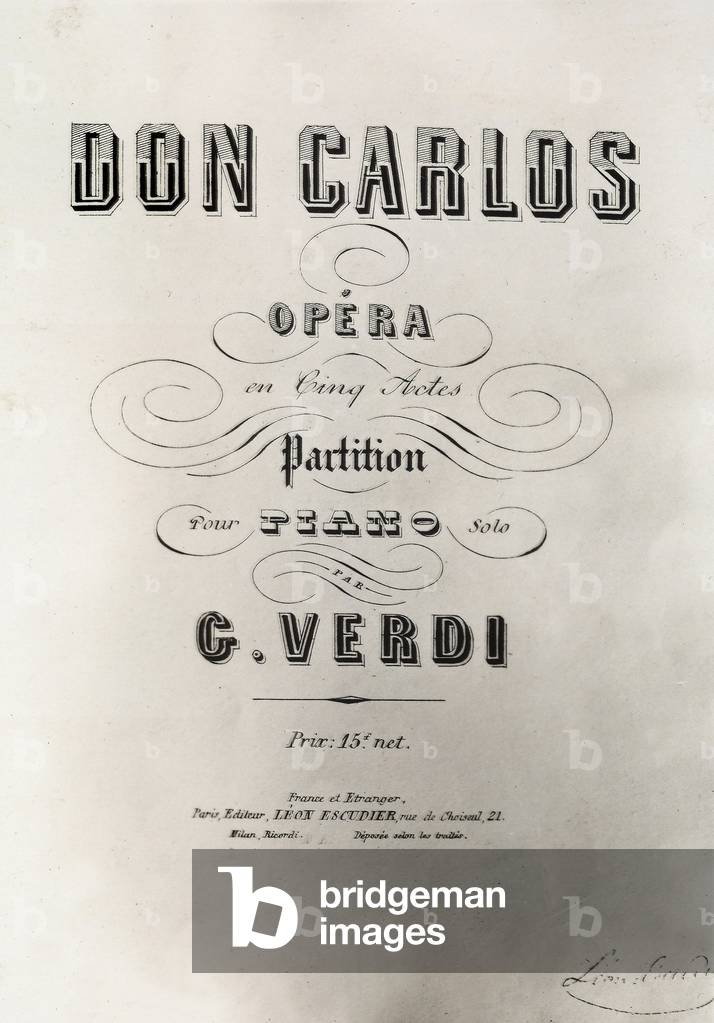
FAF328227: Title page of the score of 'Don Carlos', 1867 (litho), French School, (19th century) / Bridgeman Images

NGV328330: Pamela preparing to go home, c.1743, Highmore, Joseph (1692-1780) / Bridgeman Images

NGH328403: Sclater’s Bare-faced Curassow (Crax fasciolata), 1996 (oil on canvas), Hughes, Nigel (1940-2021) / Bridgeman Images

LWE410002: Moon, 1807 (hand coloured woodcut), Eizan, Kikukawa (1787-1867) / Bridgeman Images

LWE410086: Tower in the form of a Buddhist stupa, c.265-317 (high-fired pottery & glaze), Chinese School / Bridgeman Images

LWE410095: Container in the form of a fish, late 19th to early 20th century (copper alloy), Indian School / Bridgeman Images

LWE410116: Ewer, 10th to 11th century (glazed pottery), Chinese School / Bridgeman Images

LWE410125: Table model, c.1795-1820 (porcelain with turquoise glaze), Chinese School, Qing Dynasty (1644-1912) / Bridgeman Images

LWE410152: Maitreya, the Buddha of the Future (schist), Indian School / Bridgeman Images

LWE410179: Horse and Elephant, c.1980 (terracotta), Indian School, (20th century) / Bridgeman Images

LWE410209: Covered box, early 8th century (glazed pottery), Chinese School, Tang Dynasty (618-907) / Bridgeman Images

LWE410218: Vase with duck and lotus design (glazed porcelain), Chinese School, Qing Dynasty (1644-1912) / Bridgeman Images

LWE410230: Bowls with floral medallions, c.1795-1820 (porcelain, cobalt blue underglaze & enamel overglaze), Chinese School, Qing Dynasty (1644-1912) / Bridgeman Images

LWE410251: Eighteen Songs of the Nomad Flute, late 17th century (ink on silk), Chinese School, (17th century) / Bridgeman Images

LWE410257: Tea bowl, 12th to 13th century (pottery & iron oxide glaze), Chinese School, Jin Dynasty (1115-1234) / Bridgeman Images

LWE410290: Dish (porcelain & qingbai glaze), Chinese School, Northern Song Dynasty (960-1127) / Bridgeman Images

PNH354982: Abstract Design, 1941 (pencil & gouache on paper), Morton, Alastair (1910-63) / Bridgeman Images

AGN355006: Village after Sunset, 1968 (oil on board), Vaughan, Keith (1912-77) / Bridgeman Images

IMA355222: Shirt Panel (mola), c.1950 (appliqued cotton), Kuna Indian Culture (20th century) / Bridgeman Images

IMA355234: Shirt Panel (mola), c.1950 (appliqued cotton), Kuna Indian Culture (20th century) / Bridgeman Images

IMA355273: Arts and Crafts Bowl, 1934 (matte-glazed earthenware), Barnsley, Edward (1900-87) / Bridgeman Images

IMA355309: Shirt Panel (mola), c.1950 (appliqued cotton), Kuna Indian Culture (20th century) / Bridgeman Images

IMA355324: Bird's Nest Basket, 1986 (linen, copper, wire & paper), Sekimachi, Kay (b.1926) / Bridgeman Images

IMA355327: Hair Comb for Women (wood), Asante Culture (20th century) / Bridgeman Images

IMA355330: Abstract Still Life, 1953 (screenprint), Hartigan, Grace (1922-2008) / Bridgeman Images

IMA355348: Aquarius - D, 1970 (screenprint), Hayter, Stanley William (1901-88) / Bridgeman Images

TG355633: Gratitude Board, 1982 (oil on canvas), Galambos, Tamas / Bridgeman Images

SLP355660: Budgie, 2008 (mixed media), Pring, Sally / Bridgeman Images

LSS355692: Brown Leaves in Jam Jar, 2002 (oil on canvas), Stokes, Lisa / Bridgeman Images

BIV328890: Vessels in time and space, vermillion, Naples (oil on board), Irving, Brian (b. 1960) / Bridgeman Images

ESM329358: A London Lady, 1961 (gouache on card), Eisenmayer, Ernst (1920-2018) / Bridgeman Images

LWE410314: Virabhadra and Nandi (copper alloy), Indian School, (18th century) / Bridgeman Images

LWE410320: Zodiac animal figures (painted pottery) 351233mals; rat; ox; tiger; rabbit; dragon; snake; figurines; statuette; statues; ceramic; earthenware; terracotta; sculpture; signs; symbols; symbol; Chinese; carved;, Chinese School, Yuan Dynasty (1279-1368) / Bridgeman Images

LWE410338: Dish, c.1573-1619 (porcelain with cobalt blue underglaze), Chinese School, Ming Dynasty (1368-1644) / Bridgeman Images
