2491100 Search Results

CH3587681: Striking and Automaton Lion Clock, c.1640 (gilt-brass & ebony), Miller, Christoff (17th century) / Bridgeman Images
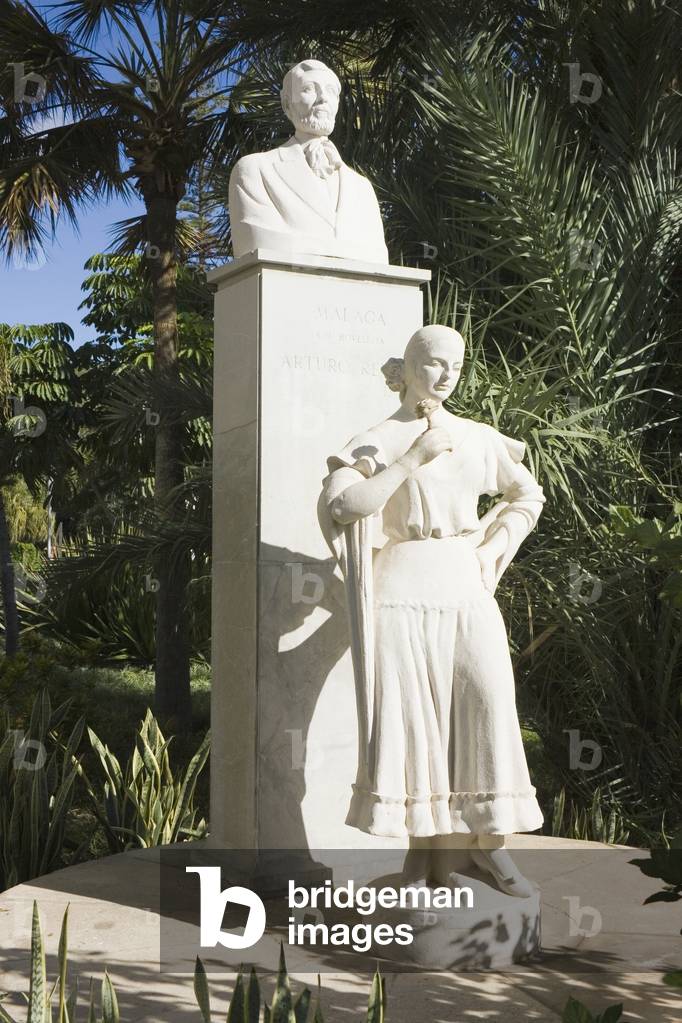
MOR3588118: Statue of Arturo Reyes Aguilar, Malaga, Costa del Sol, Andalucia, Spain (photo) / Bridgeman Images
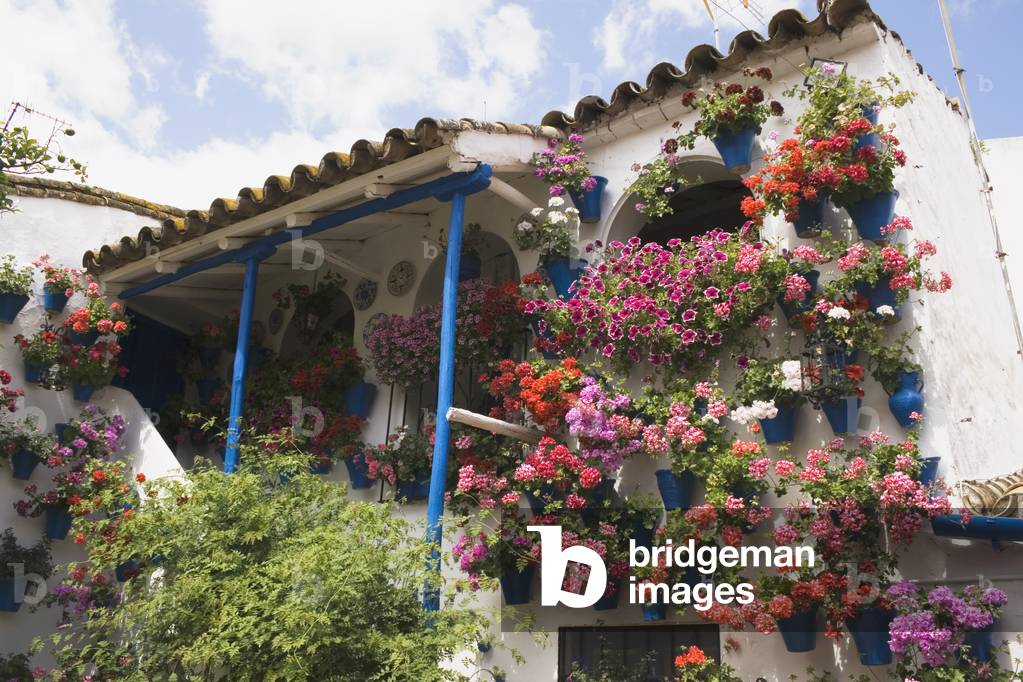
MOR3588122: The annual patio festival in May where private households open up their patios to the public, Los Patios de Mayo, Cordoba, Andalucia, Spain (photo) / Bridgeman Images
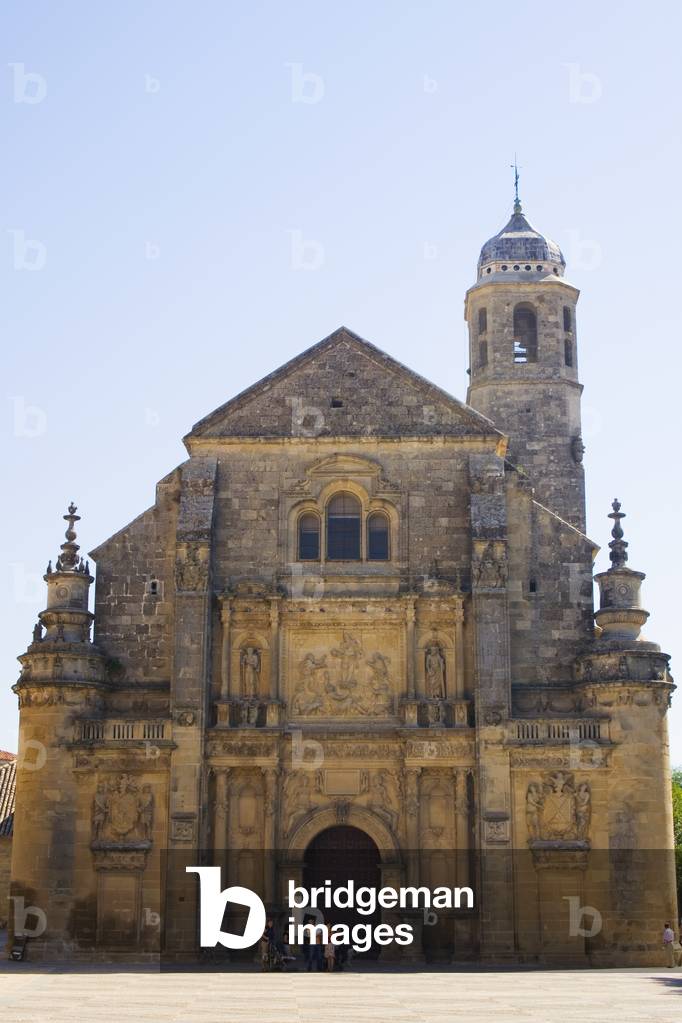
MOR3588138: Sacra Capilla de El Salvador del Mundo, Plaza Vezquez de Molina, Ubeda, Jaen Province, Spain (photo) / Bridgeman Images
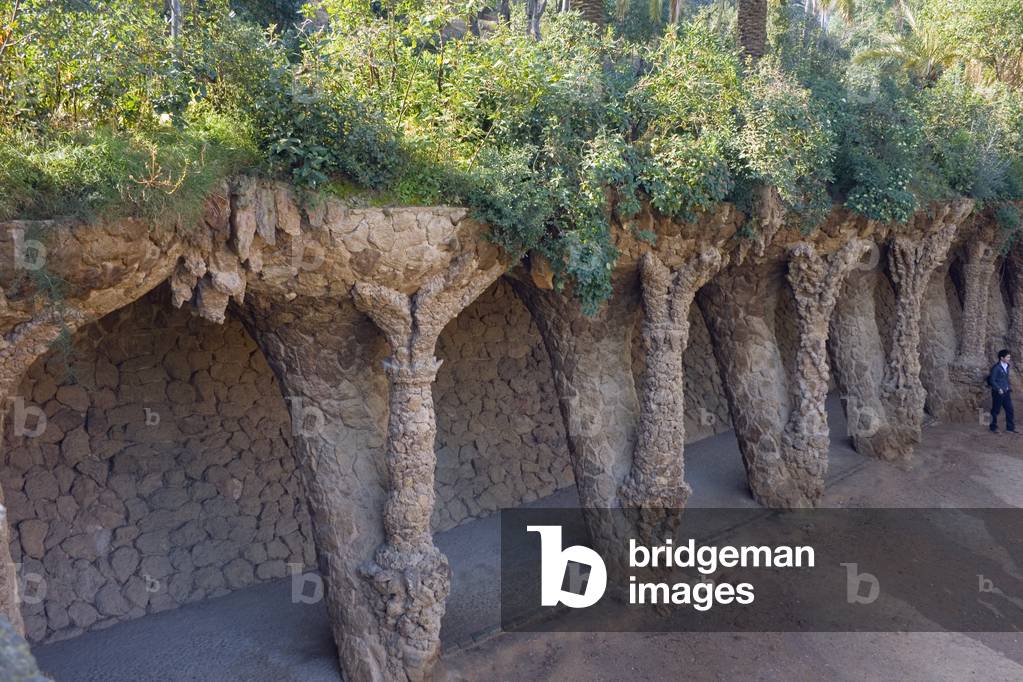
MOR3588149: Parc Guell, Barcelona, Spain (photo) / Bridgeman Images
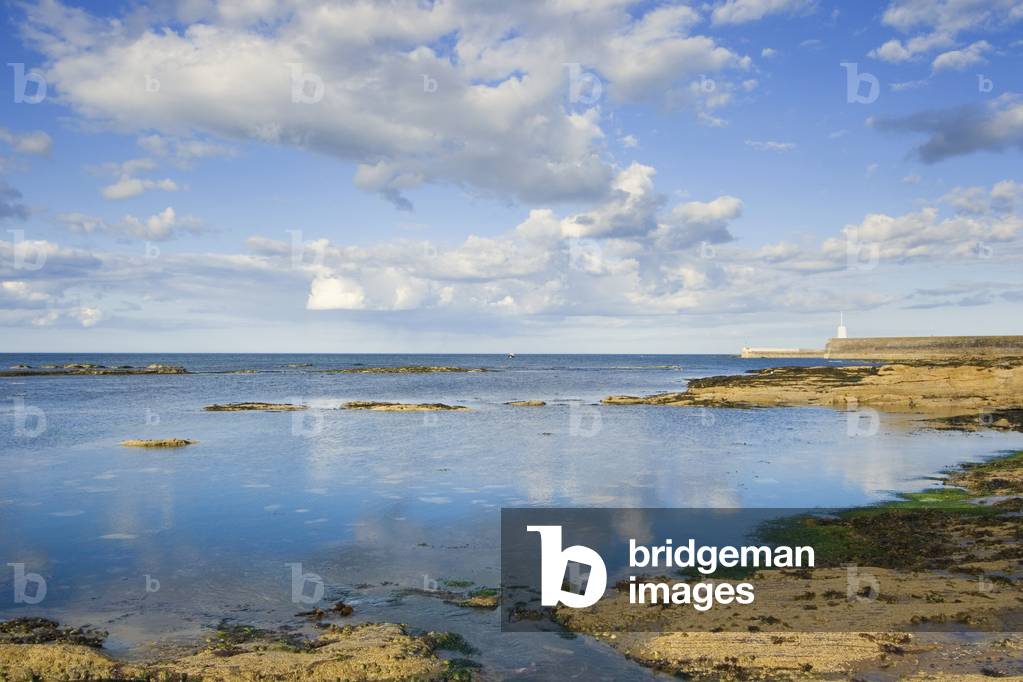
MOR3588164: Seascape, Seahouses, Northumberland, England, UK (photo) / Bridgeman Images
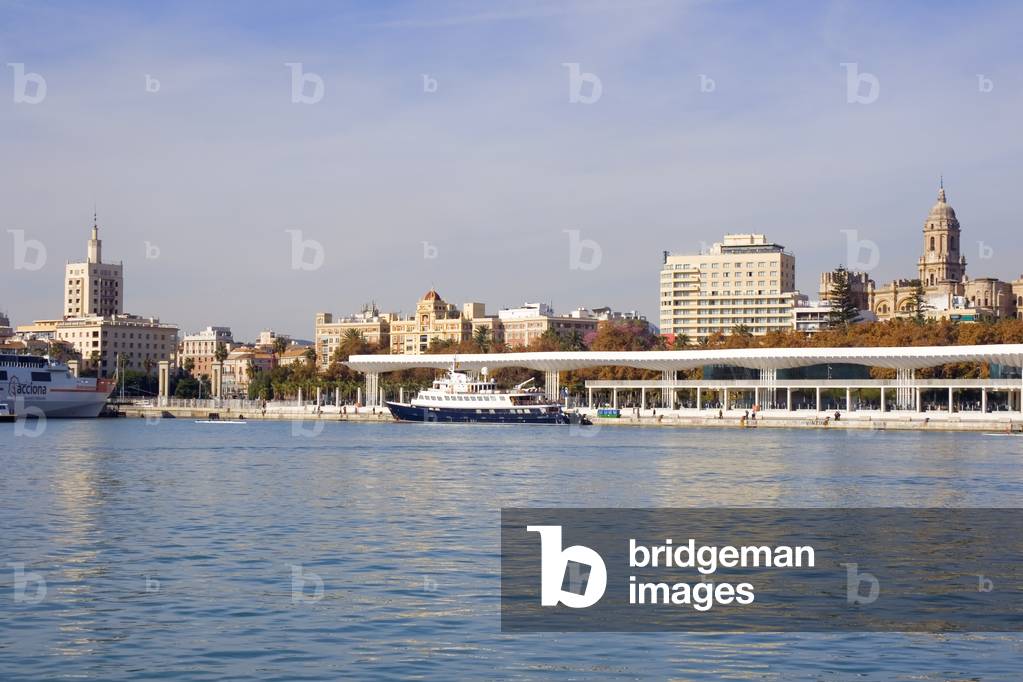
MOR3588178: The newly renovated port of Malaga, and cathedral, Costa del Sol, Andalucia, Spain (photo) / Bridgeman Images
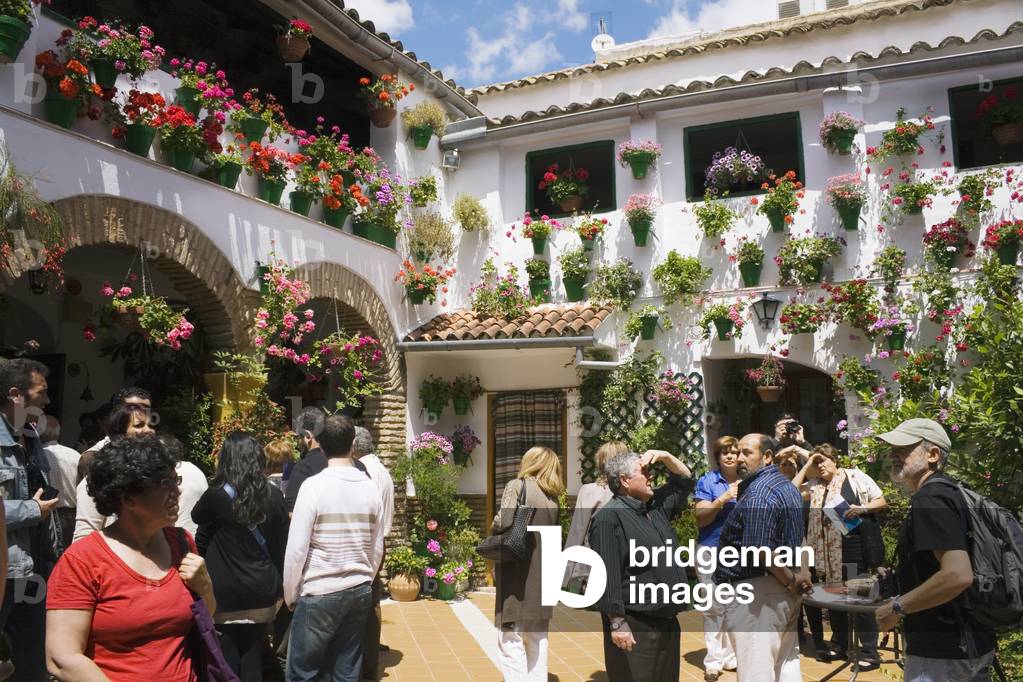
MOR3588188: The annual patio festival in May where private households open up their patios to the public, Los Patios de Mayo, Cordoba, Andalucia, Spain (photo) / Bridgeman Images
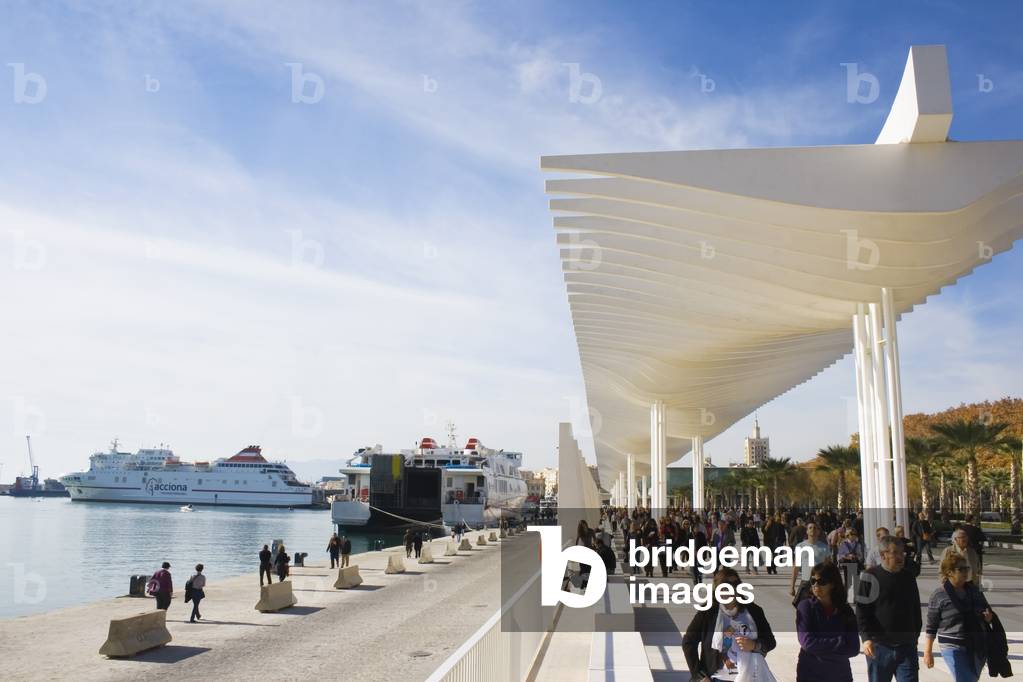
MOR3588210: People strolling in the newly renovated port of Malaga, Costa del Sol, Andalucia, Spain (photo) / Bridgeman Images

KWE3588226: David Lloyd George, 1st Earl Lloyd-George of Dwyfor, from Hutchinson's History of the Nations, pub.1915, English School, (20th century) / Bridgeman Images

KWE3588243: Portion of The Book of the Dead, from Hutchinson's History of the Nations, pub.1915, English School, (20th century) / Bridgeman Images
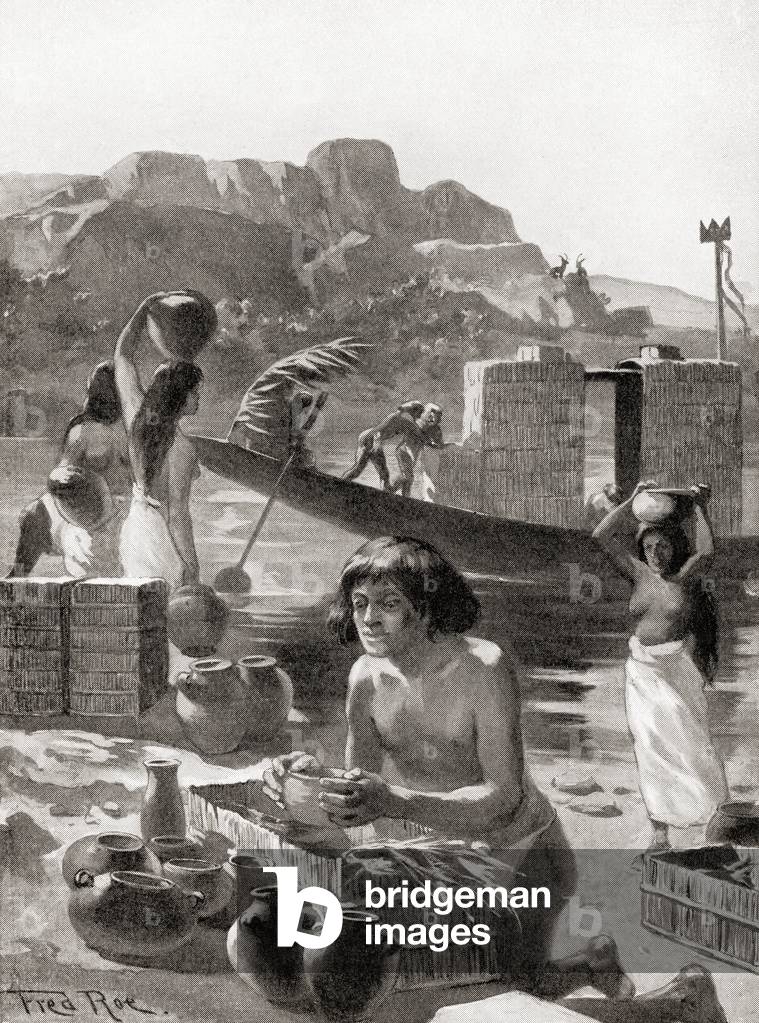
KWE3588247: Egyptians shipping pottery in 7, 000 B.C, from Hutchinson's History of the Nations, pub.1915, English School, (20th century) / Bridgeman Images
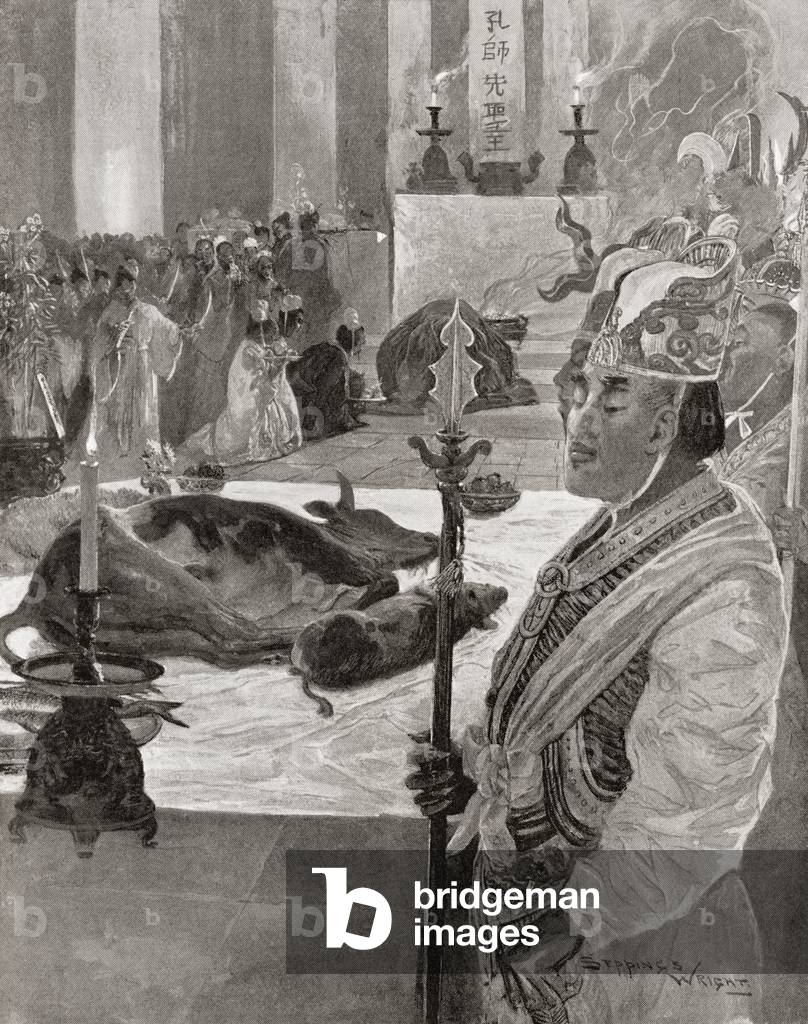
KWE3588261: Sacrificial offering in a temple of Confucius or Confucian temple c.505 AD, from Hutchinson's History of the Nations, pub.1915, English School, (20th century) / Bridgeman Images
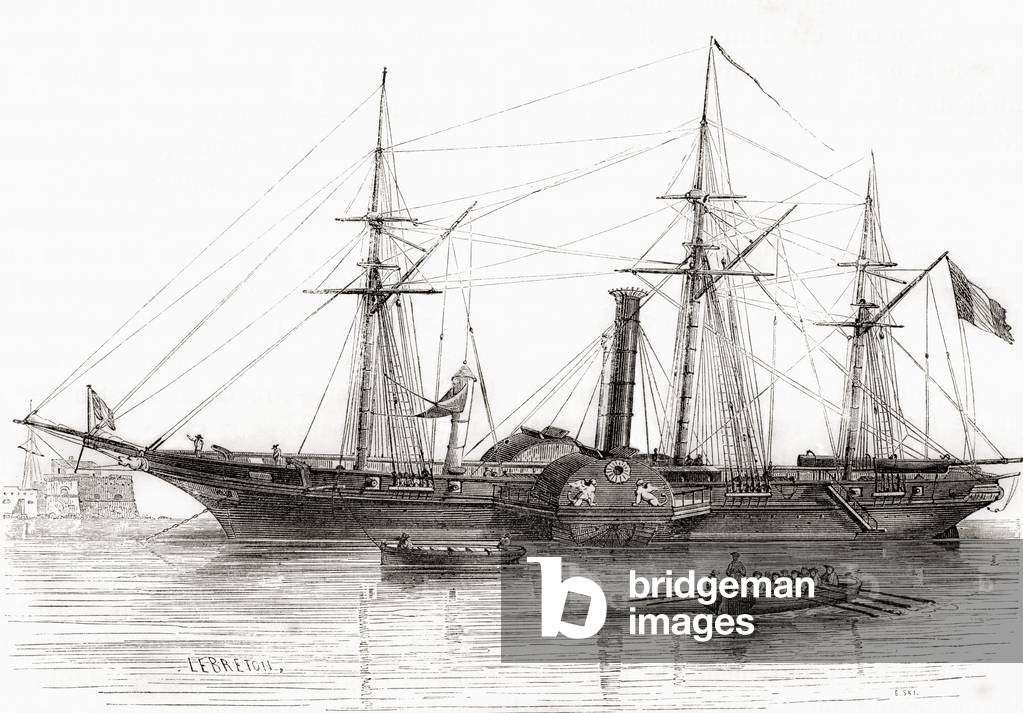
KWE3588284: The French corvette The Sphinx, from Les Merveilles de la Science, pub.1870., French School, (19th century) / Bridgeman Images
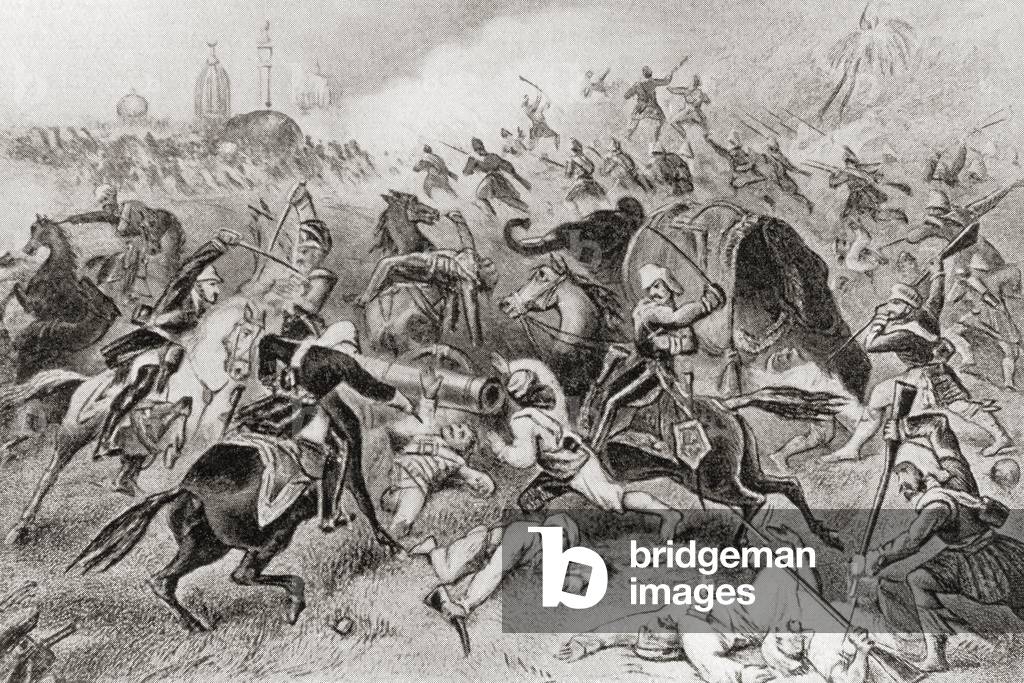
KWE3588314: The defeat of Tantya Tope by the British at Cawnpore, India during the Indian Rebellion of 1857, from Hutchinson's History of the Nations, pub.1915, English School, (20th century) / Bridgeman Images
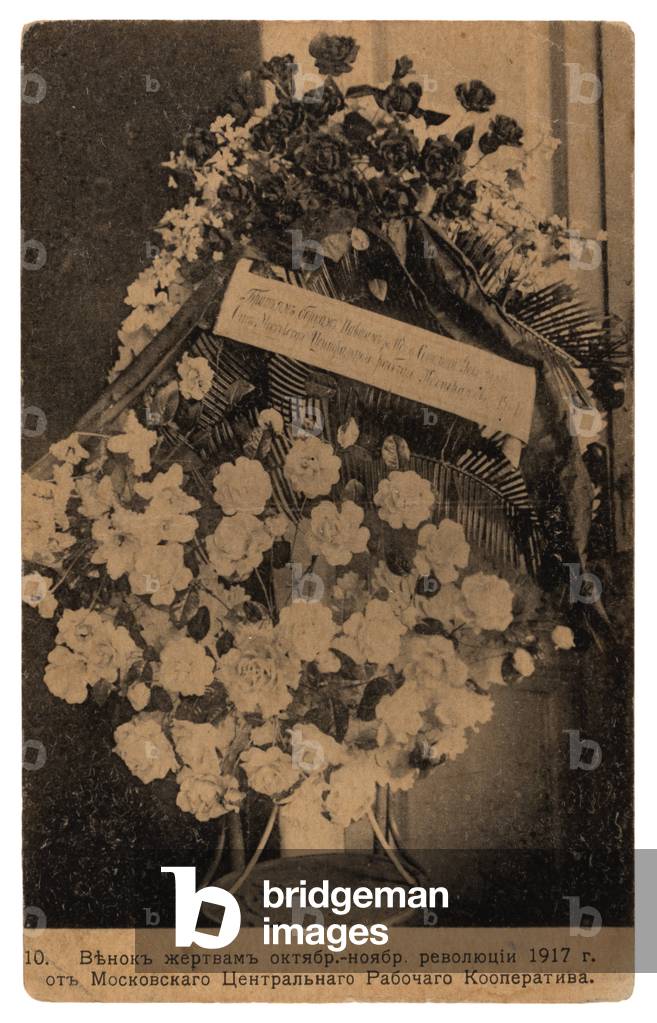
RPP3588607: Early Soviet postcard depicting Wreath for the Victims of the October Revolution, 1917, Dorn, A. F. (fl.1917) / Bridgeman Images
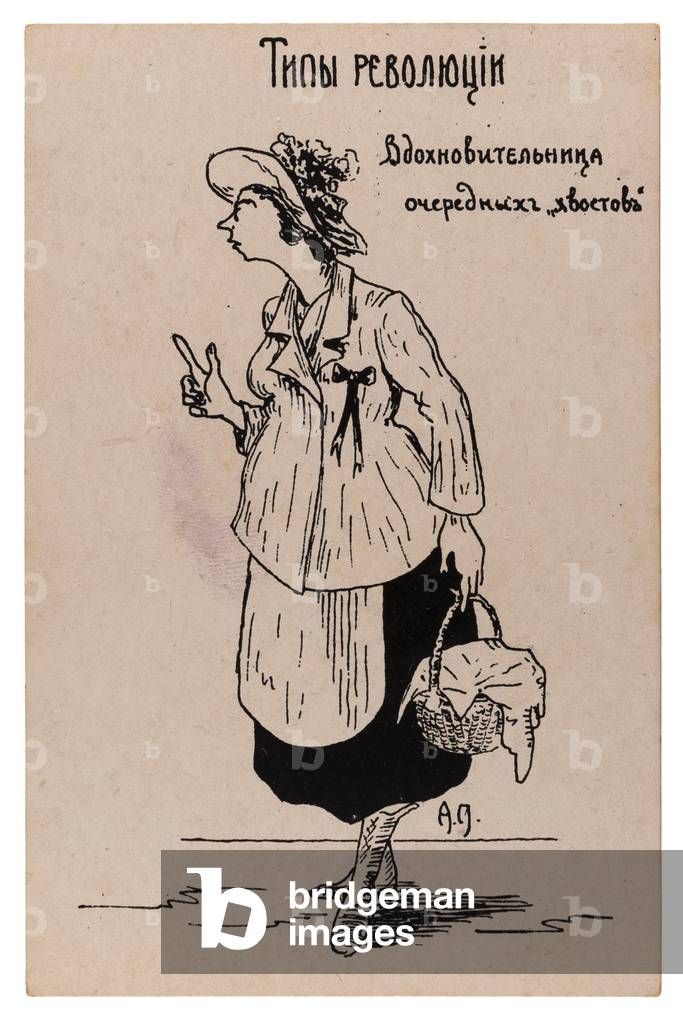
RPP3588639: Russian postcard satirising a Female Revolutionary, 1917, Russian School, (20th century) / Bridgeman Images
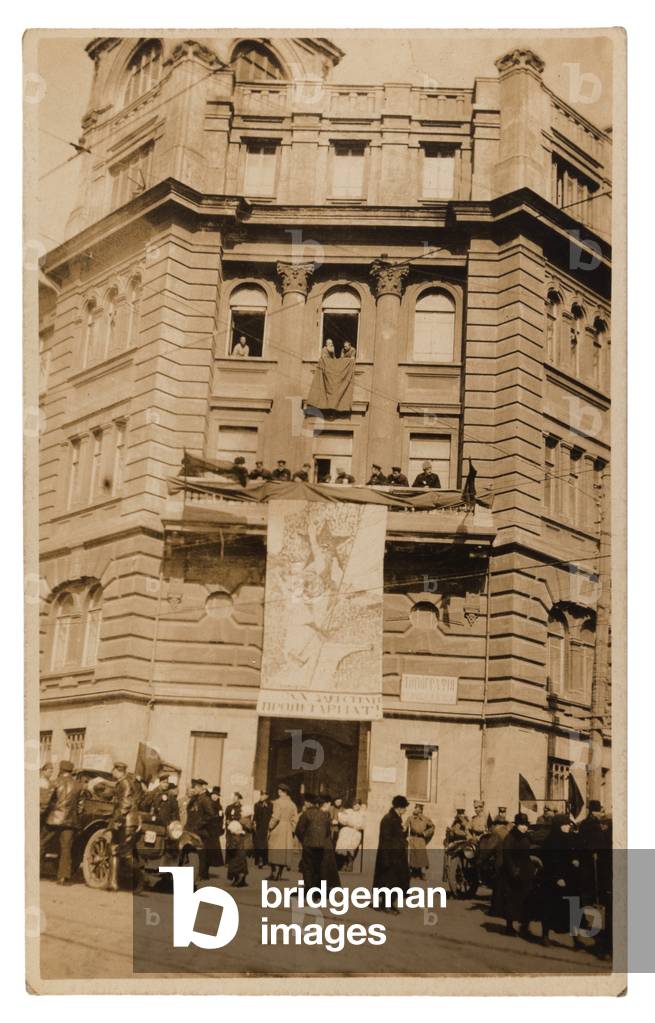
RPP3588670: Postcard depicting Crowds in Vladivostok standing beneath a large Revolutionary Propaganda Placard, c.1920, Russian Photographer, (20th century) / Bridgeman Images
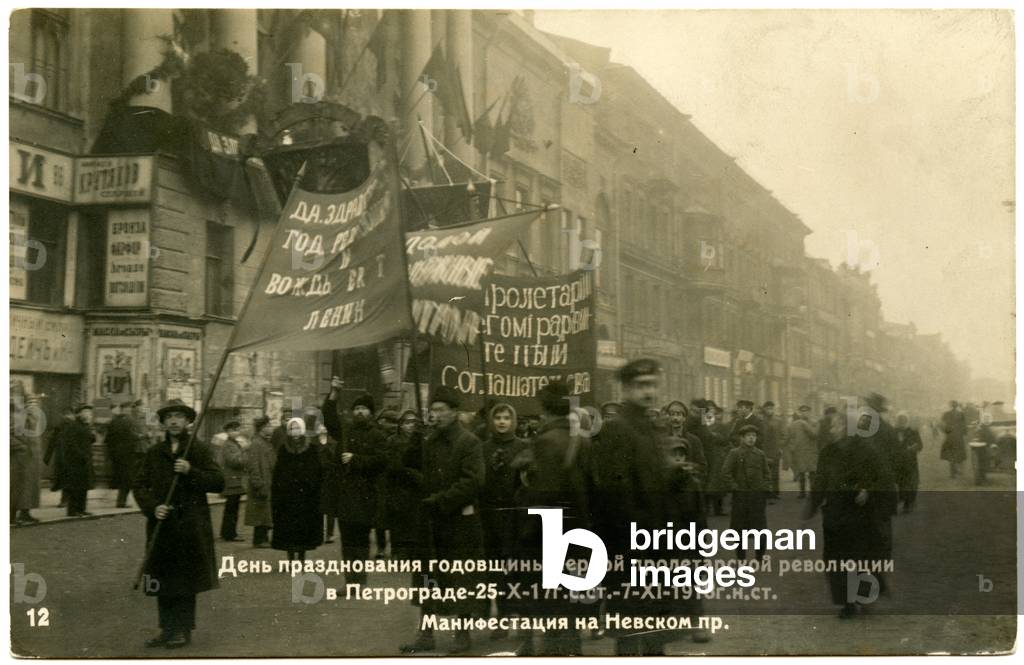
RPP3588773: Soviet postcard depicting Crowds Celebrating the First Anniversary of the Bolshevik Revolution, 1918, Russian Photographer, (20th century) / Bridgeman Images
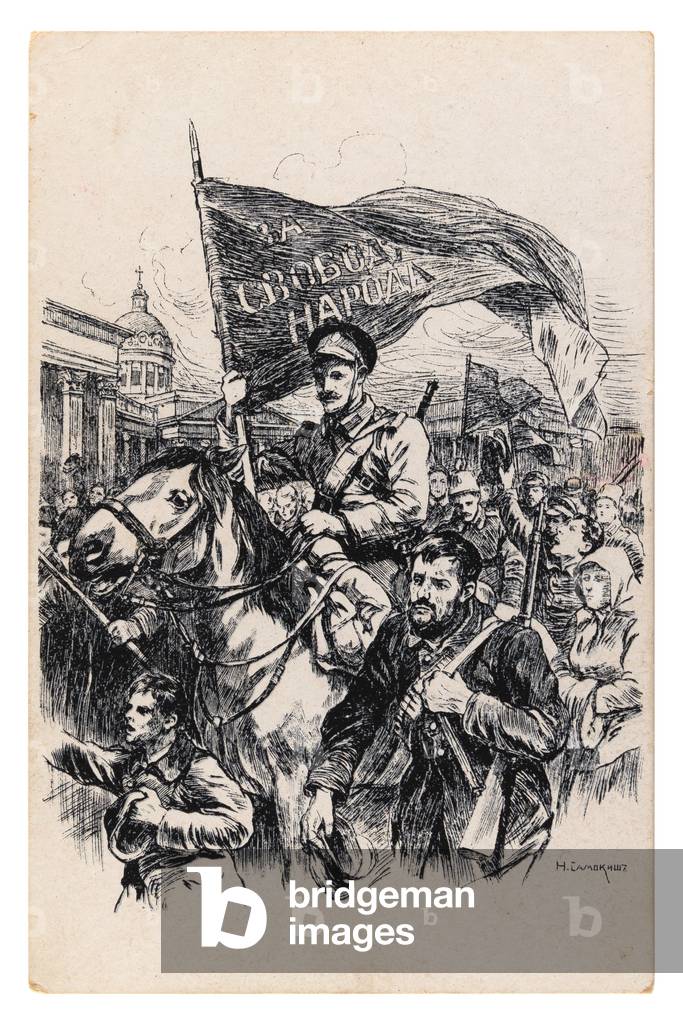
RPP3588806: Russian postcard commemorating the Overthrow of Tsar Nicholas II, 1917, Samokish, Nikolay Semenovich (1860-1944) / Bridgeman Images
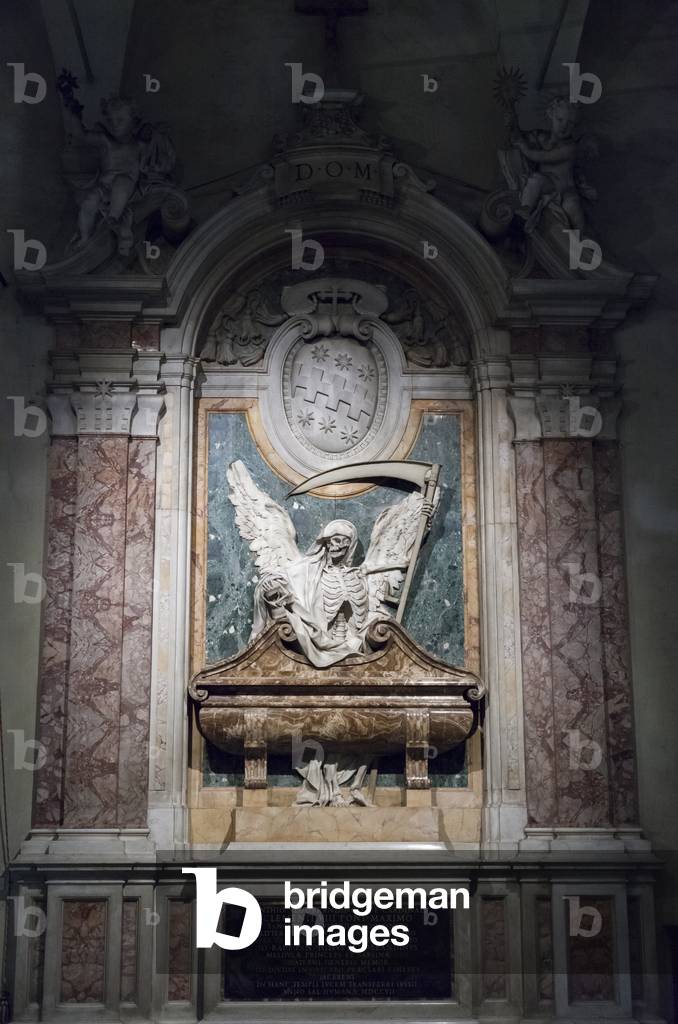
SBL3558733: The tomb of Cardinal Cinzio Passeri Personeni Aldobrandini, later pope Clement VIII, decorated with imagery of the grim reaper in the church of Saint Peter in Chains, San Pietro in Vincoli, Rome, Italy / Bridgeman Images

GRL3660825: The vault with frescoes on the theme of Diana, 1518-19 (fresco), Correggio, (Antonio Allegri) (c.1489-1534) / Bridgeman Images

GRL3660835: Putti, dog and deer, detail, 1518-19 (fresco), Correggio, (Antonio Allegri) (c.1489-1534) / Bridgeman Images

GRL3660839: Adam and Eve, detail of 3660848, 1514 (fresco), Araldi, Alessandro, (c.1460-1528/29) / Bridgeman Images
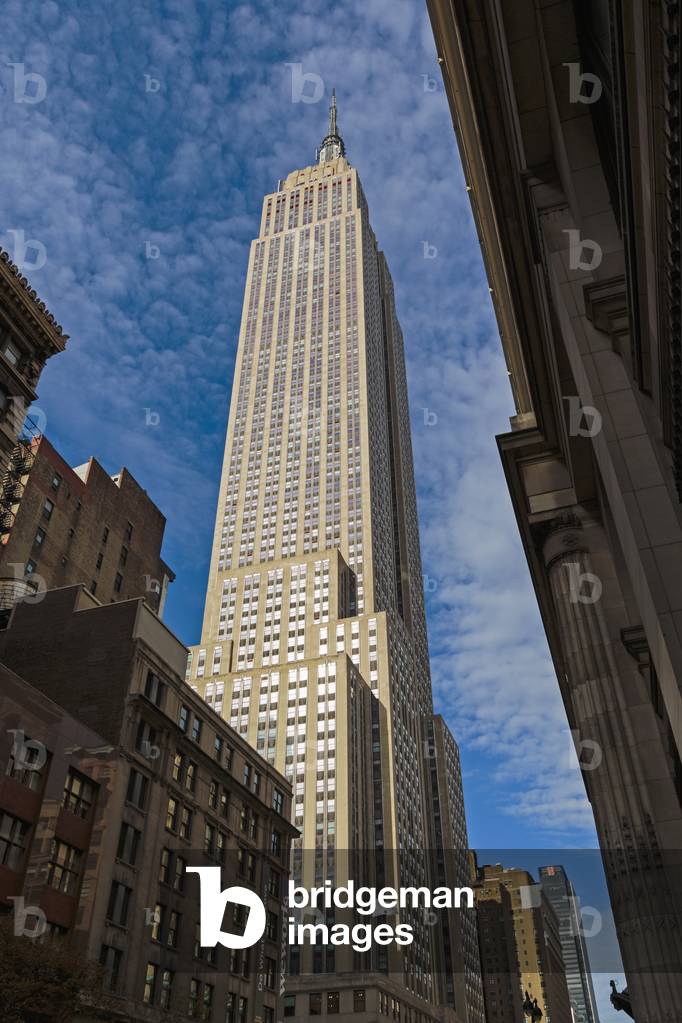
KW3660956: The Empire State Building skyscraper, New York City, New York State, United States of America (photo) / Bridgeman Images
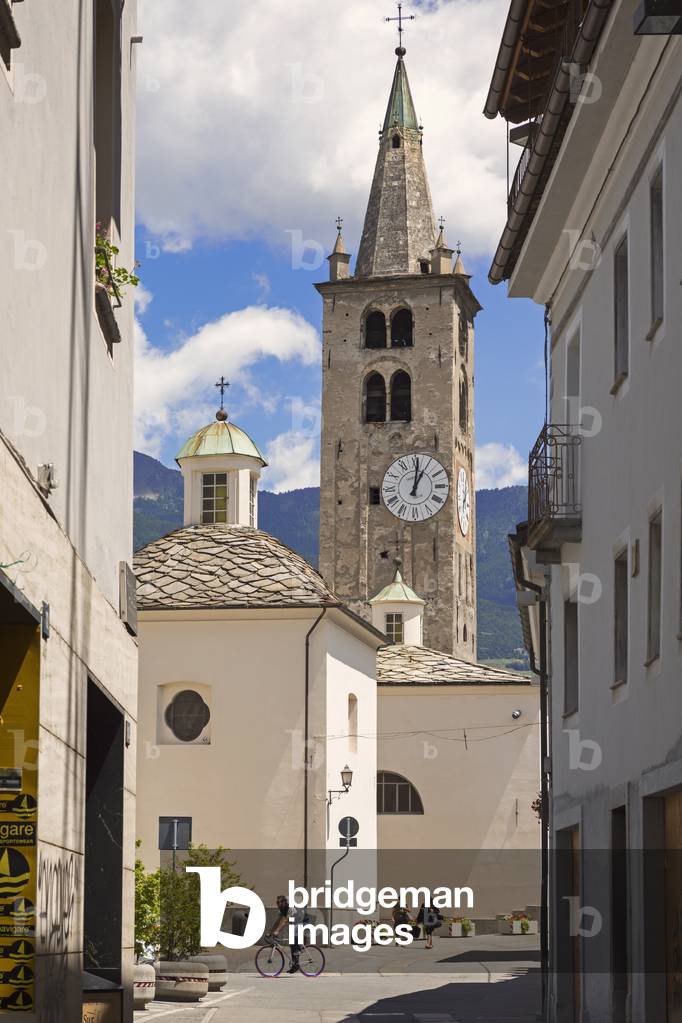
KW3660980: Exterior of Cathedral of Santa Maria Assunta, Aosta, Aosta Valley, Italy (photo) / Bridgeman Images
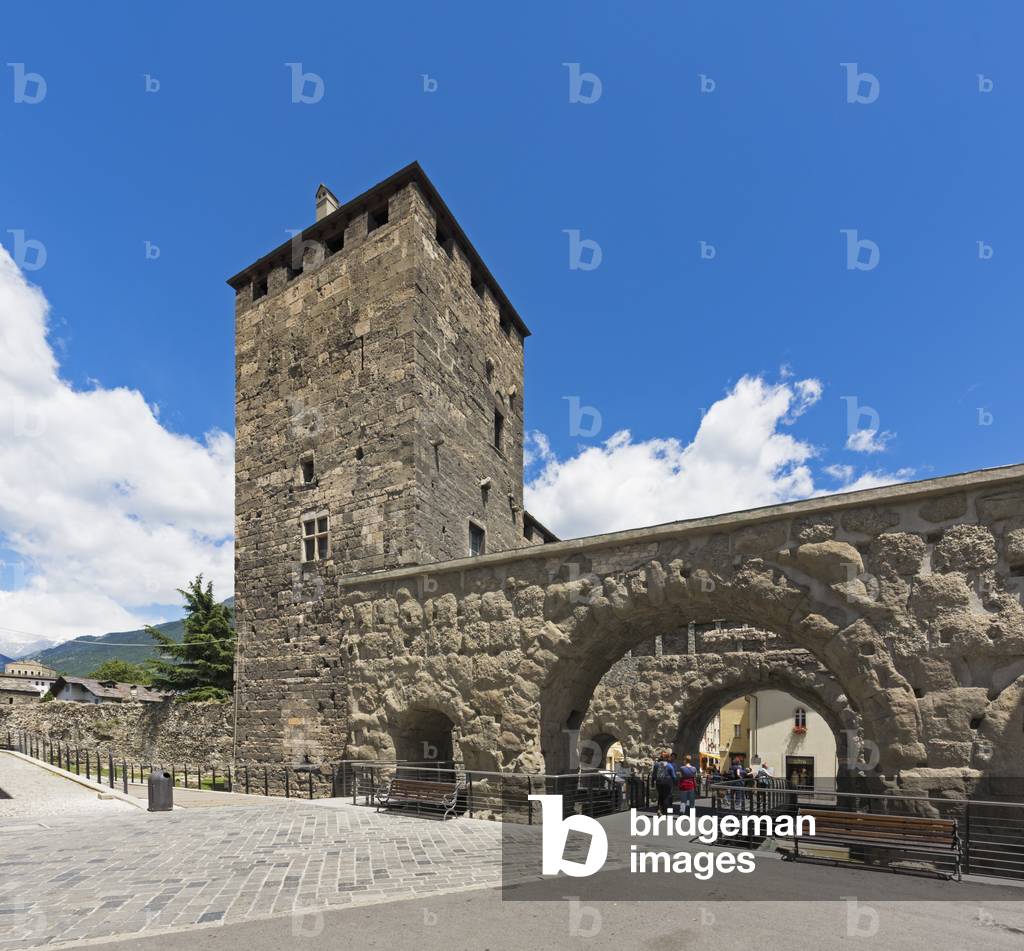
KW3660986: Porta Pretoria, Aosta, Aosta Valley, Italy (photo) / Bridgeman Images
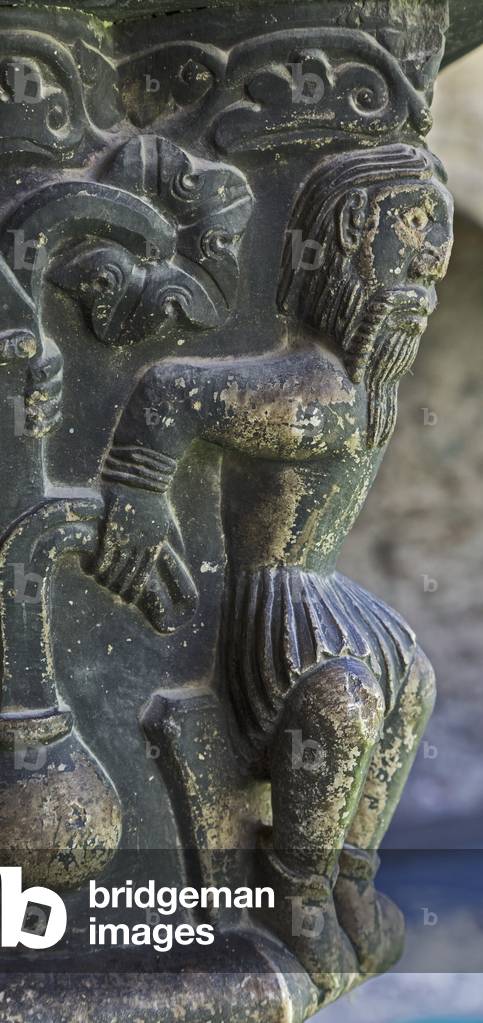
KW3660989: Historiated column in the Romanesque cloister, Collegiate church of Saint Orso, Aosta, Aosta Valley, Italy (photo) / Bridgeman Images

CH3661027: Bust of Christ as Man of Sorrows, late 15th century (terracotta), Italian School, (15th century) / Bridgeman Images

LRI3664251: Jesus of the Sacred Heart (litho), French School, (19th century) / Bridgeman Images
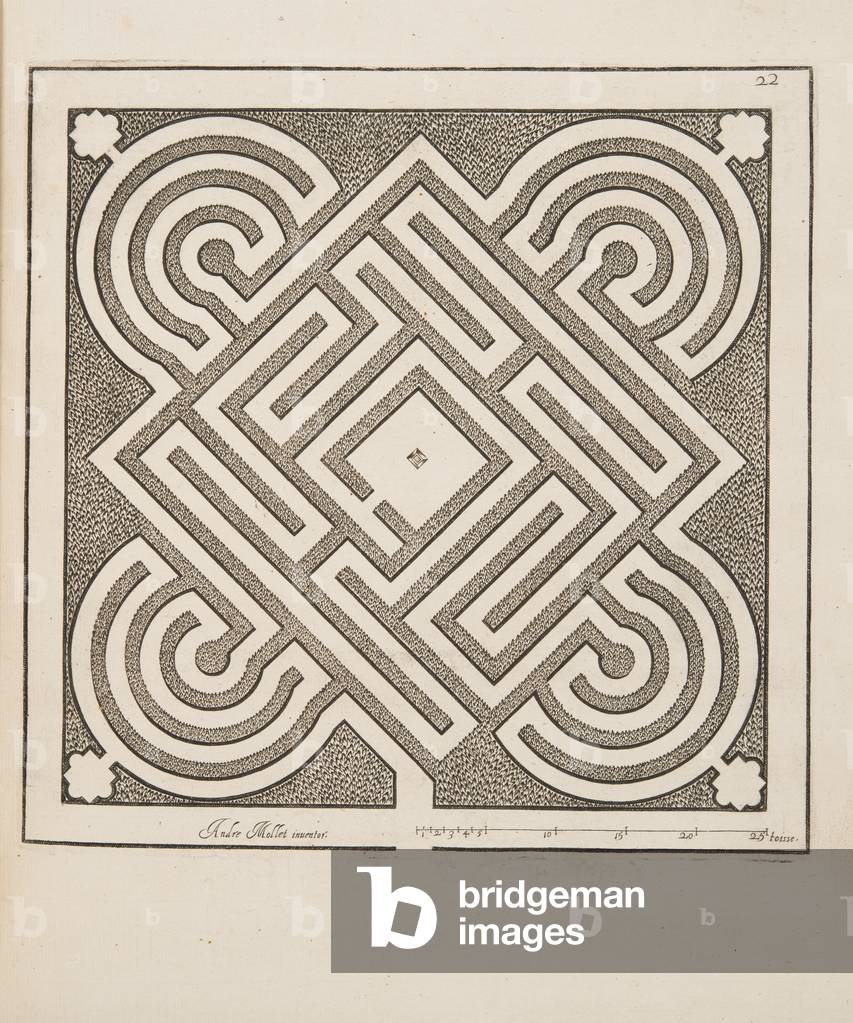
STC3664597: Design for Parterre, from Theatre des Plans et Jardinages, pub.1652 (engraving), Mollet, André (d.1665) / Bridgeman Images

STC3664606: The guard of the whisky trader, from Colliers Weekly, pub.1906 (colour litho), Remington, Frederic (1861-1909) / Bridgeman Images

STC3664661: Women Walking over a Bridge in Snow, pub.c.1848 (colour woodblock print), Hiroshige, Ando or Utagawa (1797-1858) / Bridgeman Images

KWE3736164: The Prioress and the Wife of Bath, from Old England: A Pictorial Museum, pub. 1847, English School, (19th century) / Bridgeman Images

KWE3736172: Coronation of Henry IV, from Old England: A Pictorial Museum, pub. 1847, English School, (19th century) / Bridgeman Images

KWE3736210: Margaret of Valois, from Hutchinson's History of the Nations, pub. 1915, English School, (20th century) / Bridgeman Images
