2491557 Search Results

GIE4920323: Portrait of the Nepalese writer Sabine Kuegler. 2005 / Bridgeman Images

SOB4920983: Angela Davis at Paris, 15 May 1975, Bassouls, Sophie / Bridgeman Images

GIE4920442: Portrait of the Nepalese writer Sabine Kuegler. 2005 / Bridgeman Images

YAC4920464: Portrait of Eric-Emmanuel (Eric Emmanuel) Schmitt (born 1960), playwright and novelist - March 2014, Coupannec, Yannick / Bridgeman Images

GRZ4920543: THE ACTRESS BLANCHETTE BRUNOY AT THE INTERNATIONAL FILM FESTIVAL IN VENICE LIDO - 1951 - / Bridgeman Images

GRZ4920596: THE ACTRESSES BLANCHETTE BRUNOY AND MICHELLE PHILIPPE AT THE INTERNATIONAL FILM FESTIVAL IN CANNES - 1951 - / Bridgeman Images

ICA4920634: Le Figaro, Satirique in N & B, ca. 1974_11_20: Greve, CGT, President of the Republic - Marianne, Chirac Jacques, Seguy Georges - Illustration by Jacques Faizant (1918-2006), Faizant, Jacques (1918-2006) / Bridgeman Images

SOB4920649: Portrait of Bernard Clavel, April 19, 1977, Villeneuve-sur-Yonne, Franc, Bassouls, Sophie / Bridgeman Images

GRZ4921043: THE ACTRESSES DORA DOLL AND LISE BOURDIN AT THE INTERNATIONAL FILM FESTIVAL IN CANNES - 1954 / Bridgeman Images

YAC4920696: Portrait of Maud Fontenoy (born 1977), navigator - March 2014, Coupannec, Yannick / Bridgeman Images

GIE4921187: Portrait of the British writer Terence David John Pratchett, known as Terry Pratchett. 11/2007 / Bridgeman Images

GIE4920747: Portrait of the writer Jed Rubenfeld. 03/2007 / Bridgeman Images

ICA4921325: Le Figaro, Satirique in N & B, ca. 1974_12_26: Marchais Georges, Pere Noel - Illustration by Jacques Faizant (1918-2006), Faizant, Jacques (1918-2006) / Bridgeman Images

ICA4921332: Le Figaro, Satirique in N & B, ca. 1974_12_27: Telephone - Illustration by Jacques Faizant (1918-2006), Faizant, Jacques (1918-2006) / Bridgeman Images

GRZ4921337: THE ACTRESS BIANCA FUSARI ON A BOAT AT VENICE LIDO BEACH - 1955 / Bridgeman Images

GIE4921359: Portrait of the Nepalese writer Sabine Kuegler. 2005 / Bridgeman Images

ZUM4921395: Tue 03, 1954 -” Clement Ader to sail on Maiden trip to Far East. The New Liner of the chargeurs Reunis photogrpahed in the Harbour of Bordeaux. It was officially inaugurated yesterday. The 17.600 ton ship carrying 555 passengers will sail on her maiden trip April 1st / Bridgeman Images

YAC4921421: Portrait of the French journalist and director Serge Moati (Portrait of french journalist and film director Serge Moati), 2014 Photography, Coupannec, Yannick / Bridgeman Images

ICA4920978: Le Figaro, Satirique in N & B, ca. 1974_12_6: President of the Republic, Official Visit - Giscard d'Estaing Valery, Duclos Jacques, Brejnev, Poniatowski Michel - Illustration by Jacques Faizant (1918-2006), Faizant, Jacques (1918-2006) / Bridgeman Images

YAC4921143: Portrait of Edwy Plenel (born 1952), political journalist - March 2014, Coupannec, Yannick / Bridgeman Images

GIE4921163: Portrait of Italian playwright, poet and novelist Tiziano Scarpa. 05/2007 / Bridgeman Images

GIE4921261: Portrait of the British writer Terence David John Pratchett, known as Terry Pratchett. 11/2007 / Bridgeman Images

ZUM4921265: Tue 03, 1954 - Training for the Indo-China war.: The last erre commando group of about a hundred men-divided into small groups of 4 or 5 are being specially trained to take over the grounds and villages soon after the withdrawal of the Viet Minh rebels. they are recruited from the former Viet Minh prisoners. soon after taking over the ground from the rebels each part of the village or battlefield is carefully searched for hidden enemy or war material left behind. / Bridgeman Images

SOB4921268: Jean-Noel Pancrazi, June 30, 2012, Bassouls, Sophie / Bridgeman Images

GIE4921331: Portrait of the Nepalese writer Sabine Kuegler. 2005 / Bridgeman Images

GRZ4921380: THE ACTRESS BIANCA FUSARI ON A BOAT (pedalo, pedals boat) AT VENICE LIDO BEACH - 1955 / Bridgeman Images

SOB4921386: Jean-Noel (Jean Noel) Pancrazi, June 30, 2012, Bassouls, Sophie / Bridgeman Images
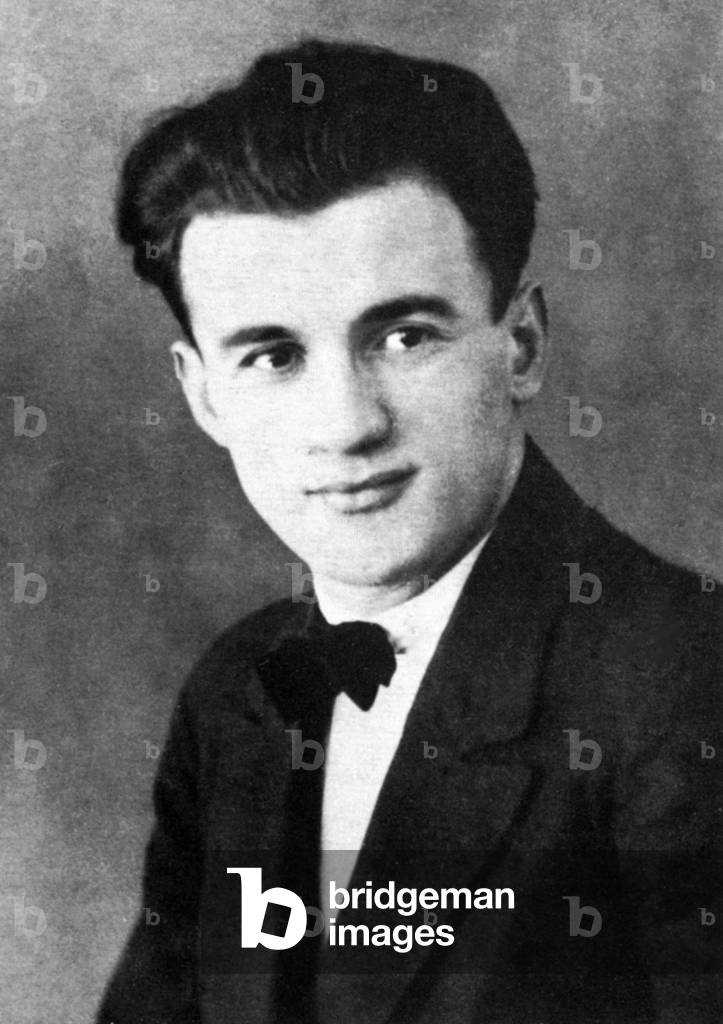
PUT5504126: Nikos Skalkottas in 1931, Greek composer, 21 March 1904 Ð 19 September 1949., Unknown photographer, (20th century) / Bridgeman Images

MEP5505815: View of the Polcevera viaduct, also known as the Morandi Bridge, across the Polcevera river. Genoa, 1967 (b/w photo) / Bridgeman Images
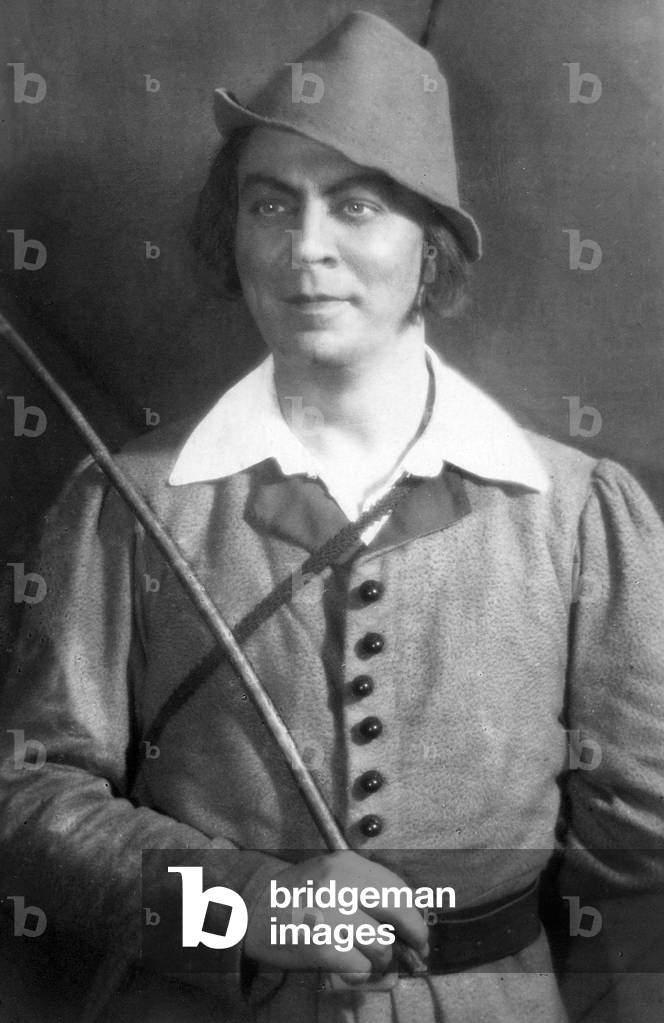
PUT5506100: Heinrich Rehkemper as Spielmann in Konigskinder. Portrait photograph., unknown photographer / Bridgeman Images
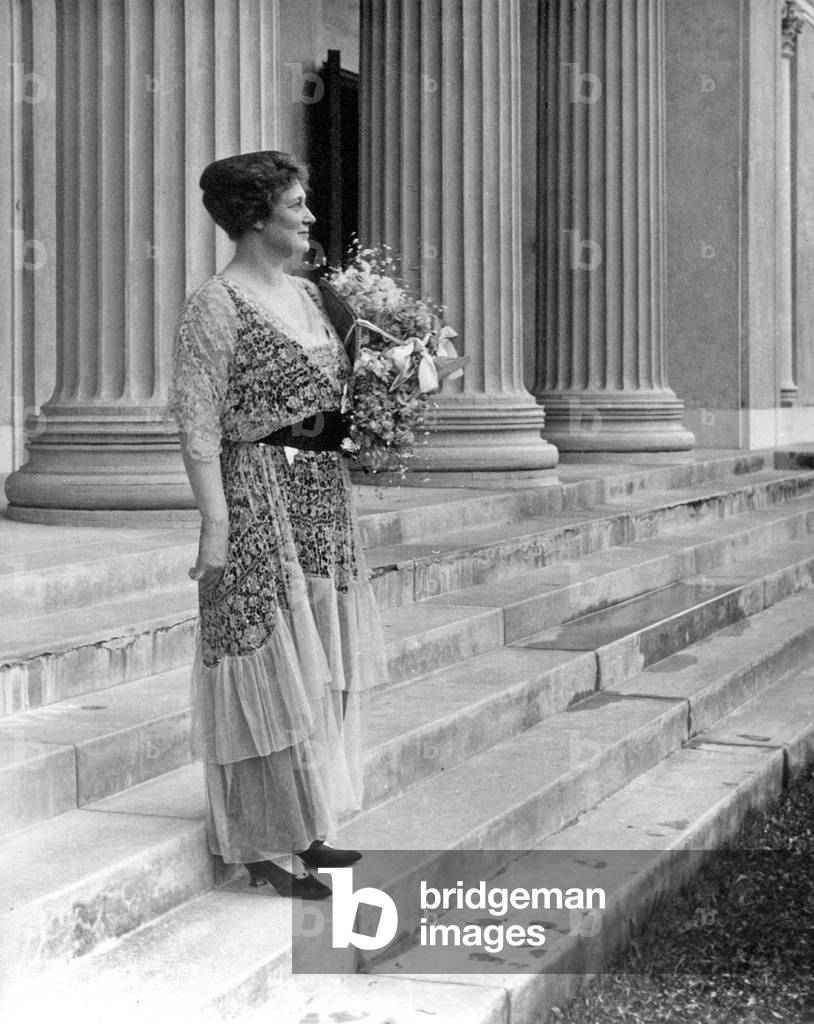
PUT5506103: Olive Fremstad. Photograph of the Swedish / American Soprano. Née Olivia Rundquist. 14th March 1871 - 21st April 1951., unknown photographer / Bridgeman Images
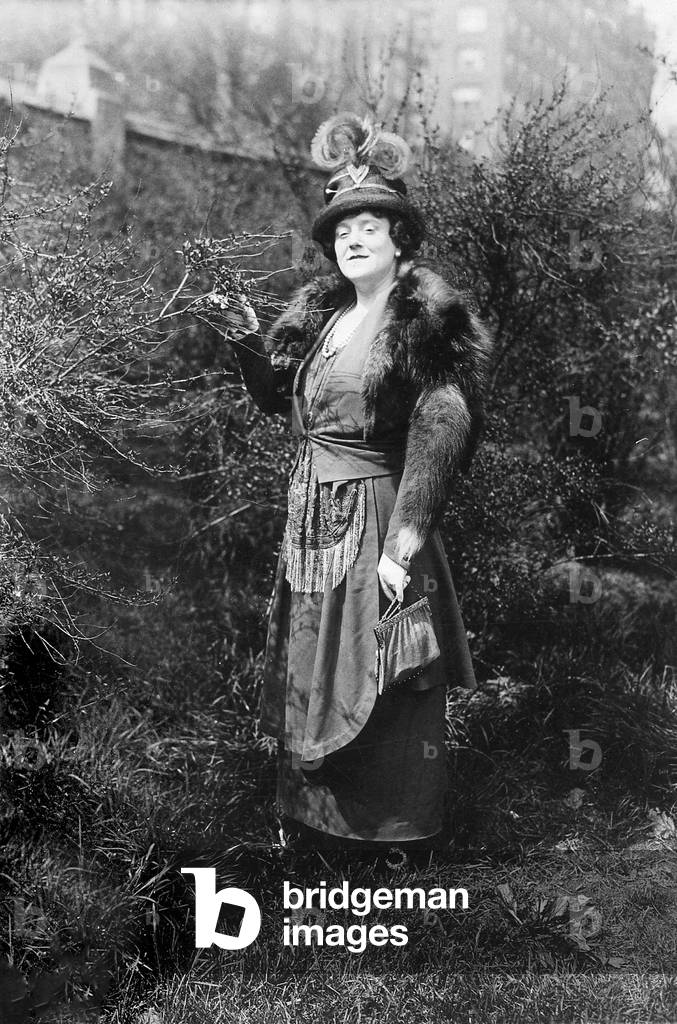
PUT5506118: Frieda Hempel. Photograph of the German soprano in a garden. 26th June 1885 - 7th October 1955., Unknown photographer, (20th century) / Bridgeman Images
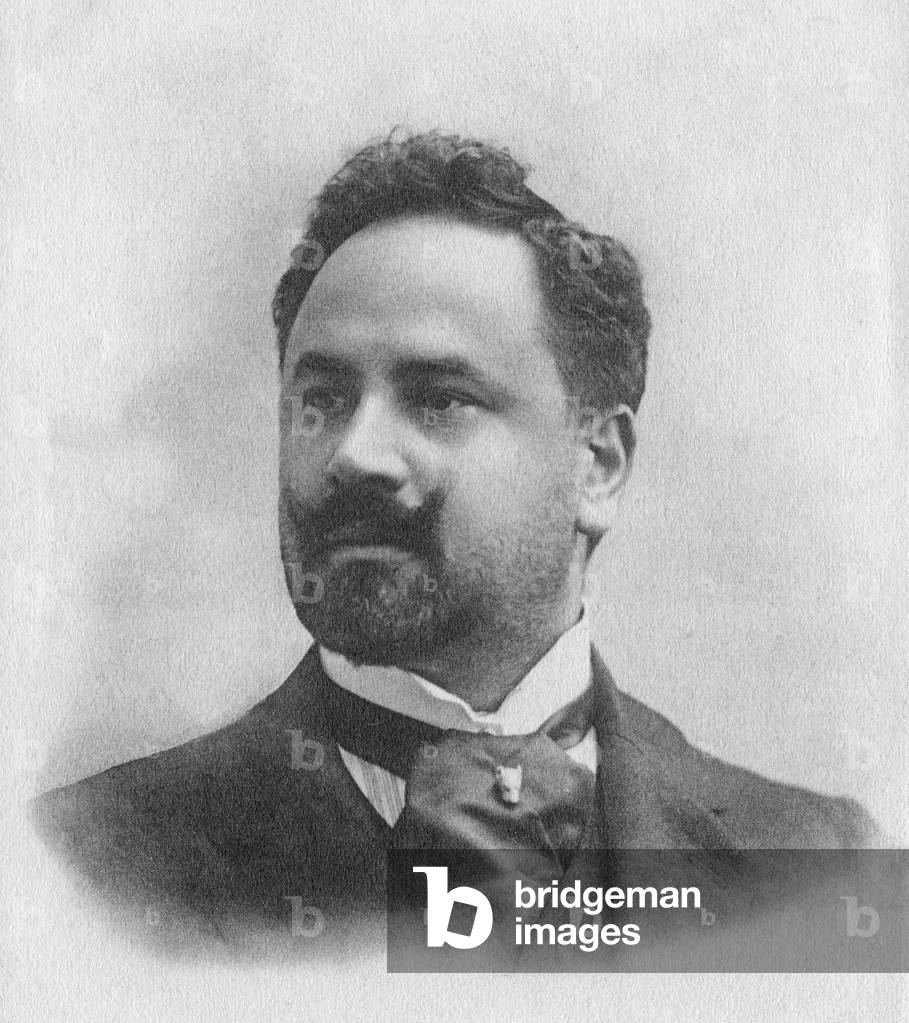
PUT5506093: Oreste Luppi. Portrait photograph of the Italian bass singer., unknown photographer / Bridgeman Images
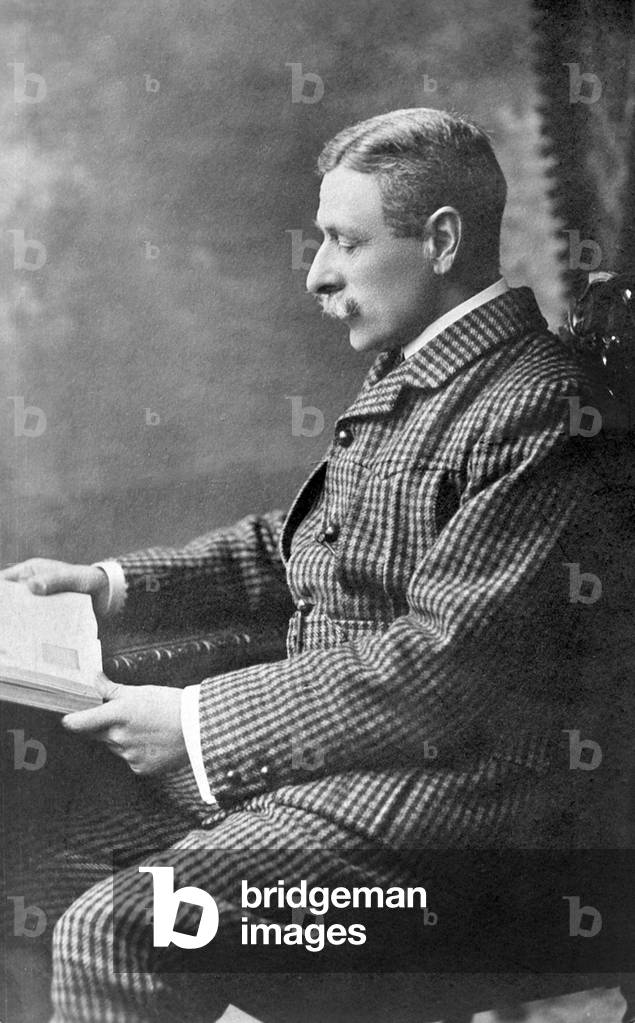
PUT5506241: Ricardo Mahllig - portrait of composer., German Photographer, (19th century) / Bridgeman Images
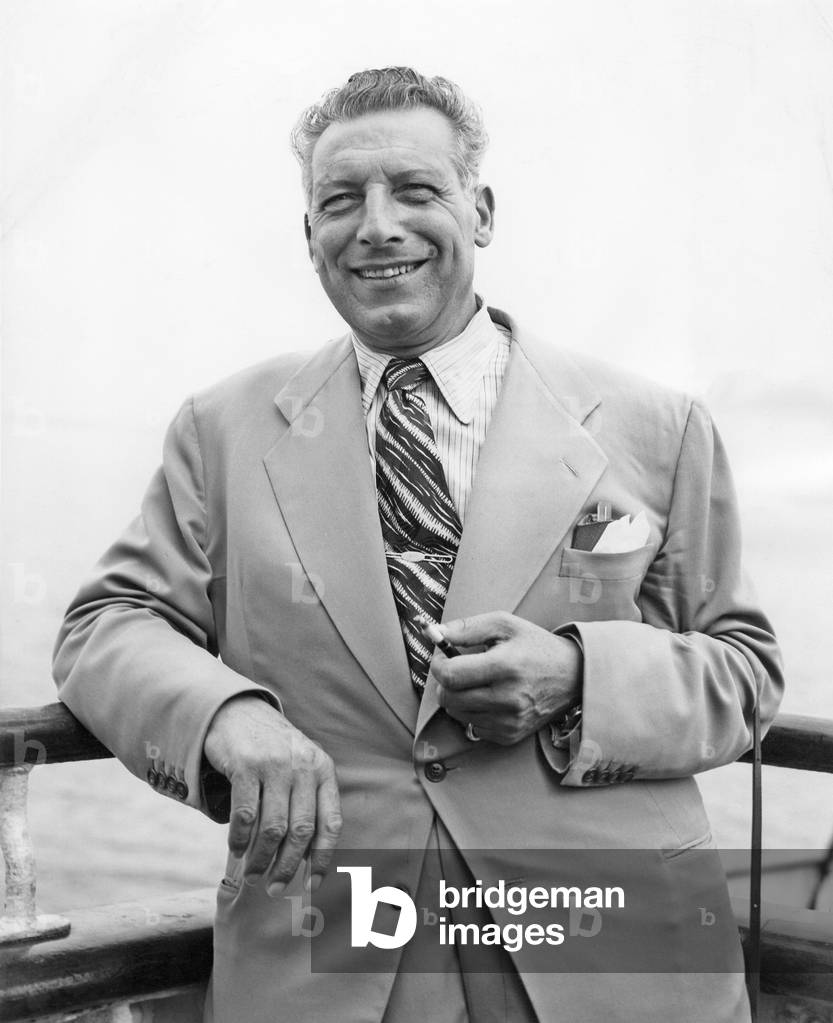
PUT5506152: Ezio Pinza. Portrait photograph ofthe Italian bass singer taken in 1951., Unknown photographer, (20th century) / Bridgeman Images
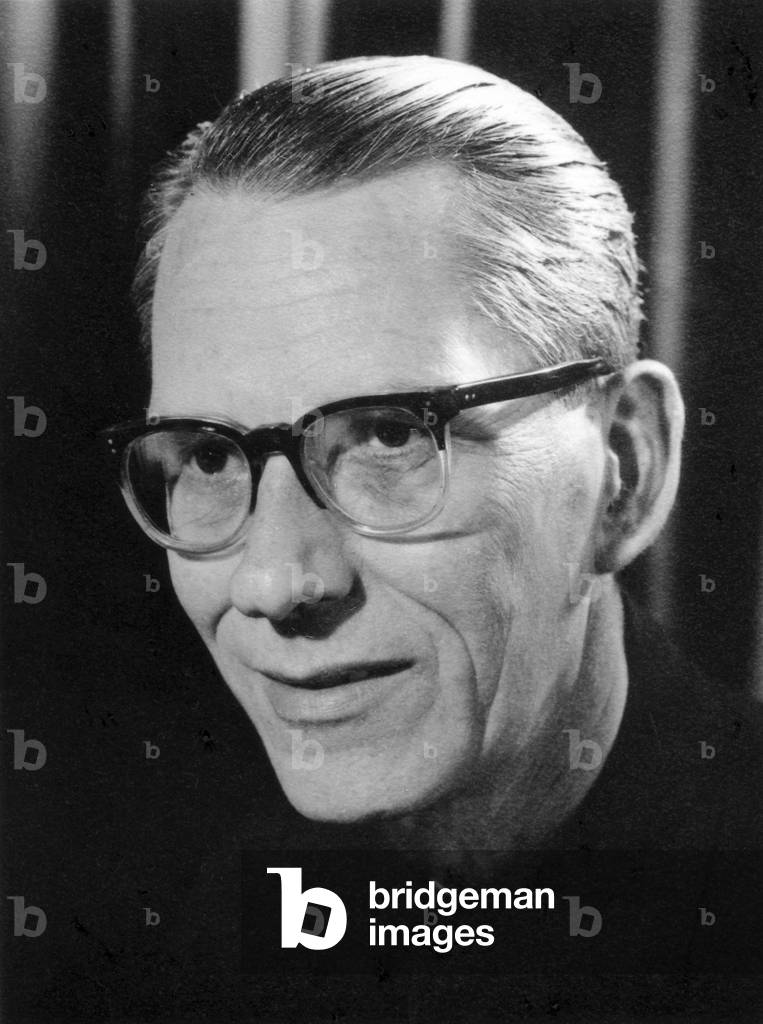
PUT5506158: Frederick Riddle. Portrait photograph of the British violist (20th April 1912 - 5th February 1995)., Unknown photographer, (20th century) / Bridgeman Images
