2491708 Search Results

LLM3631157: Each deplores his own lot (engraving), Leighton, John (1822-1912) / Bridgeman Images

LLM3630864: Buttermere (colour litho), Lydon, Alexander Francis (1836-1917) / Bridgeman Images

LLM5219215: Eton College: College Library, looking east (b/w photo), English Photographer, (20th century) / Bridgeman Images

LLM5219218: Eton College: In the Buttery (b/w photo), English Photographer, (20th century) / Bridgeman Images

LLM5219293: The Hare and the Hedgehog (colour litho), European School, (19th century) / Bridgeman Images

LLM5219302: Puss In Boots (colour litho), European School, (19th century) / Bridgeman Images

LLM5219310: Sebastian Brant (engraving), German School, (19th century) / Bridgeman Images

LLM5219334: Martin Buzer (engraving), German School, (19th century) / Bridgeman Images

LLM5219342: Philipp Melanchthon (engraving), German School, (19th century) / Bridgeman Images

LLM5219384: Nicolaus Ludwig, Graf zu Zinzendorf (engraving), German School, (19th century) / Bridgeman Images

LLM5219386: Friedrich von Hagedorn (engraving), German School, (19th century) / Bridgeman Images
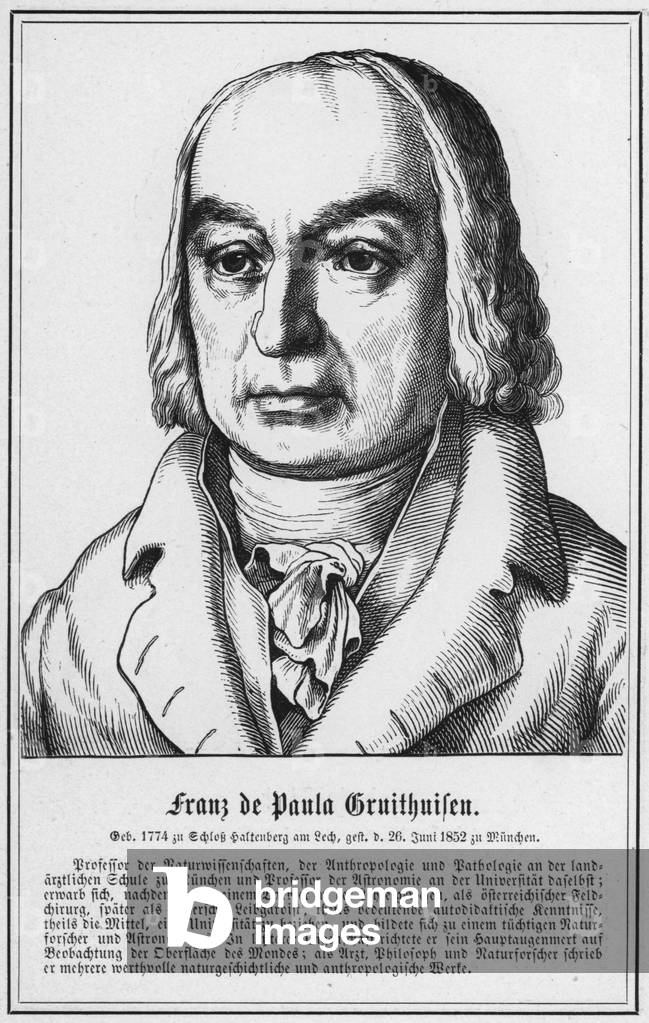
LLM5219472: Franz de Paula Gruithuisen (engraving), German School, (19th century) / Bridgeman Images

LLR5238928: Harry Houdini at different ages of his career (litho), American School, (20th century) / Bridgeman Images

LLR5238941: Episode in life of Jesus Christ (chromolitho), French School, (19th century) / Bridgeman Images
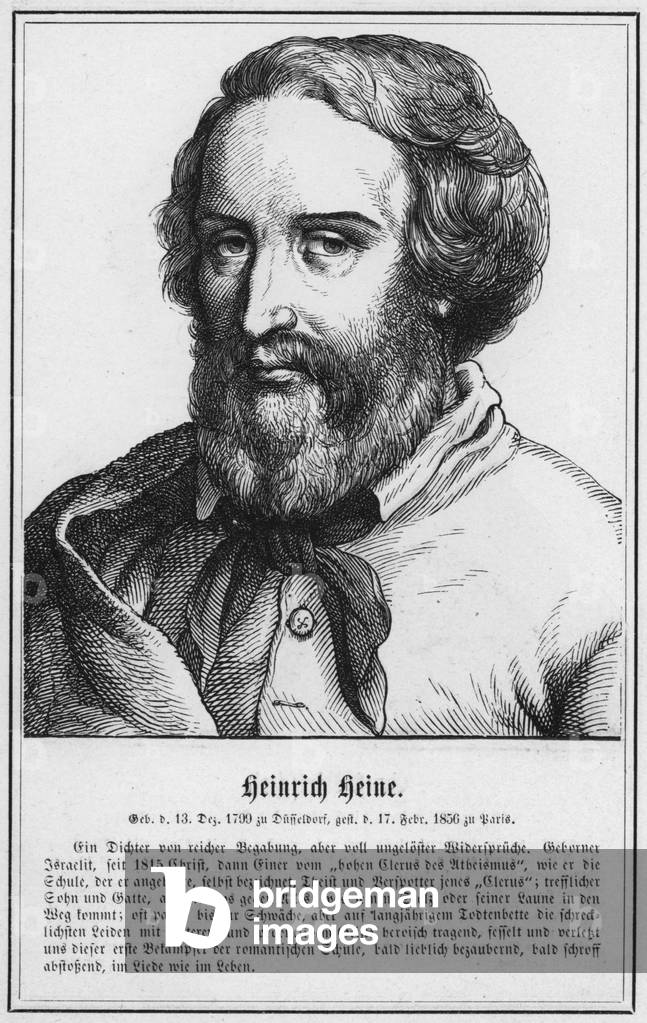
LLM5219502: Heinrich Heine (engraving), German School, (19th century) / Bridgeman Images
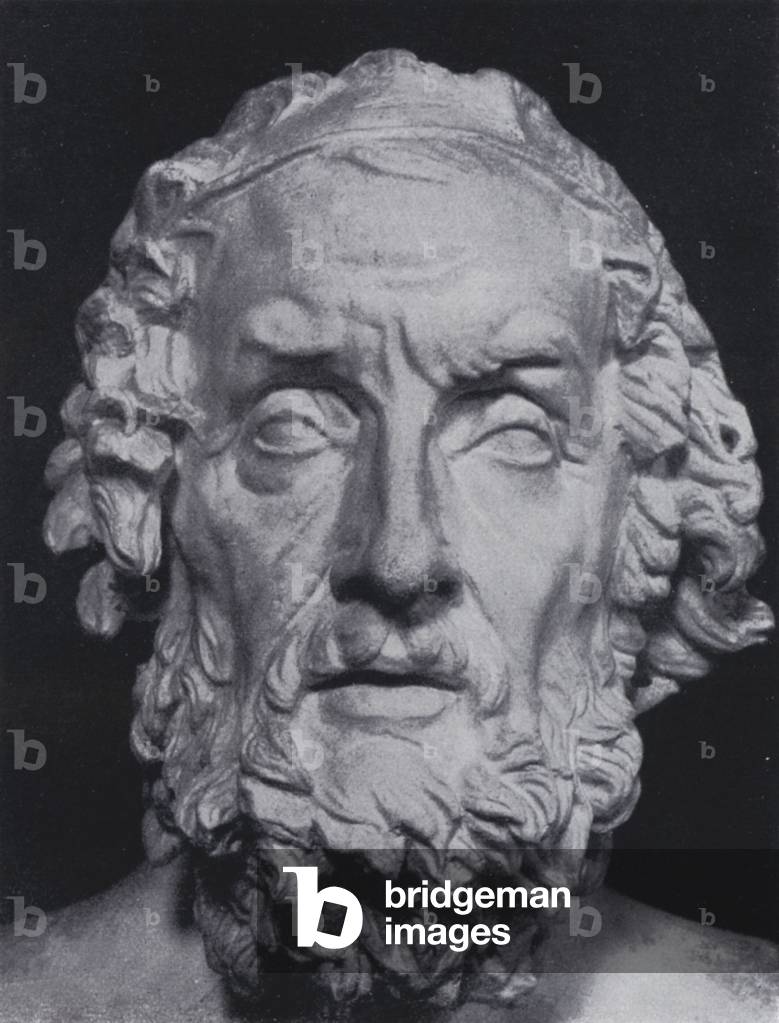
LLM5219508: Homer (b/w photo), European Photographer, (20th century) / Bridgeman Images
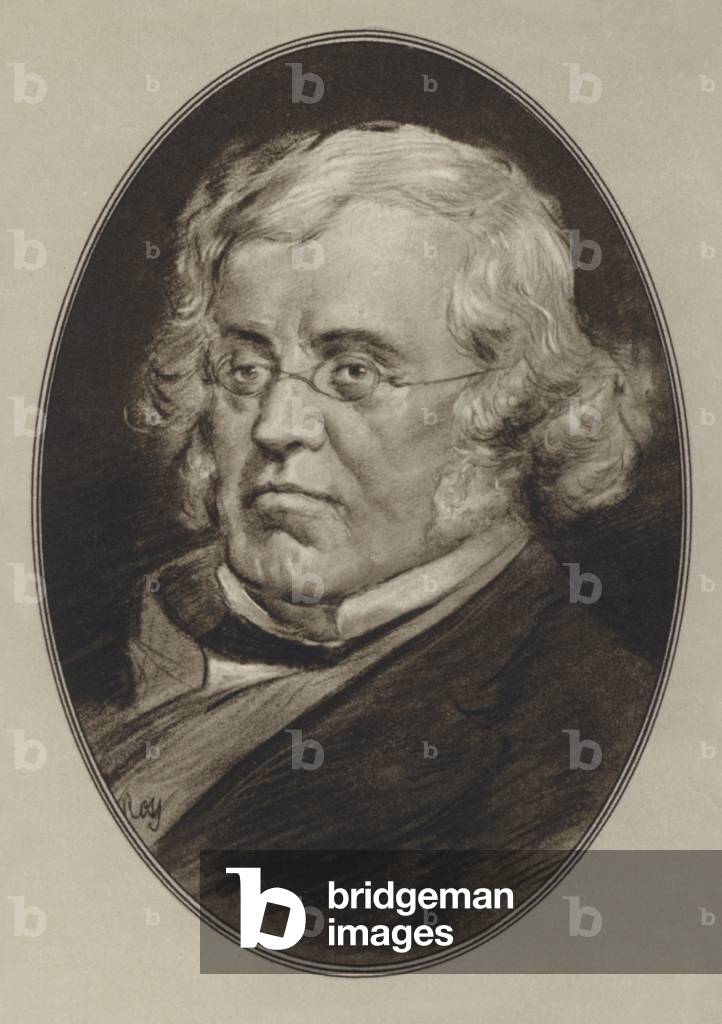
LLM5219524: William Makepeace Thackeray (litho), Ross, Gordon (1872-1946) / Bridgeman Images
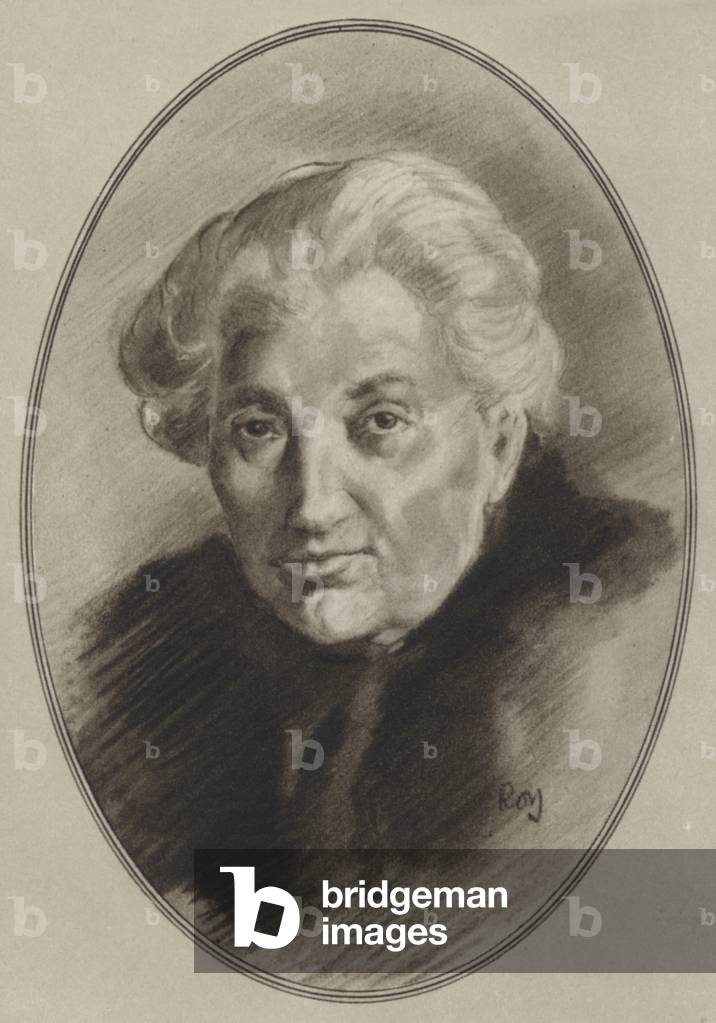
LLM5219544: Catherine Breshkovsky (litho), Ross, Gordon (1872-1946) / Bridgeman Images

LLM5219601: Lapagerias and Passiflora (chromolitho), Hamilton, Gertrude (fl.1898) / Bridgeman Images

LLM5219606: Mixed Orchids (chromolitho), Hamilton, Gertrude (fl.1898) / Bridgeman Images

LLM5219636: Carnations and Picotees (chromolitho), English School, (19th century) / Bridgeman Images
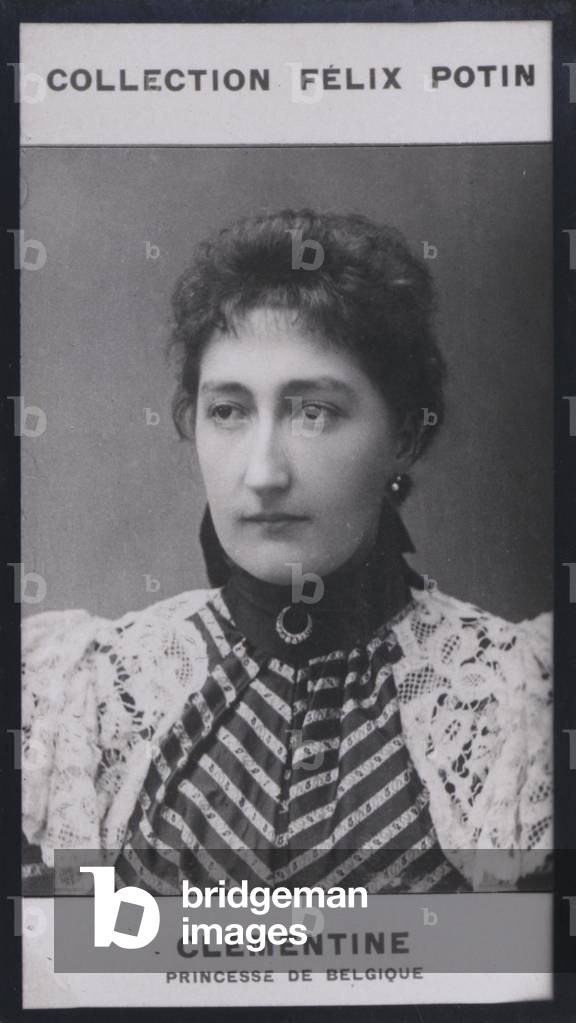
LLM5219684: Clementine, Princesse De Belgique (1872) (b/w photo), European Photographer, (19th century) / Bridgeman Images
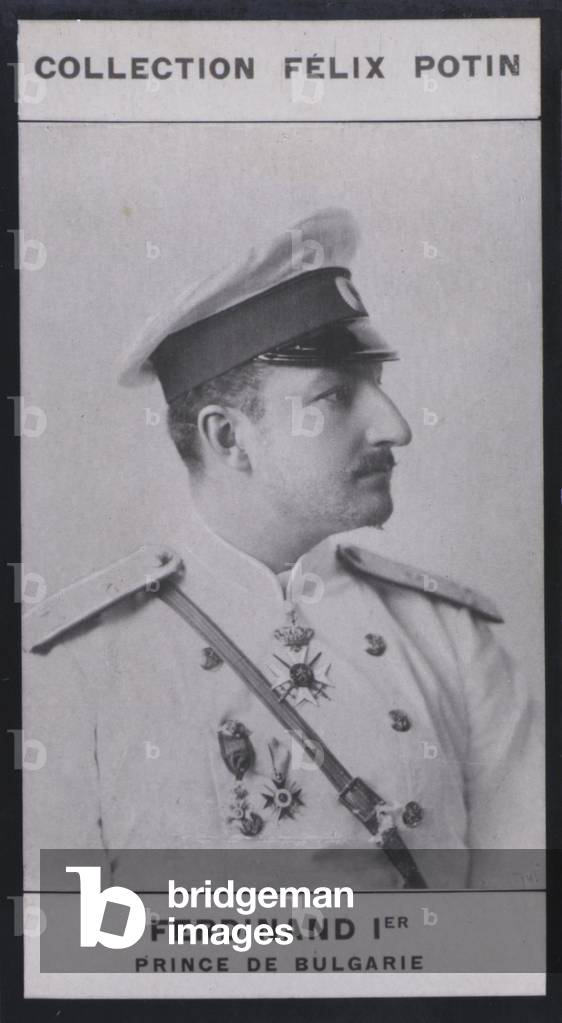
LLM5219687: Ferdinand, Prince Elu De Bulgarie (1861) (b/w photo), European Photographer, (19th century) / Bridgeman Images
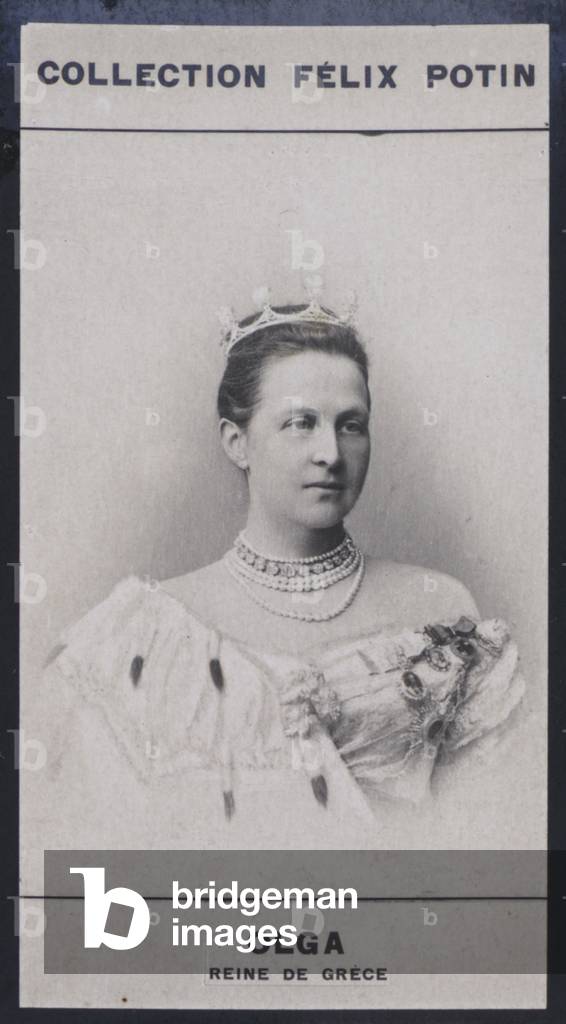
LLM5219701: Olga, Reine Des Hellenes (1851) (b/w photo), European Photographer, (19th century) / Bridgeman Images

LLM5219718: Guillaume III, Roi Des Pays-Bas (1817-1890) (b/w photo), European Photographer, (19th century) / Bridgeman Images

LLM5219723: Marie-Amelie, Reine De Portugal (1865) (b/w photo), European Photographer, (19th century) / Bridgeman Images

LLM5219734: Milan Ier, Roi De Serbie (1854-1901) (b/w photo), European Photographer, (19th century) / Bridgeman Images

LLM5219761: Gabriel Hanotaux (1853) (b/w photo), European Photographer, (19th century) / Bridgeman Images

LLM5219762: Andre Lebon (1859) (b/w photo), European Photographer, (19th century) / Bridgeman Images

LLM5219774: Georges-Henri comte de Munster (1820-1902) (b/w photo), European Photographer, (19th century) / Bridgeman Images

LLM5219781: Antonio Canovas Del Castillo (1828-1897) (b/w photo), European Photographer, (19th century) / Bridgeman Images

LLM5219791: Mgr Jacques Gibbons (1834) (b/w photo), European Photographer, (19th century) / Bridgeman Images

LLM5219803: Louis-Leon-Cesar Faidherbe (1818-1889) (b/w photo), European Photographer, (19th century) / Bridgeman Images
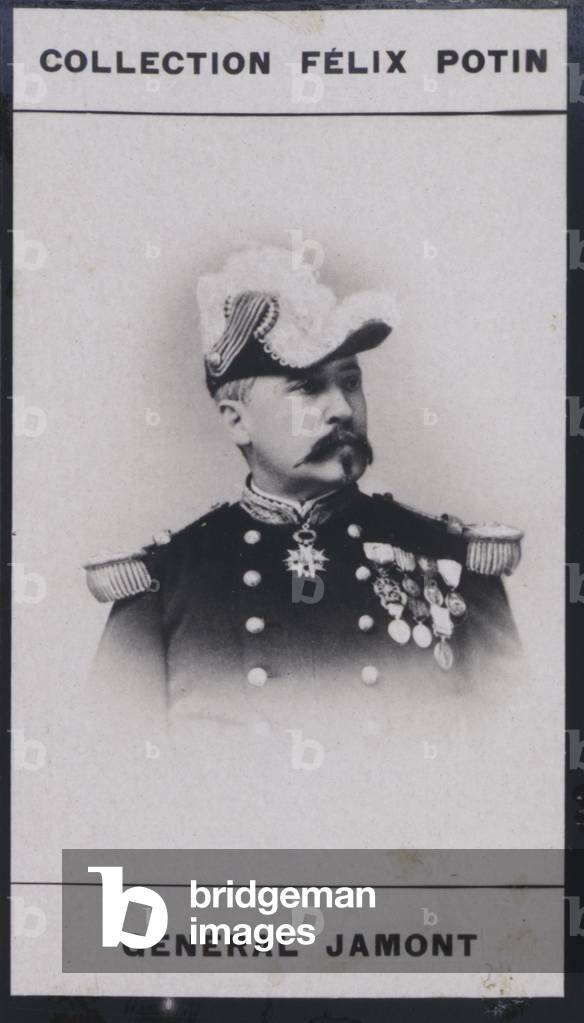
LLM5219809: Edouard-Fernand Jamont (1831) (b/w photo), European Photographer, (19th century) / Bridgeman Images

LLM5204901: Kotwal from the Forest above Kangan, Sind Valley (colour litho), Molyneux, Edward Mary Joseph (1866-1913) / Bridgeman Images

LLM5204914: Shawl Merchants' Shops, Third Bridge, Srinagar (colour litho), Molyneux, Edward Mary Joseph (1866-1913) / Bridgeman Images
