2491632 Search Results

LLM5227232: King Edward IV, King Edward V, King Richard III (engraving), English School, (19th century) / Bridgeman Images

LLM5987910: Page from Army and Navy Stores Catalogue, 1939-40 (litho), English School, (20th century) / Bridgeman Images

LLM5988182: Page from Army and Navy Stores Catalogue, 1939-40 (litho), English School, (20th century) / Bridgeman Images

LLM5213201: All Saints' Church, Margaret-Street, Cavendish-Square (engraving), English School, (19th century) / Bridgeman Images

LLM5213214: Interior of the Napoleon Circus, Paris (engraving), English School, (19th century) / Bridgeman Images

LLM5213291: The Percy Chapel, Bath (engraving), English School, (19th century) / Bridgeman Images
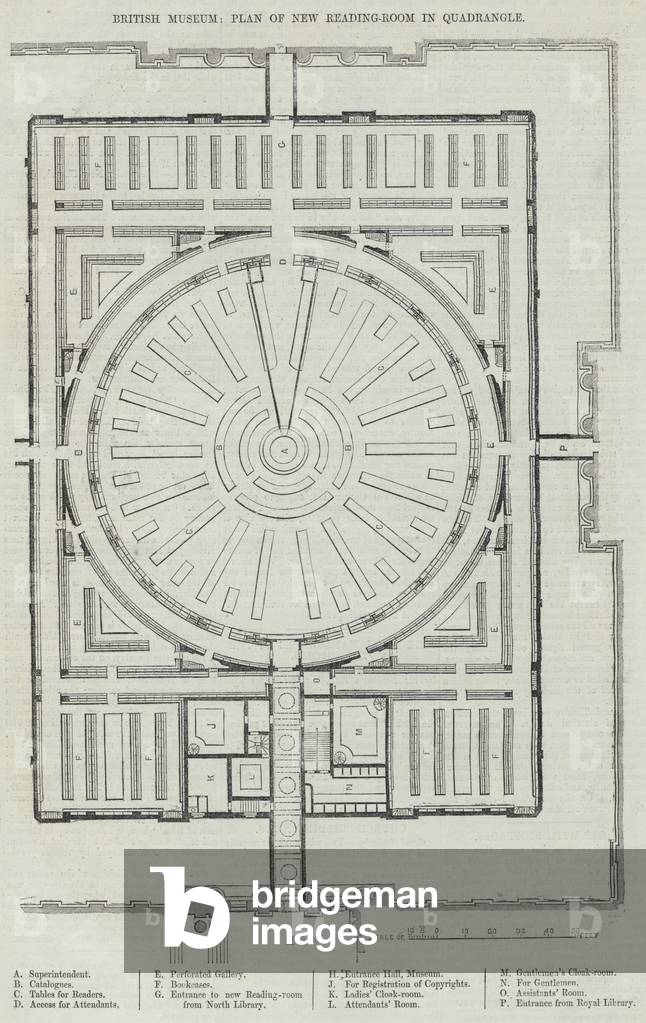
LLM5213298: British Museum, Plan of New Reading-Room in Quadrangle (engraving), English School, (19th century) / Bridgeman Images
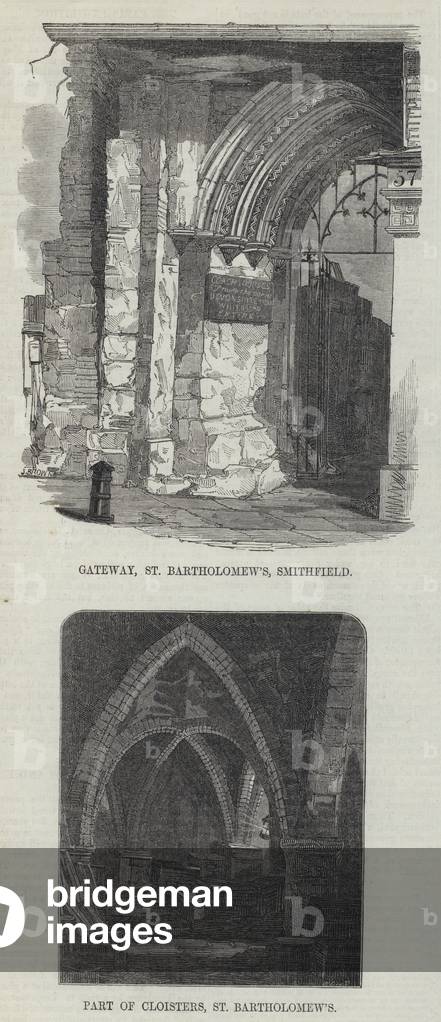
LLM5213302: St Bartholomew's, Smithfield (engraving), English School, (19th century) / Bridgeman Images
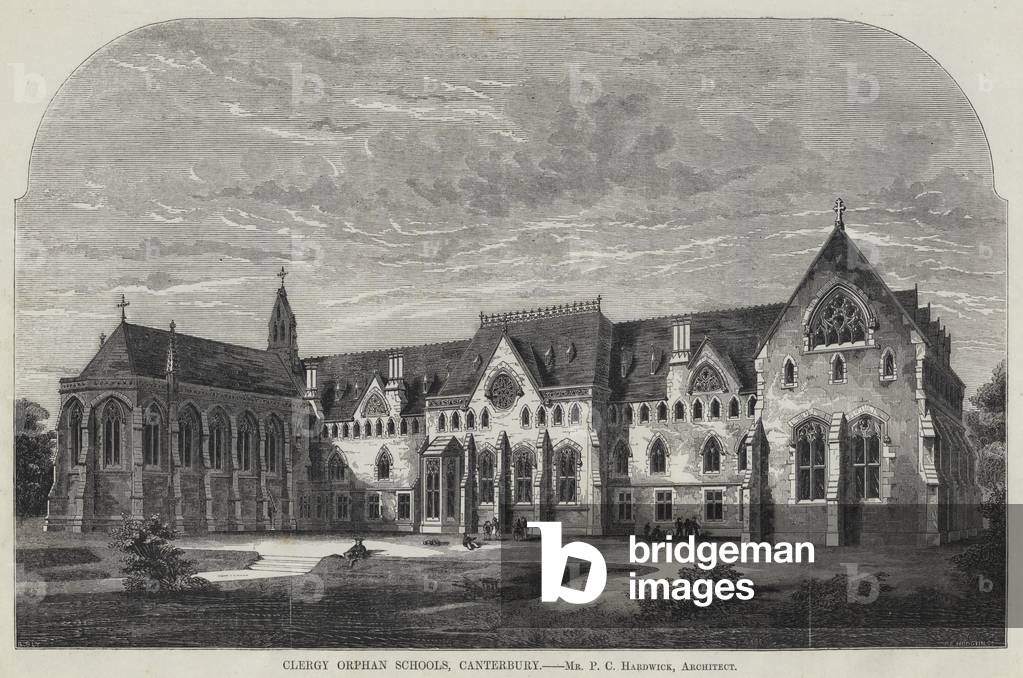
LLM5213306: Clergy Orphan Schools, Canterbury (engraving), English School, (19th century) / Bridgeman Images

LLM5213326: The Carlton Club-House, Garden Front (engraving), English School, (19th century) / Bridgeman Images

LLM5213344: View of Margate Pier (engraving), English School, (19th century) / Bridgeman Images

LLM5213374: Notre Dame of Paris, South-East View (engraving), English School, (19th century) / Bridgeman Images

LLM5213389: Worth Church, Sussex (engraving), English School, (19th century) / Bridgeman Images

LLM5213396: Iron Screen and Gates, Westminster Abbey (engraving), English School, (19th century) / Bridgeman Images

LLM5213431: The Crimean Monument at Sheffield (engraving), English School, (19th century) / Bridgeman Images

LLM5213443: The Victoria Tower, Westminster (engraving), English School, (19th century) / Bridgeman Images

LLM5213479: The New Church of St Matthias, Richmond, Surrey (engraving), English School, (19th century) / Bridgeman Images

LLM5213482: Street Architecture, Warehouse, Bristol (engraving), English School, (19th century) / Bridgeman Images

LLM5227260: Friars (litho), English School, (20th century) / Bridgeman Images
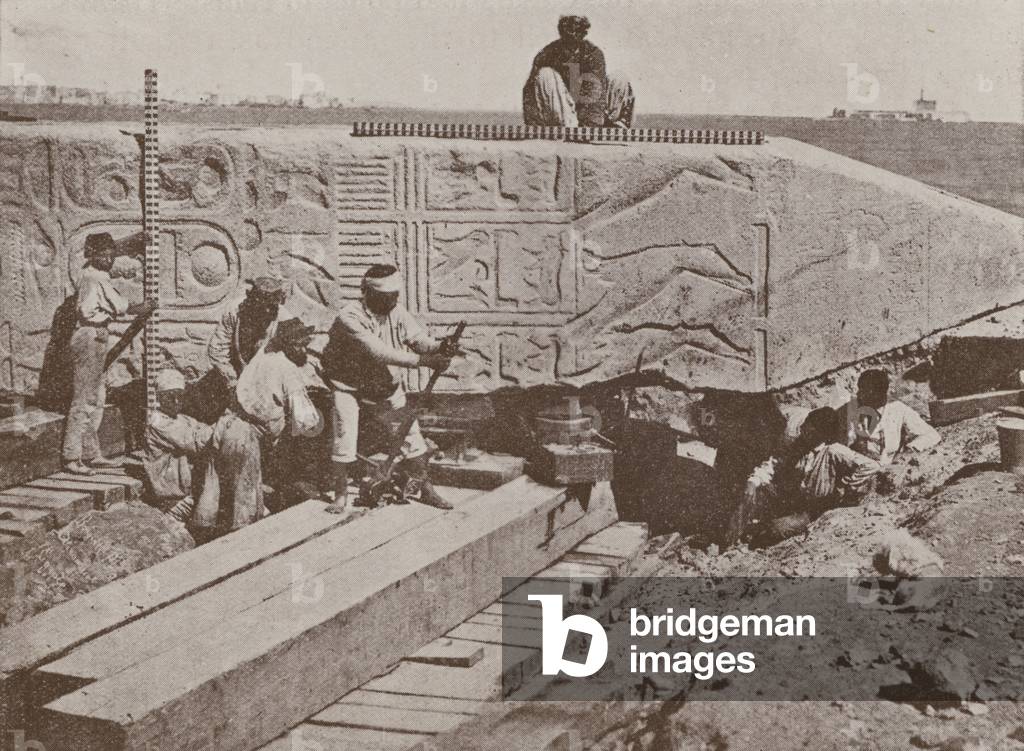
LLM5227318: Prising up Cleopatras Needle with jacks (b/w photo), English Photographer, (19th century) / Bridgeman Images
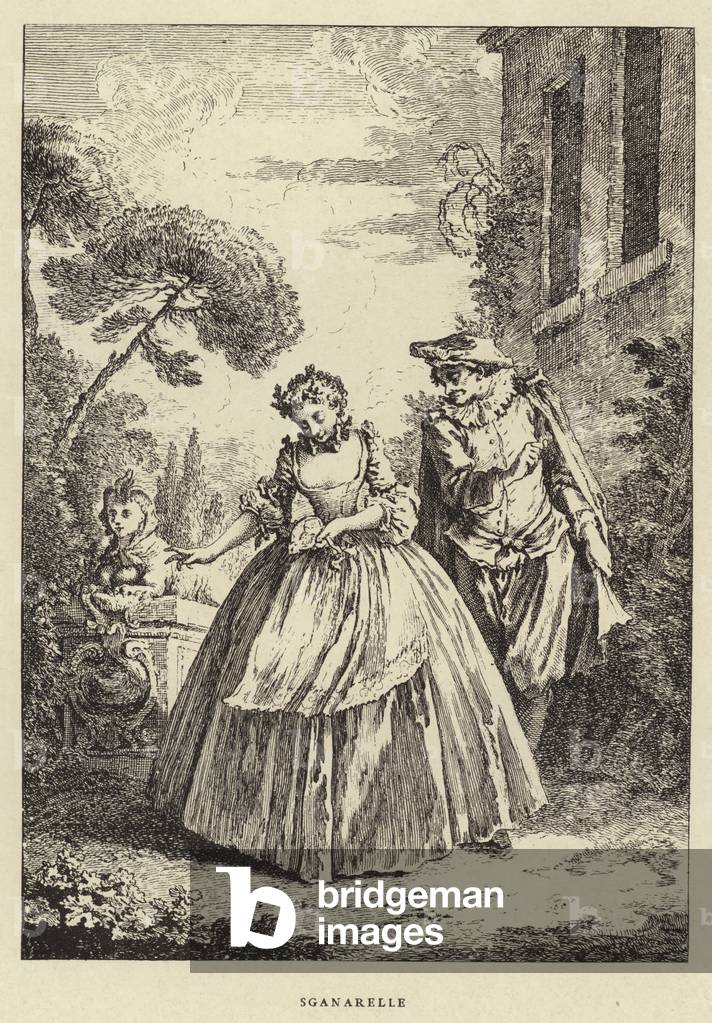
LLM5227379: Sganarelle (engraving), Boucher, Francois (1703-70) (after) / Bridgeman Images
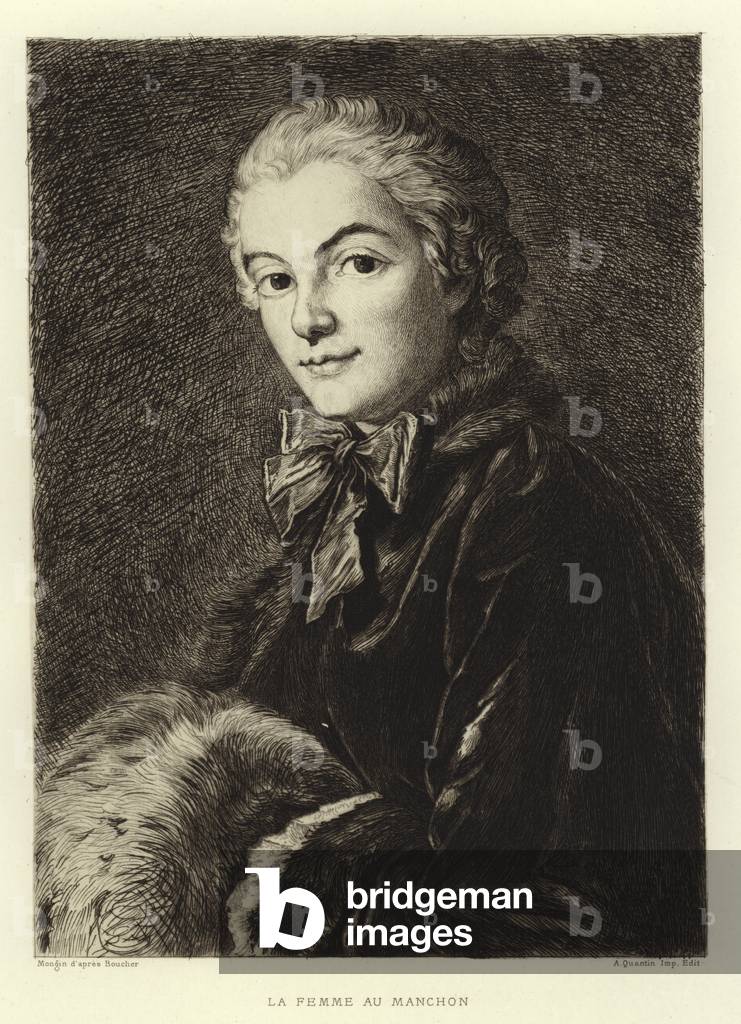
LLM5227415: La Femme au Manchon (engraving), Boucher, Francois (1703-70) (after) / Bridgeman Images

LLM5988278: Page from Army and Navy Stores Catalogue, 1939-40 (litho), English School, (20th century) / Bridgeman Images

LLM5988362: Page from Army and Navy Stores Catalogue, 1939-40 (litho), English School, (20th century) / Bridgeman Images

LLM5227588: Palisades at Dresden (engraving), French School, (19th century) / Bridgeman Images

LLM5227627: The French Retreat (engraving), French School, (19th century) / Bridgeman Images
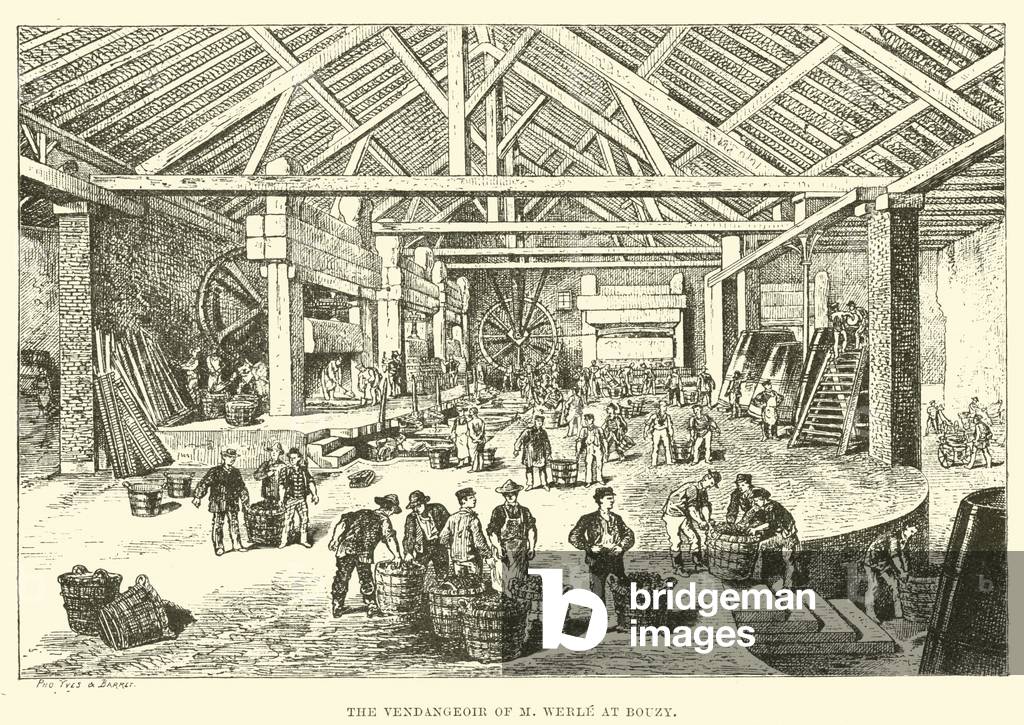
LLM5227725: The Vendangeoir of M Werle at Bouzy (engraving), English School, (19th century) / Bridgeman Images
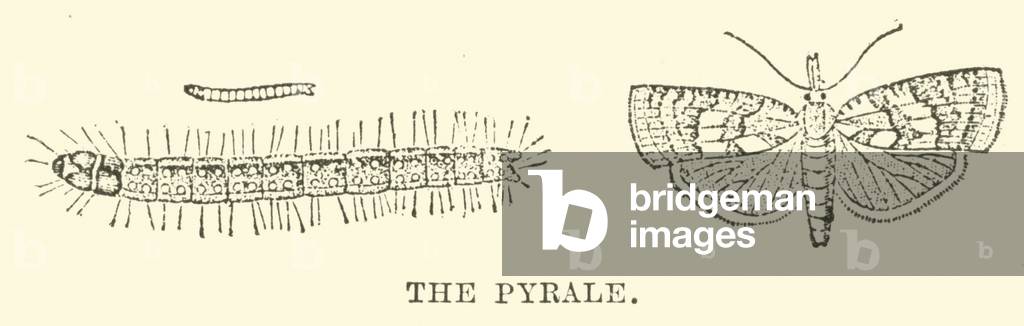
LLM5227746: The Pyrale (engraving), English School, (19th century) / Bridgeman Images

LLM5227785: Grotto Beneath the old Fortifications of Reims (engraving), English School, (19th century) / Bridgeman Images

LLM5227807: Chateau of Mareuil, Belonging to the Duke of Montebello (engraving), English School, (19th century) / Bridgeman Images

LLM5227821: Angelica Kauffman, in the character of Design listening to the Inspiration of Poetry (litho), English School, (19th century) / Bridgeman Images

LLM5227832: Rachel De Ruvigny, Countess Of Southampton (litho), Dyck, Anthony van (1599-1641) (after) / Bridgeman Images

LLM5227845: The Old Woman And Her Maids (colour litho), English School, (19th century) / Bridgeman Images

LLM5213495: Carved Stone Pulpit, St Stephen's, Vienna (engraving), English School, (19th century) / Bridgeman Images

LLM5213503: Theatre Royal, Adelphi, London (engraving), English School, (19th century) / Bridgeman Images

LLM5213510: Theatre Royal, Adelphi, London (engraving), English School, (19th century) / Bridgeman Images
