2491632 Search Results

LLM5223274: Tittums and Fido (colour litho), English School, (19th century) / Bridgeman Images

LLM5208616: Tombeau de Cloitaire Ier (engraving), French School, (19th century) / Bridgeman Images

LLM5208647: Virgil's Aeneid (chromolitho), European School, (20th century) / Bridgeman Images

LLM5208919: Tennyson, Illustration for A Dream of Fair Women and Other Poems (engraving), Sullivan, Edmund Joseph (1869-1933) (after) / Bridgeman Images

LLM5223411: Round Tower, Windsor Castle (litho), English School, (19th century) / Bridgeman Images

LLM5223421: Lower School, Eton College (litho), English School, (19th century) / Bridgeman Images

LLM5223434: Shakespeare song: "All our love is lost, for Love is dead" (litho), Ospovat, Henry (1877/78-1909) / Bridgeman Images

LLM5209004: Illustration for Barnaby Rudge by Charles Dickens (litho), Cowper, Max (1860-1911) / Bridgeman Images

LLM5223454: Pond, Botanical Gardens, Brisbane (b/w photo), Australian Photographer, (19th century) / Bridgeman Images

LLM5209036: Illustration for the Adventures of Baron Munchausen (engraving), Strang, William (1859-1921) (after) / Bridgeman Images

LLM5209073: Illustration for Mozart's opera Don Giovanni (engraving), English School, (19th century) / Bridgeman Images

LLM5223465: Cranes, Herons, and Spoonbill (colour litho), English School, (19th century) / Bridgeman Images
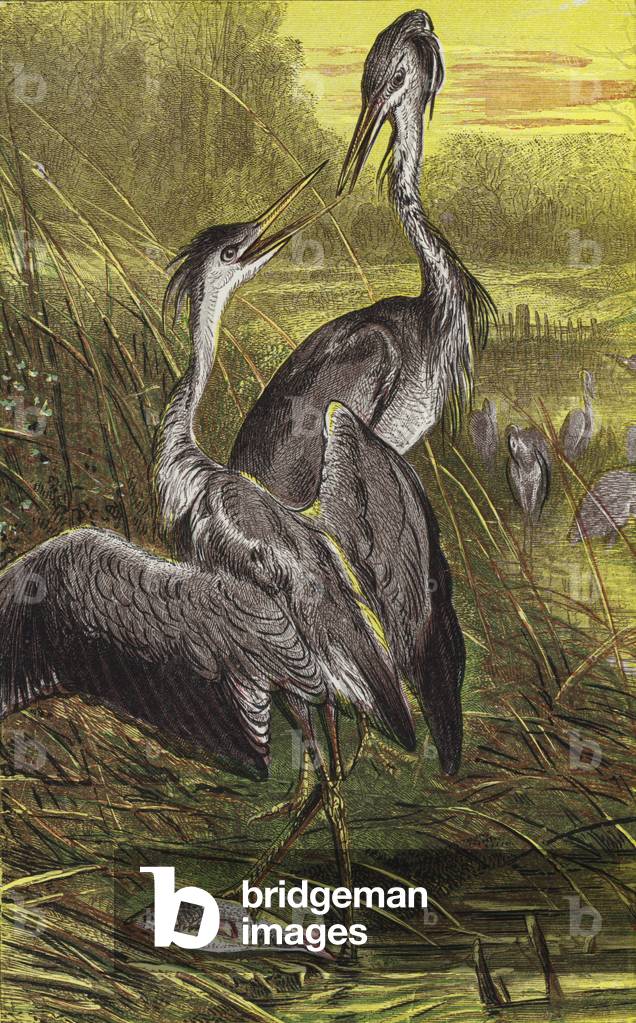
LLM5223471: Herons (colour litho), English School, (19th century) / Bridgeman Images

LLM5223494: Desider Zador, Dante Zucchi, Edna Thornton (b/w photo), English Photographer, (20th century) / Bridgeman Images

LLM5223505: Minnie Saltzmann-Stevens (b/w photo), English Photographer, (20th century) / Bridgeman Images
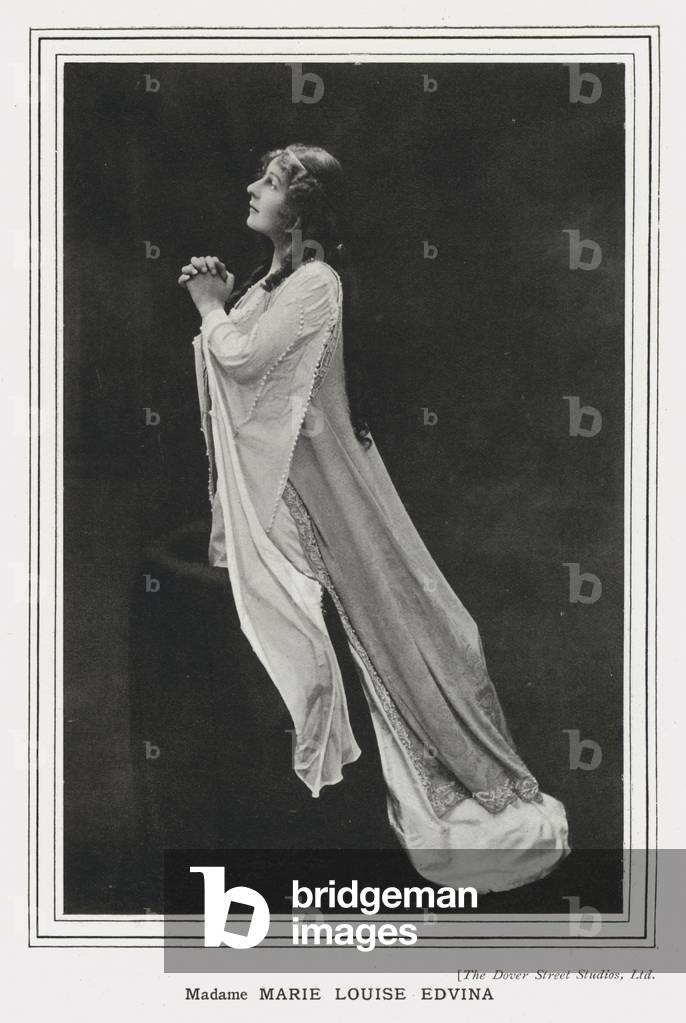
LLM5223526: Marie Louise Edvina (b/w photo), English Photographer, (20th century) / Bridgeman Images
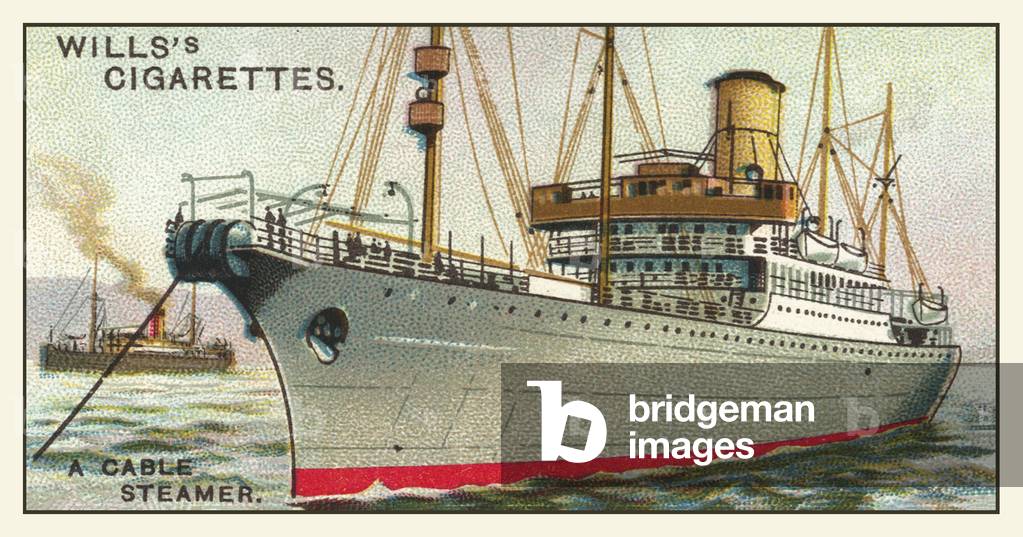
LLM5223529: A Cable Steamer (chromolitho), English School, (20th century) / Bridgeman Images

LLM5223574: A Whale-catcher (chromolitho), English School, (20th century) / Bridgeman Images

LLM5223583: A Lacustrine Village (engraving), European School, (19th century) / Bridgeman Images

LLM5223592: Warehouse in Steckborn (engraving), European School, (19th century) / Bridgeman Images

LLM5223604: The Bears' Ditch (engraving), European School, (19th century) / Bridgeman Images

LLM5223608: The Kesslergasse, Bern (engraving), European School, (19th century) / Bridgeman Images

LLM5223655: Red Cross sees the Glorious City (engraving), Kuck, Helen S. (fl.1909) / Bridgeman Images

LLM5223667: Red Cross defeats Sans Joy (engraving), Kuck, Helen S. (fl.1909) / Bridgeman Images
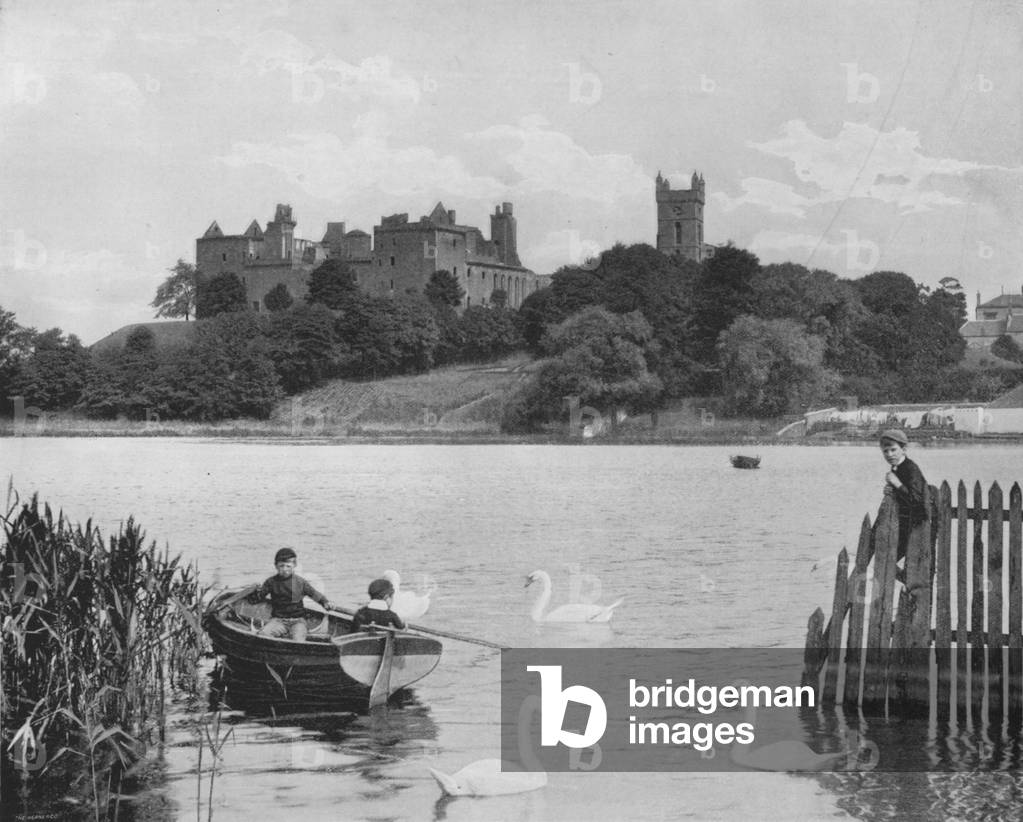
LLM5209139: Linlithgow Palace (b/w photo), English Photographer, (19th century) / Bridgeman Images
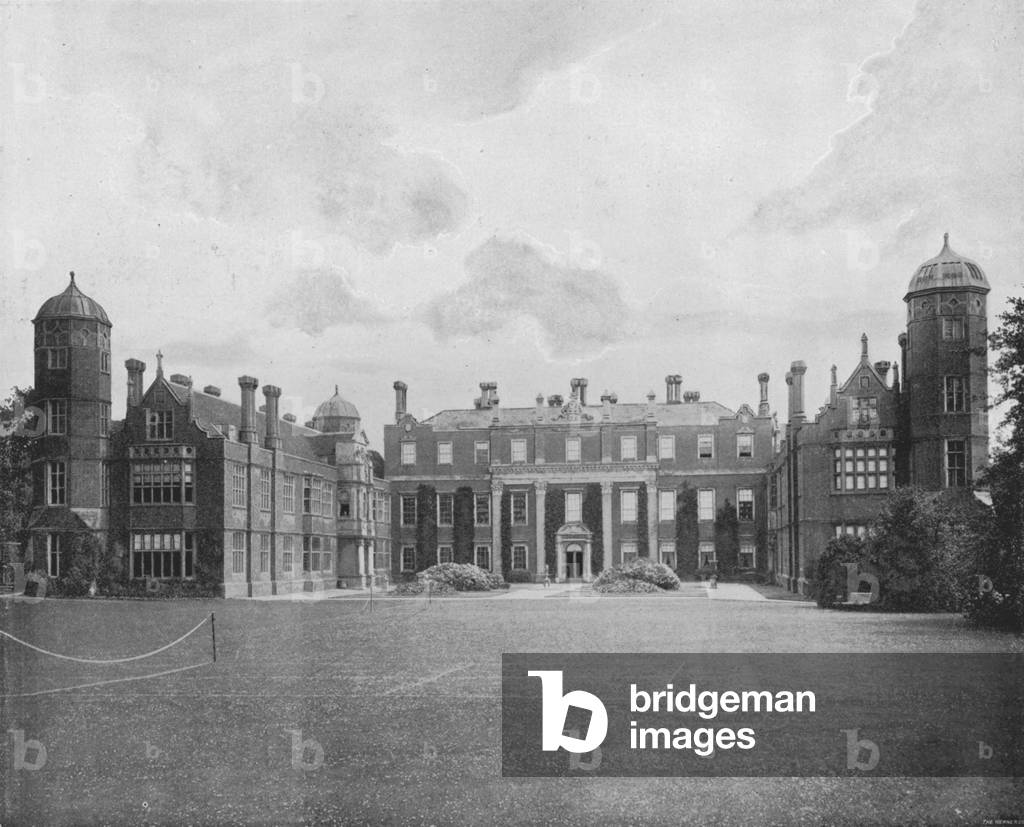
LLM5209152: Cobham Hall (b/w photo), English Photographer, (19th century) / Bridgeman Images

LLM5223704: Illustration for J M Barrie's The Admirable Crichton (colour litho), Thomson, Hugh (1860-1920) / Bridgeman Images
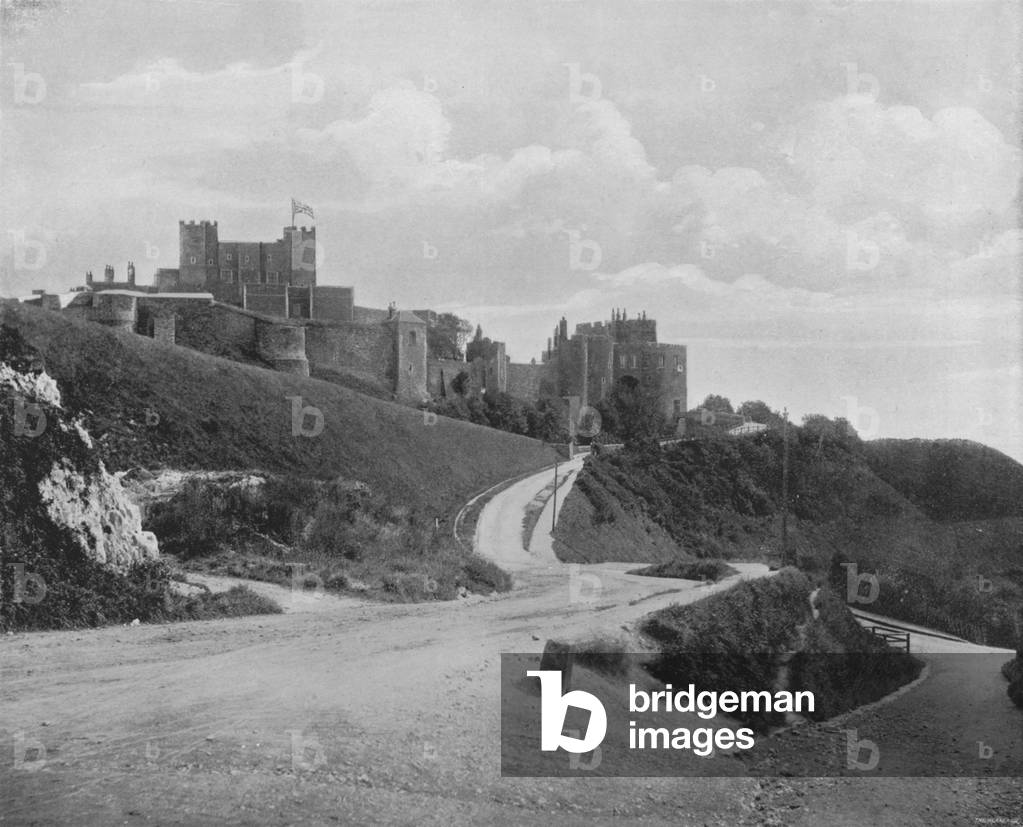
LLM5209177: Dover Castle (b/w photo), English Photographer, (19th century) / Bridgeman Images
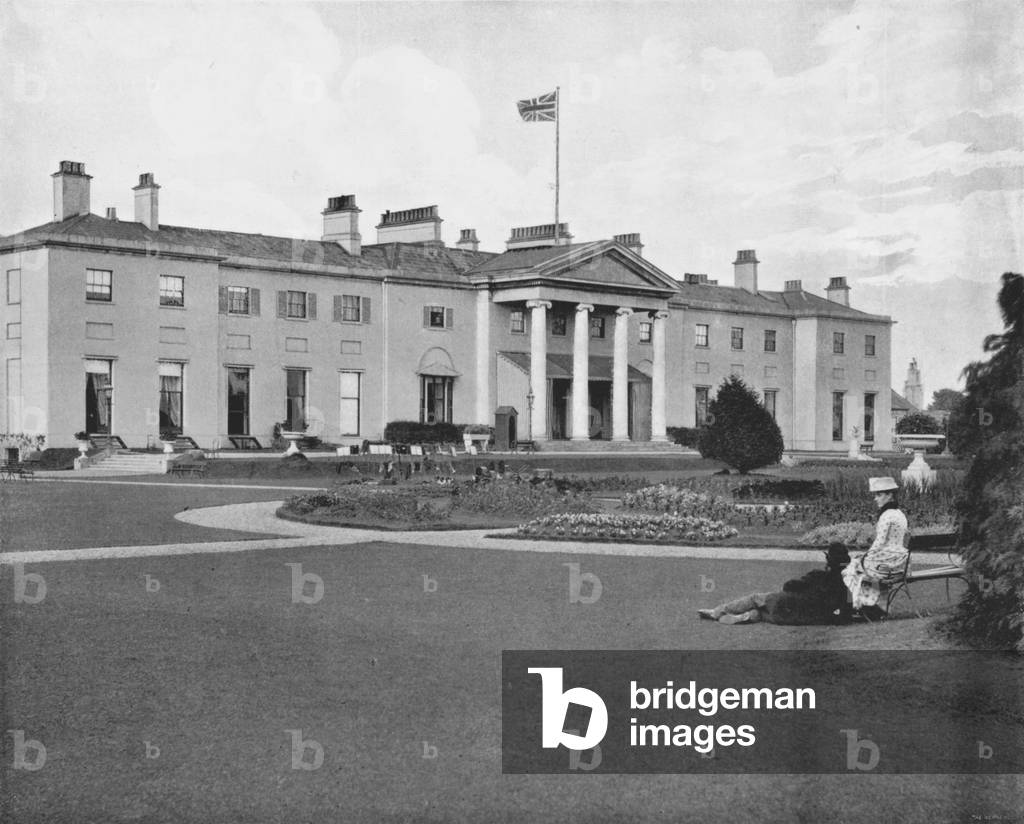
LLM5209192: The Viceroy's Lodge at Dublin (b/w photo), English Photographer, (19th century) / Bridgeman Images

LLM5223783: Lady Burdett-Coutts (engraving), English School, (19th century) / Bridgeman Images
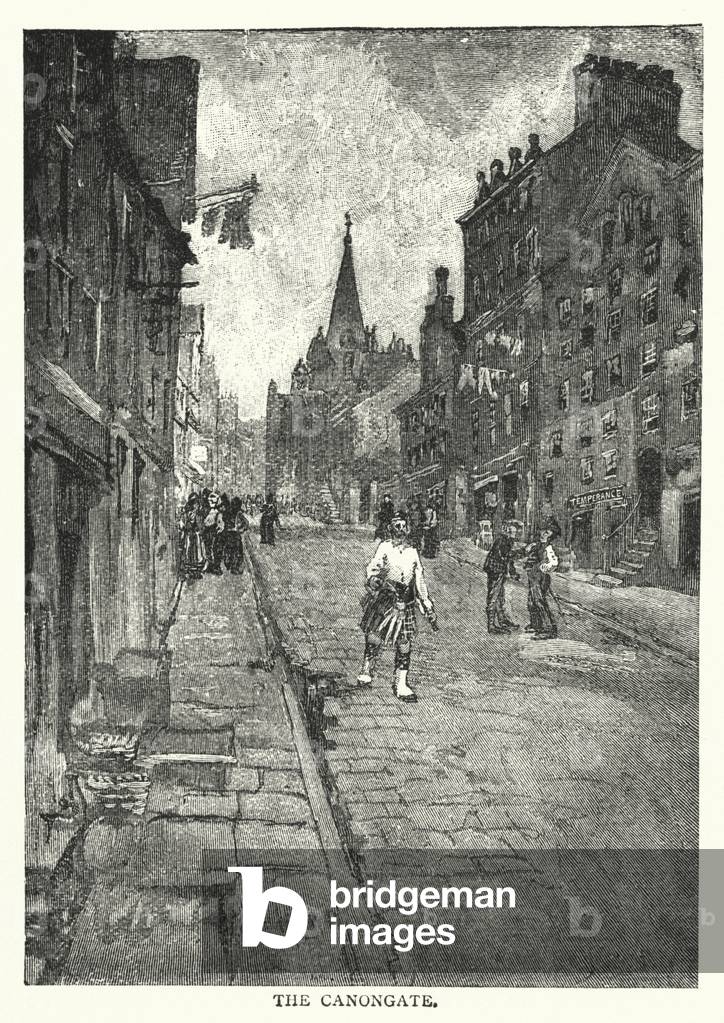
LLM5209239: The Canongate (engraving), English School, (19th century) / Bridgeman Images

LLM5223792: Edward Denison (engraving), English School, (19th century) / Bridgeman Images
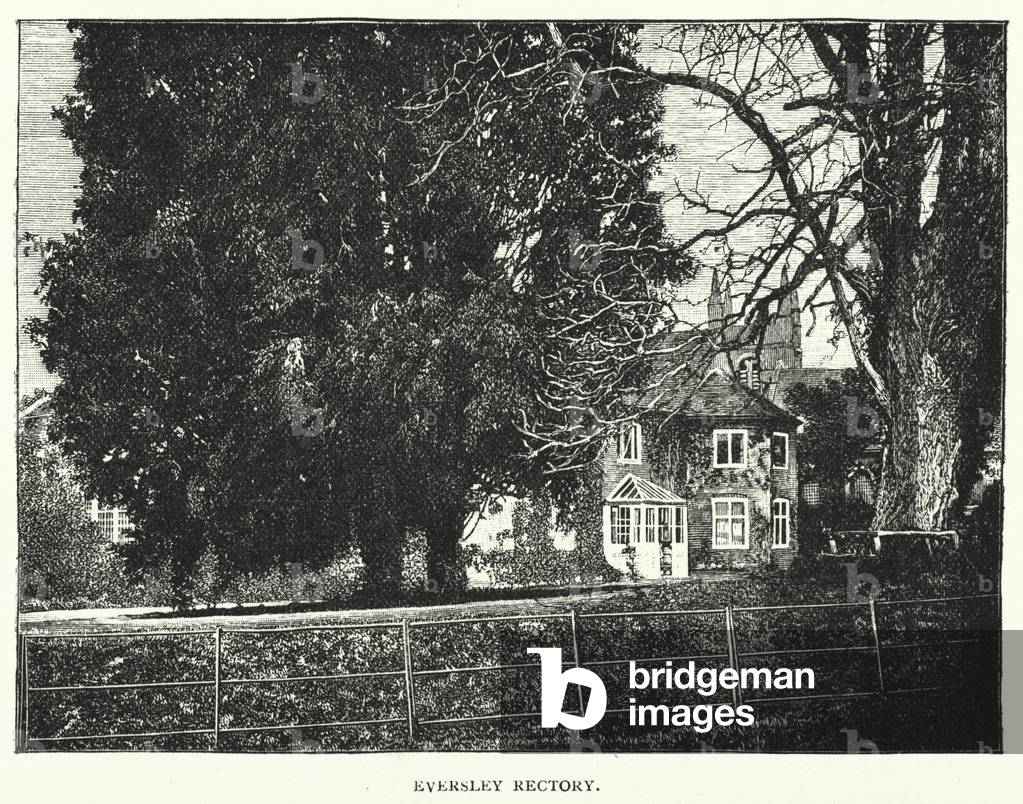
LLM5209265: Eversley Rectory (engraving), English School, (19th century) / Bridgeman Images
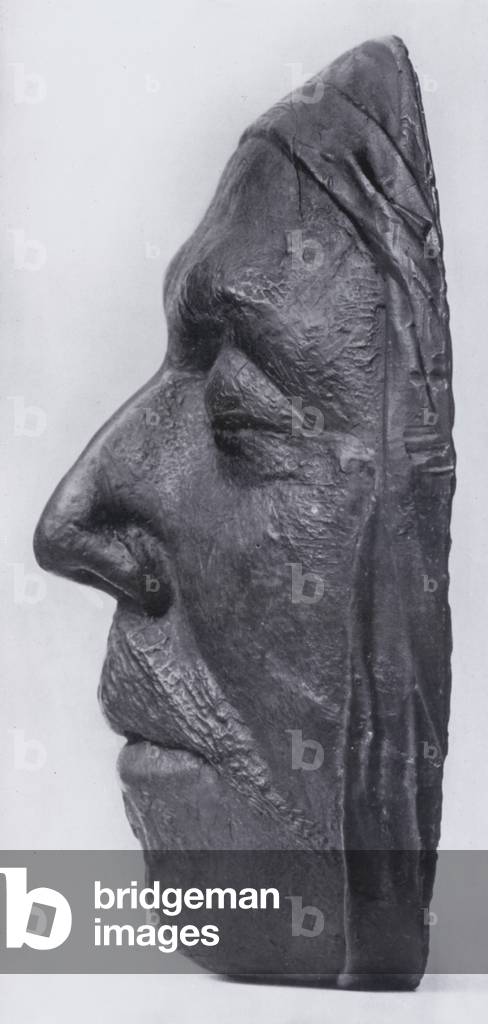
LLM5209290: Wax Death Mask of Cromwell in the British Museum, Left Profile (b/w photo), English Photographer, (20th century) / Bridgeman Images

LLM5223828: How Harry gained a customer (engraving), English School, (19th century) / Bridgeman Images
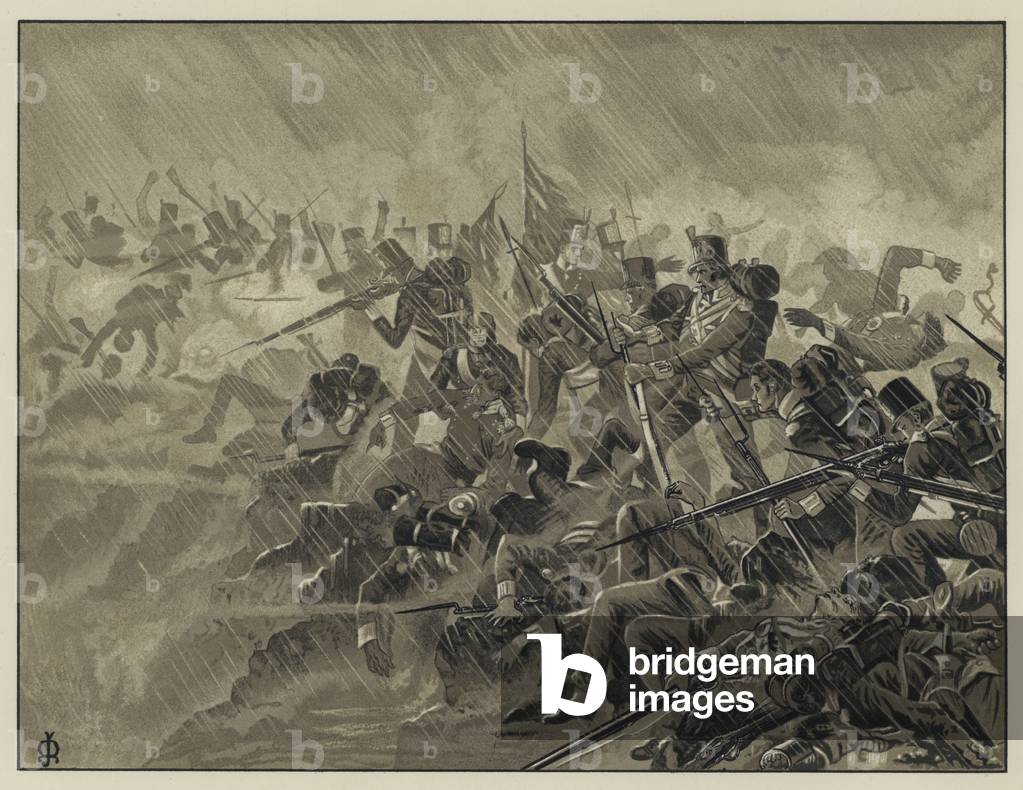
LLM5209421: The 57th (The Die Hards) at Albuhera, 16 May 1811 (litho), English School, (19th century) / Bridgeman Images
