2491708 Search Results

LLM3626674: Attack on the mutineers before Kanpur (engraving), English School, (19th century) / Bridgeman Images
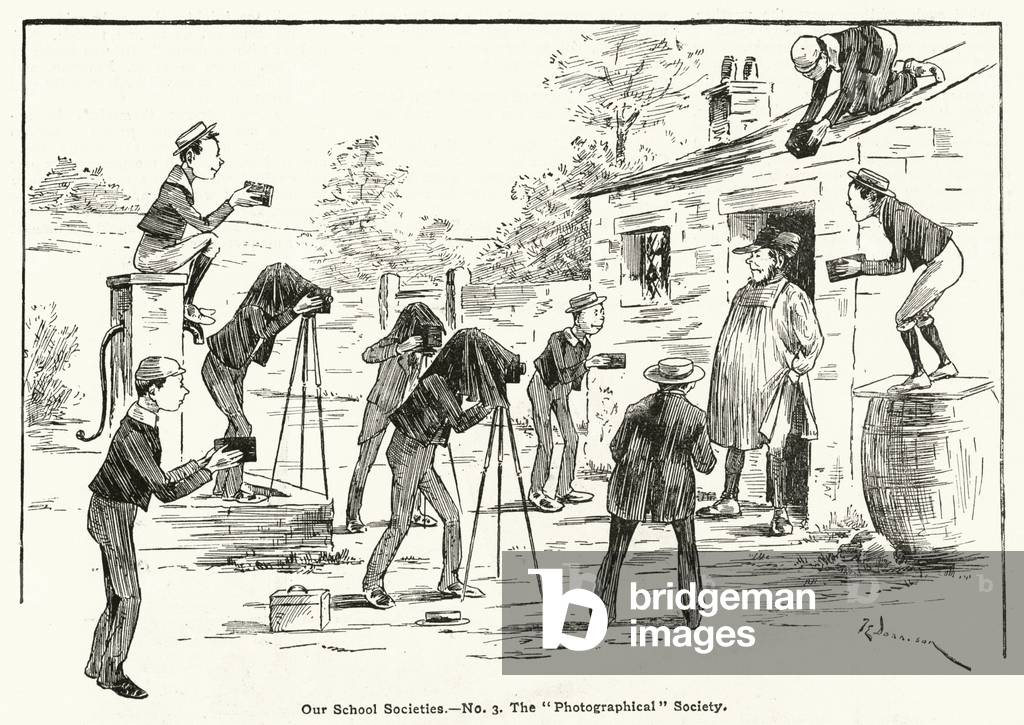
LLM3642444: The Photographical Society (litho), English School, (19th century) / Bridgeman Images
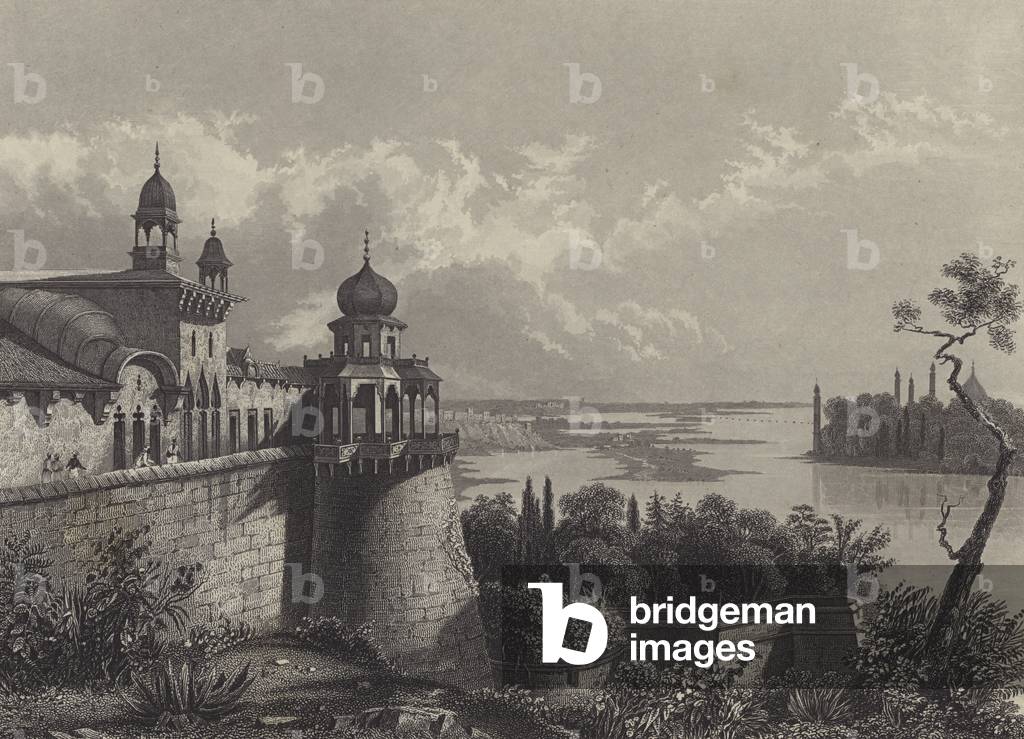
LLM3626680: The Palace at Agra (engraving), English School, (19th century) / Bridgeman Images
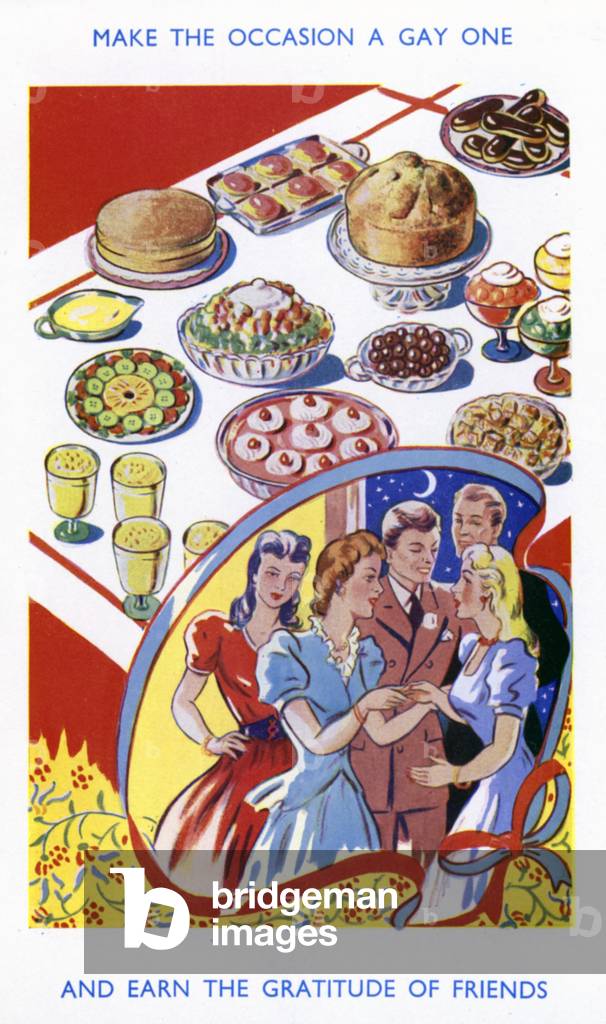
LLM3642463: Make the occasion a gay one and earn the gratitude of friends (colour litho), English School, (20th century) / Bridgeman Images

LLM3642493: Isabella, Queen of Edward II, on her voyage to England, with Sir John De Hainault (coloured engraving), English School, (19th century) / Bridgeman Images

LLM3626722: The shrine of Bishop Waynflete, founder of Magdalen College, Oxford, in Winchester Cathedral (engraving), Essex, R. (fl.1828) (after) / Bridgeman Images

LLM3626728: William of Wykeham, Bishop of Winchester, founder of New College, Oxford (engraving), English School, (19th century) / Bridgeman Images
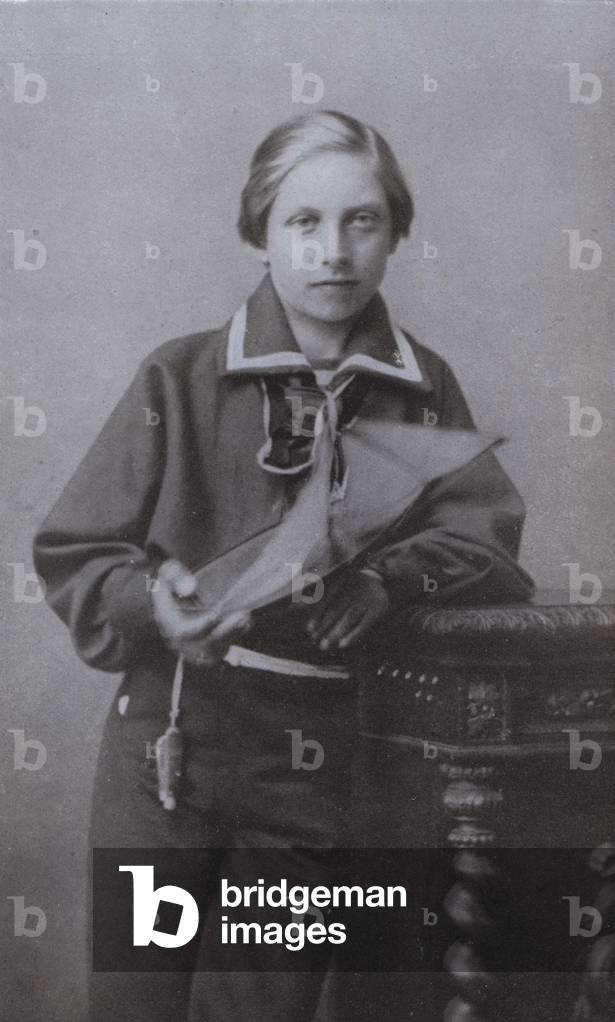
LLM3642566: Kaiser Wilhelm II as a boy (b/w photo), English Photographer, (19th century) / Bridgeman Images

LLM3626765: A cloud covereth the Tabernacle (coloured engraving), English School, (19th century) / Bridgeman Images

LLM3626785: The fall of Dagon (coloured engraving), English School, (19th century) / Bridgeman Images

LLM3626822: Illustration from The Deerslayer, by James Fenimore Cooper (colour litho), Rhead, Louis John (1857-1926) / Bridgeman Images

LLM3626849: An English Tank in the Streets of Jerusalem (colour litho), Wyeth, Newell Convers (1882-1945) (after) / Bridgeman Images
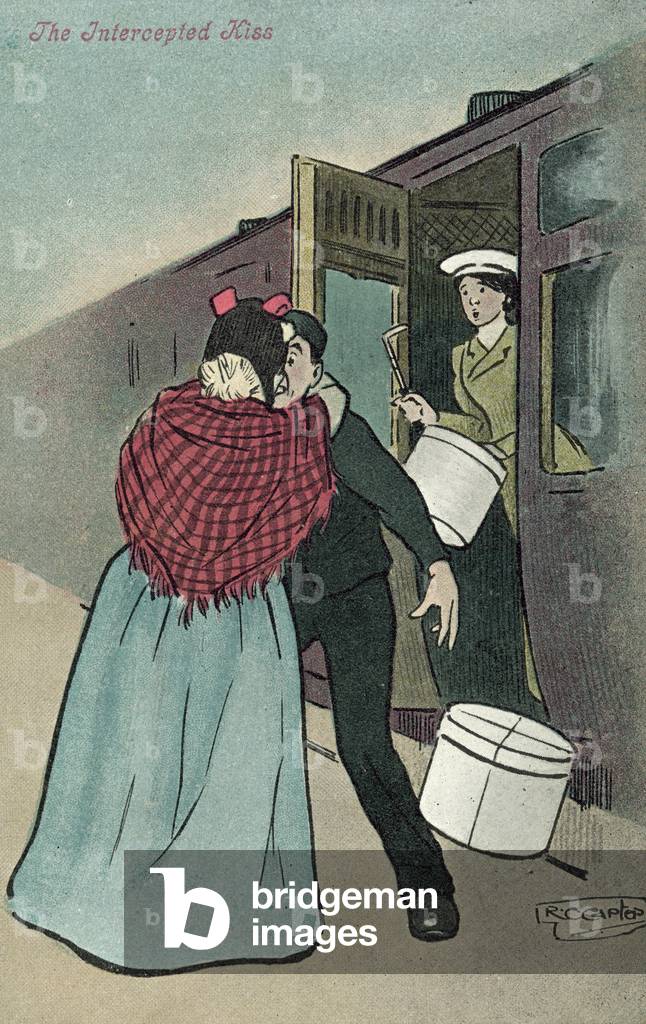
LLM3642806: The Intercepted Kiss (colour litho), English School, (20th century) / Bridgeman Images
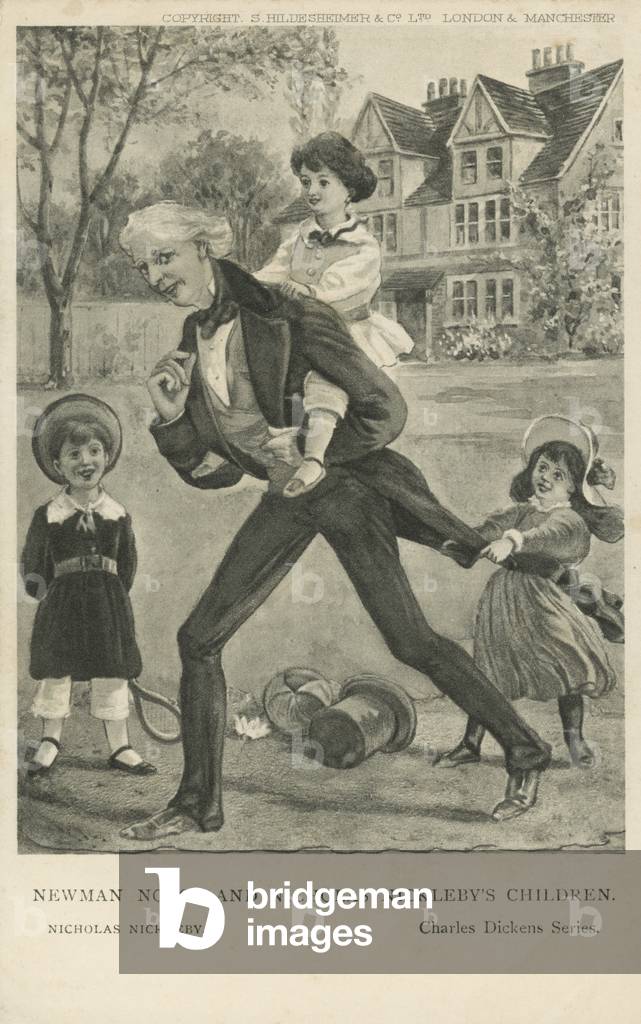
LLM3642812: Newman Noggs and Nicholas Nickleby's Children (colour litho), English School, (20th century) / Bridgeman Images

LLM3626884: Woodrow Wilson, 28th President of the United States (b/w photo), American Photographer, (20th century) / Bridgeman Images
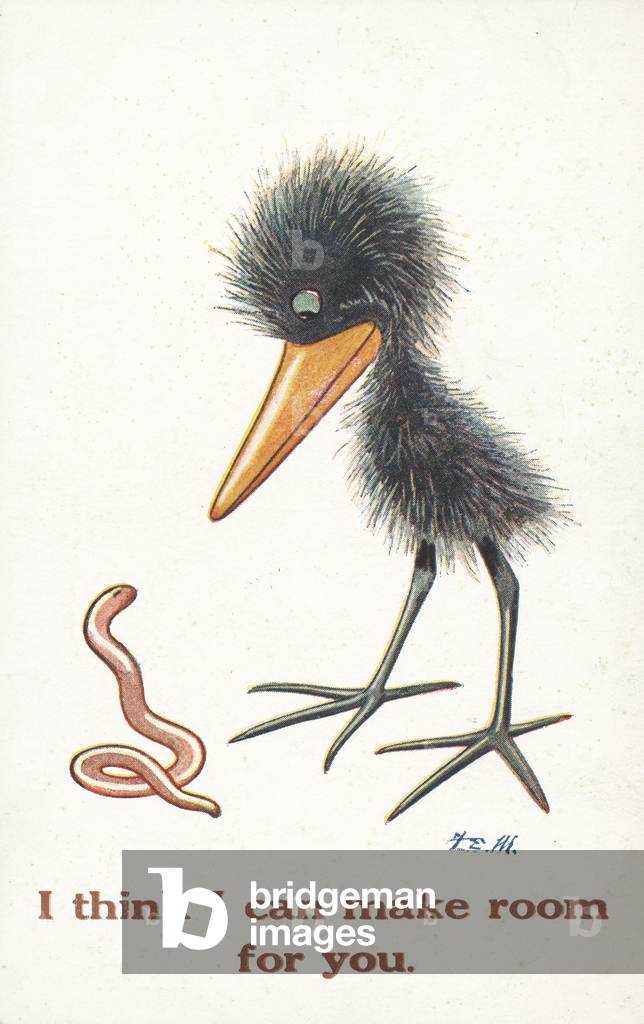
LLM3642824: I think I can make room for you (colour litho), English School, (20th century) / Bridgeman Images

LLM3626958: Next? (litho), American School, (20th century) / Bridgeman Images
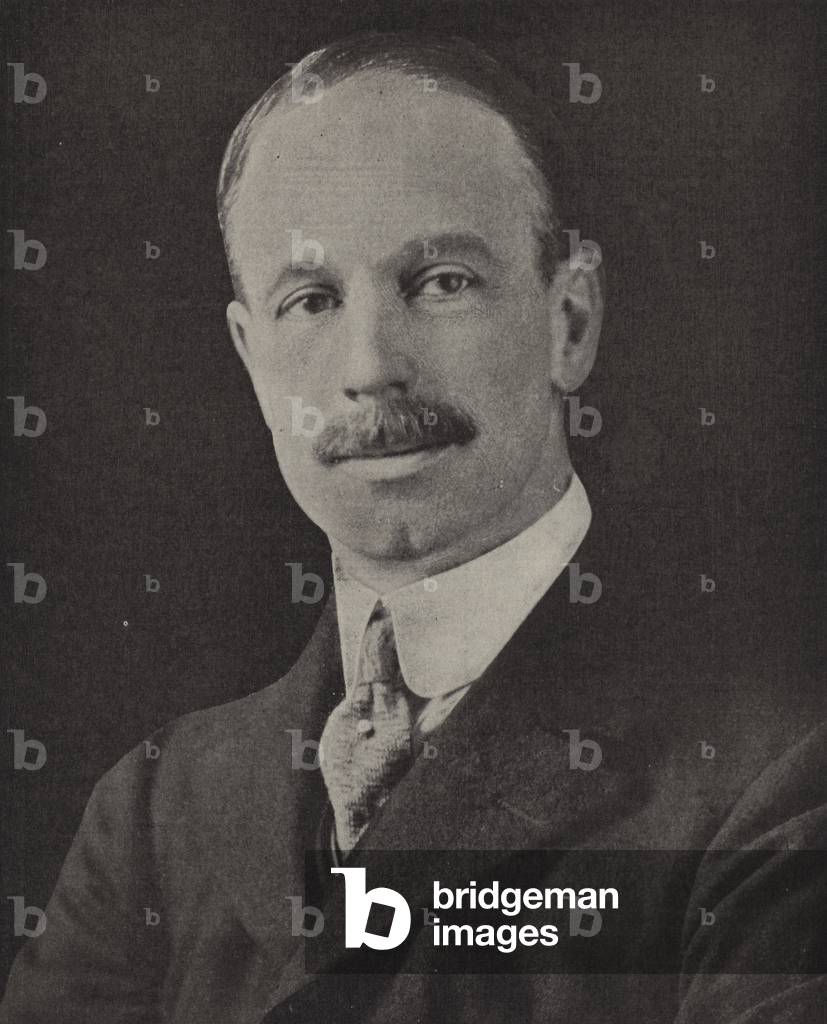
LLM3626973: Sir Eric Drummond, 7th Earl of Perth, British statesman who became the first Secretary General of the League of Nations in 1920 (b/w photo), English Photographer, (20th century) / Bridgeman Images
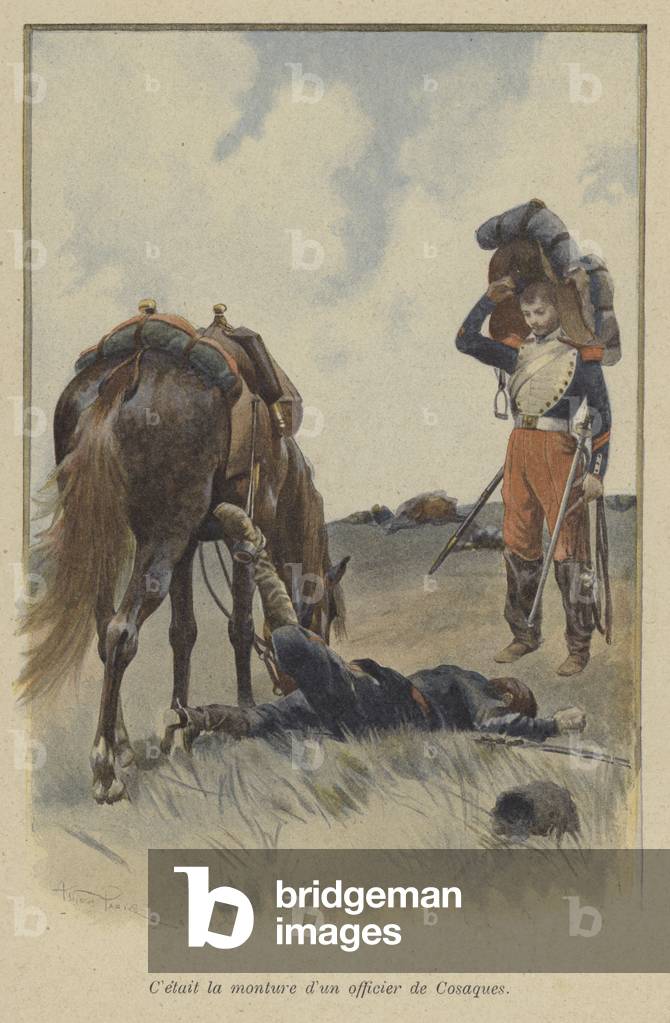
LLM3626987: It was the mount of a Cossack officer (colour litho), Paris, (19th century) (after) / Bridgeman Images

LLM3627027: "The Twelth" - a typical scene on the Scots Moors (litho), Speed, Lancelot (1860-1931) / Bridgeman Images
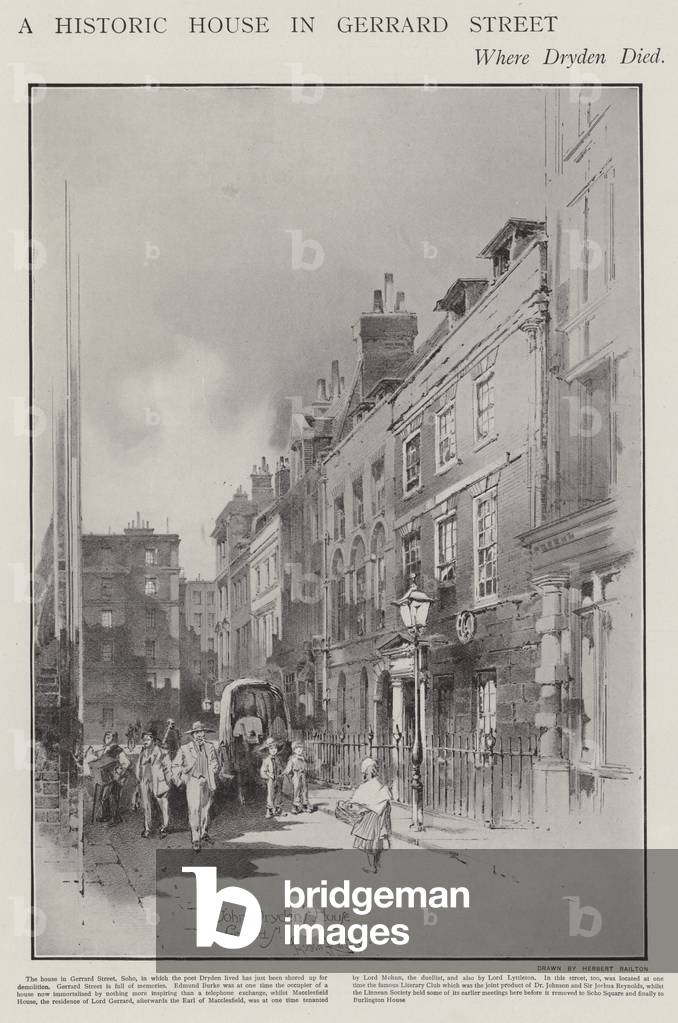
LLM3627042: The house on Gerrard Street, London, where the poet John Dryden died in 1700 (litho), Railton, Herbert (1857-1910) (after) / Bridgeman Images

LLM3642913: The Auntie kiss (colour litho), Browne, Tom (1872-1910) / Bridgeman Images
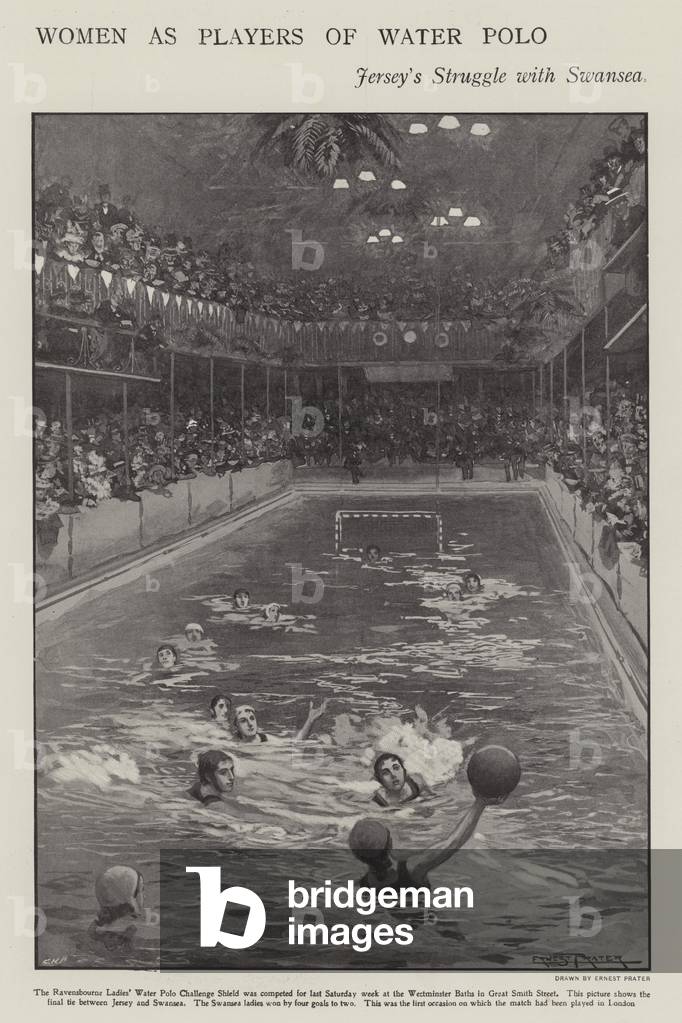
LLM3627077: Women's water polo match between Jersey and Swansea (litho), Prater, Ernest (1864-1950) (after) / Bridgeman Images

LLM3642929: Before the match (colour litho), English School, (20th century) / Bridgeman Images
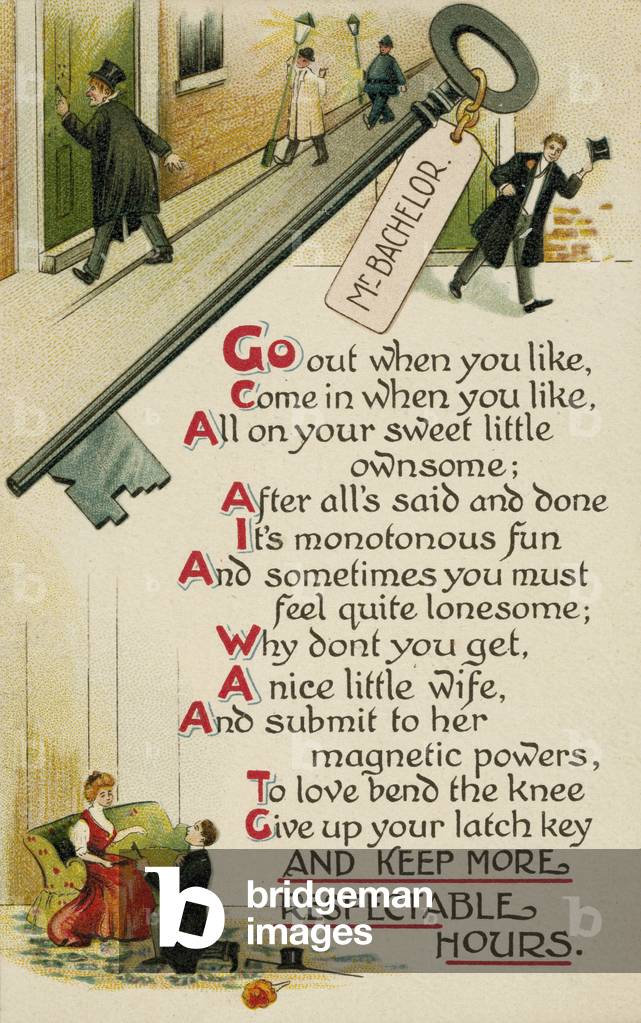
LLM3642938: Mr Bachelor (colour litho), English School, (20th century) / Bridgeman Images

LLM3627085: Plunging horses in Siberia, a performance at the London Hippodrome (litho), Paget, Sidney (1860-1908) / Bridgeman Images
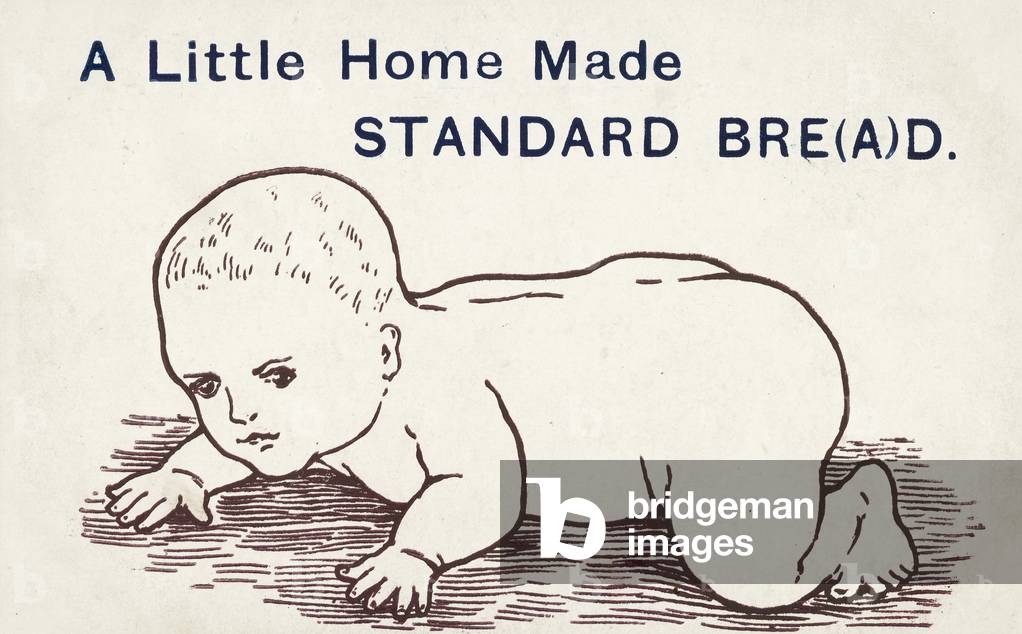
LLM3642953: Home Made (litho), English School, (20th century) / Bridgeman Images
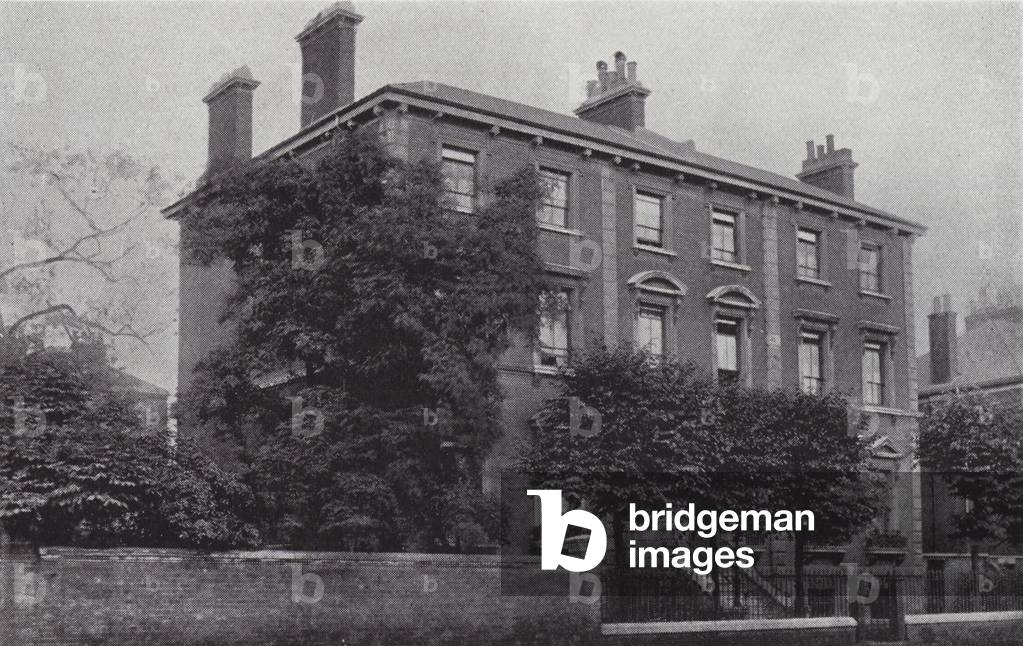
LLM3627108: Wingfield House, London (b/w photo), English Photographer, (20th century) / Bridgeman Images

LLM3642986: A Sweeper (coloured photo), European Photographer, (20th century) / Bridgeman Images
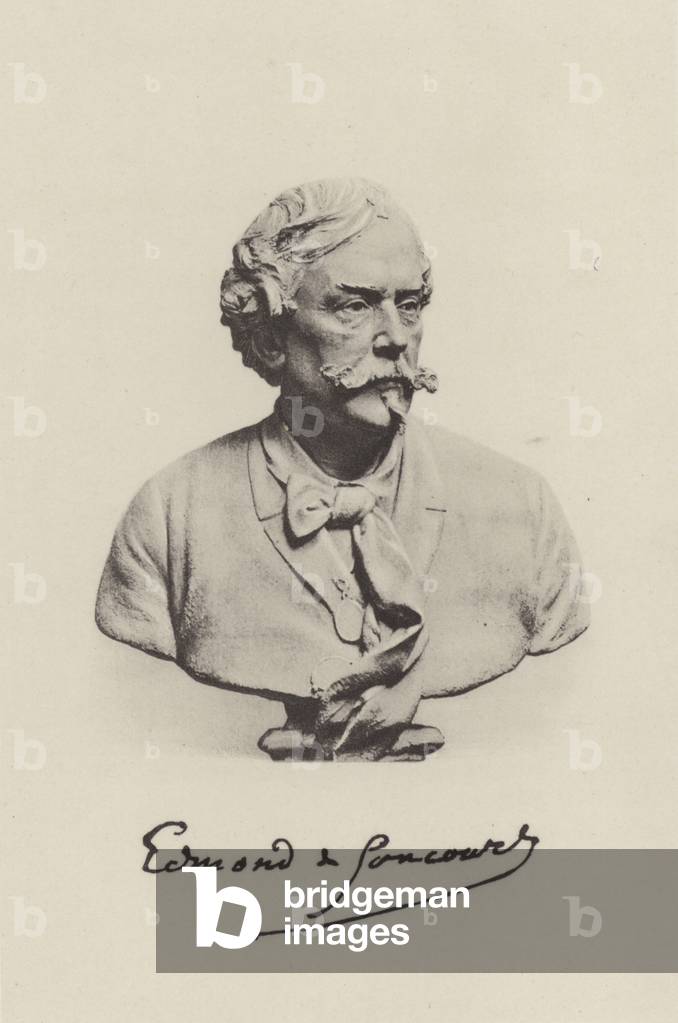
LLM3627127: Edmond de Goncourt, French novelist (b/w photo), French Photographer, (19th century) (after) / Bridgeman Images
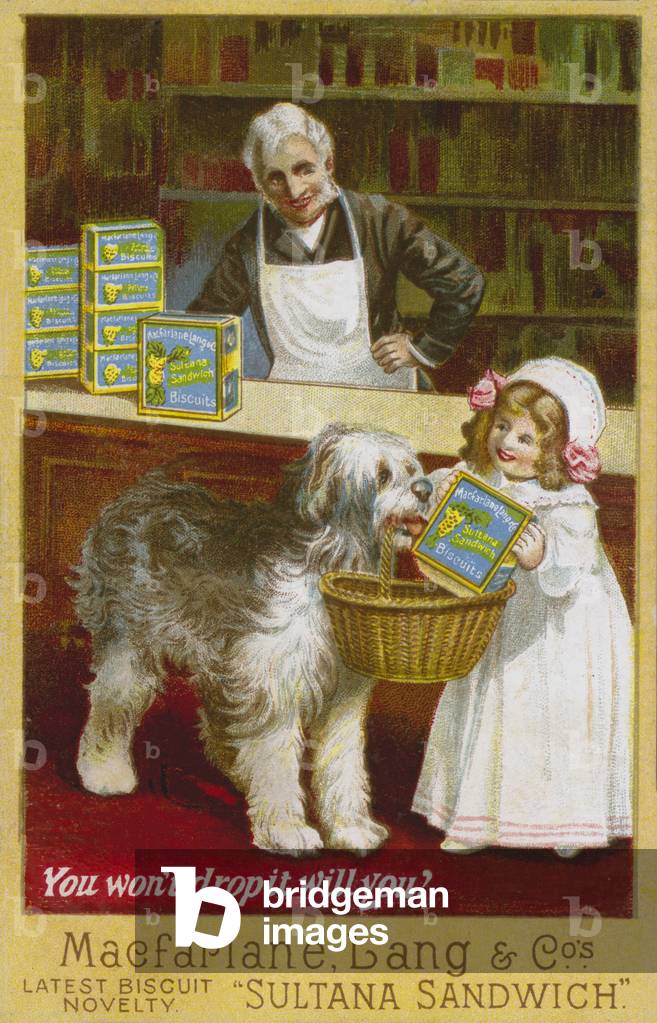
LLM3643042: You won't drop it will you (colour litho), English School, (20th century) / Bridgeman Images
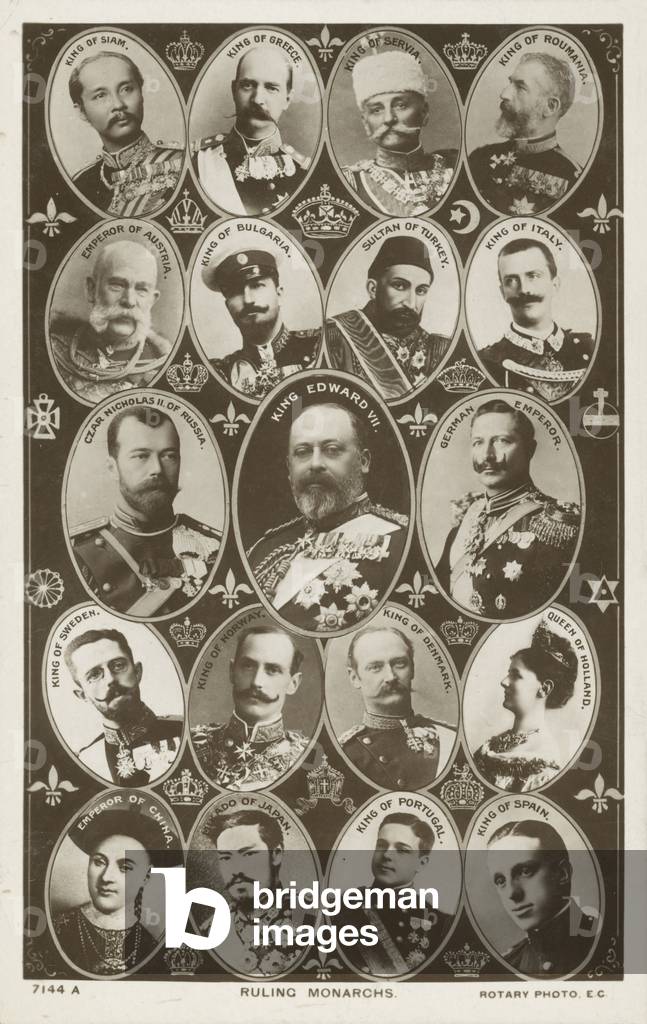
LLM3643056: Ruling Monarchs (b/w photo), English Photographer, (20th century) / Bridgeman Images
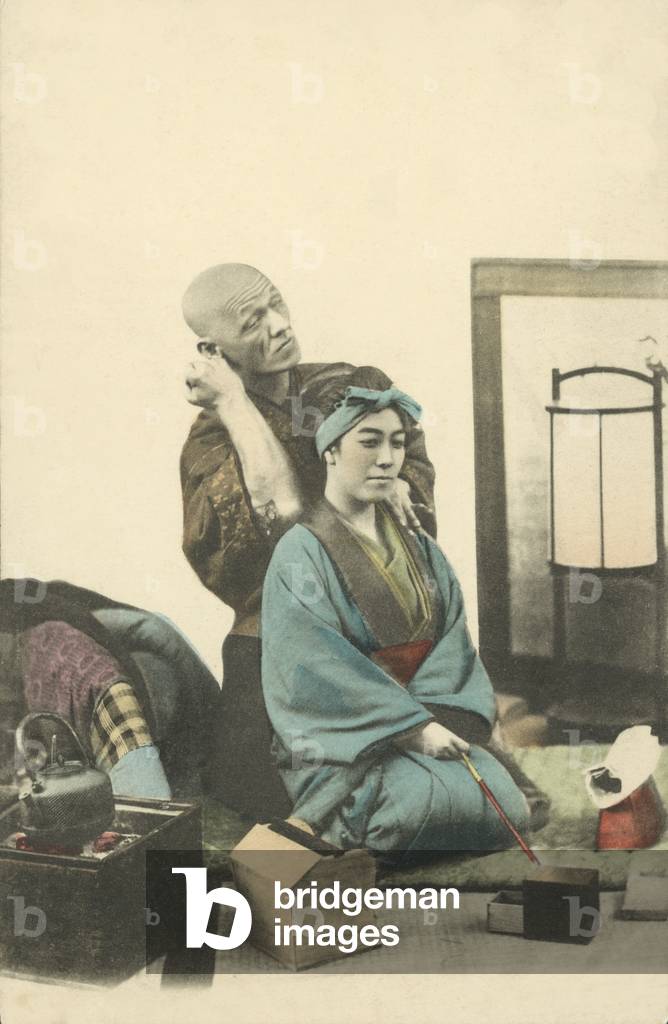
LLM3643061: Massage (colour litho), English Photographer, (20th century) / Bridgeman Images
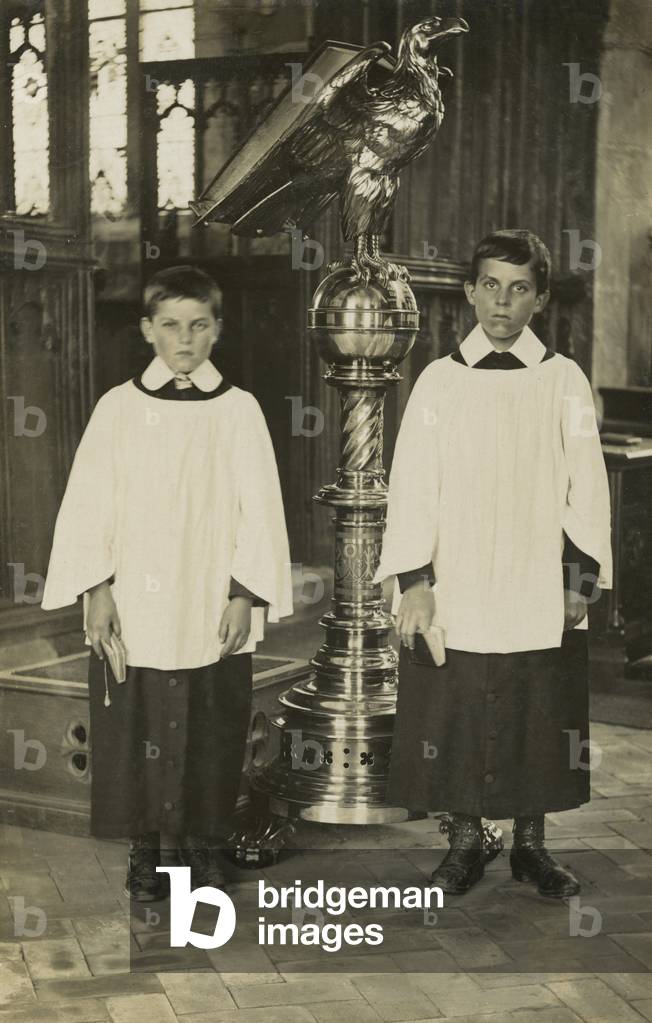
LLM3643075: Scowling choirboys (b/w photo), English Photographer, (20th century) / Bridgeman Images
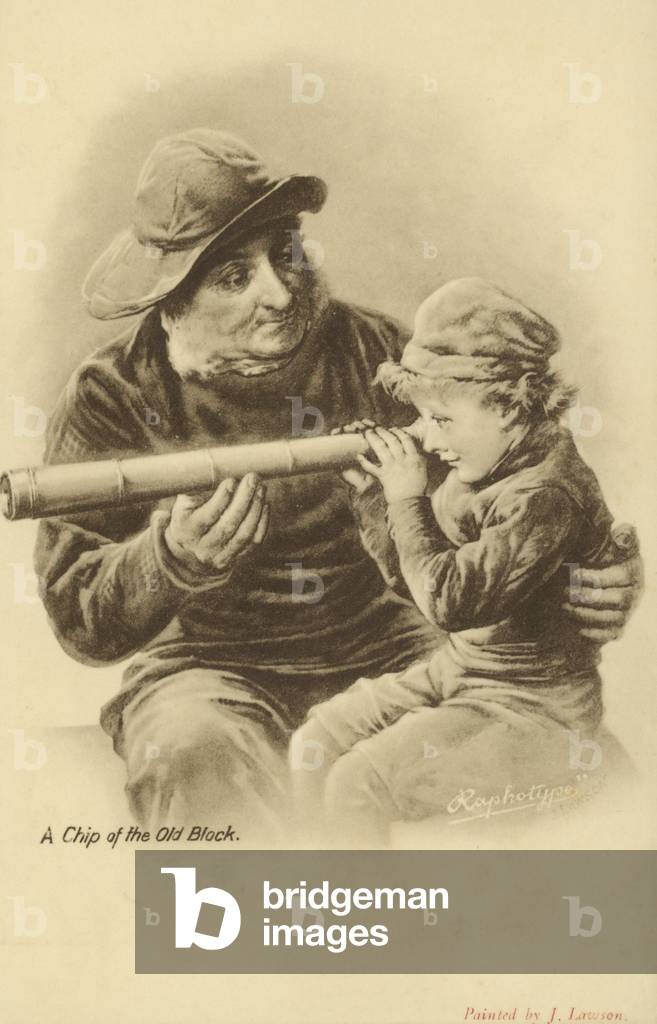
LLM3643084: A Chip of the Old Block (litho), English School, (20th century) / Bridgeman Images
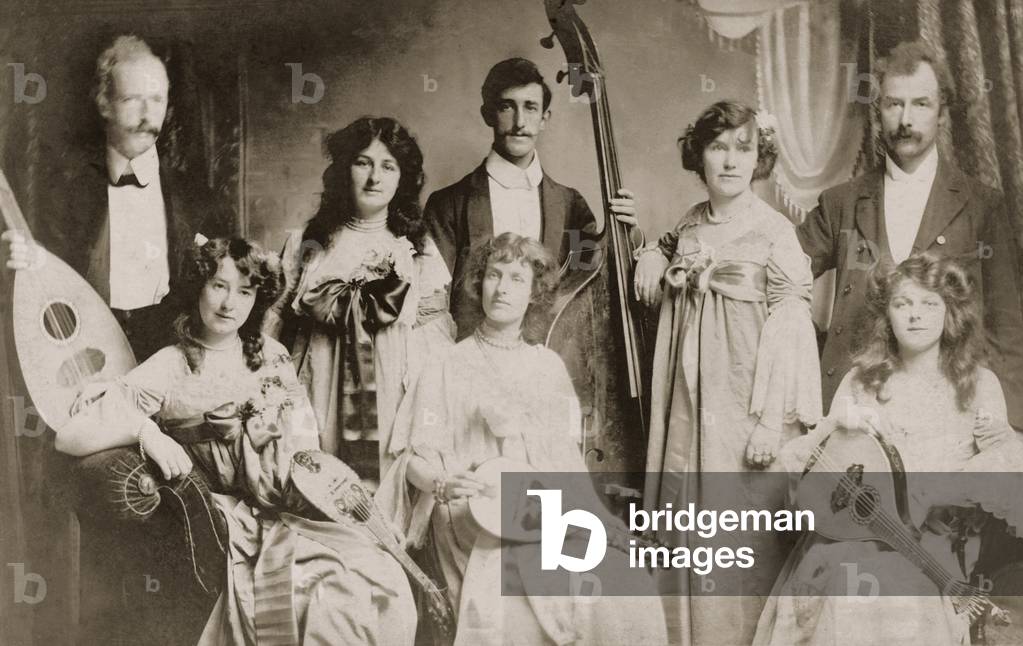
LLM3643119: Group of musicians (b/w photo), English School, (20th century) / Bridgeman Images
