Search options

Orientation
Colour

Display options

View

Print

To print search results, use print friendly version of this page.

2491632 Search Results

How solitary confinement does not always produce excellent results, a series of cartoons about Professor and Moutards of Honore Daumier (1808-1879). “Charivari”, 1846.

LSE4403417: How solitary confinement does not always produce excellent results, a series of cartoons about Professor and Moutards of Honore Daumier (1808-1879). “Charivari”, 1846., Daumier, Honore (1808-79) / Bridgeman Images

Grand staircase of the Palace of Justice, View of faces, taken from the “Gens de Justice”, series of cartoons on Justice by Honore Daumier (1808-1879). “Charivari”, 1848.

LSE4403422: Grand staircase of the Palace of Justice, View of faces, taken from the “Gens de Justice”, series of cartoons on Justice by Honore Daumier (1808-1879). “Charivari”, 1848., Daumier, Honore (1808-79) / Bridgeman Images

View taken in a demolition neighborhood, taken from “” Tenants et Proprietaires”, cartoon series by Honore Daumier (1808-1879). “Charivari”, 1854.

LSE4403457: View taken in a demolition neighborhood, taken from “” Tenants et Proprietaires”, cartoon series by Honore Daumier (1808-1879). “Charivari”, 1854., Daumier, Honore (1808-79) / Bridgeman Images

The last week before the opening of the Salon de Peinture. Choughtness -From courage to work, friends are always there!... , taken from “” Paintings and Salons”, cartoon series by Honore Daumier (1808-1879). “Charivari”, 1857.

LSE4403466: The last week before the opening of the Salon de Peinture. Choughtness -From courage to work, friends are always there!... , taken from “” Paintings and Salons”, cartoon series by Honore Daumier (1808-1879). “Charivari”, 1857., Daumier, Honore (1808-79) / Bridgeman Images

The audience of the show. Artists examining the painting of a rival, taken from “” Paintings and Salons”, cartoon series by Honore Daumier (1808-1879). “Charivari”, 1852.

LSE4403473: The audience of the show. Artists examining the painting of a rival, taken from “” Paintings and Salons”, cartoon series by Honore Daumier (1808-1879). “Charivari”, 1852., Daumier, Honore (1808-79) / Bridgeman Images
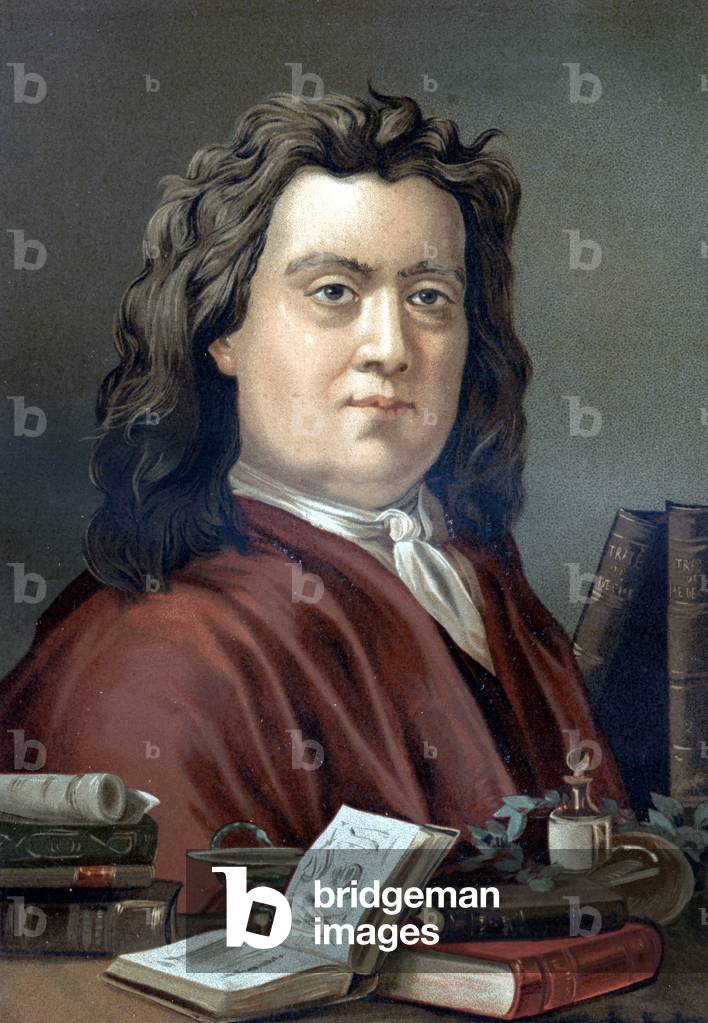
Portrait of Hermann Boerhaave (1668 - 1738), Dutch doctor and chemist, after “La Ciencia y sus Hombres” by Louis Figuier. Barcelona 1881

XEE4403619: Portrait of Hermann Boerhaave (1668 - 1738), Dutch doctor and chemist, after “La Ciencia y sus Hombres” by Louis Figuier. Barcelona 1881, Unknown Artist, (19th century) / Bridgeman Images

Egyptian antiquite: different types of ceramic and terracotta vases from the period Nagada I and Nagada II (3500-3100) (ceramic and terracotta)

JLJ4662498: Egyptian antiquite: different types of ceramic and terracotta vases from the period Nagada I and Nagada II (3500-3100) (ceramic and terracotta), Egyptian School / Bridgeman Images
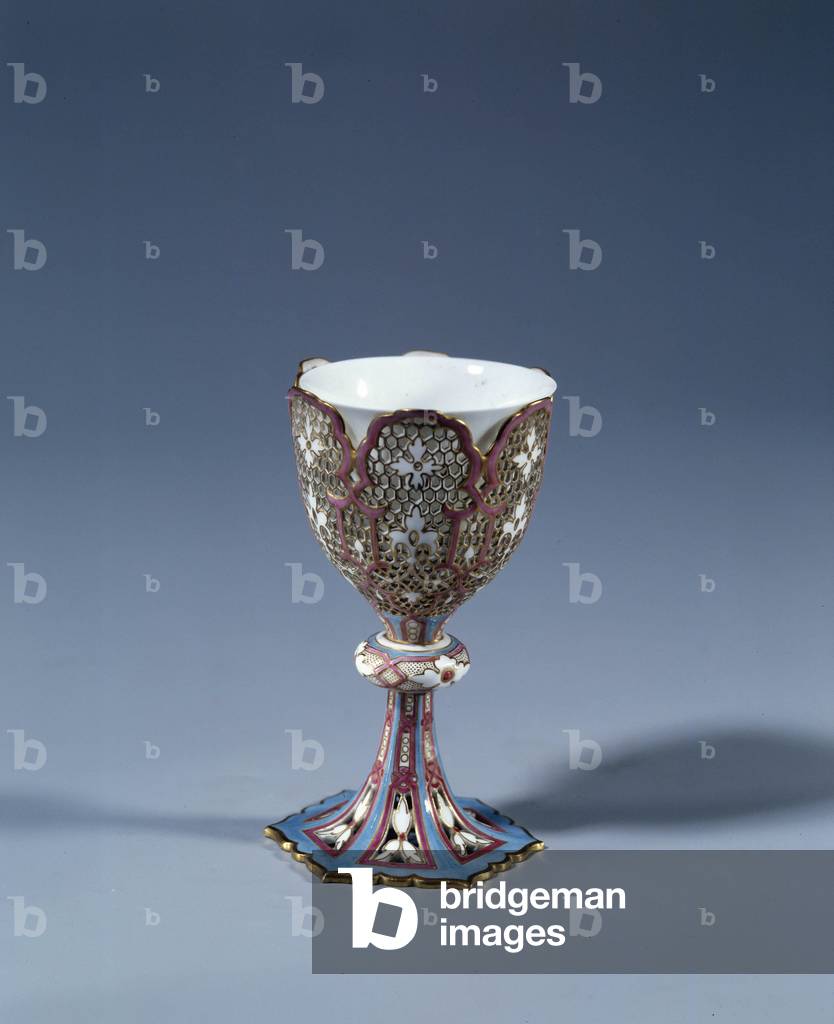
Art France: Mug on movable stand cut forming a display stand, 19th century (porcelain)

JLJ4662723: Art France: Mug on movable stand cut forming a display stand, 19th century (porcelain), French School, (19th century) / Bridgeman Images

Art France: Vase in hard porcelain from Locre, 1785 (porcelain)

JLJ4662793: Art France: Vase in hard porcelain from Locre, 1785 (porcelain), French School, (18th century) / Bridgeman Images

Art of Ancient Greece: Scene of gynecee. Fragment of attic vase with red figures, late 5th century BC (ceramic)

JLJ4663030: Art of Ancient Greece: Scene of gynecee. Fragment of attic vase with red figures, late 5th century BC (ceramic), Greek school, (5th century BC) / Bridgeman Images
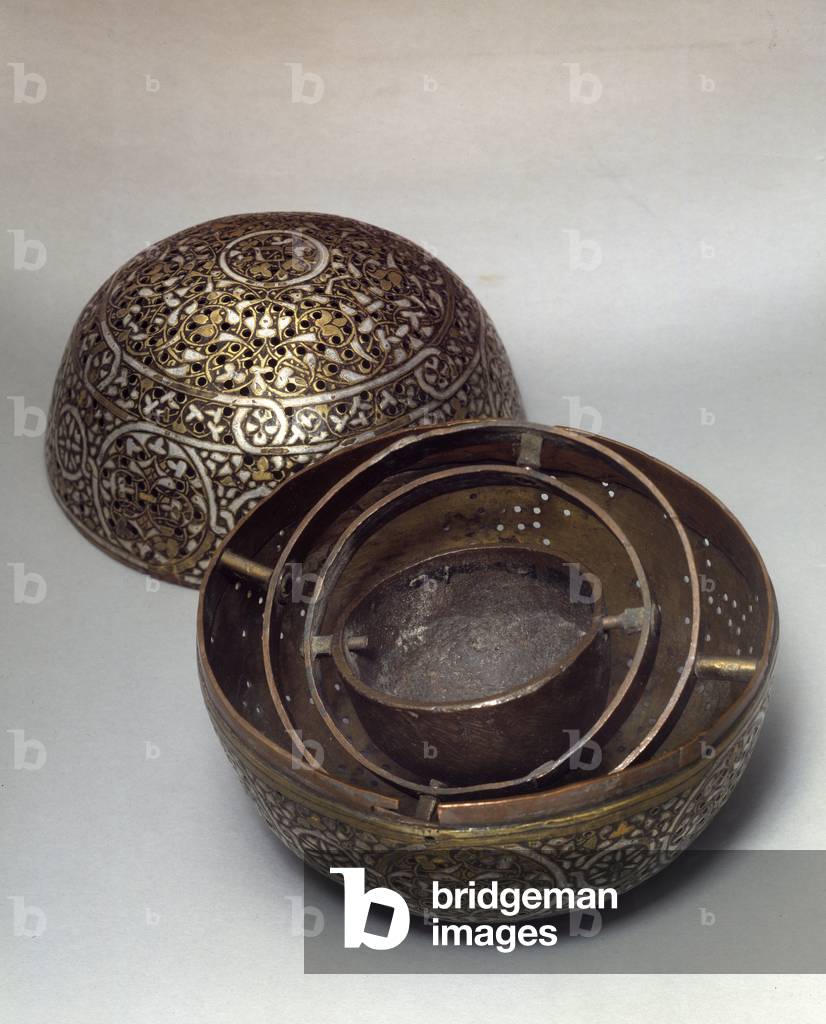
Burle perfume or hand warmer from Syria, late 15th-early 16th century (gold, silver and black paste)

JLJ4663087: Burle perfume or hand warmer from Syria, late 15th-early 16th century (gold, silver and black paste), Syrian School, (16th century) / Bridgeman Images

The poem of the soul; The evil path, 19th century (oil on canvas)

JLJ4663372: The poem of the soul; The evil path, 19th century (oil on canvas), Janmot, Louis (1814-92) / Bridgeman Images

The Bucheron Painting by Ferdinand Hodler (1853-1918) 1910 Sao Paulo, Museum of Art

LRI4663664: The Bucheron Painting by Ferdinand Hodler (1853-1918) 1910 Sao Paulo, Museum of Art, Hodler, Ferdinand (1853-1918) / Bridgeman Images

Portrait of Otto von Guericke (Otto de Guericke, 1602 - 1686)) German physicist. Chromolithography of the 19th century. based on “La Ciencia y sus Hombres” by Louis Figuier. Barcelona 1881

XEE4403632: Portrait of Otto von Guericke (Otto de Guericke, 1602 - 1686)) German physicist. Chromolithography of the 19th century. based on “La Ciencia y sus Hombres” by Louis Figuier. Barcelona 1881, Unknown Artist, (19th century) / Bridgeman Images
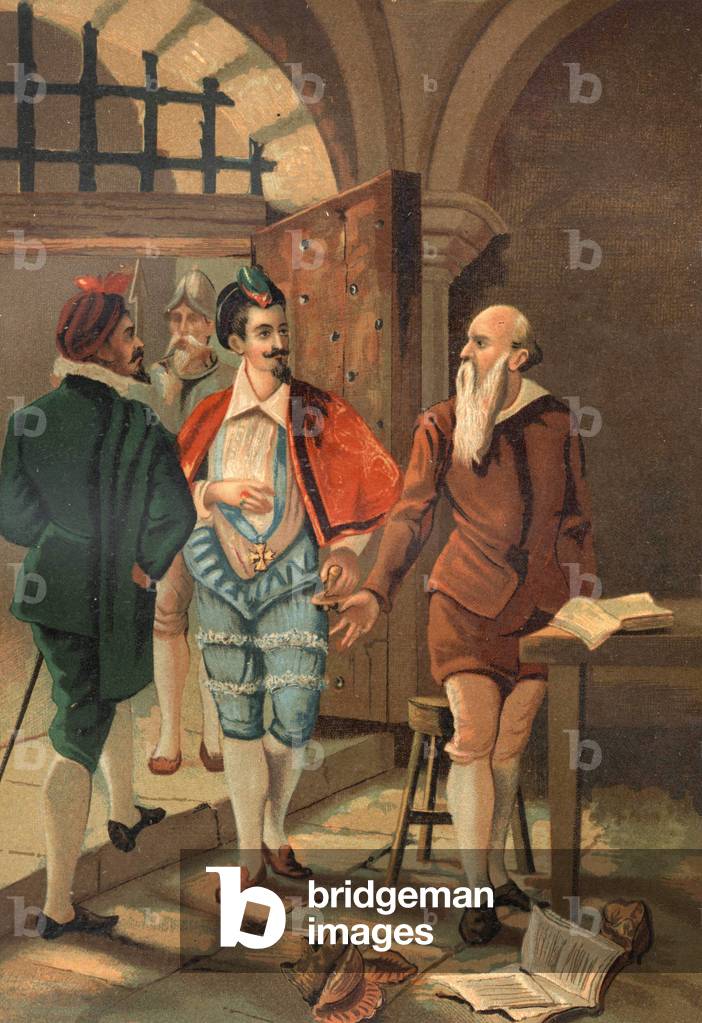
King Henry III with Bernard Palissy (1510 - 1589). Chromolithography of the late 19th century. based on La Ciencia y sus Hombres by Louis Figuier. Barcelona 1881

XEE4403635: King Henry III with Bernard Palissy (1510 - 1589). Chromolithography of the late 19th century. based on La Ciencia y sus Hombres by Louis Figuier. Barcelona 1881, Unknown Artist, (19th century) / Bridgeman Images

Portrait of Viriathe. in Latin Viriatus, or Viriathus Lusitanian Chief (Celtic people) (139 BC) after hombres y Mujeres celebres. Barcelona 1877.

XEE4403724: Portrait of Viriathe. in Latin Viriatus, or Viriathus Lusitanian Chief (Celtic people) (139 BC) after hombres y Mujeres celebres. Barcelona 1877., Unknown Artist, (19th century) / Bridgeman Images

Inauguration of the 1900 Universal Exhibition in Paris. Speech by Alexandre Millerand (1859-1943), Minister of Commerce. “Le Petit Journal”, April 29, 1900 (engraving)

XEE4404086: Inauguration of the 1900 Universal Exhibition in Paris. Speech by Alexandre Millerand (1859-1943), Minister of Commerce. “Le Petit Journal”, April 29, 1900 (engraving), French School, (20th century) / Bridgeman Images

portrait of Henri Duveyrier orientalist, French traveler and geographer, (1840-1892).

XEE4404104: portrait of Henri Duveyrier orientalist, French traveler and geographer, (1840-1892)., Unknown Artist, (19th century) / Bridgeman Images
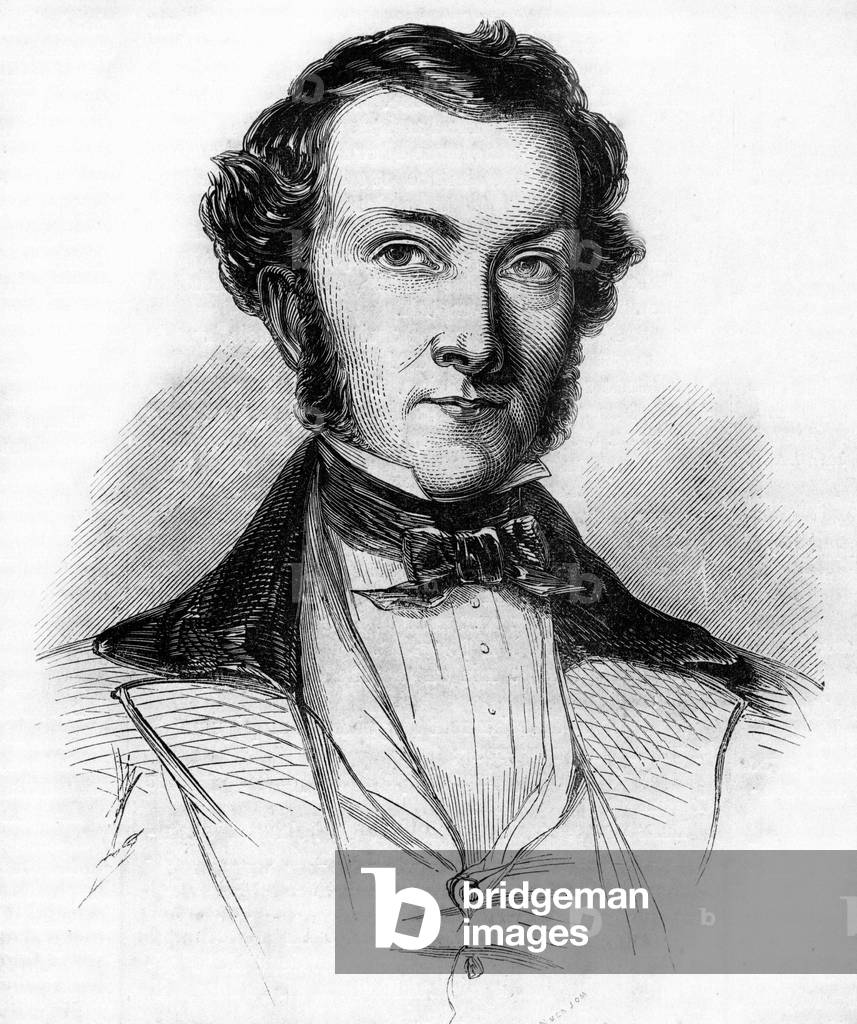
Portrait of Richard Cobden, (1804-1865), British economist and politician, promoter of free trade.

XEE4404139: Portrait of Richard Cobden, (1804-1865), British economist and politician, promoter of free trade., Unknown Artist, (19th century) / Bridgeman Images

Pope Julius II received Michelangelo in Bologna (engraving)

XEE4404173: Pope Julius II received Michelangelo in Bologna (engraving), Fleury, Robert (1797-1890) / Bridgeman Images
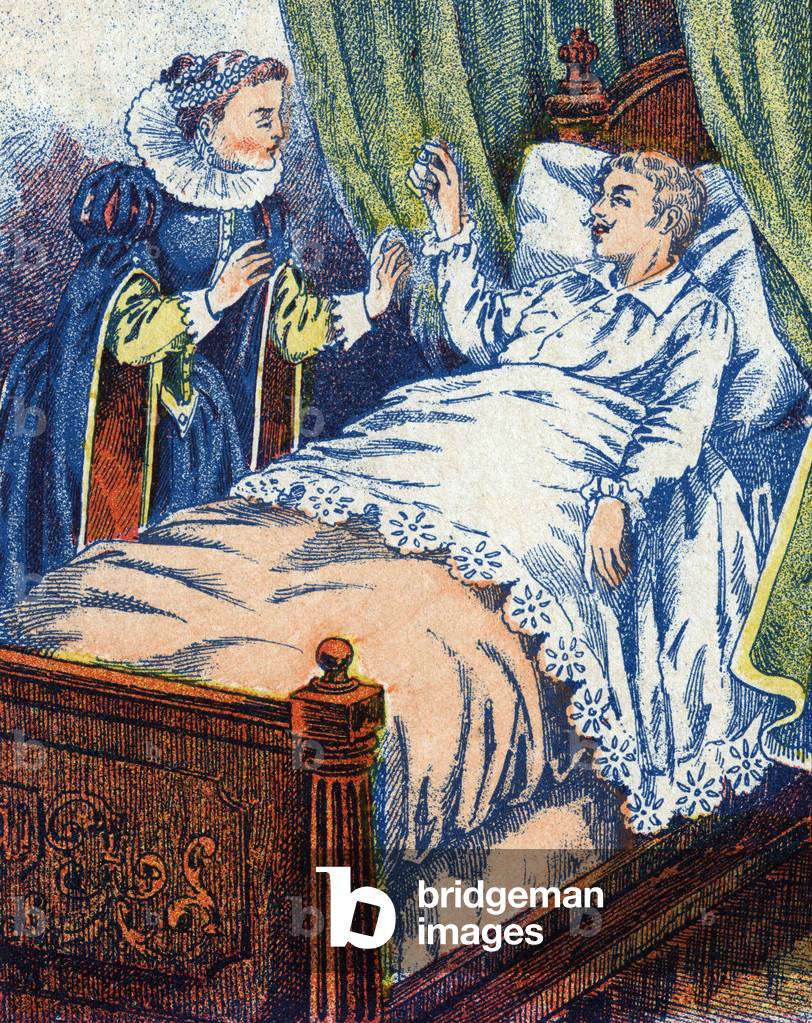
The prince shows the ring to his mother. Anonymous illustration for “” Donkey Skin”” tale by Charles Perrault (1628-1703), French writer. Imagery Marcel Vagne, Jarville Nancy, undated (late 19th century).

XEE4404251: The prince shows the ring to his mother. Anonymous illustration for “” Donkey Skin”” tale by Charles Perrault (1628-1703), French writer. Imagery Marcel Vagne, Jarville Nancy, undated (late 19th century)., Unknown Artist, (19th century) / Bridgeman Images
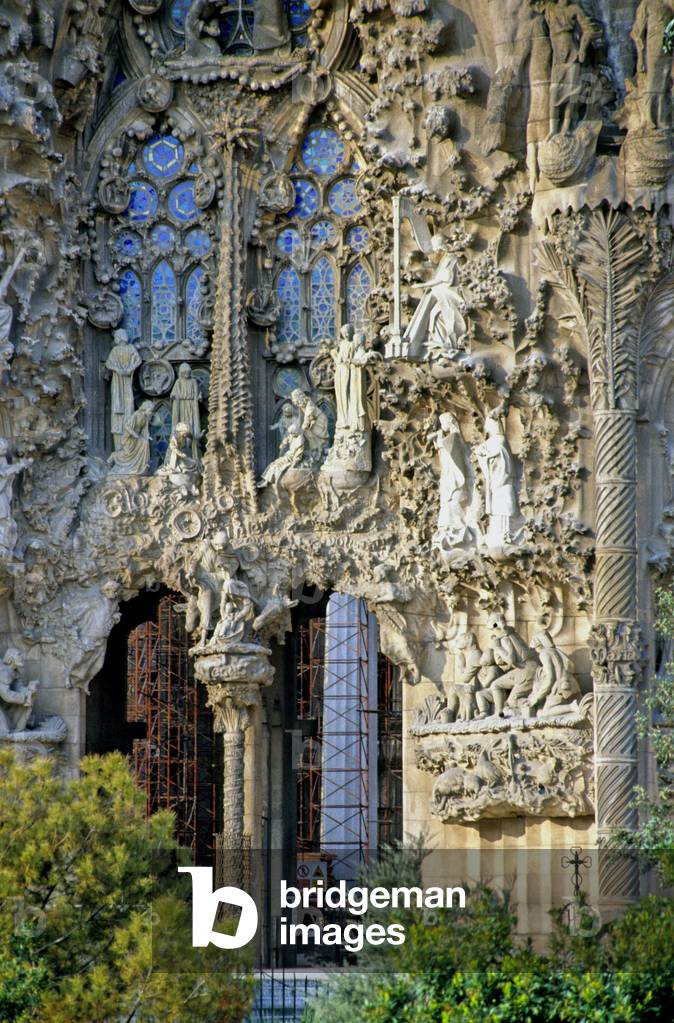
La Sagrada Familia in Barcelona (Spain). Architect 1893, Antoni Gaudi i Cornet (1852-1926), beginning of construction 1882, end planned 2026. It is Gaud's most important and well-known work. The works began in 1882 in a conventional Neo-Gothic style according to the design of the architect F. Villar i Lozano. The project foresees the construction of twelve towers (one for each apostle), another dedicated to the Virgin and the most important for Jesus Christ. Work continues and is expected to be completed in the 21st century.

LBY4663946: La Sagrada Familia in Barcelona (Spain). Architect 1893, Antoni Gaudi i Cornet (1852-1926), beginning of construction 1882, end planned 2026. It is Gaud's most important and well-known work. The works began in 1882 in a conventional Neo-Gothic style according to the design of the architect F. Villar i Lozano. The project foresees the construction of twelve towers (one for each apostle), another dedicated to the Virgin and the most important for Jesus Christ. Work continues and is expected to be completed in the 21st century., Boegly, Luc / Bridgeman Images
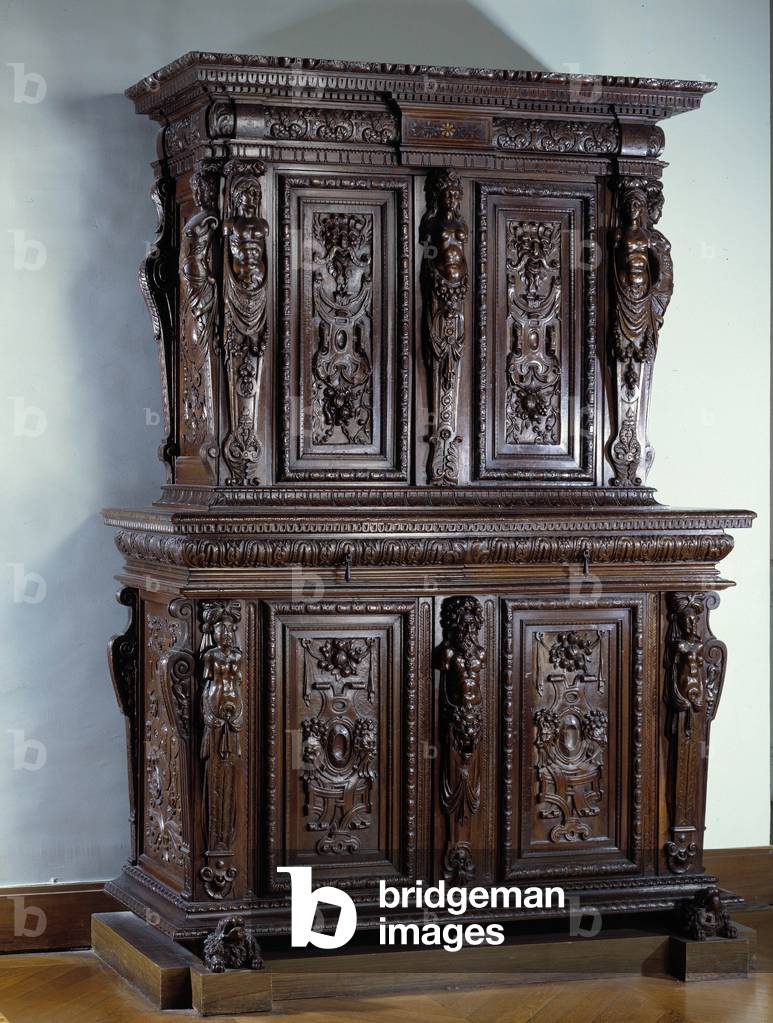
Furniture: wood cabinet from the second half of the 16th century (wood)

JLJ4664104: Furniture: wood cabinet from the second half of the 16th century (wood), French School, (16th century) / Bridgeman Images

Ancient Art Oriental: Electrum cup representing a monster with interlaced greenhouses, c.1200 BC (gold)

JLJ4664267: Ancient Art Oriental: Electrum cup representing a monster with interlaced greenhouses, c.1200 BC (gold), Middle Elamite Period, (c.1500-1000 BC) / Bridgeman Images
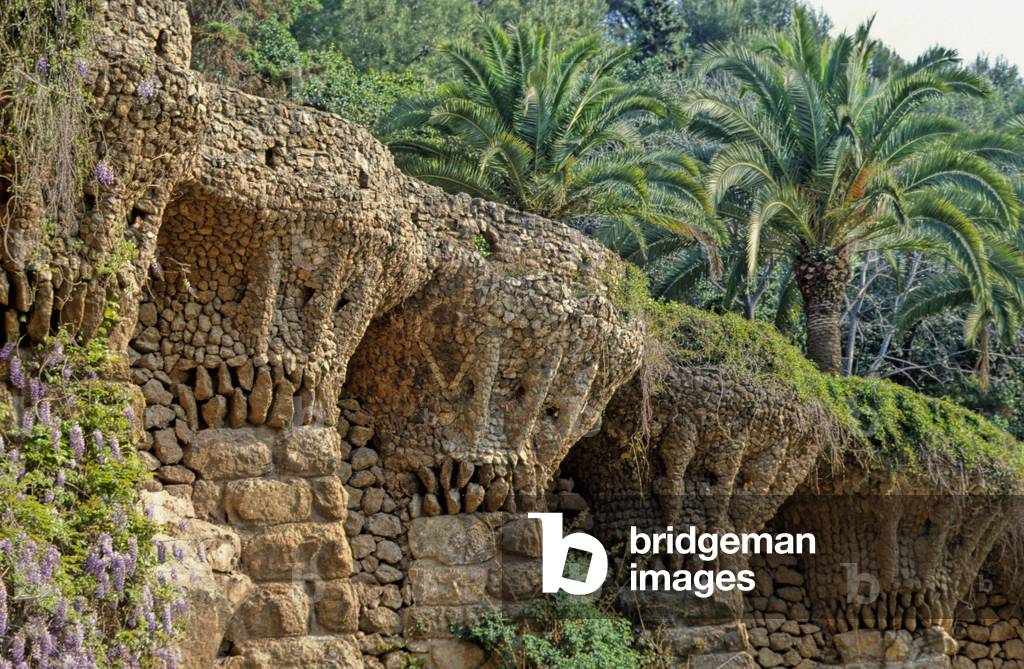
The caves of Parc Guell, Montana Pelada in Barcelona (Spain). Realisation 1903, architect Antoni Gaudi i Cornet (1852-1926).

LBY4664284: The caves of Parc Guell, Montana Pelada in Barcelona (Spain). Realisation 1903, architect Antoni Gaudi i Cornet (1852-1926)., Boegly, Luc / Bridgeman Images
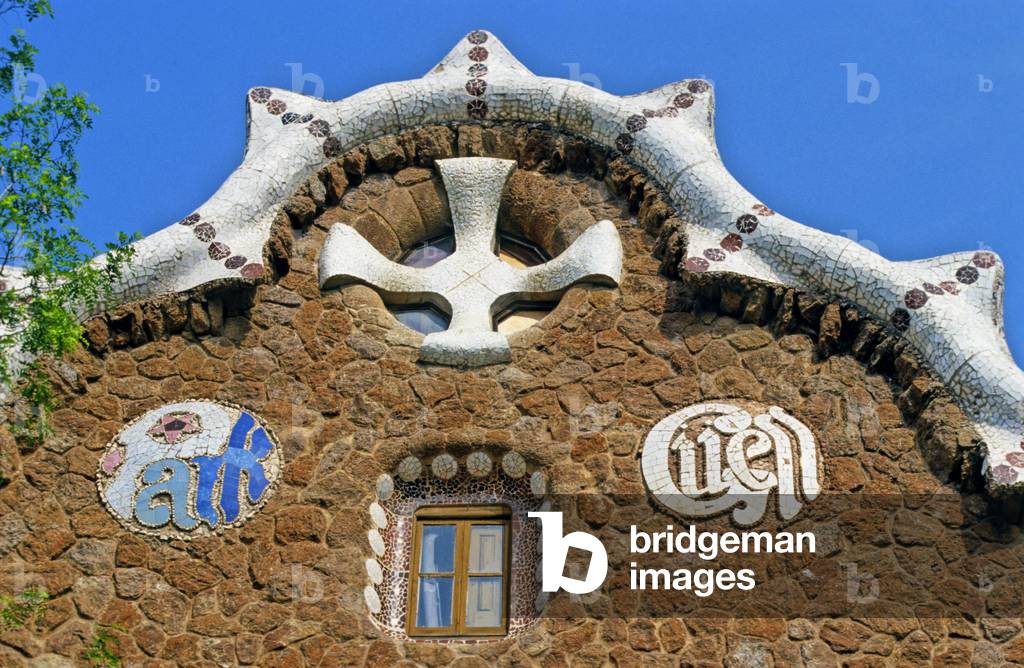
Crenelee facade of Parc Guell, Montana Pelada in Barcelona (Spain). Realisation 1903, architect Antoni Gaudi i Cornet (1852-1926).

LBY4664291: Crenelee facade of Parc Guell, Montana Pelada in Barcelona (Spain). Realisation 1903, architect Antoni Gaudi i Cornet (1852-1926)., Boegly, Luc / Bridgeman Images
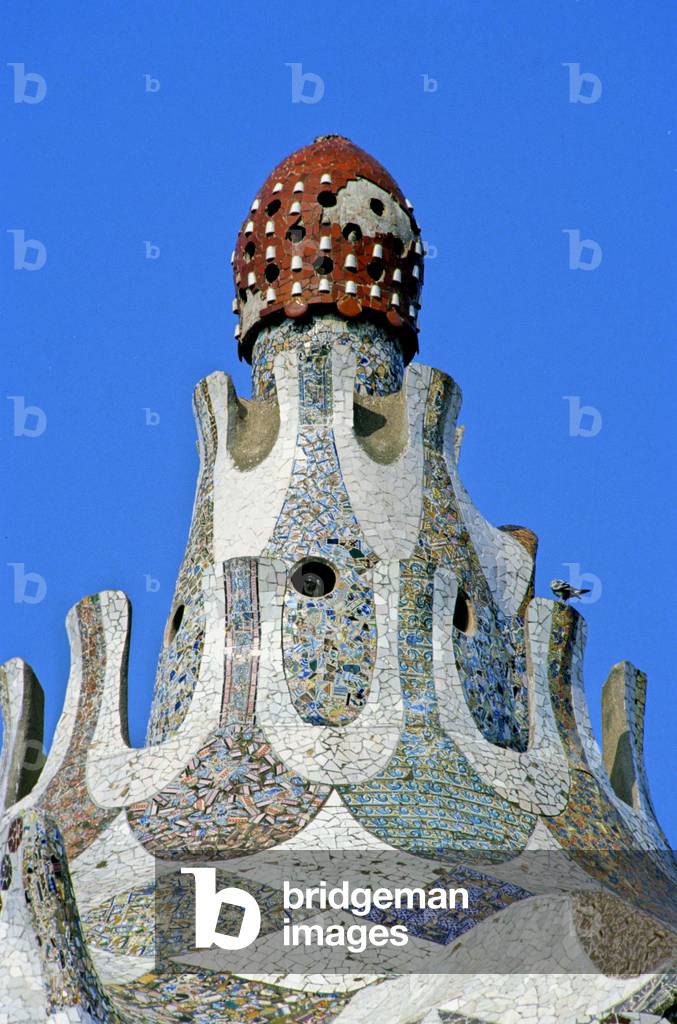
Detail of a roof covered with a mushroom from Parc Guell, Montana Pelada in Barcelona (Spain). Realisation 1903, architect Antoni Gaudi i Cornet (1852-1926).

LBY4664330: Detail of a roof covered with a mushroom from Parc Guell, Montana Pelada in Barcelona (Spain). Realisation 1903, architect Antoni Gaudi i Cornet (1852-1926)., Boegly, Luc / Bridgeman Images

Art Gallo Romain: stele representing woodworking and woodworking cutting trunks, 50 BC-100 AD (stone)

JLJ4664444: Art Gallo Romain: stele representing woodworking and woodworking cutting trunks, 50 BC-100 AD (stone), Gallo-Roman, (1st century AD) / Bridgeman Images

Portrait of a knight of the Order of the Golden Fleece Painting of the Flemish school of the 15th or 16th century. Lisbon, Museum of Ancient Art

LRI4664493: Portrait of a knight of the Order of the Golden Fleece Painting of the Flemish school of the 15th or 16th century. Lisbon, Museum of Ancient Art, Flemish School, (16th century) / Bridgeman Images

Franco-Chinese War or Tonkin (1881-1885): the fight of Nam Dinh on 19/07/1883, 19th century (engraving)

JLJ4664551: Franco-Chinese War or Tonkin (1881-1885): the fight of Nam Dinh on 19/07/1883, 19th century (engraving), French School, (19th century) / Bridgeman Images

Mondanite: scene of meals and seduction between two couples. Russia, c.1850 (engraving)

JLJ4664700: Mondanite: scene of meals and seduction between two couples. Russia, c.1850 (engraving), Russian School, (19th century) / Bridgeman Images

The princess pierces her hand and falls asleep. Anonymous illustration for “La belle au bois dormant”, tale by Charles Perrault (1628-1703), French writer. Imagery Marcel Vagne, Jarville Nancy, undated (late 19th century).

XEE4404281: The princess pierces her hand and falls asleep. Anonymous illustration for “La belle au bois dormant”, tale by Charles Perrault (1628-1703), French writer. Imagery Marcel Vagne, Jarville Nancy, undated (late 19th century)., Unknown Artist, (19th century) / Bridgeman Images

Men mask train the princess. Anonymous illustration for the tale “L'oiseau Bleu”, tale by Madame d'Aulnoy (1650-1705), French writer. Imagery Marcel Vagne, Jarville Nancy, undated (late 19th century).

XEE4404296: Men mask train the princess. Anonymous illustration for the tale “L'oiseau Bleu”, tale by Madame d'Aulnoy (1650-1705), French writer. Imagery Marcel Vagne, Jarville Nancy, undated (late 19th century)., Unknown Artist, (19th century) / Bridgeman Images

Children's Returns, Illustration for “” Le Pepetit poucet””, tale by Charles Perrault (1628-1703), French writer. Anonymous illustration. Imagery Marcel Vagne, Jarville Nancy, undated (late 19th century).

XEE4404328: Children's Returns, Illustration for “” Le Pepetit poucet””, tale by Charles Perrault (1628-1703), French writer. Anonymous illustration. Imagery Marcel Vagne, Jarville Nancy, undated (late 19th century)., Unknown Artist, (19th century) / Bridgeman Images

Installation of the chief rabbi of the conscription of Bordeaux, in the synagogue of the city in 1864. Engraving from Mr. Duffet's sketch.

XEE4404359: Installation of the chief rabbi of the conscription of Bordeaux, in the synagogue of the city in 1864. Engraving from Mr. Duffet's sketch., French School, (19th century) / Bridgeman Images

'Le dieu des bonnes gens' Beranger's song in 'Oeuvres completes', 1834 (engraving)

XEE4404477: 'Le dieu des bonnes gens' Beranger's song in 'Oeuvres completes', 1834 (engraving), French School, (19th century) / Bridgeman Images


Back to top