Search options

Orientation
Colour

Display options

View

Print

To print search results, use print friendly version of this page.

2491423 Search Results

Launch of the Venus Express Probe - Artist's View - Launch of Venus Express spacecraft - Artwork - The European Venus Express probe was launched on 9 November 2005 by a Soyuz - Fregat rocket and orbit around Venus on 11 April 2006. The european spacecraft Venus Express has been launched from Baikonur in november 2005 by a Soyuz - Fregat rocket and reaches the planet Venus on april 11 2006

PIX4606235: Launch of the Venus Express Probe - Artist's View - Launch of Venus Express spacecraft - Artwork - The European Venus Express probe was launched on 9 November 2005 by a Soyuz - Fregat rocket and orbit around Venus on 11 April 2006. The european spacecraft Venus Express has been launched from Baikonur in november 2005 by a Soyuz - Fregat rocket and reaches the planet Venus on april 11 2006 / Bridgeman Images

Mission ExoMars - Rover Pasteur - Artist view - Artist view of the Rover Pasteur on Martian soil. European ExoMars Mission

PIX4606925: Mission ExoMars - Rover Pasteur - Artist view - Artist view of the Rover Pasteur on Martian soil. European ExoMars Mission / Bridgeman Images

Model of the Rover MSL - Model Rover MSL - Test at CNES of the model of the Rover MSL in July 2009. This model at scale 1 was made by students of BTS section. Mars Science Laboratory (MSL), named Curiosity, is a NASA rover to explore the surface of Mars starting in 2012. Test at CNES (Toulouse) in july 2009 of the animated replica of NASA's martian Rover MSL built by english industrial BTS students. Mars Science Laboratory (MSL) is a rover that will study Mars' habitability. Launch is scheduled in the fall of 2011

PIX4606828: Model of the Rover MSL - Model Rover MSL - Test at CNES of the model of the Rover MSL in July 2009. This model at scale 1 was made by students of BTS section. Mars Science Laboratory (MSL), named Curiosity, is a NASA rover to explore the surface of Mars starting in 2012. Test at CNES (Toulouse) in july 2009 of the animated replica of NASA's martian Rover MSL built by english industrial BTS students. Mars Science Laboratory (MSL) is a rover that will study Mars' habitability. Launch is scheduled in the fall of 2011 / Bridgeman Images

Delta II rocket decolling - DAWN probe - 09 - 2007 - Dawn spacecraft launch - 09 - 2007 - Delta II rocket decolving on 27 September 2007 carrying the DAWN probe destined for the study of the asteroid Vesta and the dwarf planet Ceres. September 27, 2007. The Delta II rocket carrying Nasa's Dawn spacecraft rises from the smoke and fire on the launch pad to begin its 1.7 - billion - mile journey through the inner solar system to study a pair of asteroids. Liftoff was at 7:34 a.m. EDT from Pad 17 - B at Cape Canaveral Air Force Station. The spacecraft will be the first to orbit two planetary bodies, asteroid Vesta and dwarf planet Ceres, during a single mission. It is also NASA's first purely scientific mission powered by three solar electric ion propulsion engine

PIX4605145: Delta II rocket decolling - DAWN probe - 09 - 2007 - Dawn spacecraft launch - 09 - 2007 - Delta II rocket decolving on 27 September 2007 carrying the DAWN probe destined for the study of the asteroid Vesta and the dwarf planet Ceres. September 27, 2007. The Delta II rocket carrying Nasa's Dawn spacecraft rises from the smoke and fire on the launch pad to begin its 1.7 - billion - mile journey through the inner solar system to study a pair of asteroids. Liftoff was at 7:34 a.m. EDT from Pad 17 - B at Cape Canaveral Air Force Station. The spacecraft will be the first to orbit two planetary bodies, asteroid Vesta and dwarf planet Ceres, during a single mission. It is also NASA's first purely scientific mission powered by three solar electric ion propulsion engine / Bridgeman Images

TITAN 3 rocket decolving 09/92 - Decolving the TITAN 3 rocket carrying the Mars Observer probe. 25/09/1992

PIX4605026: TITAN 3 rocket decolving 09/92 - Decolving the TITAN 3 rocket carrying the Mars Observer probe. 25/09/1992 / Bridgeman Images

The Rosetta probe and the Steins asteroid - Rosetta spacecraft near asteroid Steins - Artist's view of the passage of the Rosetta probe near the Steins asteroid (2867) on September 5, 2008. The Rosetta probe was launched on 2 March 2004 in order to study comet 67P/Churyumov - Gerasimenko, which it should meet around May 2014. She will put a lander on her surface. Esa's Rosetta spacecraft flew by asteroid (2867) Steins on 5 September 2008 at 20:58 CEST, ground received time (= spacecraft time CEST+20 minutes), with a closest approach distance of 800 km. Steins is Rosetta's first nominal scientific target. The spacecraft encountered the asteroid in the course of its first incursion into the main asteroid belt located between the orbits of Mars and Jupiter, while on its way to Comet 67P/Churyumov - Gerasimenko

PIX4607105: The Rosetta probe and the Steins asteroid - Rosetta spacecraft near asteroid Steins - Artist's view of the passage of the Rosetta probe near the Steins asteroid (2867) on September 5, 2008. The Rosetta probe was launched on 2 March 2004 in order to study comet 67P/Churyumov - Gerasimenko, which it should meet around May 2014. She will put a lander on her surface. Esa's Rosetta spacecraft flew by asteroid (2867) Steins on 5 September 2008 at 20:58 CEST, ground received time (= spacecraft time CEST+20 minutes), with a closest approach distance of 800 km. Steins is Rosetta's first nominal scientific target. The spacecraft encountered the asteroid in the course of its first incursion into the main asteroid belt located between the orbits of Mars and Jupiter, while on its way to Comet 67P/Churyumov - Gerasimenko / Bridgeman Images

Spiral Galaxy M31 in Andromede - The Andromeda Galaxy (M31) - The Andromede galaxy is located about 2.3 million years ago - light from Earth. Two satellite galaxies accompany him: M32 (NGC 221) on the left, and M110 (NGC 205) on the bottom right. Like the lactee path, the Andromede galaxy belongs to the local group, making up about thirty galaxies. Andromeda is the nearest major galaxy to our own Milky Way Galaxy. M31 is about 2.3 million light years far from us in the constellation Andromeda. It is the biggest member in our Local Group. Its diameter is more than 150,000 light years, compared to the Milky Way's 100,000 light years. M31 has two satellite galaxies: M110 (NGC 205) the elliptic galaxy at bottom right respect M31 core and M32 (NGC 221), the bright star - like object at left. The bright blue star at top is the 4.5th magnitude naked Andromedae

PIX4608859: Spiral Galaxy M31 in Andromede - The Andromeda Galaxy (M31) - The Andromede galaxy is located about 2.3 million years ago - light from Earth. Two satellite galaxies accompany him: M32 (NGC 221) on the left, and M110 (NGC 205) on the bottom right. Like the lactee path, the Andromede galaxy belongs to the local group, making up about thirty galaxies. Andromeda is the nearest major galaxy to our own Milky Way Galaxy. M31 is about 2.3 million light years far from us in the constellation Andromeda. It is the biggest member in our Local Group. Its diameter is more than 150,000 light years, compared to the Milky Way's 100,000 light years. M31 has two satellite galaxies: M110 (NGC 205) the elliptic galaxy at bottom right respect M31 core and M32 (NGC 221), the bright star - like object at left. The bright blue star at top is the 4.5th magnitude naked Andromedae / Bridgeman Images

Delta II rocket launch - Themis mission - 02 - 2007 - Delta II rocket launch on 17 February 2007 carrying the 5 satellites of the Themis mission, scientific mission for the study of the polar aurora

PIX4605160: Delta II rocket launch - Themis mission - 02 - 2007 - Delta II rocket launch on 17 February 2007 carrying the 5 satellites of the Themis mission, scientific mission for the study of the polar aurora / Bridgeman Images

Juno Probe - Solar Panels - Juno Solar Panels - View of the solar panels of the Juno probe in operation verification. Launched in 2011, the Juno probe will reach Jupiter in 2016. It will then hold the record for the farthest solar power probe ever sent. Technicians at Astrotech's payload processing facility in Titusville, Fla. stow solar array # 2 against the body of Nasa's Juno spacecraft. Launching from Earth in 2011, the Juno spacecraft will arrive at Jupiter in 2016 to study the giant planet from an elliptical, polar orbit. When Juno arrives at Jupiter in 2016, it will be farther from the sun than any previous solar powered mission. The choice of solar power for Juno necessitates very large solar arrays with dimensions of 2.65 meters wide by 8.9 meters long (about 9 feet wide by 29 feet long). Once in orbit at the giant planet, the three arrays will provide about 450 watts of electricity for Juno

PIX4605945: Juno Probe - Solar Panels - Juno Solar Panels - View of the solar panels of the Juno probe in operation verification. Launched in 2011, the Juno probe will reach Jupiter in 2016. It will then hold the record for the farthest solar power probe ever sent. Technicians at Astrotech's payload processing facility in Titusville, Fla. stow solar array # 2 against the body of Nasa's Juno spacecraft. Launching from Earth in 2011, the Juno spacecraft will arrive at Jupiter in 2016 to study the giant planet from an elliptical, polar orbit. When Juno arrives at Jupiter in 2016, it will be farther from the sun than any previous solar powered mission. The choice of solar power for Juno necessitates very large solar arrays with dimensions of 2.65 meters wide by 8.9 meters long (about 9 feet wide by 29 feet long). Once in orbit at the giant planet, the three arrays will provide about 450 watts of electricity for Juno / Bridgeman Images

The Mars Reconnaissance Orbiter probe - Artist's view - The American Mars Reconnaissance Orbiter probe was launched in August 2005 and began its observations from March in October 2006

PIX4606662: The Mars Reconnaissance Orbiter probe - Artist's view - The American Mars Reconnaissance Orbiter probe was launched in August 2005 and began its observations from March in October 2006 / Bridgeman Images

Landscape lecon, 19th century (engraving)

JLJ4614850: Landscape lecon, 19th century (engraving), French School, (19th century) / Bridgeman Images
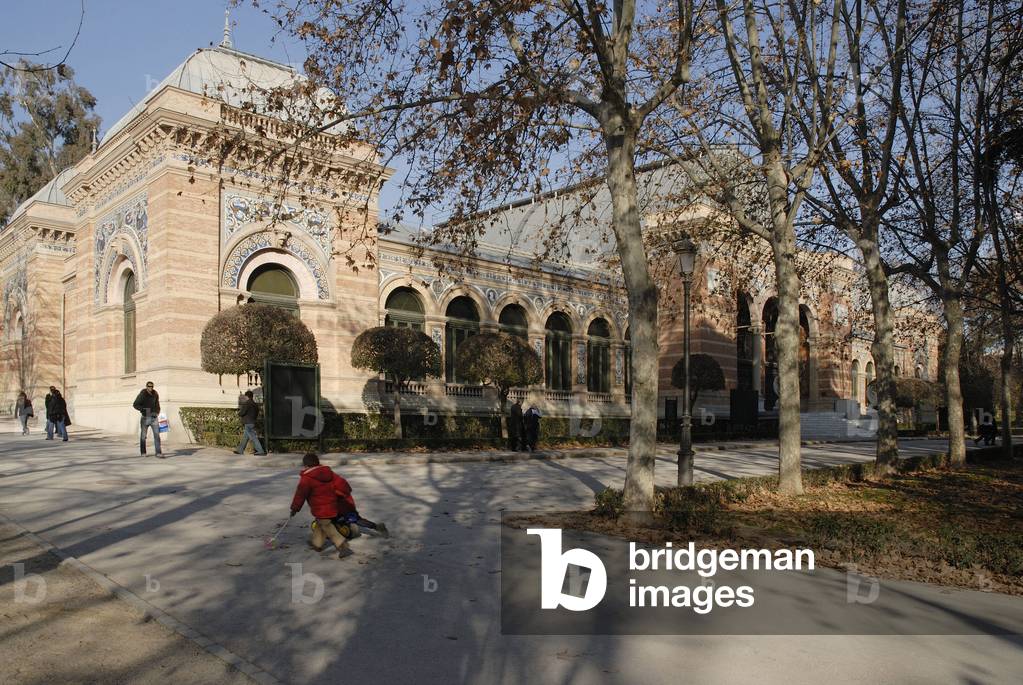
The Palacio Velasquez in the Parque del Retiro in Madrid (Spain).Photography 29/12/07.

RCT4588748: The Palacio Velasquez in the Parque del Retiro in Madrid (Spain).Photography 29/12/07., Castan, Remy / Bridgeman Images

Sundial - Sundial - Vertical sundial of the village of Moncenisio (Ferrera Cenisio) in Italy. Vertical sundial in Ferrera Cenisio, Italy

PIX4585405: Sundial - Sundial - Vertical sundial of the village of Moncenisio (Ferrera Cenisio) in Italy. Vertical sundial in Ferrera Cenisio, Italy / Bridgeman Images
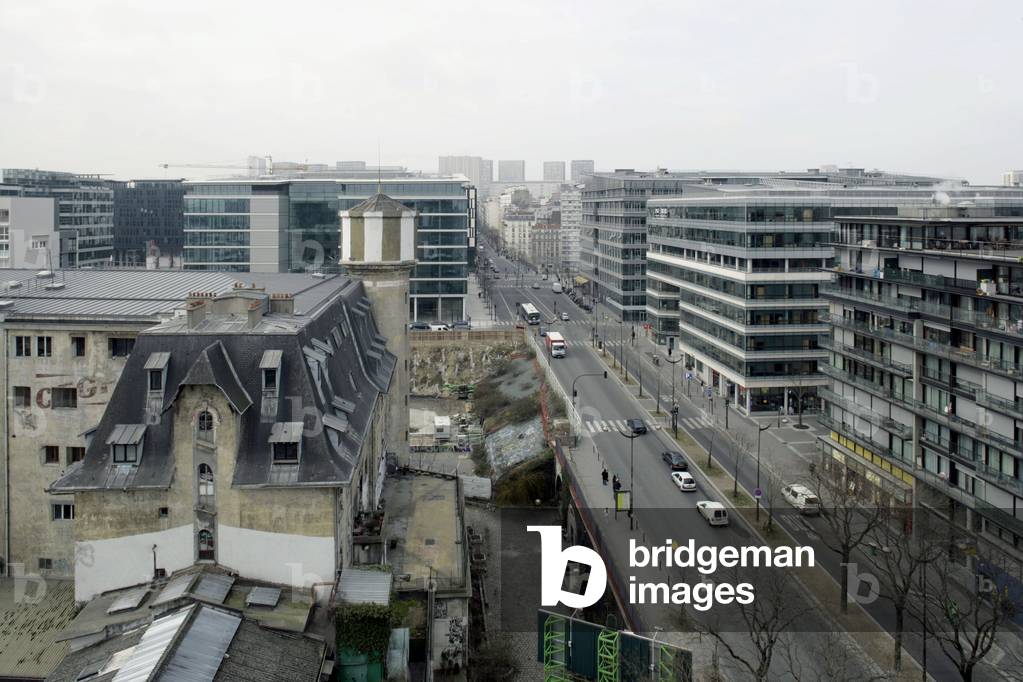
ZAC Paris Rive Gauche, les Frigos, Paris 75013. Photography 10/03/05.

TEC4641771: ZAC Paris Rive Gauche, les Frigos, Paris 75013. Photography 10/03/05. / Bridgeman Images
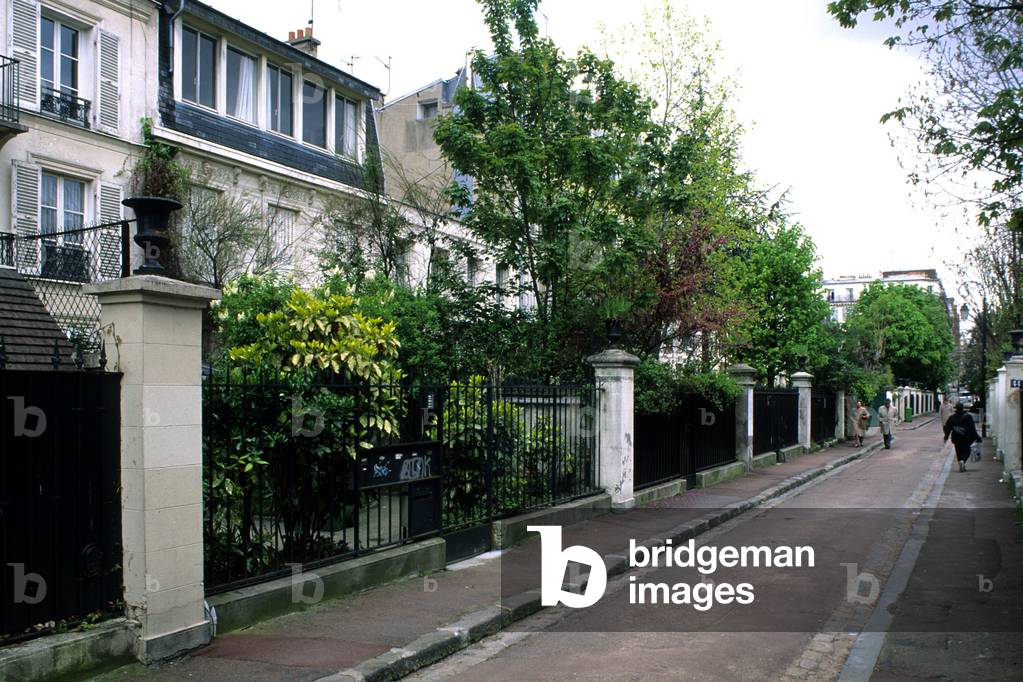
La Cite des Fleurs in Paris 75017. The town was built in 1847 with the obligation for each owner to plant three flowering trees in his garden.

TEC4644751: La Cite des Fleurs in Paris 75017. The town was built in 1847 with the obligation for each owner to plant three flowering trees in his garden. / Bridgeman Images

S.Lucid in Mir 09/96 - Shannon Lucid training on a treadmill in Mir station. 09/1996

PIX4642128: S.Lucid in Mir 09/96 - Shannon Lucid training on a treadmill in Mir station. 09/1996 / Bridgeman Images

Intelsat telecommunication satellite 6 - Intelsat telecommunication satellite 6 - Deployment of the Intelsat VI satellite seen from the shuttle Endeavour on 16 May 1992. Equipped with a new propulsion system, this satellite will join its geosynchronous orbit

PIX4642836: Intelsat telecommunication satellite 6 - Intelsat telecommunication satellite 6 - Deployment of the Intelsat VI satellite seen from the shuttle Endeavour on 16 May 1992. Equipped with a new propulsion system, this satellite will join its geosynchronous orbit / Bridgeman Images

Joseph Stalin (1879-1953) giving a speech in 1941 (w/c)

JLJ4644139: Joseph Stalin (1879-1953) giving a speech in 1941 (w/c), Unknown Artist, (20th century) / Bridgeman Images

Mercury - Atlas 9: Astronaut Gordon Cooper before the start - Pilot and spacecraft - Astronaut L. Gordon Cooper, wearing his Mercury pressure suit, looks over the spacecraft which he named “” Faith 7”” at the top of the Pad 14 gantry at Cape Canaveral. Cooper is prime pilot for the MA - 9 mission - 196

PIX4641897: Mercury - Atlas 9: Astronaut Gordon Cooper before the start - Pilot and spacecraft - Astronaut L. Gordon Cooper, wearing his Mercury pressure suit, looks over the spacecraft which he named “” Faith 7”” at the top of the Pad 14 gantry at Cape Canaveral. Cooper is prime pilot for the MA - 9 mission - 196 / Bridgeman Images

THEMIS satellites - View of THEMIS satellites in preparation at Cap Canaveral on 8 February 2007. This constellation of five satellites aims to better understand the origin of the polar aurora; for two years, satellites will align along the tail of the Earth's magnetic field to identify disturbances observed in the magnetosphere

PIX4644764: THEMIS satellites - View of THEMIS satellites in preparation at Cap Canaveral on 8 February 2007. This constellation of five satellites aims to better understand the origin of the polar aurora; for two years, satellites will align along the tail of the Earth's magnetic field to identify disturbances observed in the magnetosphere / Bridgeman Images

TIROS satellite - 1 - under test - View of TIROS satellite - 1 (Television Infrared Observation Satellite) being tested at the Goddard Space Flight Center of Nasa. TIROS-1 was the first operational meteorological satellite; it was successfully launched on 1 April 1960

PIX4644527: TIROS satellite - 1 - under test - View of TIROS satellite - 1 (Television Infrared Observation Satellite) being tested at the Goddard Space Flight Center of Nasa. TIROS-1 was the first operational meteorological satellite; it was successfully launched on 1 April 1960 / Bridgeman Images
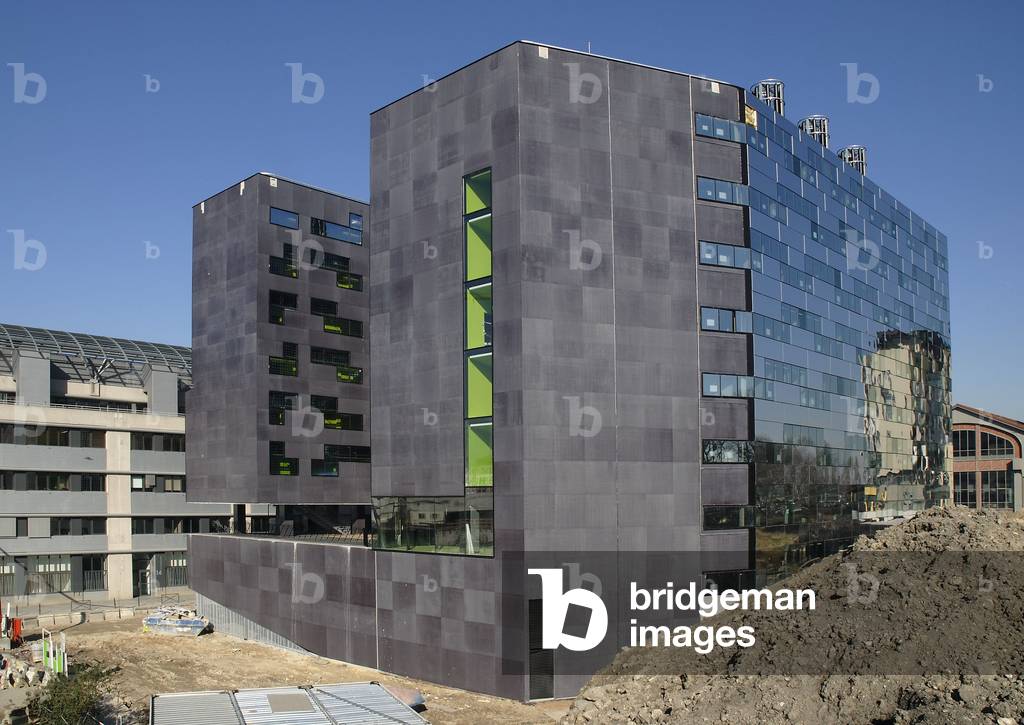
The UFR of chemistry in the neighborhood Massena a Paris75013. Architects X-TU architects, Anouk Legendre and Nicolas Desmazieres, 2008. Photography 10/02/08.

RCT4644520: The UFR of chemistry in the neighborhood Massena a Paris75013. Architects X-TU architects, Anouk Legendre and Nicolas Desmazieres, 2008. Photography 10/02/08., Castan, Remy / Bridgeman Images

The Colonization of Mars - Illustration - Mars Colony: Artist's view of an inhabited base on Mars. A manned habitat on the surface of Mars

PIX4640029: The Colonization of Mars - Illustration - Mars Colony: Artist's view of an inhabited base on Mars. A manned habitat on the surface of Mars / Bridgeman Images

Test in anechoid chamber - Test in Anechoid Chamber - Test of the SAPHIR instrument in the anechoid chamber of CNES in Toulouse in May 2009. SAPHIR will be embarked on board the Franco-Indian satellite Megha-Tropiques to measure water vapour on Earth.

PIX4644395: Test in anechoid chamber - Test in Anechoid Chamber - Test of the SAPHIR instrument in the anechoid chamber of CNES in Toulouse in May 2009. SAPHIR will be embarked on board the Franco-Indian satellite Megha-Tropiques to measure water vapour on Earth. / Bridgeman Images

Orbit of the Giove satellite - A - Artist's view - Artist's view of the separation of the 3rd floor of the Soyuz - Fregat rocket. GIOVE - A reached its final orbit on January 9, 2006 and began to issue on January 12, 2006

PIX4643090: Orbit of the Giove satellite - A - Artist's view - Artist's view of the separation of the 3rd floor of the Soyuz - Fregat rocket. GIOVE - A reached its final orbit on January 9, 2006 and began to issue on January 12, 2006 / Bridgeman Images

Satellite Jason - 2 - Illustration - Artist view of satellite Jason - 2. This satellite launched on 20 June 2008 is dedicated to the study of the oceans. Artist's concept of the satellite Jason - 2. This satellite dedicated to studying the ocean was launched on June 20 2008

PIX4644502: Satellite Jason - 2 - Illustration - Artist view of satellite Jason - 2. This satellite launched on 20 June 2008 is dedicated to the study of the oceans. Artist's concept of the satellite Jason - 2. This satellite dedicated to studying the ocean was launched on June 20 2008 / Bridgeman Images

Satellite MSG - 1 - Meteosat 8 - Artist's view of the European satellite MSG - 1 (Meteosat Second Generation, MSG) or Meteosat 8, in orbit around the Earth. Launched on August 28, 2002, it is a geostationary satellite located 35 600 km from Earth; dedicated to meteorology, it observes the Earth in visible, and in infrared. Artist's view of Meteosat Second Generation (MSG). Satellite observations from space contribute to better weather forecasts as only satellites can observe weather patterns on a global scale, including the Atlantic Ocean over which most of Europe's weather originates

PIX4644645: Satellite MSG - 1 - Meteosat 8 - Artist's view of the European satellite MSG - 1 (Meteosat Second Generation, MSG) or Meteosat 8, in orbit around the Earth. Launched on August 28, 2002, it is a geostationary satellite located 35 600 km from Earth; dedicated to meteorology, it observes the Earth in visible, and in infrared. Artist's view of Meteosat Second Generation (MSG). Satellite observations from space contribute to better weather forecasts as only satellites can observe weather patterns on a global scale, including the Atlantic Ocean over which most of Europe's weather originates / Bridgeman Images

Launch of the Helios 2A satellite - Satellite Helios 2A launch - Artist's view of the launch of the military satellite Helios 2A and the parasol and swarm microsatellites by an Ariane 5 G+rocket in December 2004. Artwork of the launch of the military satellite Helios 2A with the microsatellites Essaim and Parasol by an ariane 5 rocket in december 2004

PIX4644070: Launch of the Helios 2A satellite - Satellite Helios 2A launch - Artist's view of the launch of the military satellite Helios 2A and the parasol and swarm microsatellites by an Ariane 5 G+rocket in December 2004. Artwork of the launch of the military satellite Helios 2A with the microsatellites Essaim and Parasol by an ariane 5 rocket in december 2004 / Bridgeman Images

Station Mir - Panel damage.10/1997 - Mir station with damaged solar panel. 10/1997 - The Mir space station seen from the shuttle Atlantis. A solar panel damage to the Spektr module is visible. Russia's Mir Space Station backdropped against a cloud - covered Earth photographed during a fly - around by the Space Shuttle Atlantis following the conclusion of joint docking activities between the Mir - 24 and STS - 86 crews. One of the solar array panels on the Spektr Module shows damage incurred during the impact of a Russian unmanned Progress re - supply ship with collided with the space station on June 25, 1997

PIX4642319: Station Mir - Panel damage.10/1997 - Mir station with damaged solar panel. 10/1997 - The Mir space station seen from the shuttle Atlantis. A solar panel damage to the Spektr module is visible. Russia's Mir Space Station backdropped against a cloud - covered Earth photographed during a fly - around by the Space Shuttle Atlantis following the conclusion of joint docking activities between the Mir - 24 and STS - 86 crews. One of the solar array panels on the Spektr Module shows damage incurred during the impact of a Russian unmanned Progress re - supply ship with collided with the space station on June 25, 1997 / Bridgeman Images

Skylab Station - 06/1973 - Skylab Station seen from Skylab Module - 2 before returning to Earth. An overhead view of the Skylab 1 space station cluster in Earth orbit photographed from the Skylab 2 Command/Service Module during the final “” fly around”” inspection by the CSM. The space station is sharply contrasted against a black sky background. Note the deployed parasol solar shield which shades the Orbital Workshop where the micrometeoroid shield is missing. The one remaining OWS solar array system wing has been fully deployed successfully. The OWS solar panel on the opposite side is missing completely. 22 June 197

PIX4643335: Skylab Station - 06/1973 - Skylab Station seen from Skylab Module - 2 before returning to Earth. An overhead view of the Skylab 1 space station cluster in Earth orbit photographed from the Skylab 2 Command/Service Module during the final “” fly around”” inspection by the CSM. The space station is sharply contrasted against a black sky background. Note the deployed parasol solar shield which shades the Orbital Workshop where the micrometeoroid shield is missing. The one remaining OWS solar array system wing has been fully deployed successfully. The OWS solar panel on the opposite side is missing completely. 22 June 197 / Bridgeman Images

Satellite Jason - 2 - Illustration - Artist view of satellite Jason - 2. This satellite launched on 20 June 2008 is dedicated to the study of the oceans. Artist's concept of the satellite Jason - 2. This satellite dedicated to studying the ocean was launched on June 20 2008

PIX4644522: Satellite Jason - 2 - Illustration - Artist view of satellite Jason - 2. This satellite launched on 20 June 2008 is dedicated to the study of the oceans. Artist's concept of the satellite Jason - 2. This satellite dedicated to studying the ocean was launched on June 20 2008 / Bridgeman Images

Hubble Space Telescope: 1st maintenance mission 12 - 1993 - Astronauts install COSTAR during EVA for HST repair - Astronaut Thomas Akers prepares the installation of COSTAR, an instrument intended to correct Hubble's myopia. Kathryn C. Thornton is on the arm of the shuttle Endeavour with the instrument. Fourth extravehicular exit. Astronaut Thomas D. Akers maneuvers inside the bay which will house the Corrective Optics Space Telescope Axial Replacement (COSTAR) while assisting astronaut Kathryn C. Thornton with the installation of the 640 - pound instrument. Thornton, anchored on the end of the Remote Manipulator System (RMS) arm, is partially visible as she prepares to install the COSTAR. Dec 1993

PIX4644915: Hubble Space Telescope: 1st maintenance mission 12 - 1993 - Astronauts install COSTAR during EVA for HST repair - Astronaut Thomas Akers prepares the installation of COSTAR, an instrument intended to correct Hubble's myopia. Kathryn C. Thornton is on the arm of the shuttle Endeavour with the instrument. Fourth extravehicular exit. Astronaut Thomas D. Akers maneuvers inside the bay which will house the Corrective Optics Space Telescope Axial Replacement (COSTAR) while assisting astronaut Kathryn C. Thornton with the installation of the 640 - pound instrument. Thornton, anchored on the end of the Remote Manipulator System (RMS) arm, is partially visible as she prepares to install the COSTAR. Dec 1993 / Bridgeman Images

Satellite Parasol - Artist's view of the microsatellite Parasol in orbit around the Earth. This satellite launched in December 2004 studies the Earth's atmosphere. Parasol is a english earth observation microsatellite launched in december 2004 to study the Earth atmosphere

PIX4644031: Satellite Parasol - Artist's view of the microsatellite Parasol in orbit around the Earth. This satellite launched in December 2004 studies the Earth's atmosphere. Parasol is a english earth observation microsatellite launched in december 2004 to study the Earth atmosphere / Bridgeman Images

Mir station: exit of Vasili V. Tsibliyev 04/1997 - Exit into space of cosmonaut Vasili V. Tsibliyev on 29 April 1997. In the background the Kvant module of the Mir space station. This photograph, taken by NASA/Mir 23's Jerry M. Linenger, guest researcher, shows Mir 23 commander Vasili V. Tsibliyev during a five - hour spacewalk performed by the two outside the Russian Mir Space Station. Tsibliyev in new ORLAN - M space suit marked with red stripes works at the end of Strehla pole backdropped by Base Block and Kvant - 1 module. The tower - like structure in lower left is Sofora, which once was used for an experiment in attitude control on the Mir

PIX4642270: Mir station: exit of Vasili V. Tsibliyev 04/1997 - Exit into space of cosmonaut Vasili V. Tsibliyev on 29 April 1997. In the background the Kvant module of the Mir space station. This photograph, taken by NASA/Mir 23's Jerry M. Linenger, guest researcher, shows Mir 23 commander Vasili V. Tsibliyev during a five - hour spacewalk performed by the two outside the Russian Mir Space Station. Tsibliyev in new ORLAN - M space suit marked with red stripes works at the end of Strehla pole backdropped by Base Block and Kvant - 1 module. The tower - like structure in lower left is Sofora, which once was used for an experiment in attitude control on the Mir / Bridgeman Images
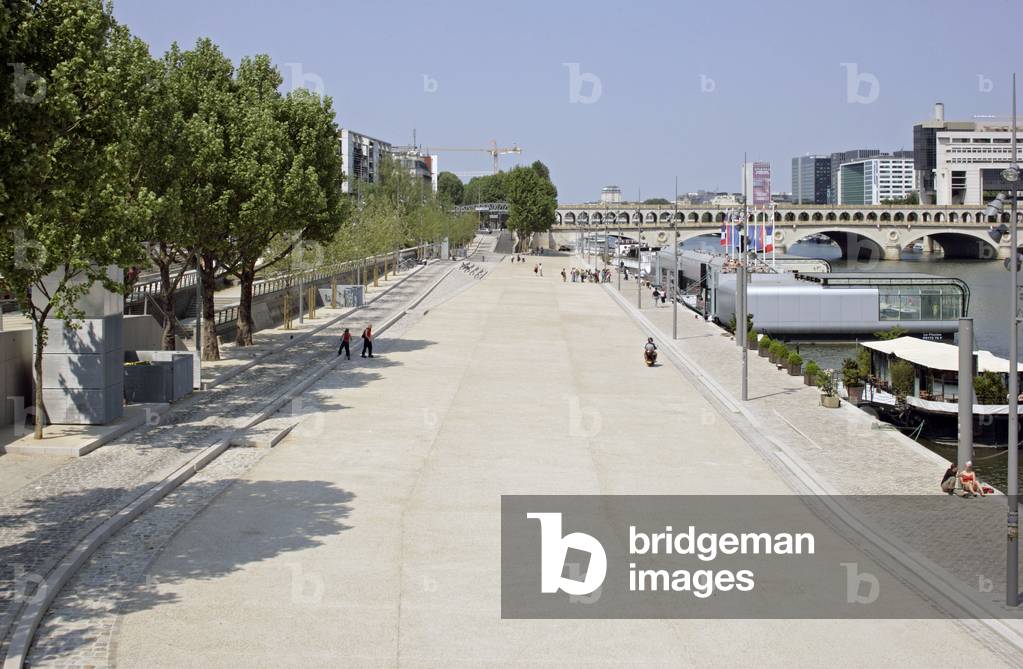
Le quai Francois Mauriac in Paris 75013.

RCT4644378: Le quai Francois Mauriac in Paris 75013., Castan, Remy / Bridgeman Images

Atlantis from Mir station 09/1996 - Atlantis seen from Mir station 09/1996 - Space shuttle Atlantis moored to Mir station. September 1996. View of the orbiter Atlantis docked to the Mir space station as seen from the Mir. he Cooperative Solar Array (CSA) can be seen just above the orbiter's flight deck

PIX4642232: Atlantis from Mir station 09/1996 - Atlantis seen from Mir station 09/1996 - Space shuttle Atlantis moored to Mir station. September 1996. View of the orbiter Atlantis docked to the Mir space station as seen from the Mir. he Cooperative Solar Array (CSA) can be seen just above the orbiter's flight deck / Bridgeman Images


Back to top