2497527 Search Results

LRI4679405: One of the inlaid marble panels, in the Hall of Private Audiences, Indian School / Bridgeman Images

LRI4679862: El Caracol, observatory, 750-1200, Mayan / Bridgeman Images

LRI4679904: The gateway arch, Mayan / Bridgeman Images

LRI4679958: Temple of the Sun, Mayan, (7th-9th century) / Bridgeman Images

LRI4665652: Scene of night fishing Miniature from the hunting “” The Cynegetics”” by Oppian (Oppian or Oppianus) of Syria (3rd century after JC) dedicated to Caracalla - 11th century - Venice, Biblioteca Marciana, Unknown Artist, (11th century) / Bridgeman Images

LRI4644500: Warning after the escape of Italian prisoners of war on February 16th 1916 asking the Austrian population not to help them (engraving, 1916), Anonymous / Bridgeman Images
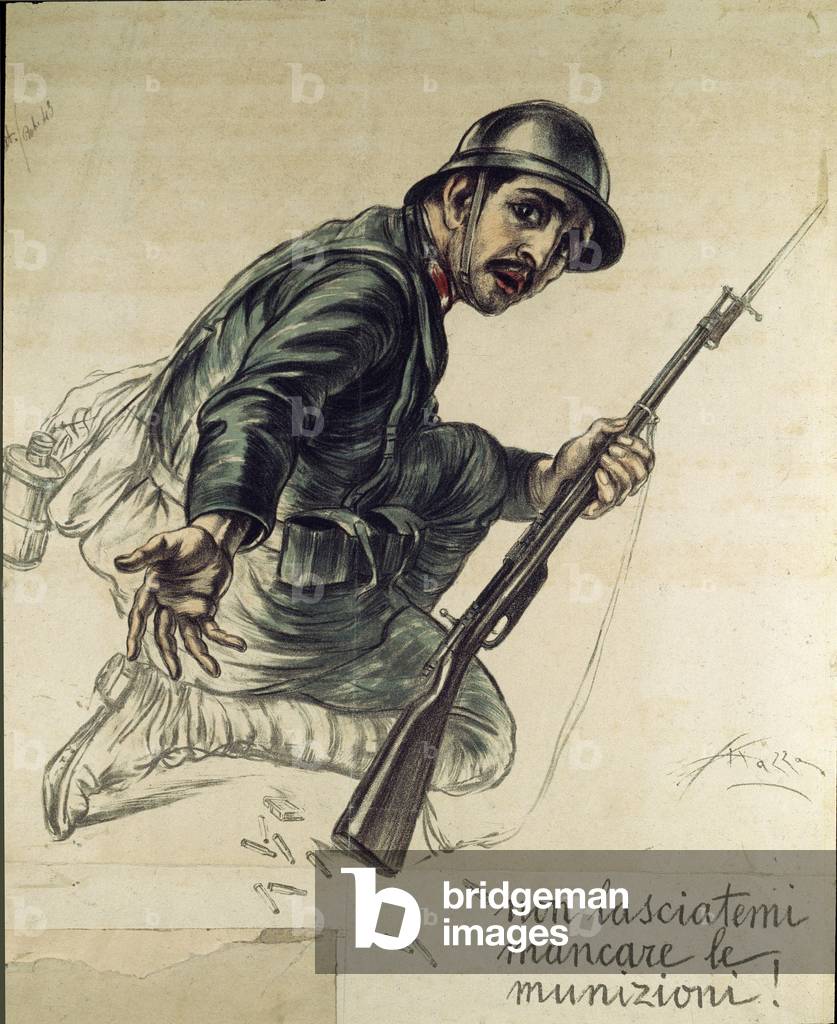
LRI4644537: First World War: poster for the national loan 'Make sure I don't miss ammunition', Mazza, Aldo (1880-1964) / Bridgeman Images

LRI4644774: First World War: Gabriele d'Annunzio (1863-1938) surround airmen of the “Serenissima” squadron shortly before his flight to Vienna on 09/08/1918, Italian Photographer, (20th century) / Bridgeman Images

LRI4644808: First World War: Italian poster for a national loan, 1918 (poster), Ortelli, Alfredo (1889-1963) / Bridgeman Images

LRI4644828: Portraits of Francisco Pizarro and Lieutenant Diego de Almagro before the expedition to Peru (Ink drawing, 16th century), Poma de Ayala, Felipe Huaman (1526-1613) / Bridgeman Images

LRI4644922: A young man herding llamas and gathering wood (Ink drawing, 16th century), Poma de Ayala, Felipe Huaman (1526-1613) / Bridgeman Images

LRI4680294: View of the mausoleum of Asif Khan located in Shahdara Bagh, 17th century, Mughal School, (17th century) / Bridgeman Images

LRI4680715: View of the temple of the reclining Buddha, c.1700, Thai School, (18th century) / Bridgeman Images

LRI4680757: Detail of the Buddhist Temple, Thai / Bridgeman Images

LRI4665841: A battle between a Macedonian and an Athenian Miniature taken from “The Book of Facts of Alexander the Great”” by Quintus Curtius Rufus (Quinte Curce) (1st century), about 1468. (Ms 1335) Reims. Municipal Library, Unknown Artist, (15th century) / Bridgeman Images

LRI4665996: 2nd heaven: Dante and Beatrice face the Roman Emperor Justinian in the 1st heaven of Paradise. Illuminated page illustrating a song of Paradise from the “Divina Commedia” by Dante Alighieri (1265-1321). 14th century, Venice, Biblioteca Marciana, Unknown Artist, (14th century) / Bridgeman Images

LRI4645057: View of the Eastern Colonnade of the temple of Erechteion, 421-405 BC (photography), Greek school, (5th century BC) / Bridgeman Images

LRI4645311: Ottoman art: detail of the columns inside the Blue Mosquee built between 1609 and 1616, Aga, Mehmet (c.1540-1617) / Bridgeman Images

LRI4645356: Interior view of the Rustem Pacha Mosquee (1560-1564), Sinan, Mimar (c.1500-88) / Bridgeman Images

LRI4645377: Panoramic view of Istanbul, with domes of the Great Bazaar, Ottoman School / Bridgeman Images

LRI4645473: View of the Islamic school (1258), Seljuq Dynasty (1016-1307) / Bridgeman Images

LRI4666675: The translator offers his book to King Charles V (1338-1380) Miniature taken from 'Le livre des proprietes des choses' (De proprietatibus rerum) by Barthelemy the English, translated by John Corbichon. 15th century. Reims, Municipal Library, French School, (15th century) / Bridgeman Images

LRI4666957: Description of Albanian costumes: a priest and a laic Page taken from the travel book “” peregrinatio in terram sanctam””” after the pilgrimage in the Holy Land of Bernard of Breydenbach (Breidenbach) (1454-1497) illustrated by prints by Erhard Reuwich, 1486 (Mainz) Paris, Musee Carnavalet, Reuwich, Erhard (fl.1488) / Bridgeman Images
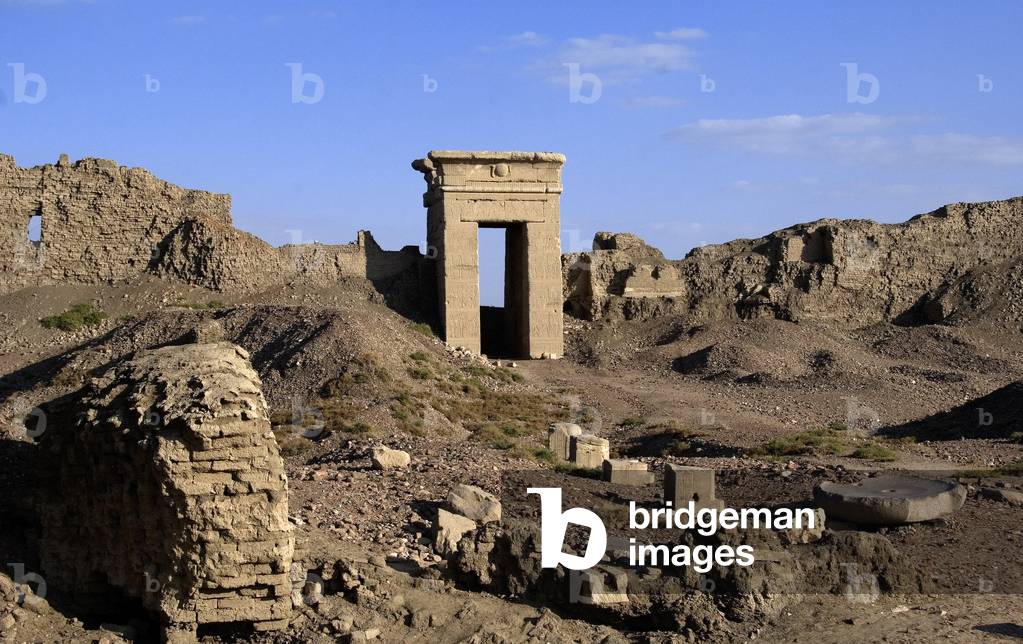
LRI4681681: Egyptian Antiquit: View of the Arch of the North Gate, Temple of Hathor, Denderah, Egypt, Egyptian Ptolemaic Period (332-30 BC) / Bridgeman Images

LRI4681752: Egyptian antiquite: partial view of the hypostyl room with columns decorated with the representation of the goddess Hathor. Temple of Hathor, Denderah, Egypt, Egyptian Ptolemaic Period (332-30 BC) / Bridgeman Images

LRI4681810: Egyptian antiquite: colossal statue of Pharaoh Ramses II (1292-1186 BC) at the entrance of Luxor Temple. East Bank (Thebes), Egypt, Egyptian 19th Dynasty (c.1292-1187 BC) / Bridgeman Images

LRI4681880: Colonnade, Temple of Luxor (photography), Egyptian / Bridgeman Images

LRI4681890: Egyptian antiquite: colonnade and colossal statues. Temple of Luxor. East Bank (Thebes), Egypt, Egyptian 19th Dynasty (c.1292-1187 BC) / Bridgeman Images

LRI4682017: Egyptian antiquite: detail of the base of the statue of Pharaoh Ramses II (1292-1186 BC representing the union of Upper and Lower Egypt. Temple of Luxor. East Bank (Thebes), Egypt, Egyptian 19th Dynasty (c.1292-1187 BC) / Bridgeman Images

LRI4682157: Uraeus or cobras protecting the pharaohs above the capitals of the columns (relief), Egyptian 18th Dynasty (c.1567-1320 BC) / Bridgeman Images

LRI4682221: Pharaoh Ramses II in front of the deities (relief), Egyptian 19th Dynasty (c.1292-1187 BC) / Bridgeman Images

LRI4646500: Commedia dell'arte: the character of Il Capitano, 18th century (painting), Italian School, (18th century) / Bridgeman Images

LRI4682471: Pharaoh offers a statuette of the goddess Maat (low relief), Egyptian 19th Dynasty (c.1292-1187 BC) / Bridgeman Images

LRI4682512: Column of the first courtyard with allee (dromos) cryosphinxes (ram-headed sphinx) (photography), Egyptian 19th Dynasty (c.1292-1187 BC) / Bridgeman Images

LRI4682640: Ruins of the houses of the inhabitants, village of the craftsmen (photography), Egyptian / Bridgeman Images

LRI4682696: View of the division of the various tombs by fragments of ceramics. Necropolis of Sheikh Abd al-Gournah (photography), Egyptian / Bridgeman Images
