Print Friendly Version Page

2491125 Search Results

Huygens probe en route to Titan - The Huygens probe entering Titan's atmosphere - Artist's view of the European Huygens probe above Titan. Huygens landed on the Titan satellite on 14 January 2005. The Cassini-Huygens probe was launched on 15 October 1997 and has been placed in orbit around Saturn since 1 July 2004. This artist's conception of the Cassini orbiter shows the Huygens probe separating to enter Titan's atmosphere. After separation, the probe drifts for about three weeks until reaching its destination. Huygens landed on Titan surface on January 14, 2005

PIX4606082: Huygens probe en route to Titan - The Huygens probe entering Titan's atmosphere - Artist's view of the European Huygens probe above Titan. Huygens landed on the Titan satellite on 14 January 2005. The Cassini-Huygens probe was launched on 15 October 1997 and has been placed in orbit around Saturn since 1 July 2004. This artist's conception of the Cassini orbiter shows the Huygens probe separating to enter Titan's atmosphere. After separation, the probe drifts for about three weeks until reaching its destination. Huygens landed on Titan surface on January 14, 2005 / Bridgeman Images

SMART Probe - 1 - Artist View - SMART Probe - 1 - Artist View - SMART - 1 (Small Missions for Advanced Research in Technology) is a European probe that maps the Moon and tests new technologies such as ion propulsion. The mission took place from 27 September 2003 to 3 September 2006

PIX4606133: SMART Probe - 1 - Artist View - SMART Probe - 1 - Artist View - SMART - 1 (Small Missions for Advanced Research in Technology) is a European probe that maps the Moon and tests new technologies such as ion propulsion. The mission took place from 27 September 2003 to 3 September 2006 / Bridgeman Images

LRO Probe - Artist View - LRO - Artist view - Lunar Reconnaissance Orbiter (LRO) is a space probe of NASA that will be put into orbit around the Moon in order to map it and identify potential landing sites for sending a human crew around 2020. LRO is expected to be launched in June 2009 with LCROSS (Lunar Crater Observation and Sensing Satellite). Lunar Reconnaissance Orbiter (LRO) in Moon orbit. LRO objectives are to find safe landing sites, locate potential resources, characterize the radiation environment, and demonstrate new technology to prepare future human exploration of the Moon. It should be launched in June 2009 with LCROSS (Lunar Crater Observation and Sensing Satellite) payload aboard an Atlas V rocket from Cape Canaveral Air Force Station in Florida

PIX4606140: LRO Probe - Artist View - LRO - Artist view - Lunar Reconnaissance Orbiter (LRO) is a space probe of NASA that will be put into orbit around the Moon in order to map it and identify potential landing sites for sending a human crew around 2020. LRO is expected to be launched in June 2009 with LCROSS (Lunar Crater Observation and Sensing Satellite). Lunar Reconnaissance Orbiter (LRO) in Moon orbit. LRO objectives are to find safe landing sites, locate potential resources, characterize the radiation environment, and demonstrate new technology to prepare future human exploration of the Moon. It should be launched in June 2009 with LCROSS (Lunar Crater Observation and Sensing Satellite) payload aboard an Atlas V rocket from Cape Canaveral Air Force Station in Florida / Bridgeman Images

Venus Express Probe - Artist's View - Venus Express spacecraft - Artwork - The European Venus Express probe was launched on 9 November 2005 and has been placed in orbit around Venus since 11 April 2006. The european spacecraft Venus Express has been launched from Baikonur in november 2005 and orbits the planet Venus since april 11 2006

PIX4606234: Venus Express Probe - Artist's View - Venus Express spacecraft - Artwork - The European Venus Express probe was launched on 9 November 2005 and has been placed in orbit around Venus since 11 April 2006. The european spacecraft Venus Express has been launched from Baikonur in november 2005 and orbits the planet Venus since april 11 2006 / Bridgeman Images

Messenger and Mercury Probe - Artist's view of the Messenger probe (Mercury Surface, Space Environment, Geochemistry and Ranging), a probe designed to study the planet Mercury. The Messenger probe was launched on 3 August 2004 and should arrive around Mercury in 2008.

PIX4606265: Messenger and Mercury Probe - Artist's view of the Messenger probe (Mercury Surface, Space Environment, Geochemistry and Ranging), a probe designed to study the planet Mercury. The Messenger probe was launched on 3 August 2004 and should arrive around Mercury in 2008. / Bridgeman Images

The Viking probe - The Viking spaceprobe - The Viking 1 and Viking 2 probes, both composed of an orbiter and a lander, explored the planet Mars in 1976. Model of one of the Viking spacecraft, which were made of two parts: an orbiter and a lander. Both Viking 1 and Viking 2 explored March in 1976

PIX4606329: The Viking probe - The Viking spaceprobe - The Viking 1 and Viking 2 probes, both composed of an orbiter and a lander, explored the planet Mars in 1976. Model of one of the Viking spacecraft, which were made of two parts: an orbiter and a lander. Both Viking 1 and Viking 2 explored March in 1976 / Bridgeman Images
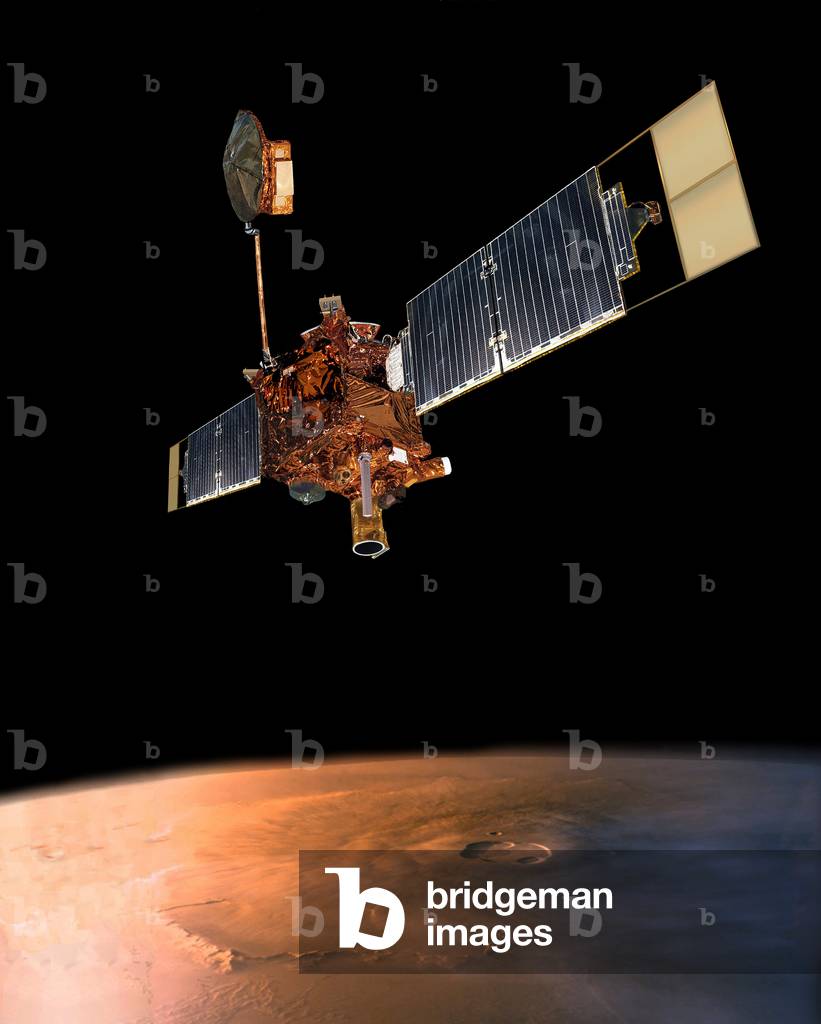
Mars Global Surveyor - The probe was launched on November 7, 1996 and put into orbit around March in September 1997. Predicted to observe Mars for two years, it was not until November 2006 that the probe stopped working

PIX4606491: Mars Global Surveyor - The probe was launched on November 7, 1996 and put into orbit around March in September 1997. Predicted to observe Mars for two years, it was not until November 2006 that the probe stopped working / Bridgeman Images

Mars Pathfinder Probe - View of the Mars Pathfinder probe and its small Sojourner rover at the Kennedy space center in October 1996. The probe was launched on 4 December 1996 and landed on March 4 July 1997 in Ares Vallis. Teleguide from Earth, the Sojourner rover was the first robot to survey Martian soil. He explored about 250 m2 of the surface of Mars and returned 550 photographs. Contact was definitively lost with the Mars Pathfinder probe on 27 September 1997

PIX4606522: Mars Pathfinder Probe - View of the Mars Pathfinder probe and its small Sojourner rover at the Kennedy space center in October 1996. The probe was launched on 4 December 1996 and landed on March 4 July 1997 in Ares Vallis. Teleguide from Earth, the Sojourner rover was the first robot to survey Martian soil. He explored about 250 m2 of the surface of Mars and returned 550 photographs. Contact was definitively lost with the Mars Pathfinder probe on 27 September 1997 / Bridgeman Images

Mars Express - Artist's View - Mars Express artist's view - The European Mars Express probe was launched on June 2, 2003 and began its observations in March early 2004. Mars Express left Earth for Mars on 2 June 2003 when the positions of the two planets made for the shortest possible route, a condition that occurs once every twenty - six months. The european spaceprobe began its March observations in 2004

PIX4606614: Mars Express - Artist's View - Mars Express artist's view - The European Mars Express probe was launched on June 2, 2003 and began its observations in March early 2004. Mars Express left Earth for Mars on 2 June 2003 when the positions of the two planets made for the shortest possible route, a condition that occurs once every twenty - six months. The european spaceprobe began its March observations in 2004 / Bridgeman Images

Christmas balls, Italy

CUB4509978: Christmas balls, Italy / Bridgeman Images

Sicilian fruit of marzipan on Christmas stalls, Mercanti square, Milan, Lombardy, Italy

CUB4509992: Sicilian fruit of marzipan on Christmas stalls, Mercanti square, Milan, Lombardy, Italy / Bridgeman Images

Sicilian fruit of marzipan on Christmas stalls, Mercanti square, Milan, Lombardy, Italy

CUB4510002: Sicilian fruit of marzipan on Christmas stalls, Mercanti square, Milan, Lombardy, Italy / Bridgeman Images

Cliff, Vernazza, Ligury, Italy

CUB4510008: Cliff, Vernazza, Ligury, Italy / Bridgeman Images

Ski run, Folgarida, Trentino Alto Adige, Italy

CUB4510019: Ski run, Folgarida, Trentino Alto Adige, Italy / Bridgeman Images

Sicilian sweets on Christmas stalls, Mercanti square, Milan, Lombardy, Italy

CUB4510036: Sicilian sweets on Christmas stalls, Mercanti square, Milan, Lombardy, Italy / Bridgeman Images

Tevere, Rome, Lazio, Italy

CUB4510083: Tevere, Rome, Lazio, Italy / Bridgeman Images

Rum Martini cocktail, Italy

CUB4510139: Rum Martini cocktail, Italy / Bridgeman Images

Avena Fatua, Oats, Italy

CUB4510186: Avena Fatua, Oats, Italy / Bridgeman Images

Fields of rice, North Italy, Italy

CUB4510220: Fields of rice, North Italy, Italy / Bridgeman Images

Fields, Italy
Fields, Italy

CUB4510291: Fields, Italy / Bridgeman Images
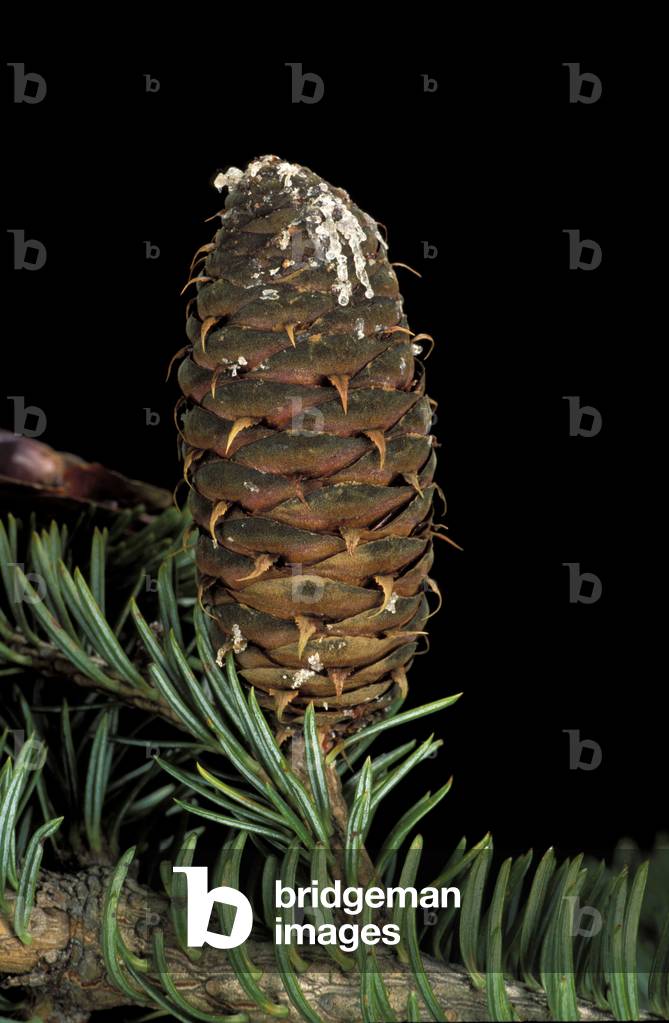
Abies Alba, Fir, Italy

CUB4510345: Abies Alba, Fir, Italy / Bridgeman Images

Abies Alba, Fir, Italy

CUB4510351: Abies Alba, Fir, Italy / Bridgeman Images
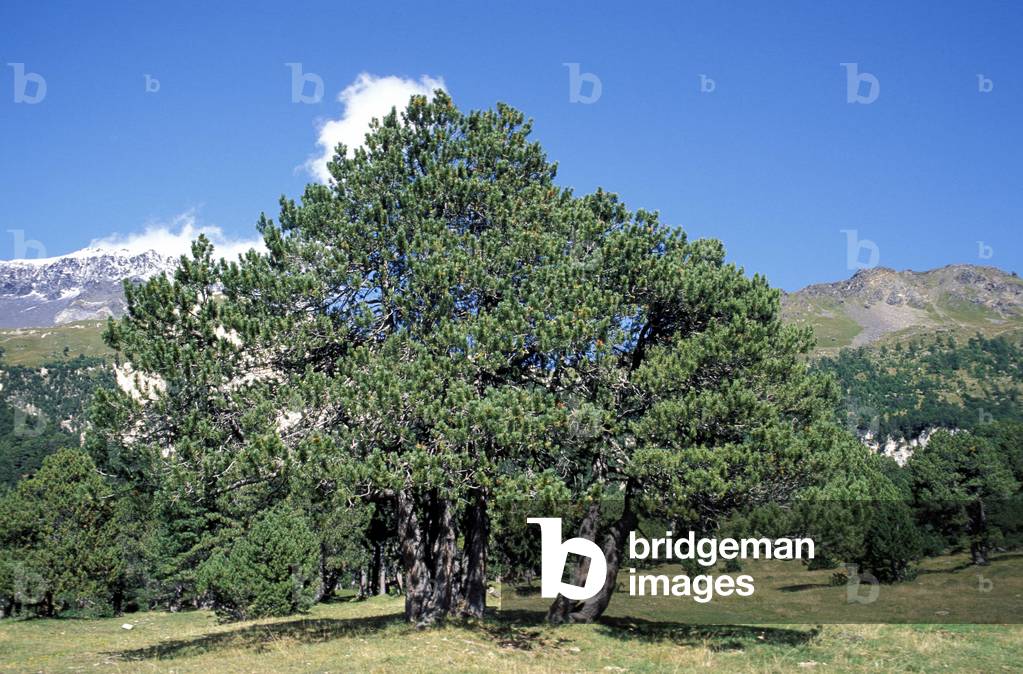
Pinus Sylvestris, Pine, Italy

CUB4510385: Pinus Sylvestris, Pine, Italy / Bridgeman Images

Cone of Picea Excelsa, Italy

CUB4510403: Cone of Picea Excelsa, Italy / Bridgeman Images

Athirium Filix-Foemina, Fern, Italy

CUB4510456: Athirium Filix-Foemina, Fern, Italy / Bridgeman Images

Blechnum Spicant, Fern, Italy

CUB4510470: Blechnum Spicant, Fern, Italy / Bridgeman Images
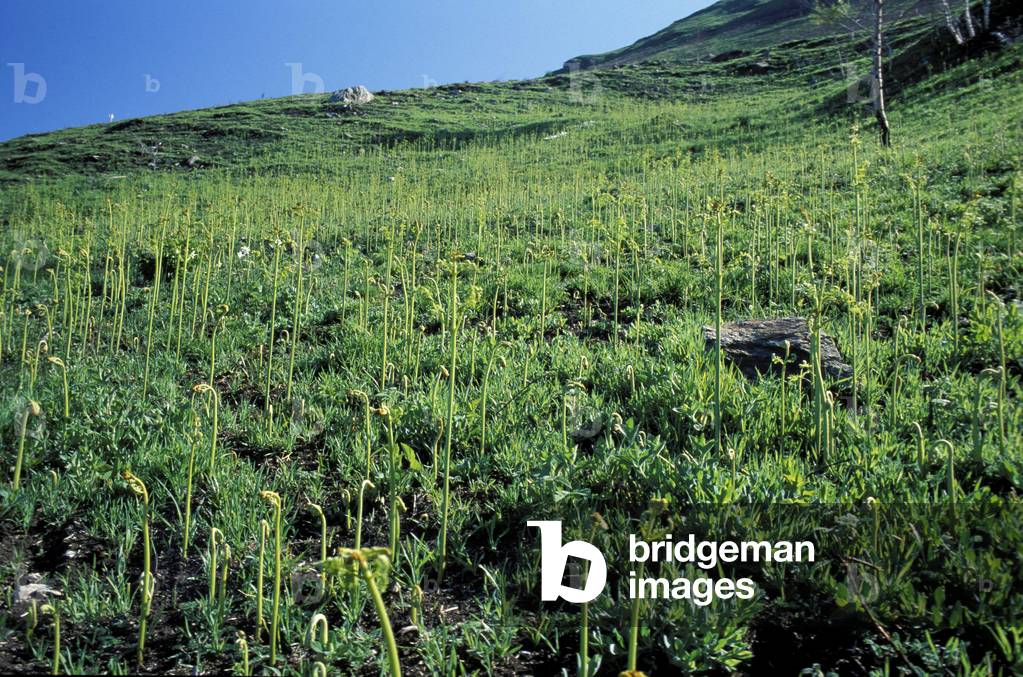
Pteridium Aguilinum, Fern, Italy

CUB4510503: Pteridium Aguilinum, Fern, Italy / Bridgeman Images

Oreopteris Limbosperma, Fern, Alpi, Italy

CUB4510528: Oreopteris Limbosperma, Fern, Alpi, Italy / Bridgeman Images

Lichen, Italy
Lichen, Italy

CUB4510551: Lichen, Italy / Bridgeman Images

Stereocaulon Sp., Lichen, Italy

CUB4510559: Stereocaulon Sp., Lichen, Italy / Bridgeman Images

Sheet music for the reduced symphony for the piano of Tancredi, opera by Gioacchino Rossini

LRI4568271: Sheet music for the reduced symphony for the piano of Tancredi, opera by Gioacchino Rossini, Rossini, Gioachino (1792-1868) / Bridgeman Images

Open clusters M6 and M7 in Scorpio - Open clusters M6 and M7 in Scorpius - The star clusters M6 (NGC 6405), at the top right, and M7 (NGC 6475), at the bottom of the image, are two open clusters located in the constellation Scorpio. M6, the Butterfly Cluster, at upper right, is a wonderful open cluster, it can be seen about 4 degrees northwest of M7, with both clusters being located in Scorpius. M7, at bottom, consists of 80 stars brighter than magnitude 10 in a field of about 1.3 degrees apparent diameter. It was known to Ptolemy who mentioned it in 130 AD. Both clusters are visible with the unaided eye in a rich area of Milky Way located between Sagittarius and Scorpius

PIX4568298: Open clusters M6 and M7 in Scorpio - Open clusters M6 and M7 in Scorpius - The star clusters M6 (NGC 6405), at the top right, and M7 (NGC 6475), at the bottom of the image, are two open clusters located in the constellation Scorpio. M6, the Butterfly Cluster, at upper right, is a wonderful open cluster, it can be seen about 4 degrees northwest of M7, with both clusters being located in Scorpius. M7, at bottom, consists of 80 stars brighter than magnitude 10 in a field of about 1.3 degrees apparent diameter. It was known to Ptolemy who mentioned it in 130 AD. Both clusters are visible with the unaided eye in a rich area of Milky Way located between Sagittarius and Scorpius / Bridgeman Images

Open cluster M26 in the ECU of Sobieski - Open cluster M26 in Scutum - M26 (NGC 6694) is located about 5000 years - light from Earth and is about 90 million years old. M26 is an open cluster in the constellation Scutum. A fairly tight cluster, in this deep image it has to compete with a very populous background of Milky Way stars. It is about 5000 light - years away and around 90 million years old

PIX4568402: Open cluster M26 in the ECU of Sobieski - Open cluster M26 in Scutum - M26 (NGC 6694) is located about 5000 years - light from Earth and is about 90 million years old. M26 is an open cluster in the constellation Scutum. A fairly tight cluster, in this deep image it has to compete with a very populous background of Milky Way stars. It is about 5000 light - years away and around 90 million years old / Bridgeman Images

Open cluster M11 in the Sobieski ECU - M11 open cluster in Scutum - M11 (NGC 6705) is a particularly compact and star-rich open cluster (about 3000), located in the constellation Sobieski ECU. M11 (NGC 6705) is one of the richest and most compact of the known open clusters containing about 3,000 stars. It is located in the Scutum constellation

PIX4568451: Open cluster M11 in the Sobieski ECU - M11 open cluster in Scutum - M11 (NGC 6705) is a particularly compact and star-rich open cluster (about 3000), located in the constellation Sobieski ECU. M11 (NGC 6705) is one of the richest and most compact of the known open clusters containing about 3,000 stars. It is located in the Scutum constellation / Bridgeman Images

The Ice Scene de rue in Paris during the winter, a clerk slides on the floorboard because of the ice, as well as a horse pulling a carriage, 20th century (chromolithograph)

JLJ4568483: The Ice Scene de rue in Paris during the winter, a clerk slides on the floorboard because of the ice, as well as a horse pulling a carriage, 20th century (chromolithograph), French School, (20th century) / Bridgeman Images

Page of musical score of Psalm 23, op 132, D 706  by Franz Schubert

LRI4568506: Page of musical score of Psalm 23, op 132, D 706 by Franz Schubert / Bridgeman Images


Back to top