2491125 Search Results

PIX4612441: Spiral Galaxy M83 in Hydra - Spiral galaxy M83 in Hydra - The galaxy M83 (NGC 5236) is located about 15 million years away from Earth. This galaxy is intermediate between a classical spiral and a barree spiral Image obtained by the ANTU telescope of the VLT in Chile in March 1999. M83 (NGC 5236) is located in the southern constellation Hydra at 15 million light years from the sun. It is classified as intermediate between normal and barred spiral galaxies. Image obtained with ANTU telescope (VLT) in March 1999 / Bridgeman Images

PIX4612481: Spiral Galaxy M83 in Hydra - Spiral galaxy M83 in Hydra - The galaxy M83 (NGC 5236) is located about 15 million years away from Earth. This galaxy is intermediate between a classic spiral and a barree spiral. Image obtained from the 3.9m telescope of Siding Spring, Australia. M83 is thought to be very like our own Galaxy, the Milky Way, but seen from above one of its poles and at a distance of about 15 million light years. Composed of billions of stars and huge clouds of dust and gas, this object is one of the finest examples of a spiral galaxy and shows a concentration of older, yellow stars in its central nucleus with younger, blue stars and patchy red clouds of glowing gas and dark dust lanes in the trailing spiral arms. The massive blue stars occasionally explode as supernovae; at least eight have been seen in Messier 83 in the last 70 years / Bridgeman Images
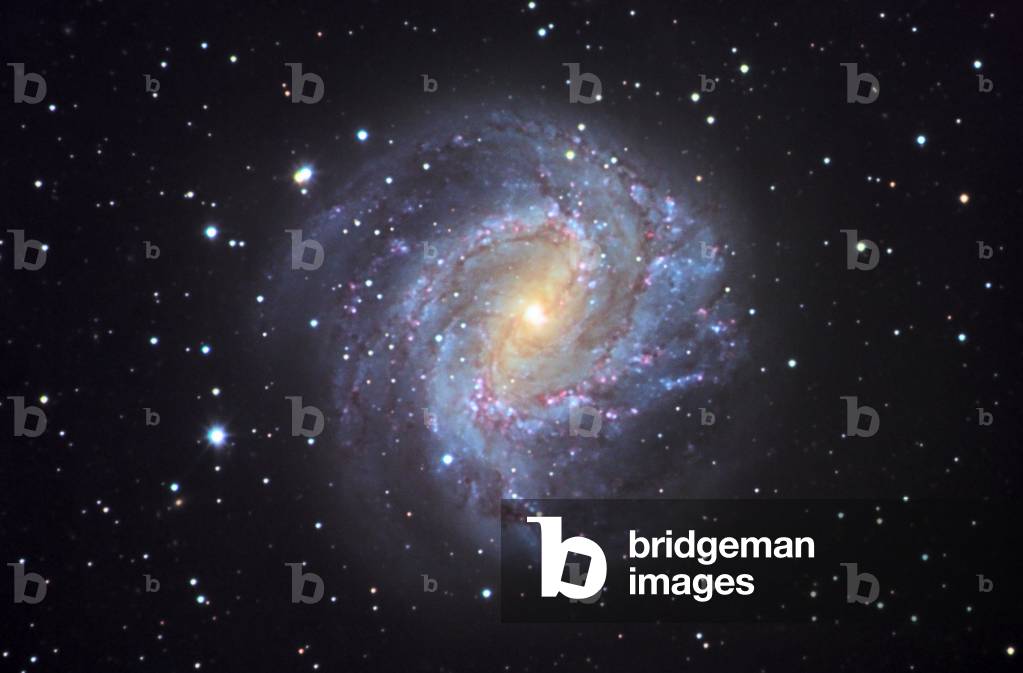
PIX4612509: Spiral Galaxy M83 in Hydra - Spiral galaxy M83 in Hydra - The galaxy M83 (NGC 5236) is located about 15 million years away from Earth. This galaxy is intermediate between a classic spiral and a barree spiral. M83 (NGC 5236) is located in the southern constellation Hydra at 15 million light years from the sun. It is classified as intermediate between normal and barred spiral galaxies / Bridgeman Images
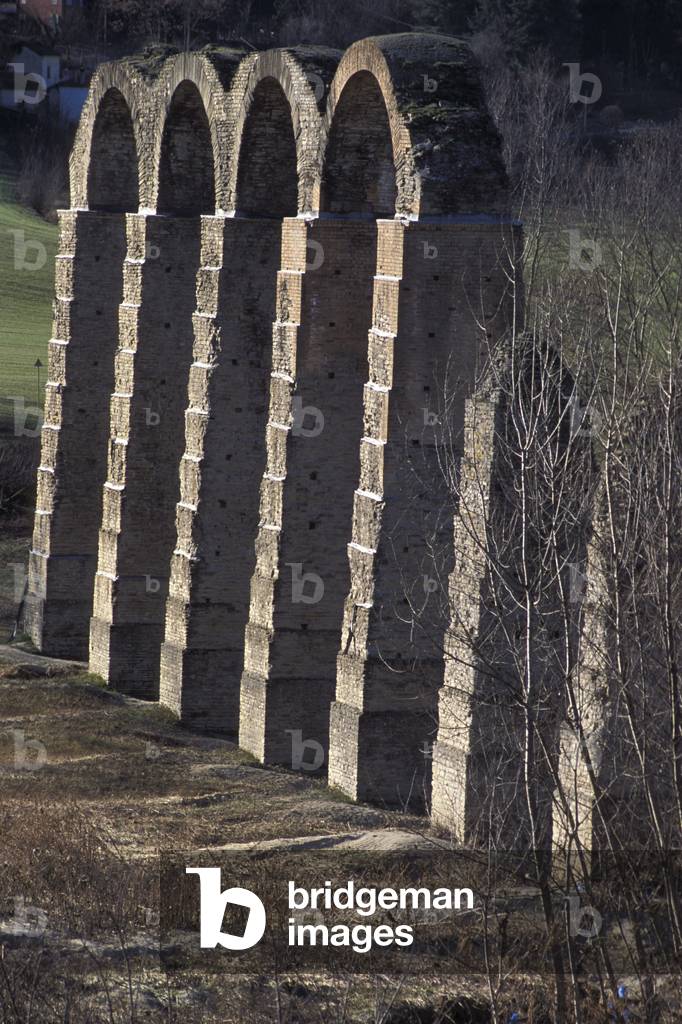
CUB4522076: Roman aqueduct, Acqui Terme, Piedmont, Italy. / Bridgeman Images

CUB4522136: Fried cod with potato and cauliflower, La Cantina dell'Ammiraglio wine bar, Milan, Lombardy, Italy. / Bridgeman Images

CUB4522161: Milanese cutlet, Dolce Miele wine bar, Milan, Lombardy, Italy. / Bridgeman Images

CUB4522177: La Cantina di Manuela wine bar, Milan, Lombardy, Italy. / Bridgeman Images

CUB4522204: Clamp's club, Milan, Lombardy, Italy. / Bridgeman Images

CUB4522219: Sempione 42 wine bar, Milan, Lombardy, Italy. / Bridgeman Images
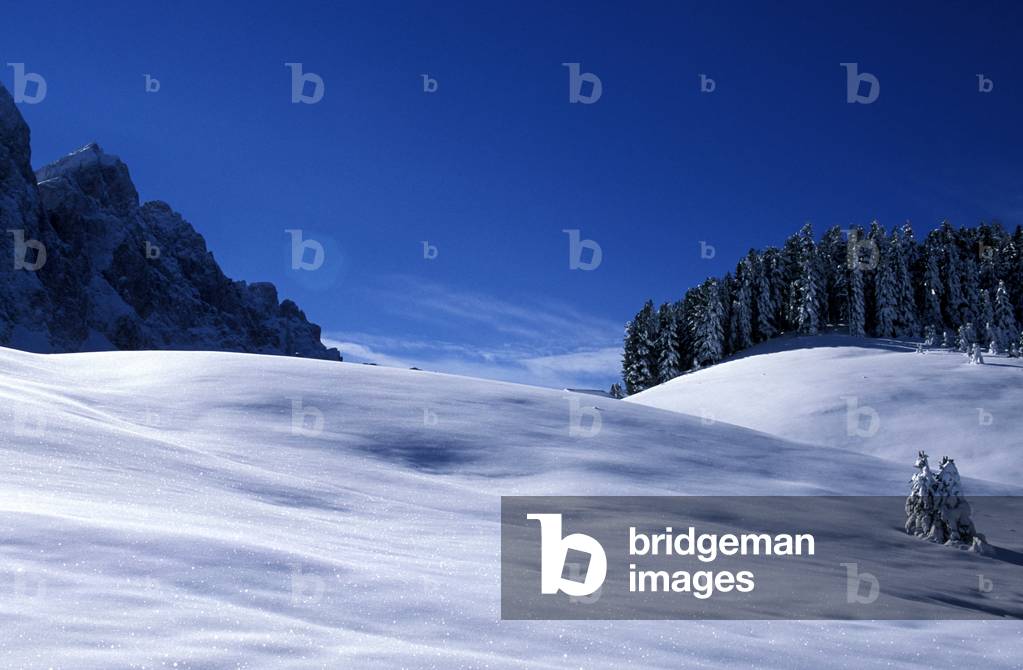
CUB4522318: Odle mountains, Val di Funes, Trentino Alto Adige, Italy. / Bridgeman Images

CUB4522331: Castle, Bressanone, Trentino Alto Adige, Italy. / Bridgeman Images

CUB4522410: Pope Giulio III statue, IV November square, Perugia, Umbria, Italy. / Bridgeman Images

CUB4522429: Ice-cream parlour, IV November square, Perugia, Umbria, Italy. / Bridgeman Images

CUB4522504: Pasta with black truffle and flowers of pumpkin, Il Bersaglio restaurant, Città di Castello, Umbria, Italy. / Bridgeman Images

CUB4522524: Cityscape, Gubbio, Umbria, Italy. / Bridgeman Images

CUB4522546: La Buca del Tartufo shop, Gubbio, Umbria, Italy. / Bridgeman Images

CUB4522567: Cityscape, Gubbio, Umbria, Italy. / Bridgeman Images

CUB4522602: Giulietta house, Verona, Veneto, Italy. / Bridgeman Images

CUB4522619: Piazza delle Erbe, Verona, Veneto, Italy. / Bridgeman Images

CUB4522638: Osteria del Duca, Verona, Veneto, Italy. / Bridgeman Images

PIX4578471: The Moon and the Monastery of St. Thaddee in Iran - Gibbous Moon above Saint Thaddeus cathedral, north-west of Iran. - Gibbous Moon above Saint Thaddeus Cathedral (north-west of Iran). Moon above Saint Thaddeus monastery, Ira / Bridgeman Images

JLJ4578570: Sultan Babes on an elephant. Indian and Persian miniatures in 'History of India from Tamertante to Orangreyb' (miniature), Indian School, (17th century) / Bridgeman Images

PIX4578623: Very Fine Moon Crescent - Photo obtained on April 9, 2005 of the 27,5-hour Moon / Bridgeman Images

PIX4578634: Very end crescent of Moon - 27,5 hours Moon crescent - Airplane trainee and very end crescent of Moon age of 27 hours 30 minutes / Bridgeman Images

JLJ4578661: Mass in Cuba in 1494 2nd journey from Columbus to Havana (oil on canvas), Blanchard, Pharamond (1805-73) / Bridgeman Images

PIX4578687: Crescent Moon - Moon crescent - Photo obtained on November 19, 2006 just before the new Moon. November 19, 2006. One day before new Moon / Bridgeman Images

PIX4578720: Crescent of Moon - Moon crescent - Photo obtained on October 16, 2009 two days before the new Moon. October 16, 2009. Two days before new Moon / Bridgeman Images

JLJ4578742: Top of Armor with Hussard Wings, 18th century, Unknown artist, (18th century) / Bridgeman Images

JLJ4578844: Crimee War: view of Balaklava harbour in Crimee, c.1854-55 (engraving), Anonymous / Bridgeman Images
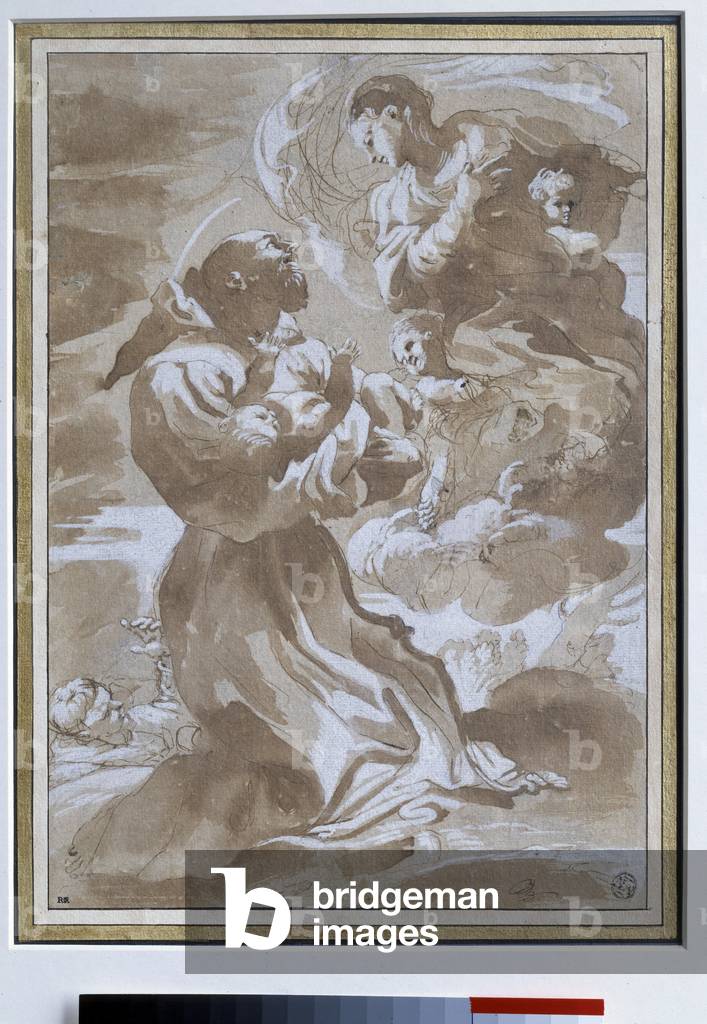
JLJ4614135: The Virgin Contrusting the Child Jesus to Saint Francois of Assisi, 16th century (drawing), Faccini, Pietro (1560/2-1602) / Bridgeman Images

PIX4578961: Full Moon rise in summer - Full Moon rise in summer - The heat mist that borders the horizon at the end of the summer day contributes to make the moon rise particularly spectacular by blushing its face. At the ground level, the turbulence of the atmosphere flattenes and becomes the lunar globe. July 2005. Full Moon is rising with a reddish face due to warm atmosphere. July 200 / Bridgeman Images

JLJ4614201: Persian art: gold earrings. Rousenide period 4th century AD (gold), Persian School, (4th century) / Bridgeman Images
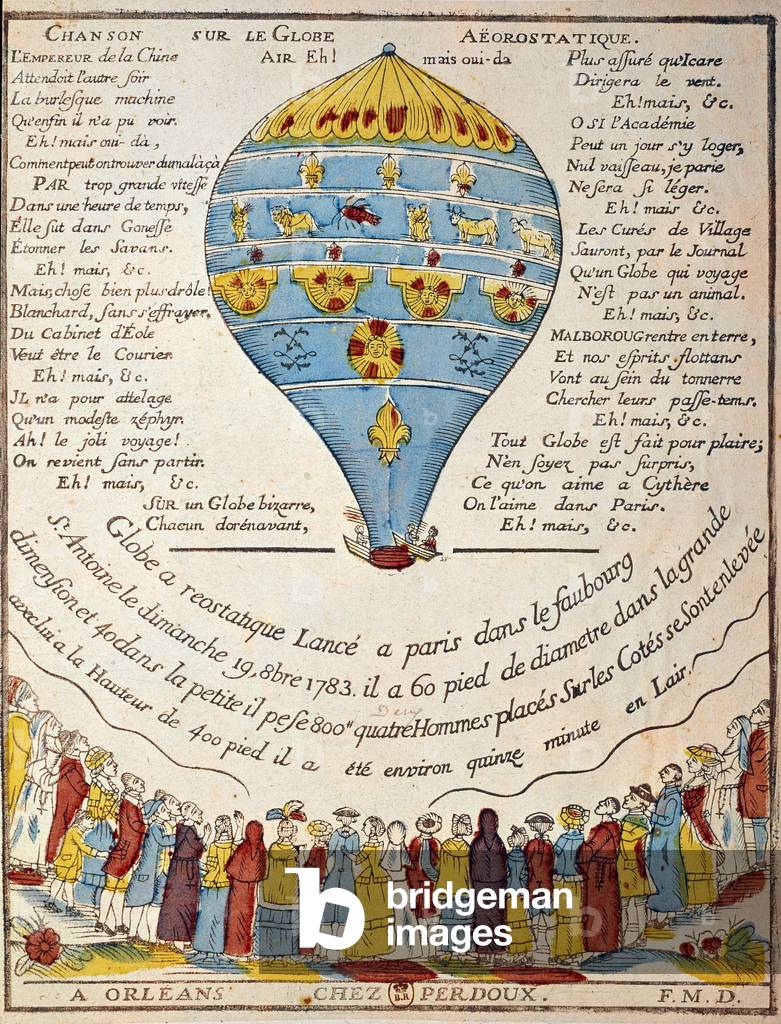
JLJ4579034: Balloon flight: experience of the Montgolfier brothers on 19 October 1783 in the garden of Monsieur Reveillon, faubourg Saint Antoine in Paris (engraving), French School, (18th century) / Bridgeman Images
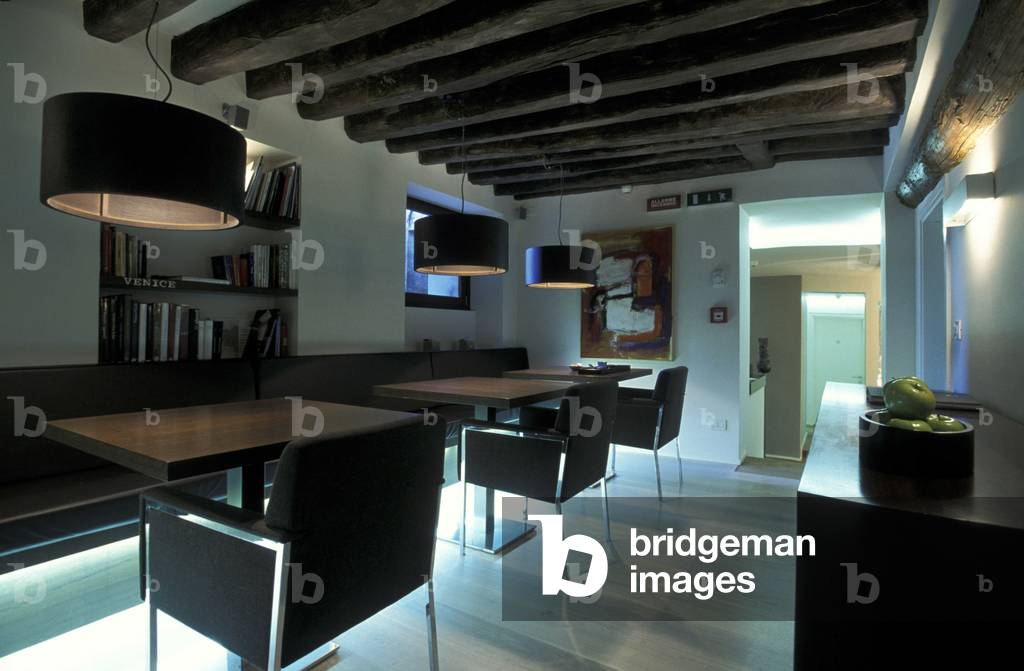
CUB4523320: Breakfast area, DD724 design hotel, Venice, Veneto, Italy / Bridgeman Images

CUB4523349: Sperlari shop, Solferino street, Cremona, Lombardy, Italy / Bridgeman Images
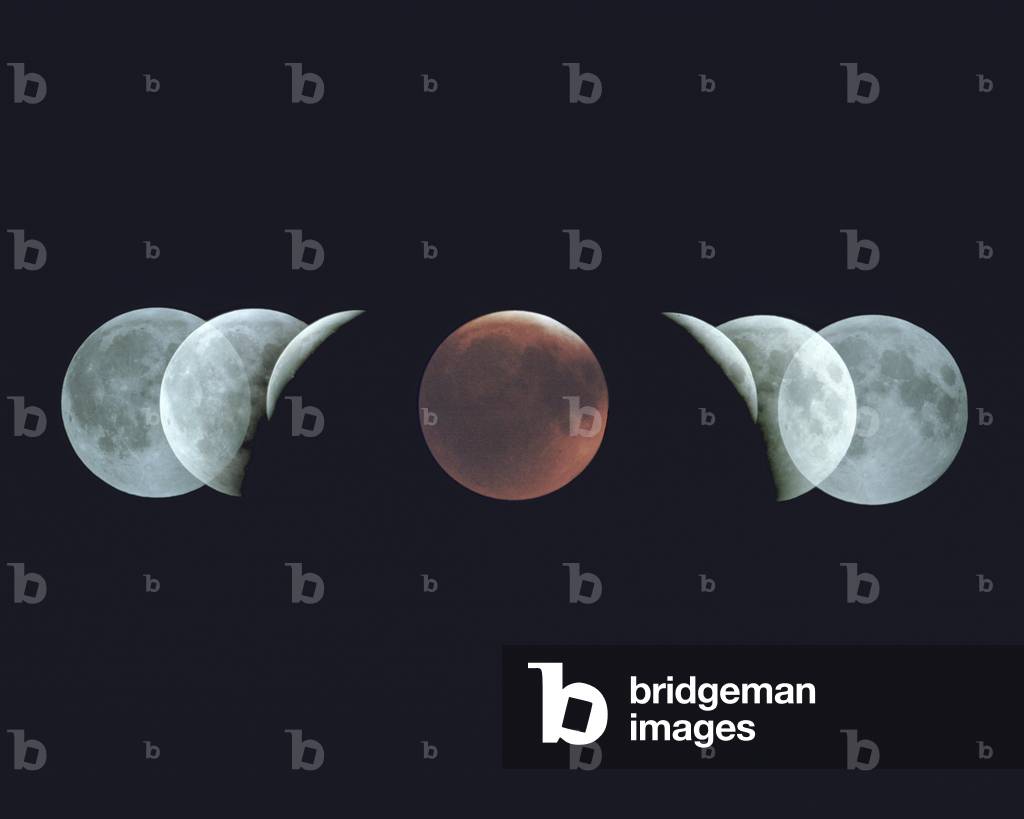
PIX4579258: Total Eclipse of Moon 30 - 12 - 1982 - 7 - image multi - exposure of the lunar eclipse of 30 Dec, 1982 / Bridgeman Images
