2491063 Search Results

ELD4924771: Geographic map of Spain and Portugal under the Caliphate of Cordoba between 756 and 1030 (Al-Andalus, Iberic peninsula under Muslim domination) (map of Spain and Portugal (Islamic iberia or Al-Andalus) at the times of Caliphate of Cordoba ruled by the Umayyad dynasty Engraving from Houze's “Atlas Universel”, 1851 Private collection / Bridgeman Images

ICA4864805: Illustration by Abel Faivre (1867-1945) for the Cover of Le Rire, 01/06/12 - Le mari trompe - Architecture interieure, Adultere, Fingerprints - Bertillon Alphonse, Faivre, Jules Abel (1867-1945) / Bridgeman Images

ICA4925397: Cover of “” Le Don Quixote””, number 67, Satirique en Couleurs, 1875_10_4: L'Etat de siege - Republican - Marianne - Illustration by Charles Gilbert-Martin (1839-1905), Gilbert-Martin, Charles (1839-1905) / Bridgeman Images

ETE4865025: Second World War - Battle of the Bulge (WWII - Battle of the Bulge): Meeting between the riders of the 4th Cavalry Squadron of the 1st US Army (coming from the north of the salient) and an advanced patrol of the 17th Airborne Division of the 3rd US Army (coming from the south) at Laroche (Belgium) January 14, 1945 - Photography / Bridgeman Images
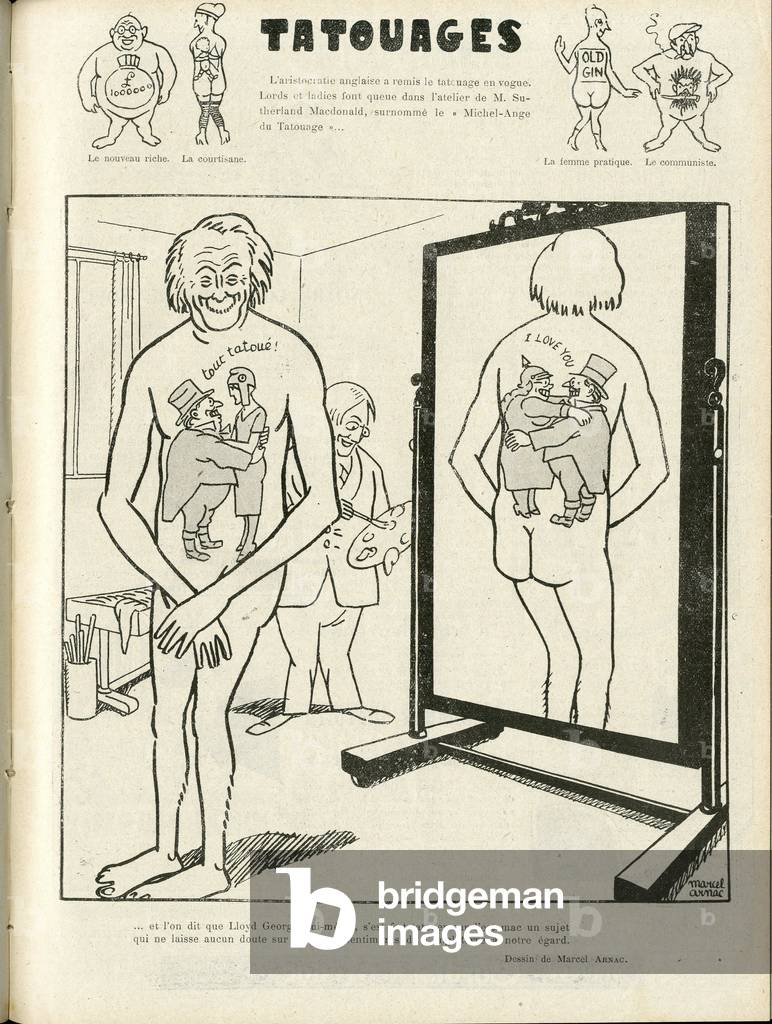
ICA4865038: Illustration of Marcel Arnac (1886-1931) in Le Rire, 26/11/21 / Bridgeman Images

ICA4865187: Illustration by Chas-Laborde (1886-1941) in Le Rire, 18/03/22 - Black shame or lost colonies - Germany Prussia, Alsace Lorraine - Black, Laborde, Charles (1886-1941) / Bridgeman Images

CUB4865446: sedimentation basin for ochre sand, roussillon, france / Bridgeman Images
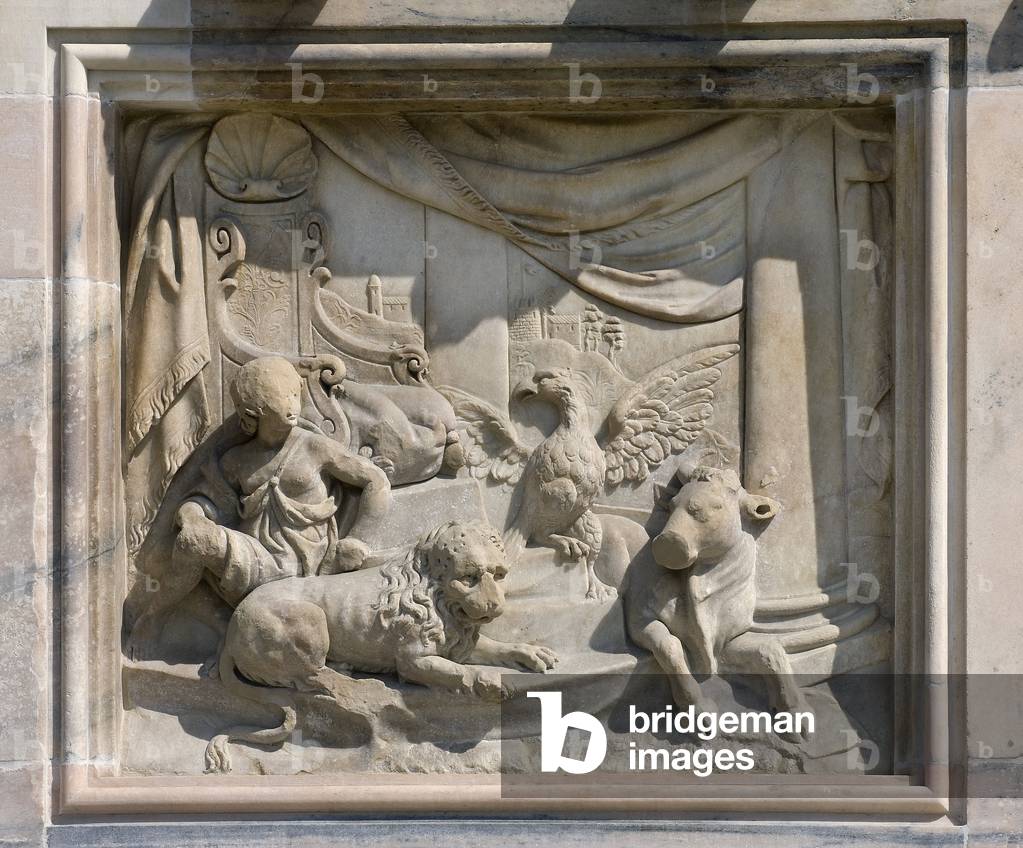
MRZ5032116: High relief depicting the animals symbolizing the evangelists surrounding a trone (tetramorph) (1654). Cathedral (dome or duomo) of Milan Italy / Bridgeman Images
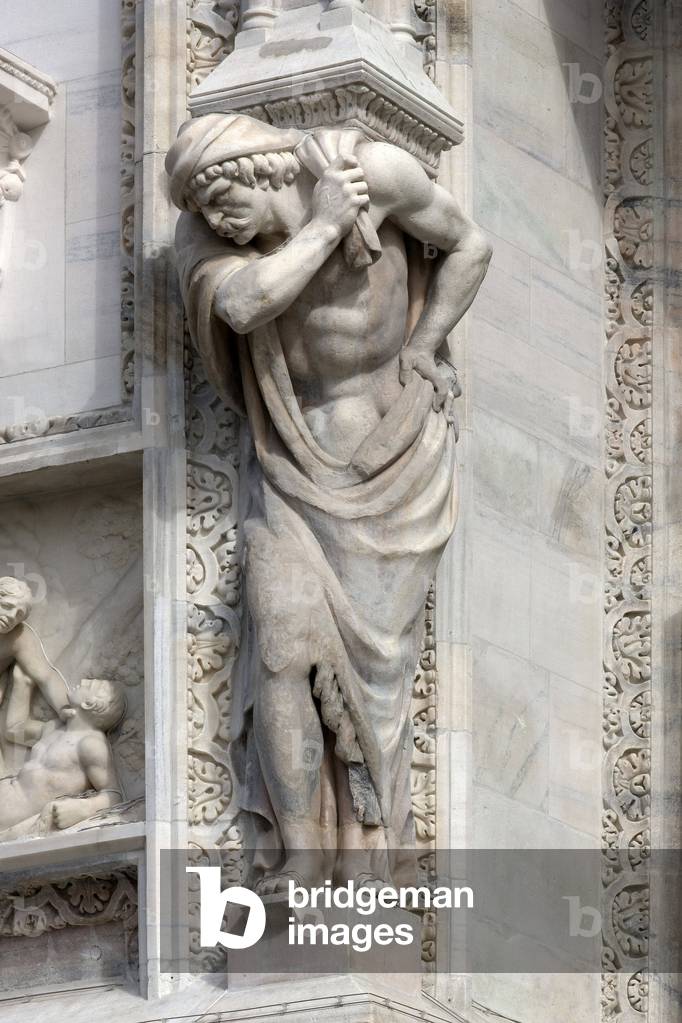
MRZ5032225: Architecture: view of an Atlantean or (telamon), about 1650. Detail of the facade of the Cathedral (dome or duomo) of Milan Italy / Bridgeman Images
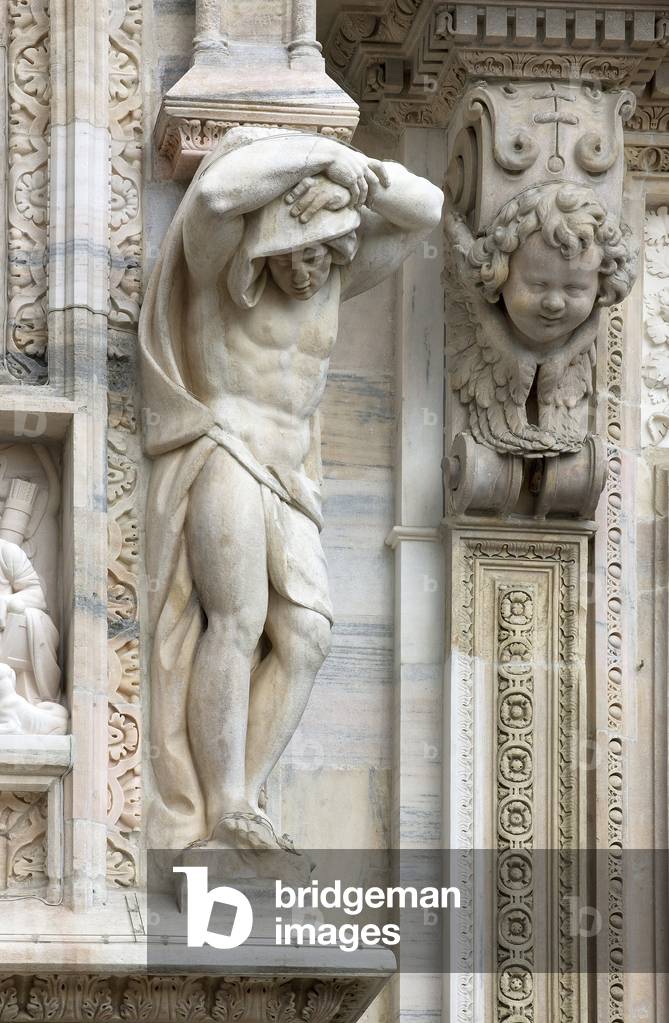
MRZ5032263: Architecture: view of an Atlantean or (telamon), about 1650. Detail of the facade of the Cathedral (dome or duomo) of Milan Italy / Bridgeman Images
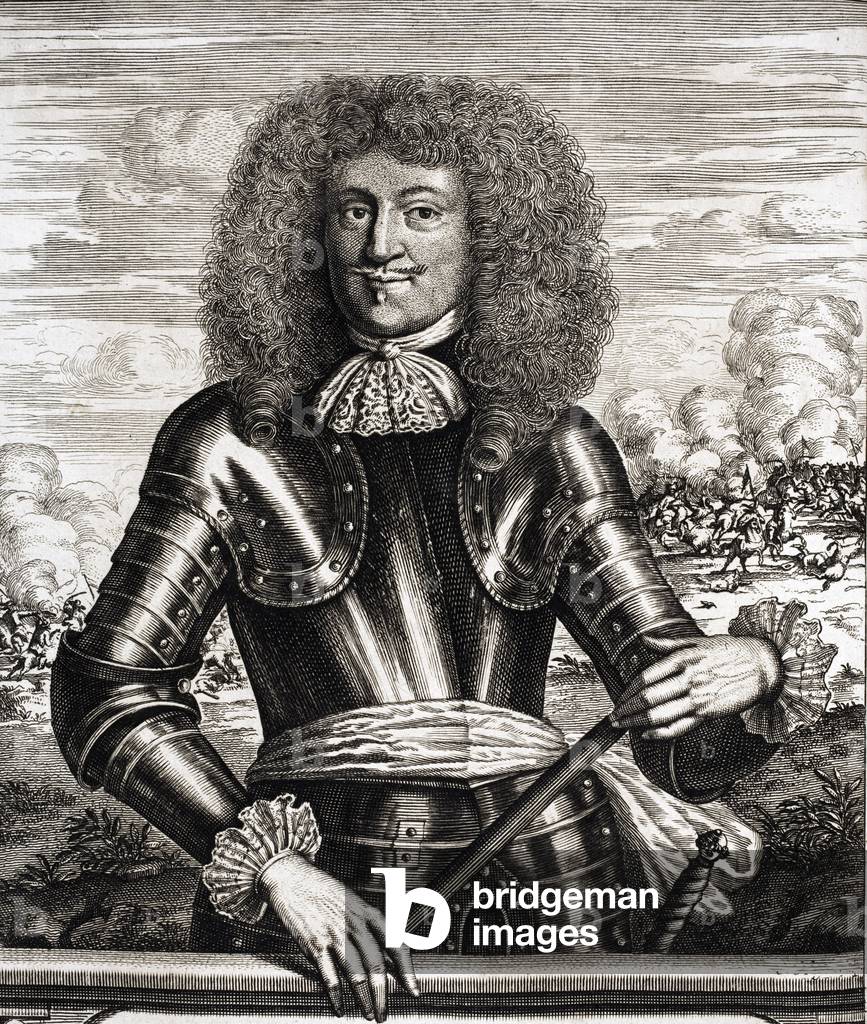
XEE5033253: Prince Georges Frederick of Waldeck 1620-1692 - German field-marechal and a Dutch general - 17th century engraving - Prince Georg Friedrich of Waldeck - Grand Master of the Order of Saint John (Bailiwick of Brandenburg). / Bridgeman Images

GIA5033431: Earth globe represented in a 15th century atlas. / Bridgeman Images

GIA5033464: Mithridate, Julius Caesar and Cyrus - in “” Cosmographia”” by Julius Solinus of the 14th century. / Bridgeman Images

CUB4925763: Beta Vulgaris, ssp. Cicla “” Arlecchino”” / Bridgeman Images

CUB4925821: Cornerof an Oriental-style garden / Bridgeman Images

CUB4925850: Cornerof an Oriental-style garden / Bridgeman Images

CUB4925888: Oriental-style garden / Bridgeman Images

ELD4926049: Egypt Expedition 1798-1799: Battle of Aboukir between the Turks of Mustafa and the French of Napoleon Bonaparte on 25 July 1799 (Battle of Abukir (1799) battle in which Napoleon Bonaparte defeated Seid Mustafa Pasha's Ottoman army on 25 July 1799, during the French campaign in Egypt) Engraving 1842 Private collection / Bridgeman Images

ICA4865869: Illustration of Marcel Capy (1865-1941) in Le Lire, 15/03/13 - Architecture Urban Planning, Animals - Dog, Capy, Marcel Amable O.L. (d.c.1930) / Bridgeman Images
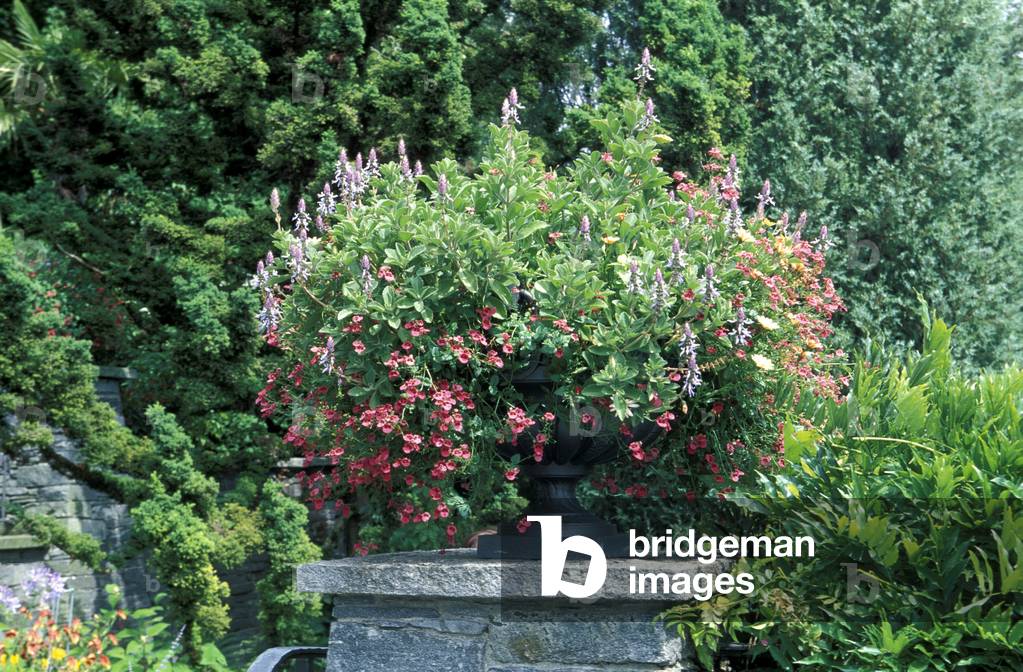
CUB4926555: Flower pot holder / Bridgeman Images

ELD4866070: Portrait of the French writer, thinker and priest Guillaume-Thomas Raynal (1713-1796). 19th century (engraving) / Bridgeman Images

ICA4926667: Cover of “” Le Don Quixote””, number 317, Satirique en Couleurs, 1880_7_16: Le dernier obstacle - Amnesty - Marianne - Illustration by Charles Gilbert-Martin (1839-1905), Gilbert-Martin, Charles (1839-1905) / Bridgeman Images

CUB4866114: signs in the village, fussen, germany / Bridgeman Images

ICA4869659: L'Assiette au Beurre, number 195, Satirique en couleurs, 1904_12_24: Train, Locomotive - De Castellane Boni (Boniface) (1867-1932), Delannoy, Aristide (1874-1911) / Bridgeman Images
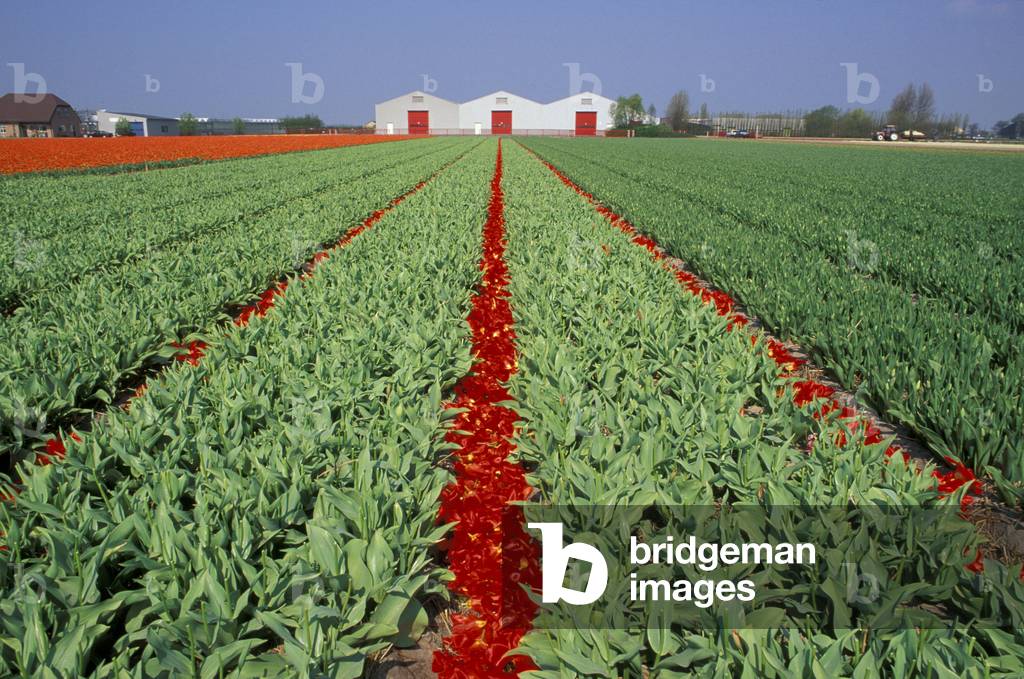
CUB4869684: tulip growing, smooth, holland / Bridgeman Images
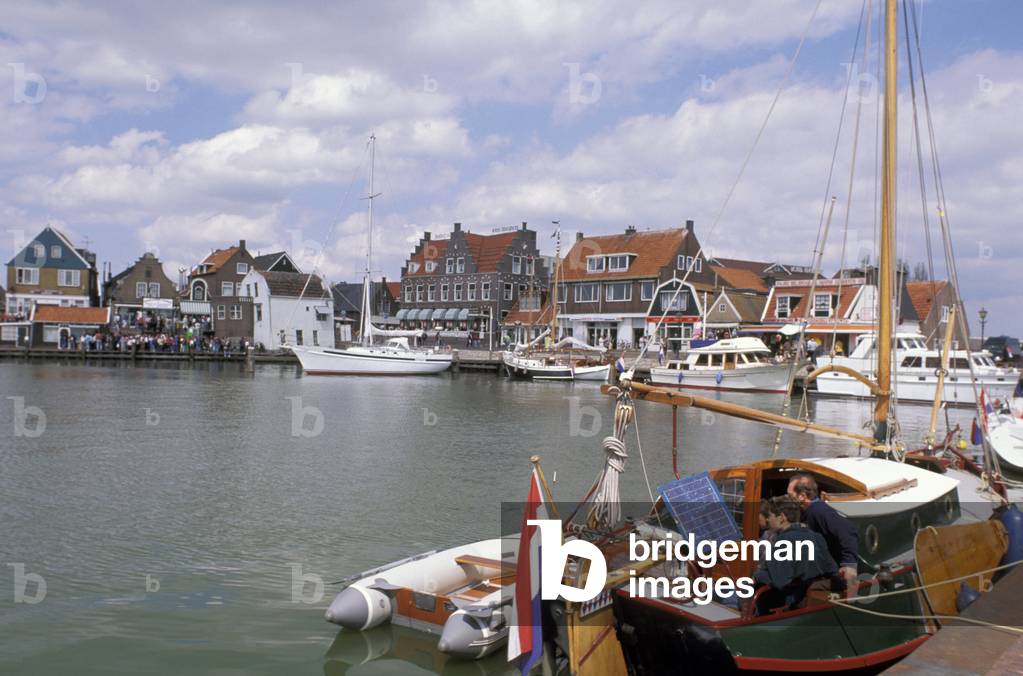
CUB4869873: little town view, volendam, holland / Bridgeman Images

ETE4869885: WWII: wounded american soldiers transported to Englandfrom Normandy, aug 44 (photo) / Bridgeman Images

ICA4869982: Illustration of Jules Renard Draner (1833-1926) in Le Charivari, 1873-6-6 - Armee, Medaille, Exhibitions - Soldiers / Bridgeman Images

ICA4870052: Illustration of Cham (1819-1879) in The Charivari, 1873-6-2 - Social, Dog Show - Animalisation, Cham (Amedee Charles Henri de Noe) (1818-79) / Bridgeman Images

ETE4870110: Second World War (1939-1945): A liberated French prisoner of war arrives at the Bourget (Le Bourget), repatriated by the 27th US Air Transport Group of 302nd Transport Wing - Photography mid May 1945 / Bridgeman Images

CUB4870274: keukenhof gardens, smooth keukenhof, holland / Bridgeman Images

ICA4870346: Illustration of Cham (1819-1879) in The Charivari, 1873-4-16 - The most beautiful of all Easter eggs - President of the Republic, War 1870-1871, Size, Easter, Liberation of the territory - Thiers Adolphe, Marianne - Egg, Cham (Amedee Charles Henri de Noe) (1818-79) / Bridgeman Images

ICA4870439: Illustration of Alfred le Petit (1841-1909) in Le Charivari, 1873-3-29 - Music, Harp, Singer singer, Poesie - Lorgeril Hippolyte Louis (1811-1888) Viscount of, Le Petit, Alfred (1841-1909) / Bridgeman Images

CUB4870730: brittany calvary, guimiliau, france / Bridgeman Images

GIA5036562: Meal of the righteous: above Leviathan (aquatic creature) and Behemoth (earthly creature) and below the banquet. 13th century Hebrew Bible. (mms B32 INF. fol. 136M). / Bridgeman Images

MRZ5036625: View of the Monastery of Camaldoli near Frascati, Italy Painting by Gaetano Previati (Gaspard Poussin or The Guaspre) (1615-1675) 1670 Private Collection, Previati, Gaetano (1852-1920) / Bridgeman Images
