2490904 Search Results

XEE5029184: Portrait of Johannes Fabricius (1587-1616) Alchemist / Bridgeman Images

CUB4861999: autumn wood, irasville, USA / Bridgeman Images

ICA4862111: Illustration for the cover of the magazine "Le Rire", 1908 (engraving), Gerbault, Henri (1863-1930) / Bridgeman Images

CUB4862118: autumn wood, kancamagus highway, usa / Bridgeman Images

ICA4862144: Illustration of Adolphe dit Willette (1857-1926) for the Cover of Le Rire, 18/04/08 - The Colin-Maillard - Nature Vegetation, Amour, Willette, Adolphe Leon (1857-1926) / Bridgeman Images

CUB4862658: mountain skyline, great smoky mountains national park, usa / Bridgeman Images

ELD4862774: King Henry IV of France (1553-1610) secretly passing bags of flour to supply the hungry Parisian population at the siege of Paris in 1590 (King Henry IV of France (1553-1610) secretly provides starving people of Paris in flour during the siege of Paris in 1590) Illustration by Edouard Zier in “” Nos-Gloriers-Nationales”” 1920 Collection private, Zier, Edouard Francois (1856-1924) / Bridgeman Images
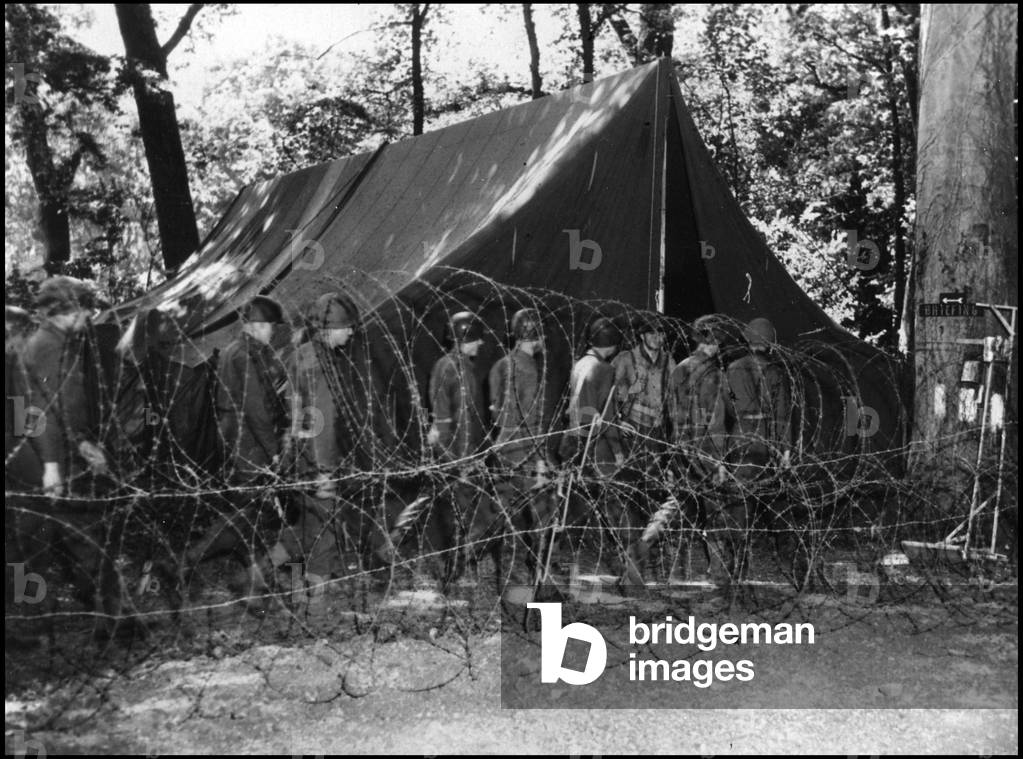
ETE4862809: Preparing for the break-up in Normandy on June 6, 1944 (D Day or D Day): soldiers from an American infantry division go under a tent for a briefing or take their instructions before boarding for the continent. Great Britain, early June 1944. Photography / Bridgeman Images

ICA4862862: The Laughter, Satirical in N & B, 1908_11_28: After the interview - Germany Prussia, War of 14-18 First fruits - William II, Gulliver, Lilliputiens - Illustration by Markous (1883-1941) / Bridgeman Images

ICA4862974: Cover of “” The Pilori”, Satirical in Colours, 1888_6_10: In the Menagerie - Curious variety of ferocal and anti-plebiscitary animals - President of the Republic, Menagerie - Clemenceau George, Ferry Jules, Boulanger Georges, Pork, Snakes, Hyene - Illustration by J. Blasss (1847-1892), Blass, J. (Douat, Albert called) (1847-1892) / Bridgeman Images

XEE5029653: Portrait of Nehemiah Grew (1641 1712) English botanist and physician / Bridgeman Images

XEE5029707: Portrait of Hegel (1770 - 1831), German philosopher / Bridgeman Images

XEE5029725: Portrait of the English doctor Sir William Harvey (1578-1657) / Bridgeman Images

XEE5029751: Zenobe Theophile Gram (1826-1901) invents the ring that bears his name / Bridgeman Images

XEE5029765: Illustratione in “” La Static des Vegetaux, et l'Analyse de l'Air - Experiences Nouvelles Lues à la Societe Royale de London””: Translated from English, by M. de Buffon, 1735 by Stephen Hales (1677 -1761) / Bridgeman Images

XEE5029957: Illustration of Petrus Ramus (Pierre de La Ramee) (1515-1572) Humanist, mathematician and philosopher - in “Arithmeticae libri duo””, 1555 / Bridgeman Images

XEE5030551: Frontispice of “” De Noxii Paludum Effluviis eorumque remediis”, 1717, by Giovanni Maria Lancisi, 1654-1720 / Bridgeman Images

XEE5030597: Portrait of Joseph de Montgolfier (1740-1810) French industrial and inventor / Bridgeman Images

CUB4863311: Horseshoe Crab, Cape May, USA / Bridgeman Images

ETE4863328: Second World War (1939-1945): Lieutenant Colonel Bernice Wilber, Commander of the Women's Army Corps of HQ Allie, decorates Second Lieutenant Ruth Sobeck with “Purple Heart” for his injuries on a British hospital ship in the Bay of Salerno. Photograph taken in Central Italy, March 6, 1944. / Bridgeman Images
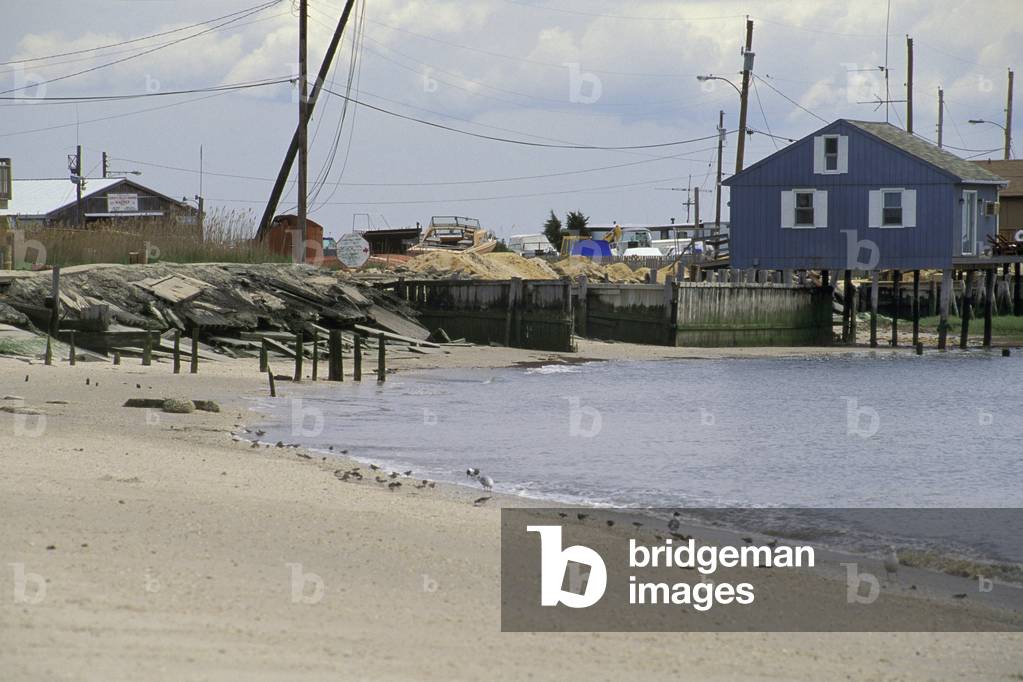
CUB4863341: beach, mores beach, usa / Bridgeman Images
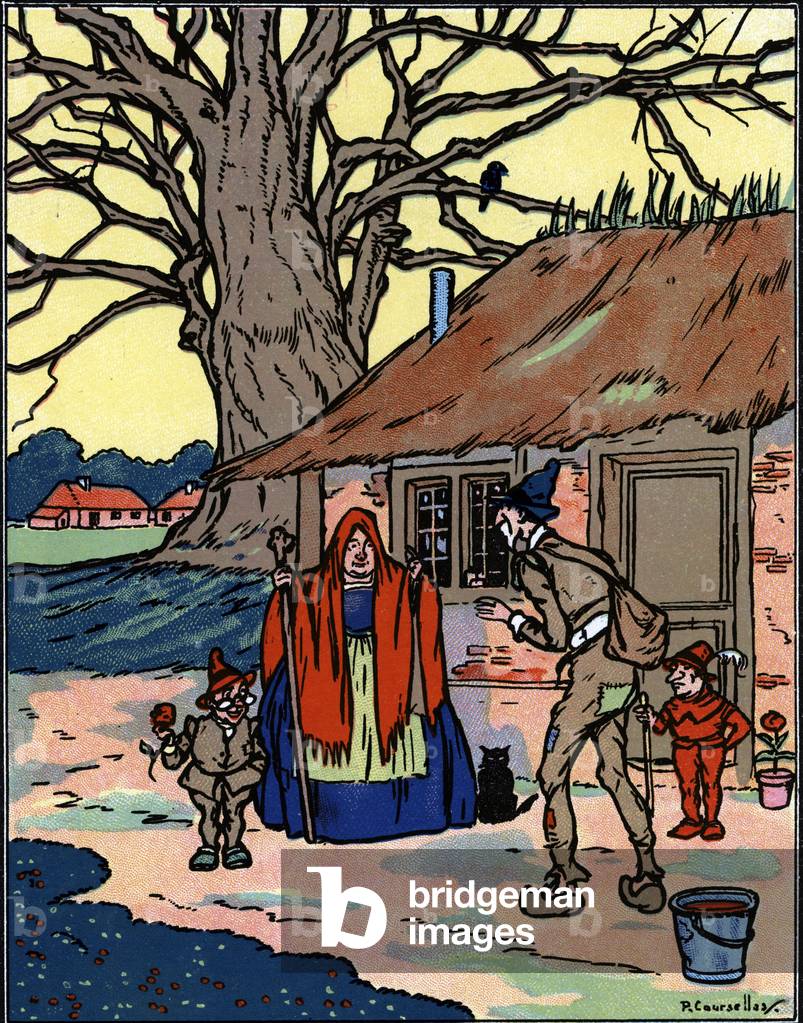
ELD4863365: Teh flight of Picrochole who meets an old witch Illustration by Pierre Couselles (died 1938) from “Gargantua” by Francois Rabelais, 1926 Private collection, Courselles, Pierre (d.1938) / Bridgeman Images

CUB4863562: people in town centre, belfast, north ireland / Bridgeman Images

ELD4863920: Legislative elections of 1914: “” The Socialist Jean Jaures holding in his arms the 101 seats of deputes of the SFIO won the elections, receiving proposals for alliance from Gaston Doumergue concerning the army, religion and taxation, May 1914” (French socialist Jean Jaures and the 101 polls he represents with his party after the elections of 1914, are courted by Gaston Doumergue) Illustration taken from “” Le pelerin”” 31/05/1914 Collection privee, Unknown Artist, (20th century) / Bridgeman Images
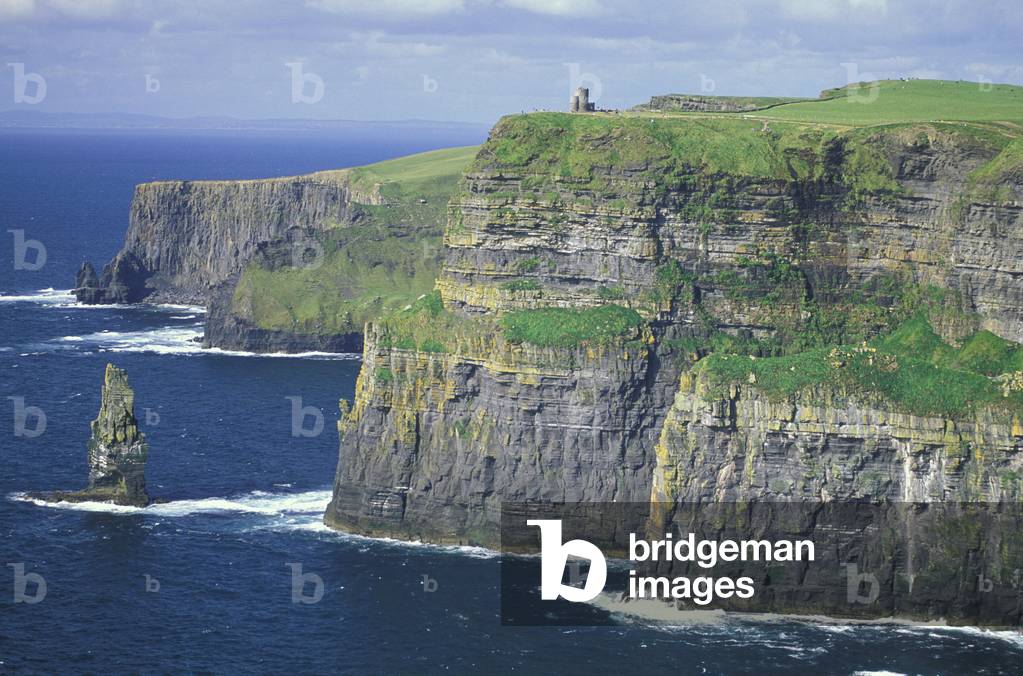
CUB4864126: cliff of moher, cliff of moher, south ireland / Bridgeman Images

CUB4864186: sea landscape, dingle peninsula, south ireland / Bridgeman Images

ELD4864378: Portrait of the Queen of Italy Helene (Elena) of Montenegro (1873-1952) Illustration by Tancredi Scarpelli (1866-1937) from “Storia d'Italia” (History of Italy) by Paolo Giudici, 1930 Private collection, Scarpelli, Tancredi (1866-1937) / Bridgeman Images

CUB4864473: characteristic pub, anascaul, south ireland / Bridgeman Images
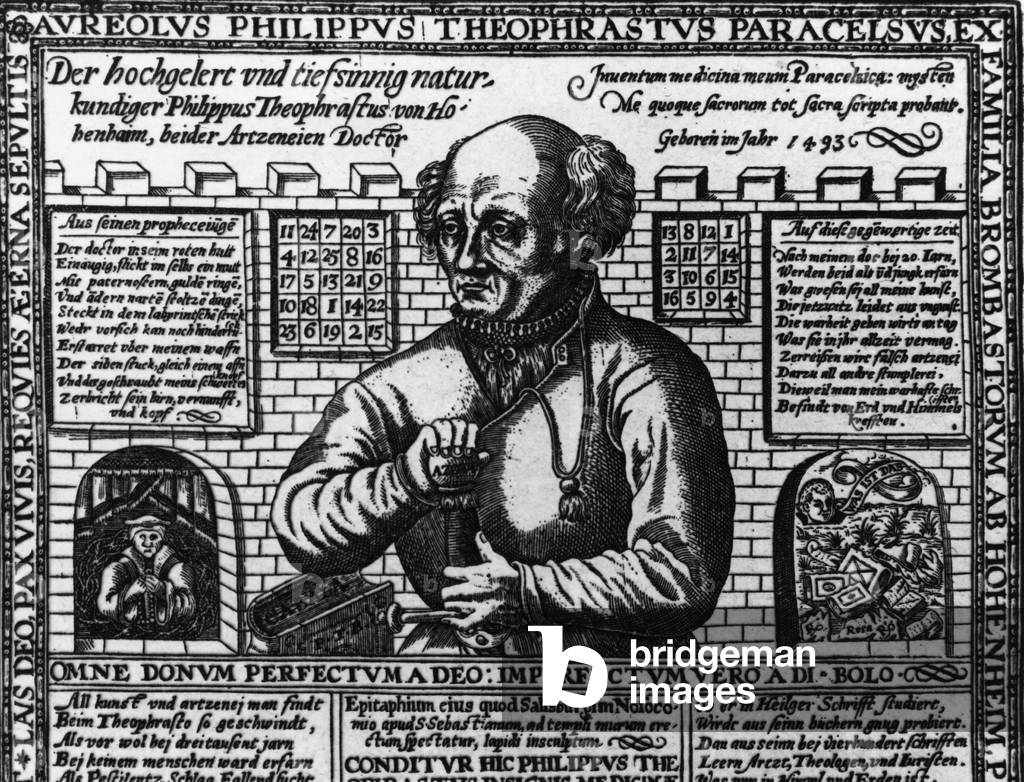
XEE5030973: Portrait of Philipp Aureolus Theophrast Bombast von Hohenheim Paracelsus, (Paracelsus Aracelsus) Swiss philosopher, alchemist and physician (1493-1541) / Bridgeman Images

XEE5030986: Foraminiferes - in” Foraminiferes fossils of the tertiary basin of Vienna”” by Alcide d'Orbigny (1802-1857) / Bridgeman Images

CUB4924690: Variegata di Chioggia chicory and Zinnie / Bridgeman Images

ELD4924771: Geographic map of Spain and Portugal under the Caliphate of Cordoba between 756 and 1030 (Al-Andalus, Iberic peninsula under Muslim domination) (map of Spain and Portugal (Islamic iberia or Al-Andalus) at the times of Caliphate of Cordoba ruled by the Umayyad dynasty Engraving from Houze's “Atlas Universel”, 1851 Private collection / Bridgeman Images

ICA4864805: Illustration by Abel Faivre (1867-1945) for the Cover of Le Rire, 01/06/12 - Le mari trompe - Architecture interieure, Adultere, Fingerprints - Bertillon Alphonse, Faivre, Jules Abel (1867-1945) / Bridgeman Images

ICA4925397: Cover of “” Le Don Quixote””, number 67, Satirique en Couleurs, 1875_10_4: L'Etat de siege - Republican - Marianne - Illustration by Charles Gilbert-Martin (1839-1905), Gilbert-Martin, Charles (1839-1905) / Bridgeman Images

ETE4865025: Second World War - Battle of the Bulge (WWII - Battle of the Bulge): Meeting between the riders of the 4th Cavalry Squadron of the 1st US Army (coming from the north of the salient) and an advanced patrol of the 17th Airborne Division of the 3rd US Army (coming from the south) at Laroche (Belgium) January 14, 1945 - Photography / Bridgeman Images
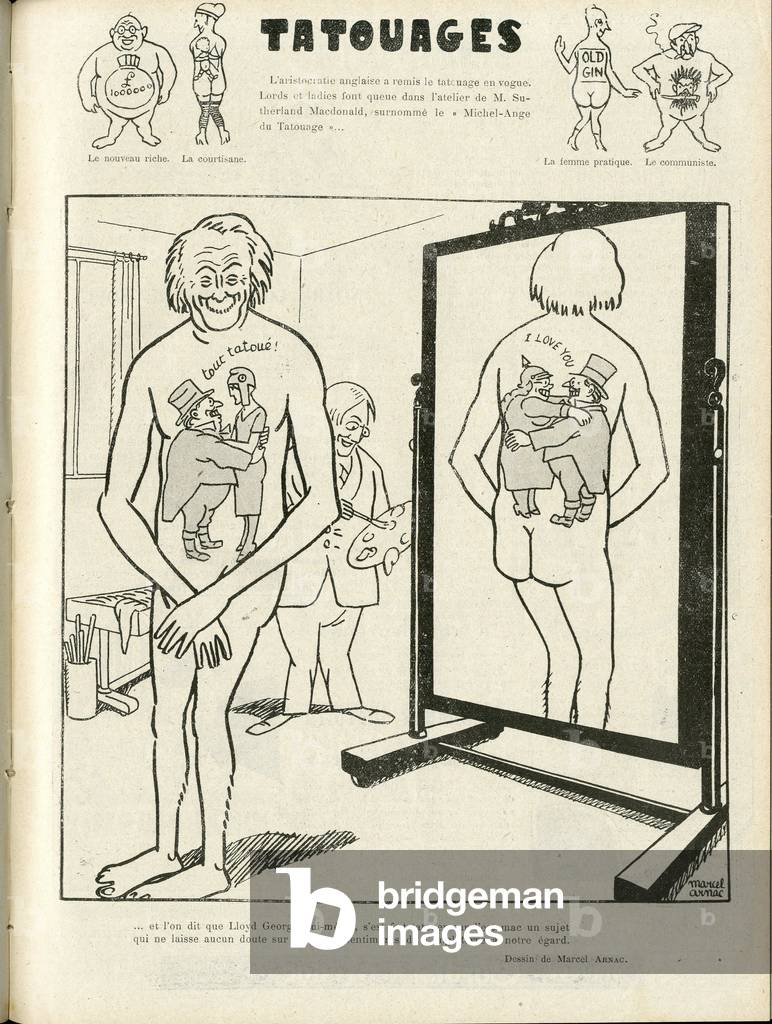
ICA4865038: Illustration of Marcel Arnac (1886-1931) in Le Rire, 26/11/21 / Bridgeman Images
