2491564 Search Results

LLM5215484: Eighth Avenue, looking North from West Fifty-Third Street (b/w photo), American Photographer, (19th century) / Bridgeman Images
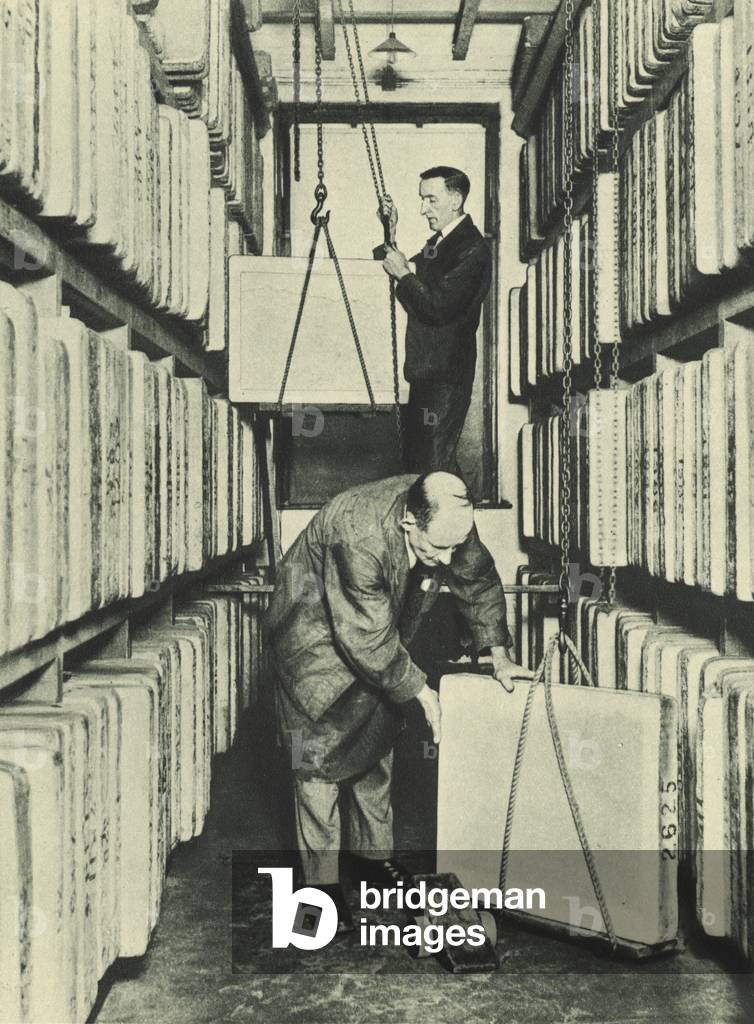
LLM5229711: Lithographic stones stored at the Ordnance Survey, Southampton (b/w photo), English Photographer, (20th century) / Bridgeman Images
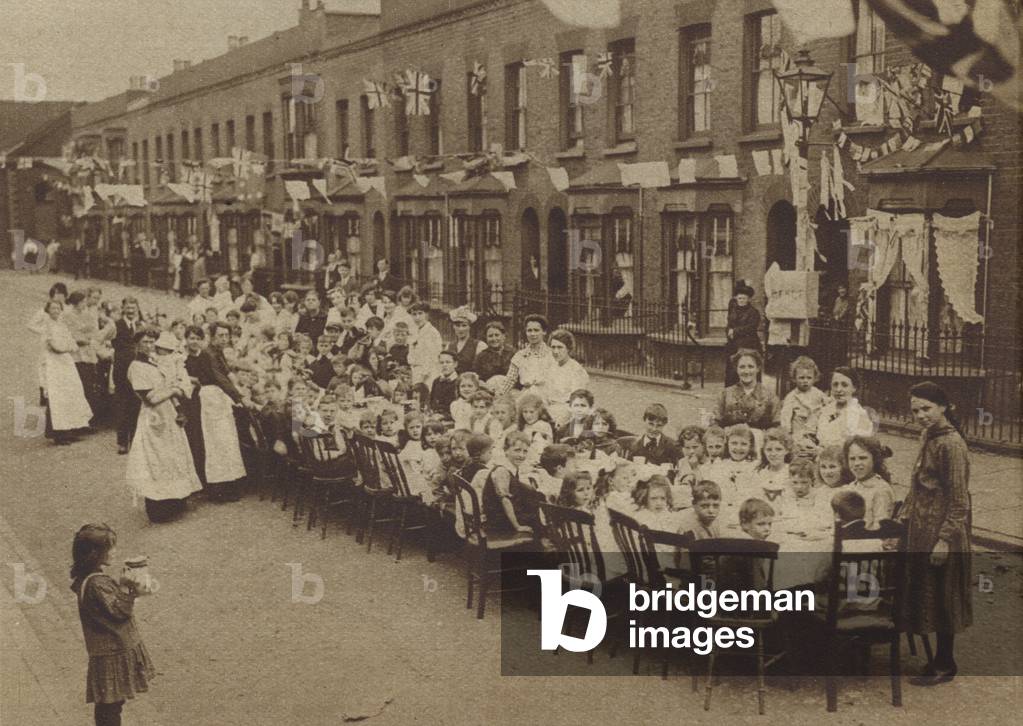
LLM5229742: Street party celebrating the signing of the Treaty of Versailles restoring peace after the First World War, 1919 (b/w photo), English Photographer, (20th century) / Bridgeman Images

LLM5215542: Annual Parade of the Coaching Club, before the Start, Central Park (b/w photo), American Photographer, (19th century) / Bridgeman Images

LLM5215565: The Ten O'Clock Scholar (colour litho), Wright, Blanche Fisher (1887–1938) / Bridgeman Images
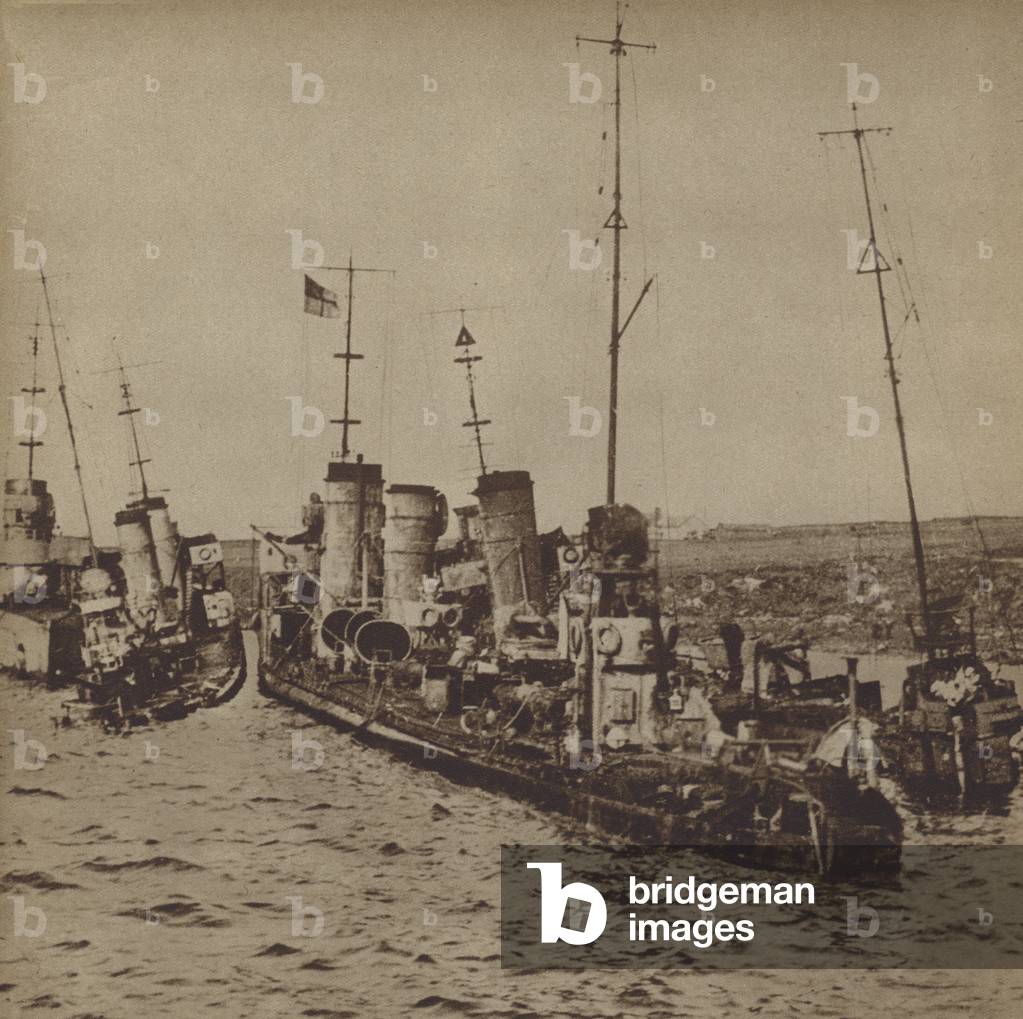
LLM5229759: The German fleet scuttled in Scapa Flow, Orkney, 1919 (b/w photo), English Photographer, (20th century) / Bridgeman Images

LLM5215595: Corneille, Heraclius, Act I, Sc I (coloured engraving), French School, (19th century) / Bridgeman Images
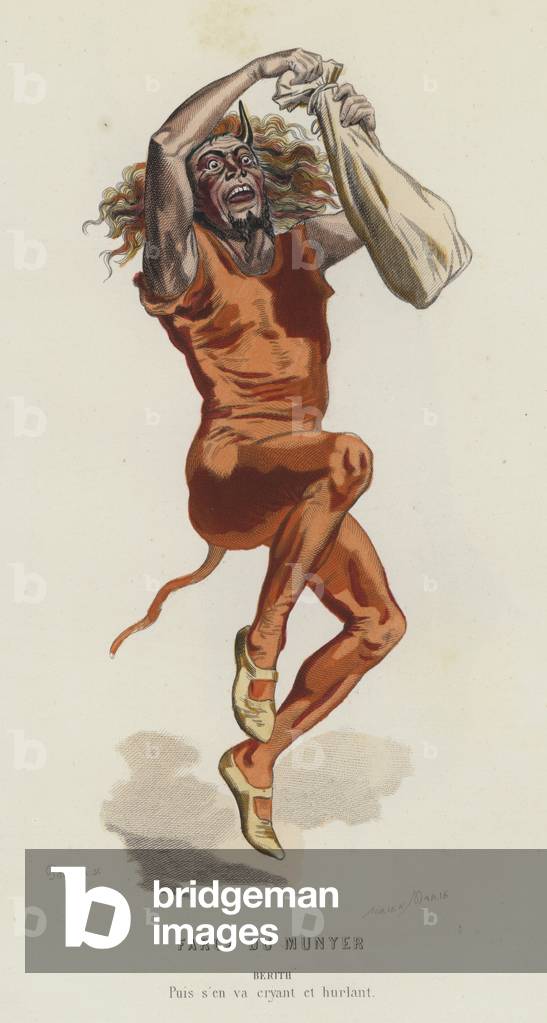
LLM5215607: Farce Du Munyer (coloured engraving), French School, (19th century) / Bridgeman Images

LLM5992547: A Jewish School (engraving), English School, (19th century) / Bridgeman Images

LLM5992559: French Baby (colour litho), Fricero, Catherine Josephine Marie (1878-1923) / Bridgeman Images
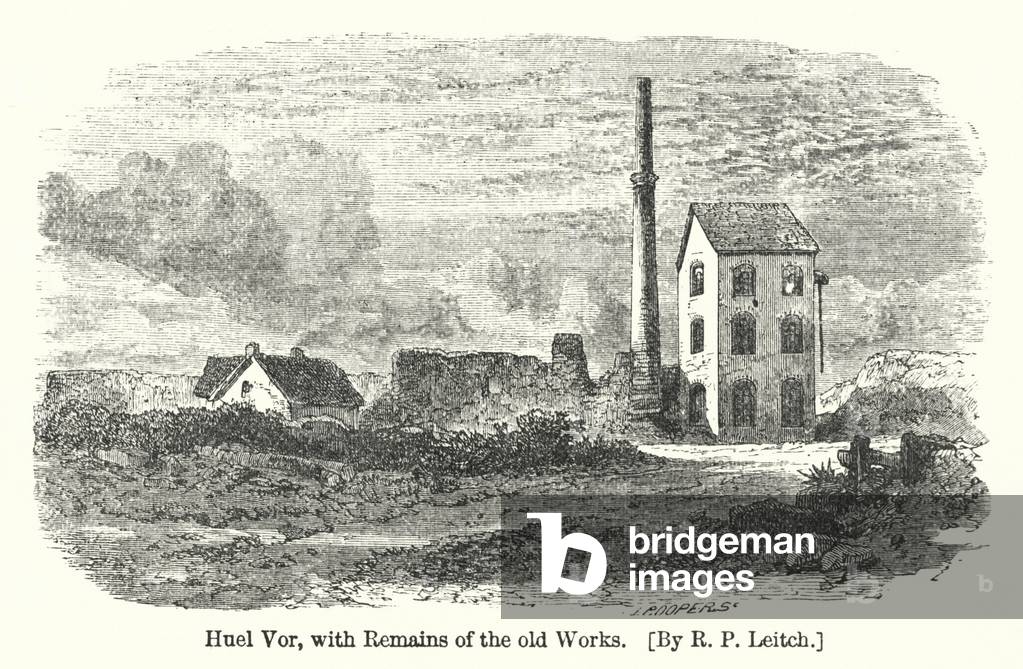
LLM5992611: Huel Vor, with Remains of the old Works (engraving), Leitch, Richard Principal (fl.1844-77) (after) / Bridgeman Images
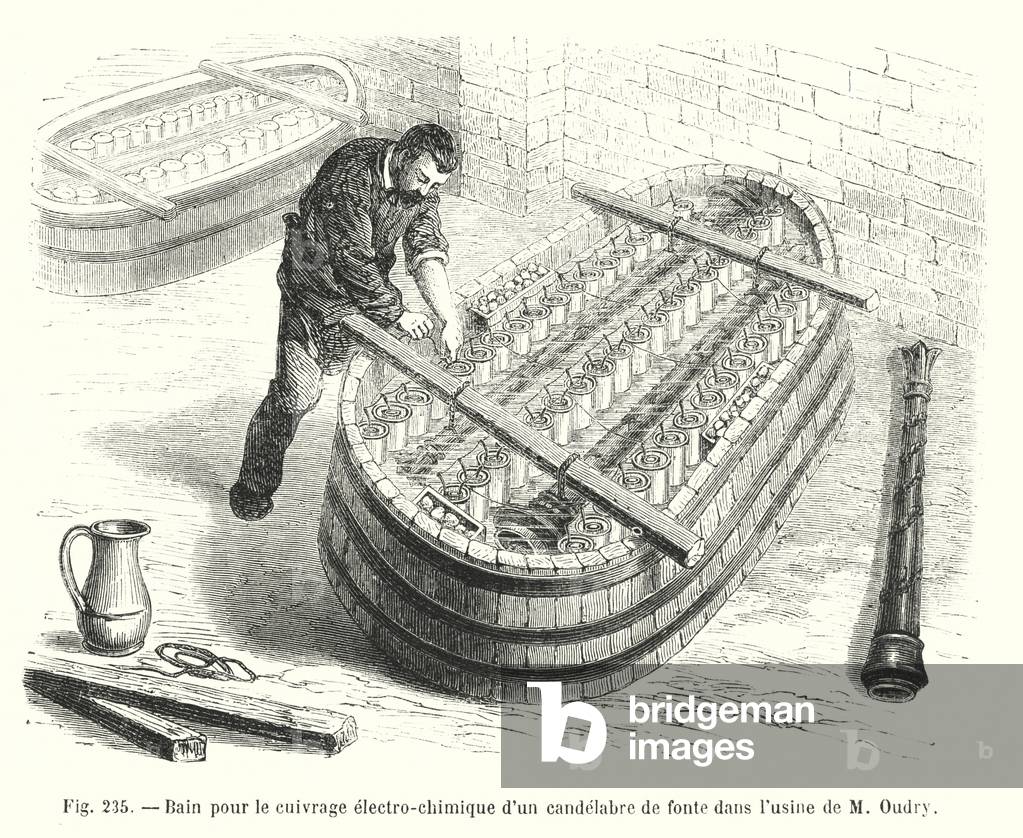
LLM5992630: Bain pour le cuivrage electro-chimique d'un candelabre de fonte dans l'usine de M Oudry (engraving), European School, (19th century) / Bridgeman Images
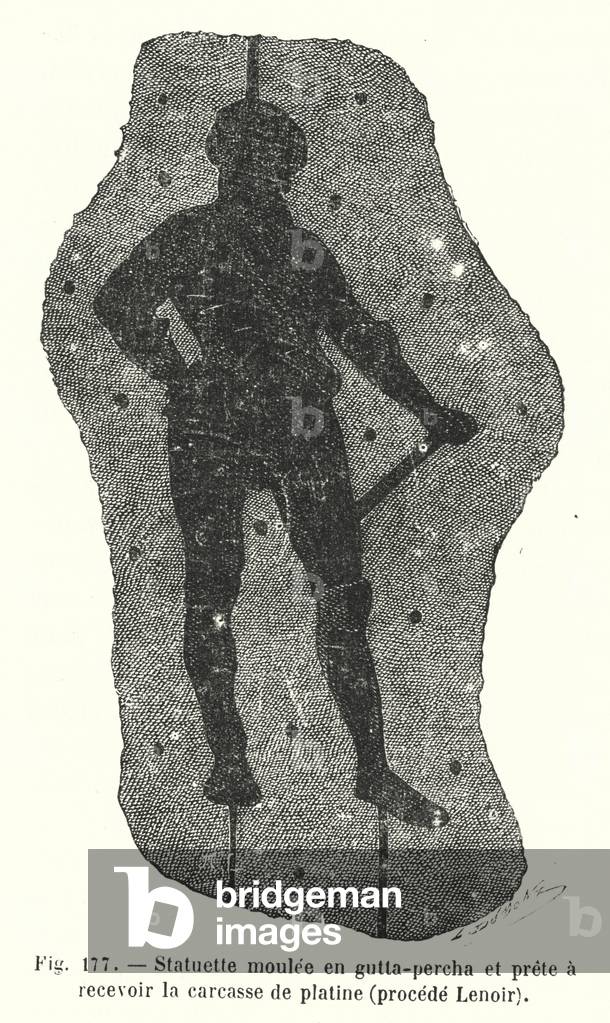
LLM5992647: Statuette moulee en gutta-percha et prete a recevoir la carcasse de platine, procede Lenoir (engraving), European School, (19th century) / Bridgeman Images
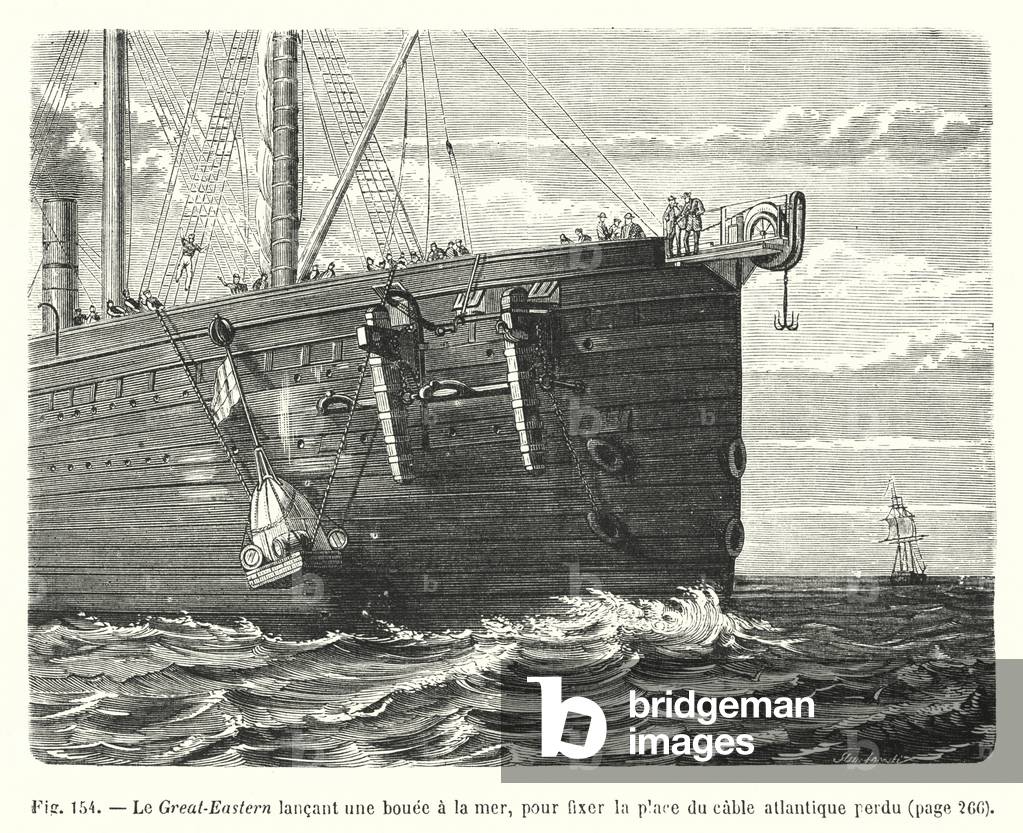
LLM5992657: Le Great-Eastern lancant une bouee a la mer, pour fixer la place du cable atlantique perdu (engraving), European School, (19th century) / Bridgeman Images

LLM5992719: Tsar Nicholas I inaugurating the semaphore telegraph line between Moscow and Warsaw in 1833 (engraving), European School, (19th century) / Bridgeman Images

LLM5992736: Aeneas le tacticien invente l'art des signaux phrasiques, 336 ans avant J-C (engraving), European School, (19th century) / Bridgeman Images

LLM5992797: Luigi Galvani's experiment which investigates the behaviour of muscles stimulated by electricity, 19th century (engraving), European School, (19th century) / Bridgeman Images

LLE5232708: St Victor, painting by Il Sodoma in the Palazzo Comunale, Siena, Italy (colour photo), Sodoma, Giovanni Antonio Bazzi (1477-1549) (after) / Bridgeman Images
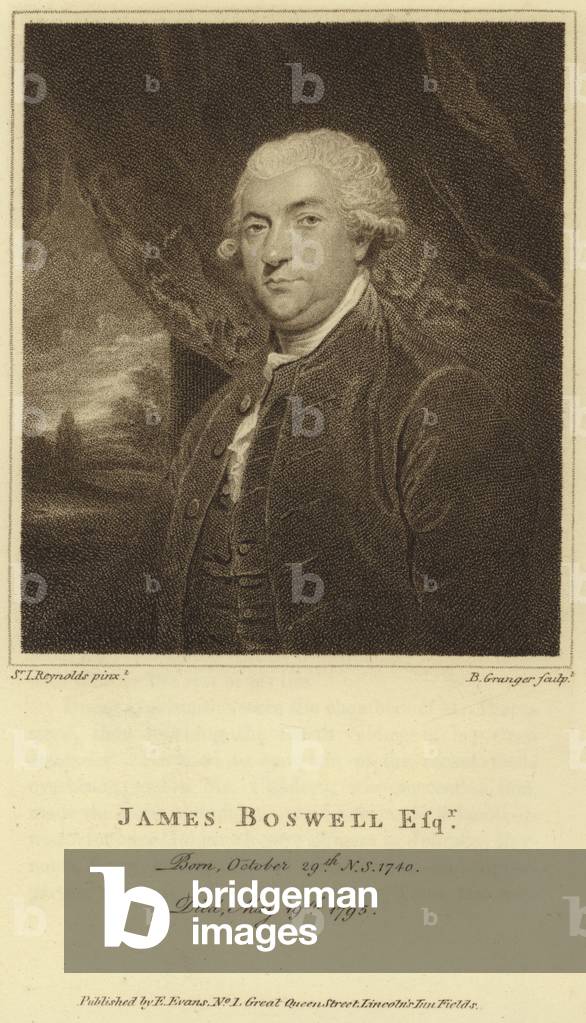
LLE5232762: James Boswell (engraving), Reynolds, Joshua (1723-92) (after) / Bridgeman Images
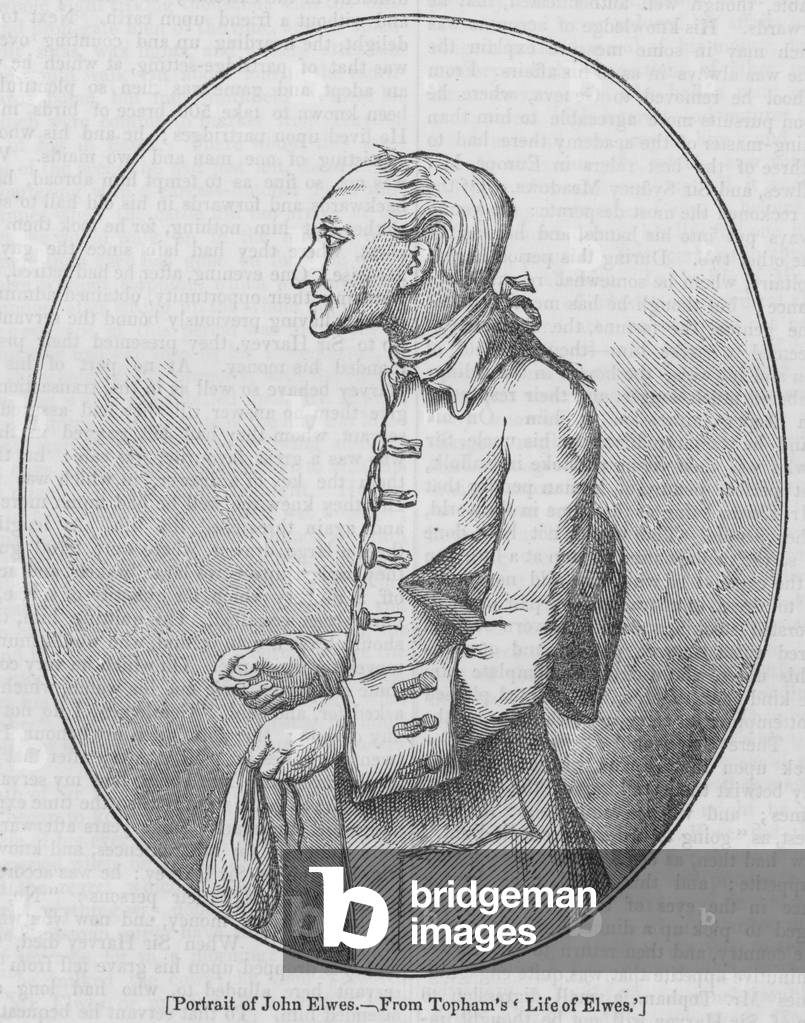
LLE5232900: Portrait of John Elwes (engraving), English School, (19th century) / Bridgeman Images
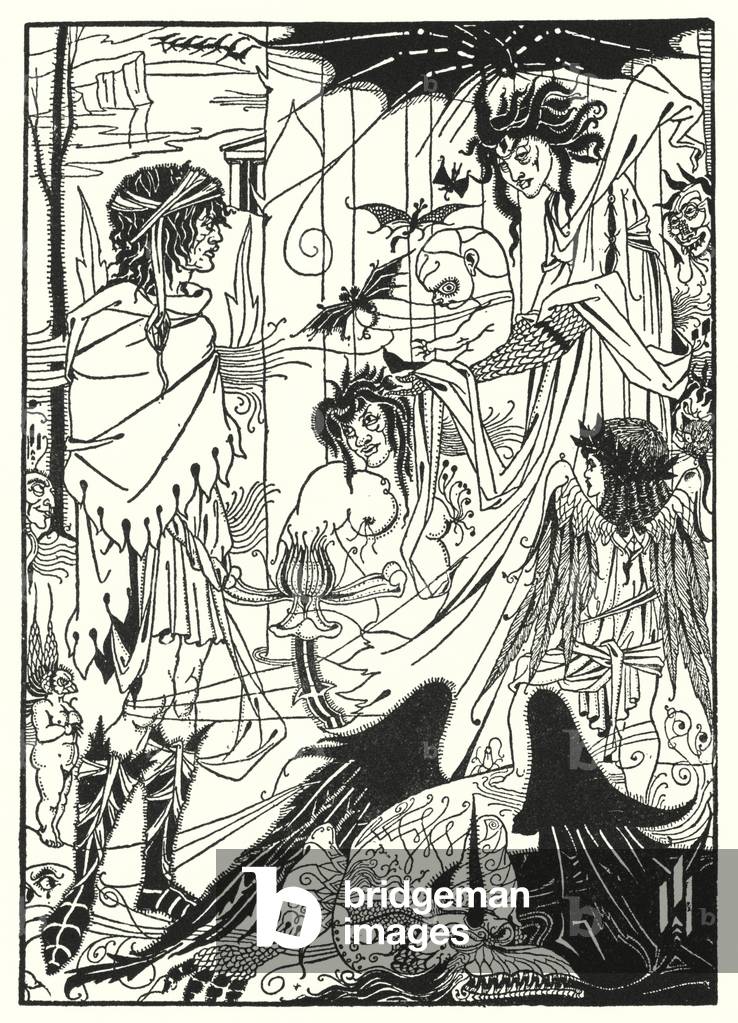
LLE5232972: Dreams 1894 (engraving), Beardsley, Aubrey (1872-98) (after) / Bridgeman Images

LLM5217297: Caedmon Cross, St Mary's Churchyard, Whitby, North Yorkshire (b/w photo), English Photographer, (20th century) / Bridgeman Images

LLM5217313: Am I downhearted? Portrait of a cheerful black child (coloured photo), American Photographer, (20th century) / Bridgeman Images

LLM5217321: Newly hatched chick, Easter greetings card (chromolitho), English School, (20th century) / Bridgeman Images

LLM5217380: Marital infidelity: A man lying to his wife over the telephone about having to work late (chromolitho), Browne, Tom (1872-1910) / Bridgeman Images

LLM5217399: Ageing: the spirit is willing but the flesh is weak. An old man admiring a passing woman (chromolitho), English School, (20th century) / Bridgeman Images

LLM5217400: Pair of lovers outside the entrance to a house (chromolitho), English School, (20th century) / Bridgeman Images

LLM5217430: Woman holding a mirror, greetings (possibly Valentine's Day) card (chromolitho), European School, (20th century) / Bridgeman Images
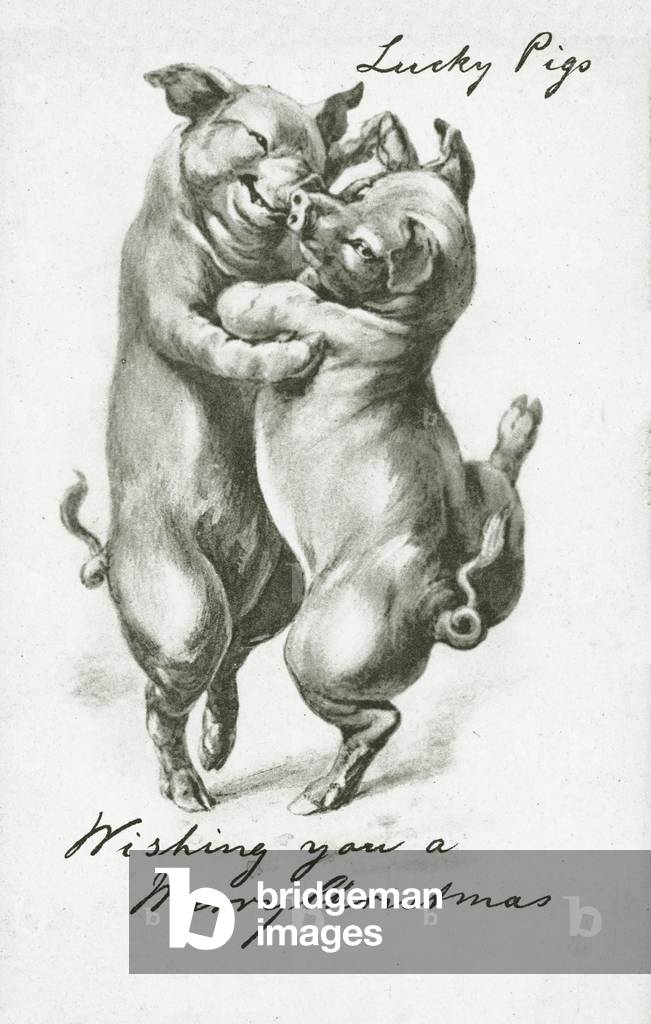
LLM5217445: Dancing pigs, Christmas greetings card (litho), English School, (20th century) / Bridgeman Images
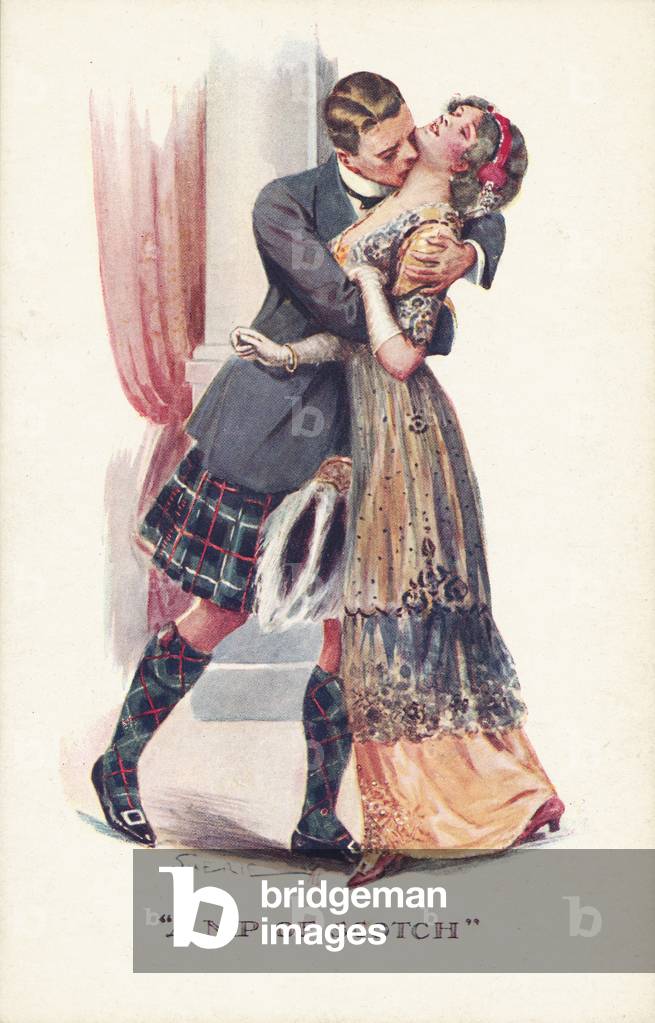
LLM5217468: Scotsman in Highland dress and a woman in a passionate embrace (colour litho), English School, (20th century) / Bridgeman Images

LLM5217479: The prize scholar, American university student (colour litho), American School, (20th century) / Bridgeman Images
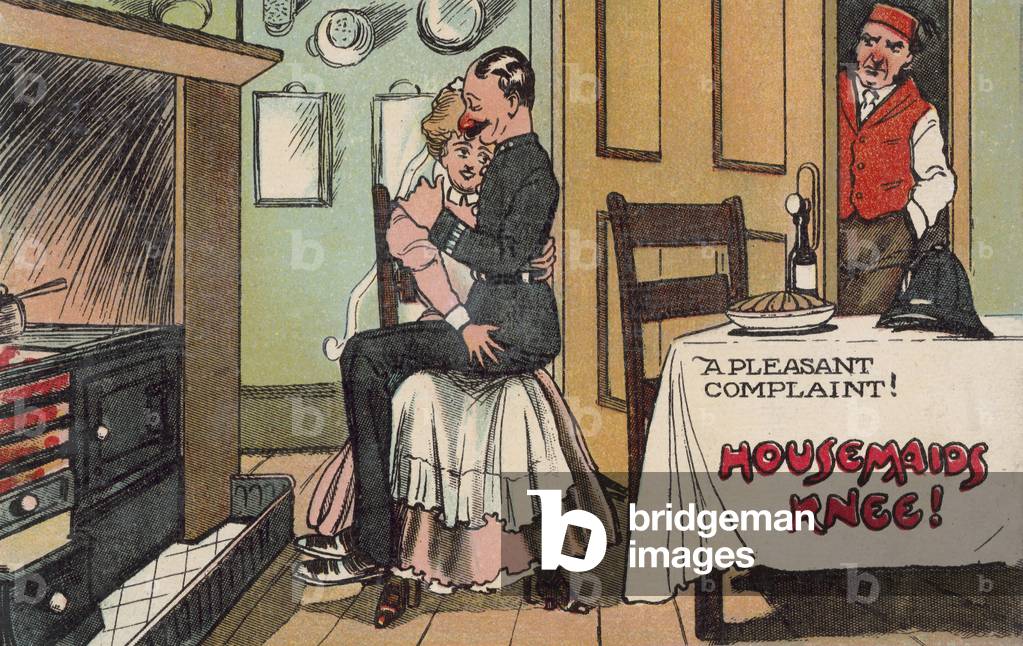
LLM5217535: Housemaid's knee (colour litho), English School, (20th century) / Bridgeman Images

LLM5217553: Postcard for lazy people (colour litho), American School, (20th century) / Bridgeman Images

LLM5217579: Queen Elizabeth II as a young woman in the Auxiliary Territorial Service with her mother Elizabeth, Queen Consort, 1945. (b/w photo), English Photographer, (20th century) / Bridgeman Images

LLM5217589: King George VI and Queen Mother Elizabeth standing in the rubble of Buckingham Palace, London, after the bombing in 1940 (b/w photo), English Photographer, (20th century) / Bridgeman Images

LLM5992820: Marly's experiment carried out on May 10, 1752, demonstrating electricity in stormy clouds (engraving), European School, (19th century) / Bridgeman Images
