2491632 Search Results
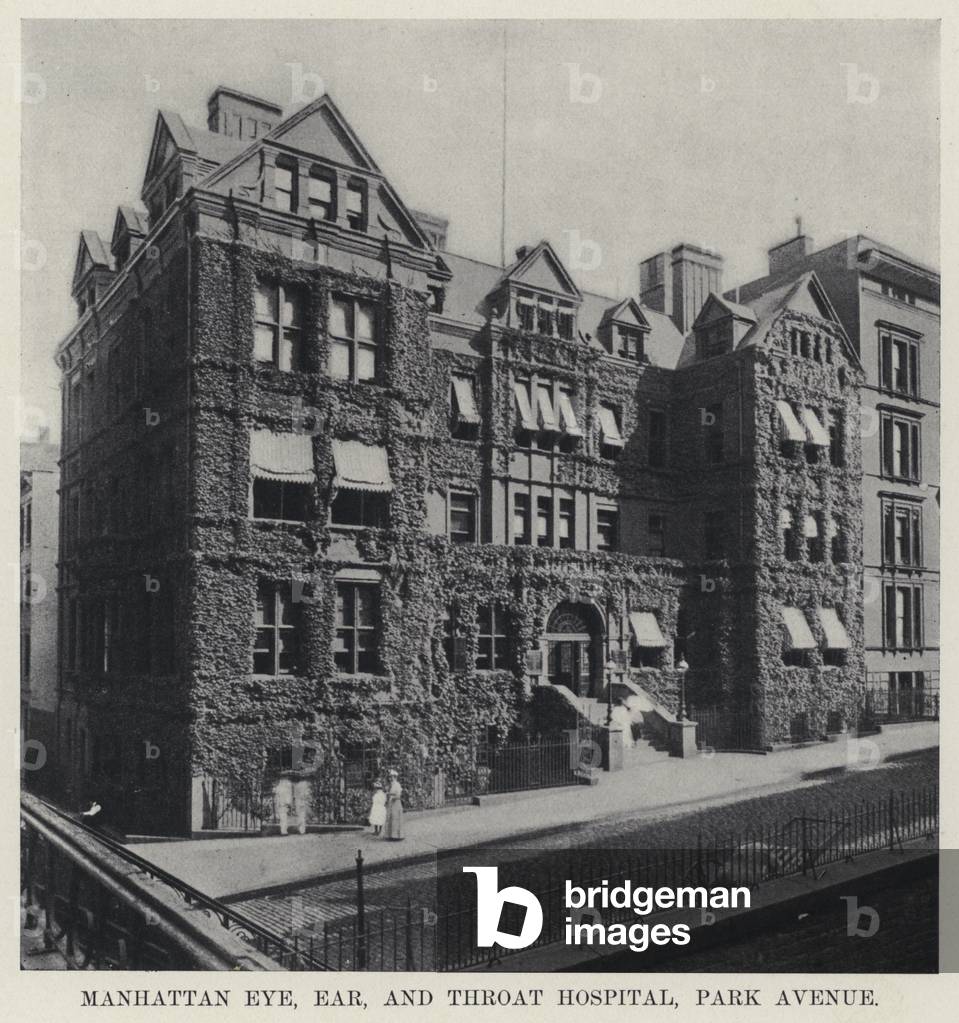
LLM5215158: Manhattan Eye, Ear, and Throat Hospital, Park Avenue (b/w photo), American Photographer, (19th century) / Bridgeman Images

LLM5229234: Marble balustrades of the staircase in the Foreign Office (b/w photo), English Photographer, (20th century) / Bridgeman Images

LLM5229260: Passengers boarding an Imperial Airways flight to Paris at Croydon Aerodrome (b/w photo), English Photographer, (20th century) / Bridgeman Images

LLM5229281: View towards Westminster Abbey from the College Garden (b/w photo), English Photographer, (20th century) / Bridgeman Images
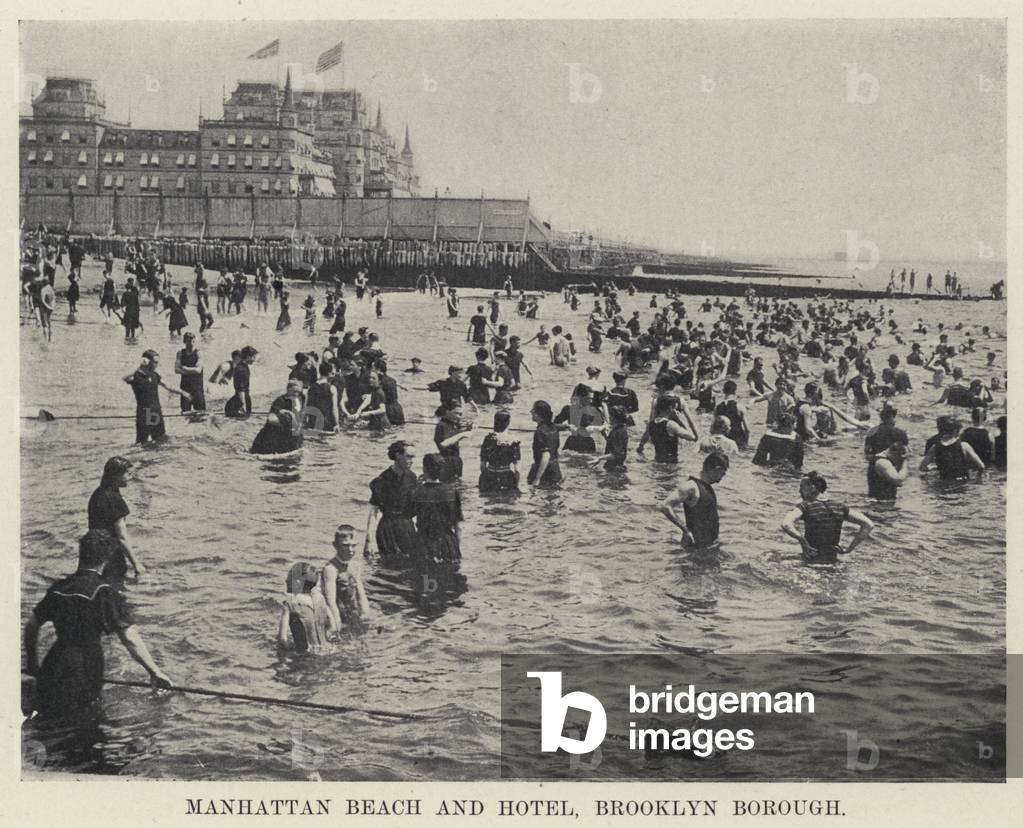
LLM5215211: Manhattan Beach and Hotel, Brooklyn Borough (b/w photo), American Photographer, (19th century) / Bridgeman Images

LLM5229292: East end of the Church of St Vedast in Foster Lane, one of the churches destroyed by the Great Fire of London and rebuilt by Sir Christopher Wren (b/w photo), English Photographer, (20th century) / Bridgeman Images

LLM5215230: House of Rhinelander Waldo, Seventy-Second Street and Madison Avenue (b/w photo), American Photographer, (19th century) / Bridgeman Images

LLM5229396: Regent Street, Westminster, 19th Century (b/w photo), English Photographer, (19th century) / Bridgeman Images

LLM5229403: Members of the British Home Guard training, World War 2, 1940 (b/w photo), English Photographer, (20th century) / Bridgeman Images

LLM5215279: House of the Country Club of Westchester (b/w photo), American Photographer, (19th century) / Bridgeman Images
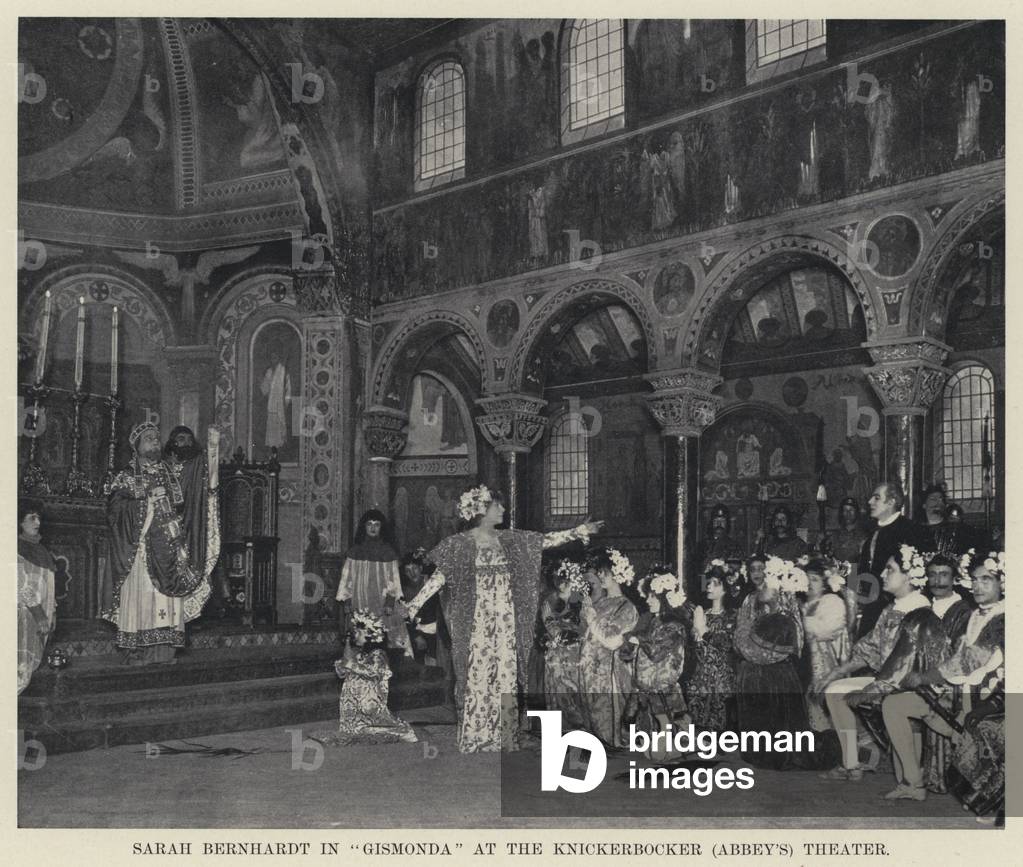
LLM5215297: Sarah Bernhardt in "Gismonda" at the Knickerbocker (Abbey's) Theater (b/w photo), American Photographer, (19th century) / Bridgeman Images
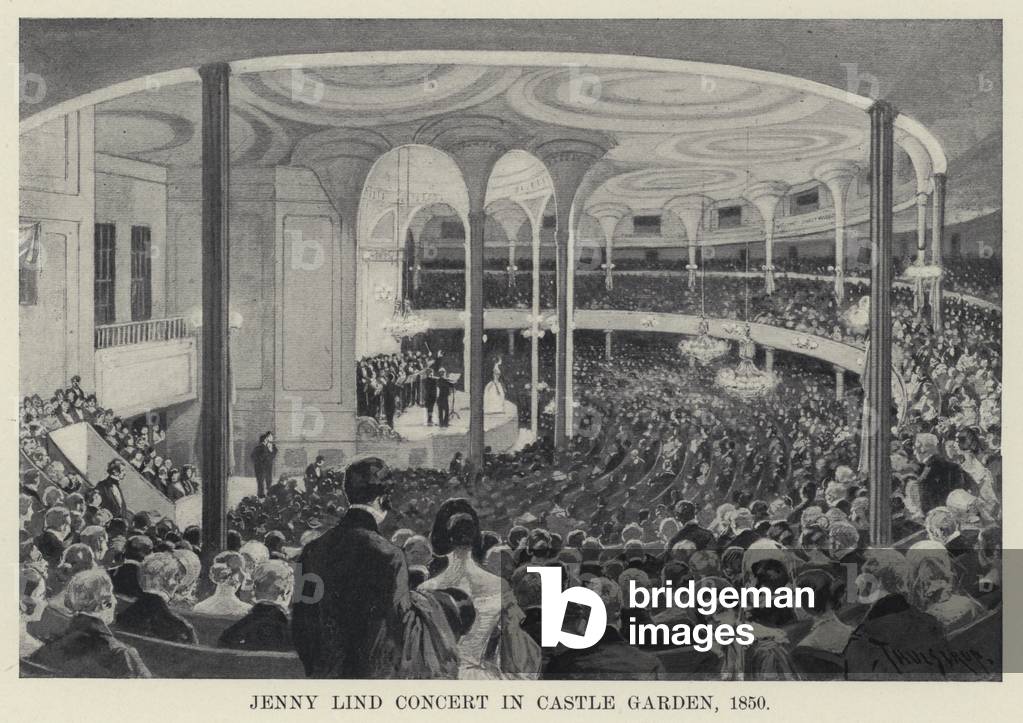
LLM5215306: Jenny Lind Concert in Castle Garden, 1850 (b/w photo), American Photographer, (19th century) / Bridgeman Images
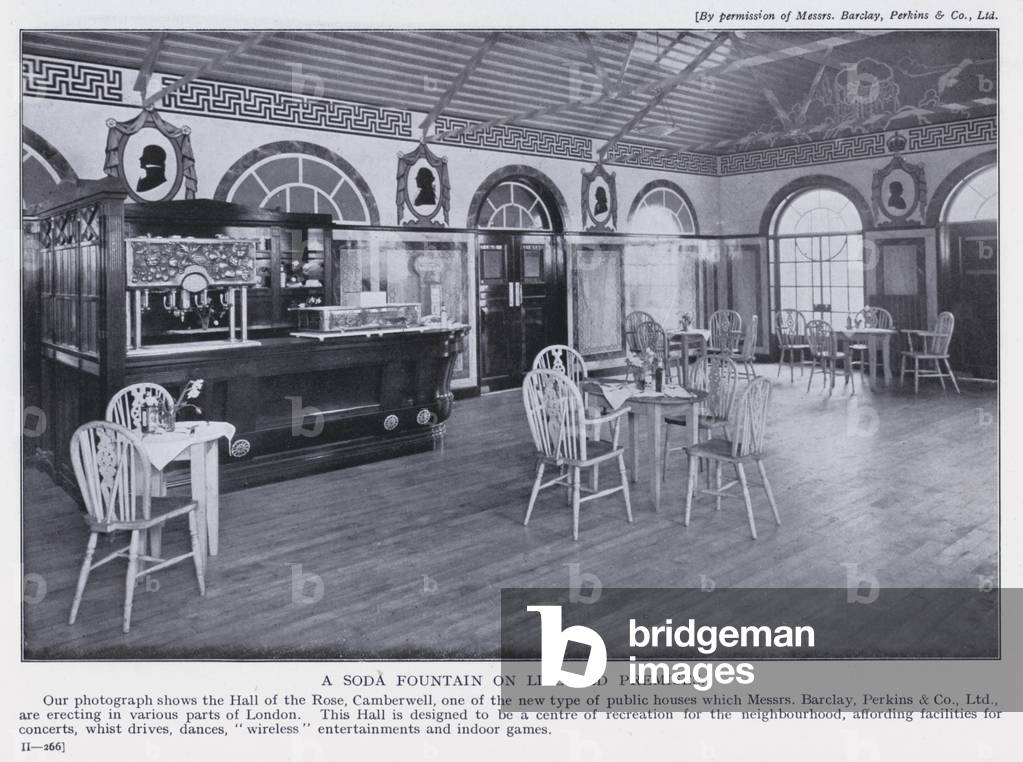
LLM5990116: A Soda Fountain on Licensed Premises (b/w photo), English Photographer, (20th century) / Bridgeman Images
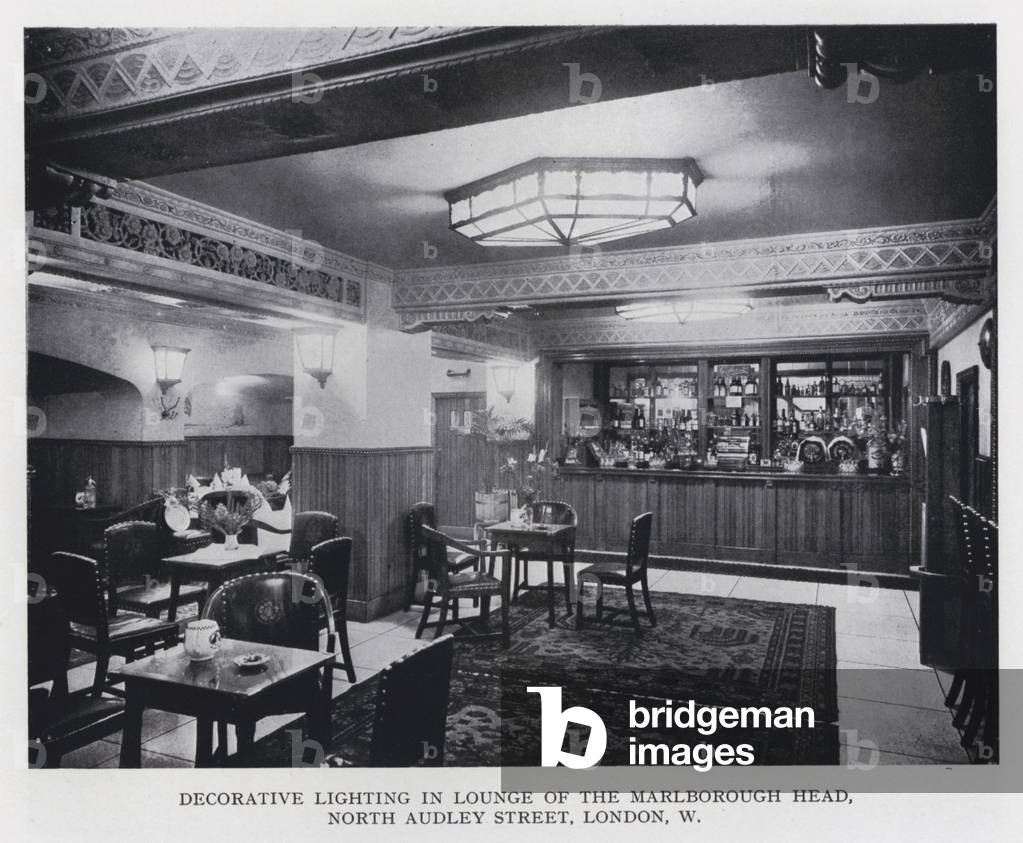
LLM5990142: Decorative Lighting in Lounge of the Marlborough Head, North Audley Street, London, W (b/w photo), English Photographer, (20th century) / Bridgeman Images

LLM5990198: Portraits of Composers: Debussy (litho), Ross, Gordon (1872-1946) / Bridgeman Images

LLM5990223: Portraits of Composers: Mendelssohn (litho), Ross, Gordon (1872-1946) / Bridgeman Images

LLM5990260: Portraits of Great Philosophers: Francis Bacon (litho), Ross, Gordon (1872-1946) / Bridgeman Images

LLM5990325: A Family Group of Mongols, Kuldja (b/w photo), English Photographer, (20th century) / Bridgeman Images

LLM5990342: An Elaborately Tattooed Japanese Man (b/w photo), English Photographer, (20th century) / Bridgeman Images

LLM5229436: The liberation of Greece, World War 2, 1944 (b/w photo), English Photographer, (20th century) / Bridgeman Images
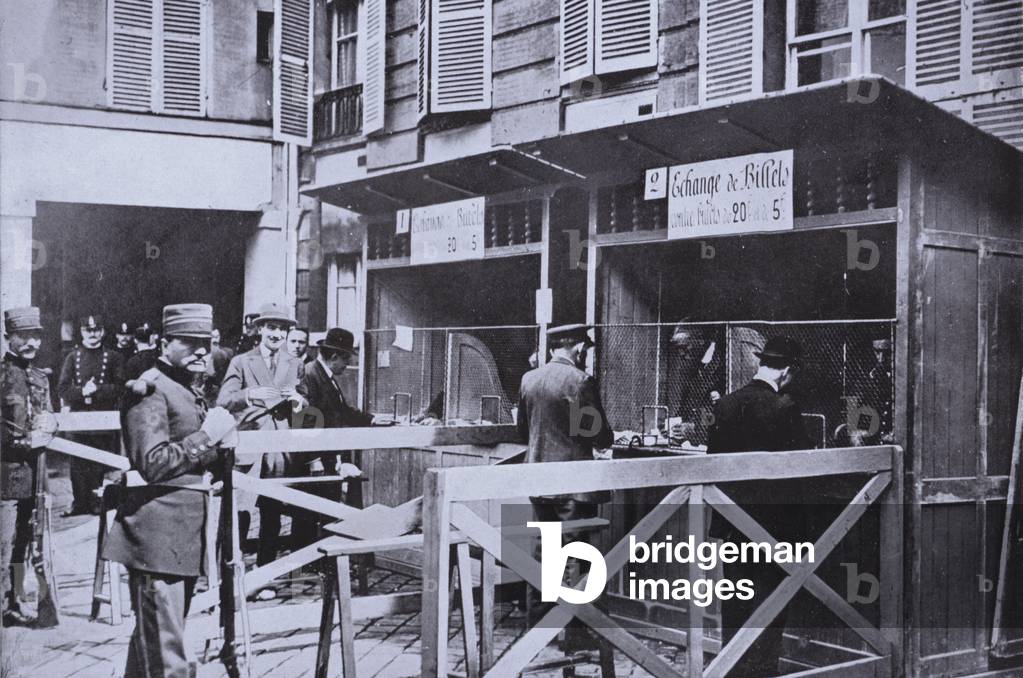
LLM5229498: People queueing at a bank in Paris wanting to exchange banknotes for gold after the outbreak of the First World War, July 1914 (b/w photo), English Photographer, (20th century) / Bridgeman Images
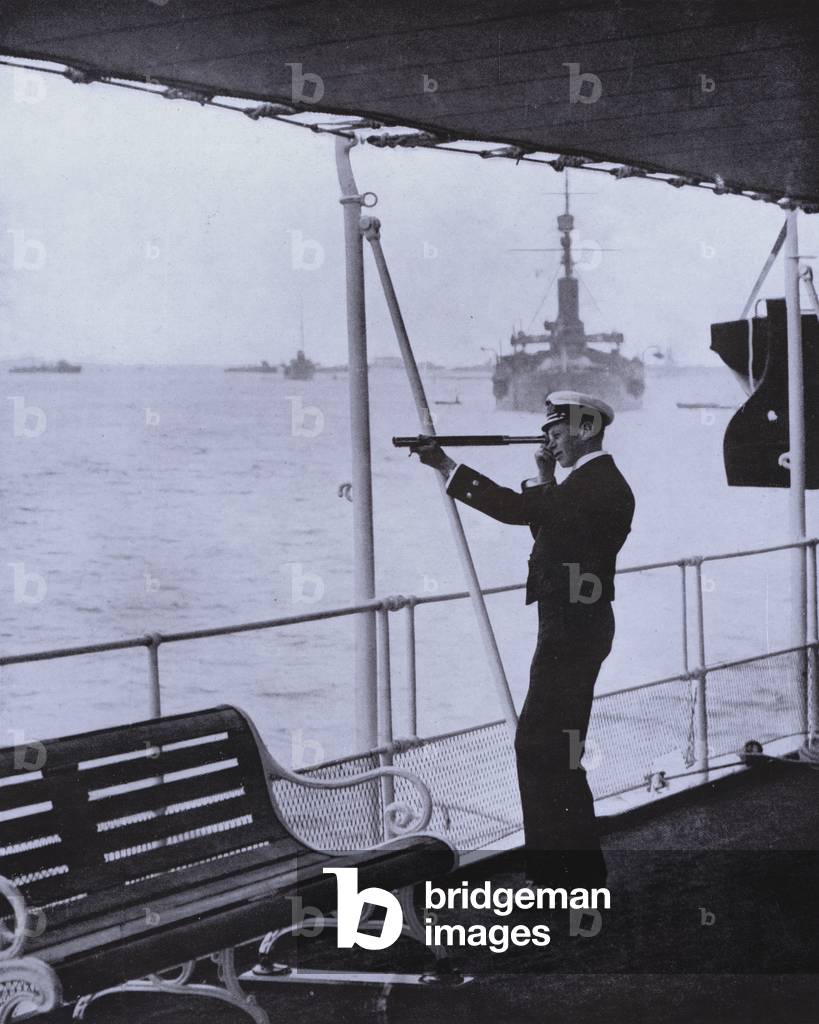
LLM5229517: Prince Albert, the future King George VI, on board the battleship HMS Collingwood, aboard which he served during the First World War (b/w photo), English Photographer, (20th century) / Bridgeman Images

LLM5215343: Armory of the Seventh Regiment, Park Avenue and Sixty-Seventh Street (b/w photo), American Photographer, (19th century) / Bridgeman Images

LLM5229592: Building collapsing during the German bombardment of Lille, France, World War I, October 1914 (b/w photo), English Photographer, (20th century) / Bridgeman Images

LLM5215359: Parade of the Naval Reserves upon their Return from Cuba (b/w photo), American Photographer, (19th century) / Bridgeman Images

LLM5229613: Rolls-Royce car owners at a motoring rally outside the Cat and Fiddle Inn, Peak District, Cheshire, 1907 (b/w photo), English Photographer, (20th century) / Bridgeman Images

LLM5215420: Southeast Corner of Sixty-First Street and Fifth Avenue (b/w photo), American Photographer, (19th century) / Bridgeman Images

LLM5215480: The Criminal Court and the New Tombs, in Course of Construction (b/w photo), American Photographer, (19th century) / Bridgeman Images
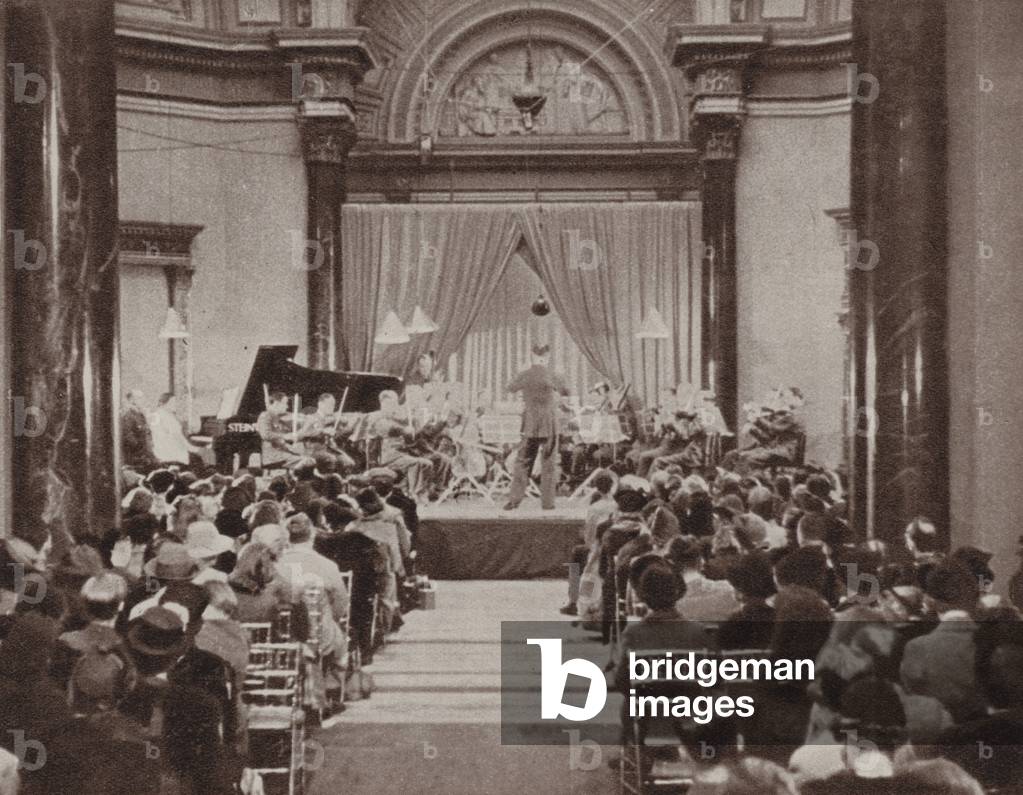
LLM5229680: Lunchtime concert at the National Gallery, London, during World War II (b/w photo), English Photographer, (20th century) / Bridgeman Images

LLM5215495: Reading-Room of Merchants' Association in New York Life Building, Leonard Street and Broadway (b/w photo), American Photographer, (19th century) / Bridgeman Images

LLM5215518: Sun-Parlor Restaurant in the Waldorf-Astoria Hotel (b/w photo), American Photographer, (19th century) / Bridgeman Images

LLM5215526: Borough of Manhattan (b/w photo), American Photographer, (19th century) / Bridgeman Images

LLM5215538: Map of Greater New York (b/w photo), American Photographer, (19th century) / Bridgeman Images

LLM5215590: Corneille, Le Menteur, Act I, Sc I (coloured engraving), French School, (19th century) / Bridgeman Images

LLM5225172: St Patrick's Cathedral, Dublin (colour photo), Irish Photographer (19th Century) / Bridgeman Images

LLM5210446: Organes de la circulation du sang, a l'etat normal (colour litho), French School, (19th century) / Bridgeman Images
