2491557 Search Results

LLM5217999: Australia: The Upper Goulbourn, Victoria (engraving), English School, (19th century) / Bridgeman Images

LLM5218010: Australia: King William Street, Adelaide (engraving), English School, (19th century) / Bridgeman Images

LLM5218018: Australia: Townsville, North Queensland (engraving), English School, (19th century) / Bridgeman Images

LLM5218026: Australia: Corra Lynn, Tasmania (engraving), English School, (19th century) / Bridgeman Images

LLM5218034: Australia: Monument to Burke and Wills in Melbourne (engraving), English School, (19th century) / Bridgeman Images
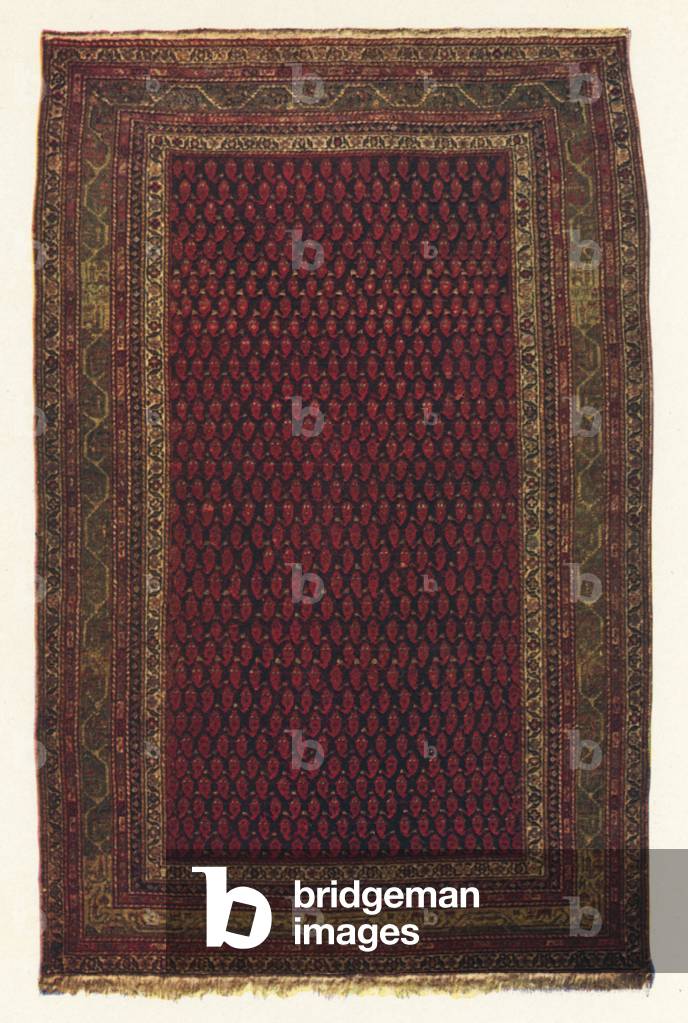
LLM5218093: Saraband rug (colour photo), American Photographer, (20th century) / Bridgeman Images
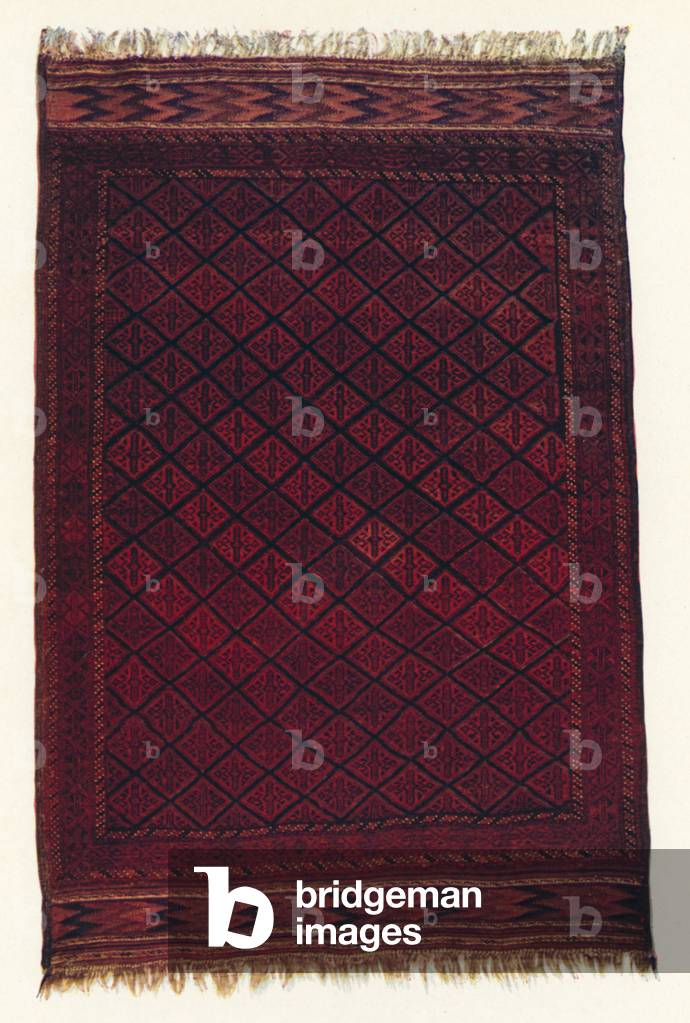
LLM5218113: Beluchistan rug (colour photo), American Photographer, (20th century) / Bridgeman Images
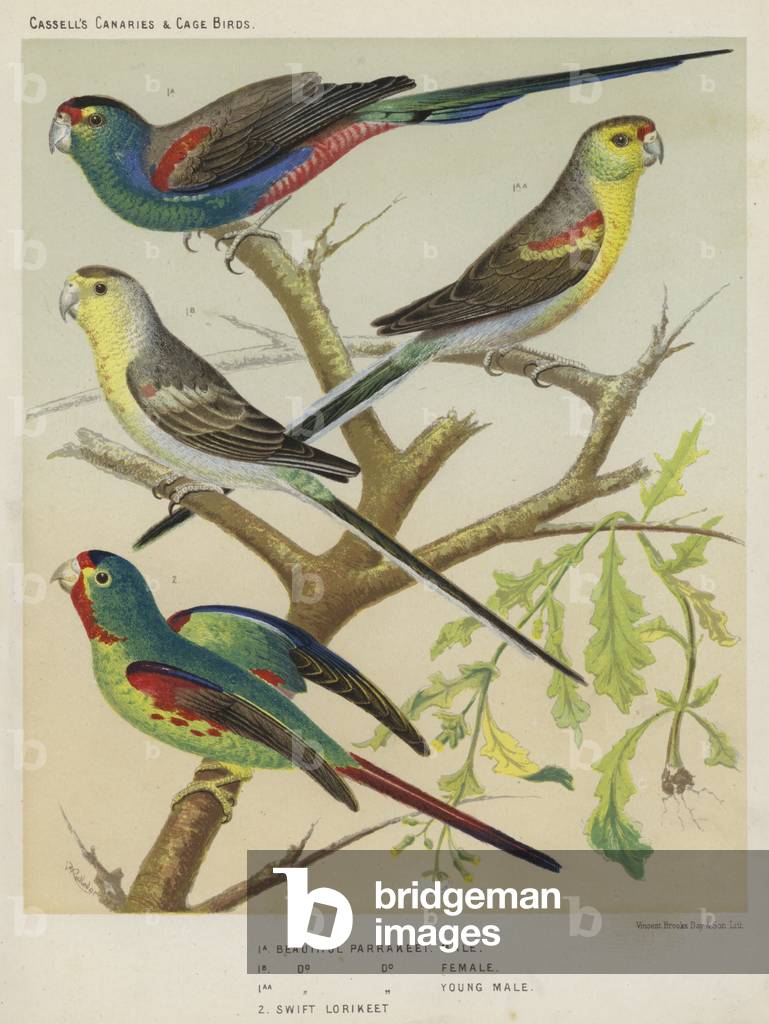
LLM5218196: Beautiful Parrakeet, Male, Female, Young Male, Swift Lorikeet (colour litho), European School, (19th century) / Bridgeman Images
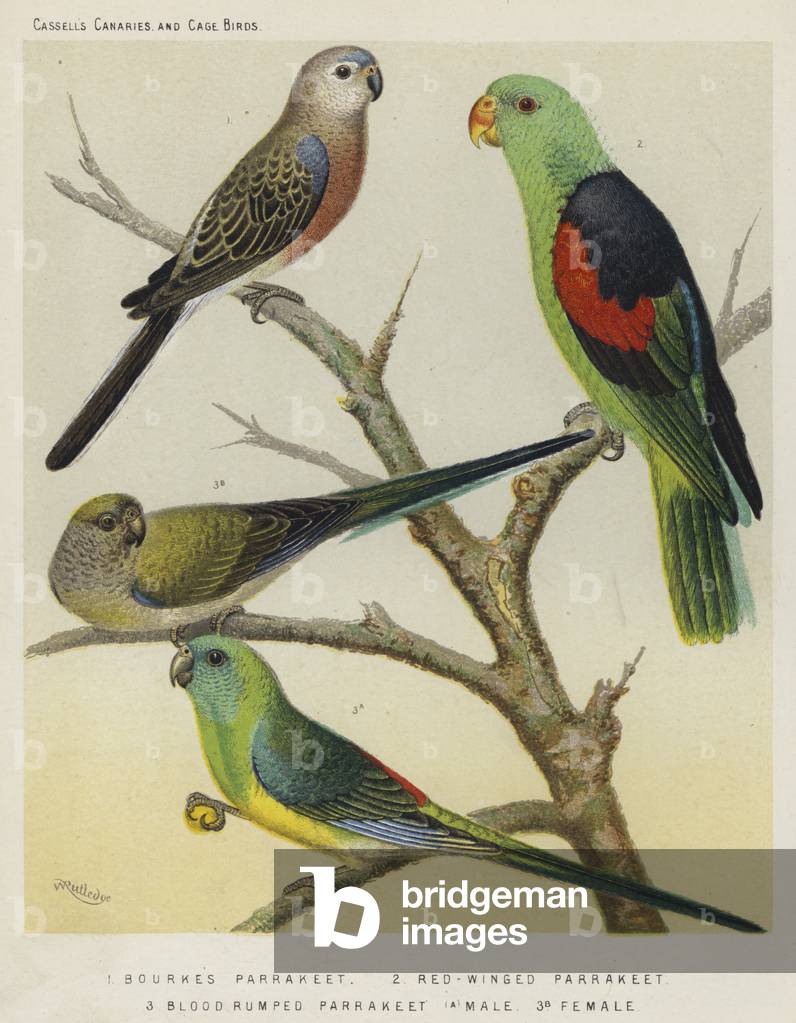
LLM5218198: Bourkes Parrakeet, Red-Winged Parrakeet, Blood Rumped Parrakeet, Male, Female (colour litho), European School, (19th century) / Bridgeman Images
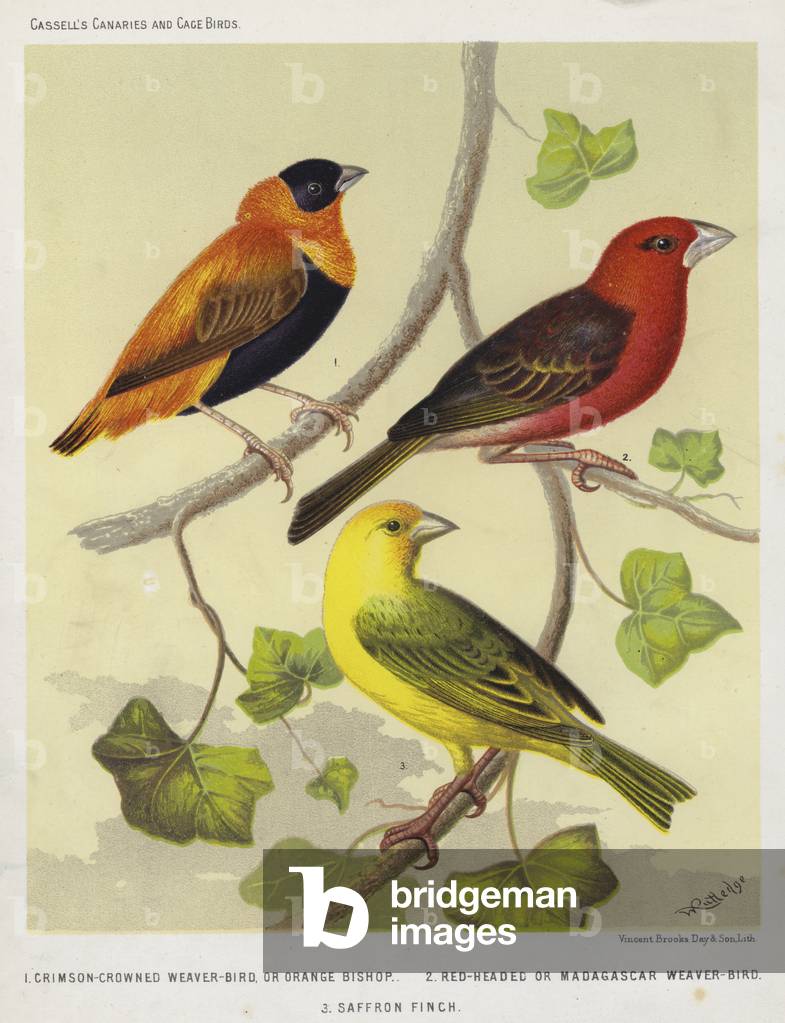
LLM5218204: Crimson-Crowned Weaver-Bird or Orange Bishop, Red-Headed or Madagascar Weaver-Bird, Saffron Finch (colour litho), European School, (19th century) / Bridgeman Images
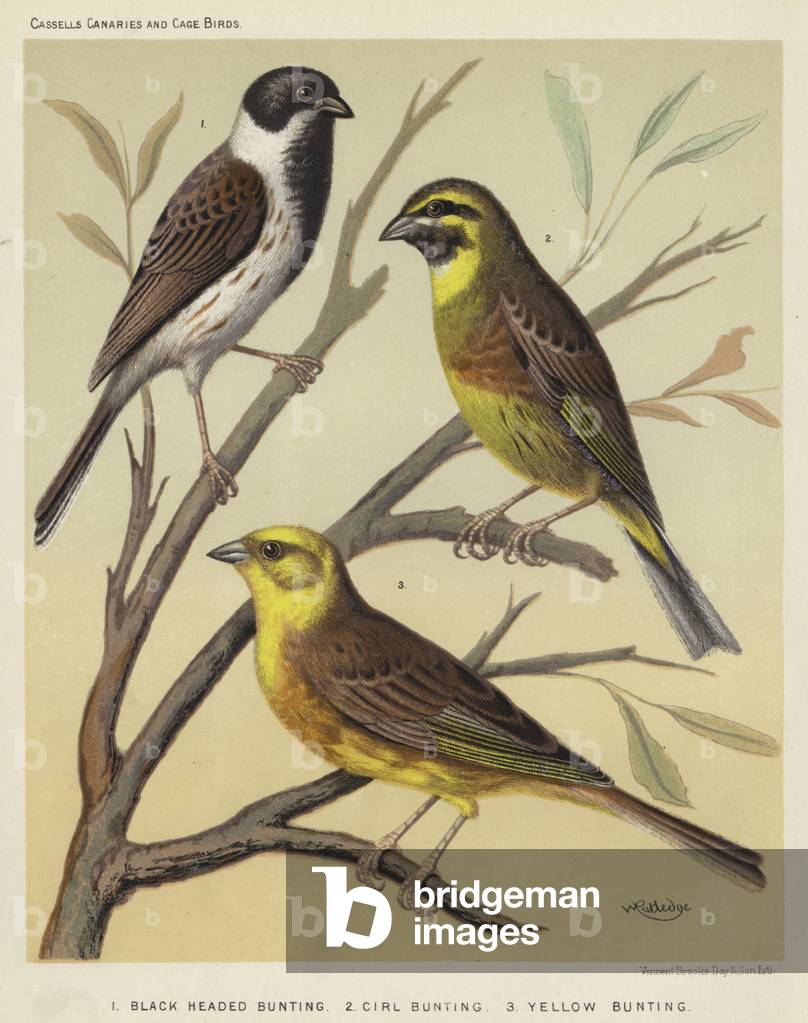
LLM5218218: Black Headed Bunting, Cirl Bunting, Yellow Bunting (colour litho), European School, (19th century) / Bridgeman Images
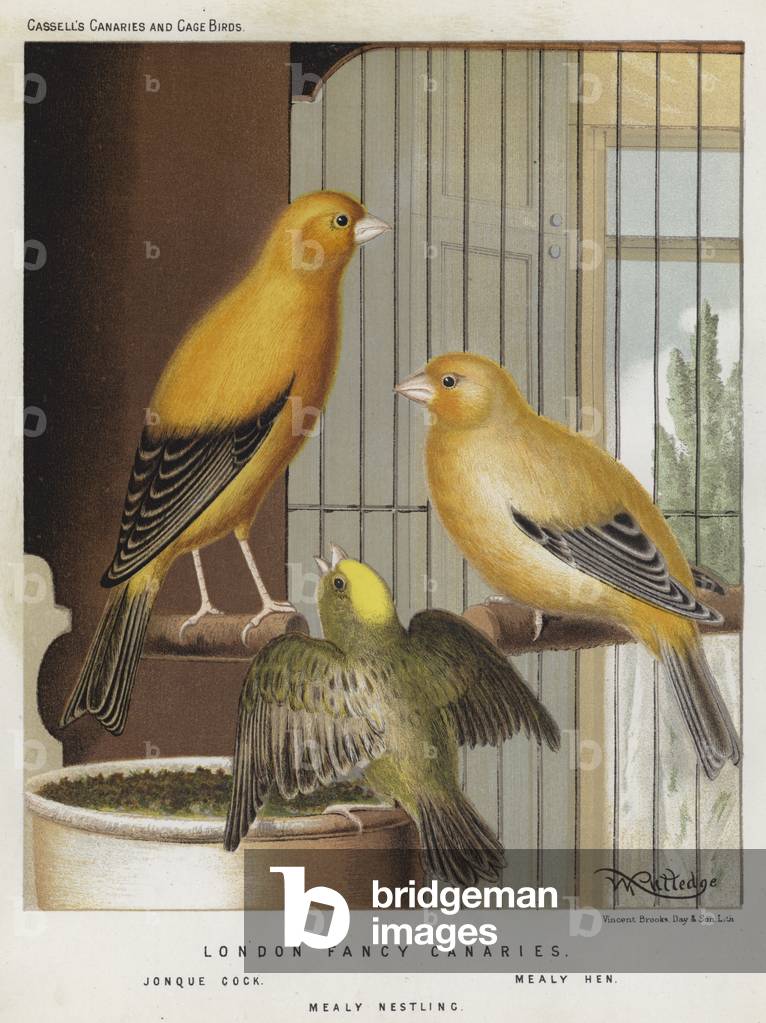
LLM5218234: London Fancy Canaries, Jonque Cock, Mealy Hen, Mealy Nestling (colour litho), European School, (19th century) / Bridgeman Images
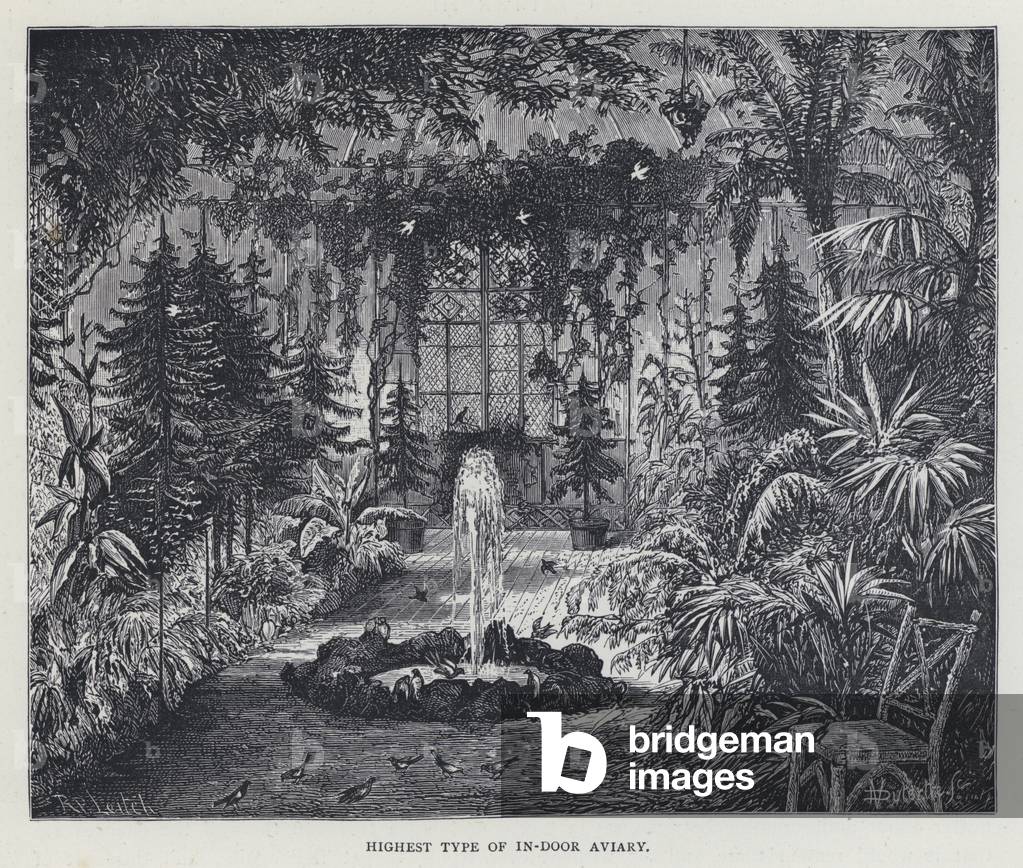
LLM5218243: Highest Type of In-door Aviary (colour litho), European School, (19th century) / Bridgeman Images
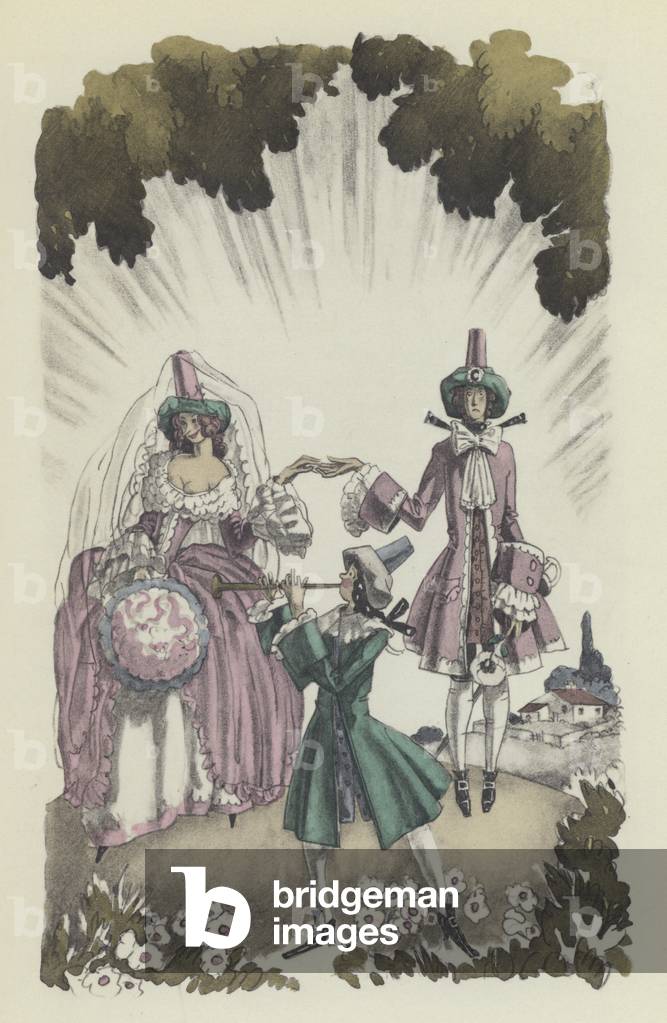
LLM5218265: Illustration for Voltaire's Candide (colour litho), Sauvage, Sylvain (1888-1948) / Bridgeman Images

LLM5993818: Illustration for Sir Walter Scott's The Talisman (colour litho), Vedder, Simon Harmon (1866-1937) (after) / Bridgeman Images
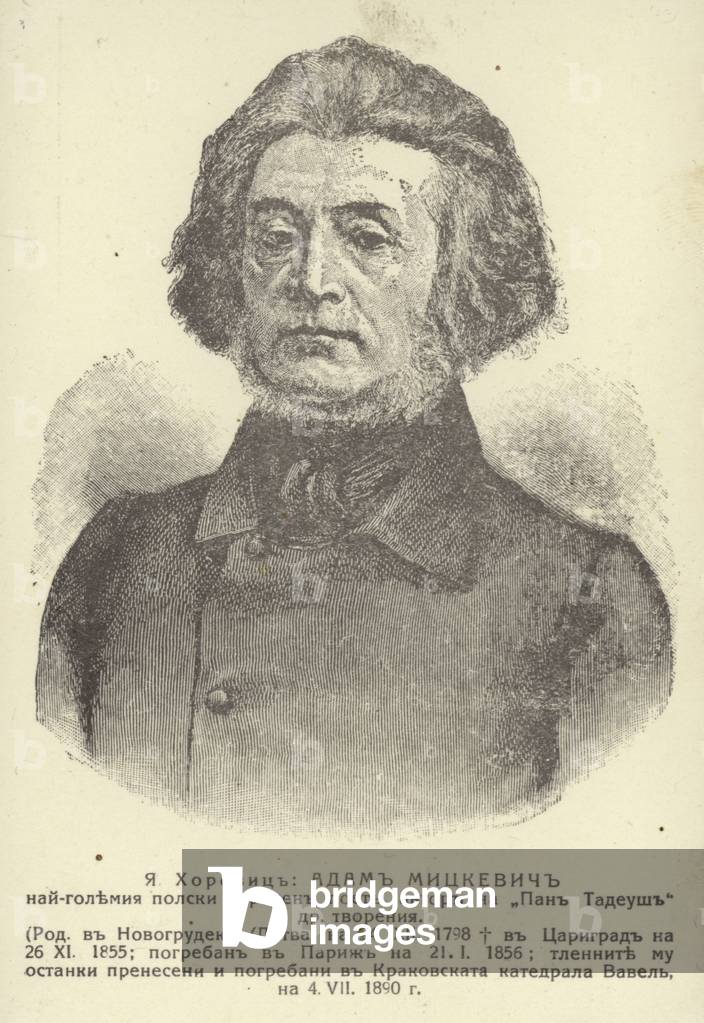
LLE5233916: Adam Mickiewicz, 19th Century Polish poet, dramatist and political activist (litho), Unknown Artist, (19th century) / Bridgeman Images

LLH5234083: Archer (chromolitho), French School, (19th century) / Bridgeman Images

LLH5234091: Memorial Day card, George Washington taking leave of his officers (colour litho), American School, (20th century) / Bridgeman Images

LLH5234101: Harvard University, Memorial Hall and Library (engraving), American School, (19th century) / Bridgeman Images

LLH5234144: Smith Brothers Patent Jacquard Loom, Prize Medal 1862 (engraving), English School, (19th century) / Bridgeman Images

LLH5234207: Comic cats, pressing books (colour litho), European School, (20th century) / Bridgeman Images

LLH5234263: Greek, Medicean vase, Sacrifice of Iphigenia (colour litho), English School, (19th century) / Bridgeman Images

LLH5234278: Christmas card (chromolitho), Dealy, Jane M. (fl.1880-d.1939) / Bridgeman Images

LLH5234284: Middle Ages, Byzantine, Decoration from various churches and convents, 12th and 13th century (colour litho), English School, (19th century) / Bridgeman Images

LLH5234312: Mama's Flower Girl (engraving), Eddis, Eden Upton (1812-1901) (after) / Bridgeman Images
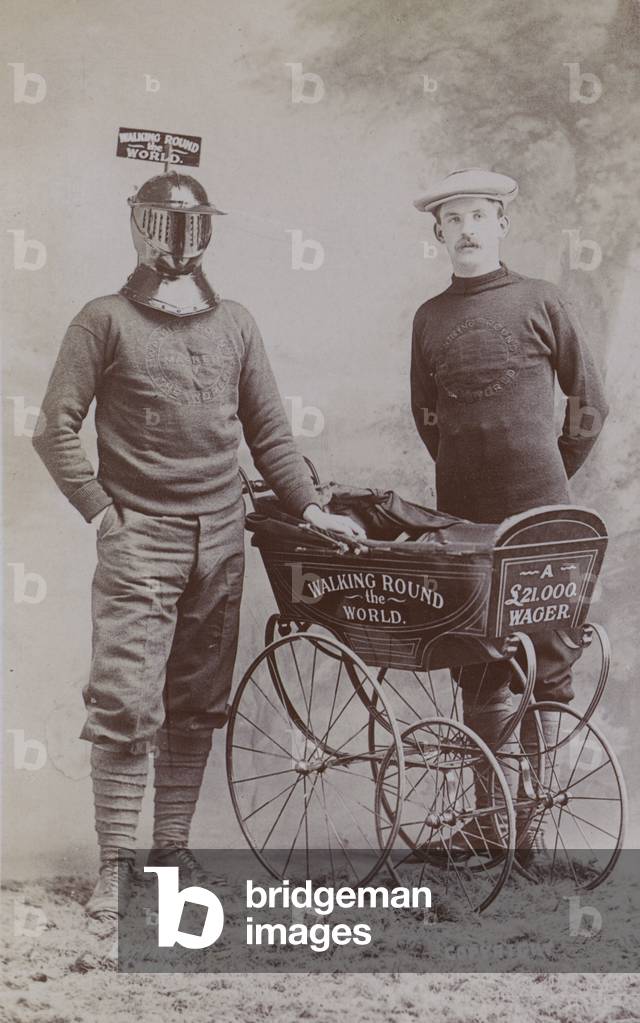
LLH5234353: Harry Bensley (left), English adventurer who accepted a challenge to walk around the world incognito with a pram for a £21,000 bet between John Pierpoint Morgan and Hugh Cecil Lowther, 5th Earl of Lonsdale (b/w photo), English Photographer, (20th century) / Bridgeman Images

LLH5234520: A veteran of the US Civil War honours the dead on Decoration Day (Memorial Day). (chromolitho), American School, (20th century) / Bridgeman Images
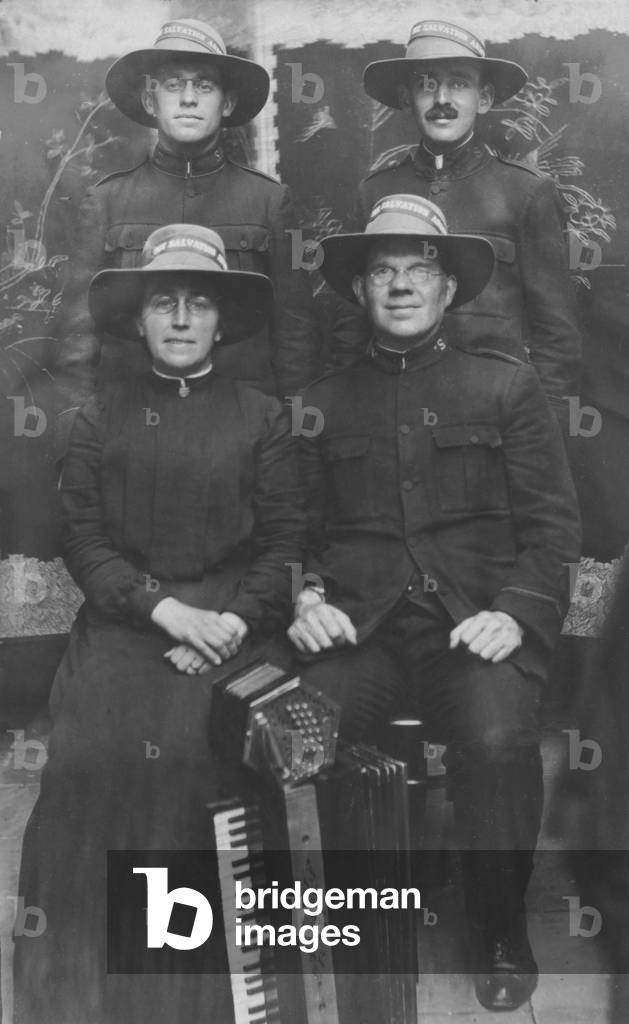
LLH5234537: A group of musicians from the Salvation Army. (b/w photo), English Photographer, (20th century) / Bridgeman Images
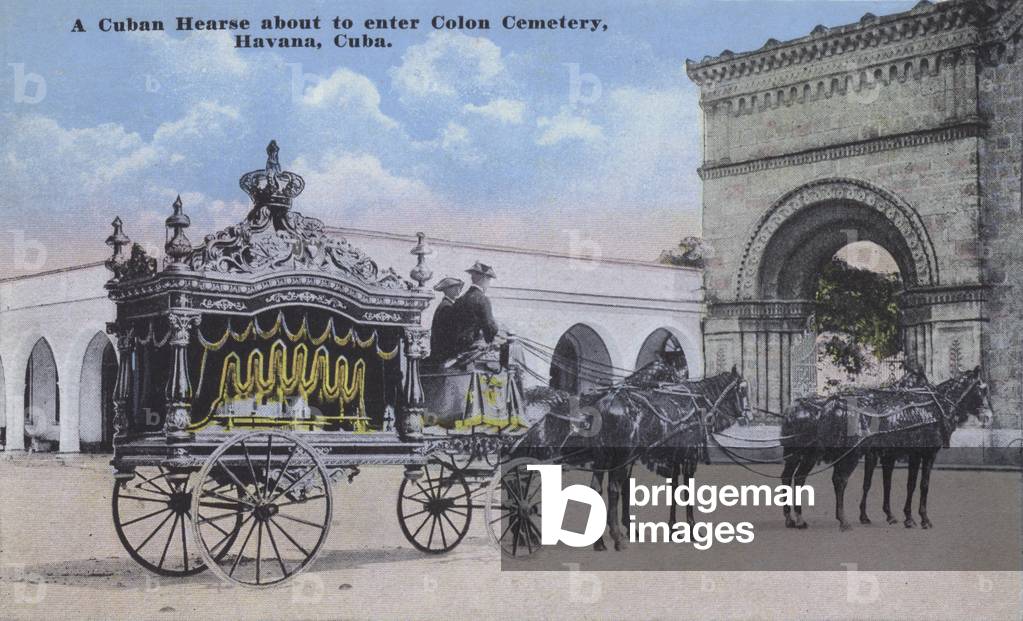
LLH5234567: Cuban hearse about to enter Colon Cemetery, Havana, Cuba (coloured photo), American Photographer, (20th century) / Bridgeman Images

LLH5234600: Their new love: married couple with their newborn baby (colour litho), American School, (20th century) / Bridgeman Images

LLM5227942: Costume Feminin Mondial (colour litho), French School, (20th century) / Bridgeman Images
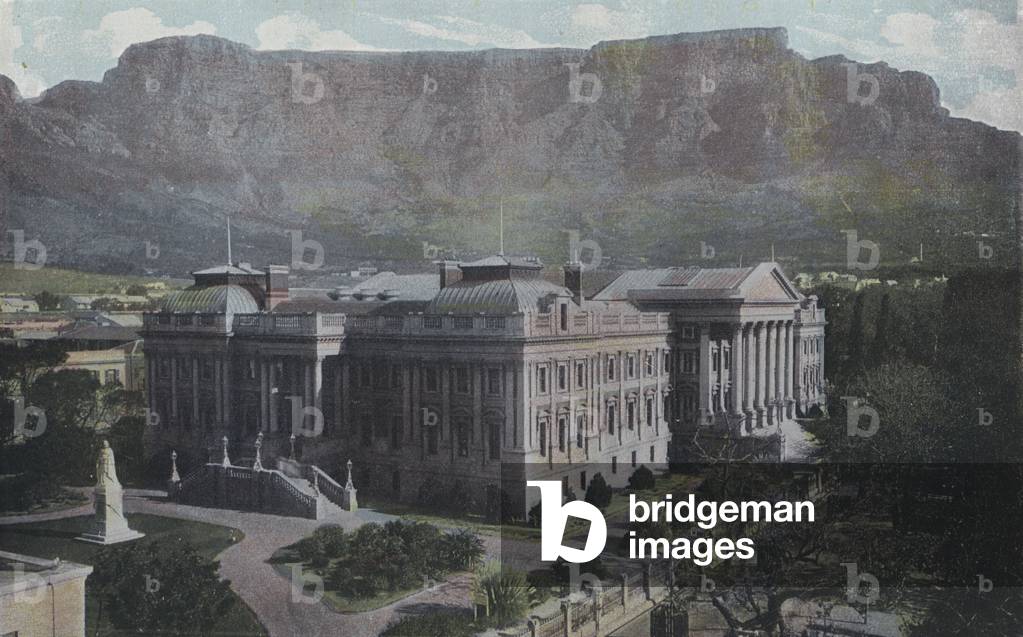
LLM5213861: Table Mountain and Parliament House, Cape Town (coloured photo), English Photographer, (20th century) / Bridgeman Images
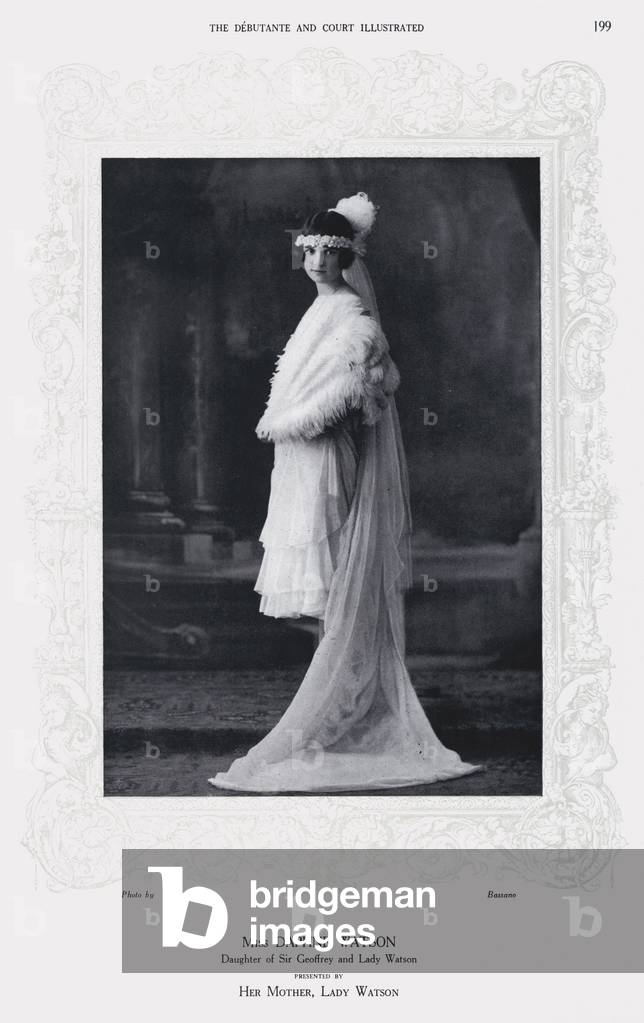
LLM5213903: Miss Daphne Watson, Daughter of Sir Geoffrey and Lady Watson, presented by Her Mother, Lady Watson (b/w photo), English Photographer, (20th century) / Bridgeman Images
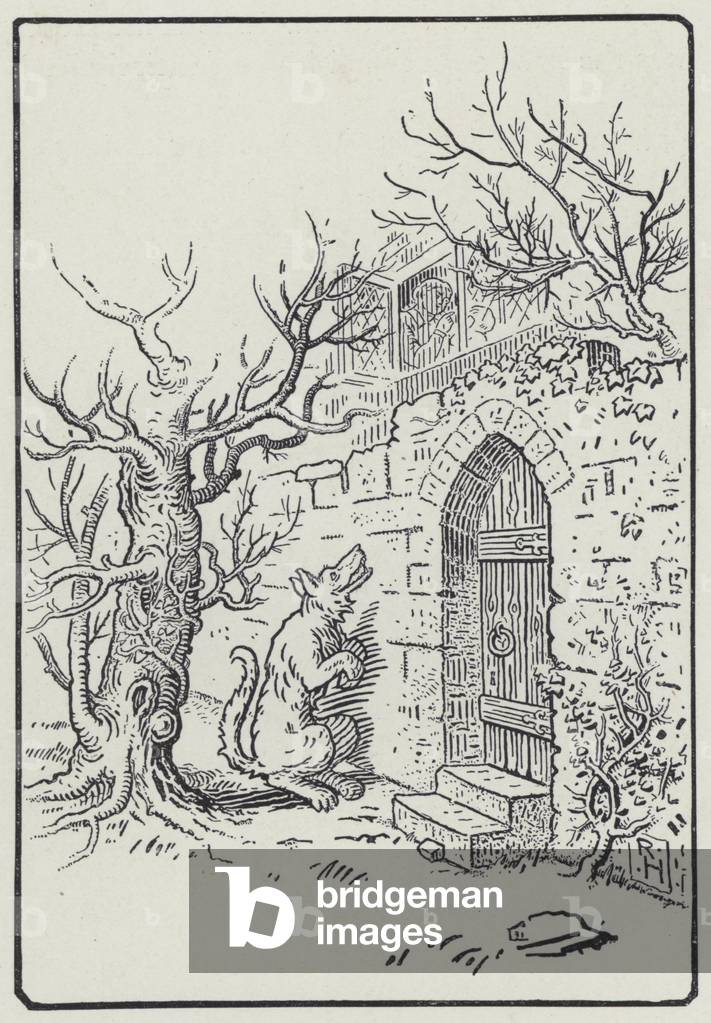
LLM5214061: The Nurse And The Wolf (engraving), Heighway, Richard (1832-1917) / Bridgeman Images
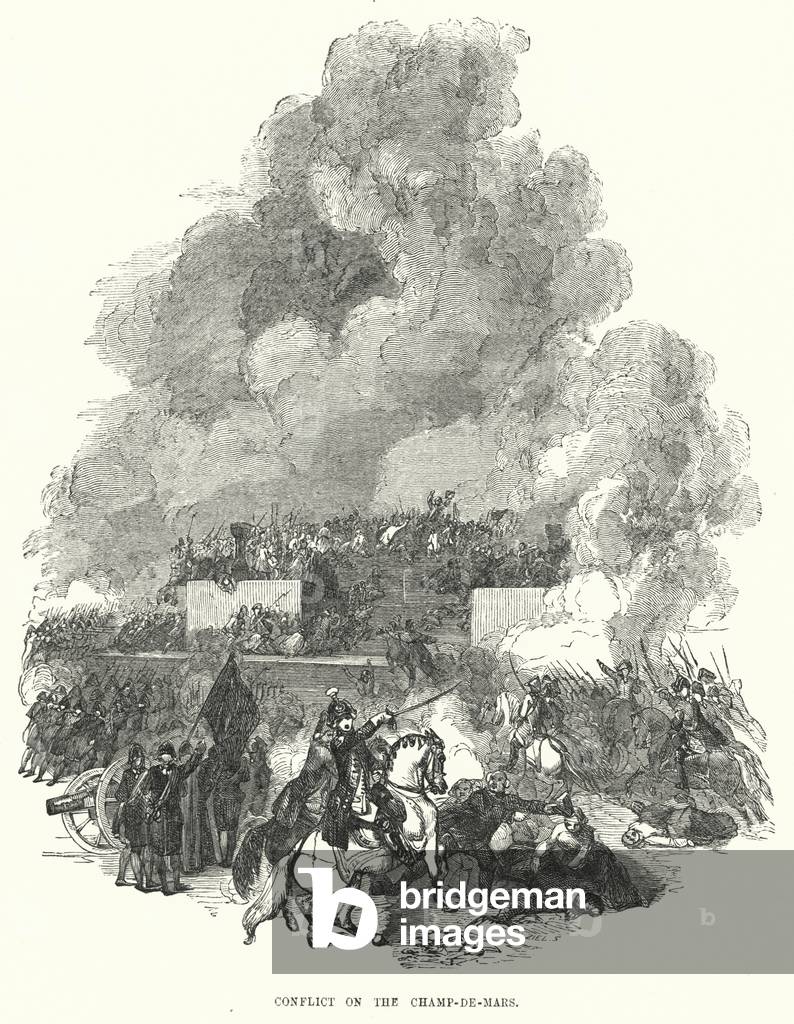
LLM5214093: Conflict on the Champ-de-Mars (engraving), European School, (19th century) / Bridgeman Images

LLM5228283: Helices ascensionnelles du Dr Van Hecke, permettant a l'aerostat de monter et de descendre sans perdre de lest ni de gaz (engraving), French School, (19th century) / Bridgeman Images
