2491632 Search Results
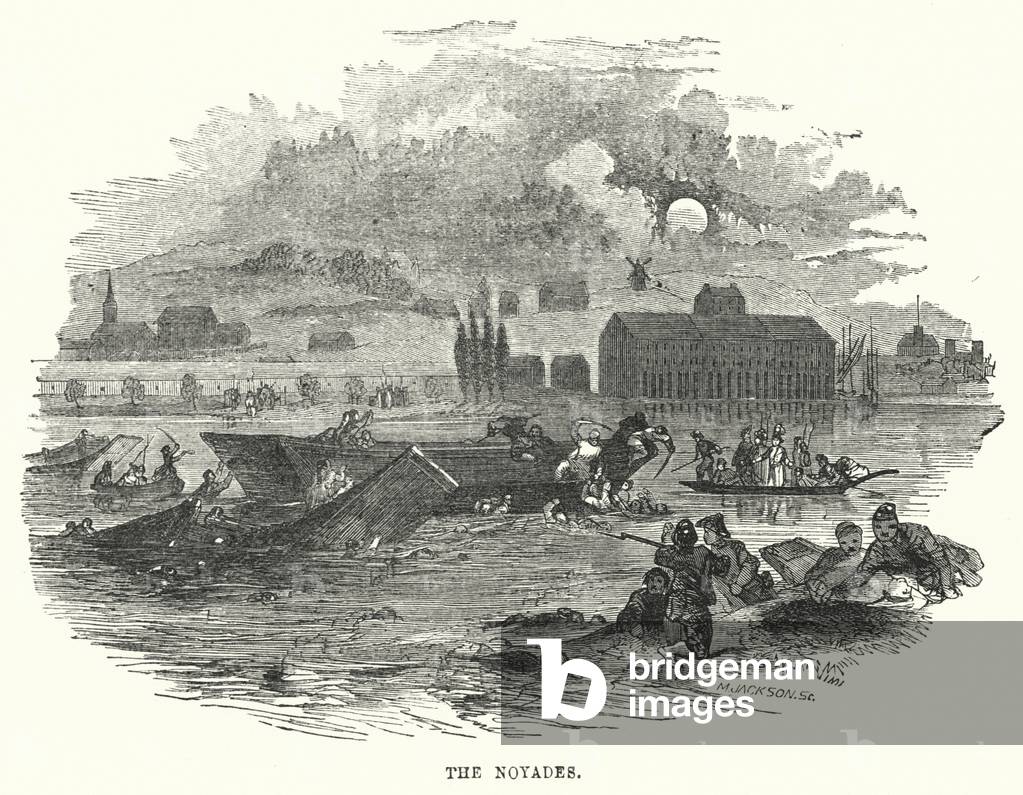
LLM5214102: The Noyades (engraving), European School, (19th century) / Bridgeman Images
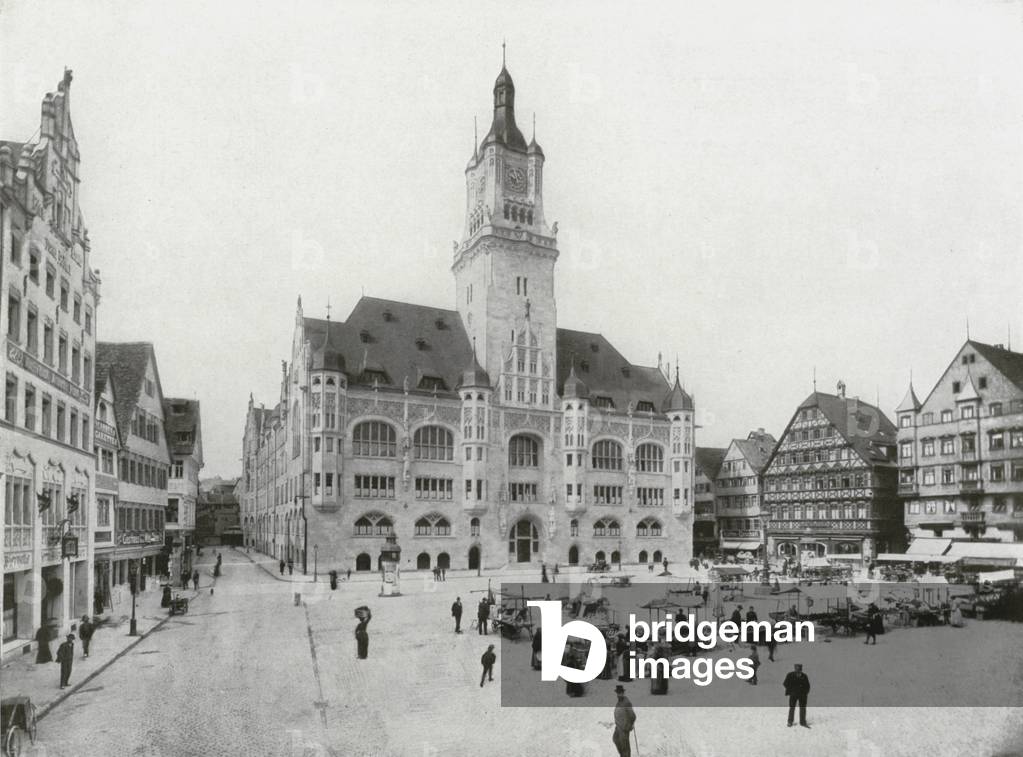
LLM5214146: Stuttgart, Der Marktplatz mit Rathaus (b/w photo), German Photographer, (19th century) / Bridgeman Images
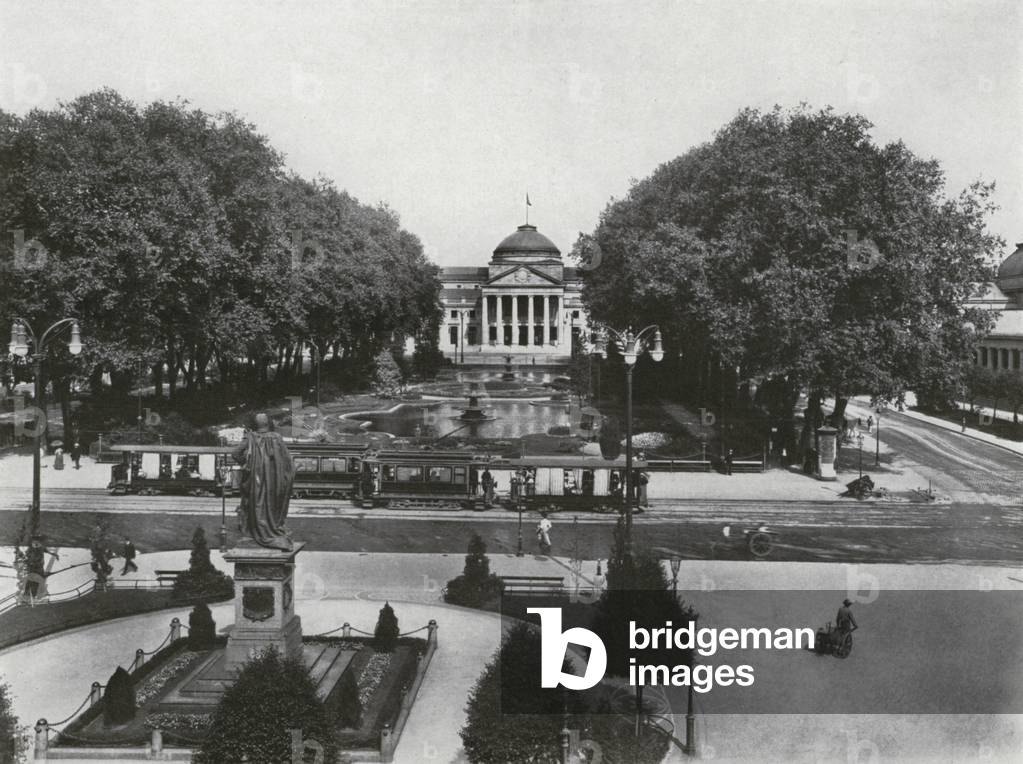
LLM5214160: Wiesbaden, Neues Kurhaus (b/w photo), German Photographer, (19th century) / Bridgeman Images
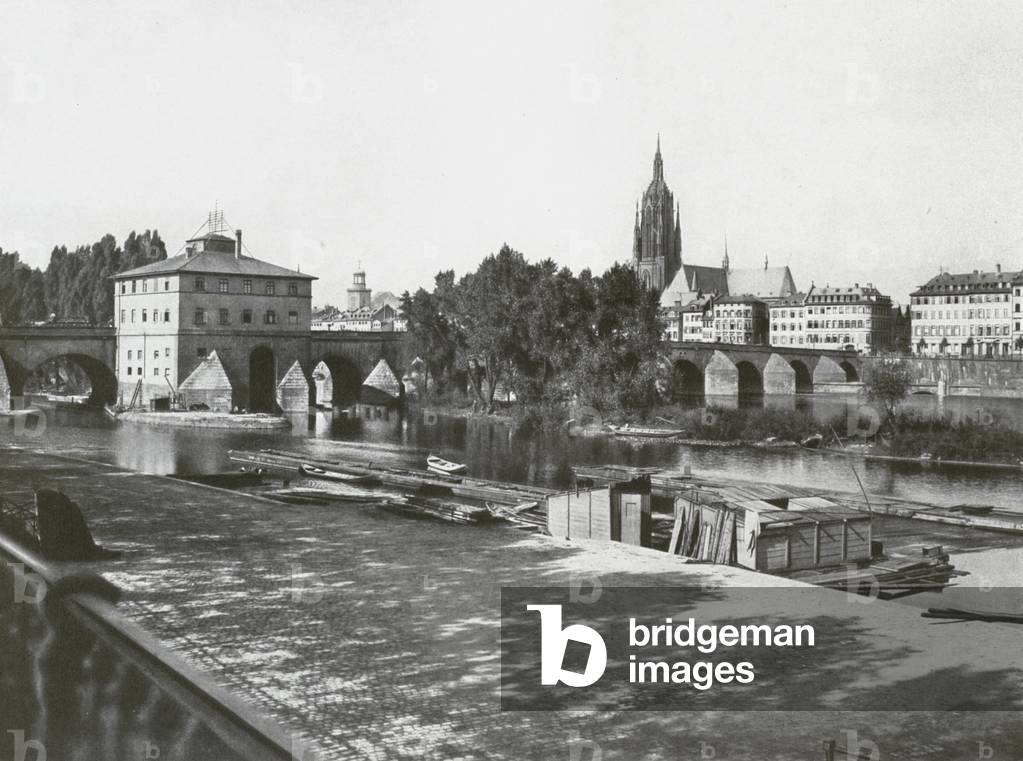
LLM5214175: Frankfurt a M, Alte Brucke (b/w photo), German Photographer, (19th century) / Bridgeman Images
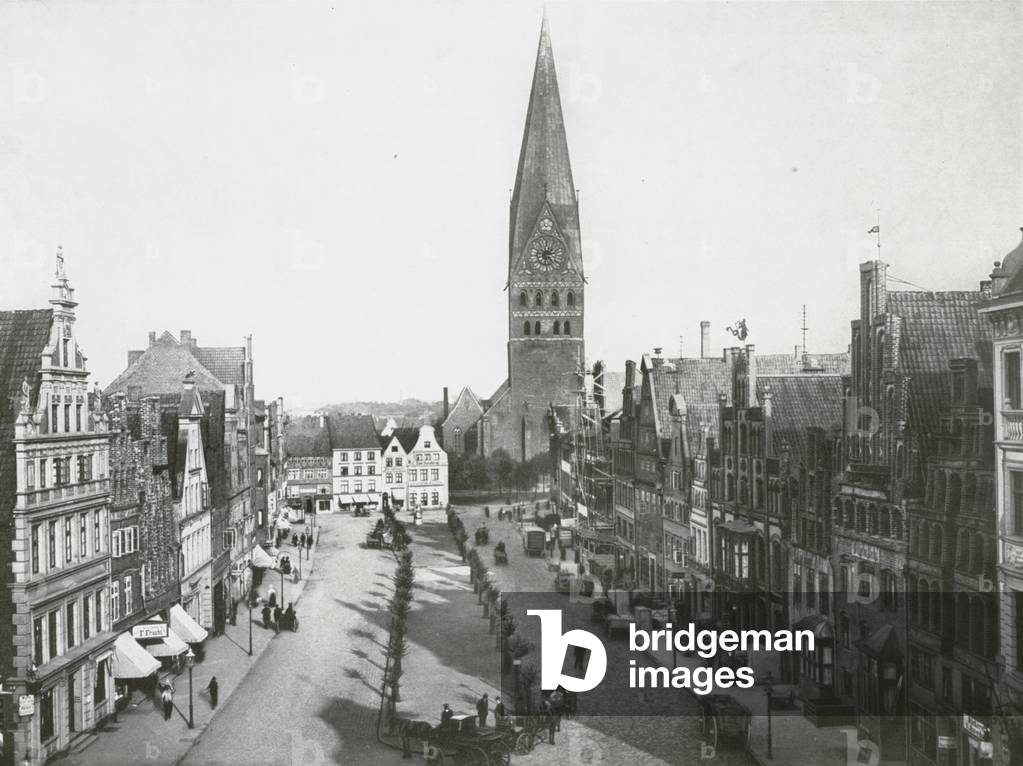
LLM5214184: Luneburg, am Sande (b/w photo), German Photographer, (19th century) / Bridgeman Images
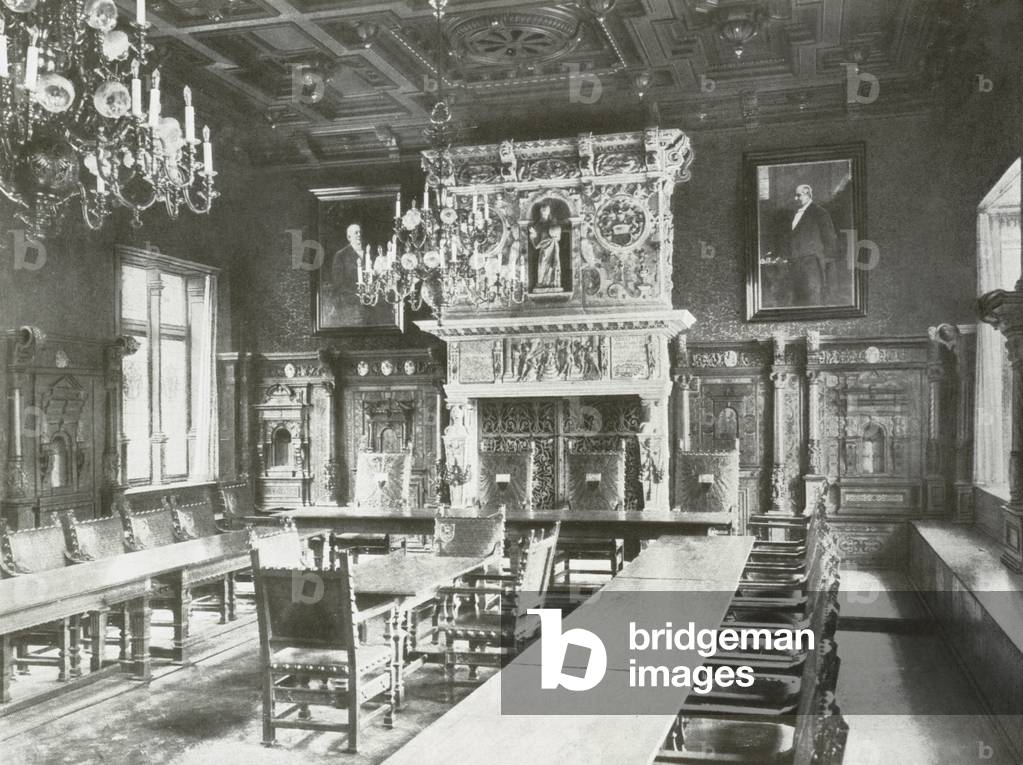
LLM5214191: Lubeck, Rathaus, Kriegsstube (b/w photo), German Photographer, (19th century) / Bridgeman Images
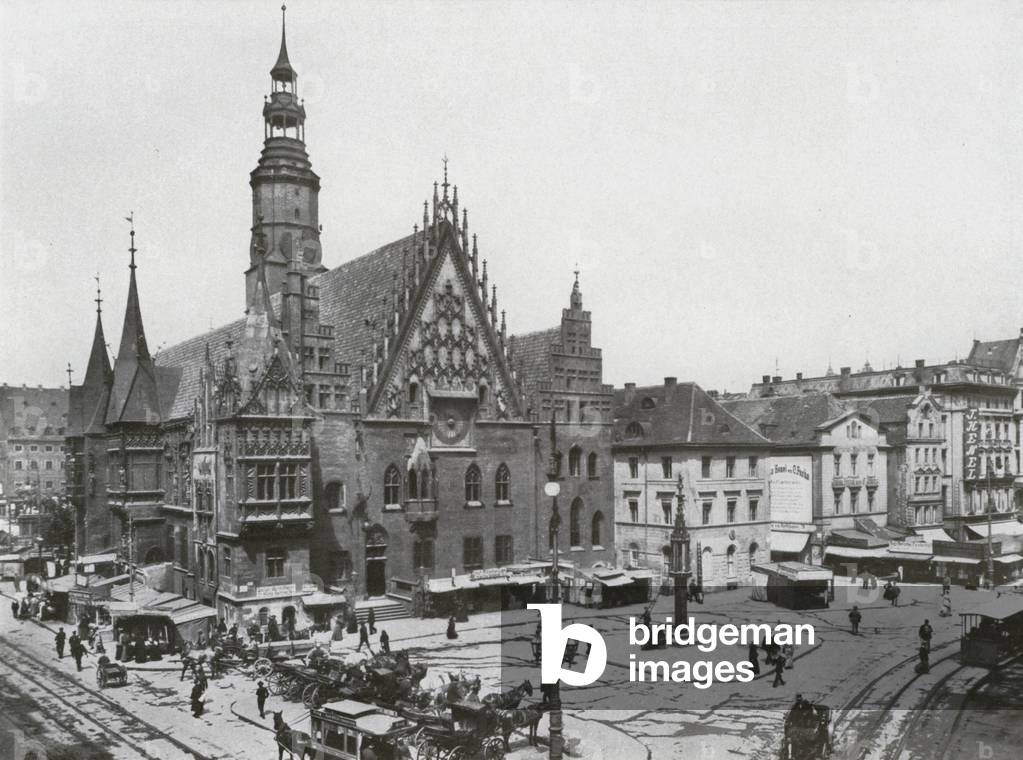
LLM5214199: Breslau, Rathaus (b/w photo), German Photographer, (19th century) / Bridgeman Images

LLM5214218: Berlin, Reichstagsgebaude mit Bismarckdenkmal (b/w photo), German Photographer, (19th century) / Bridgeman Images
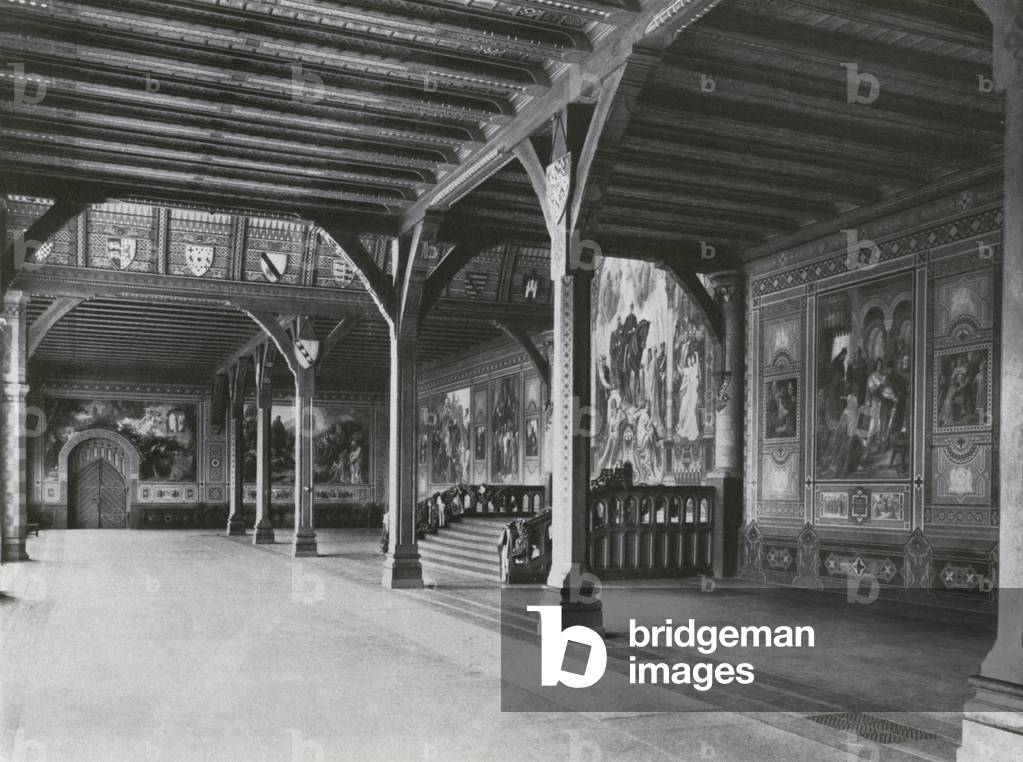
LLM5214235: Goslar i H, Kaiserhaus, Reichssaal (b/w photo), German Photographer, (19th century) / Bridgeman Images
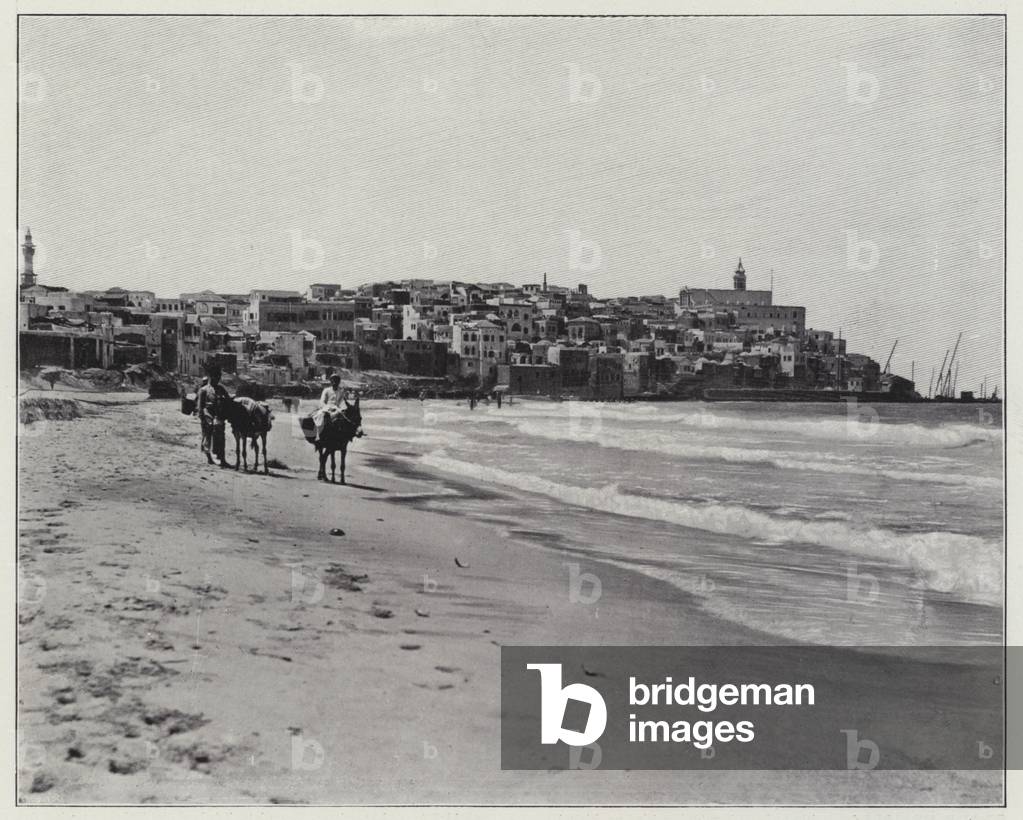
LLM5214265: Jaffa, Panoramic view (b/w photo), European Photographer, (19th century) / Bridgeman Images
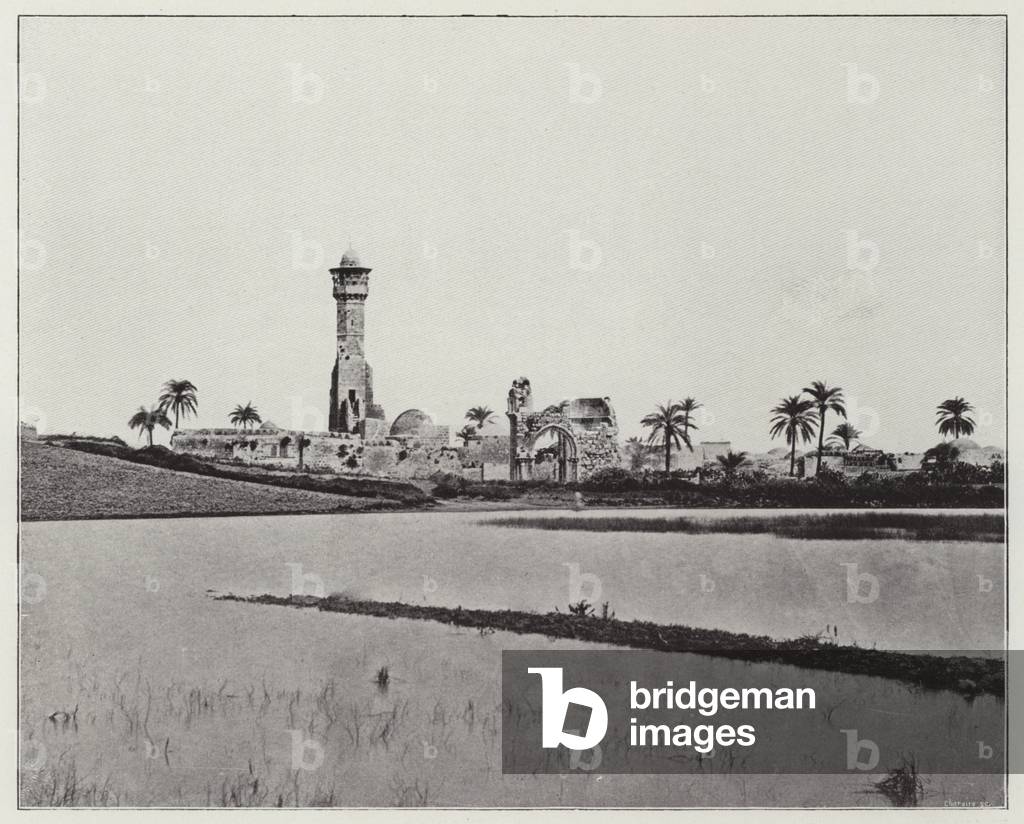
LLM5214272: Lydda, Church of Saint-George (b/w photo), European Photographer, (19th century) / Bridgeman Images
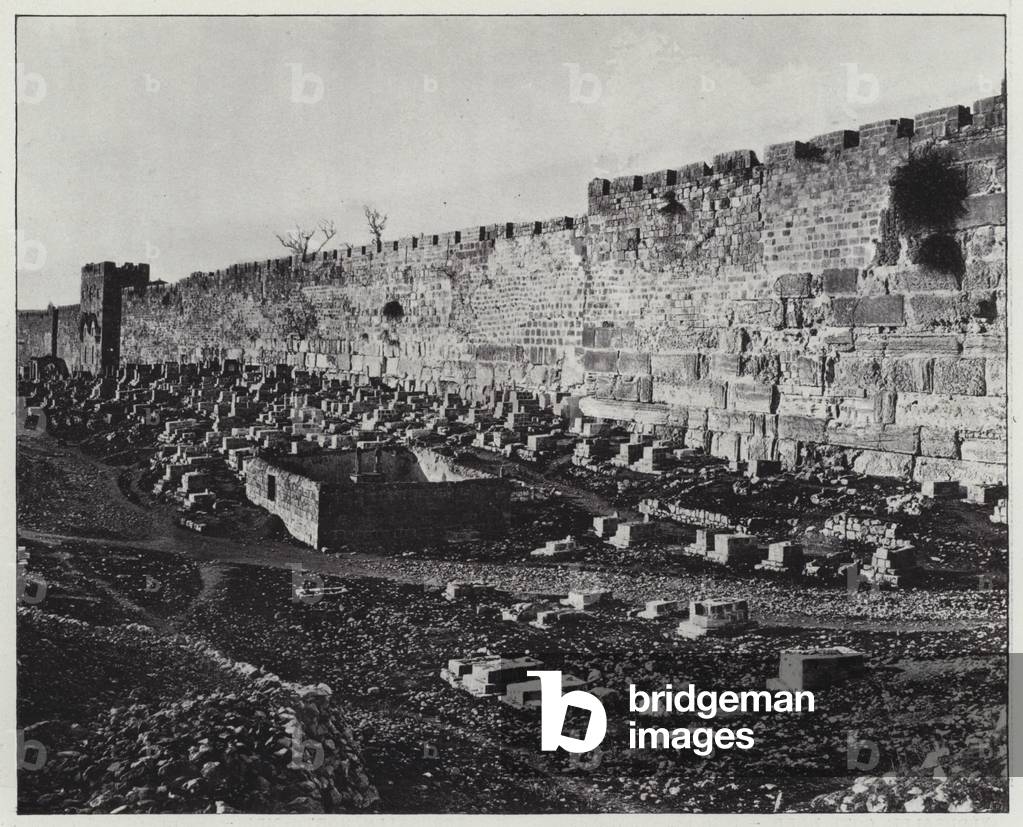
LLM5214296: Jerusalem, Walls, Eastern-Side (b/w photo), European Photographer, (19th century) / Bridgeman Images
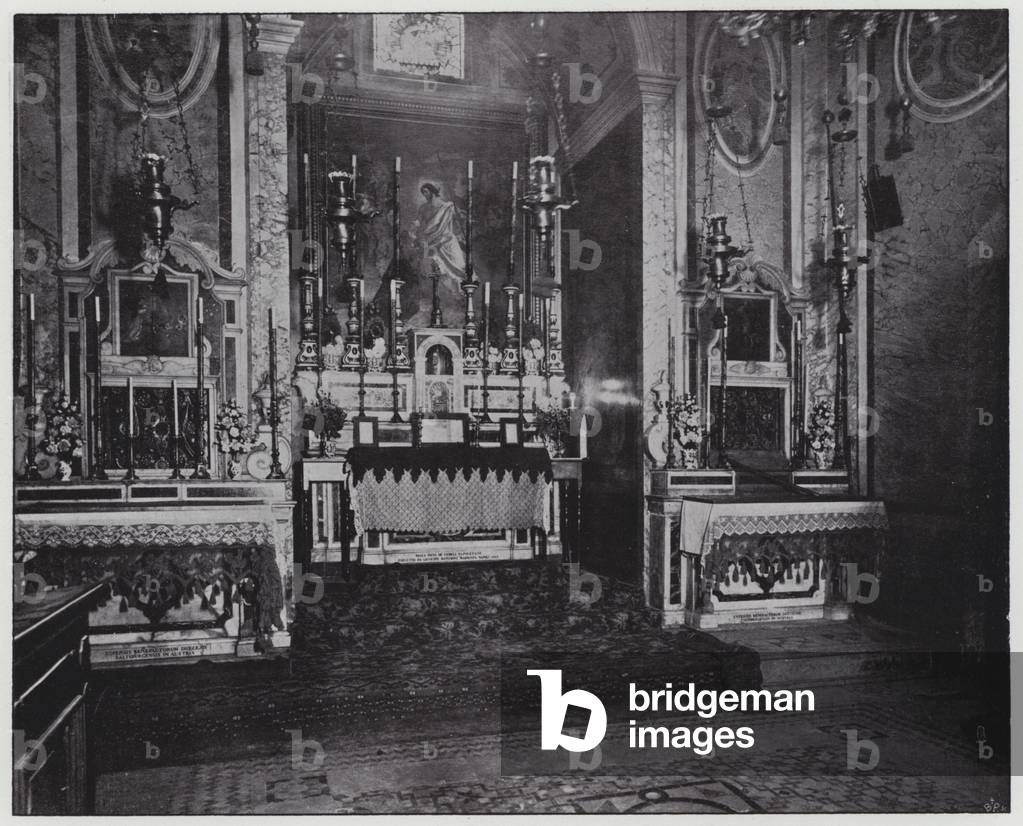
LLM5214329: Jerusalem, the Holy Sepulchre, Chapel of the Latin convent (b/w photo), European Photographer, (19th century) / Bridgeman Images
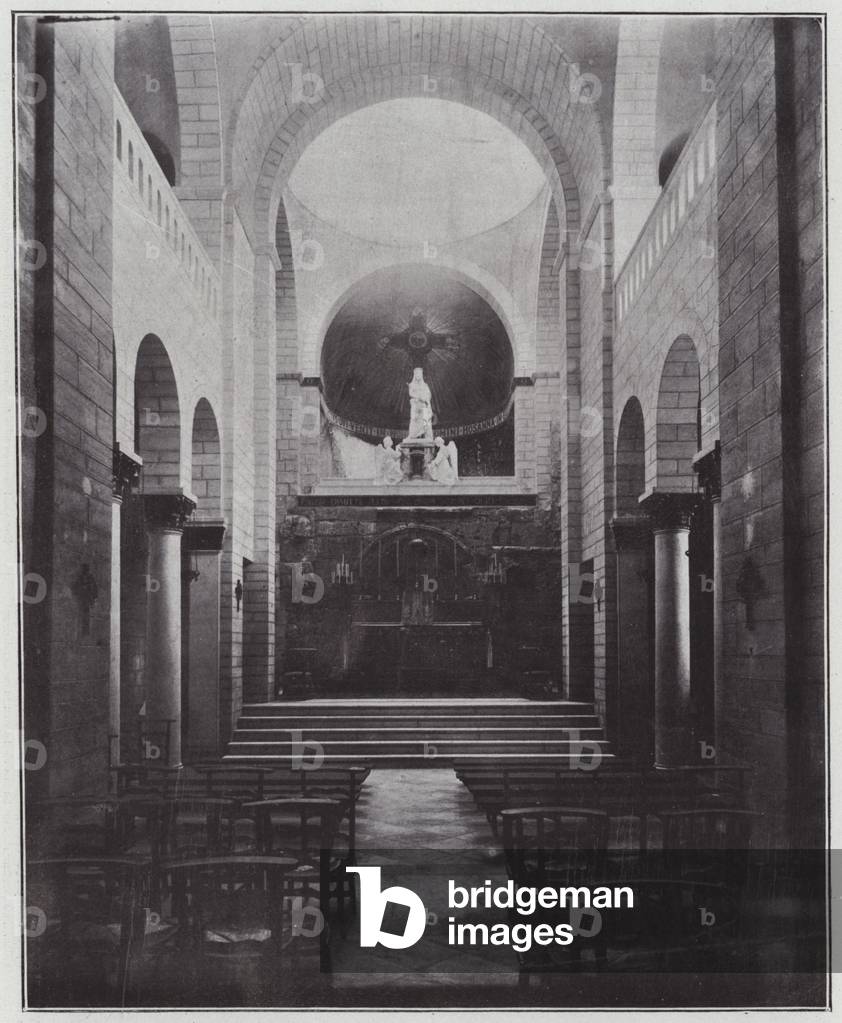
LLM5214336: Jerusalem, Chapel of the Ecce Homo (b/w photo), European Photographer, (19th century) / Bridgeman Images
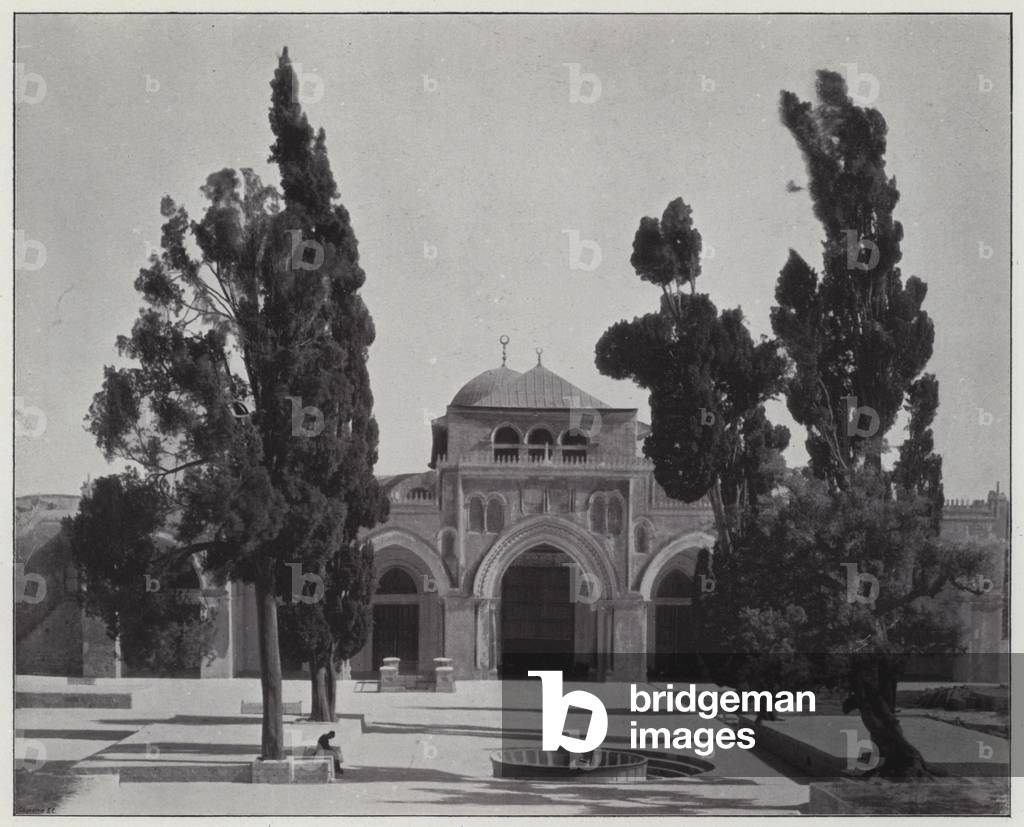
LLM5214362: Jerusalem, the mosque of El-Aksa, exterior view (b/w photo), European Photographer, (19th century) / Bridgeman Images

LLM5228173: Costume Feminin Mondial (colour litho), French School, (20th century) / Bridgeman Images

LLM5228181: Knife, Spoon, and Fork, from the collection in the Louvre, of the sixteenth century (engraving), English School, (19th century) / Bridgeman Images

LLM5228213: Croquis de Leonard de Vinci (engraving), French School, (19th century) / Bridgeman Images

LLM5228236: Traversee de Paris en ballon par Pilatre de Rozier et le marquis d'Arlandes, le 21 novembre 1783 (engraving), French School, (19th century) / Bridgeman Images

LLM5988938: The Alms-Deeds of Dorcas (engraving), Dobson, William Charles Thomas (1817-98) (after) / Bridgeman Images
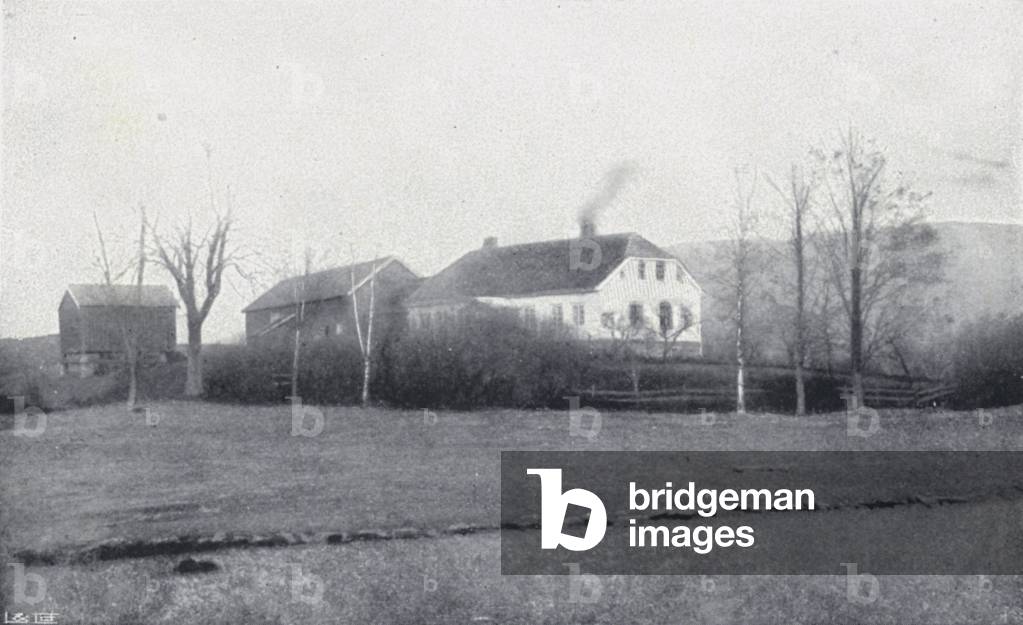
LLM5989069: The Ibsen Home, near Skien, Norway, where the Dramatist was reared (b/w photo), English Photographer, (19th century) / Bridgeman Images

LLM5228470: Essais sur la Seine de l'aeroplane de M Archdeacon (engraving), French School, (19th century) / Bridgeman Images
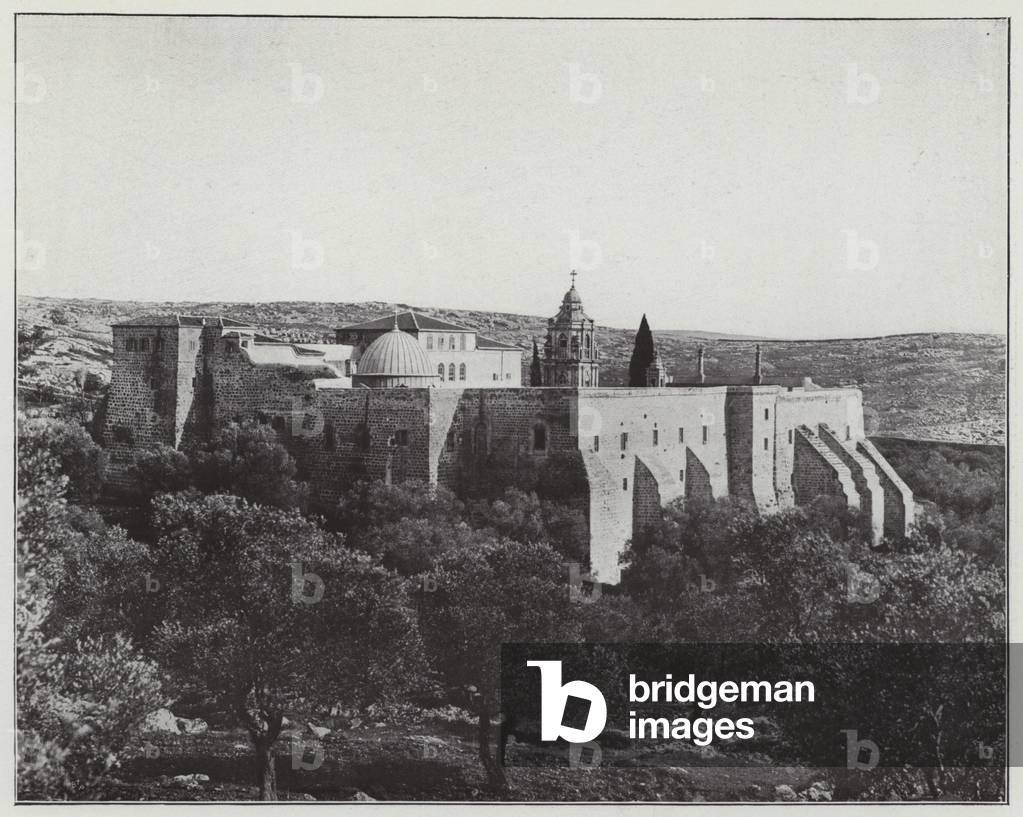
LLM5214437: Suburbs of Jerusalem, Sainte-Croix, Orthodox Greek Seminary (b/w photo), European Photographer, (19th century) / Bridgeman Images
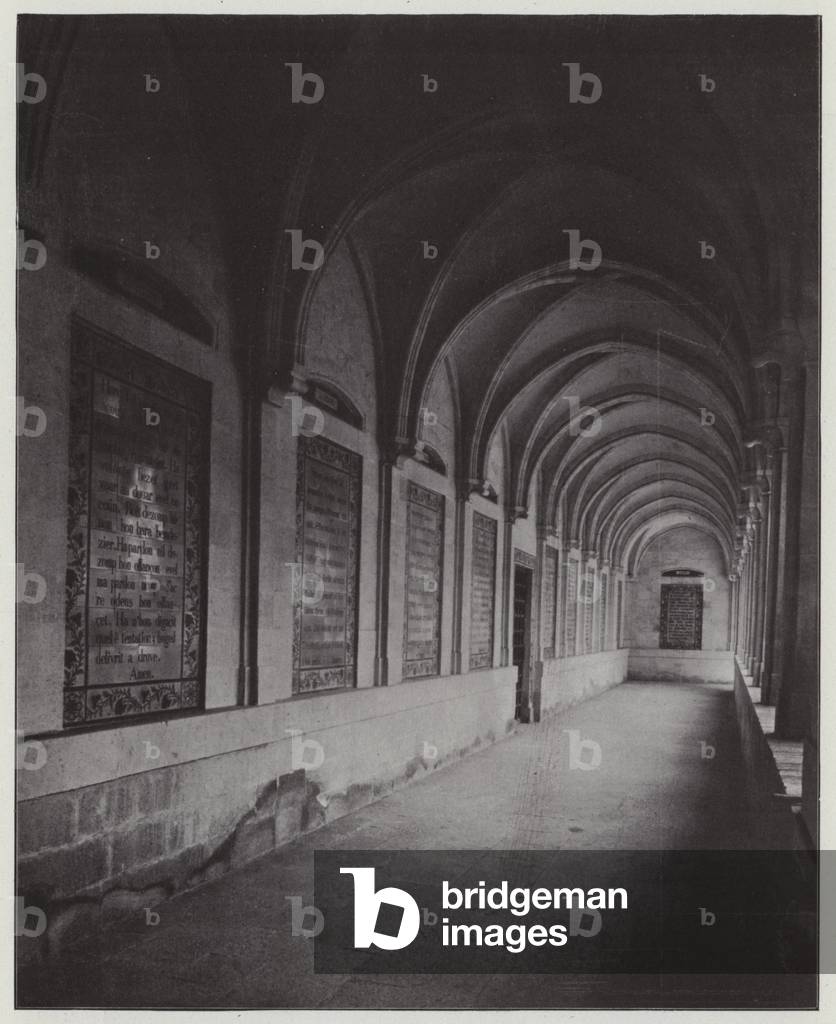
LLM5214448: Mount of Olives, Carmel of the Pater, the 32 tables of the Pater (b/w photo), European Photographer, (19th century) / Bridgeman Images

LLM5214461: Bethlehem, General view (b/w photo), European Photographer, (19th century) / Bridgeman Images

LLM5214466: Bethlehem, the Market (b/w photo), European Photographer, (19th century) / Bridgeman Images

LLM5214493: Saint-Sabas, Grottoes cut in the rock (b/w photo), European Photographer, (19th century) / Bridgeman Images

LLM5214500: Jericho, the village (b/w photo), European Photographer, (19th century) / Bridgeman Images
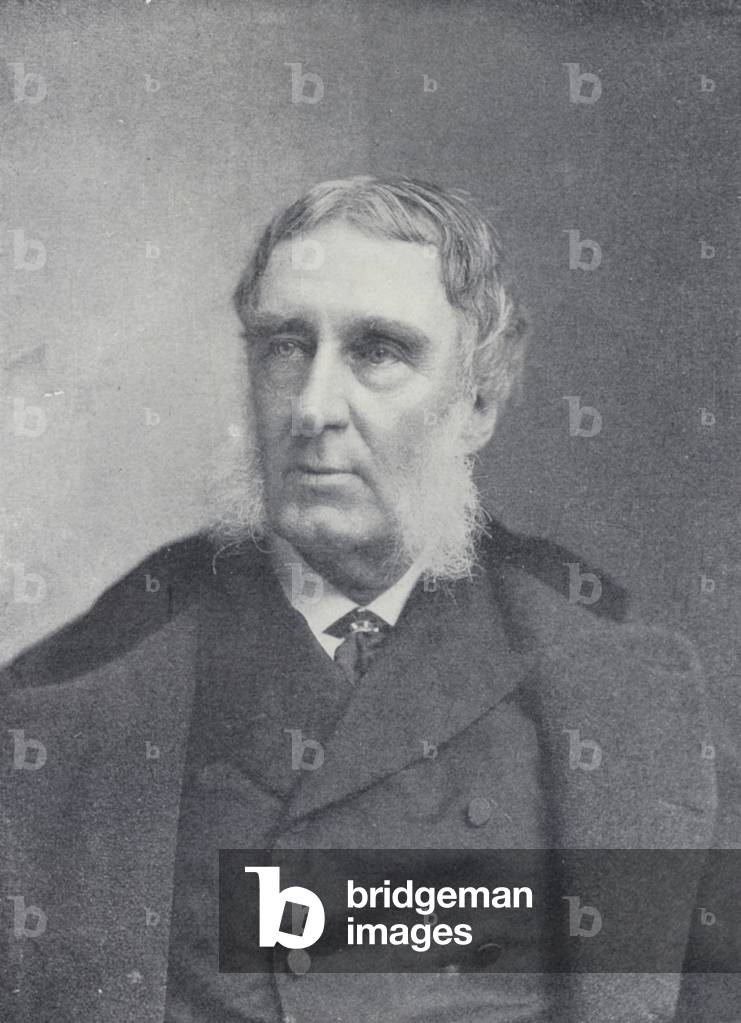
LLM5989150: George William Curtis (b/w photo), English Photographer, (19th century) / Bridgeman Images

LLM5214508: Jericho, Woman selling milk (b/w photo), European Photographer, (19th century) / Bridgeman Images
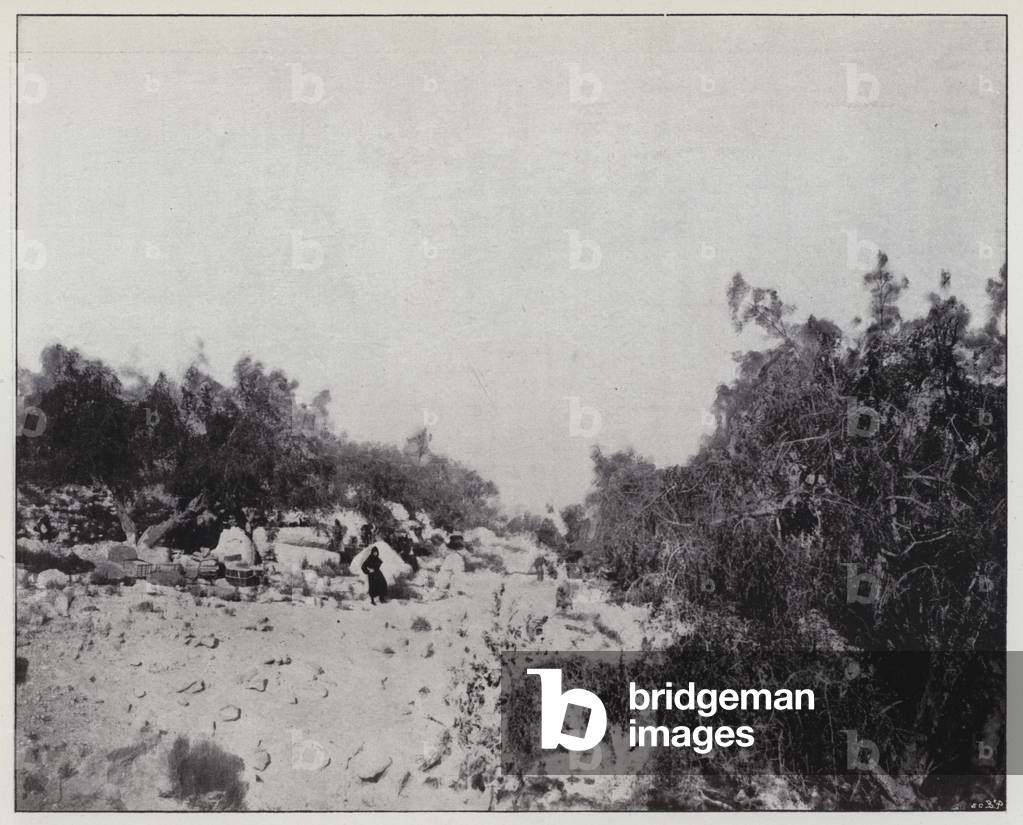
LLM5214533: Engaddi, the oasis (b/w photo), European Photographer, (19th century) / Bridgeman Images

LLM5214546: Palestinian types, Scene of labour (b/w photo), European Photographer, (19th century) / Bridgeman Images

LLM5989315: Alexandre Dumas fils (litho), French School, (19th century) / Bridgeman Images
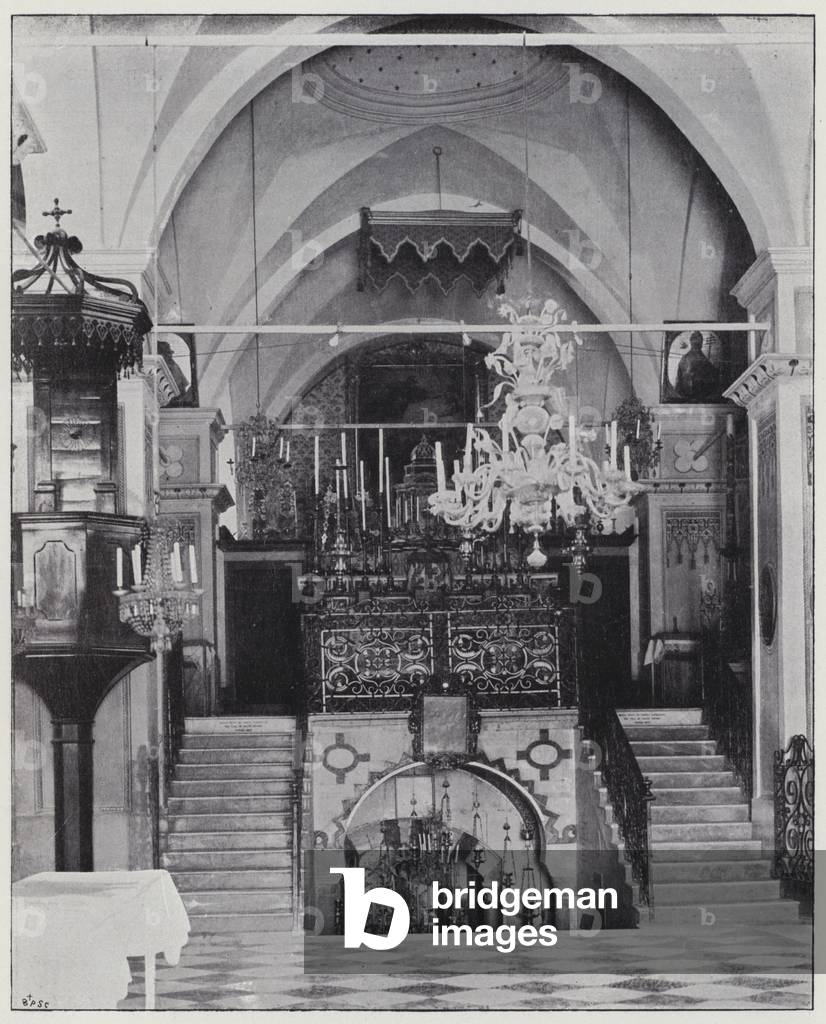
LLM5214591: Nazareth, Church of Annunciation, interior (b/w photo), European Photographer, (19th century) / Bridgeman Images

LLM5989367: Illustration for Great Expectations by Charles Dickens (litho), Furniss, Harry (1854-1925) / Bridgeman Images

LLM5214615: Magdala (b/w photo), European Photographer, (19th century) / Bridgeman Images
