2491632 Search Results

XYC284247: 'From Camberwell to Highgate...', plate 47 from 'Jerusalem', 1804-20 (relief etching in orange, with pen, w/c & gold), Blake, William (1757-1827) / Bridgeman Images

AGN284327: Ruggiero seeks Angelica who has made herself invisible (pen & ink, chalk and wash on paper), Fragonard, Jean-Honore (1732-1806) / Bridgeman Images

FIT282583: Ostracon decorated with a sketch of a woman kneeling in front of a snake goddess, possibly from Deir el-Medina, 19th-20th Dynasty, 1200-1153 BC (painted limestone) (see also 76554), Egyptian, New Kingdom (c.1567-1085 BC) / Bridgeman Images

FIT282751: Iwai Kumesaburo II as Agemaki in Sukeroku yukari no Edo zakura c.1830 (coloured woodblock print), Kunisada, Utagawa (Toyokuni III) (1786-1865) / Bridgeman Images

FIT282893: Head of Job (graphite on paper), Blake, William (1757-1827) / Bridgeman Images

FIT282957: Julien Tanguy (chalk on paper), Pissarro, Camille (1830-1903) / Bridgeman Images

XJF283123: Portrait of Charles Pratt, 1st Earl Camden, engraved by H. Robinson (engraving), English School / Bridgeman Images

XJF283129: Portrait of John Campbell, Duke of Argyll and Greenwich (engraving) (b/e photo), English School / Bridgeman Images

MAN277406: Cinderella, 1903 (w/c & chalk on paper), Bell, Robert Anning (1863-1933) / Bridgeman Images

LST277439: Portrait of Isidore, 1810 (oil on canvas), Mexican School, (19th century) / Bridgeman Images

LST277456: Portrait of a Gentleman (pen & ink on parchment), Crussens, Athon (fl.c.1655) / Bridgeman Images

XYC277514: Pages 57 and 58, from 'Le Livre du Roy Modus et de la Royne Racio', by Henri de Ferrieres, c.1420 (pen & ink and w/c on paper), French School, (15th century) / Bridgeman Images
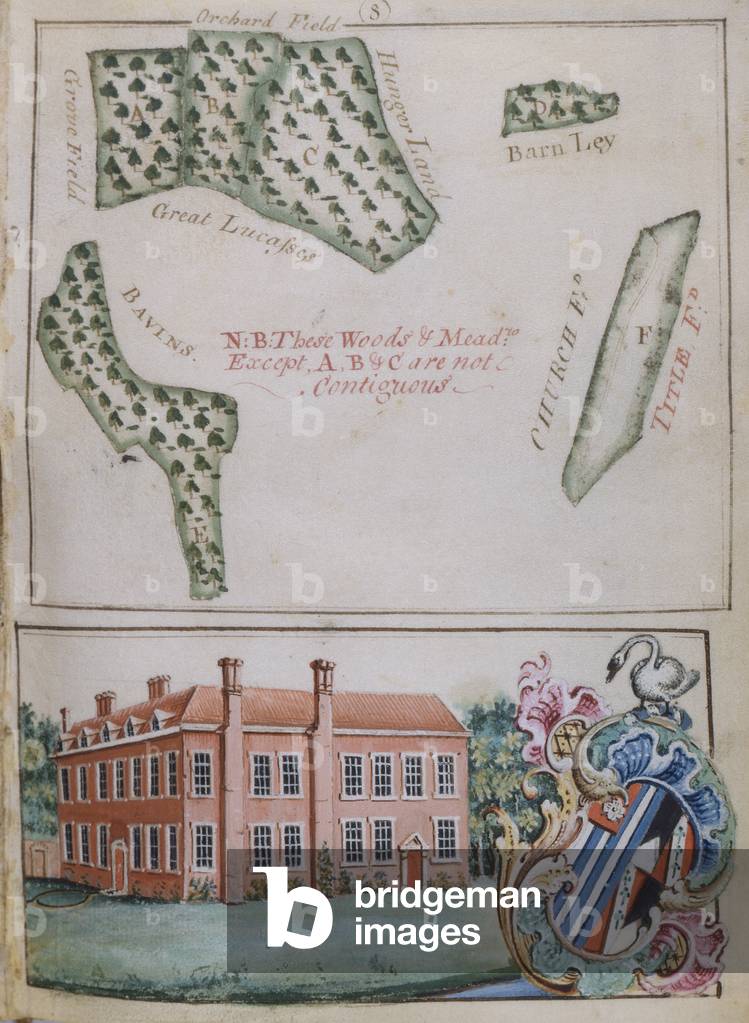
XYC277517: Page 8, from 'A Survey of the Estate of John Plampin, Esq.', 1774 (pen & ink with w/c and gouache on paper), English School, (18th century) / Bridgeman Images

XJF277663: The Hobby-Horse (engraving), English School / Bridgeman Images

STF277742: View of El Castillo, Mayan post-classical period (photo), Mayan / Bridgeman Images

STF277749: Detail from a stele depicting a warrior, from Campeche (carved stone), Mayan / Bridgeman Images

STC284392: Singapore, 28th October 1890 (b/w photo), Portuguese Photographer (19th century) / Bridgeman Images

XYC284413: Oberon. 'There sleeps Titania, some time of the night...', 1783 (pen, ink & wash on paper), Flaxman, John (1755-1826) / Bridgeman Images

XYC284416: Mrs Siddons as Constance, 1783 (pen, ink & wash on paper), Flaxman, John (1755-1826) / Bridgeman Images

XYC284425: Mrs Siddons as Constance with Child, 1783 (pen, ink & wash on paper), Flaxman, John (1755-1826) / Bridgeman Images

MJC284584: Four-handed Seat, no.22 from the 'First Aid' series of 'Wills's Cigarettes' cards, 1913 (colour litho), English School, (20th century) / Bridgeman Images
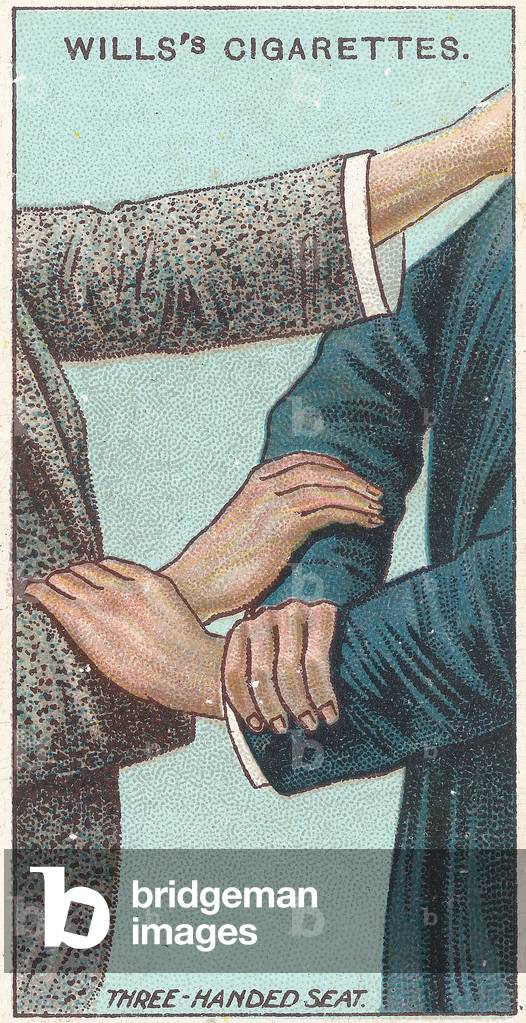
MJC284596: Three-handed seat, no.21 from the 'First Aid' series of 'Wills's Cigarettes' cards, 1913 (colour litho), English School, (20th century) / Bridgeman Images
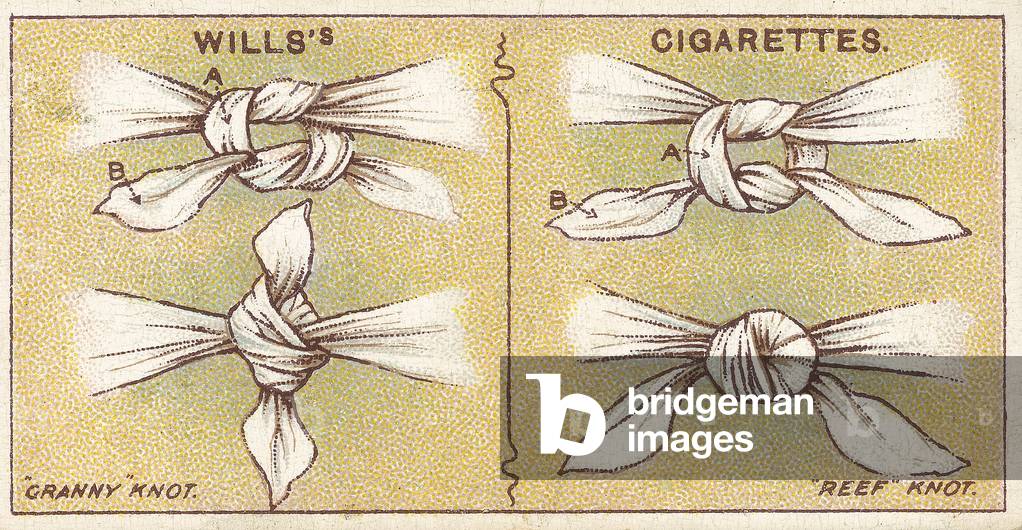
MJC284599: Knots, no.6 from the 'First Aid' series of 'Wills's Cigarettes' cards, 1913 (colour litho), English School, (20th century) / Bridgeman Images
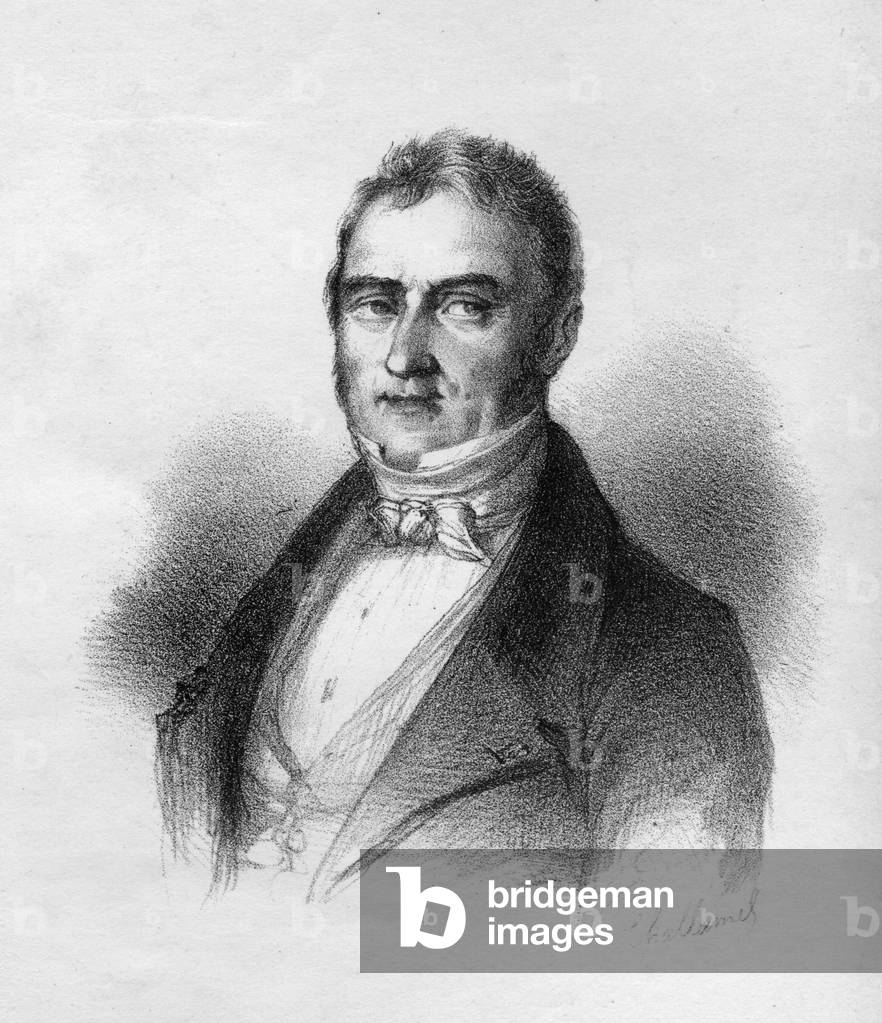
XJF284802: Portrait of Jacques Laffitte (engraving), English School / Bridgeman Images

XYC284857: Man with a horse harnessed to a roller (graphite & w/c on paper), Gilpin, Sawrey (1733-1807) / Bridgeman Images

FZA285029: Guangai (Irrigating the Fields), from, 'Yuti minhua tu', c.1765 (ink rubbing), Fang, Guan Cheng (1698-1768) / Bridgeman Images

FZA285041: Shangji (Setting up the loom) from, 'Yuti minhua tu', c.1765 (ink rubbing), Fang, Guan Cheng (1698-1768) / Bridgeman Images

FZA285047: Stirring the silk worms, no.4 from 'Joshoku kaiko tewaza-gusa', c.1800 (colour woodblock print), Kitagawa, Utamaro (1753-1806) / Bridgeman Images
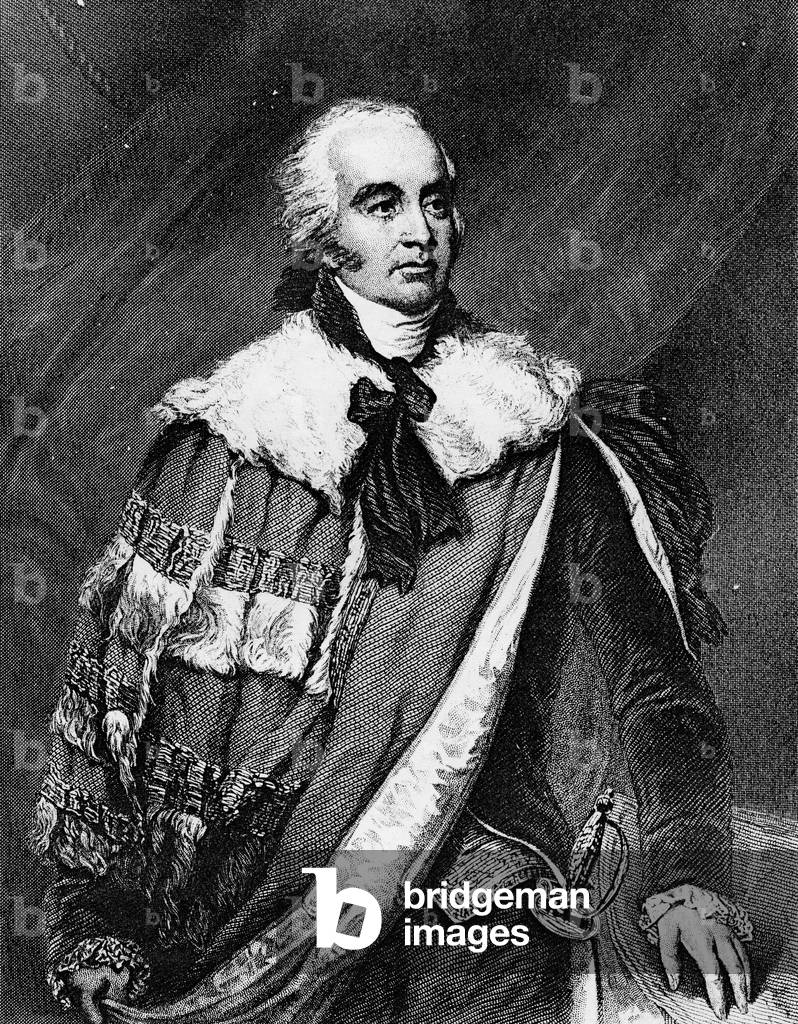
XJF283141: Portrait of Gilbert Eliot (engraving), English School, (19th century) / Bridgeman Images

FIT283230: A Nymph (graphite on paper) (for pair see 283229), Ingres, Jean Auguste Dominique (1780-1867) / Bridgeman Images

FIT283233: Anonis or Rest Harrow, 1741 (w/c & bodycolour on vellum), Ehret, Georg Dionysius (1710-70) / Bridgeman Images

XYC283246: George Morland, 1805 (litho), Smith, John Raphael (1752-1812) / Bridgeman Images

XYC283257: The Gunpowder Magazine, Hyde Park, c.1790 (w/c, pen & ink and crayon over graphite on paper), Sandby, Paul (1725-1809) / Bridgeman Images

ALM283465: Landscape (Capriccio) c.1780 (oil on canvas), Italian School, (18th century) / Bridgeman Images

ALM283483: Ford at the Upper End of the Vai-Te-Piha (Tautira River) Tahiti, 1891 (w/c & gouache on smooth paper), La Farge or Lafarge, John (1835-1910) / Bridgeman Images

ALM283490: Meerschaum Pipe, 1886 (oil on canvas), Harnett, William Michael (1848-92) / Bridgeman Images
