2491557 Search Results
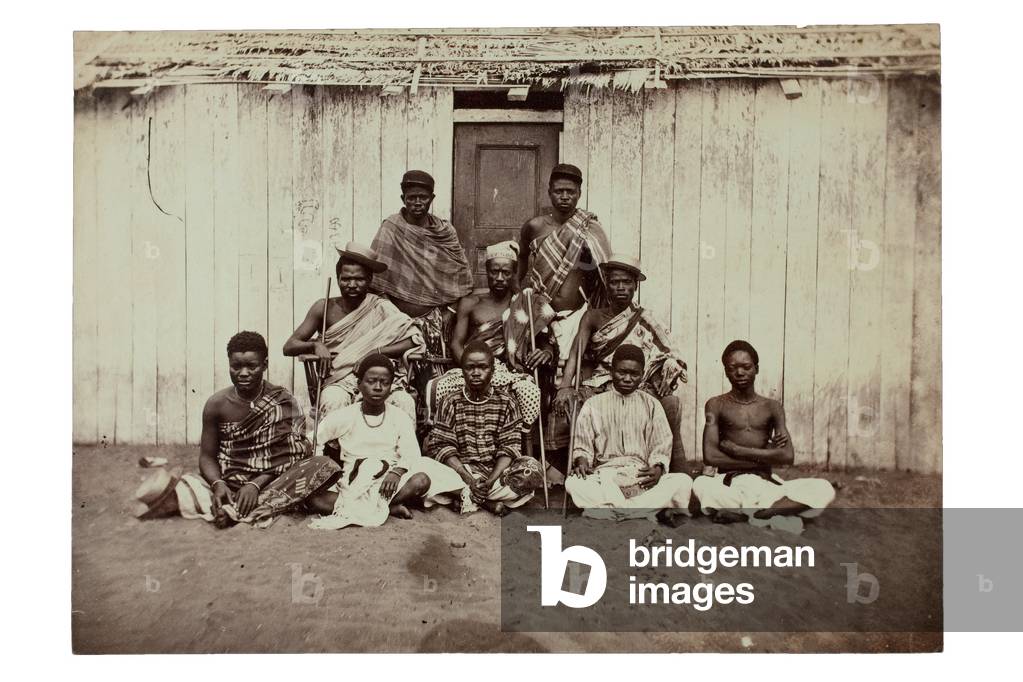
MGS622673: An African king (albumen print), Joaque, Francis W. (c.1845-1900) (attr. to) / Bridgeman Images
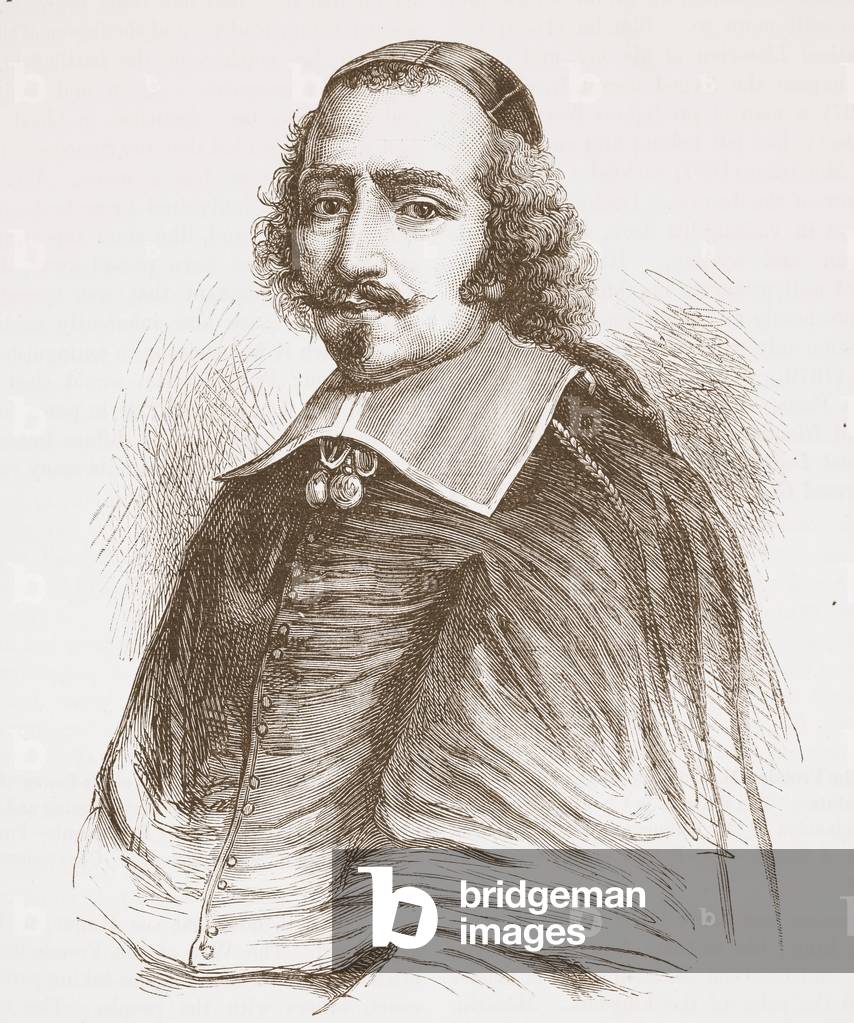
STC621371: Cardinal Mazarin (from a portrait in the Gallery of Versailles), illustration from 'The History of Protestantism' by James Aitken Wylie (1808-1890), pub. 1878 (engraving), English School, (19th century) / Bridgeman Images
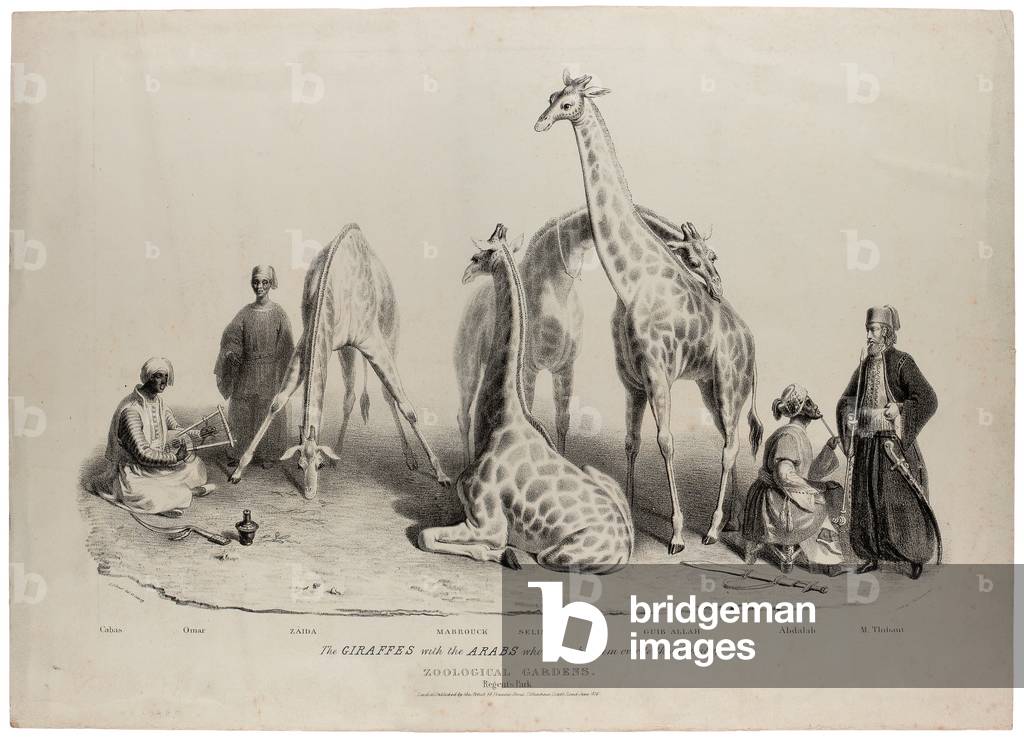
MGS622712: The giraffes with the Arabs who brought them over to this country, Zoological Gardens, Regents Park, London, June 1836, lithograph by Charles Hullmandel (1789-1850) (litho), Scharf, George Snr (1788-1860) (after) / Bridgeman Images

STC621435: Mouchares' band attacking the Protestants at the Hostelry in the Faubourg St. Germain, illustration from 'The History of Protestantism' by James Aitken Wylie (1808-1890), pub. 1878 (engraving), English School, (19th century) / Bridgeman Images

STC621462: Une Chambre de lodging-house, illustration from 'La Rue a Londres', pub. by G. Charpentier et Cie, 1884 (litho), Lancon, Auguste Andre (1836-87) / Bridgeman Images
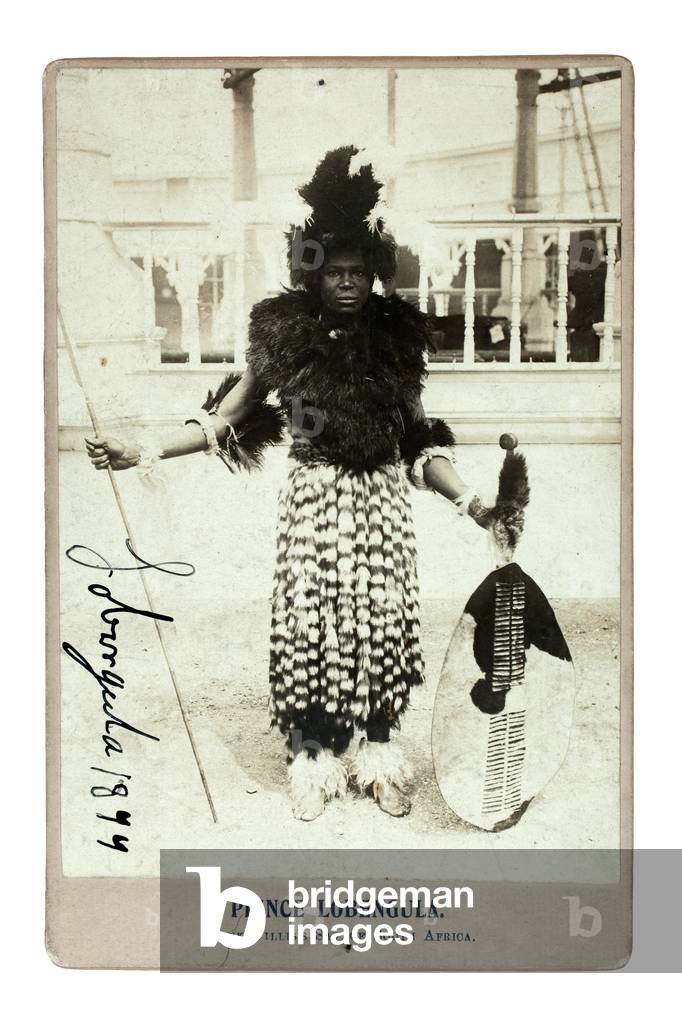
MGS622851: Prince Lobengula, England, 1899 (gelatin silver print), British Photographer, (19th century) / Bridgeman Images

MGS622528: Staff (wood), Ovimbundu culture / Bridgeman Images
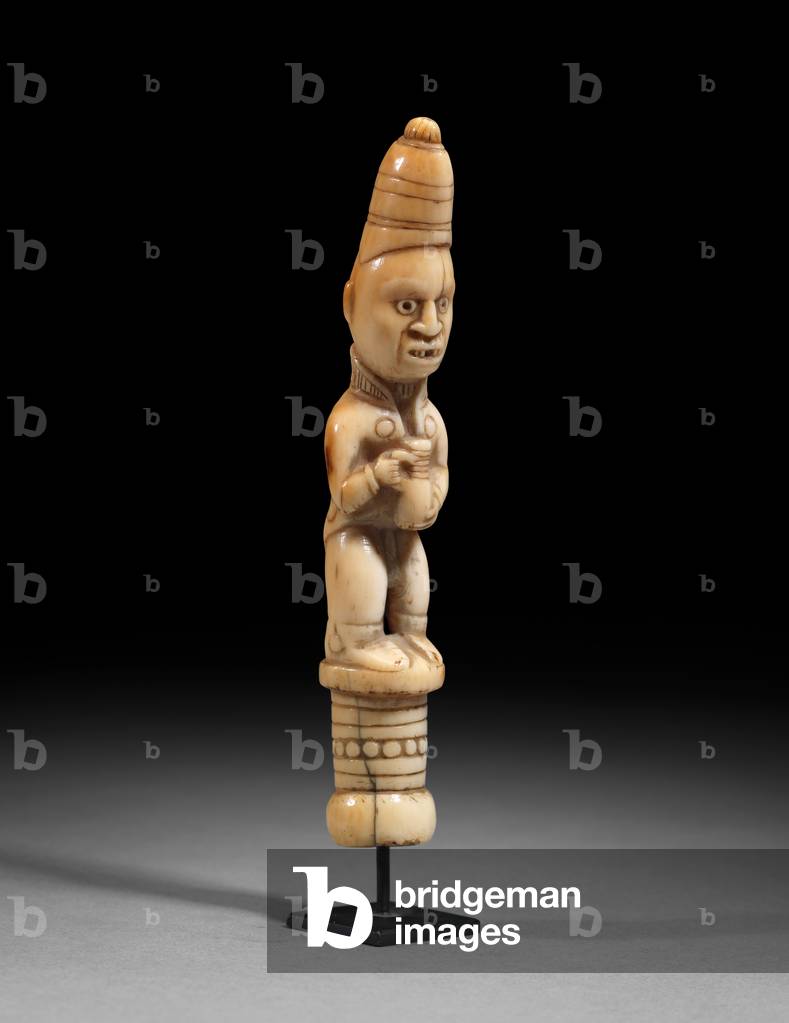
MGS622537: Flywhisk handle, c.1850 (ivory), Congolese School, (19th century) / Bridgeman Images

MGS622542: Nkisi (wood, iron & glass), Congolese / Bridgeman Images

CH650547: Flock of Sheep, Houghton Farm, 1878 (watercolour, brush and black ink and pencil on paper), Homer, Winslow (1836-1910) / Bridgeman Images

CH652685: Sur l'Eau, (oil on canvas), Montezin, Pierre Eugene (1874-1946) / Bridgeman Images

CH652739: Le Port de Saint-Malo, 1930 (gouache, watercolour and black chalk on paper), Signac, Paul (1863-1935) / Bridgeman Images

CH652934: Flowers in a Vase; Bouquet de Fleurs dans un Vase, (oil on panel), Valtat, Louis (1869-1952) / Bridgeman Images

CH652992: Idyll, (pencil and watercolour), Hawkins, Louis Welden (1849-1910) / Bridgeman Images
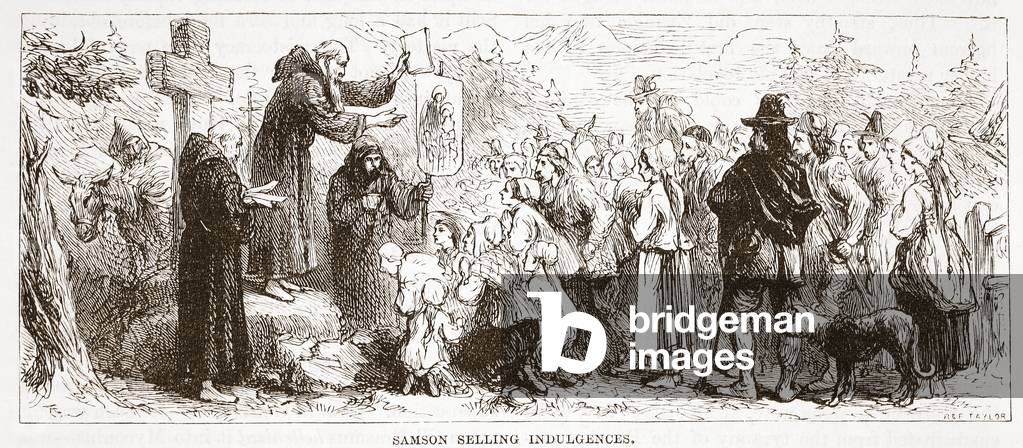
STC619673: Samson Selling Indulgences, illustration from 'The History of Protestantism' by James Aitken Wylie (1808-1890), pub. 1878 (engraving), English School, (19th century) / Bridgeman Images
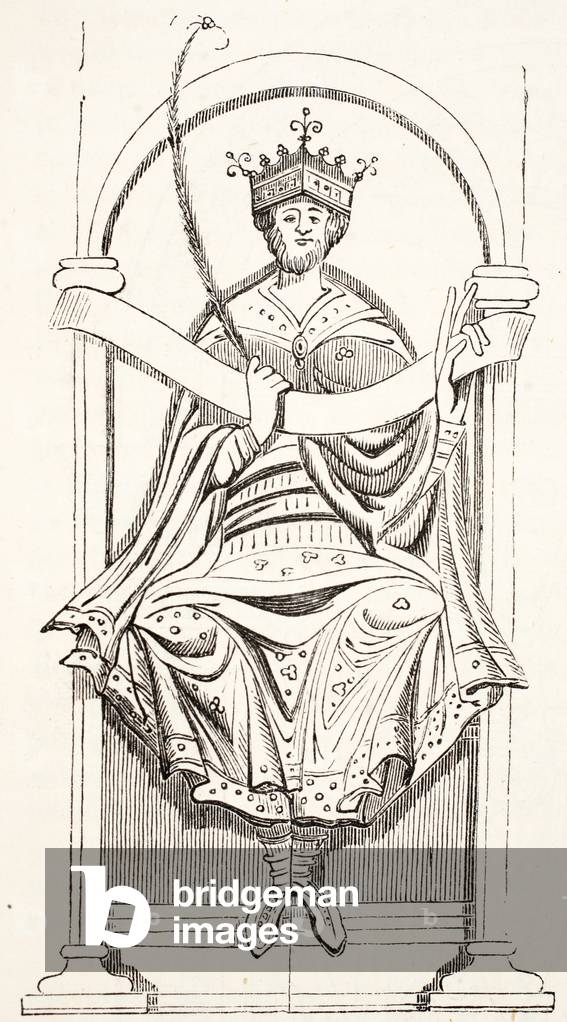
STC619694: King Edgar (from Cotton MS) (engraving), English School, (19th century) / Bridgeman Images
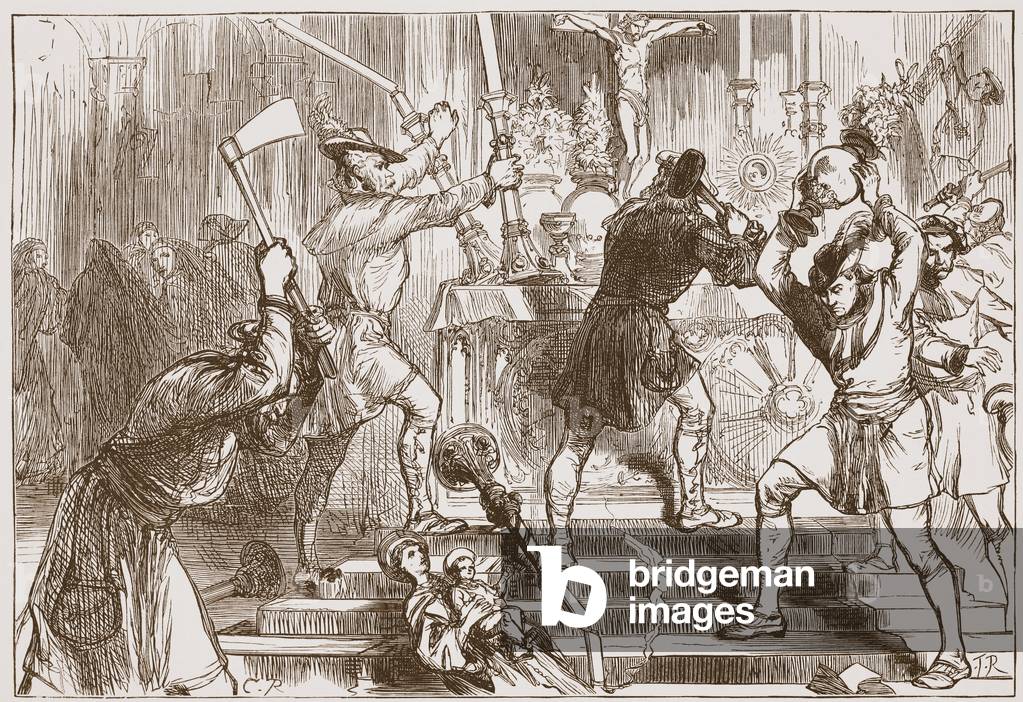
STC619718: The Iconoclasts destroying the images and altar decorations of a Roman Catholic Church, illustration from 'The History of Protestantism' by James Aitken Wylie (1808-1890), pub. 1878 (engraving), English School, (19th century) / Bridgeman Images
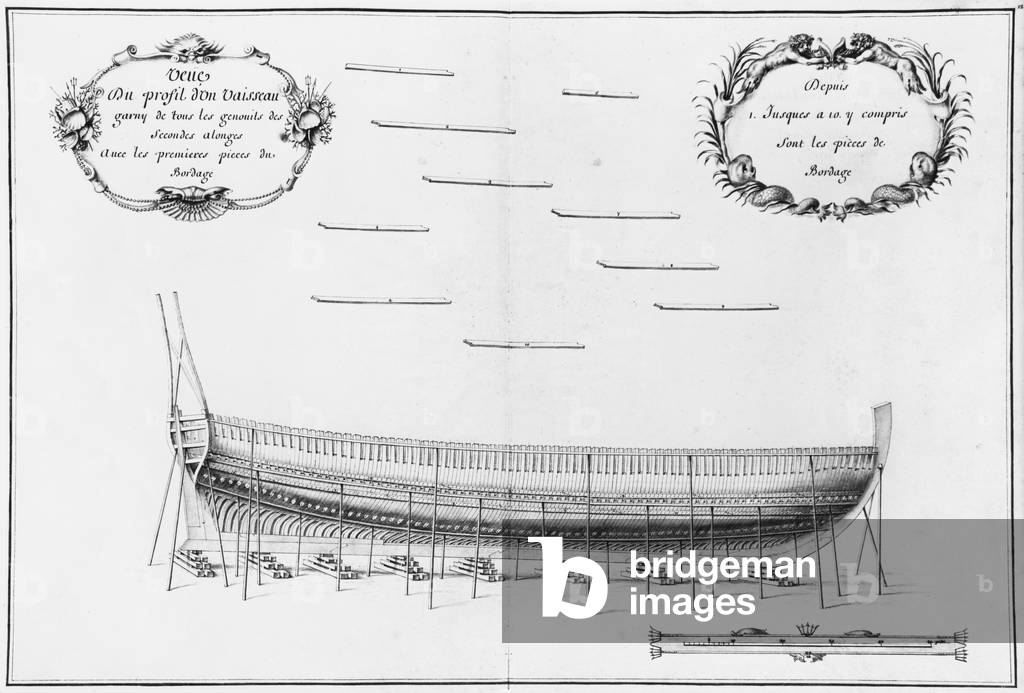
XIR619846: Profile of a vessel, illustration from the 'Atlas de Colbert', plate 12 (pencil & watercolour on paper), French School, (17th century) / Bridgeman Images
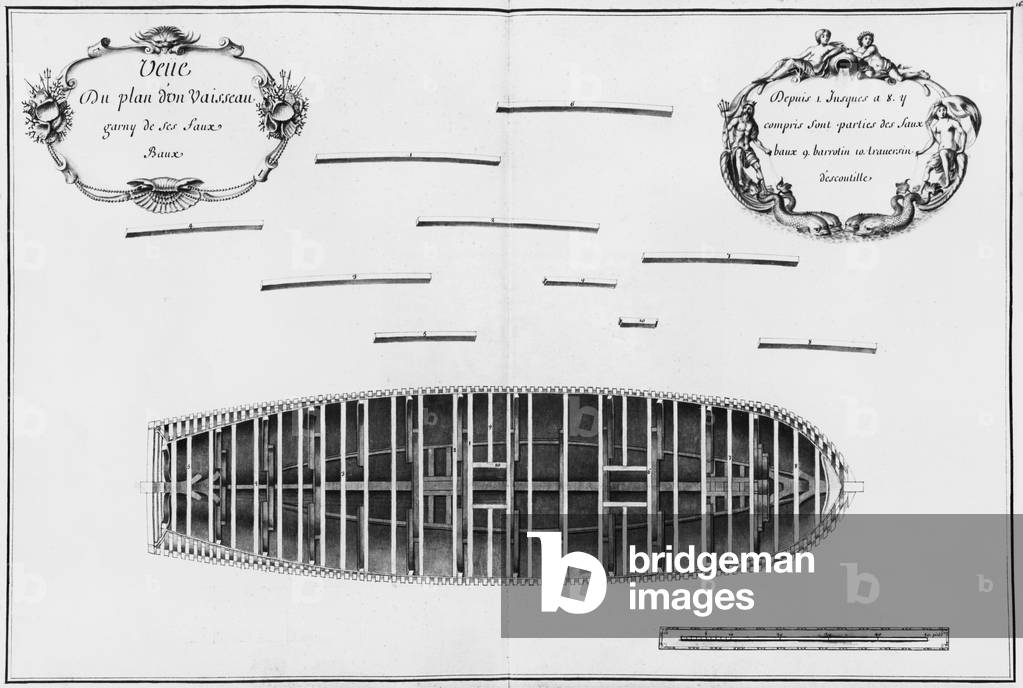
XIR619849: Plan of a vessel, illustration from the 'Atlas de Colbert', plate 16 (pencil & watercolour on paper) (b:w photo), French School, (17th century) / Bridgeman Images
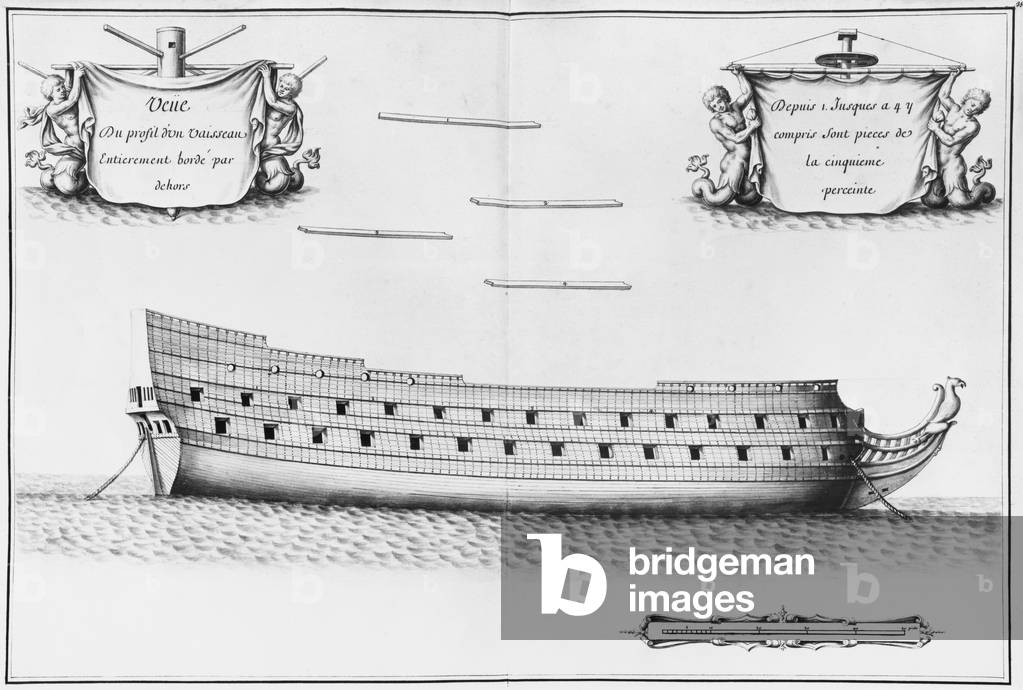
XIR619864: Profile of an entirely planked vessel, illustration from the 'Atlas de Colbert', plate 35 (pencil & watercolour on paper), French School, (17th century) / Bridgeman Images

STM620212: Bottle, c.800–1000 (glass), Persian School / Bridgeman Images

STM620300: Tea Canister, 1750-60 (tin-glazed earthenware), English School, (18th century) / Bridgeman Images

STM620311: Side-handled Teapot, Edo Period, 1832 (stoneware), Mokubei, Aoki (1767-1833) / Bridgeman Images

STM620360: Vallee Solitaire, 1870-74 (oil on canvas), Corot, Jean Baptiste Camille (1796-1875) / Bridgeman Images

STM620373: Bowl, late 10th-11th century (glazed & slip-painted earthenware), Persian School / Bridgeman Images

STM620395: Octagonal Jar with Design of Cherry Trees, Peonies, and Chrysanthemums, Edo period, early 18th century (porcelain with underglaze blue, overglaze polychrome enamel & gold decoration), Japanese School, (18th century) / Bridgeman Images

STM620398: Vase, c.1887-94 (glazed stoneware), Delaherche, Auguste (1857-1940) / Bridgeman Images

STM620432: Arabs, late 19th century (oil on canvas), Schreyer, Adolf (1828-99) / Bridgeman Images

STM620445: Vase, c.1904 (glazed earthenware), Albert, Fritz (1865–1940) / Bridgeman Images

STM620452: Eunice Dennie Burr, 1758-60 (oil on canvas), Copley, John Singleton (1738-1815) / Bridgeman Images

STM620479: Vase, 1911 (glazed porcelain) , Lewis, Edward Gardner (1869-1950) / Bridgeman Images

STM620512: Bowl, Worcester Porcelain Factory, c.1760–70 (glazed porcelain with underglaze painted & transfer-printed decoration) , English School, (18th century) / Bridgeman Images

STM620515: Vase, Worcester Porcelain Factory, c.1770 (glazed porcelain with underglaze decoration, enamel & gilding) , English School, (18th century) / Bridgeman Images

STM620630: Salamander Fire Screen, 1925 (wrought iron), Diederich, Wilhelm Hunt (1884-1953) / Bridgeman Images

STM620653: Prophet (Sibyl), 1913 (oil on canvas mounted on board), Jawlensky, Alexej von (1864-1941) / Bridgeman Images
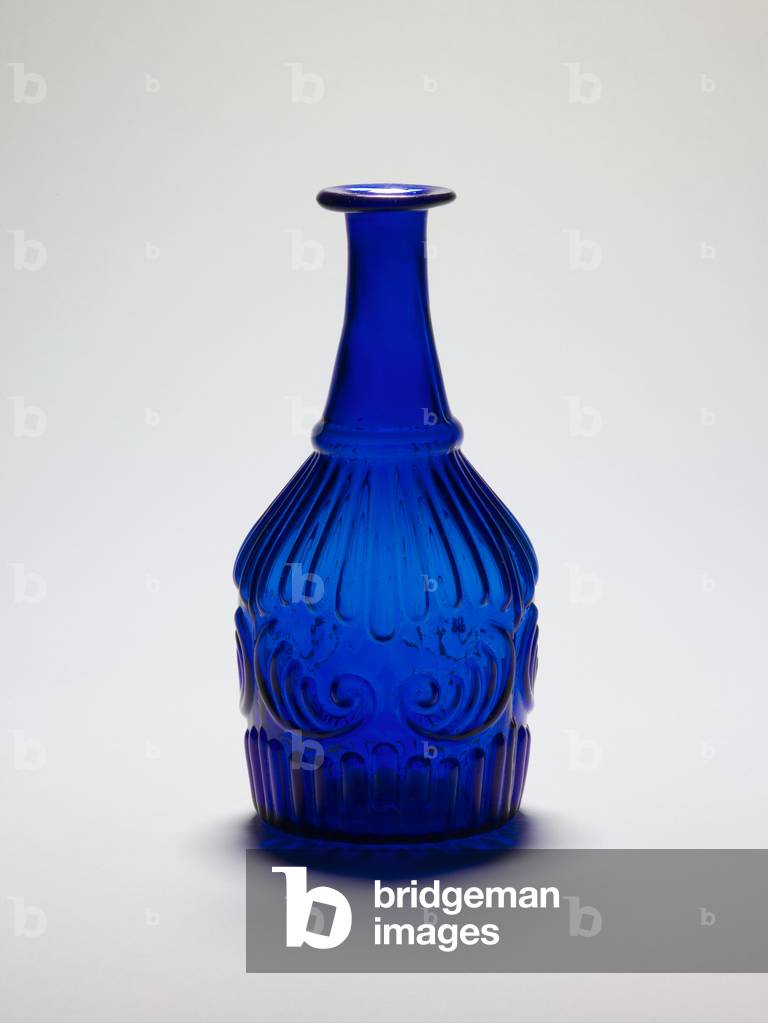
STM620665: Decanter, 1825-45 (mold-blown blue glass), American School, (19th century) / Bridgeman Images
