2491551 Search Results

XJF476261: The Common Snipe, illustration from 'A History of British Birds' by William Yarrell, first published 1843 (woodcut), Yarrell, William (1784-1856) / Bridgeman Images

CH476647: Floral still life, 1884 (oil on canvas), Mortelmans, Frans (1865-1936) / Bridgeman Images

CH476656: Interviewing their Member - Lease Refused, 1879 (oil on canvas), Nicol, Erskine (1825-1904) / Bridgeman Images

CH476713: Jeune Maurengue, Campagne d'Alaer (oil on canvas), Bridgman, Frederick Arthur (1847-1928) / Bridgeman Images

OVR476806: Part of fjord, 1876 (oil on canvas), Sinding, Otto Ludvig (1842-1909) / Bridgeman Images

OVR476815: Snowy landscape from Reine, Lofoten, 1883 (oil on canvas), Sinding, Otto Ludvig (1842-1909) / Bridgeman Images

OVR476818: Coast Part (oil on canvas), Sinding, Otto Ludvig (1842-1909) / Bridgeman Images

OVR476825: Idyll, 1907 (oil on canvas), Sinding, Otto Ludvig (1842-1909) / Bridgeman Images

OVR476842: Mountain Sketches, 1874 (w/c on paper), Sinding, Otto Ludvig (1842-1909) / Bridgeman Images
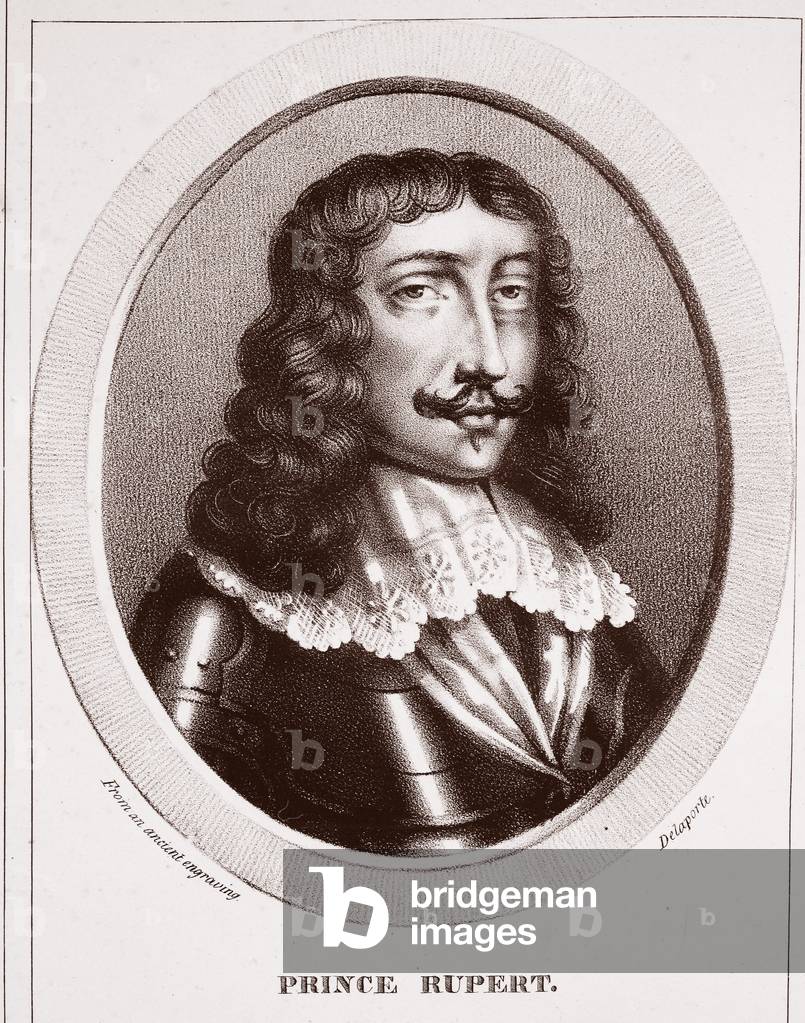
STC476859: Prince Rupert, from an ancient engraving, attributed to Delaporte, engraved by de Ducarme (litho), English School / Bridgeman Images
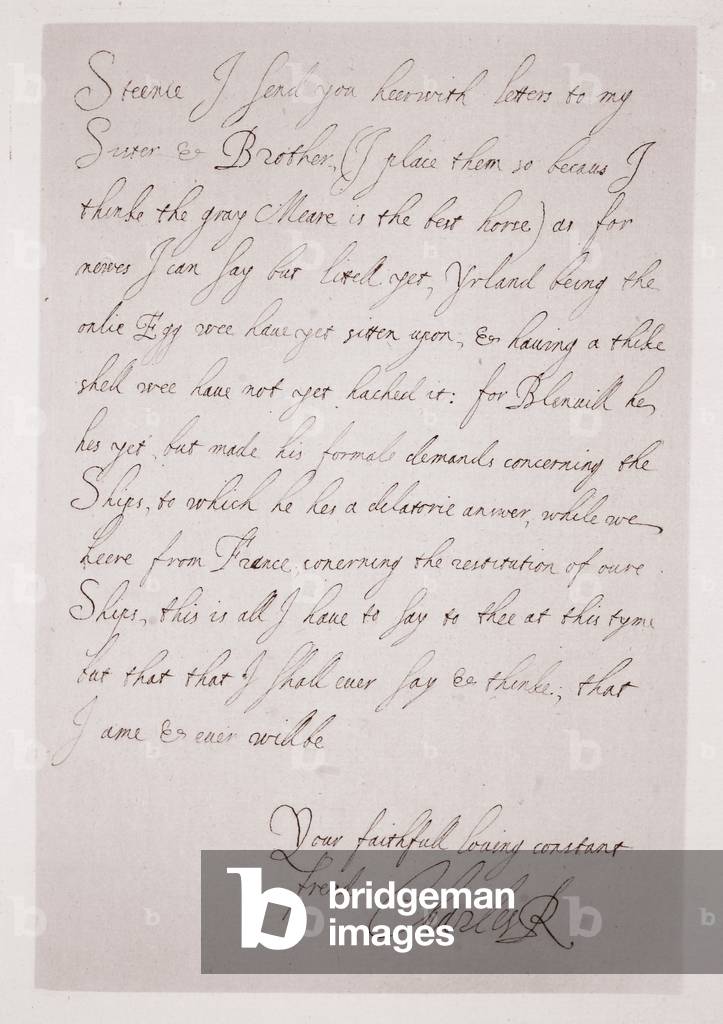
STC476881: Letter of Charles I to the Duke of Buckingham (litho), English School, (17th century) (after) / Bridgeman Images

EX469310: West of England fire insurance mark, 1807-94 (metal), English School, (19th century) / Bridgeman Images

EX469345: Fire Bucket, 1807-94 (leather, metal & paint), English School, (19th century) / Bridgeman Images

KWE469503: Illustration for The Two Gentlemen of Verona, from 'The Illustrated Library Shakespeare', published London 1890 (litho), Gilbert, John (1817-97) / Bridgeman Images

KWE469506: Illustration for Twelfth Night, from 'The Illustrated Library Shakespeare', published London 1890 (litho), Gilbert, John (1817-97) / Bridgeman Images

KWE469527: Iago speaks in Othello, Act II, Scene II, 'Let me the canakin clink', from 'The Illustrated Library Shakespeare', published London 1890 (colour litho), Gilbert, John (1817-97) / Bridgeman Images

KWE469552: Romeo and Juliet, from 'The Illustrated Library Shakespeare', published London 1890 (litho), Gilbert, John (1817-97) / Bridgeman Images

BRH470207: Portrait of Elizabeth Thornton, 1755 (pastel on paper), Cotes, Francis (1726-70) / Bridgeman Images

LAF470813: Portrait of Alexander Edgar (oil on canvas), Raeburn, Henry (1756-1823) / Bridgeman Images

LAF470844: Portrait of Mrs. Colette Versavel, wife of the Physician Isaac Joseph De Meyer, 1822 (oil on canvas) , Ducq, Joseph (1762-1829) / Bridgeman Images

LAF470870: Church Interior (oil on panel), Vliet, Hendrik Cornelisz. van (c.1611-75) / Bridgeman Images
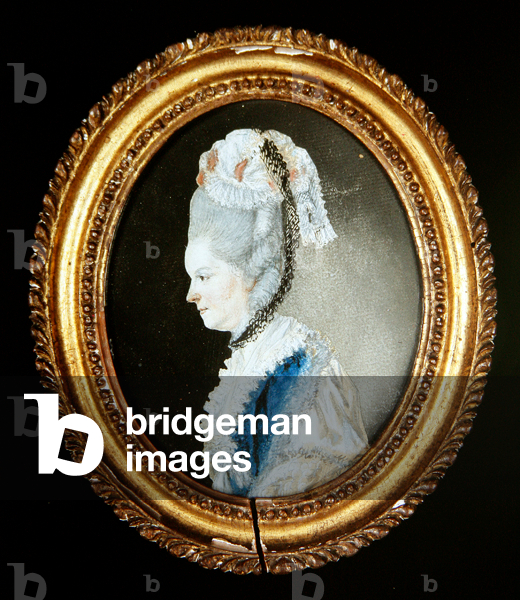
FHR477177: Sarah Arnold (w/c on paper), English School, (18th century) / Bridgeman Images

XJF477680: Flushing the Sewers, illustration from 'London Labour and the London Poor' by Henry Mayhew, c.1840s (litho), English School, (19th century) / Bridgeman Images

XJF477704: Helen, a Gibson Girl, c.1900 (litho), Gibson, Charles Dana (1867-1944) / Bridgeman Images

XJF477722: A Gibson Girl, c.1902 (litho), Gibson, Charles Dana (1867-1944) / Bridgeman Images

XJF477731: A Gibson Girl, c.1902 (litho), Gibson, Charles Dana (1867-1944) / Bridgeman Images

XJF477740: Caricature of Raimondo Cocchi (etching), Patch, Thomas (1720-82) / Bridgeman Images
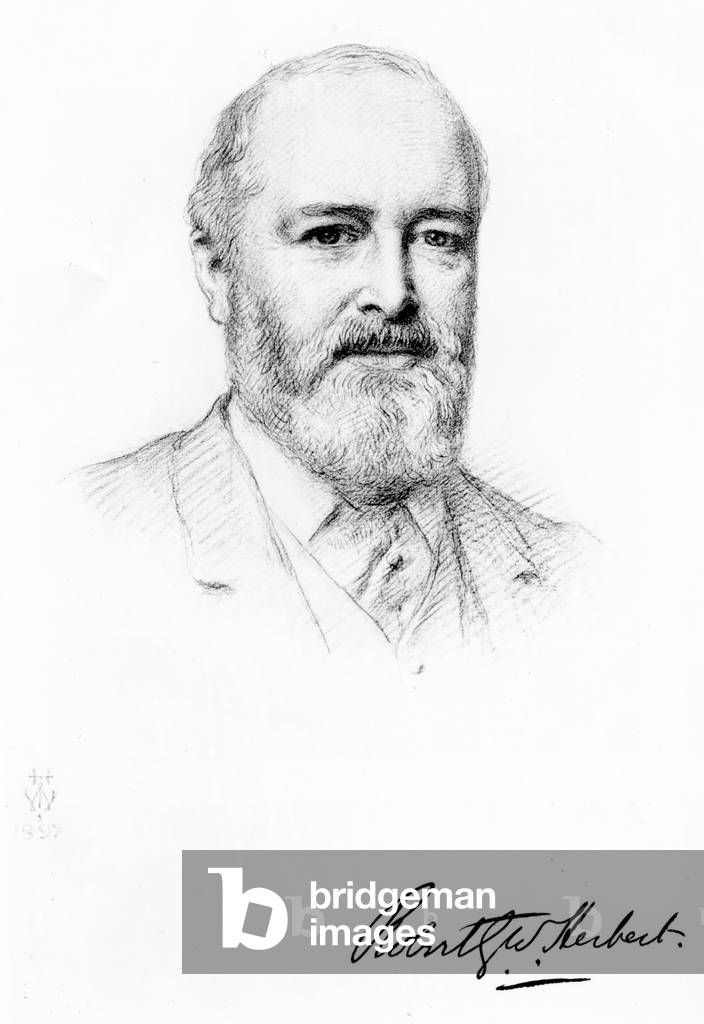
XJF477758: Sir Robert Herbert, 1897 (engraving), Wells, Henry Tanworth (1828-1903) / Bridgeman Images

KWE478231: Two knights fight a duel, from 'Military and Religious Life in the Middle Ages' by Paul Lacroix, published London c.1880 (litho), Lacroix, Paul (1831-69) / Bridgeman Images

KWE478237: The Council of Vienne, from 'Military and Religious Life in the Middle Ages' by Paul Lacroix, published London c.1880 (litho), Lacroix, Paul (1831-69) / Bridgeman Images

KWE478240: Chapter of the Order of the Golden Fleece held by Charles the Bold, from 'Military and Religious Life in the Middle Ages' by Paul Lacroix, published London c.1880 (litho), Lacroix, Paul (1831-69) / Bridgeman Images

KWE478312: The audience room of King M’tesa of Buganda during the 1870s, from 'El Mundo Ilustrado', published Barcelona, 1880 (litho), European School, (19th century) / Bridgeman Images

STC478348: Interior of the Temple of Diana, Nimes, from 'Antiquités de la France: Vol I, Monuments de Nimes' (engraving), French School, (18th century) / Bridgeman Images
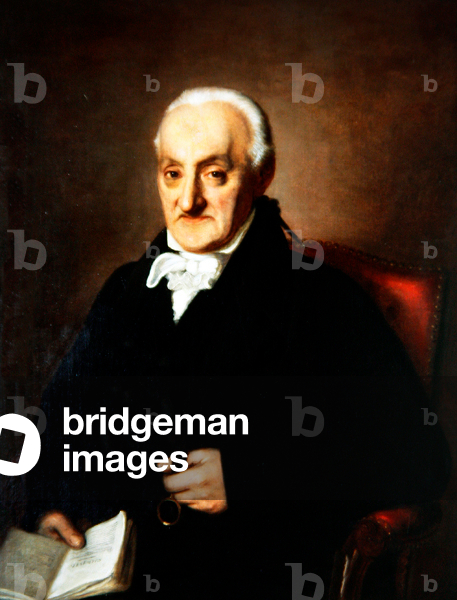
FHR477191: David Duval, c.1830 (oil on canvas), English School, (19th century) / Bridgeman Images

XJF477724: A Gibson Girl, c.1902 , Gibson, Charles Dana (1867-1944) / Bridgeman Images

TPG477748: St. John the Evangelist, 1657 (engraving), Faithorne, William (1616-91) / Bridgeman Images
