2491535 Search Results
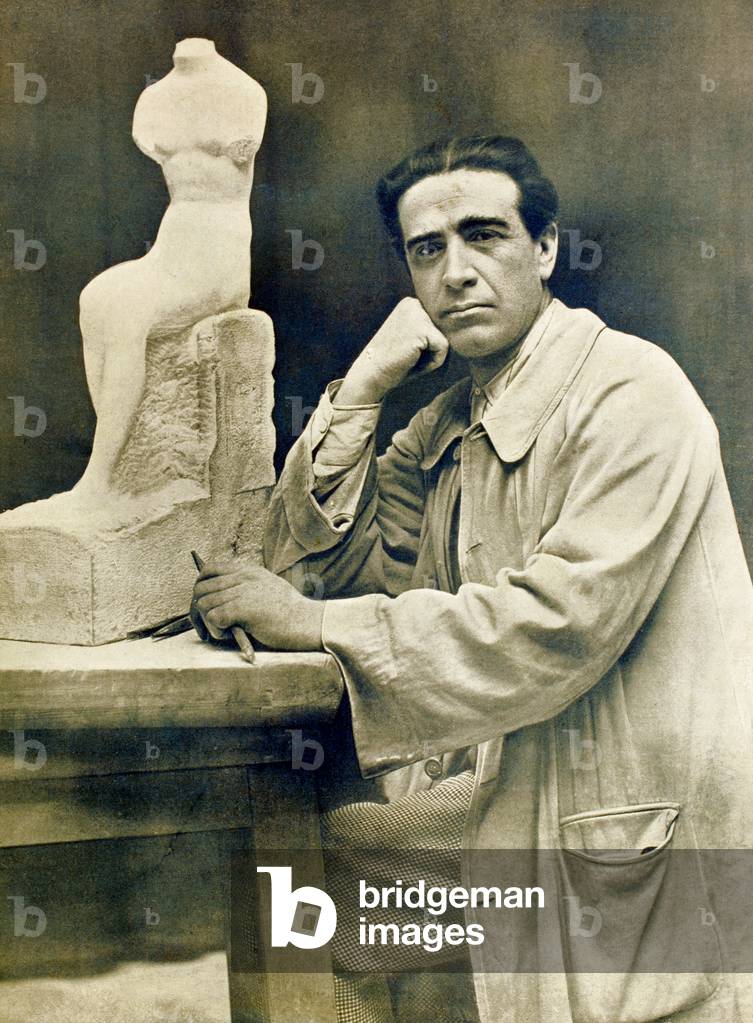
KWE480022: Mateo Inurria Lainosa, 1867 – 1924. From La Esfera, 1914., Inurria Lainosa, Mateo (1867-1924) / Bridgeman Images

KWE480032: Arrival of a steamer at Southampton Docks, Hampshire, England in the late 19th century. From Our Own Country published 1898, English School, (19th century) / Bridgeman Images
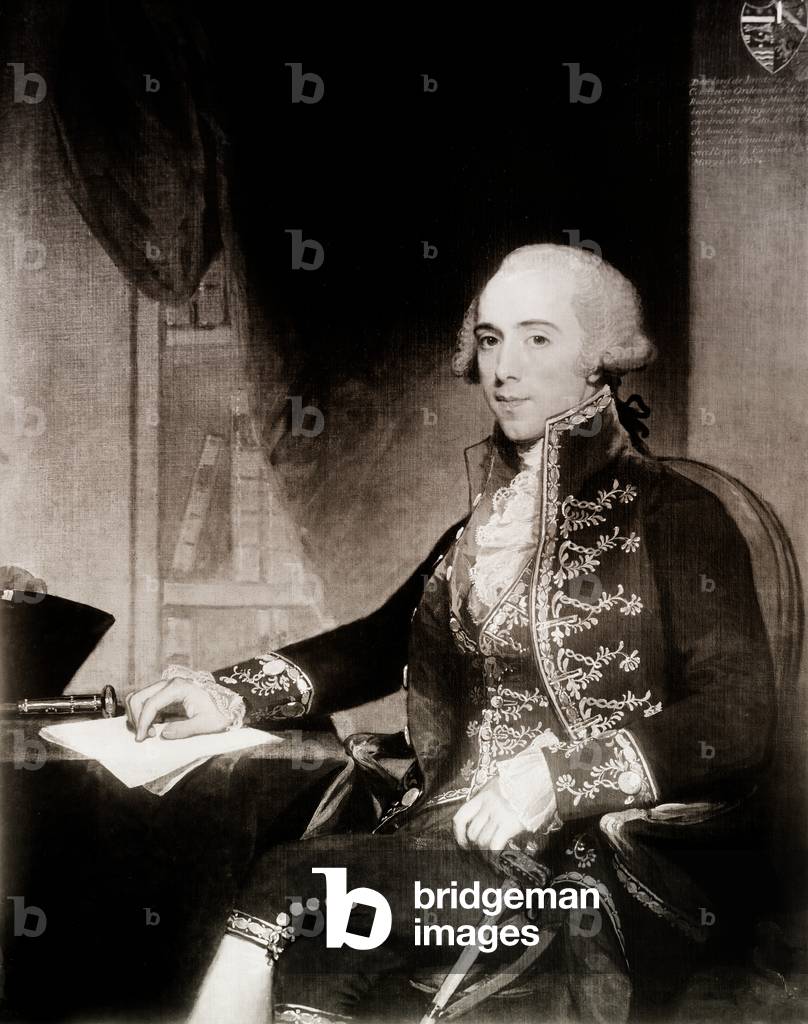
KWE480187: Josef de Jaudenes y Nebot, 1764 - prior to 1819., Stuart, Gilbert (1755-1828) (after) / Bridgeman Images
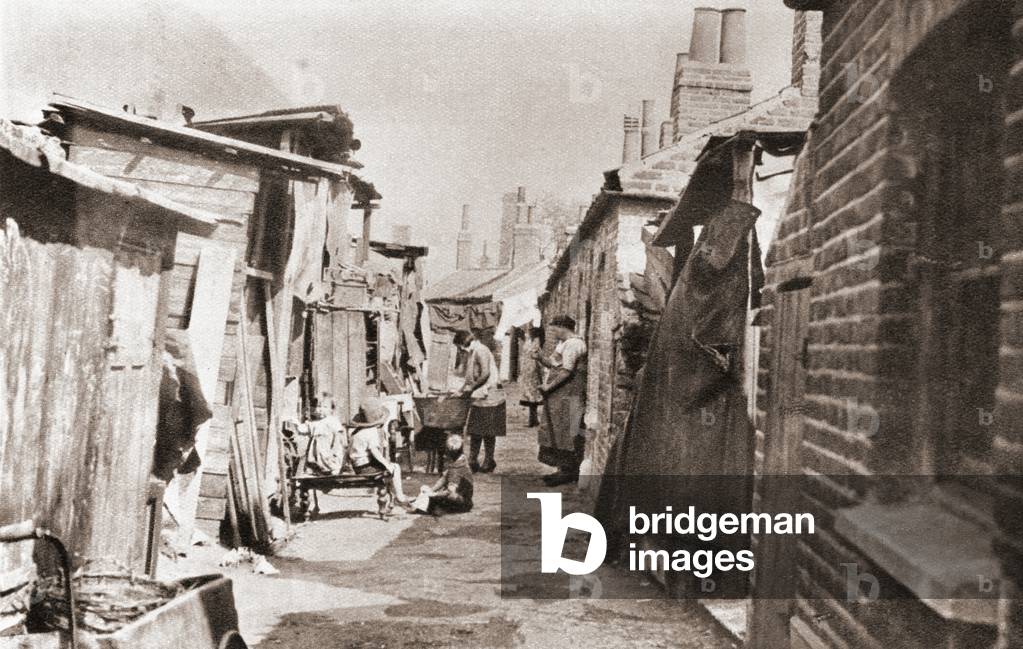
KWE480199: Poor tenements in England during the 1930's. From The Story of Seventy Momentous Years, published by Odhams Press 1937., Unknown photographer, (20th century) / Bridgeman Images

STC478382: Eve (colour litho), Zorn, Anders Leonard (1860-1920) / Bridgeman Images

KWE478494: The Death of Cato, after a work by Francois Boucher, 1808 (print), Boucher, Francois (1703-70) (after) / Bridgeman Images

STC478528: Musicians, 1827-35 (colour litho), Burnouf, M.E. (fl.1827-35) / Bridgeman Images

STC478537: Poor People, 1827-35 (colour litho), Burnouf, M.E. (fl.1827-35) / Bridgeman Images

STC478573: Latchimi, 1827-35 (colour litho), Burnouf, M.E. (fl.1827-35) / Bridgeman Images

KWE480031: High Street, Southampton, Hampshire, England in the late 19th century. From Our Own Country published 1898, English School, (19th century) / Bridgeman Images
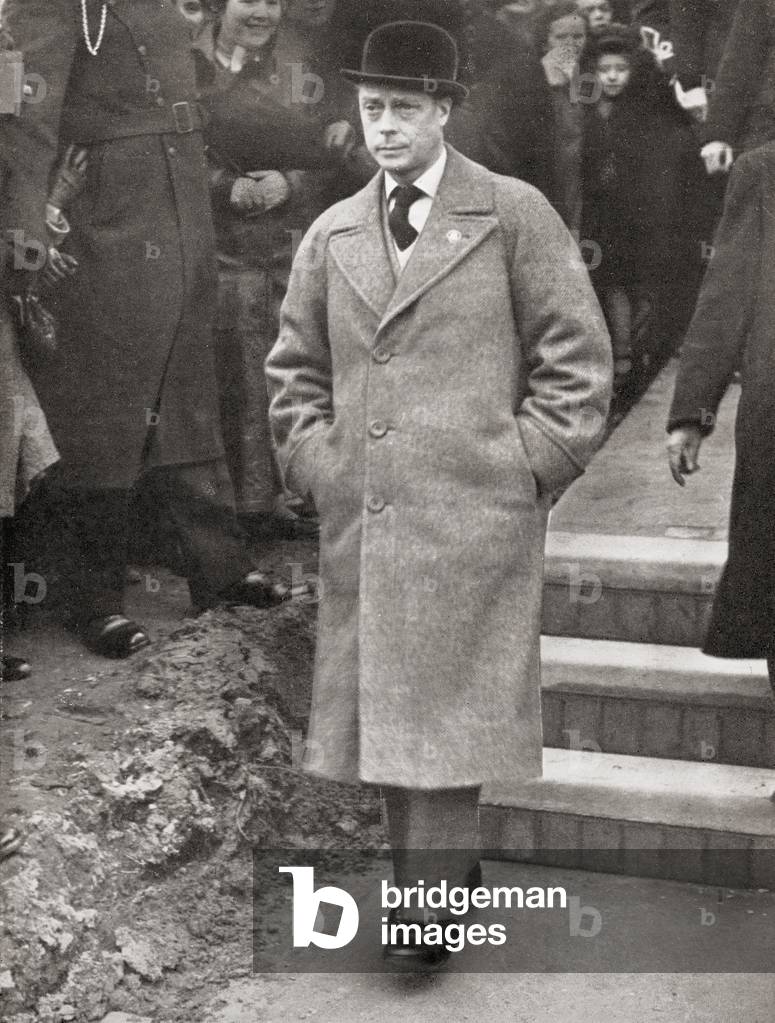
KWE480067: King Edward VIII visiting South Wales to inspect the Pen-y-garn Housing Estate in 1936. From Edward VIII His Life and Reign., Unknown photographer, (20th century) / Bridgeman Images
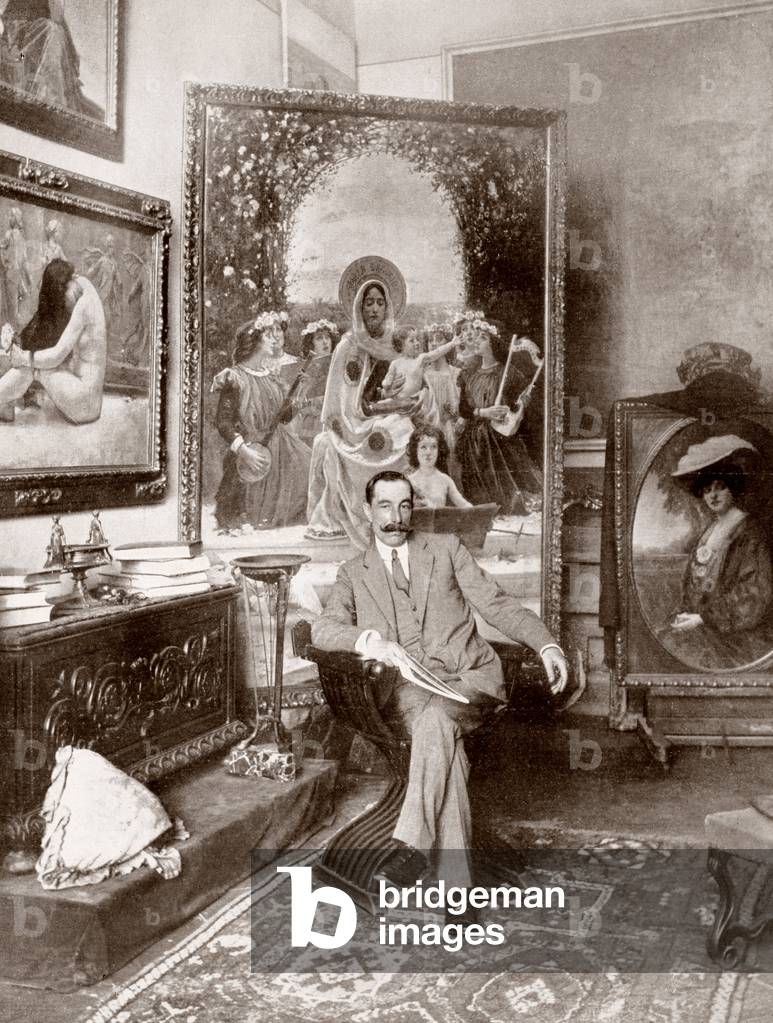
KWE480090: Pedro Sáenz Sáenz, 1863 - 1927. Pre-Raphaelite Brotherhood Spanish painter, here seen in his Malaga studio. From La Esfera, 1914., Saenz, Pedro (1863-1927) / Bridgeman Images
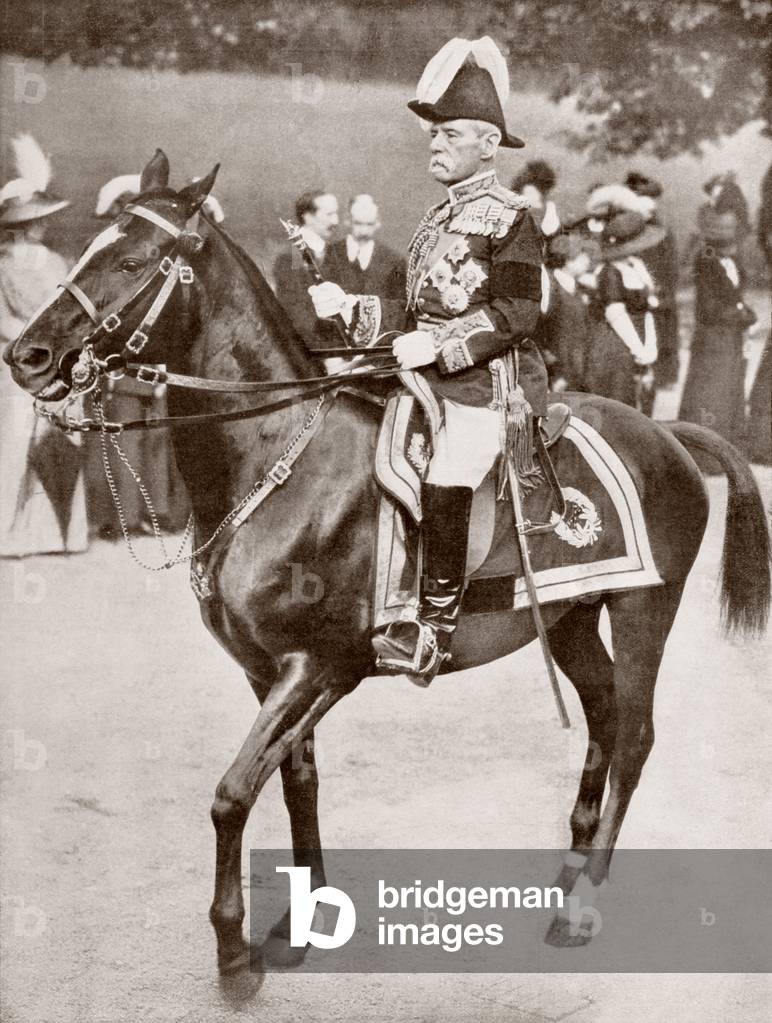
KWE480193: Field Marshal Frederick Sleigh Roberts, 1st Earl Roberts, 1832 – 1914. Indian born British soldier. From La Esfera, 1914., Unknown photographer, (20th century) / Bridgeman Images

LAF471472: Landscape (oil on panel), Key, Adriaen Thomasz (1544-90) / Bridgeman Images

LAF471559: Portrait of a Family, 1599 (oil on panel), Netherlandish School / Bridgeman Images

XJF472243: Francis Jeffrey, Lord Jeffrey, c.1812 (engraving), Raeburn, Henry (1756-1823) (after) / Bridgeman Images

XJF472267: The Triumph of Caesar, Plate 6, engraved by Robert van Audenaerde, 1692 (engraving), Mantegna, Andrea (1431-1506) (after) / Bridgeman Images

XJF472273: The Entry of Pope Clement VII and Emperor Charles V into Bologna on 24 February 1530, plate 27, c.1530 (engraving), Hogenberg, Nicholas (c.1500-1539) / Bridgeman Images

STC472908: Shop front, plate 32, illustration from 'Devantures de Boutiques' by Louis-Pierre Sezille, Paris, 1927 (litho), French School, (20th century) / Bridgeman Images
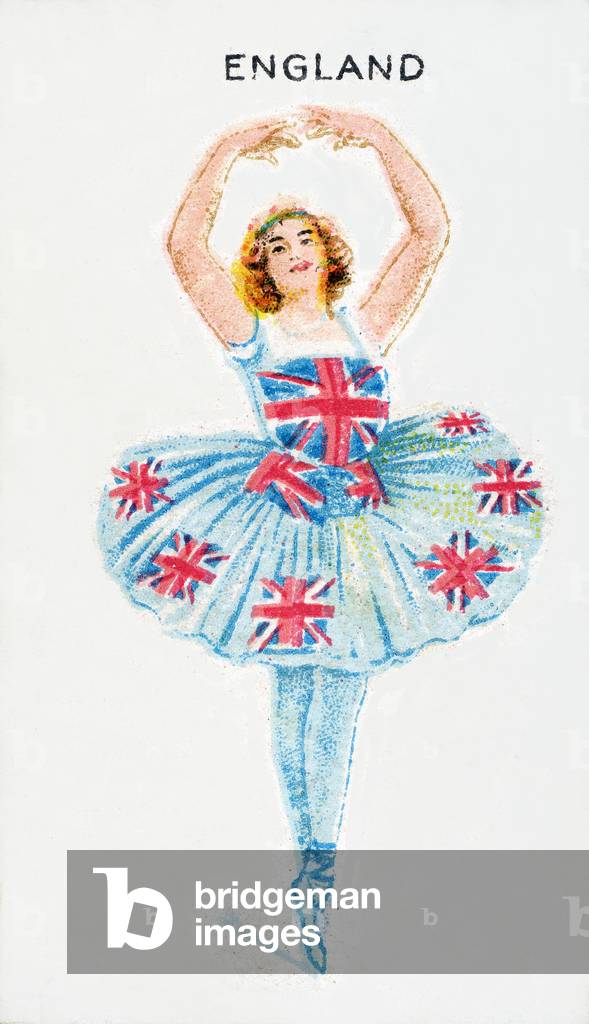
KDC472941: England, cigarette card, 1915 (colour litho), English School, (20th century) / Bridgeman Images
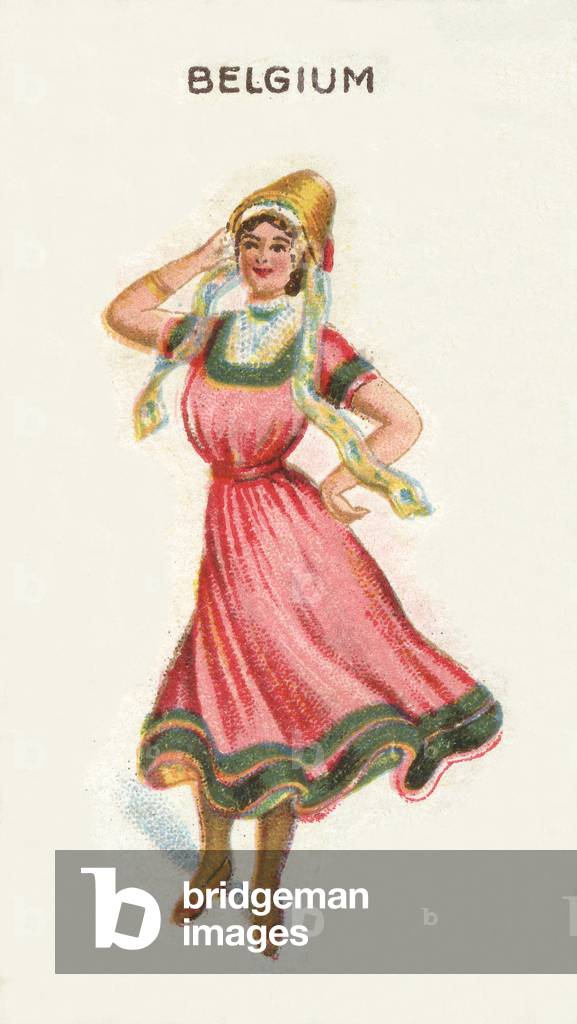
KDC472944: Belgium, 1915 (colour litho), English School, (20th century) / Bridgeman Images
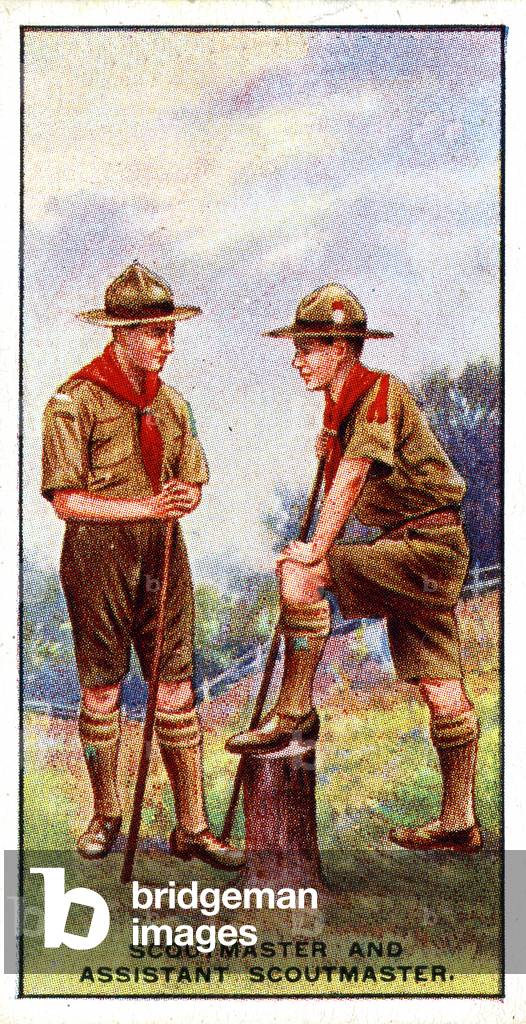
KDC472968: Scoutmaster and Assistant Scoutmaster, 1929 (colour litho), English School, (20th century) / Bridgeman Images

PNH480803: Portrait of the Artist's Daughter, 1859 (oil on panel), Webbe or Webb, William J. (1831-1904) / Bridgeman Images

CH480868: Portrait of Napoleon-Andoche D'Abrantes as a Young Boy (w/c on ivory), Quaglia, Ferdinand (1780-1853) / Bridgeman Images
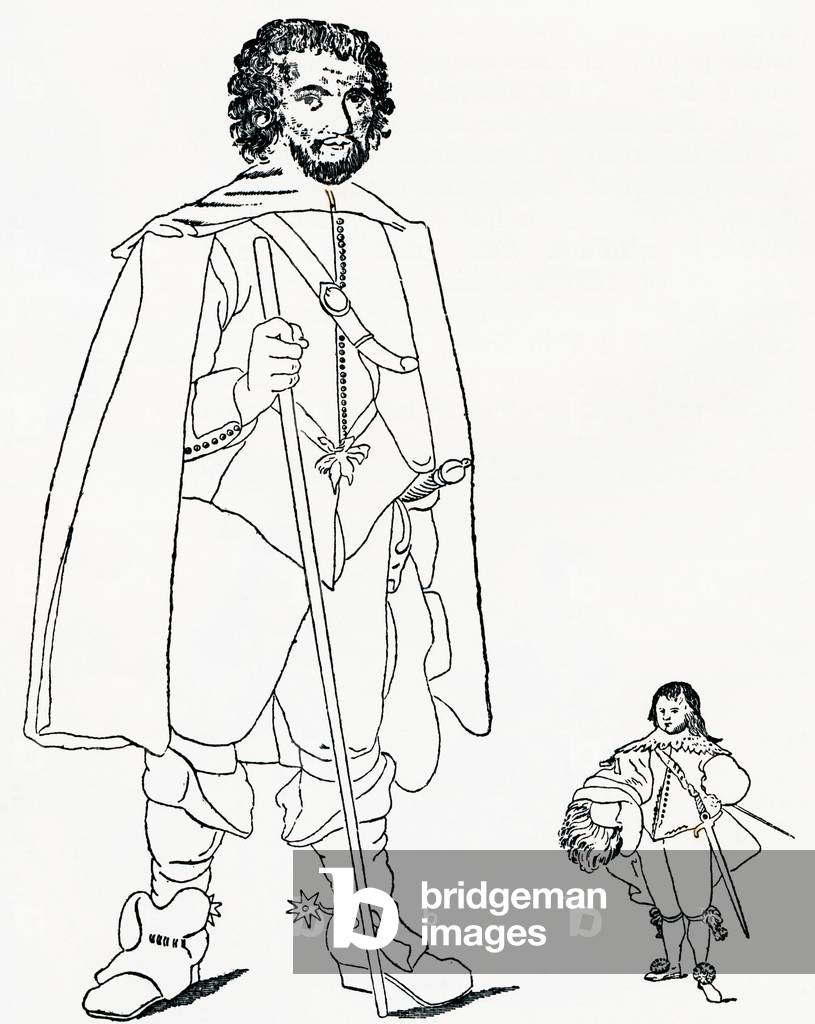
KWE480937: Walter Parsons and Sir Jeffrey Hudson, From The Strand Magazine published 1894., Unknown Artist, (19th century) / Bridgeman Images
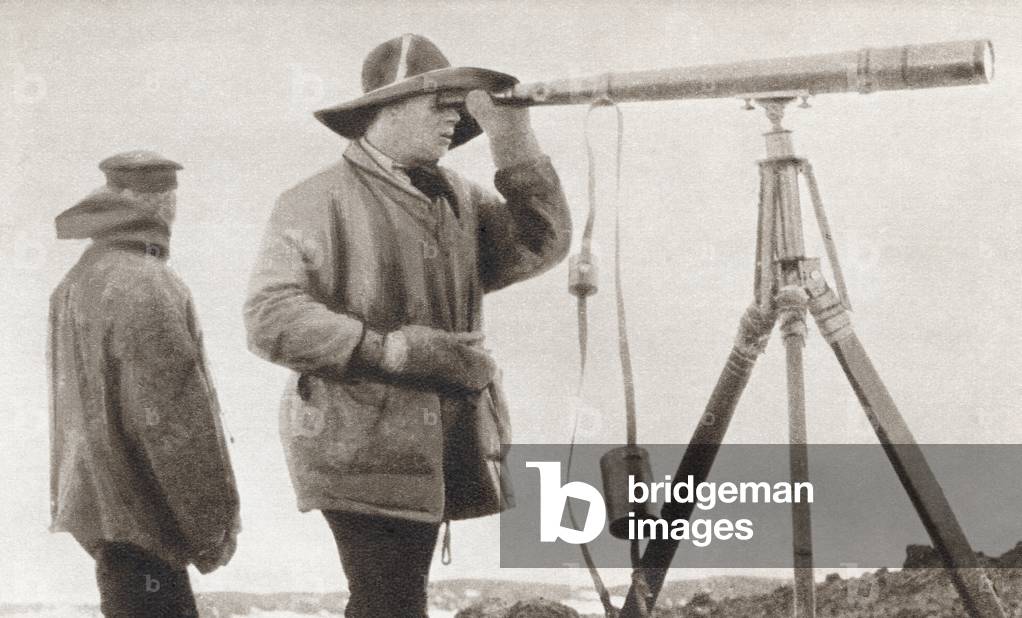
KWE480959: Robert Falcon Scott looking through a telescope during The Terra Nova Expedition to the south pole in 1912. From The Story of 25 Eventful Years in Pictures, published 1935., Ponting, Herbert (1870-1935) / Bridgeman Images

KWE480986: Sir John Berry "Jack" Hobbs, 1882 – 1963. From The Story of 25 Eventful Years in Pictures, published 1935., Unknown photographer, (20th century) / Bridgeman Images
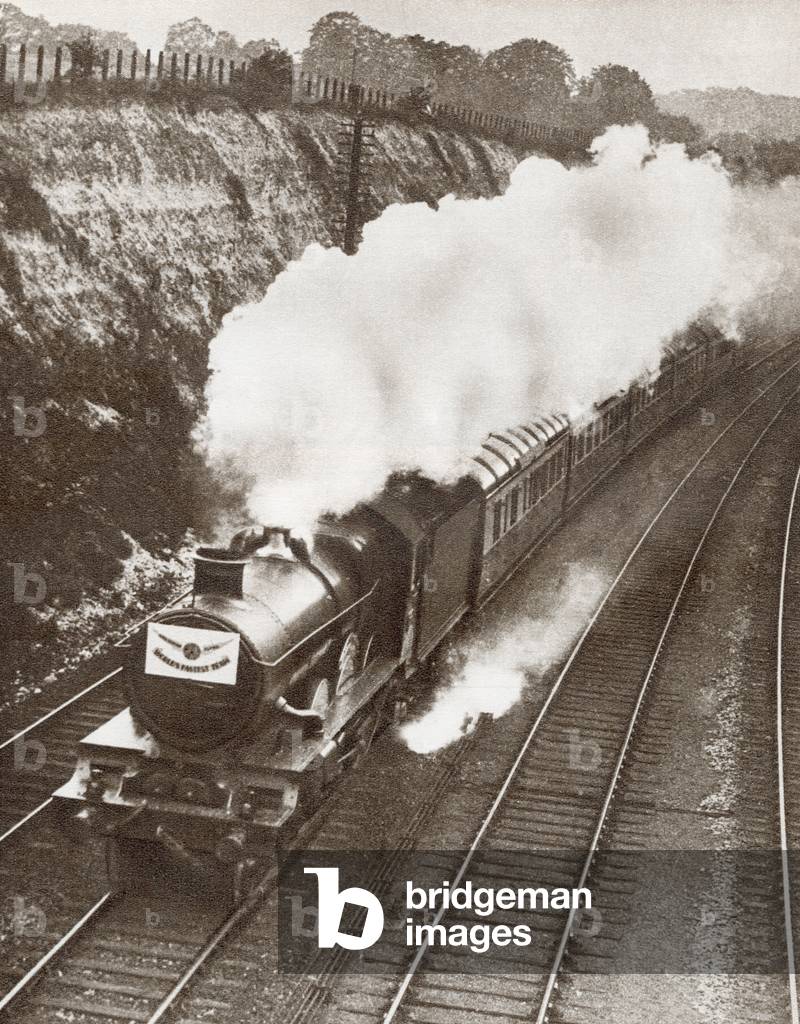
KWE480998: The Cheltenham Flyer aka The Cheltenham Spa Express train in 1931. From The Story of 25 Eventful Years in Pictures, published 1935., Unknown photographer, (20th century) / Bridgeman Images
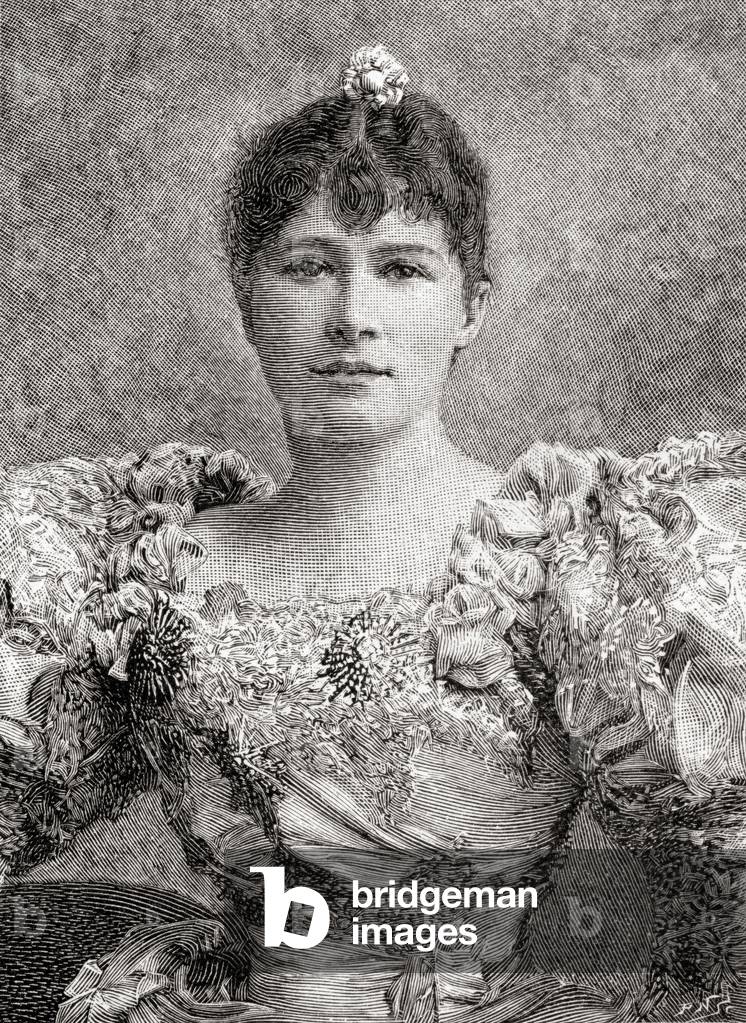
KWE481010: Dame Marie Tempest, 1864 – 1942. From The Strand Magazine published 1897., English School, (19th century) / Bridgeman Images

KWE481013: Gertrude Kingston, 1862 – 1937, From The Strand Magazine published 1897., English School, (19th century) / Bridgeman Images
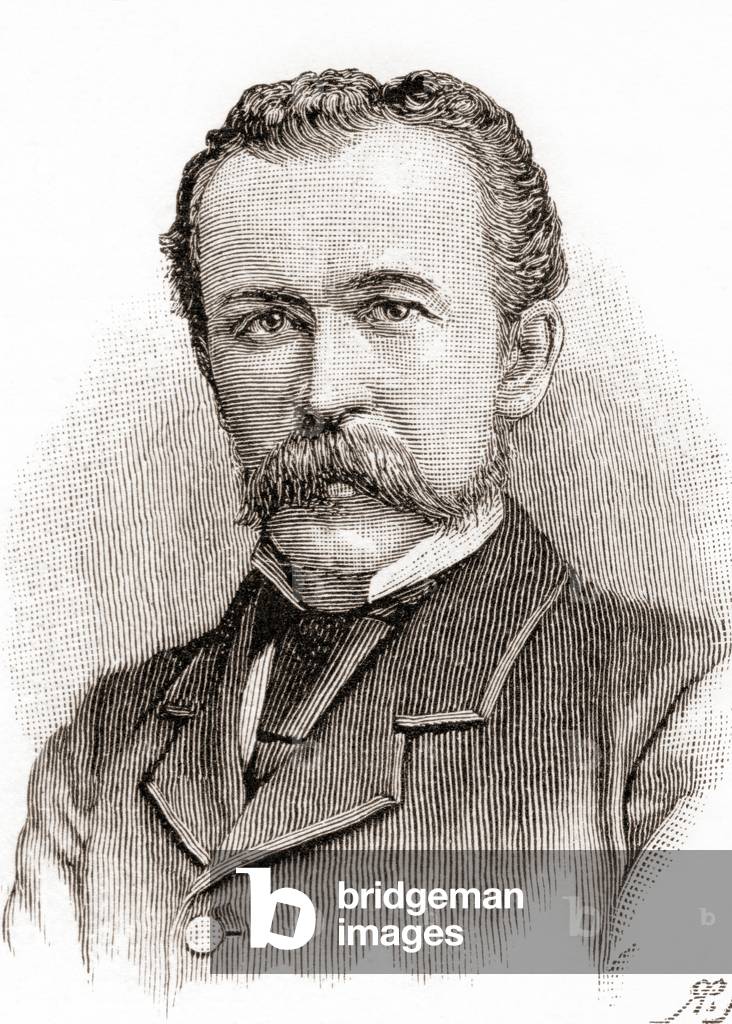
KWE481022: Robert Gibb, 1845 – 1932. From The Strand Magazine published 1897., English School, (19th century) / Bridgeman Images
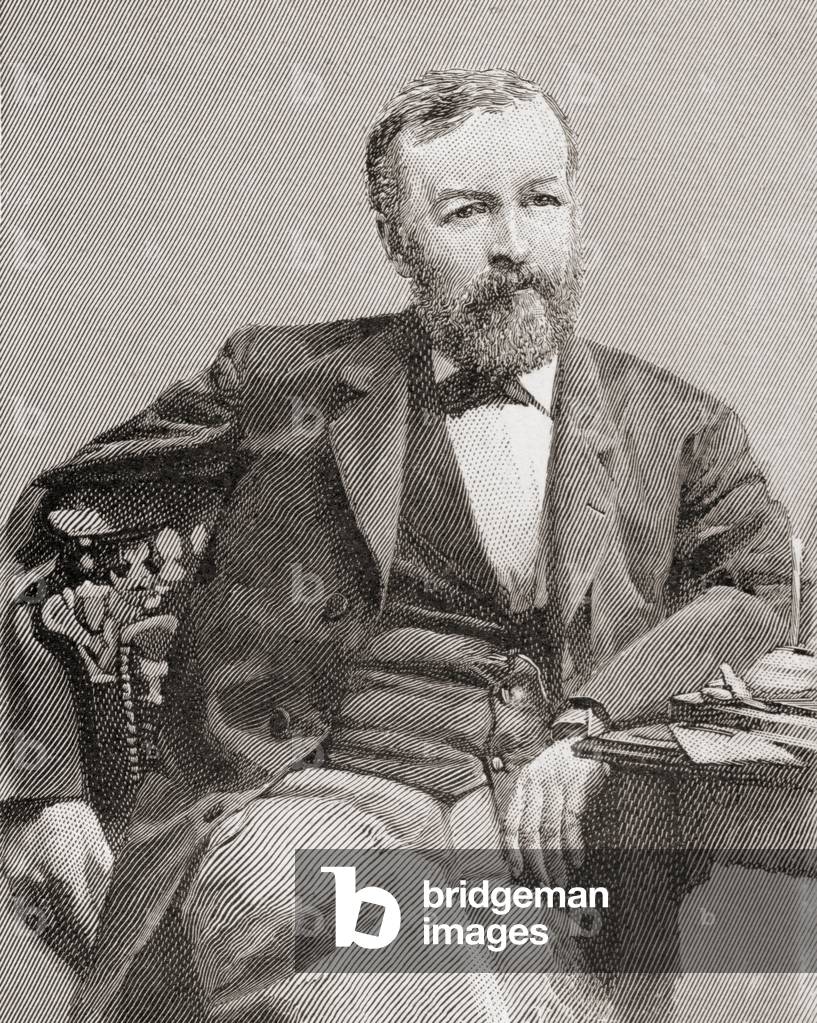
KWE481030: Samuel Pierpont Langley, 1834 - 1906. From The Strand Magazine published 1897., English School, (19th century) / Bridgeman Images
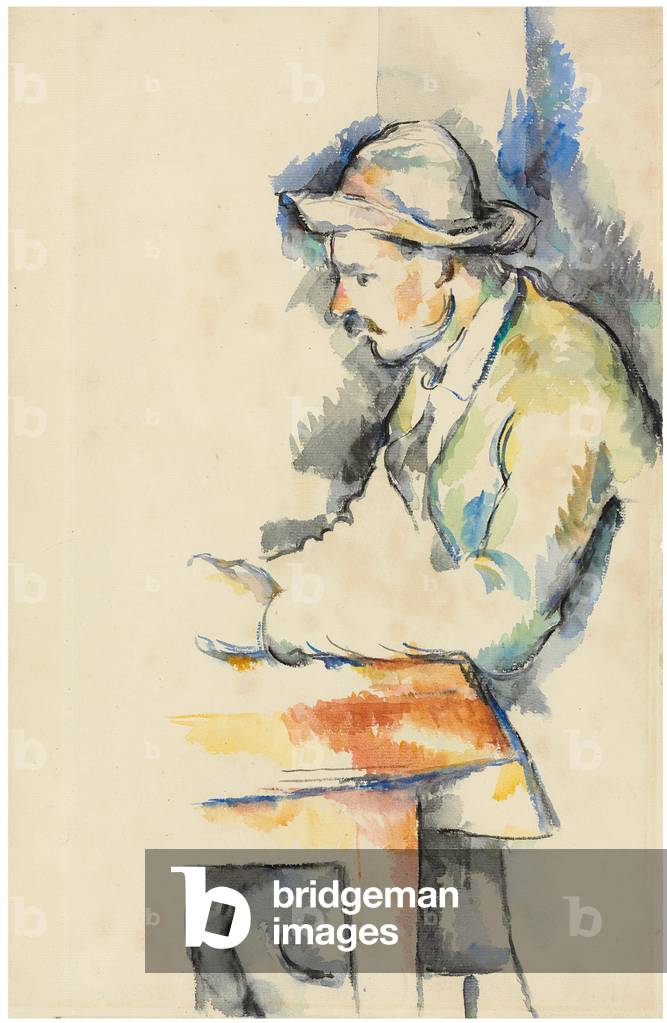
CH480763: Joueur de Cartes, c.1896 (w/c on paper), French School, (19th century) / Bridgeman Images

PNH480773: Study of a girl's head for 'The Rose Bower', c.1910 (red crayon & pencil on paper) , Waterhouse, John William (1849-1917) / Bridgeman Images

PNH480776: The Rose Bower, c.1910 (oil on canvas), Waterhouse, John William (1849-1917) / Bridgeman Images

PNH480783: Vanity, c.1910 (oil on canvas), Waterhouse, John William (1849-1917) / Bridgeman Images
