2489919 Search Results
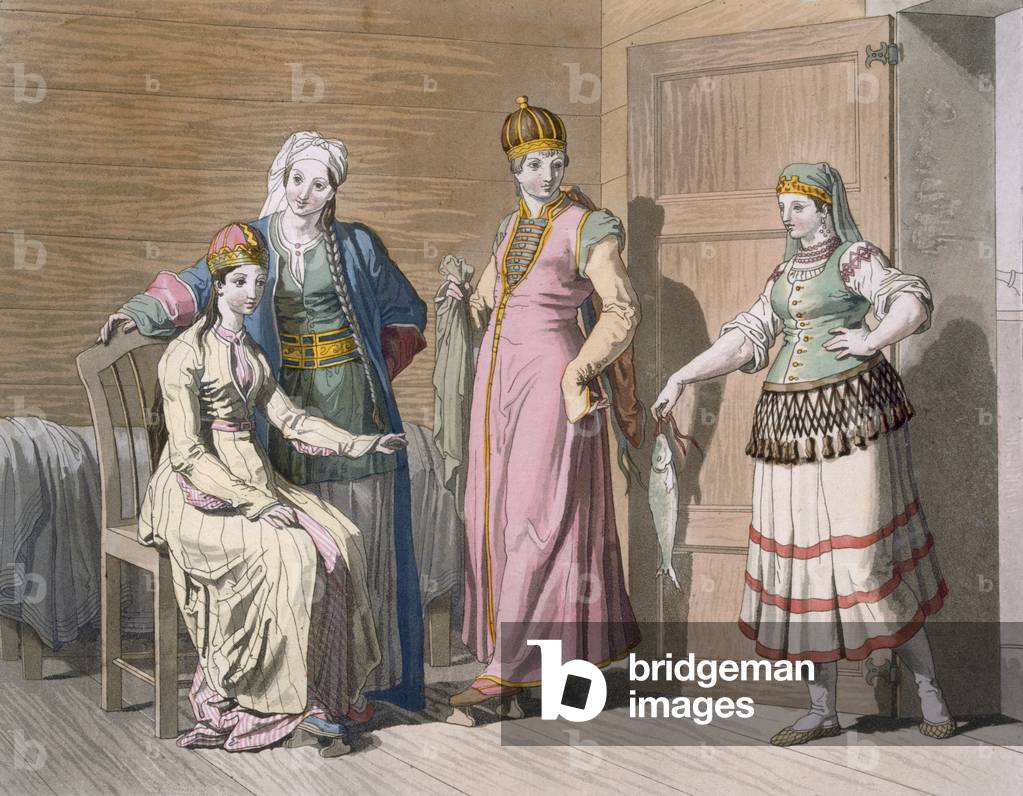
STC468747: Interior with Circassian Women, c.1820s-30s (coloured engraving), Italian School, (19th century) / Bridgeman Images
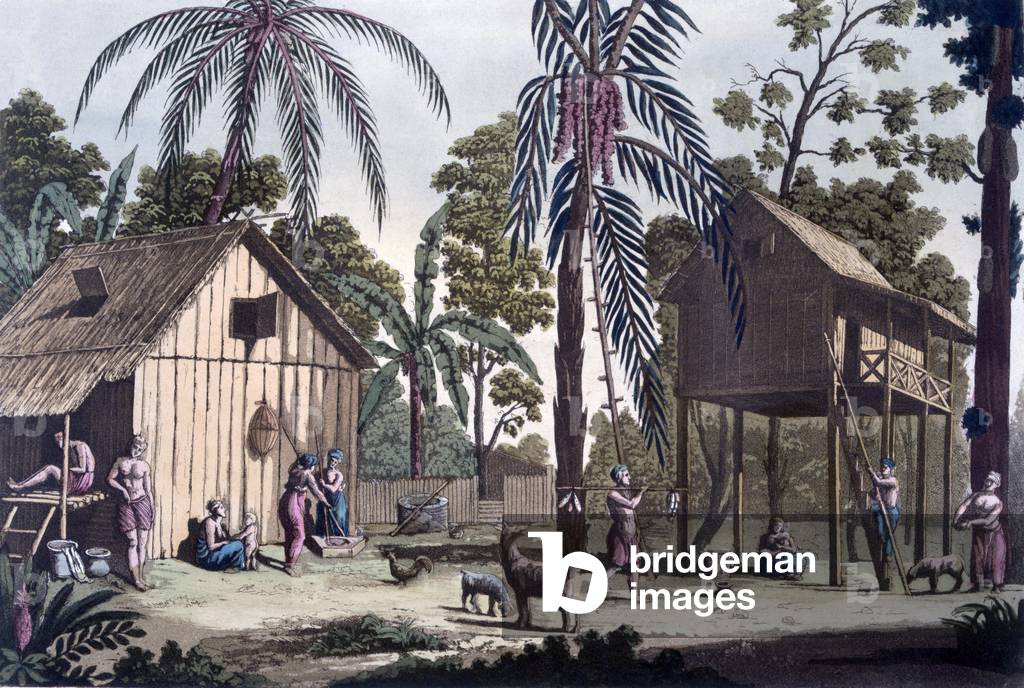
STC468755: A native settlement in Sumatra, c.1820s-30s (coloured engraving), Italian School, (19th century) / Bridgeman Images

STC468781: Costume and armour of the Captain of the Venetian Armada which defeated the Turks at the Battle of Lepanto, 1876 (engraving), Italian School, (19th century) / Bridgeman Images

STC468862: Four figures from the history of the Holy Roman Empire, c.1820s-30s (coloured engraving), Italian School, (19th century) / Bridgeman Images

STC468916: Albanians, 1865 (colour litho), Preziosi, Amadeo (1816-82) / Bridgeman Images

STC469101: John Walden, Citizen of London, illustration from 'Acts and Monuments' by John Foxe, ninth edition, pub. 1684 (litho), Sturt, John (1658-1730) / Bridgeman Images

CH396550: Tall vase, c.1920 (glass), Freres Daum (fl.1879-1935) / Bridgeman Images

STC469228: Chambre de jeaune fille I, a Paris, designed by F. Nathan, illustration from 'Interieurs' by Leon Moussinac, pub. Albert Levy, 1924-26 (colour litho), French School, (20th century) / Bridgeman Images

STC469265: The manner of carrying Nicholas Burton through the city of Sevill to the place of his martyrdom, illustration from 'Foxes Martyrs' c.1703 (litho), English School, (18th century) / Bridgeman Images

STC469275: Dr Taylor rebuking a Popish priest who was about to say mass in Hadley Church, illustration from 'Foxes Martyrs' c.1703 (litho), English School, (18th century) / Bridgeman Images

EX469310: West of England fire insurance mark, 1807-94 (metal), English School, (19th century) / Bridgeman Images

STC397067: 'The bonny men led the advance', illustration from 'Battles of the Nineteenth Century' by Archibald Forbes, G.A. Henty and Major Arthur Griffiths (litho), Woodville, Richard Caton (1825-55) (after) / Bridgeman Images

EX469329: Statue fragment of a Roman man, AD 60-100 (marble), Roman, (1st century AD) / Bridgeman Images

EX469345: Fire Bucket, 1807-94 (leather, metal & paint), English School, (19th century) / Bridgeman Images

KDC469432: Trooper of the New Zealand Mounted Rifles, 1938 (colour litho) / Bridgeman Images

KDC469441: Subadar of the 1st Battalion (Queen Victoria's Own Light Infantry) 7th Rajput Regiment, 1938 (colour litho) / Bridgeman Images

STC397109: Lifeguard on the Seine in Paris, illustration from 'L'assiette au Beurre: Les Fonctionnaires', 9th August 1902 (colour litho), Cadel, Eugene (1865-1940) / Bridgeman Images

STC397148: General Florentin, Chancellor of the Legion of Honour, illustration from 'L'assiette au Beurre: Nos Generaux', 12th July 1902 (colour litho), Camara, Leal de (1877-1948) / Bridgeman Images

STC397180: Fabri de Peiresc, copy by Boris Mestchersky (d.1957) illustration from 'Histoire de la Nation Francaise', Sciences, Volumes I & II, by Gabriel Hanotaux (1853-1944), 1924 (litho), French School, (17th century) (after) / Bridgeman Images

STC397196: An Alchemy lesson in the 14th century, copy by Boris Mestchersky (d.1957) illustration from 'Histoire de la Nation Francaise', Sciences, Volumes I & II, by Gabriel Hanotaux (1853-1944), 1924 (litho), French School, (14th century) (after) / Bridgeman Images

STC397224: Etiene Dolet, copy by Boris Mestchersky (d.1957), illustration from 'Histoire de la Nation Francaise', Sciences, Volumes I & II, by Gabriel Hanotaux (1853-1944), 1924 (colour litho), French School, (16th century) (after) / Bridgeman Images

WRP397297: The sacred Guru Granth Sahib (photo) / Bridgeman Images

KDC397323: John Bull, depicted as a camel, is reluctant to carry the new tax burdens imposed by Lloyd George in 'The People's Budget', frontispiece for Punch Magazine, June 30, 1909 (litho), Sambourne, Edward Linley (1844-1910) / Bridgeman Images
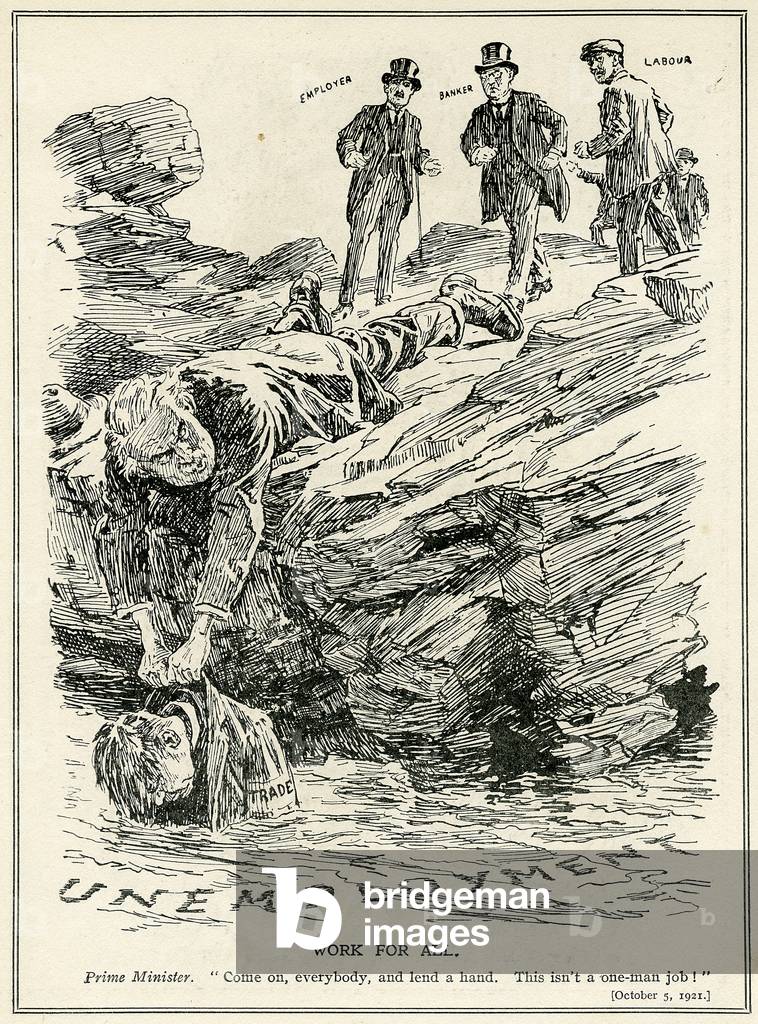
KDC397329: Lloyd George telling employers, bankers and labour to cooperate to defeat unemployment, 1921 (litho), English School, (20th century) / Bridgeman Images

KDC397343: Château Boucicaut, Fontenay-les-Roses, c.1905 (litho) / Bridgeman Images
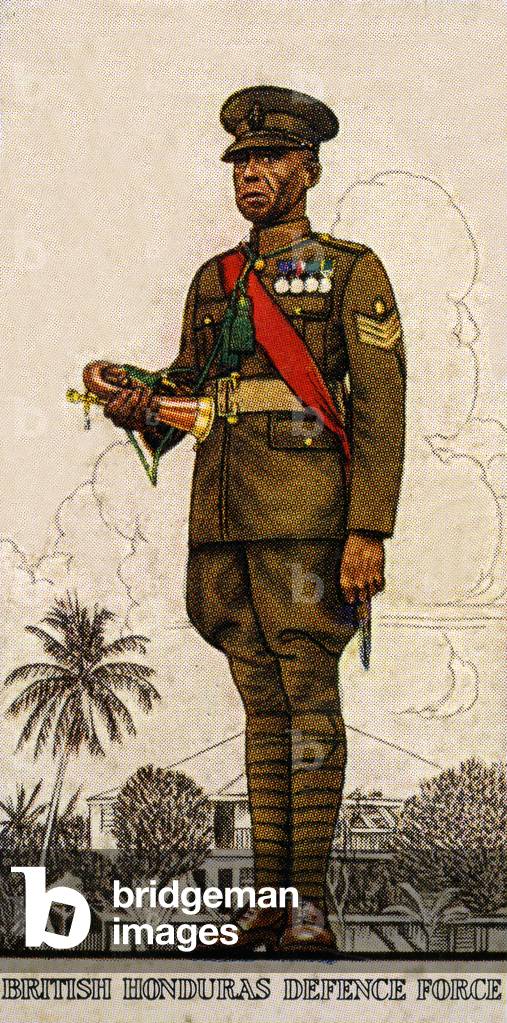
KDC469470: Sergeant-Drummer of the British Honduras Defence Force, 1938 (colour litho) / Bridgeman Images
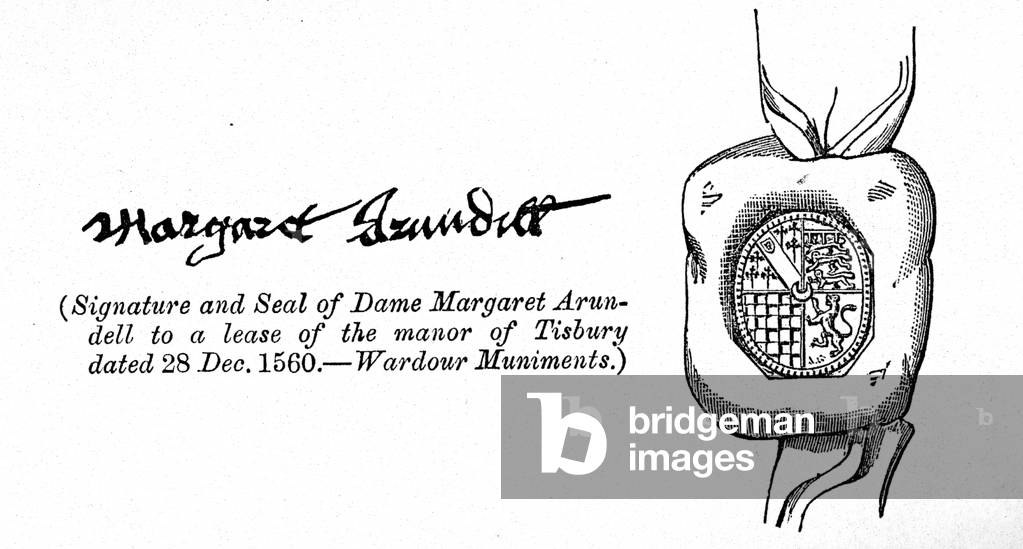
KDC469472: Signature and seal of Lady Margaret Arundell, 1560 (litho) (see also 231034) / Bridgeman Images

KWE469503: Illustration for The Two Gentlemen of Verona, from 'The Illustrated Library Shakespeare', published London 1890 (litho), Gilbert, John (1817-97) / Bridgeman Images

KWE469507: Illustration for The Two Gentlemen of Verona by William Shakespeare, 19th century (engraving), Dudley, Robert (d.1891) / Bridgeman Images

KDC469600: Fay Wray, 1935 (colour litho) / Bridgeman Images

KDC469607: Jane Wyatt, 1935 (colour litho) / Bridgeman Images
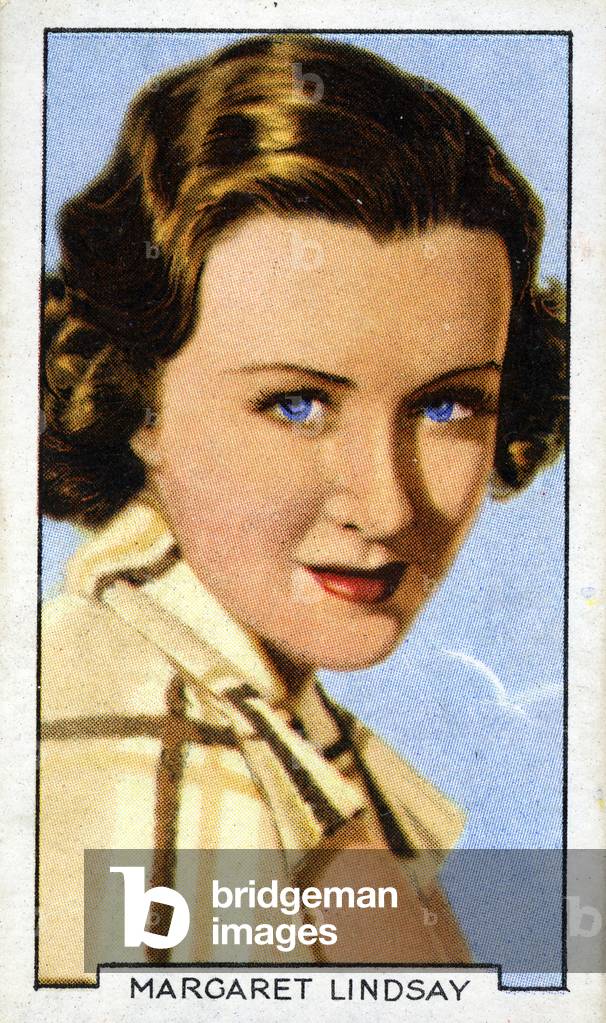
KDC469619: Margaret Lindsay, 1935 (colour litho) / Bridgeman Images

KDC469624: Richard Arlen, 1935 (colour litho) / Bridgeman Images

KDC469652: Characters from 'Dombey & Son', by Charles Dickens, 1923 (colour litho), Clarke, Joseph Clayton (Kyd) (1856-1937) (after) / Bridgeman Images

LAF470803: The Capuchin Monastery at Cava (Salerno) 1838 (oil on canvas), Vigne, Edouard de (1808-66) / Bridgeman Images

LAF470806: The Meersstraat in Ghent, 1862 (oil on canvas), Cock, Xavier de (1818-96) / Bridgeman Images
