2490926 Search Results

CUB4476067: Lago del Careser, Val de la Mare, Stelvio National Park, Alto Adige, Italy / Bridgeman Images

CUB4476082: Malga Monte Sole Bassa, Val di Rabbi, Stelvio National Park, Trentino, Italy / Bridgeman Images

CUB4476093: Rural concert, Chiostro delle Clarisse, Naples, Campania, Italy / Bridgeman Images

XEE4161943: The Fox and the Turkeys -engraving from “A Hundred Fables of La Fontaine” , 1889 (engraving), Billinghurst, Percy James (1871-1933) / Bridgeman Images

XEE4161983: Les deux chevres - The Two Goats -"A Hundred Fables of La Fontaine" , 1899 (engraving), Billinghurst, Percy James (1871-1933) / Bridgeman Images
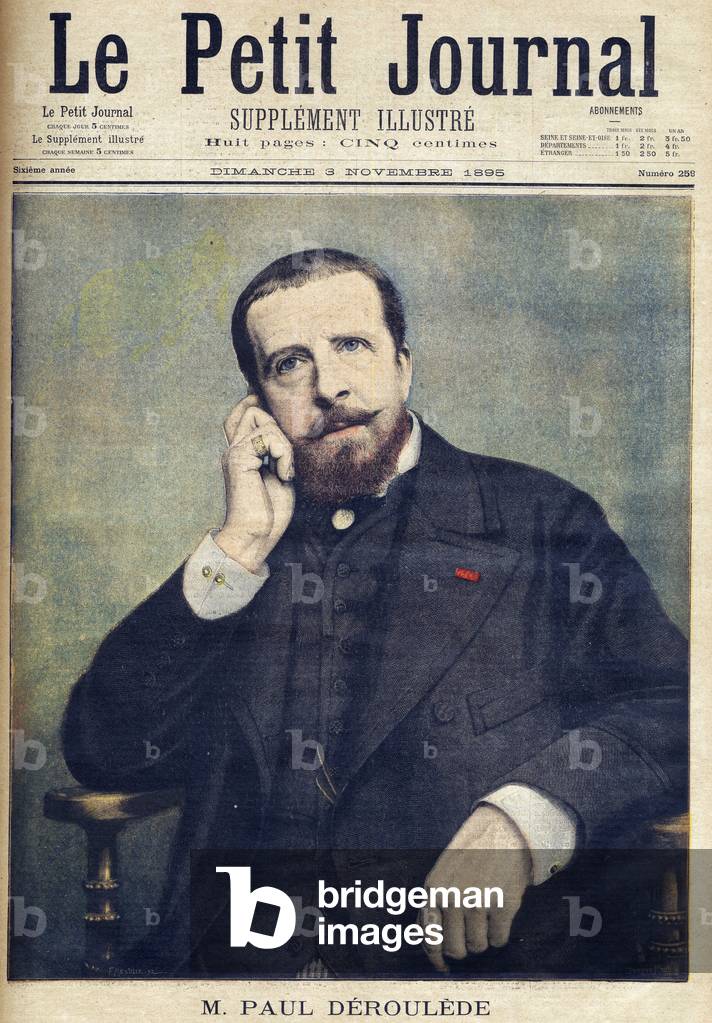
XEE4162158: Paul Deroulede after 'Le Petit Journal', illustrated supplement, November 1895, Unknown Artist, (19th century) / Bridgeman Images

PCT4260379: French stamp issued on 3/6/1955 in tribute of Jules Verne (print), Cartier, Patrice / Bridgeman Images

PCT4260596: School group (sixth class) in 1914 at the Lycee de Carcassonne. / Bridgeman Images
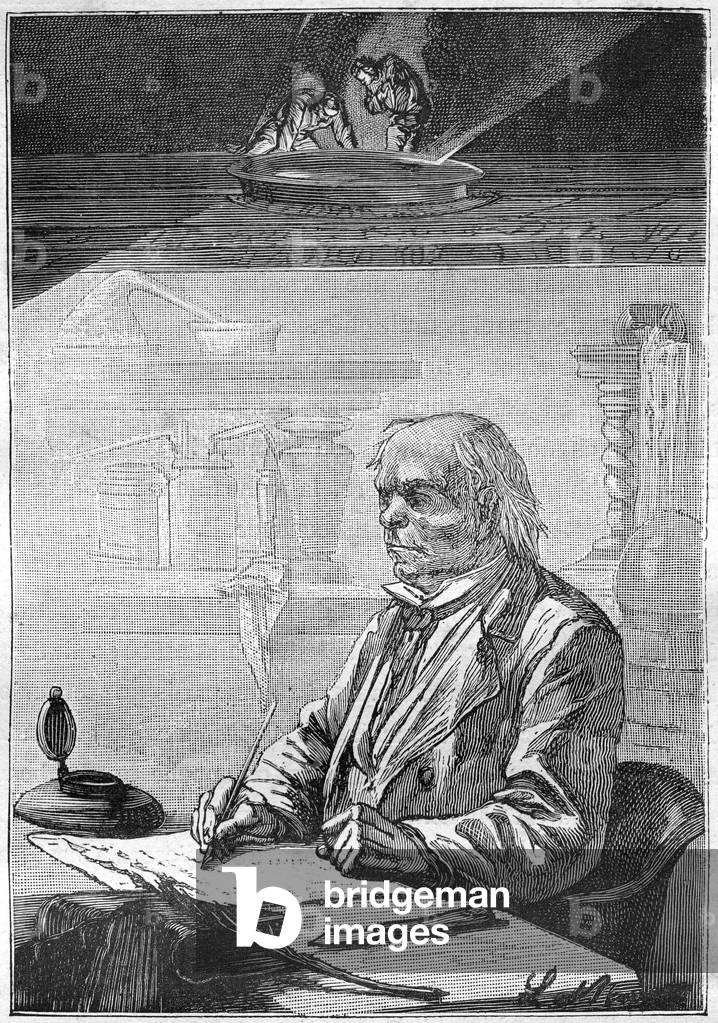
PCT4260623: Illustration by Leon Benett of the novel by Jules Verne “Les 500 millions de la Begum”” (Hetzel edition 1879): Herr Schultze, who died freeze writing at his work table, pen in his hand. “The king of steel had been struck while he was writing.”, Benett, Leon (1839-1917) / Bridgeman Images

PCT4260654: Revolt du Midi Vigticole: On June 20, 1907, Clemenceau had the crowd shot in Narbonne. The soldiers of the 17th Infantry Regiment mutinated and occupied the centre of Beziers. Postcard: the mutineers return to Agde / Bridgeman Images

PCT4260923: phonograph Lioret 1894 / Bridgeman Images

CUB4476102: Refuge Berni, Passo Gavia, Stelvio National Park, Alto Adige, Italy / Bridgeman Images

CUB4476148: Pinacotheque, Jesi, Ancona, Marche, Italy / Bridgeman Images

CUB4476180: Cathedral, Cremona, Lombardy, Italy / Bridgeman Images

CUB4476192: Cathedral, Cremona, Lombardy, Italy / Bridgeman Images

CUB4476238: Piazza del Plebiscito (Plebiscite Square), Naples, Campania, Italy / Bridgeman Images

CUB4476294: Center of the city, Pesaro, Marche, Italy / Bridgeman Images

CUB4476308: Portrait of Rossini, Teatro Rossini, Pesaro, Marche, Italy / Bridgeman Images

CUB4476316: Villino Ruggeri, Pesaro, Marche, Italy / Bridgeman Images

CUB4476358: Piazza del Mercato, Lucca, Tuscany, Italy / Bridgeman Images

CUB4476373: Piazza del Mercato, Lucca, Tuscany, Italy / Bridgeman Images

CUB4476416: Torre del Lago, Massaciuccoli, Tuscany, Italy / Bridgeman Images

CUB4476426: Teatro del Giglio, Lucca, Tuscany, Italy / Bridgeman Images

CUB4476436: Teatro Verdi, Busseto, Parma, Emilia-Romagna, Italy / Bridgeman Images

CUB4476450: Via Romai, Busseto, Parma, Emilia-Romagna, Italy / Bridgeman Images

CUB4476518: Via Donizetti, Bergamo, Lombardy, Italy / Bridgeman Images

CUB4476530: Cappella Colleoni, Bergamo, Lombardy, Italy / Bridgeman Images

CUB4476544: Church Santa Maria Maggiore, Bergamo, Lombardy, Italy / Bridgeman Images

CUB4476595: Stromboli Island, Volcano, Sicily, Italy / Bridgeman Images
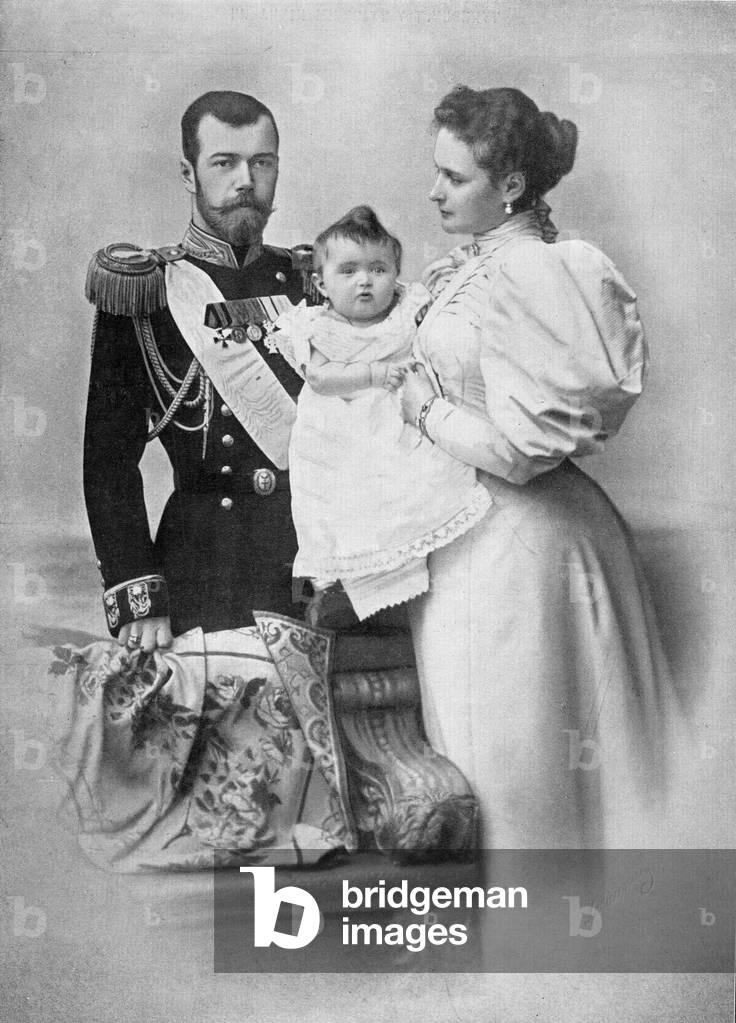
PCT4261375: Photographic portrait by Levitsky of the Russian imperiale family visiting France from 5 to 9 October 1896. / Bridgeman Images

PCT4261637: Phonograph " Menestrel 1900" has cylinder and glass pavilion / Bridgeman Images

XEE4162741: Illustration from "mon docteur - traite de medecine et d'hygiene", c. 1907 (print), French School, (20th century) / Bridgeman Images

XEE4162893: Cliff d'Amont - Etretat (photo) / Bridgeman Images

XEE4163063: Place des Jacobins, Lyon, Rhone - 1910s, postcard, France, 20th century., Unknown Artist, (20th century) / Bridgeman Images

XEE4163071: Le mess des officiers, Camp de la Courtine, Creuse - 1910s, postcard. France, 20th century., Unknown Artist, (20th century) / Bridgeman Images

XEE4163148: Grazing at the foot of Sancy, Mont Dore, Puy de Dome - 1910s, postcard. France, 20th century., Unknown Artist, (20th century) / Bridgeman Images
