2490896 Search Results

GIA4755709: Illustration by Richard Ranft (1862 - 1931) for Lucien de Samosate (125 approx. - 192): the courtesans., Ranft, Richard (1862-1931) / Bridgeman Images

LUX4755720: France: Two soldiers fight in duel, 1895 / Bridgeman Images

GIA4755739: The mosquito. Natural history board. 19th century., Unknown Artist, (19th century) / Bridgeman Images

LUX4755854: France: Starting a car with a family laying on, 1910 - 287-I6 / Bridgeman Images
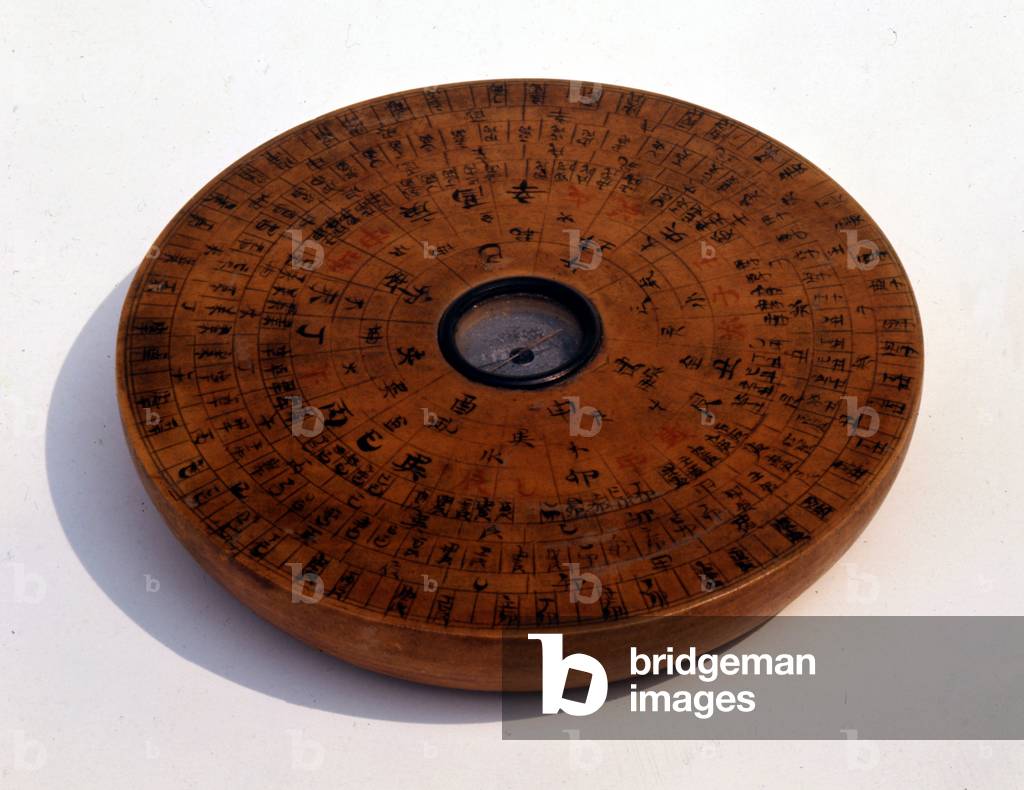
GIA4755867: Chinese geomantique compa. circa 1800., Chinese School, (19th century) / Bridgeman Images

PIX4656836: Paranal Observatory and Lactee Way 08/2007 - Paranal Observatory, Chile 08/2007 - La voie lactee et l'Observatoire du Paranal, August 2007. Milky way above Paranal Observatory, Chile. Aug 200 / Bridgeman Images

JLJ4656851: Portrait of Francisco de Mascarenhas, 16th century (oil on canvas), Unknown Artist, (16th century) / Bridgeman Images

LRI4656876: Air view of the city, Serail Point, St. Sophia Basilica and Topkapi Palace. (Photography) / Bridgeman Images
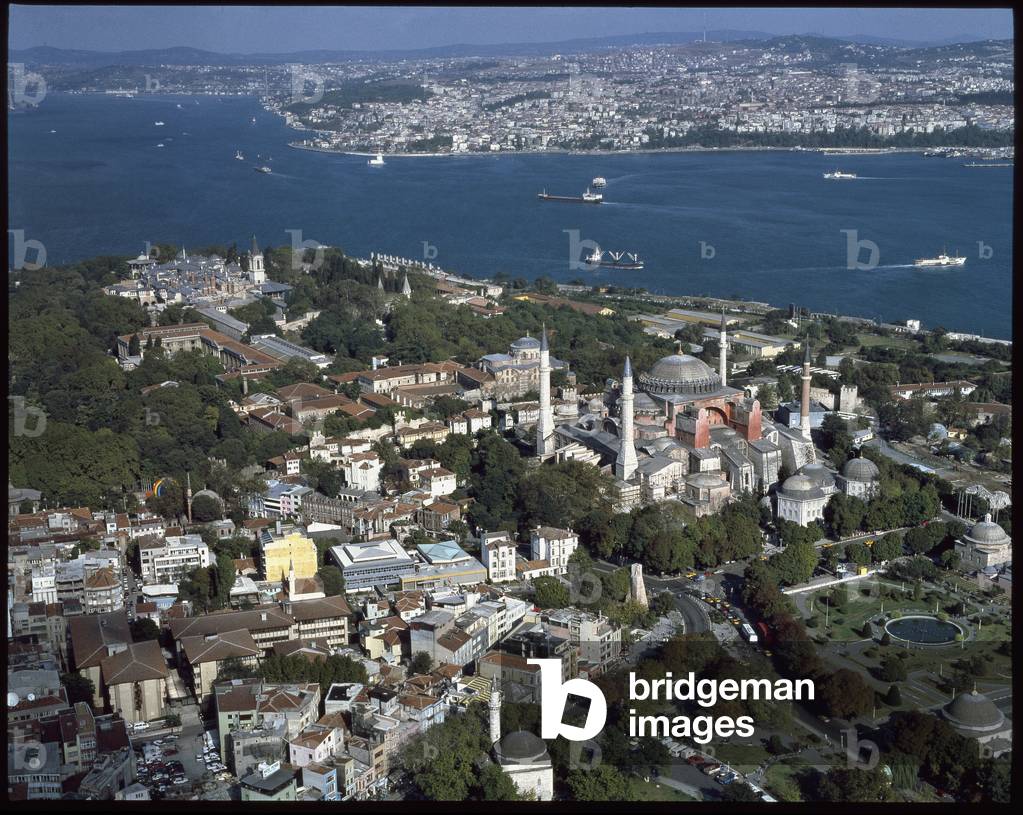
LRI4656891: Aerial view of the city, the Asian shore at the bottom, the Basilica of St. Sophia and Topkapi Palace in the foreground. (Photography) / Bridgeman Images
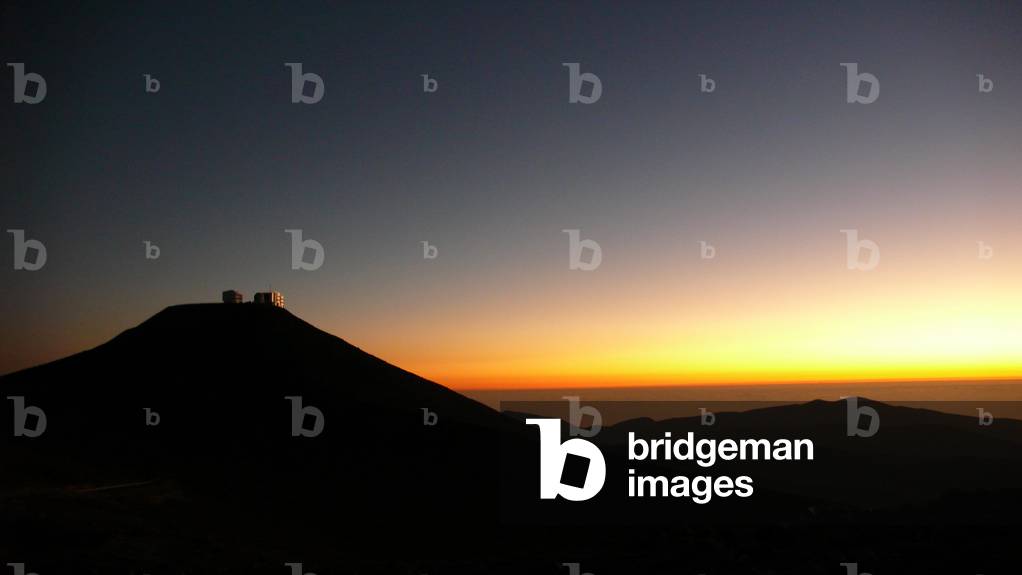
PIX4656980: Cerro Paranal at dusk - Cerro Paranal twilight - Sunset on the Paranal Observatory. April 2008. Sunset on the Paranal observatory. April 2008 / Bridgeman Images

LRI4687576: View of the monastery Nea Moni, 1042 (photography), Byzantine, (11th Century) / Bridgeman Images

JLJ4687622: Our Lady has the child, 15th century (painting on wood), Bouts, Dirck (c.1415-75) / Bridgeman Images

LRI4657090: View of the temple of Domitian dedicated to the emperor., Roman, (1st century AD) / Bridgeman Images

LRI4657097: View of the theatre., Greek Roman School, (500 BC - 400) / Bridgeman Images
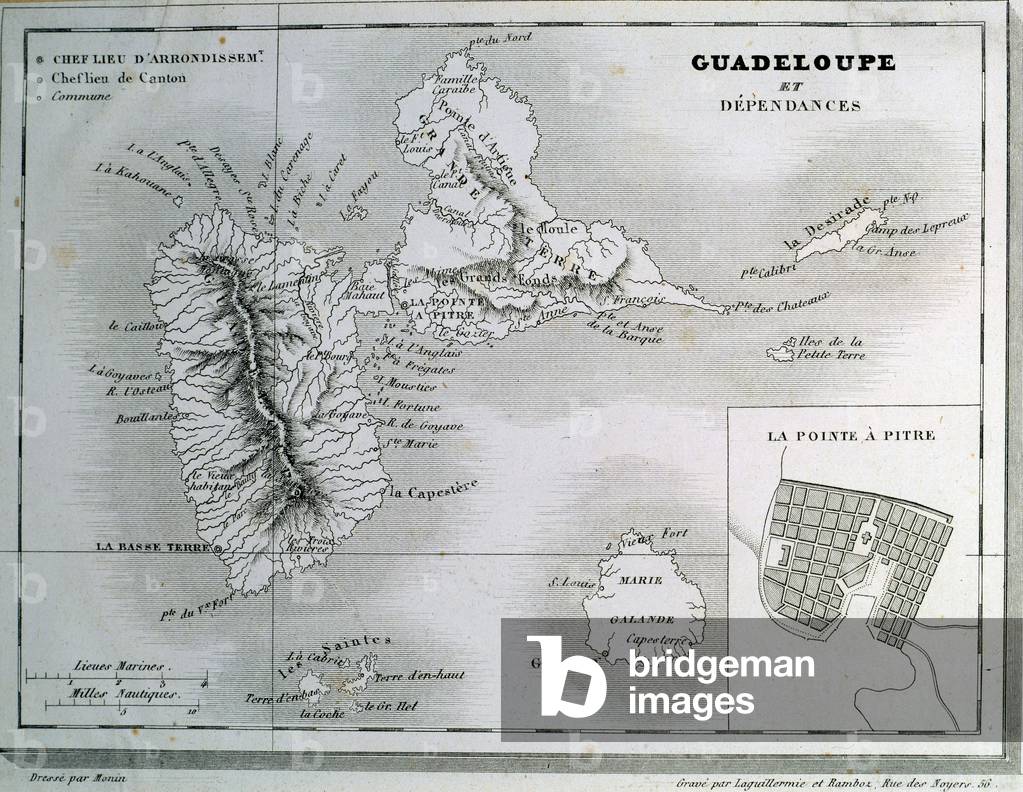
JLJ4687943: Map of Guadeloupe and its dependencies, 19th century (engraving), French School, (19th century) / Bridgeman Images

JLJ4657229: Portrait of Madame Adelaide of France (1732-1799) in Diane, daughter of Louis XV, 18th century (oil on canvas), Nattier, Jean-Marc (1685-1766) / Bridgeman Images

JLJ4688047: Departing From Bayard De Brescia, 1512, 1821 (oil on canvas), Bidault, Jean Joseph (1758-1846) / Bridgeman Images

PIX4657502: Paranal Observatory - Chile - Aerienne view of the VLT, Very Large Telescope, consists of 4 main telescopes measuring 8.2m in diameter. This photo obtained in November 1999 also shows the foundations of future 1.8m auxilliary telescopes / Bridgeman Images

GIA4756969: French print in the form of an allegory representing China's position in the Boxer War vis à vis the Westerners, early 20th century (print), French School, (20th century) / Bridgeman Images

PIX4657630: The VISTA telescope - Chile - The VISTA telecope - Chile: The dome of the 4.1m VISTA telescope seen from the VLT, in the Atacama desert in Chile. The Vista, 4.1 meter wide-field telescope for Infrared survey seen from VLT in Atacama Desert. / Bridgeman Images

LRI4657666: View of the temple of Ramsesses II, 13th century BC, Egyptian / Bridgeman Images

PIX4657794: Didier Queloz and Michel Mayor at the Observatory of La Silla - Chil / Bridgeman Images

JLJ4657996: The Defileuse, 17th century (oil on canvas), Dutch School, (17th century) / Bridgeman Images

JLJ4658078: Saint Bruno (1030-1101), founder of the Carthusian Order receives a message from Pope Urban II (Urbano II), 1645 (oil on canvas), Le Sueur, Eustache (1617-55) / Bridgeman Images

LUX4757155: France, Brittany, Finistere (29), Brest: Wedding photo in studio of a Breton couple in the fashion of the crazy years, 1920 / Bridgeman Images

GIA4757239: Richard Strauss: Feuernot (The Fire of Saint John) costume , 1912 (print), Unknown Artist, (20th century) / Bridgeman Images

GIA4757297: Richard Strauss “” Salomè”. Dance of the Seven Vails. 1914 chromolithography., Unknown Artist, (20th century) / Bridgeman Images

JLJ4688636: The Stadium of Delphi. Greek Art, 3rd century BC (photo), Greek school, (3rd century BC) / Bridgeman Images

LRI4688701: Fragment of a staircase presenting glyphs reliefs, AD 250 to 900 (stone), Mayan / Bridgeman Images

JLJ4689180: Portrait Of The Russian Impress Catherine Iere (1684-1727), 18th century (oil on canvas), Nattier, Jean-Marc (1685-1766) / Bridgeman Images

LRI4658400: Precolombian art, mochique civilization (ugly, mochica): a Mochica chief with a felin in his arms. Anthropomorphic clay vase. 200 BC-700 AD. Lima, National Museum of Anthropology and Archaeology, Peru, Moche / Bridgeman Images

LRI4658404: Precolombian art, Nazca civilization: terracotta vase of anthropomorphic form. 100 BC-800 AD. Lima, National Museum of Anthropology and Archaeology, Peru, Nazca Culture / Bridgeman Images

PIX4658615: Sinai peninsule seen by shuttle 11/96 - Sinai peninsule seen by shuttle STS - 80 on 28/11/1996 / Bridgeman Images

JLJ4658650: Greek antiquite: gold pendant with a representation of centaur, 600-500 BC (gold), Greek school, (6th-5th century BC) / Bridgeman Images

GIA4757677: A snuff - Chinese bottle or container used for rock crystal perfume. A black onyx horse. Yuan Dynasty (1280 - 1368)., Chinese School, (14th century) / Bridgeman Images

GIA4759360: La femme adultère. Illustration de Auguste François Gorguet (1862 - 1927) pour ""Le Lys rouge"" d'Anatole France, 1894., Gorguet, Auguste Francois (1862-1927) / Bridgeman Images
