2491708 Search Results

LLM1092706: Michael Angelo, by Pozzi (engraving), American School, (19th century) / Bridgeman Images
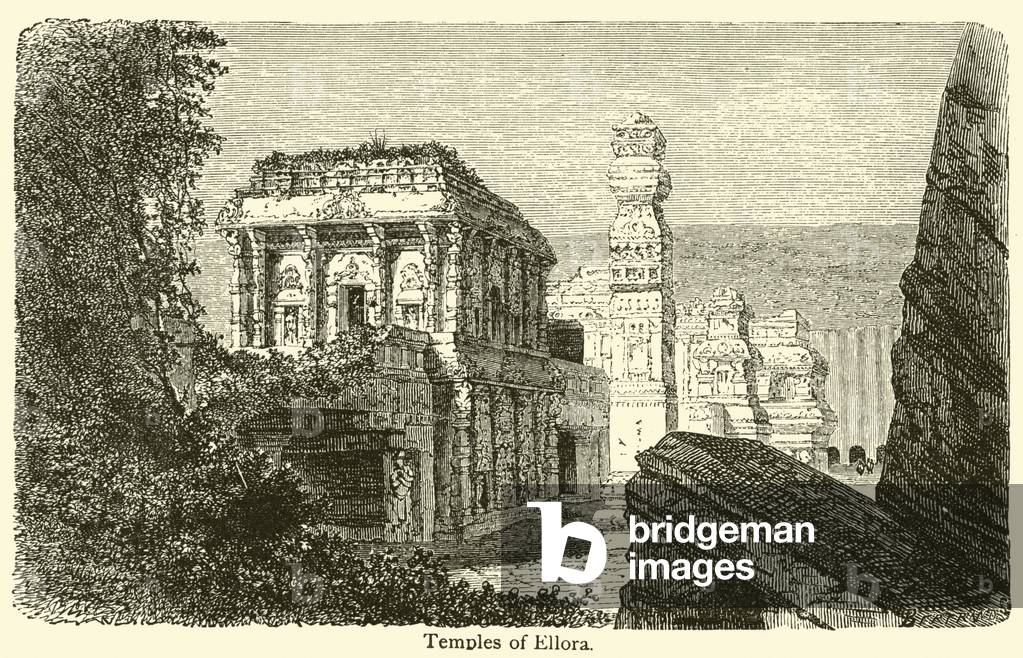
LLM1092766: Temples of Ellora (engraving), French School, (19th century) / Bridgeman Images
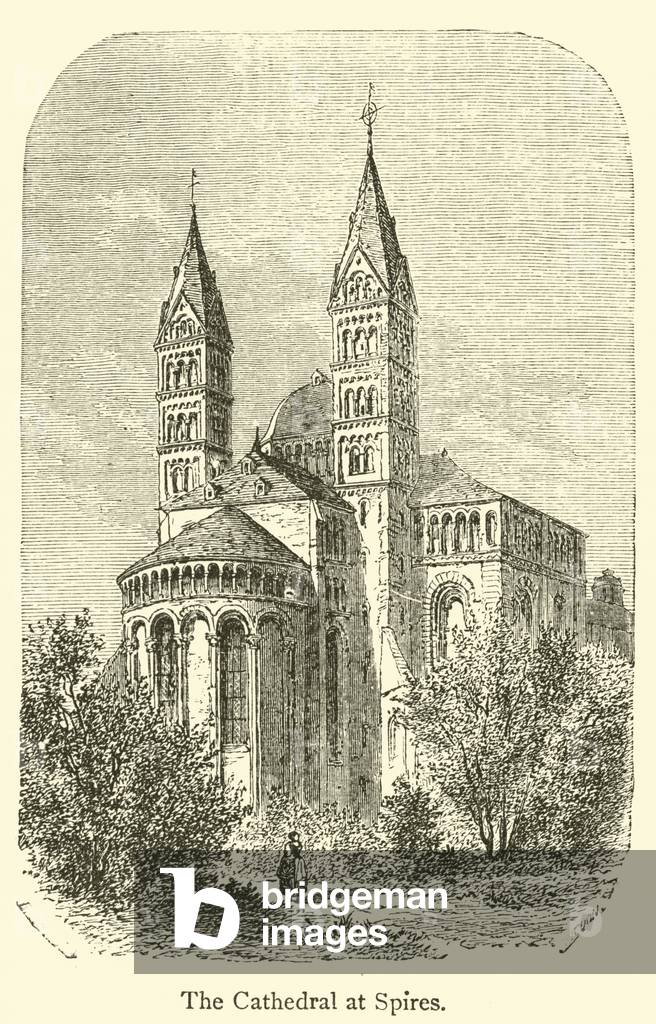
LLM1092783: The Cathedral at Spires (engraving), French School, (19th century) / Bridgeman Images
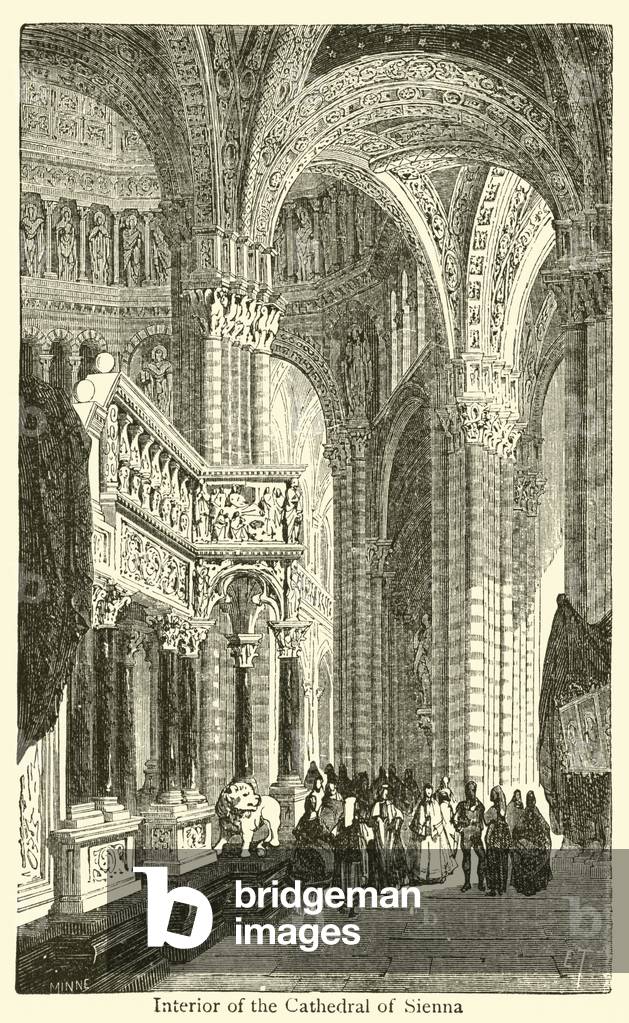
LLM1092795: Interior of the Cathedral of Sienna (engraving), French School, (19th century) / Bridgeman Images
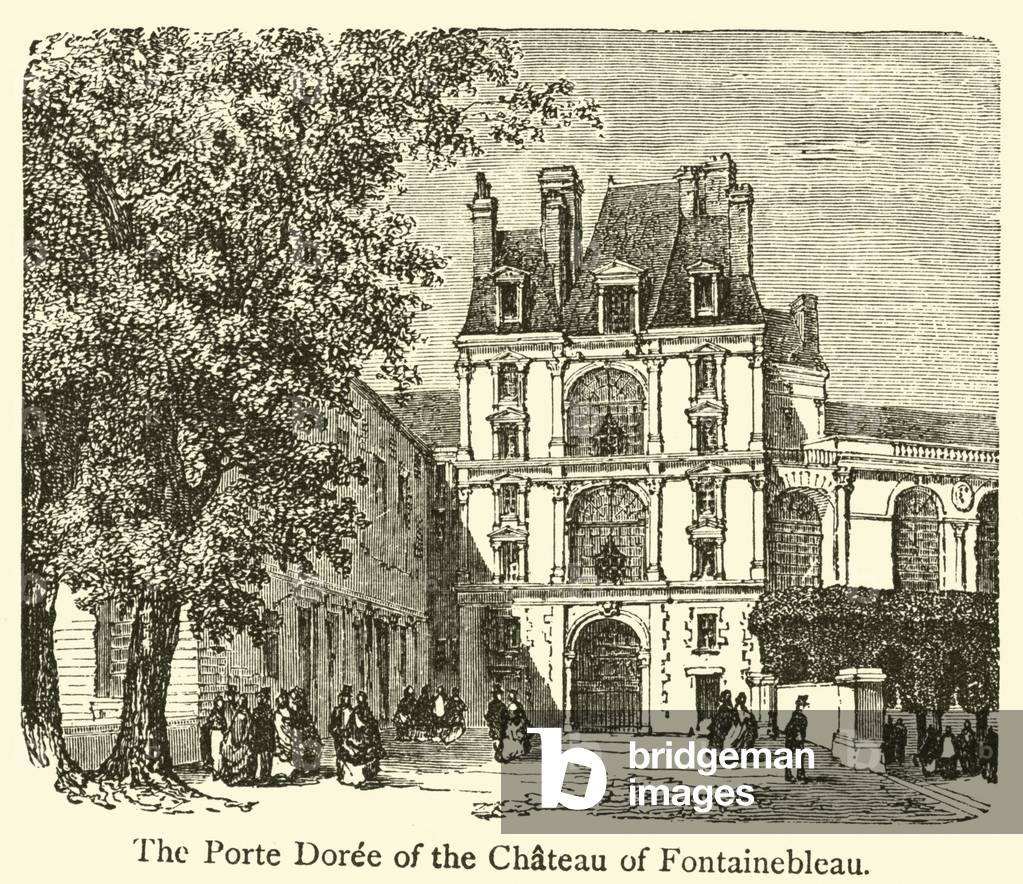
LLM1092803: The Porte Doree of the Chateau of Fontainebleau (engraving), French School, (19th century) / Bridgeman Images

LIP1051686: To Klondyke and Back, Fort Selkirk (litho), Fripp, Charles Edwin (1854-1906) / Bridgeman Images

LIP1051711: "The Tyranny of Tears" at the Criterion Theatre (litho), English School, (19th century) / Bridgeman Images

LIP1051722: The Archbishops of Canterbury (litho), English School, (19th century) / Bridgeman Images

LIP1051732: The Return of Sir Henry Irving, M Sardou's "Robespierre" at the Lyceum (litho), English School, (19th century) / Bridgeman Images

LIP1051750: The Result of Forty Winks (chromolitho), Boyd, Alexander Stuart (1854-1930) / Bridgeman Images

LIP1051772: Advertisement, Meppin and Webb (engraving), English School, (19th century) / Bridgeman Images

LIP1051797: Advertisement, Ogden's Guinea Gold Cigarettes (engraving), English School, (19th century) / Bridgeman Images

LIP1051804: The Military Tournament in Glasgow in Aid of Charities, the Set Scene (engraving), Ralston, William (1848-1911) (after) / Bridgeman Images

LIP1051809: The Presentation to Colonel Hector MacDonald, the Duke of Atholl buckling on the Sword of Honour (litho), Hall, Sydney Prior (1842-1922) (after) / Bridgeman Images

LIP1051819: Presidents of the Royal Academy (litho), Lawrence, Thomas (1769-1830) (after) / Bridgeman Images

LIP1051824: The Diamond Jubilee Statue of the Queen at Durban, the Unveiling Ceremony (litho), Nash, Joseph (d.1922) / Bridgeman Images

LIP1051835: Advertisements (engraving), English School, (19th century) / Bridgeman Images

LIP1051864: The Peace Conference at the Hague, the Reception of Delegates by Queen Wilhelmina (litho), Hatherell, William (1855-1928) (after) / Bridgeman Images

LIP1051879: Senor Sarasate, the Spanish Violinist, who has just concluded a Visit to London (litho), Hall, Sydney Prior (1842-1922) (after) / Bridgeman Images

LIP1051892: Major Esterhazy (engraving), Malteste, Louis (1862-1928) / Bridgeman Images

LIP1051915: The Race to Heligoland for the German Emperor's Cup (litho), Wyllie, William Lionel (1851-1931) (after) / Bridgeman Images

LIP1051966: The Carnival Ball at the Governor's Palace at Malta, the Minuet Dancers saluting the Throne (litho), Hatherell, William (1855-1928) (after) / Bridgeman Images
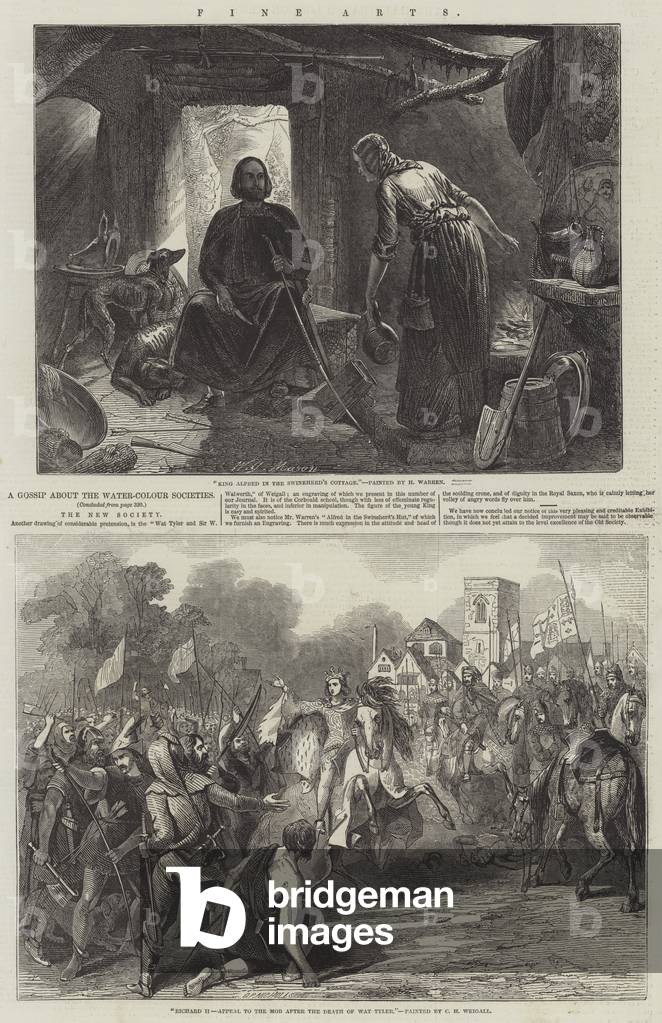
LIP1101912: A Gossip about the Water-Colour Societies (engraving), English School, (19th century) / Bridgeman Images
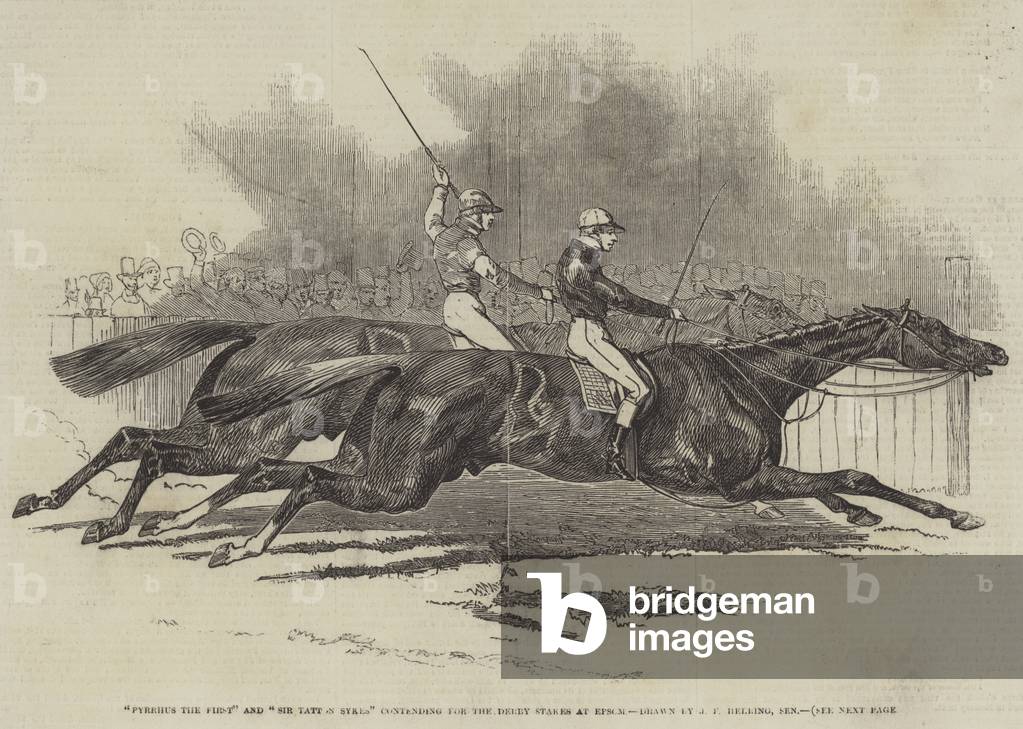
LIP1101924: "Pyrrhus the First" and "Sir Tatton Sykes" contending for the Derby Stakes at Epsom (engraving), Herring, James (1794-1867) (after) / Bridgeman Images

LIP1101936: Scene from the Opera of "Il Matrimonio Segreto," at Her Majesty's Theatre (engraving), English School, (19th century) / Bridgeman Images

LIP1101941: Recent Important Excavations at Pompeii (engraving), English School, (19th century) / Bridgeman Images

LIP1101956: Fete in Chelsea Hospital Grounds in Aid of the Hospital for Consumption (engraving), English School, (19th century) / Bridgeman Images

LIP1101967: Midsummer Eve Festival (engraving), Harvey, William (1796-1866) (after) / Bridgeman Images

LIP1102001: Great Exhibition of 1851 (engraving), English School, (19th century) / Bridgeman Images

LIP1102035: Death of a Centenarian in Warwickshire (engraving), English School, (19th century) / Bridgeman Images

LIP1102053: Great Exhibition of 1851 (engraving), English School, (19th century) / Bridgeman Images

LIP1102062: Italy, La Saltarella (engraving), English School, (19th century) / Bridgeman Images

LIP1102073: Total Eclipse of the Sun (engraving), English School, (19th century) / Bridgeman Images

LIP1102082: Great Exhibition of 1851 (engraving), English School, (19th century) / Bridgeman Images

LIP1102097: Goodwood Group, "Conflict between Roderick Dhu and Fitzjames" (engraving), English School, (19th century) / Bridgeman Images

LIP1102108: Great Exhibition of 1851 (engraving), English School, (19th century) / Bridgeman Images
