2491518 Search Results

LIP1047045: Mr Ernest Albert Waterlow (engraving), Wirgman, Theodore Blake (1848-1925) (after) / Bridgeman Images

LIP1047070: How a Bishop had to swim across a River to attend a Confirmation (engraving), Nash, Joseph (d.1922) / Bridgeman Images

LIP1047076: The Opening of Parliament, the Movers and Seconders of the Address in reply to the Queen's Speech (engraving), English School, (19th century) / Bridgeman Images

LLM970891: Senor Emilio Castelar (engraving), American School, (19th century) (after) / Bridgeman Images

LLM970939: Napoleon's retreat from Moscow (engraving), American School, (19th century) (after) / Bridgeman Images

LLM970951: Napoleon at the Bridge of Lodi (engraving), American School, (19th century) (after) / Bridgeman Images

LLM970958: St Peter's Church, where Washington was married (engraving), American School, (19th century) (after) / Bridgeman Images
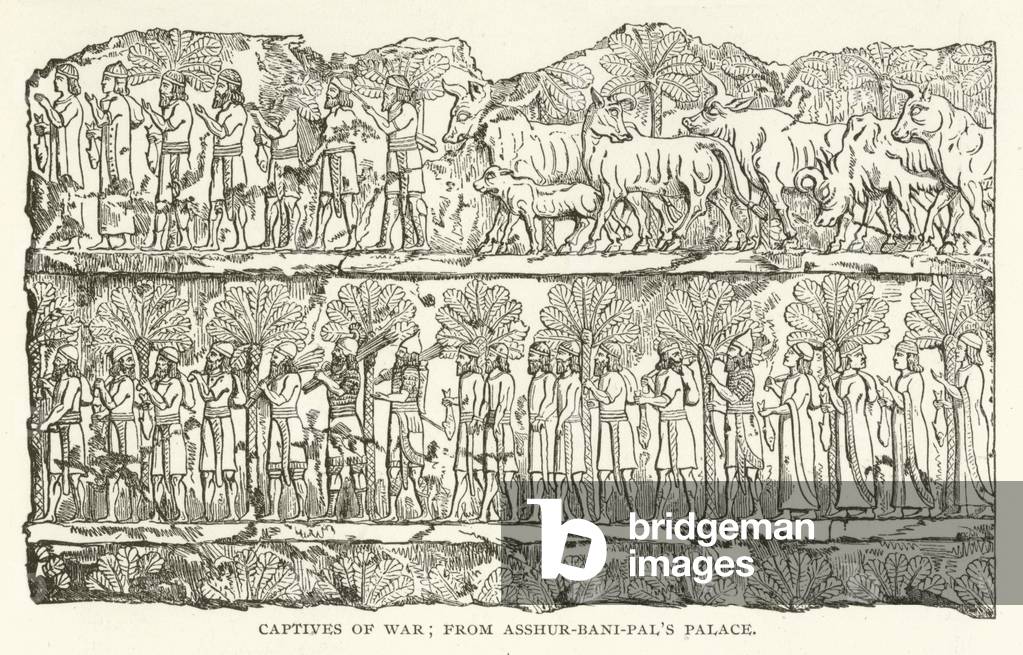
LLM970976: Captives of War; from Asshur-bani-pal's Palace (engraving), American School, (19th century) (after) / Bridgeman Images
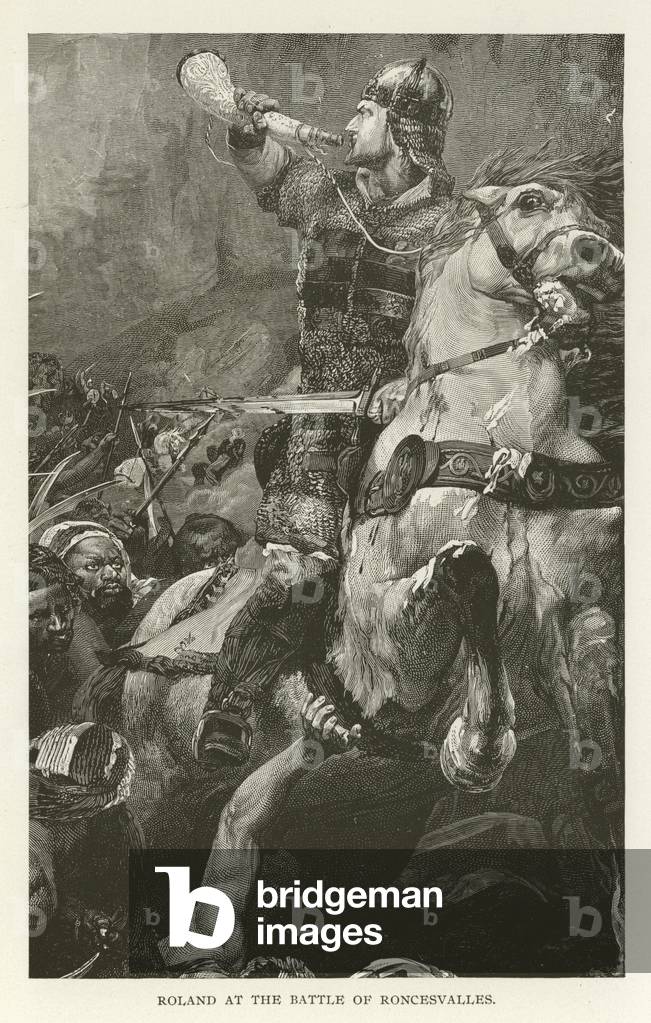
LLM971010: Roland at the Battle of Roncesvalles (engraving), American School, (19th century) (after) / Bridgeman Images
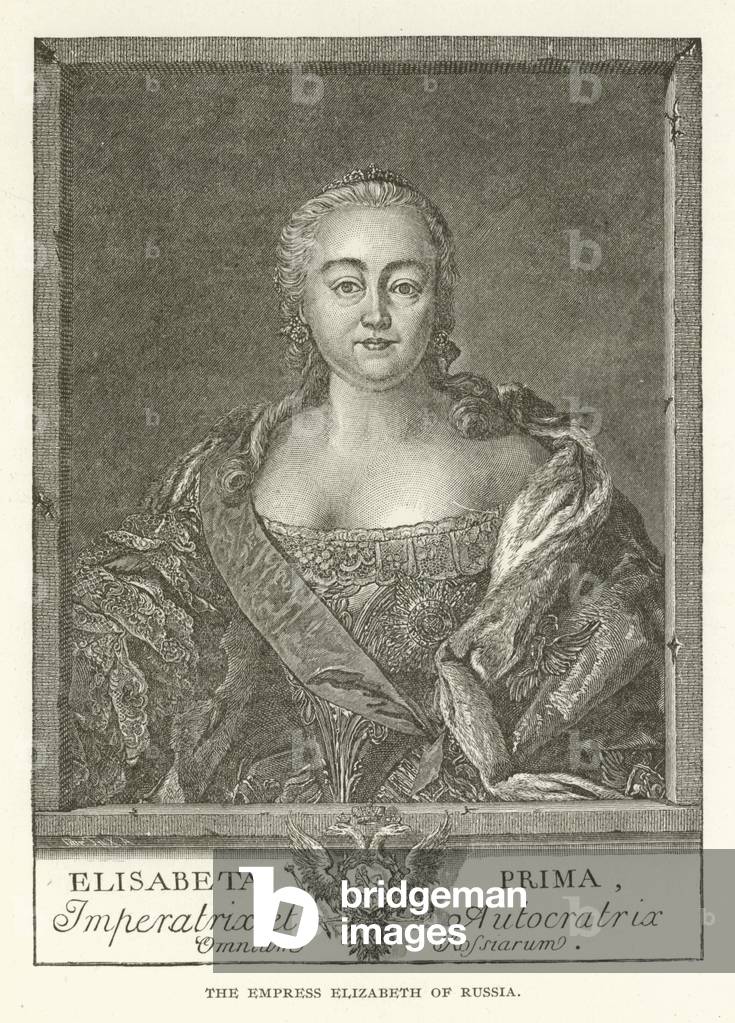
LLM971018: The Empress Elizabeth of Russia (engraving), American School, (19th century) (after) / Bridgeman Images
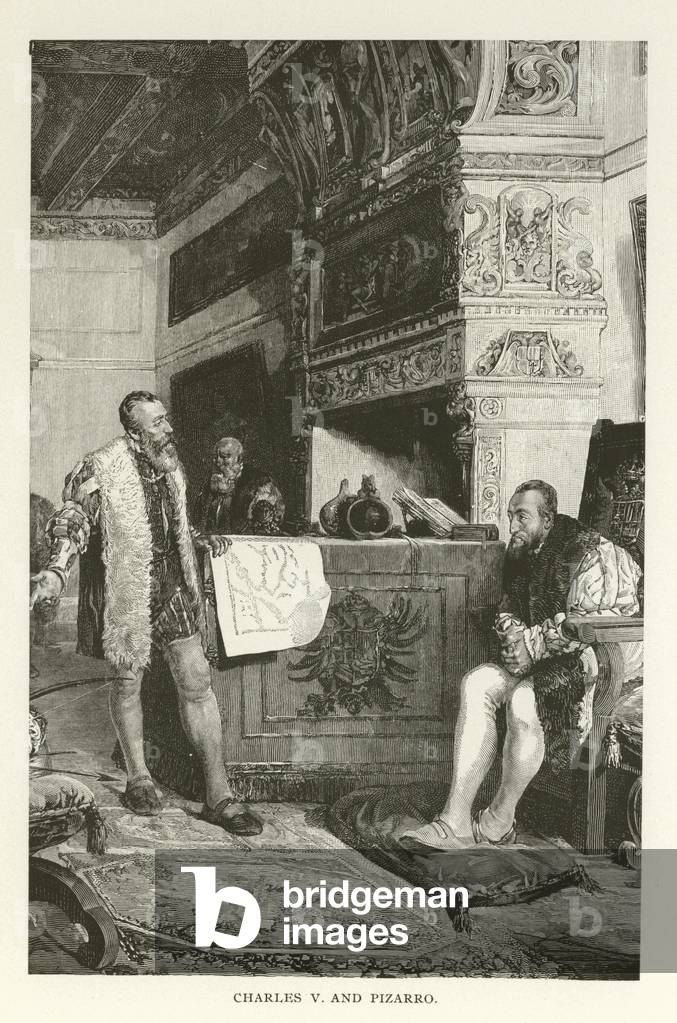
LLM971057: Charles V and Pizarro (engraving), American School, (19th century) (after) / Bridgeman Images
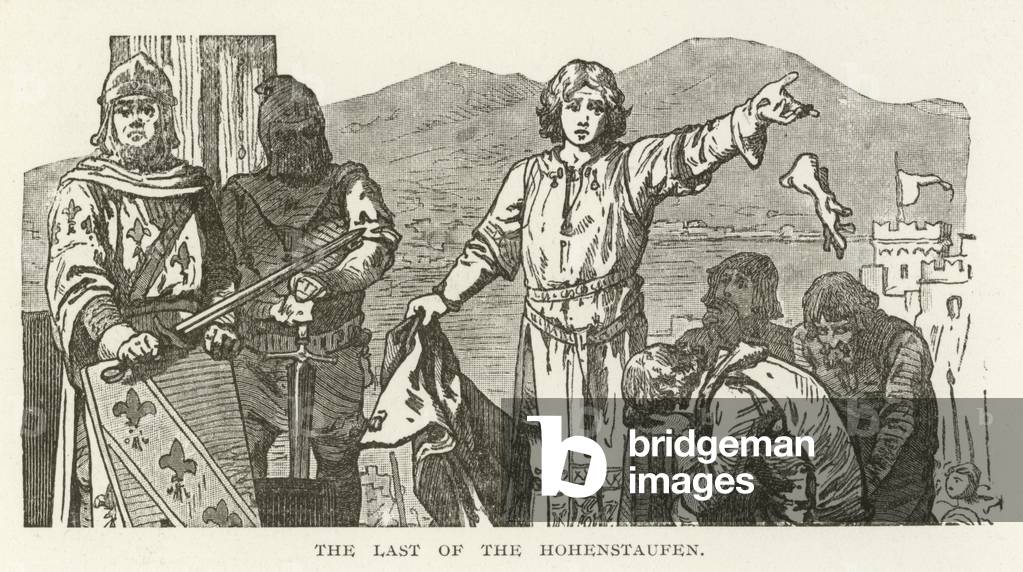
LLM971096: The last of the Hohenstaufen (engraving), American School, (19th century) (after) / Bridgeman Images
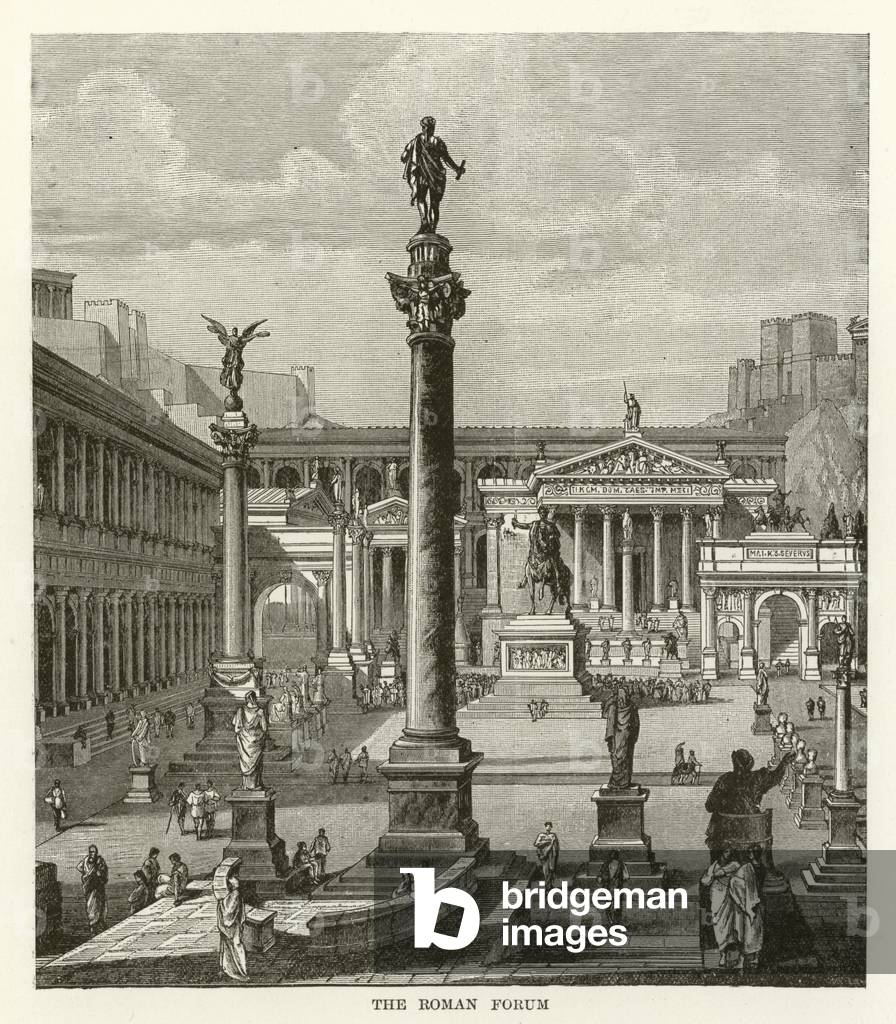
LLM971113: The Roman Forum (engraving), American School, (19th century) (after) / Bridgeman Images

LLM971149: Map of Athens and its Vicinity; The Acropolis (colour litho), American School, (19th century) (after) / Bridgeman Images

LLM971157: The Catilinarian Conspirators before the Senate (engraving), American School, (19th century) (after) / Bridgeman Images

LIP1047094: The Visit of the German Fleet to Malta, entering the Grand Harbour of Valetta (engraving), English School, (19th century) / Bridgeman Images

LIP1047110: With the Joint Commission in Swaziland (engraving), English School, (19th century) / Bridgeman Images

LIP1047134: The Collision between the SS "Toreador" and "La Bourgogne" (engraving), English School, (19th century) / Bridgeman Images

LIP1047152: The Transvaal Gold Fields, and how to reach them (engraving), Johnston, Harry Hamilton (1858-1927) (after) / Bridgeman Images

LIP1047160: The New Vestry Hall and Library, Charing Cross Road (engraving), English School, (19th century) / Bridgeman Images

LIP1047173: Influenza in the Channel Fleet (engraving), English School, (19th century) / Bridgeman Images

LIP1047181: The Visit of the Prince of Wales to the German Emperor (engraving), English School, (19th century) / Bridgeman Images

LIP1047209: Advertisement, Brooke's Soap (engraving), English School, (19th century) / Bridgeman Images

LIP1047234: Taking toll in Ireland, a Scene at an Irish Pig-Fair (engraving), Dadd, Frank (1851-1929) (after) / Bridgeman Images

LIP1047261: Only a Relic dimm'd with Tears (engraving), Seton, Charles C. (fl.1881-94) / Bridgeman Images

LIP1047267: The Opening of the Royal Academy, will it be accepted? A Reminiscence of Sending-in-Day (engraving), English School, (19th century) / Bridgeman Images

LIP1047277: Page of Advertisements (engraving), English School, (19th century) / Bridgeman Images

LIP1047296: Waddesdon Manor, the Country Seat of Baron Ferdinand de Rothschild (litho), English School, (19th century) / Bridgeman Images

LIP1047312: My First Embarkation (engraving), Nash, Joseph (d.1922) / Bridgeman Images

LIP1047325: "Through Fire to Freedom", an Incident of a Run with the Devon and Somerset Staghounds (engraving), Charlton, John (1849-1917) (after) / Bridgeman Images

LIP1047355: The Supreme Moment (engraving), Brewtnall, Edward Frederick (1846-1902) (after) / Bridgeman Images

LIP1047365: Madame Leroux (engraving), Macquoid, Percy (1852-1925) / Bridgeman Images

LIP1047384: A Longing Look (engraving), English School, (19th century) / Bridgeman Images

LIP1037782: The Proposed Ship Railway across the Isthmus of Panama (engraving), English School, (19th century) / Bridgeman Images

LIP1037793: The Abbe Franz Liszt (engraving), English School, (19th century) / Bridgeman Images

LIP1037809: The Tender Passion (colour litho), Dollman, John Charles (1851-1934) (after) / Bridgeman Images
