
Print this page or go back to standard view.

MME4068164: Milan, Porta Nuova district. Detail of one of the two tower of the Bosco verticale project (vertical Forest) designed by Boeri Studio in the Porta Nuova district, view from Piazza Gae Aulenti, Mencarini, Marcello / Bridgeman Images

KNT4597800: T'Shan Williams (Heather Duke), Jodie Steele (Heather Chandler) and Sophie Isaacs (Heather McNamara) in Heathers The Musical by Kevin Murphy and Laurence O'Keefe at Theatre Royal Haymarket, September 2018 (photo), Kenton, Tristam / Bridgeman Images

KNT4597808: T'Shan Williams (Heather Duke), Jodie Steele (Heather Chandler) and Sophie Isaacs (Heather McNamara) in Heathers The Musical by Kevin Murphy and Laurence O'Keefe at Theatre Royal Haymarket, September 2018 (photo), Kenton, Tristam / Bridgeman Images

KNT4597822: Leanne Best in The Human Voice by Jean Cocteau at Gate Theatre, September 2018 (photo), Kenton, Tristam / Bridgeman Images

KNT4597833: Alberto Pretto in La Trovatiara Pas De Cinq by Les Ballets Trockadero De Monte Carlo at Peacock Theatre, London, September 2018 (photo), Kenton, Tristam / Bridgeman Images

KNT4597945: Lesley Sharp in The Woods by Robert Alan Evans at Royal Court, Jerwood Theatre Upstairs, September 2018 (photo), Kenton, Tristam / Bridgeman Images

KNT4597960: Tom Mothersdale and Lesley Sharp in The Woods by Robert Alan Evans at Royal Court, Jerwood Theatre Upstairs, September 2018 (photo), Kenton, Tristam / Bridgeman Images

KNT4597763: Alice Franziska in The Burning Tower by Helena Thompson at Kensal House Estate. S.P.I.D. Theatre in association with Bush Theatre, September 2018 (photo), Kenton, Tristam / Bridgeman Images

KNT4597791: Carrie Hope Fletcher (Veronica Sawyer) in Heathers The Musical by Kevin Murphy and Laurence O'Keefe at Theatre Royal Haymarket, September 2018 (photo), Kenton, Tristam / Bridgeman Images

KNT4597821: Leanne Best in The Human Voice by Jean Cocteau at Gate Theatre, September 2018 (photo), Kenton, Tristam / Bridgeman Images

KNT4597928: Allison Cook (Salome), right, in Salome by Richard Strauss at London Coliseum, September 2018 (photo), Kenton, Tristam / Bridgeman Images
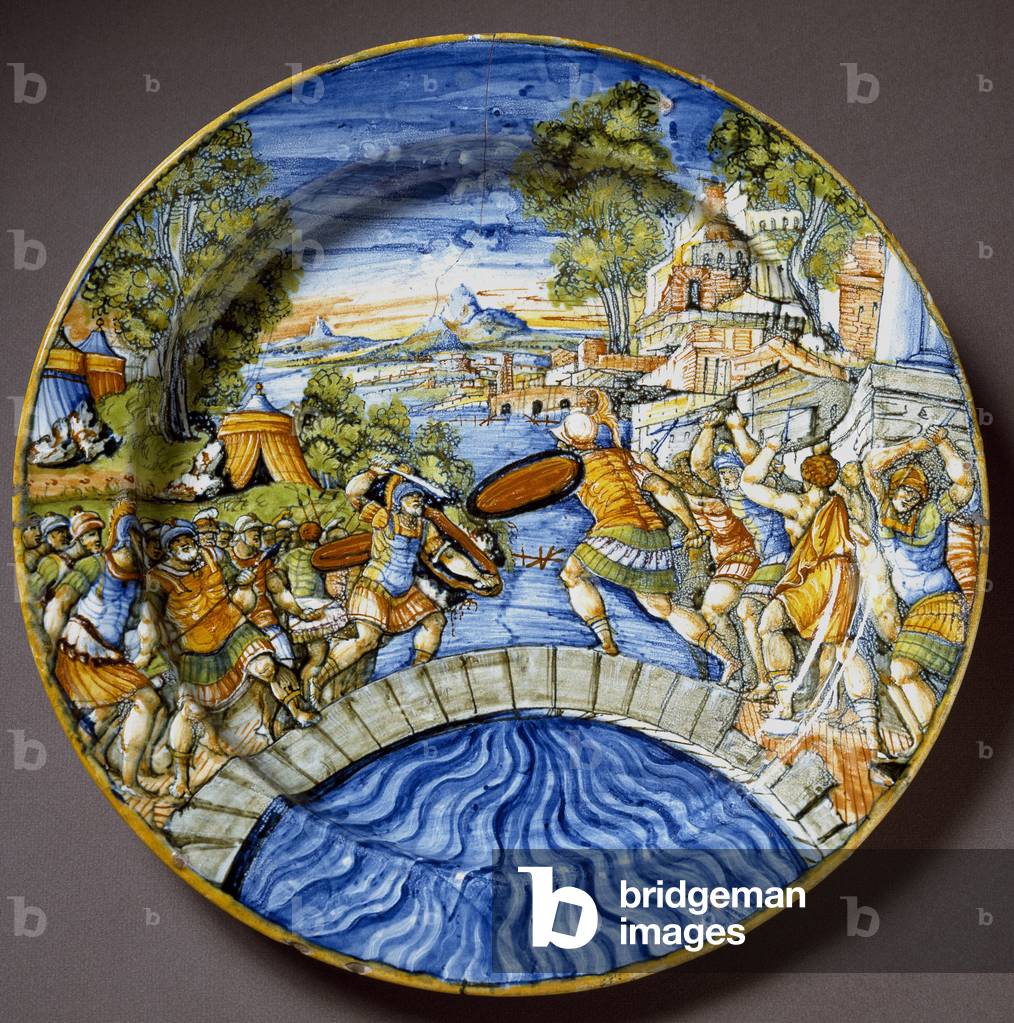
LRI4597192: Episode of the defense of the Sublicius Bridge by the legendary Roman heros Horatius Cocles during the fighting against the Etruscan Ceramic plate produced in Urbino in the workshop Fontana, Italy. 1560 around Florence, Museo Nazionale del Bargello, Italian School, (16th century) / Bridgeman Images
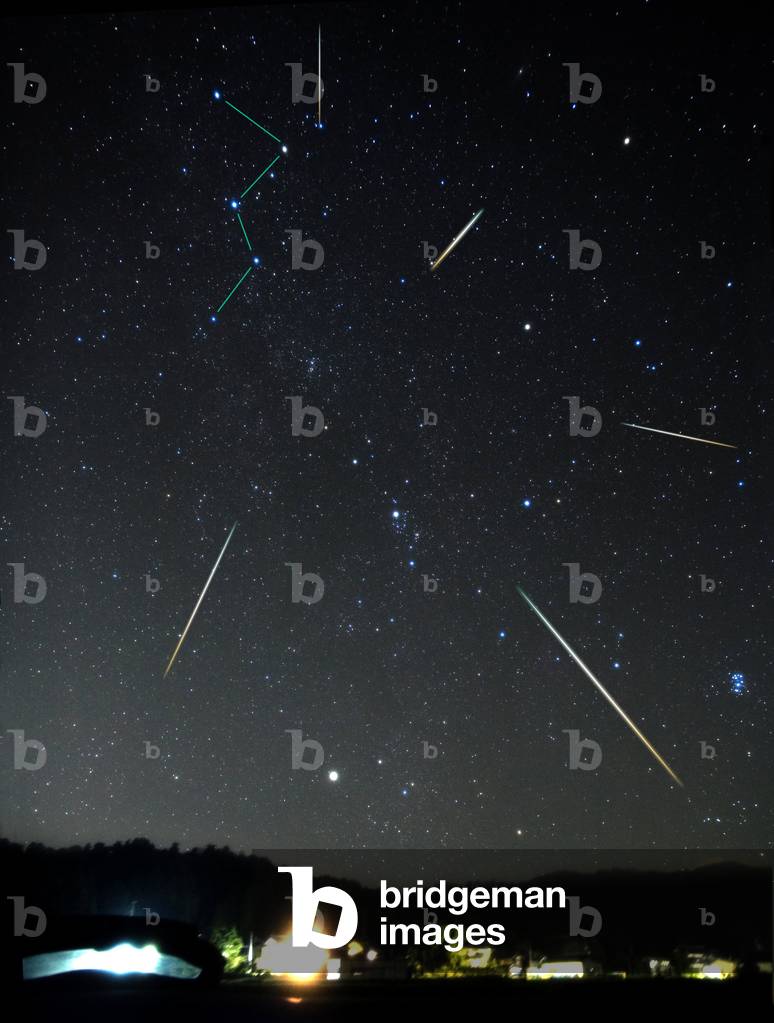
PIX4598809: Rain d'étoiles filantes-Perseides - Perseid meteor shower - Composite of different images. The constellation Cassiopee is traced. Composite of different images. Constellation of Cassiopeia is drawn / Bridgeman Images

KNT4597819: Jamie Steele (Jason Dean (JD)) and Carrie Hope Fletcher (Veronica Sawyer) in Heathers The Musical by Kevin Murphy and Laurence O'Keefe at Theatre Royal Haymarket, September 2018 (photo), Kenton, Tristam / Bridgeman Images

KNT4597843: Roberto Vega, Joshua Thake and Kevin Garcia in La Trovatiara Pas De Cinq by Les Ballets Trockadero De Monte Carlo at Peacock Theatre, London, September 2018 (photo), Kenton, Tristam / Bridgeman Images

KNT4597880: Finty Williams (Barbara Jackson) and Tracy-Ann Oberman (Helen Kroger) in Pack Of Lies by Hugh Whitemore at Menier Chocolate Factory, 2018 (photo), Kenton, Tristam / Bridgeman Images

KNT4597895: Debris Stevenson and Cassie Clare in Poet In Da Corner by Debris Stevenson at Royal Court, September 2018 (photo), Kenton, Tristam / Bridgeman Images

KNT4597918: Daniel Kramer, Artistic Director of English National Opera addresses the audience at the dress rehearsal of Salome by Richard Strauss at London Coliseum, September 2018 (photo), Kenton, Tristam / Bridgeman Images
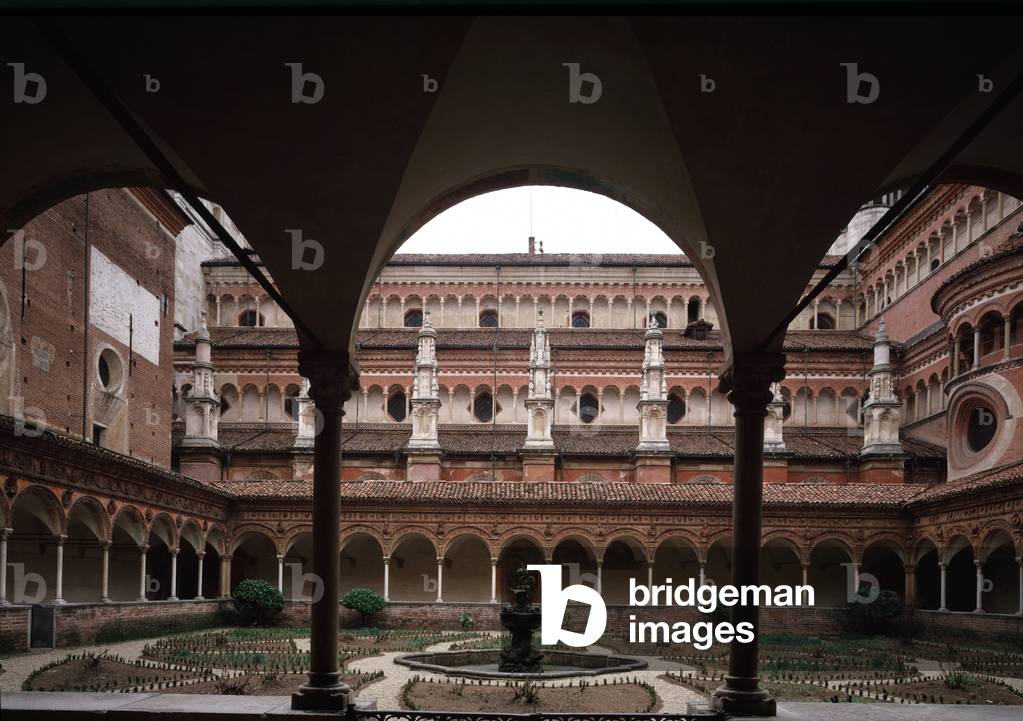
LRI4586498: Little cloister of the church, 15th-16th century, Amadeo, Giovanni Antonio (1447-1522) & Lombardo, Cristoforo (16th century) / Bridgeman Images

LRI4589712: Krater representing Neoptoleme, Astyanax, Helene of Troy, 4th century BC (terracotta), Etruscan, (4th century BC) / Bridgeman Images

PIX4590807: Constellations of the Great Dog, Orion and Hyad Cluster - Constellations Canis Major, Orion and the Hyades cluster - Winter Constellations. On the left the constellation of the Great Dog with the star Sirius, in the center the constellation of Orion, on the right the cluster of the Hyades. Winter constellations, from left to right: Canis Major with Sirius star, the constellation Orion and the Hyades cluster / Bridgeman Images

LRI4590119: Amphora, 590-580 BC (terracotta), Etruscan, (6th century BC) / Bridgeman Images

LRI4590259: Amphora with geometric figures, c.700 BC (terracotta), Etruscan, (8th century BC) / Bridgeman Images

SZC4587445: The Pink House (oil on canvas), Cooper, Suzanne (1916-92) / Bridgeman Images
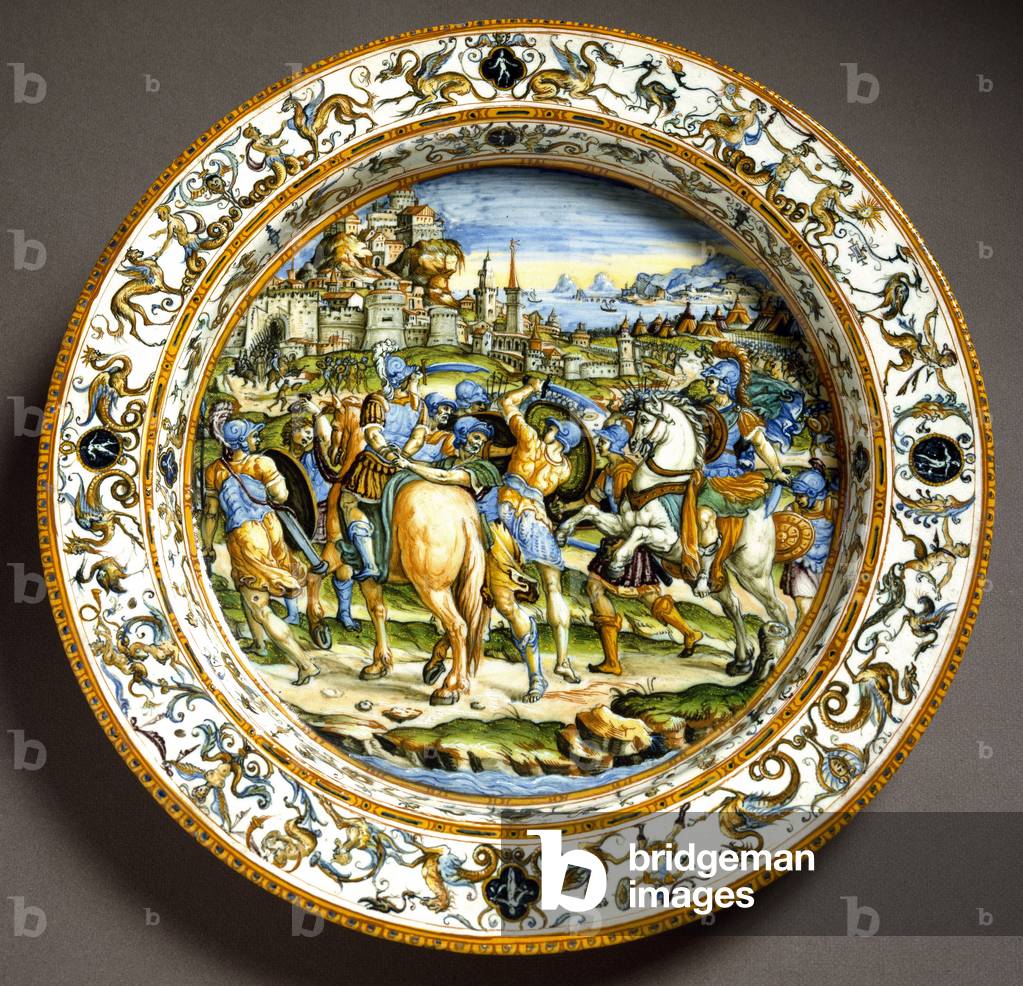
LRI4597168: Episode of the life of Jules Cesar Ceramic plate produced in Urbino in the workshop Fontana, Italy. 1550 around Florence, Museo Nazionale del Bargello, Italian School, (16th century) / Bridgeman Images

PIX4574132: Artist's view of a hot Jupiter - Exoplanet - Hot Jupiter - Artist's view of a gas giant exoplanet very close to its star. Many of the extra - solar planets which have been discovered in recent years are large, massive, and orbit surprisingly close to their parent stars. These are believed to be gas giant planets similar to Jupiter. Since they're so close to their sun, they're hot. Thus the common term for them has become “” hot Jupiter””. This one is hot enough to glow a dull red even on its night side. The existence of these planets has proven that the arrangement of other solar systems need not closely resemble our own, Bergeron, Joe / Bridgeman Images

OSN4574284: Geometric tile design, 2016 (digital), Osborne, Neale / Bridgeman Images

PIX4574992: Clouds of Jupiter - Illustration - Clouds of Jupiter - Illustratio / Bridgeman Images

PIX4572430: Surface of a giant blue star - Artist view - Surface of a blue giant star - Artist vie / Bridgeman Images

PIX4572829: Artist view of a magnetar - Magnetar - Artist view - Artist view of an eruption of X-rays and gamma from a magnetar, a neutron star endowed with a powerful magnetic field. Artist's concept of a burst of X - rays and gamma released by a magnetar, a neutron star with an extremely powerful magnetic field, Dixon, Don (b.1951) / Bridgeman Images

PIX4572906: Artist's view of a birth of stars - Birth of stars. Artwork - Stars in formation in the heart of a dark nebula / Bridgeman Images

PIX4573176: Exoplanete - Extrasolar Planet - Artist's View / Bridgeman Images

PIX4573562: Planet in a region of intense star formation - Artist's view / Bridgeman Images

PIX4573541: Exoplanete near a quasar - Exoplanete near a quasar - Artist's view / Bridgeman Images

PIX4573686: Artist's view of the exoplanet Gliese 581c. - Artist's view of the exoplanet Gliese 581c. Gliese 581c, with a radius of 1.5 times that of the Earth, is the first exoplanet gathering the necessary elements to imagine the existence of a possible extra-terrestrial life. With a mass of 5 times that of the Earth, an average temperature between 0 and 40* C, this exoplanet rotates around its star in just thirteen days and is located 14 times closer to its star than the Earth is to the Sun. But this star, Gliese 581, is a red dwarf, a star much smaller and less luminous than the Sun, so the position of this exoplanet is ideal for allowing the presence of water in liquid form on its surface, Dixon, Don (b.1951) / Bridgeman Images

PIX4573765: Planets and galaxies - Artist's view / Bridgeman Images