
Print this page or go back to standard view.

TEC4604467: Passage Vero Dodat (1826) in Paris. / Bridgeman Images

TEC4604494: Etam, Rue de Rivoli, Paris. / Bridgeman Images

LRI4604557: Canyon (oil on canvas, 19th century), Courbet, Gustave (1819-77) / Bridgeman Images

LRI4604640: Allegory of love or allegory of court of Isabella d'Este (tempera and oil on canvas, c.1505), Costa, Lorenzo (1459/60-1535) / Bridgeman Images
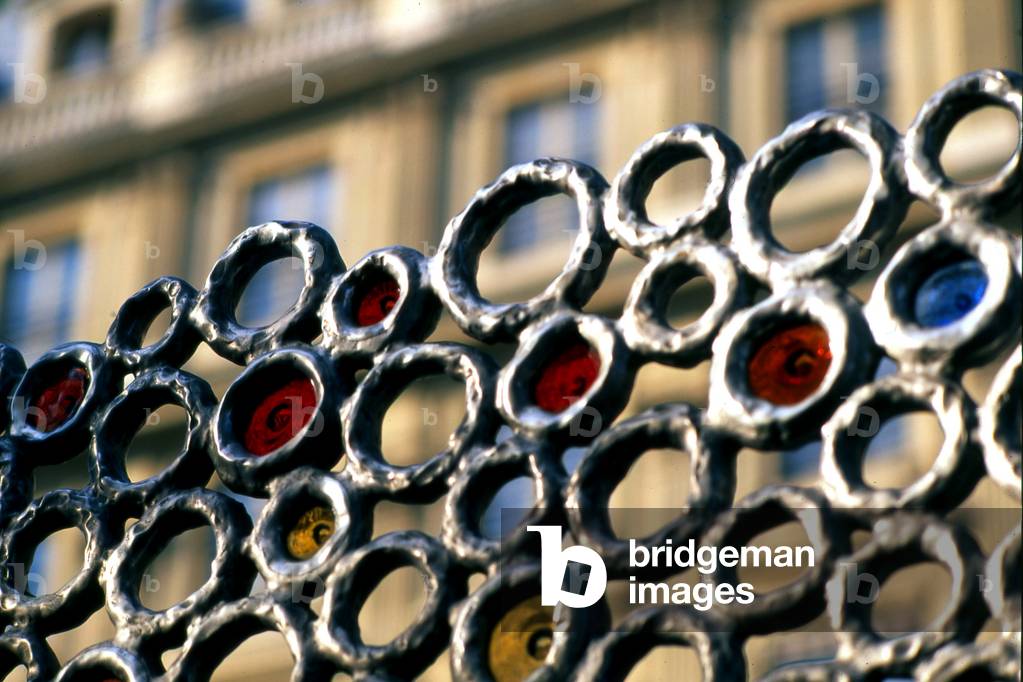
TEC4604669: Detail of The metro station of the Palais Royal in Paris. Plastic intervention by Jean Michel Othoniel., Othoniel, Jean-Michel (b.1964) / Bridgeman Images

TEC4604553: Place du Marche Saint Honore in Paris in the 1st arrondissement, central building built in 1997 by Ricardo Bofill., Bofill, Ricardo (b.1939) / Bridgeman Images

LRI4604589: Winter landscape with boars (oil on canvas, 1866), Courbet, Gustave (1819-77) / Bridgeman Images

PIX4604699: Fusee Soyuz FG - Fregat - 10 - 2003 - View of the Soyuz FG - Fregat rocket during its transfer from the integration building to the Baikonour fire pitch, Kazakhstan, 16 October 2003. This rocket decolished on 18 October 2003, taking a crew of three men aboard the Soyuz TMA capsule to reach the international space station two days later. The Soyuz FG launch vehicle carrying the Soyuz TMA - 3 spacecraft is transferred to the launch pad at the Baikonour cosmodrome, Kazakhstan, on October 16, 2003, in preparation for the Cervantes mission to the International Space Station (ISS) with ESA astronaut Pedro Duque, from Spain. Pedro Duque was launched into space onboard Soyuz TMA - 3 on October 18, with Russian cosmonaut Aleksandr Kaleri and British - born NASA astronaut Michael Foale. Soyuz TMA - 3 successfully docked with the ISS two days later / Bridgeman Images

JLJ4604703: Carved ivory group of Virgin Mary crowned by Christ, with two angels as witnesses, 13th century (ivory), Unknown Artist, (13th century) / Bridgeman Images
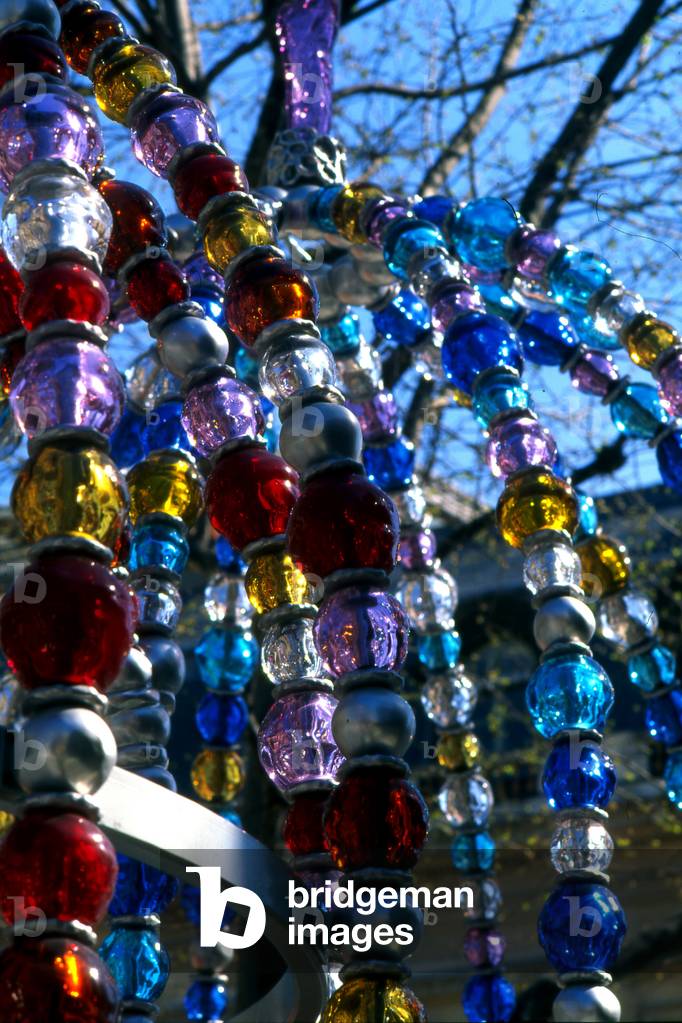
TEC4604713: Detail of the metro station of the Palais Royal in Paris. Plastic intervention by Jean Michel Othoniel., Othoniel, Jean-Michel (b.1964) / Bridgeman Images

TEC4604159: The Samaritan in Paris. / Bridgeman Images

LRI4604193: Lady in blue (oil on canvas, 1874), Corot, Jean Baptiste Camille (1796-1875) / Bridgeman Images
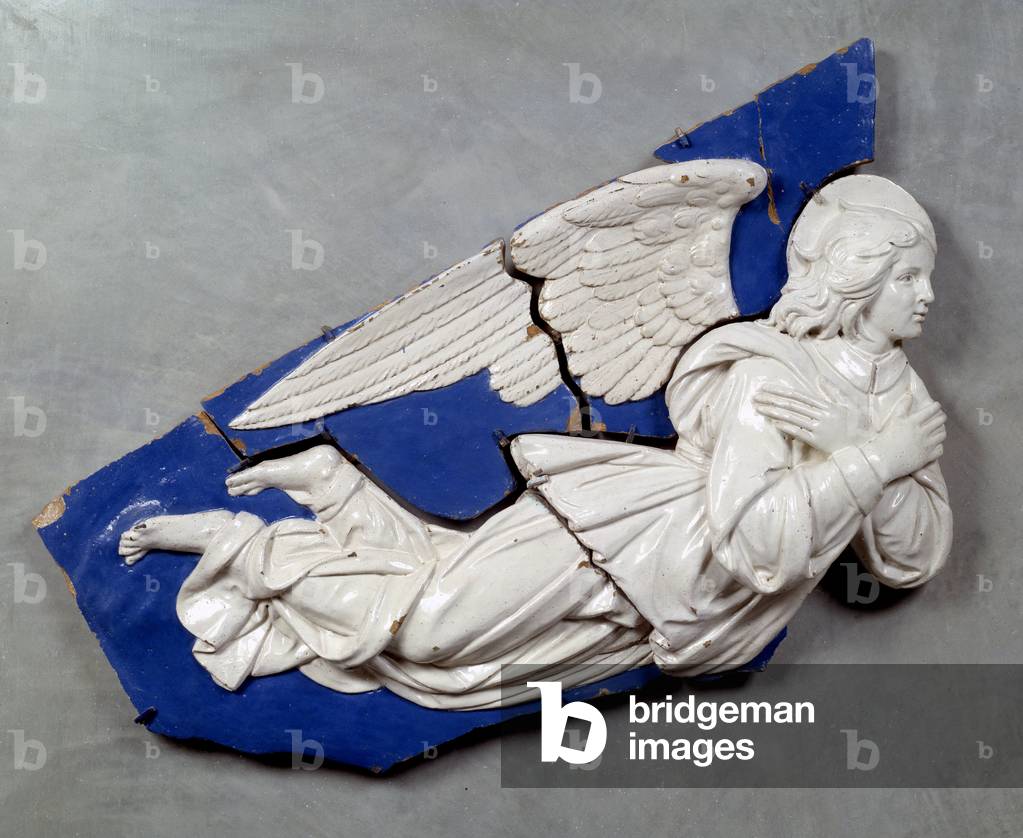
JLJ4604206: Flying Angel, 16th century (terracotta), Robbia, Girolamo della (1488-1566) / Bridgeman Images

LRI4604214: Holy family with st John Baptist as a child (oil on poplar panel, 1517), Correggio, (Antonio Allegri) (c.1489-1534) / Bridgeman Images
![Fusee Ariane 5 ECA - 06/2008 - The Ariane 5 ECA rocket - 06/2008 - Fusee Ariane 5 ECA on its launch pad at the Guyanese Space Center in Kourou. On board, two communication satellites, the Skynet 5C satellite and the Turksat 3A satellite. Flight V183 was launched on June 13, 2008. The Ariane 5 ECA launcher, on launch pad at the Launch Zone (ZL-3) of Ariane Launch Complex no.3 (ELA-3) at the Guiana Space Centre, Europe's Spaceport. Lift - off of flight V183 took place at 00:05 CEST/Paris on 13 June (22:05 UTC/GMT; 19:05 UTC - 3/Kourou [12 June]). The satellites were accurately injected into the correct transfer orbits about 30 minutes later. The payload comprised Skynet 5C - which will deliver secure communication links for UK government and military users - and Turksat 3A - which will provide telecommunication services and direct TV broadcasting for Turkey, Europe, the Middle East, North Africa and Central Asia. The payload mass was 8541 kg; the satellite masses totalled 7748 kg, with payload adapters and dispensers making up the additional 797 kg](https://images-cdn.bridgemanimages.com/api/1.0/image/600wm.PIX.13470640.7055475/4604252.jpg?old-wm)
PIX4604252: Fusee Ariane 5 ECA - 06/2008 - The Ariane 5 ECA rocket - 06/2008 - Fusee Ariane 5 ECA on its launch pad at the Guyanese Space Center in Kourou. On board, two communication satellites, the Skynet 5C satellite and the Turksat 3A satellite. Flight V183 was launched on June 13, 2008. The Ariane 5 ECA launcher, on launch pad at the Launch Zone (ZL-3) of Ariane Launch Complex no.3 (ELA-3) at the Guiana Space Centre, Europe's Spaceport. Lift - off of flight V183 took place at 00:05 CEST/Paris on 13 June (22:05 UTC/GMT; 19:05 UTC - 3/Kourou [12 June]). The satellites were accurately injected into the correct transfer orbits about 30 minutes later. The payload comprised Skynet 5C - which will deliver secure communication links for UK government and military users - and Turksat 3A - which will provide telecommunication services and direct TV broadcasting for Turkey, Europe, the Middle East, North Africa and Central Asia. The payload mass was 8541 kg; the satellite masses totalled 7748 kg, with payload adapters and dispensers making up the additional 797 kg / Bridgeman Images

PIX4604280: Fusee Ariane 5 ECA on its firing pitch. 05/2009 - The Ariane 5 ECA rocket - 05/2009 - 13 May 2009: the Fusee Ariane 5 ECA on its firing pitch at the Guyanese Space Center in Kourou. On board, the two astronomical satellites Herschel and Planck. Flight V188 is scheduled to launch on May 14, 2009. May 13 2009: the Ariane 5 ECA launcher on launch pad at the Launch Zone (ZL - 3) of Ariane Launch Complex no.3 (ELA - 3) at the Guiana Space Centre, Europe's Spaceport. Ariane 5, enclosing two astronomical satellites, Herschel and Planck, will lift off on May 14 2009 / Bridgeman Images

JLJ4604378: The beautiful gypsy Esmeralda and the dwarf bell ringer Quasimodo Illustration for "Notre Dame de Paris", 19th century (engraving), French School, (19th century) / Bridgeman Images

TEC4604742: Roofing in Paris. / Bridgeman Images

PIX4604747: Soyuz rocket decollage 04/03 - Soyuz rocket decollage 04/03 - Decollage of the Soyuz rocket to the international space station, with Yuri Malenchenko and Edward Lu. 26/04/2003 / Bridgeman Images

PIX4604793: Soyuz TMA - 15 - 27 May 2009 - Soyuz TMA - 15 launch - May 27 2009 - Decolving the Soyuz TMA - 15 rocket to the international space station, with on board the crew of Expedition 20 is European astronaut Frank de Winne, cosmonaut Roman Romanenko and astronaut Robert Thirsk. The Soyuz TMA - 15 launches from the Baikonur Cosmodrome in Kazakhstan at 12:34 CEST on 27 May 2009 carrying Expedition 20 crewmembers ESA astronaut Frank De Winne, Russian cosmonaut Roman Romanenko and Canadian Space Agency astronaut Robert Thirsk to the International Space Station. They are scheduled to arrive at the ISS at 14:36 CEST on Friday 29 May 2009 / Bridgeman Images
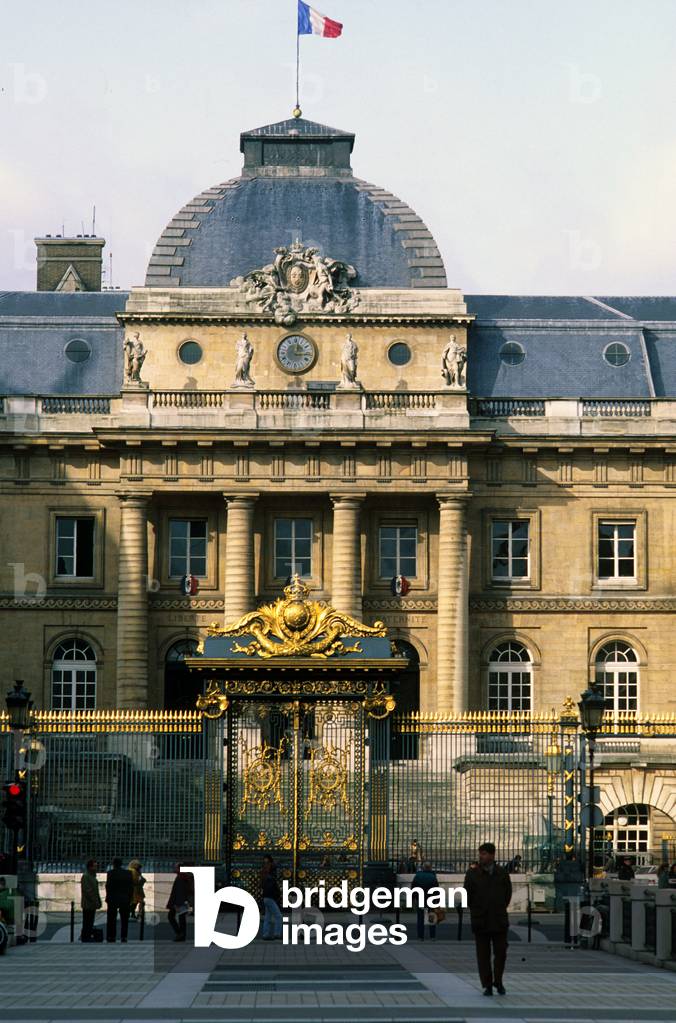
TEC4604799: The Palais de Justice in Paris. / Bridgeman Images

JLJ4604825: Dagger handle in silver chisel gold and enamaille., 1570 (silver chisel gold and enamel), German School, (16th century) / Bridgeman Images
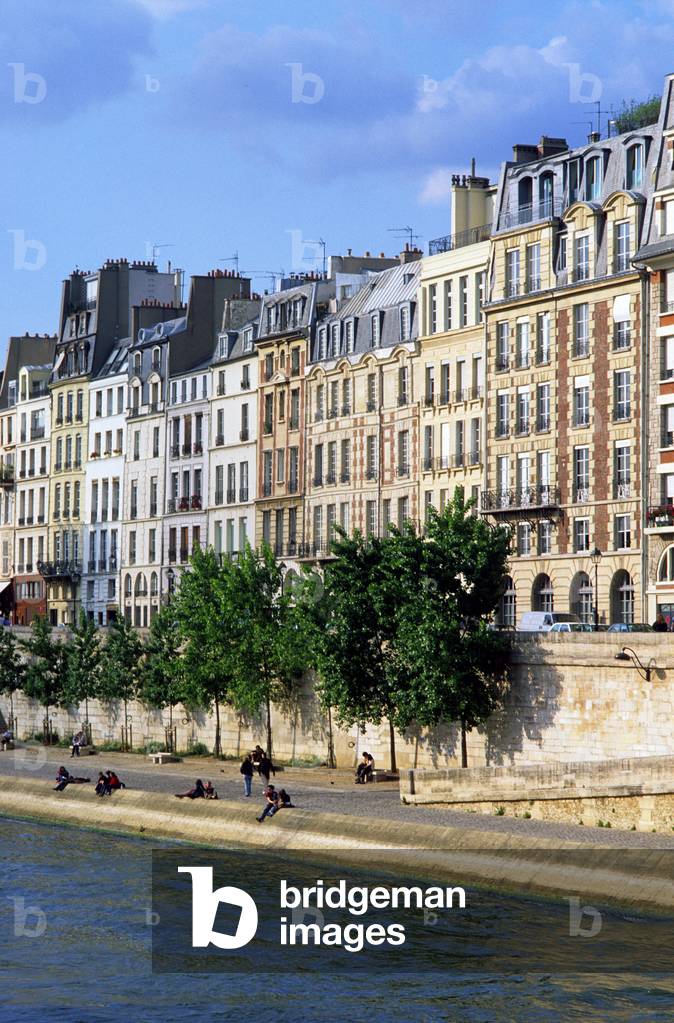
TEC4604834: Quai de l'Horloge in Paris. / Bridgeman Images
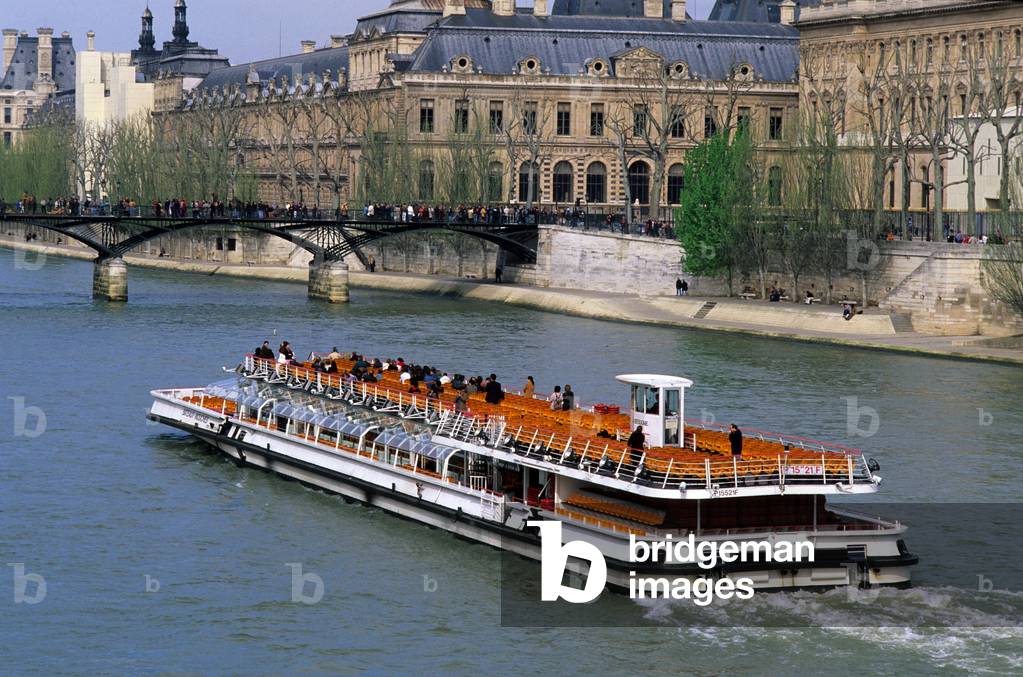
TEC4604852: Pont des Arts Pont des Arts, Paris 6th arrondissement, reconstruction in 1981 by Louis Arretche. The Passerelle des Arts, the first iron bridge in Paris, had the mission of joining the Institut de France and the Louvre, which was then called the Palais des Arts. Reserved for pawns, it was built from 1801 to 1804. It initially consisted of nine arches. Following numerous river accidents, its reconstruction was decided in 1981 but two arches were removed to line them up on the Pont Neuf. / Bridgeman Images

PIX4604854: Proton rocket 10/02 - Proton rocket on its fire pad. 10/2002 / Bridgeman Images
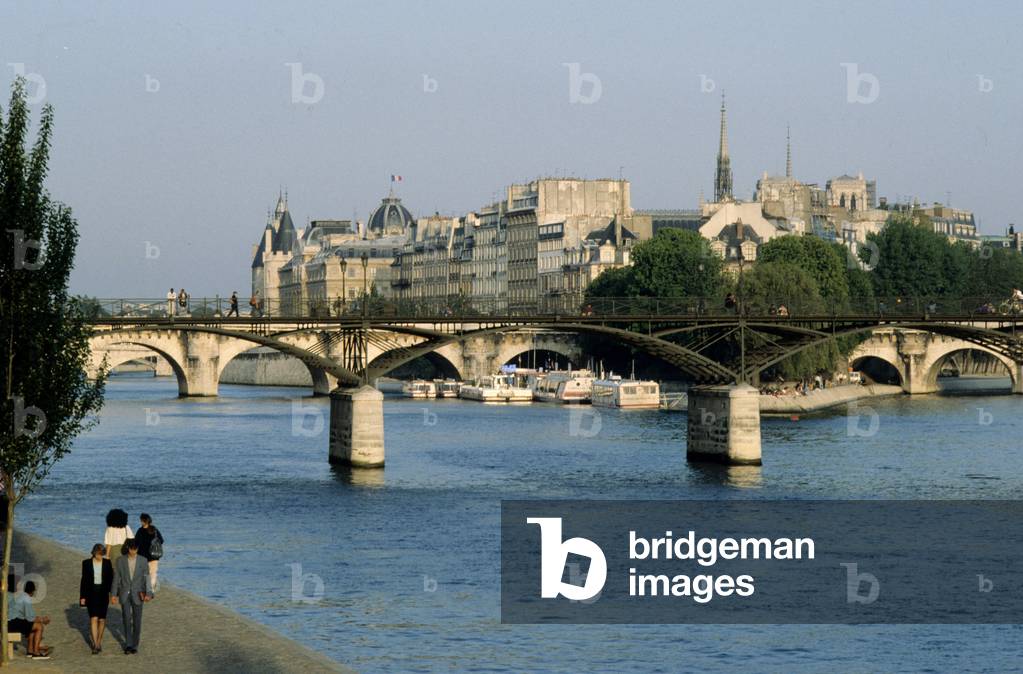
TEC4604895: Pont des Arts Pont des Arts, Paris 6th arrondissement, reconstruction in 1981 by Louis Arretche. The Passerelle des Arts, the first iron bridge in Paris, had the mission of joining the Institut de France and the Louvre, which was then called the Palais des Arts. Reserved for pawns, it was built from 1801 to 1804. It initially consisted of nine arches. Following numerous river accidents, its reconstruction was decided in 1981 but two arches were removed to line them up on the Pont Neuf. / Bridgeman Images
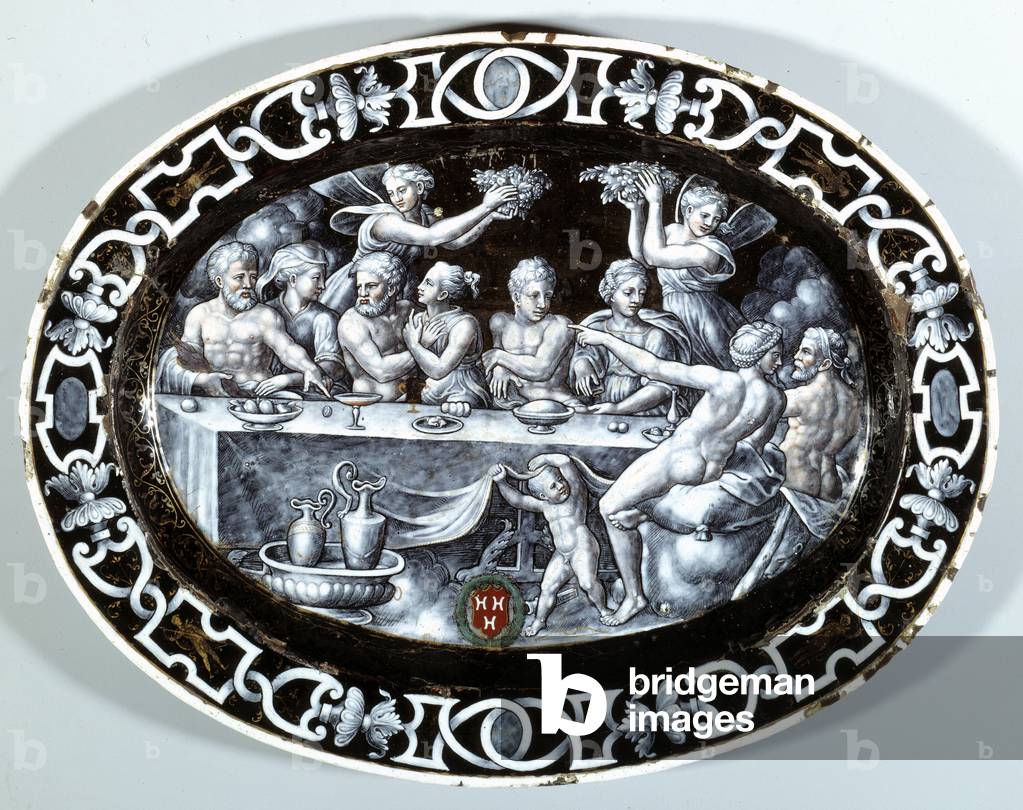
JLJ4604914: The wedding feast of Psyche Oval Plate, 1560 (enamel painted on copper), French School, (16th century) / Bridgeman Images

JLJ4604995: Golden silver cane handle. Hunting scene. France, 18th century (silver), French School, (18th century) / Bridgeman Images

PIX4600021: Release in space of M.Lopez - Alegria - 10/2000 - Michael Lopez - Alegria EVA. October 15 2000 - Release of Michael Lopez - Alegria to prepare the station for permanent housing. 15/10/2000. Michael Lopez - Alegria works to ready the International Space Station for permanent occupancy during a lengthy space walk. Behind him, solar panels for the station's functional cargo block (FGB) and service module appear like blades of a giant windmill / Bridgeman Images

PIX4600055: ISS: astronaut K. Wakata - 10/2000 - Koichi Wakata floats in ISS module Zarya - 10/2000 - Koichi Wakata in the FGB (Functional Cargo Block) module (now called Zarya) of the International Space Station (ISS). 15/10/2000. Koichi Wakata, mission specialist representing Japan's National Space Development Agency (NASDA), floats through the functional cargo block (FGB) of the International Space Station (ISS), replete now with supplies for permanent occupancy beginning in less than two weeks. October 15 2000 / Bridgeman Images

JLJ4600056: Portrait of the Painter Felix Vallotton (1865-1925), 1900 (oil on canvas), Vuillard, Edouard (1868-1940) / Bridgeman Images

JLJ4600067: Large interior with six characters, 1897 (oil on canvas), Vuillard, Edouard (1868-1940) / Bridgeman Images

JLJ4600090: Burghers of Calais in front of Edward III king of England in 1347 (oil on canvas), Berthelemy, Jean-Simon (1743-1811) / Bridgeman Images

TEC4600116: Pont Alexandre III, Paris 7th arrondissement. Tsar Alexander III of Russia (1845-1894) laid the first stone of the bridge in 1886, which was to be completed for the 1900 World Exhibition. One of the most beautiful bridges in Paris has a single-flight metal structure. / Bridgeman Images

LRI4600196: Aerial view of alumina loading port in Sao Luis city, Brazil (1983 - Photography) / Bridgeman Images

PIX4600011: Exit of astronaut W. MacArthur - 10/2000 - Astronaut William McArthur EVA - 10/2000 - William McArthur connects to the arm of the space shuttle with a support device. 15/10/2000. Extravehicular activity (EVA) of astronaut William McArthur (center frame) and shows most of the long robot arm or remote manipulator system attached to the cargo bay of the Space Shuttle Discovery. October 15 2000 / Bridgeman Images