Unknown Artist Assets (2974 in total)

Search options

Orientation
Colour

Display options

View

Print

To print search results, use print friendly version of this page.

Results

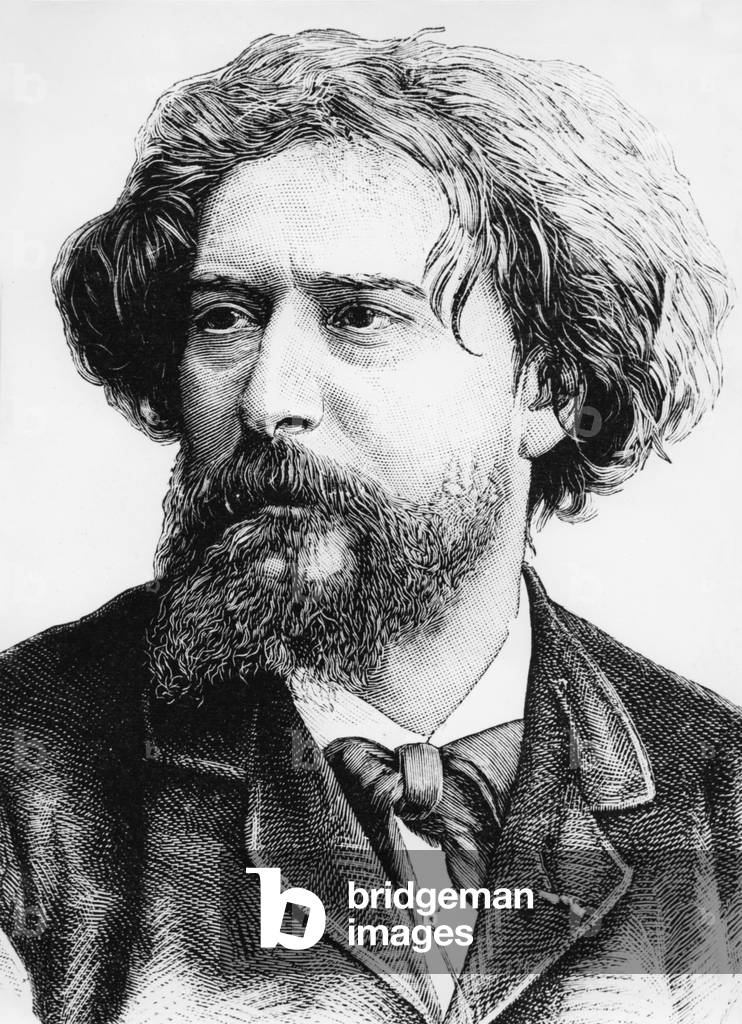
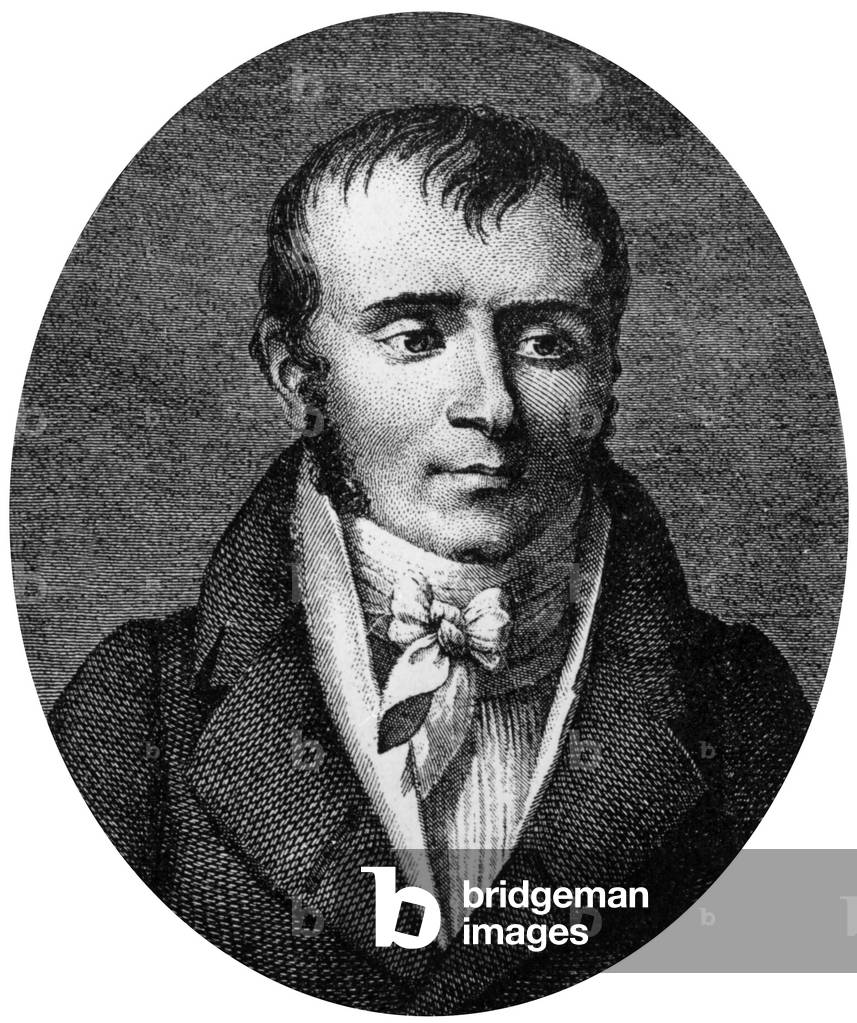
Isidore Auguste Marie François Xavier Comte, 1798 -1857, aka  Auguste Comte.  French philosopher.  From The Story of Philosophy, published 1926.

KWE2907787: Isidore Auguste Marie François Xavier Comte, 1798 -1857, aka Auguste Comte. French philosopher. From The Story of Philosophy, published 1926., Unknown Artist / Bridgeman Images

A Pulcinella show in Rome, Italy, after a contemporary print.

KWE2907808: A Pulcinella show in Rome, Italy, after a contemporary print., Unknown Artist / Bridgeman Images

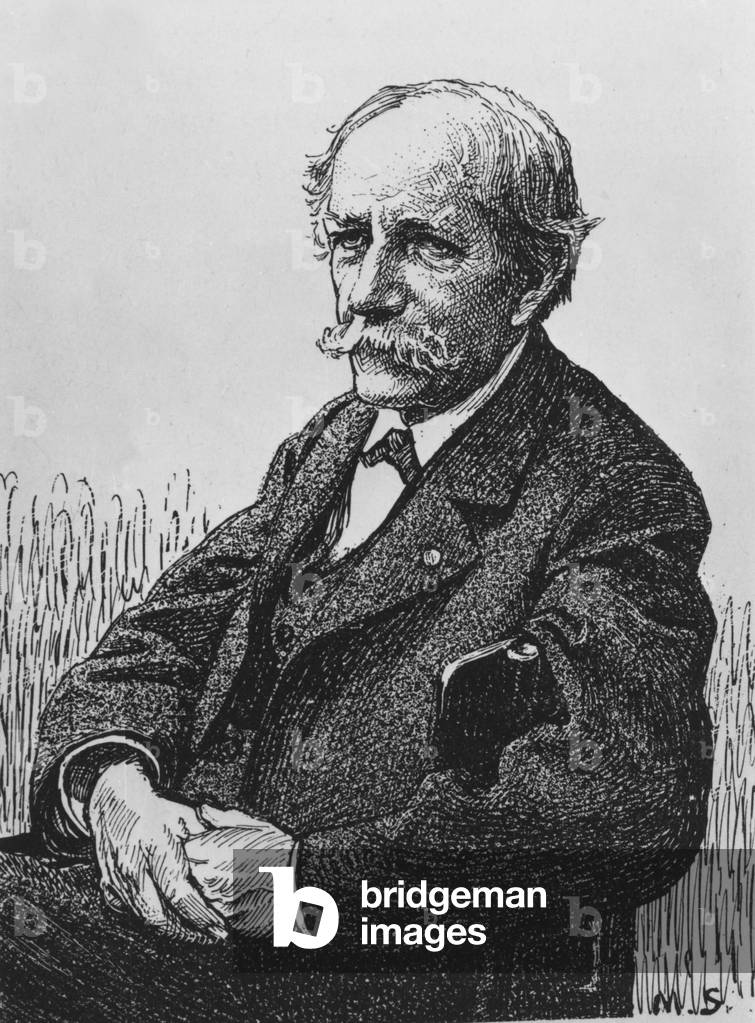
Thomas Hardy, 1840 -1928.  English novelist and poet. After the drawing by William Strang, 1919. From Impressions of English Literature, published 1944.

KWE2907832: Thomas Hardy, 1840 -1928. English novelist and poet. After the drawing by William Strang, 1919. From Impressions of English Literature, published 1944., Unknown Artist / Bridgeman Images

Benjamin
Benjamin

KWE2913562: Benjamin "Ben" Jonson, 1572 –1637. English playwright, poet, actor and literary critic. From Impressions of English Literature, published 1944., Unknown Artist / Bridgeman Images

Inside The Red Bull playhouse, Clerkenwell, London, England in the 17th century.  After the engraved frontispiece of Kirkham's Drolls, 1672.  From Impressions of English Literature, published 1944.

KWE2913563: Inside The Red Bull playhouse, Clerkenwell, London, England in the 17th century. After the engraved frontispiece of Kirkham's Drolls, 1672. From Impressions of English Literature, published 1944., Unknown Artist / Bridgeman Images

David Cox, 1783 – 1859.

KWE3083253: David Cox, 1783 – 1859., Unknown Artist / Bridgeman Images

Map of the Macedonian Empire, 336 - 323 B.C.  From Historical Atlas, published 1923.

KWE2603505: Map of the Macedonian Empire, 336 - 323 B.C. From Historical Atlas, published 1923., Unknown Artist / Bridgeman Images
Map of Greece at the time of the war with Persia, 500 - 479 B.C.  The Athenian Empire at its height.  From Historical Atlas, published 1923.

KWE2603494: Map of Greece at the time of the war with Persia, 500 - 479 B.C. The Athenian Empire at its height. From Historical Atlas, published 1923., Unknown Artist / Bridgeman Images

Map of Asia Minor under the Greeks and Romans.   From Historical Atlas, published 1923.

KWE2603506: Map of Asia Minor under the Greeks and Romans. From Historical Atlas, published 1923., Unknown Artist / Bridgeman Images

Portrait of a Man with a Rose (oil on canvas)

CDL3822223: Portrait of a Man with a Rose (oil on canvas), Unknown Artist / Bridgeman Images
Anonymous illustration for “” Le dusk du soir”” by poet Charles Baudelaire (1821-1867) in “” Les fleurs du mal””, sd

GIA4796255: Anonymous illustration for “” Le dusk du soir”” by poet Charles Baudelaire (1821-1867) in “” Les fleurs du mal””, sd, Unknown Artist / Bridgeman Images

First World War: the Battle of Piave in June 1918 (Watercolour )

LRI4676787: First World War: the Battle of Piave in June 1918 (Watercolour ), Unknown Artist / Bridgeman Images

Neptune (or Poseidon), god of the sea, with his trident, speaks to the marine creature. Detail of the ceiling of the Carnoles Palace, Museum of Menton.

LSE4088043: Neptune (or Poseidon), god of the sea, with his trident, speaks to the marine creature. Detail of the ceiling of the Carnoles Palace, Museum of Menton., Unknown Artist / Bridgeman Images

In the good air, coffee at 1 and 2 under the cup: it is the open-air coffee that sits coffee, a customer reads the Paris newspaper while tasting his cup and entrusts his shoes to an English shoeshine (reference to the aglomania of the time that wax shoes for 1 penny and boots for 2 penny) - based on a colour print from the restaurant

LSE4096994: In the good air, coffee at 1 and 2 under the cup: it is the open-air coffee that sits coffee, a customer reads the Paris newspaper while tasting his cup and entrusts his shoes to an English shoeshine (reference to the aglomania of the time that wax shoes for 1 penny and boots for 2 penny) - based on a colour print from the restaurant, Unknown Artist / Bridgeman Images

Advertising for a milk cream separator

LSE4097097: Advertising for a milk cream separator "Alpa-Laval", Unknown Artist / Bridgeman Images

Advertising label for Cerebos table salt

LSE4097297: Advertising label for Cerebos table salt, Unknown Artist / Bridgeman Images

Little monkey dressed dancing:

LSE4097594: Little monkey dressed dancing: "if we danced one? "- chromo, Unknown Artist / Bridgeman Images

Kangaroo and guinea pig

LSE4097629: Kangaroo and guinea pig, Unknown Artist / Bridgeman Images

Jaguar
Jaguar

LSE4097674: Jaguar, Unknown Artist / Bridgeman Images

First French stamp with the effigy of Ceres.

LSE4097936: First French stamp with the effigy of Ceres., Unknown Artist / Bridgeman Images

The truffle: Badese mushroom merchants carrying baskets of truffles in town - chromo Liébig.

LSE4098326: The truffle: Badese mushroom merchants carrying baskets of truffles in town - chromo Liébig., Unknown Artist / Bridgeman Images

Advertising for Olida pâtés

LSE4097312: Advertising for Olida pâtés, Unknown Artist / Bridgeman Images

Leopard
Leopard

LSE4097661: Leopard, Unknown Artist / Bridgeman Images

Advertising postcard for Cerebos table salt

LSE4097295: Advertising postcard for Cerebos table salt, Unknown Artist / Bridgeman Images

Ernest I, Duke of Saxe-Coburg-Saalfeld later Duke of Saxe-Coburg-Gotha, 1784-1844.  Father of Prince Albert. From a portrait by Dickinson after Ruprecht.From the book “The Girlhood of Queen Victoria 1832-1840 Vol II” published 1912.

KWE2919874: Ernest I, Duke of Saxe-Coburg-Saalfeld later Duke of Saxe-Coburg-Gotha, 1784-1844. Father of Prince Albert. From a portrait by Dickinson after Ruprecht.From the book “The Girlhood of Queen Victoria 1832-1840 Vol II” published 1912., Unknown Artist / Bridgeman Images

Prince Ernest afterwards Duke of Saxe-Coburg-Gotha, 1818-1893 brother of Prince Albert.  From a portrait by R. Thorburn.  From the book “The Girlhood of Queen Victoria 1832-1840 Vol II” published 1912.

KWE2919880: Prince Ernest afterwards Duke of Saxe-Coburg-Gotha, 1818-1893 brother of Prince Albert. From a portrait by R. Thorburn. From the book “The Girlhood of Queen Victoria 1832-1840 Vol II” published 1912., Unknown Artist / Bridgeman Images

Phoenician craftsmen building a temple for Solomon.   From Hutchinson's History of the Nations, published 1915.

KWE3033785: Phoenician craftsmen building a temple for Solomon. From Hutchinson's History of the Nations, published 1915., Unknown Artist / Bridgeman Images

The Battle of Pyongyang, the second major land battle of the First Sino-Japanese War, 15 September 1894 in Pyongyang, Korea between the forces of Meiji Japan and Qing China

KWE3033764: The Battle of Pyongyang, the second major land battle of the First Sino-Japanese War, 15 September 1894 in Pyongyang, Korea between the forces of Meiji Japan and Qing China, Unknown Artist / Bridgeman Images

Map of the Mughal Empire in India, 1700.  From Hutchinson's History of the Nations, published 1915.

KWE3033771: Map of the Mughal Empire in India, 1700. From Hutchinson's History of the Nations, published 1915., Unknown Artist / Bridgeman Images

The use of deception in war.  A Chinese emperor of the 2nd century BC using mannequins on his besieged city walls to deceive the enemy. Legend has it that the mannequins were dressed as beautiful women and when the wife of the invading chieftain saw them she was so jealous that she persuaded her husband to withdraw his army.  From Hutchinson's History of the Nations, published 1915.

KWE3033757: The use of deception in war. A Chinese emperor of the 2nd century BC using mannequins on his besieged city walls to deceive the enemy. Legend has it that the mannequins were dressed as beautiful women and when the wife of the invading chieftain saw them she was so jealous that she persuaded her husband to withdraw his army. From Hutchinson's History of the Nations, published 1915., Unknown Artist / Bridgeman Images

Map of medieval Hindu India, 750 - 1200 AD.  From Hutchinson's History of the Nations, published 1915.

KWE3033769: Map of medieval Hindu India, 750 - 1200 AD. From Hutchinson's History of the Nations, published 1915., Unknown Artist / Bridgeman Images

A map of India at the beginning of the 20th century.  From Customs of The World, published circa 1913.

KWE3033749: A map of India at the beginning of the 20th century. From Customs of The World, published circa 1913., Unknown Artist / Bridgeman Images

The observatory built by Sawai Jai Singh in Delhi in the early 18th century. Maharaja Sawai Jai Singh II, 1688 – 1743.  Rajput ruler of the kingdom of Amber (later called Jaipur).

KWE3033770: The observatory built by Sawai Jai Singh in Delhi in the early 18th century. Maharaja Sawai Jai Singh II, 1688 – 1743. Rajput ruler of the kingdom of Amber (later called Jaipur)., Unknown Artist / Bridgeman Images

Alfred Victor Comte de Vigny, 1797-1863. French poet, playwright and novelist.  Lithograph by A. Devéria.

KWE3052821: Alfred Victor Comte de Vigny, 1797-1863. French poet, playwright and novelist. Lithograph by A. Devéria., Unknown Artist / Bridgeman Images

The monk Almachis attempting to stop the gladiatorial combat. From the picture by Professor Ademollo, from the book The Outline of History by H.G.Wells Volume 2, published 1920.

KWE3052948: The monk Almachis attempting to stop the gladiatorial combat. From the picture by Professor Ademollo, from the book The Outline of History by H.G.Wells Volume 2, published 1920., Unknown Artist / Bridgeman Images

Auguste Frederic Louis Viesse de Marmont,  Duc de Raguse, 1774-1852. French Marshal. Engraved by R. Young after Maurir.

KWE3052956: Auguste Frederic Louis Viesse de Marmont, Duc de Raguse, 1774-1852. French Marshal. Engraved by R. Young after Maurir., Unknown Artist / Bridgeman Images


Back to top