2490882 Search Results
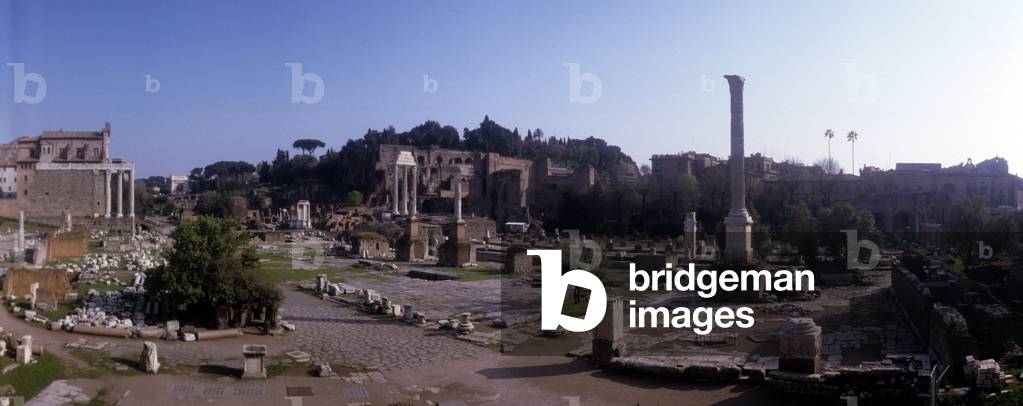
MME4709094: Panoramic view of the Roman Forum (foro romano) Rome, Italy, Mencarini, Marcello / Bridgeman Images
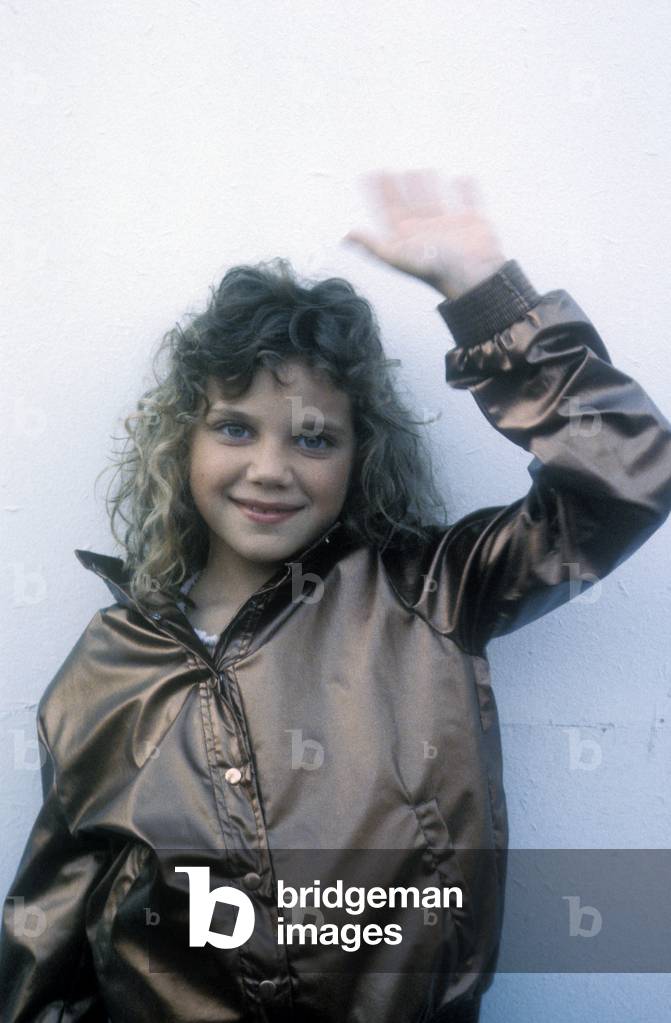
MME4709404: Portrait of the American pop singer child Nikka Costa in 1981., Mencarini, Marcello / Bridgeman Images

MME4709335: Portrait of American poet Gregory Corso, member of the Beat Generation in Rome in 1980., Mencarini, Marcello / Bridgeman Images
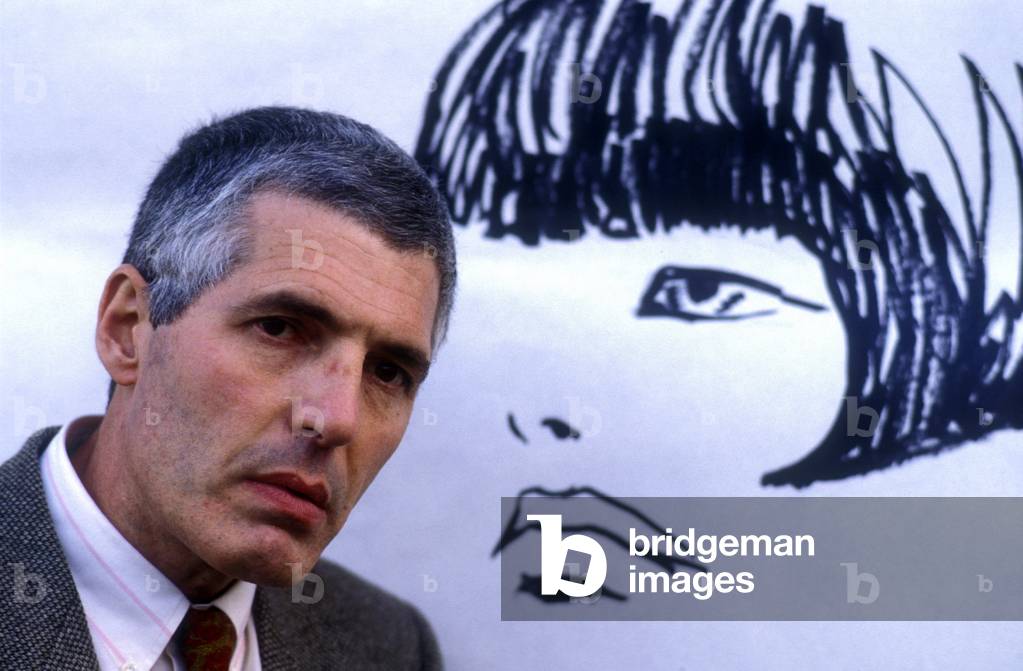
MME4709459: Portrait of Italian cartoonist Guido Crepax in 1980., Crepax, Guido (1933-2003) / Bridgeman Images

FLO4709518: Ten guinea jewels: brooch, pendant, bracelet, ring in sapphire, opal, diamond, jade, and enamel. Chromolithograph from Edwin Street's Gems Catalog, Bond Street, London, circa 1895 / Bridgeman Images
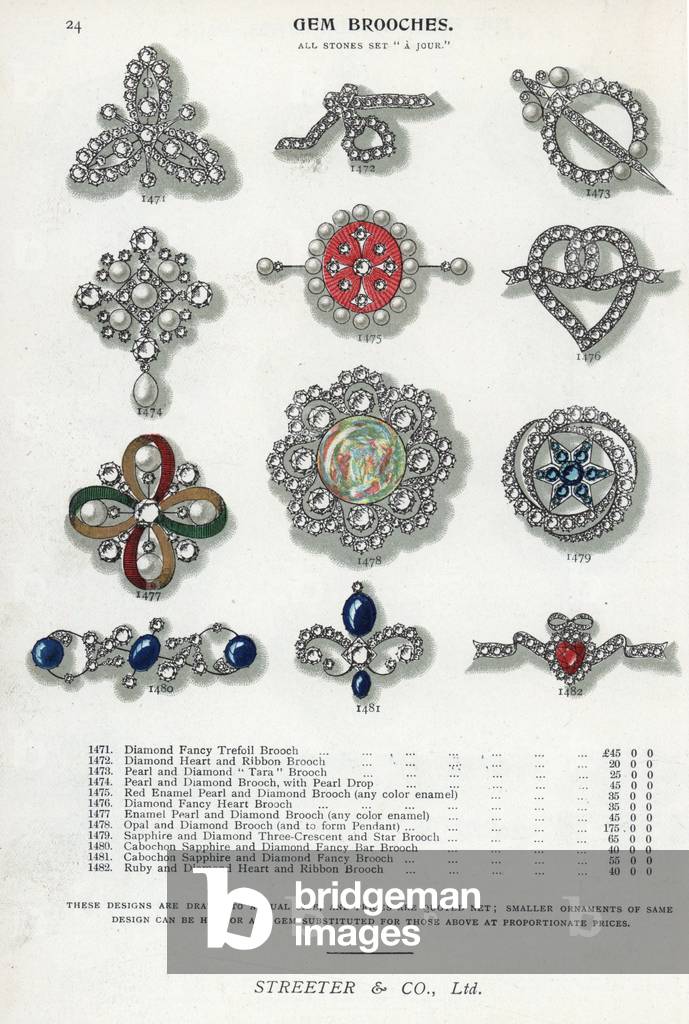
FLO4709559: Gem brooches in diamond, pearl, enamel, opal and sapphire. Chromolithograph from Edwin Street's Gems Catalog, Bond Street, London, circa 1895. / Bridgeman Images

FLO4707988: Cartoon of demon adorned with a predominantly Norman with long sleeves, attached to the sleeves and tail, to its sides, a Norman woman seated and veiled, wearing a baby, and another Norman woman with long braid hair, clothed with one above all. Hand-coloured copper engraving, in “Images historique des costumes des principaux peuples de l'Antiquite et du Middle Ages” by Robert Von Spalart, published in 1796. Cartoon of demon wearing a Norman long sleeved surtout tied at the sleeves and tails, seated Norman woman in veil holding a baby, and Norman woman with long plaited hair in a surtout. Handcolored copperplate engraving from Robert von Spalart's “” Historical Picture of the Costumes of the Principal People of Antiquity and of the Middle Ages”” (1796). / Bridgeman Images

MME4708086: Portrait of the Spanish actresses Montserrat Caballe and Italian renata Tebaldi in 1983., Mencarini, Marcello / Bridgeman Images

FLO4708149: The Norman cavalry: a slightly weapon with a sword and a shield, the other heavily weapon with a chain armor and a spear. Both of a mostly military. Hand-coloured copper engraving, in “Images historiques des costumes des principaux peuples de l'Antiquite et du Middle Ages” by Robert Von Spalart, published in 1796. / Bridgeman Images

MME4708169: Portrait of composer and poet John Cage, 1982., Mencarini, Marcello / Bridgeman Images

FLO4707517: Costumes of Anglo-Saxon women: in coat (63), in coat with a loose veil, whose edges fall on her shoulders, revealing the neckline of her dress (64), in tunic with coloured borders and wide sleeves, embroidered with needle (65). Different variations of tunics worn from the 9th to the 11th century. Hand-coloured copper engraving, in “Images historiques des costumes des principaux peuples de l'Antiquite et du Middle Ages” by Robert Von Spalart, published in 1796. / Bridgeman Images

MME4707705: Portrait of jazz saxophonist Anthony Braxton in 1981., Mencarini, Marcello / Bridgeman Images

MME4707845: Portrait of the French maker Robert Bresson with his wife in 1980, Mencarini, Marcello / Bridgeman Images

FLO4707670: King Robert (II of France, known as Le Pieux, 972-1031) kneels, wearing a striped tunic and a mantle of remarkable cut, with his crown laid on the ground and King Dagobert 1st (v.600-639) king of Austrasia (623 to 629), king of all the Franks (629 to 634), king of Neustria and Burgundy (634) a 639), sitting on a throne. Hand-coloured copper engraving, in “Images historiques des costumes des principaux peuples de l'Antiquite et du Middle Ages” by Robert Von Spalart, published in 1796. / Bridgeman Images

MME4707724: Portrait of jazz saxophonist Anthony Braxton in 1981., Mencarini, Marcello / Bridgeman Images
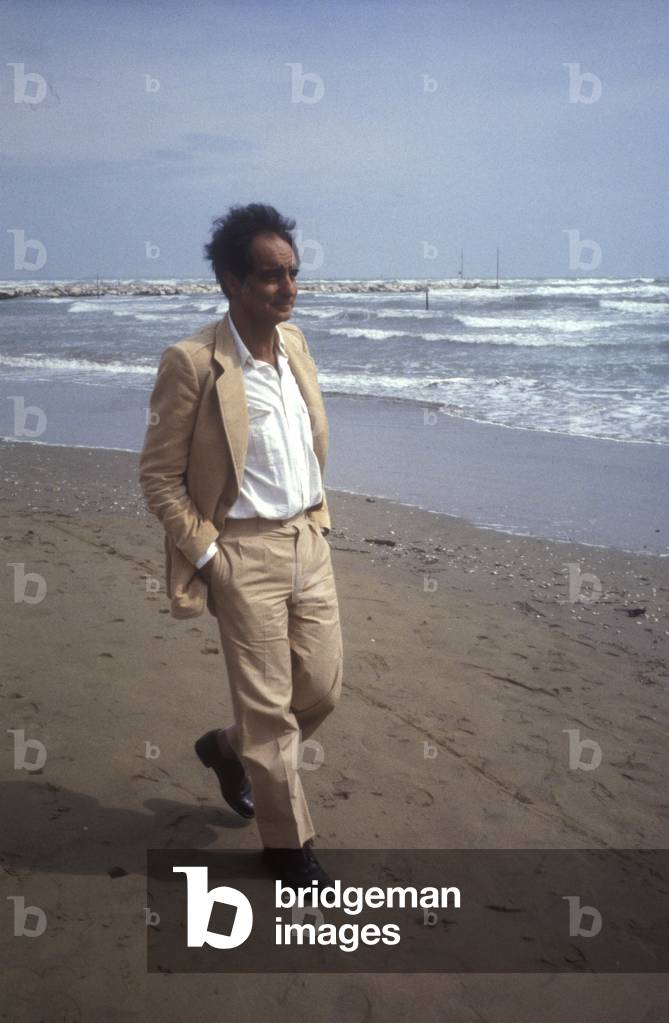
MME4708412: Italo Calvino, Venice Lido, Italy, 1981 (photo), Mencarini, Marcello / Bridgeman Images

MME4708647: Portrait of the French artist Cesar Baldaccini called Cesar at the Venice Art Biennale in 1995., Cesar (Cesar Baldaccini) (1921-98) / Bridgeman Images

MME4708705: Portrait of musician and singer Ray Charles in 1990., Mencarini, Marcello / Bridgeman Images

FLO4707909: Three Norman men of the 12th century, one wearing a talar (dress in fashion at the end of the 12th century), another vetu of the talar above her, and the third wearing a conical cap. Hand-coloured copper engraving, in “Images historique des costumes des principaux peuples de l'Antiquite et du Middle Ages” by Robert Von Spalart, published in 1796. Three Norman men of the 12th century; one in a surtout and carrying a talar (a robe in fashion at the end of the 12th century), one wearing a talar over his especially, and one in a conical bonnet. Handcolored copperplate engraving from Robert von Spalart's “” Historical Picture of the Costumes of the Principal People of Antiquity and of the Middle Ages”” (1796). / Bridgeman Images

FLO4708048: Representation of a Norman in the church of Danbury (Count of Essex, England). Probably older than that of leaf 62, and serious in wood, in a very good state of conservation, given the little attention paid to it. Strutt (who made the copy) noted the perfection of the executed work, which is an enigma, compared to its equivalents of the same period, which lack precision and taste. / Bridgeman Images

MME4708222: Portrait of composer and poet John Cage holding a photograph of him taken the previous year, 1983., Mencarini, Marcello / Bridgeman Images

MME4708329: Italo Calvino, Venice Lido, Italy, 1981 (photo), Mencarini, Marcello / Bridgeman Images

FLO4708583: Knight of Malta in war suit (red jacket decoree with a large white cross on the chest). The Order of the Knights of Malta came from the Knights Hospitaller, a military order founded in 1099 to protect and treat the pelerins in Palestine. Following their expulsion from the Holy Land, the order was established on the island of Rhodes (1310-1523) before establishing itself in Malta in 1530. The order ruled the island until 1798, until Napoleon averted them. Today it survives under the name Sovereign Military Order of Malta. / Bridgeman Images

FLO4709366: Cuff links and shirt studs in gold and enamel, opal, sapphire, diamond, turquoise and ruby. Chromolithograph from Edwin Street's Gems Catalog, Bond Street, London, circa 1895 / Bridgeman Images
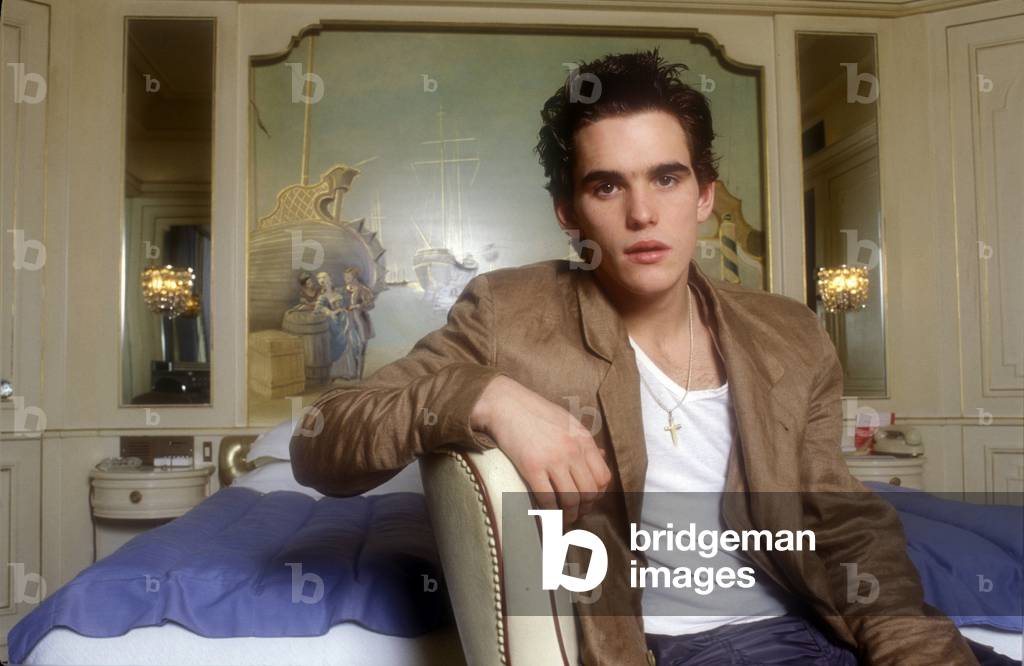
MME4709629: Portrait of American comedian Matt Dillon, 1984, Mencarini, Marcello / Bridgeman Images

FLO4709676: Diamond stars and brooches. Chromolithograph from Edwin Street's Gems Catalog, Bond Street, London, circa 1895. / Bridgeman Images
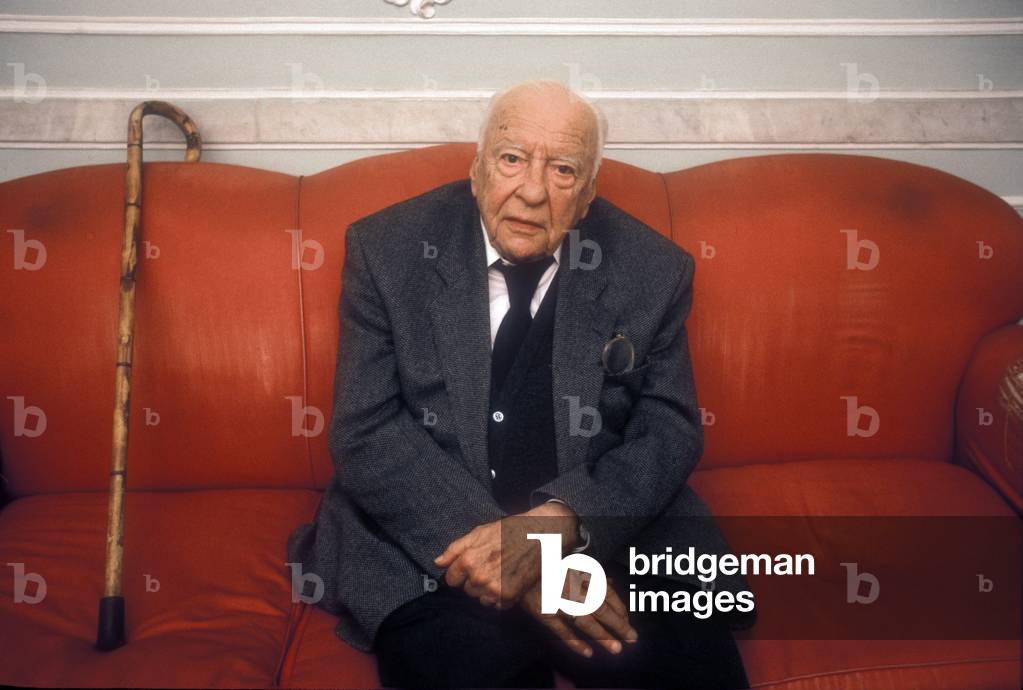
MME4709697: Portrait of the philosopher Hans Georg Gadamer in 1997., Mencarini, Marcello / Bridgeman Images
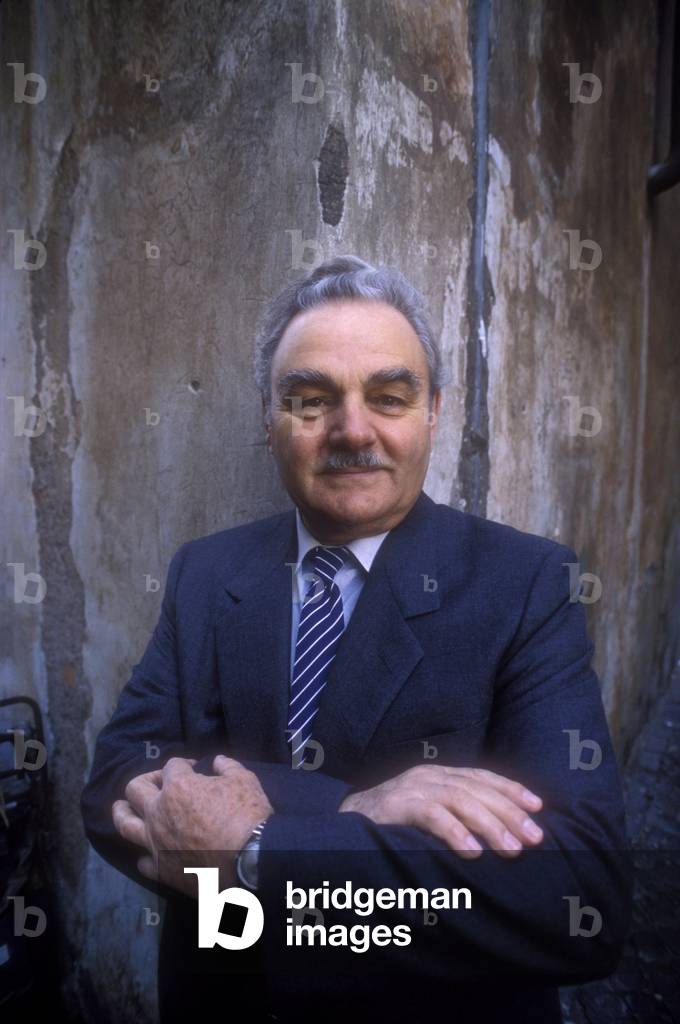
MME4709851: Portrait of writer Vladimir Karpov, veteran of the Second War in the Russian Army, 1990, Mencarini, Marcello / Bridgeman Images
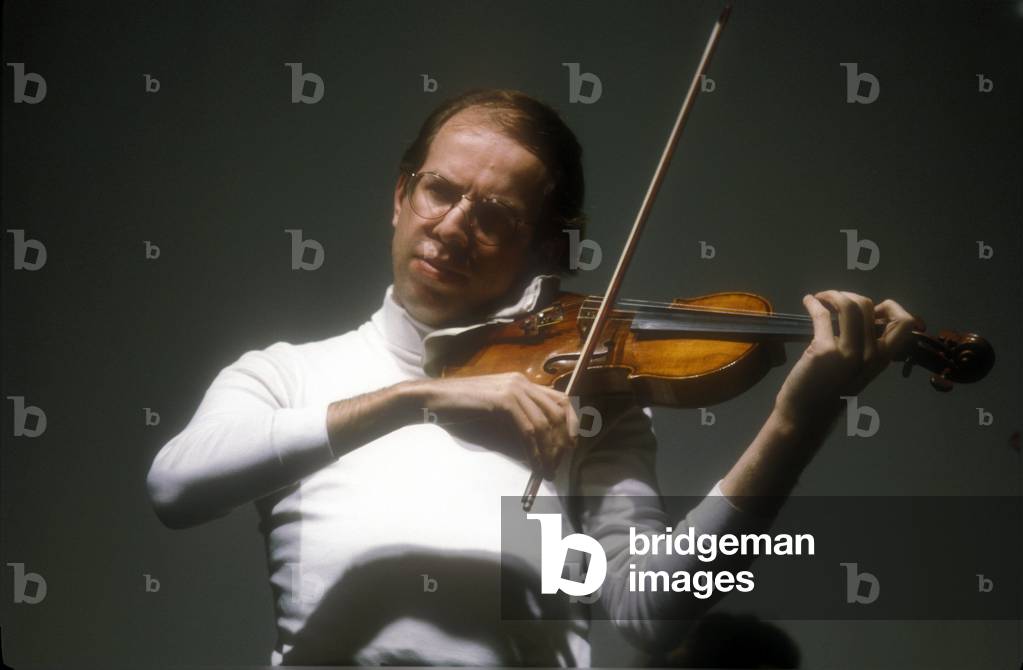
MME4710142: Portrait of Latvian conductor and violinist Gidon Kremer., Mencarini, Marcello / Bridgeman Images

FLO4710180: Honeyweed or Siberian motherwort, Leonurus sibiricus. Handcoloured copperplate engraving by Weddell after a botanical illustration by Edward Dalton Smith from Robert Sweet's The British Flower Garden, Ridgeway, London, 1827. / Bridgeman Images

MME4710290: Portrait of the French historian Jacques Le Goff in 1995., Mencarini, Marcello / Bridgeman Images
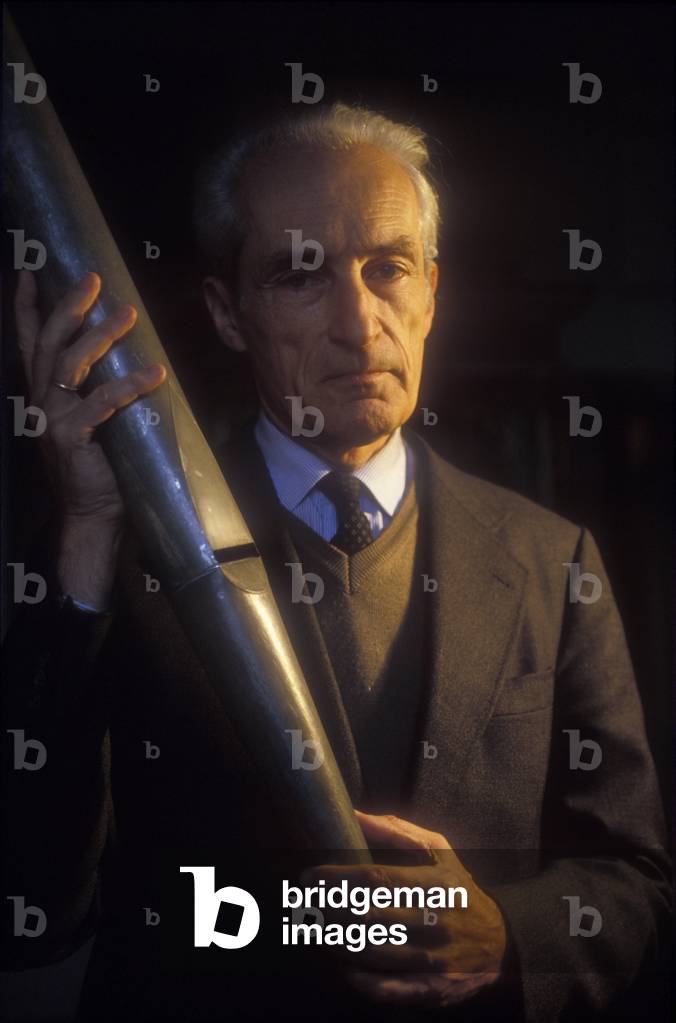
MME4710458: Portrait of the Dutch conductor and organist Gustav Leonhardt, 1992, Mencarini, Marcello / Bridgeman Images

FLO4710461: Reflexed-leaved lychnidea, Phlox reflexa. Handcoloured copperplate engraving by Weddell after a botanical illustration by Edward Dalton Smith from Robert Sweet's The British Flower Garden, Ridgeway, London, 1827. / Bridgeman Images

MME4710537: Portrait of the Italian diver Enzo Maiorca in 1989, Mencarini, Marcello / Bridgeman Images

FLO4710558: Penstemon atropurpureus (Dark purple chelone, Chelone atropurpurea). Handcoloured copperplate engraving by Weddell after a botanical illustration by Edward Dalton Smith from Robert Sweet's The British Flower Garden, Ridgeway, London, 1828. / Bridgeman Images

FLO4710600: Elegant cup-flower, Scyphanthus elegans. Handcoloured copperplate engraving by Weddell after a botanical illustration by Edward Dalton Smith from Robert Sweet's The British Flower Garden, Ridgeway, London, 1828. / Bridgeman Images
