2491632 Search Results
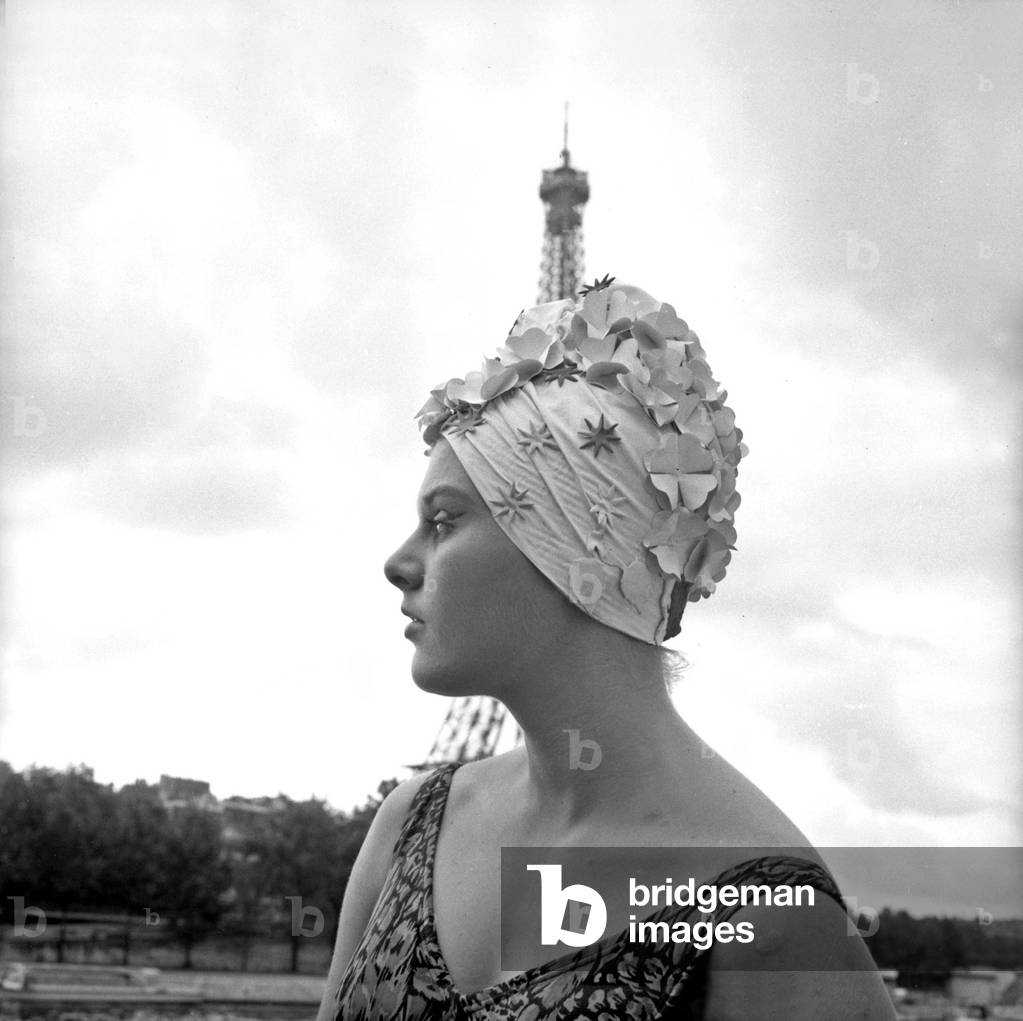
XRA1668232: Bathing Cap Created By Hairdresser Antonio July 19, 1963 in Paris (b/w photo) / Bridgeman Images
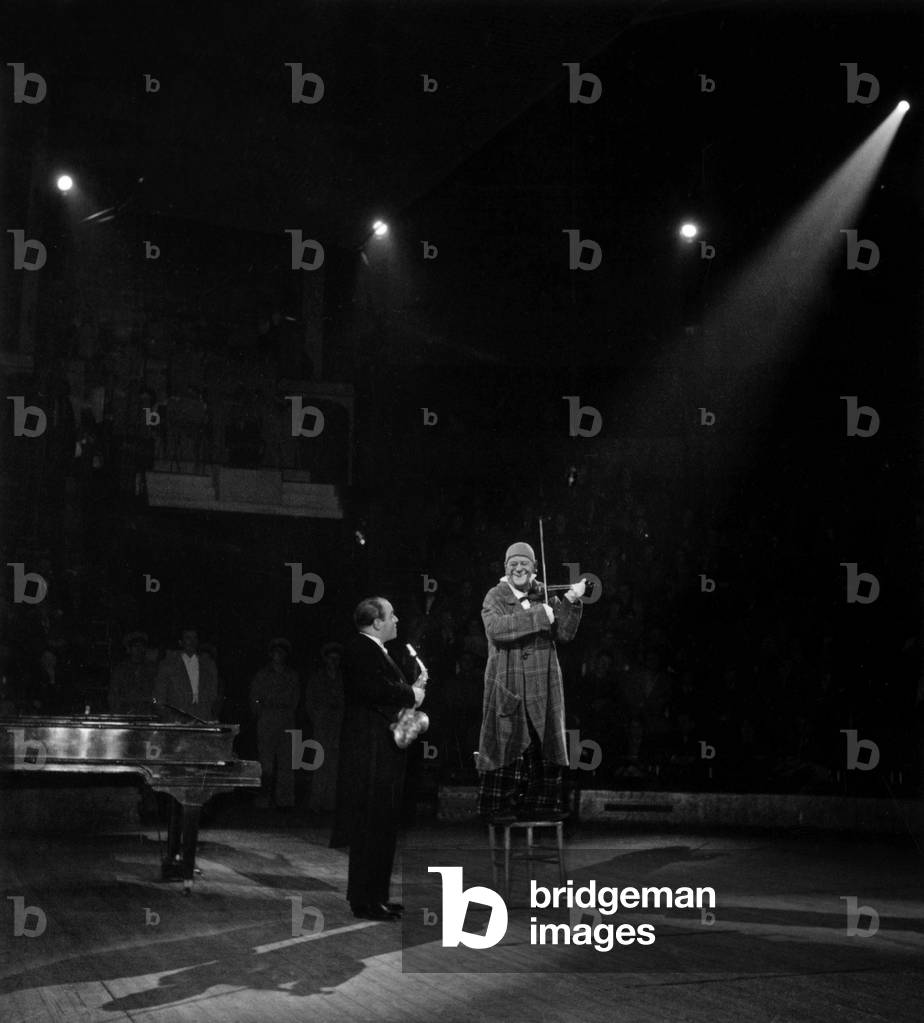
XRA1668238: The Clown Grock In Representation With His Violin On 12/01/1952 (b/w photo) / Bridgeman Images
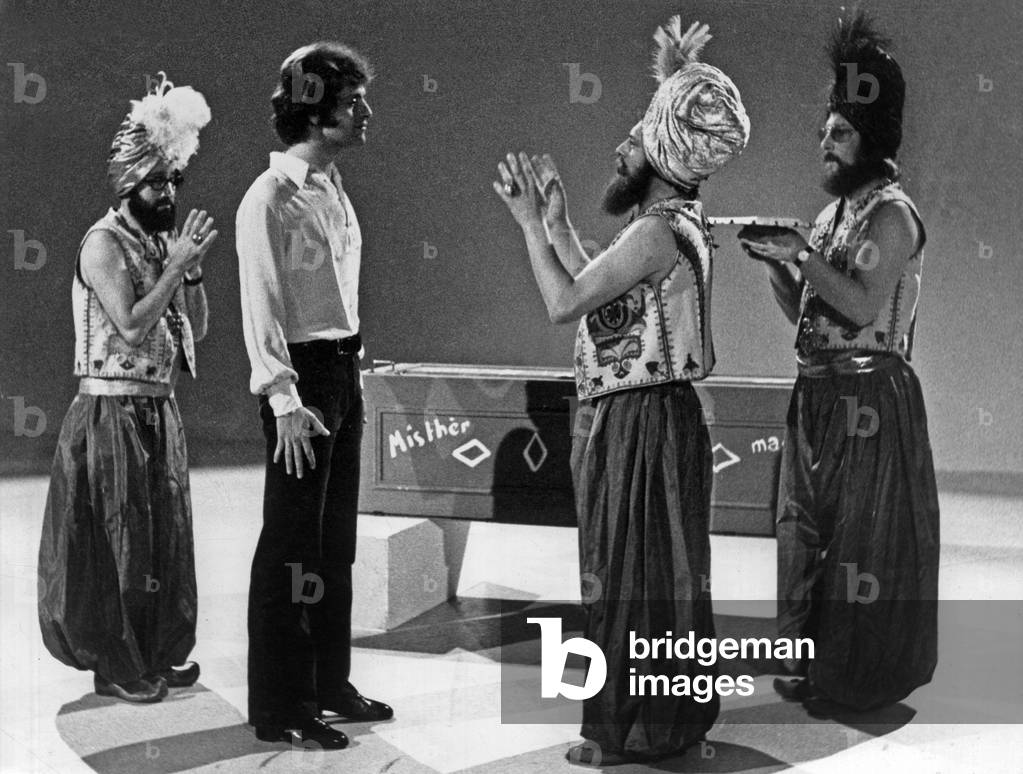
XRA1668241: Kiki, Joe Dassin, Jacques Martin and Popov, 1971 (b/w photo) / Bridgeman Images
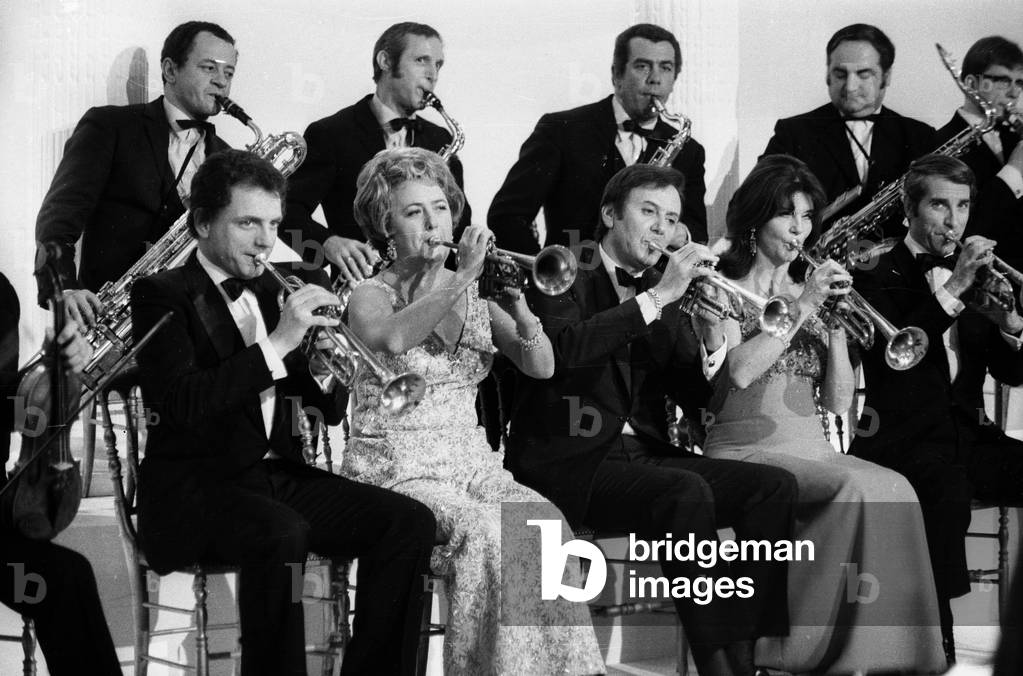
XRA1668250: Recording of TV Programme on January 12Th, 1970 : L-R : Jacques Martin, Jacqueline Maillan, Maurice Biraud, Sophie Desmarets (1922-2012) and Jean Poiret. (b/w photo) / Bridgeman Images
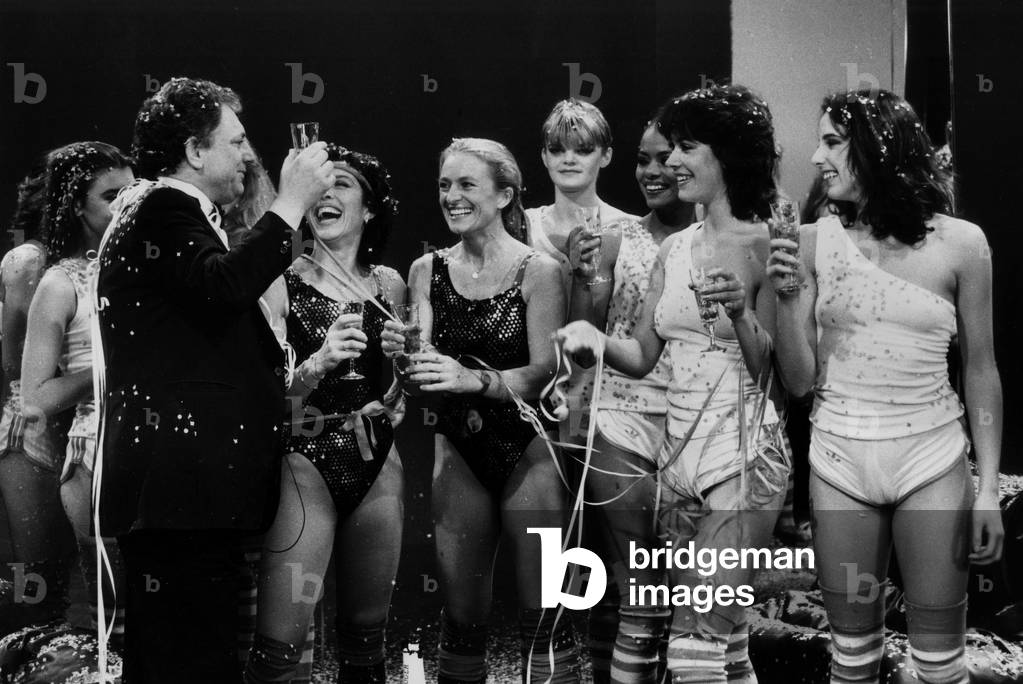
XRA1668253: Jacques Martin With Veronique and Davina November 29, 1983 (b/w photo) / Bridgeman Images
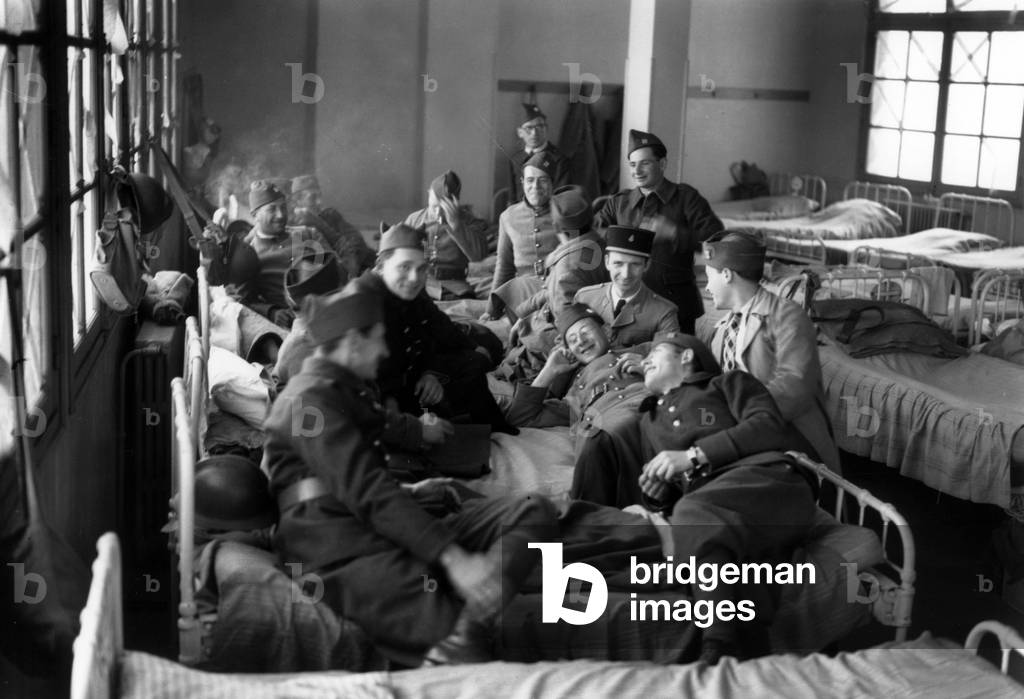
XRA1668289: Dormitory of Young Jewish Recruits at Montmartre Reception Centre in Paris in 1939 (b/w photo) / Bridgeman Images
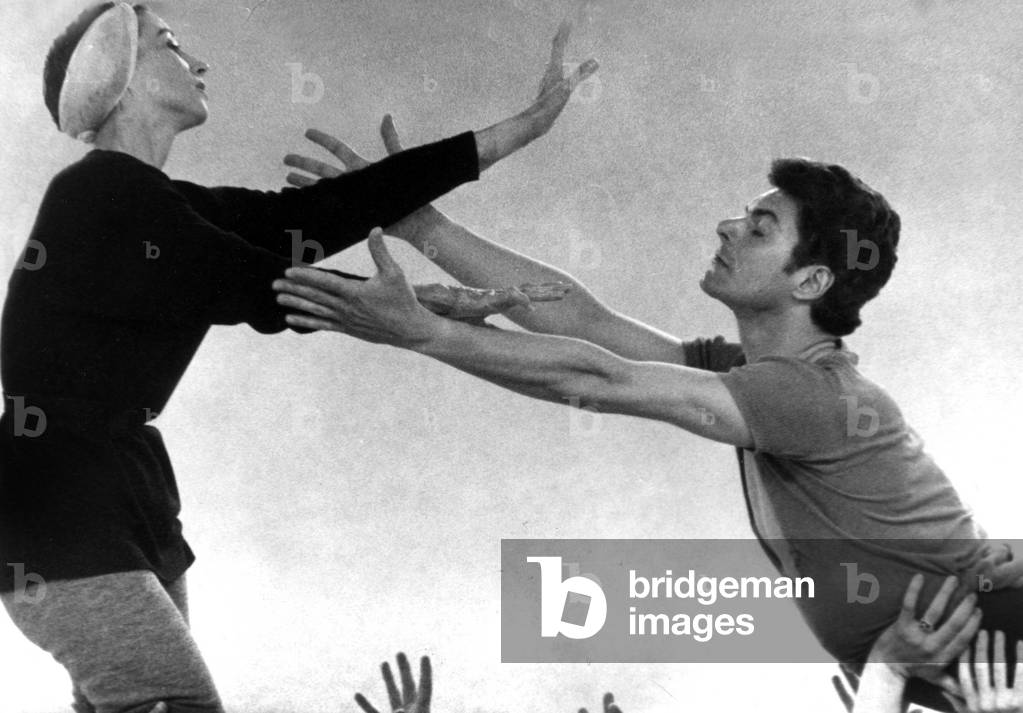
XRA1668295: Janine Charrat And Victor Rena At The Grand Theatre Of Geneva For The Ballet “You Will Have Name Tristan” After The Legend Of Tristan And Yseult On June 3, 1963 (b/w photo) / Bridgeman Images
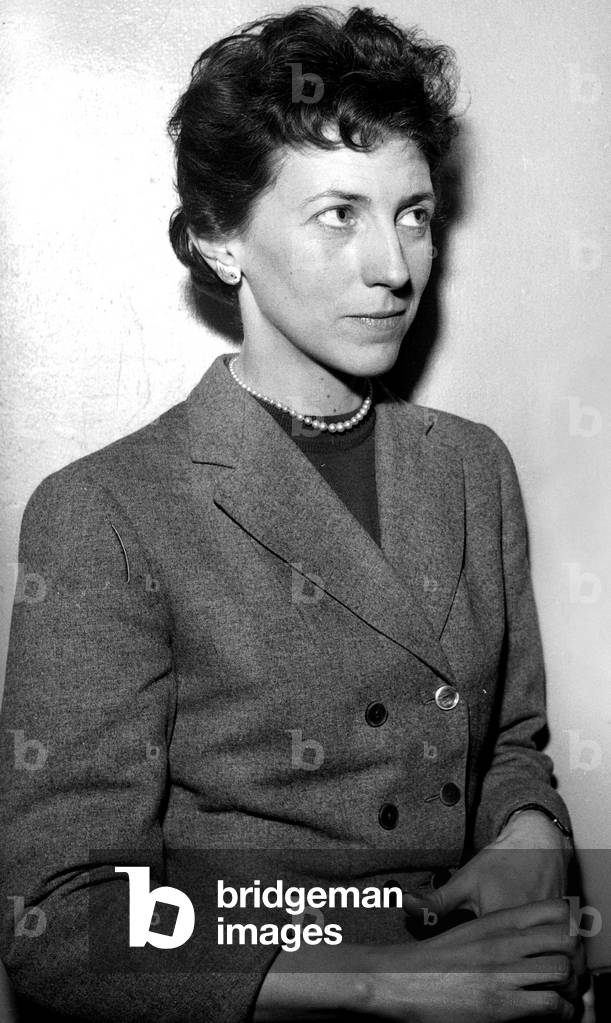
XRA1668304: Janine Niepce (Grand Niece of Nicephoreniepce) at Giving of Niepce Prize To Robertdoisneau on February 29, 1956 (b/w photo) / Bridgeman Images
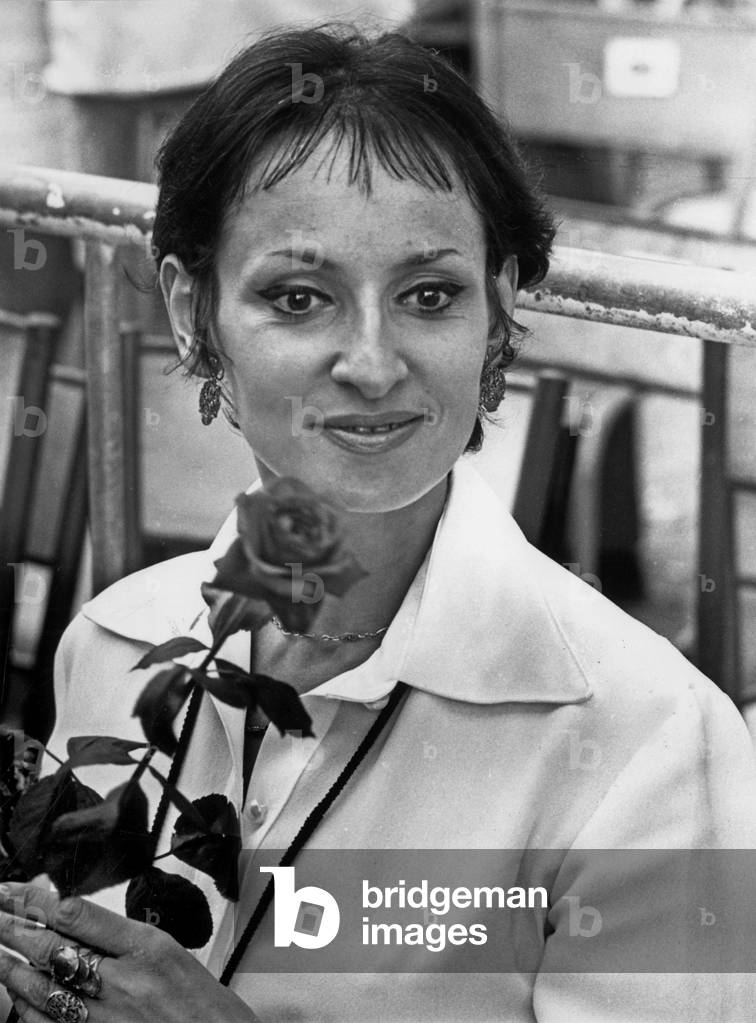
XRA1668313: French Singer Barbara (1930-1997) in 1969 (b/w photo) / Bridgeman Images

XRA1668331: French Actors Francis Lax and Judith Magre in Play "Une Femme Trop Honnete" November 13, 1978 (b/w photo) / Bridgeman Images

XRA1668352: Les Trois Hommes du Film “Trois Hommes Et Un Couffin”, Cesar Of Best French Film, In The Company Of The Producer: From Left To Right: Andre Dussolier, Michel Boujenah, The Producer Of The Film: Jean-Francois Lepetit And Roland Giraud February 22, 1986. Neg: Cx18572 (b/w photo) / Bridgeman Images
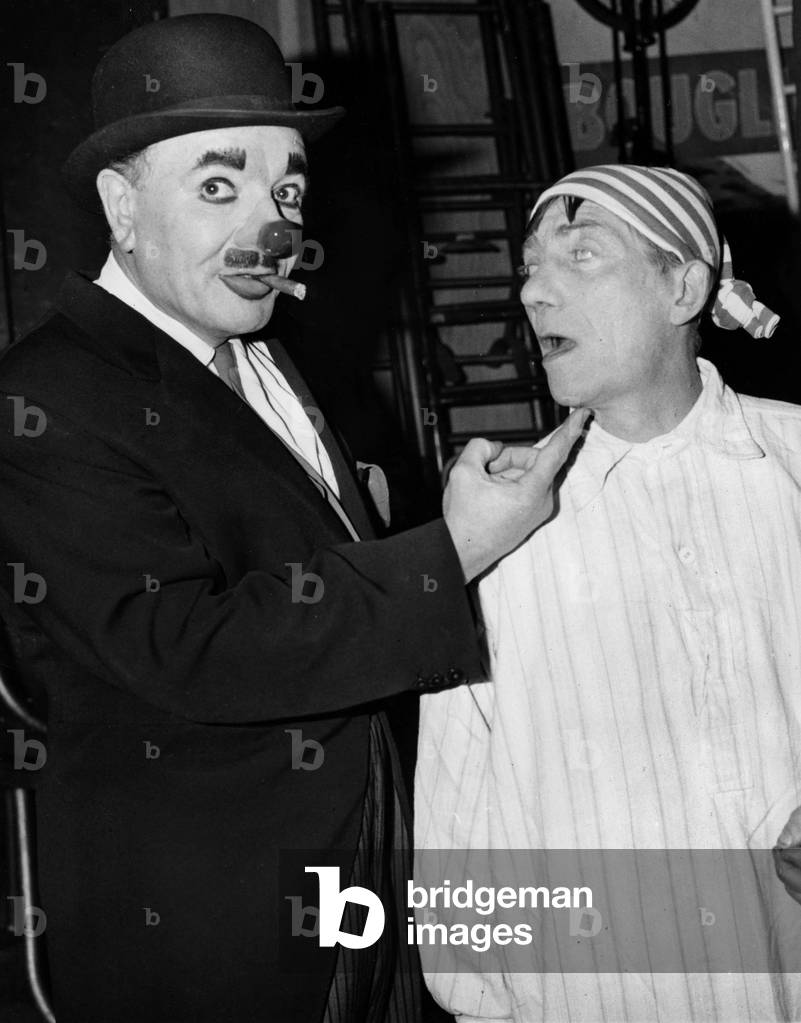
XRA1674127: Clowns Charlie Cairoli Left And Jimmy Buchanan At The Circus D Winter Track Gala November 17, 1966 (b/w photo) / Bridgeman Images

XRA1674169: The Academicians Of Pure Malt Whisky Feet One Of Their Members Anne Marie Carriere Blowing The Candles Of Her Birthday Cake At Club Saint Hilaire Surrounded From Left to Right To First Rank Robert Courtine, President Of The Academy And Jacques Bodoin. At Second Rang, Pierre Jean Vaillard, Albert Simonin And Davis Grand, International President Of The Academy Of Whisky Pure Malt January 16, 1974 (b/w photo) / Bridgeman Images
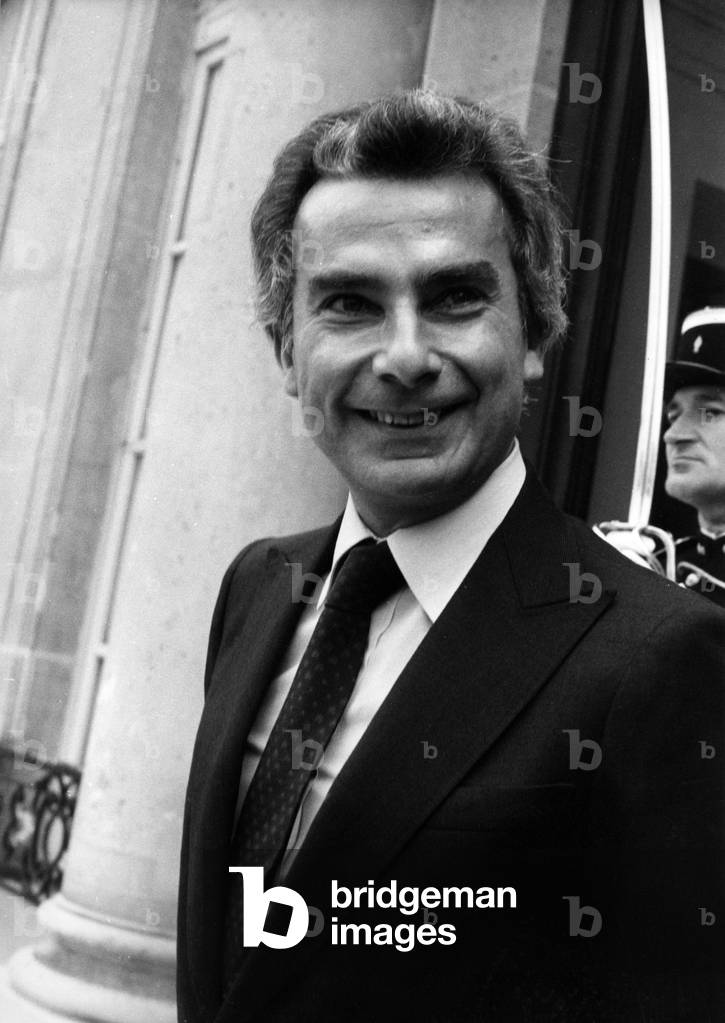
XRA1674175: Francisco Sa Carneiro, Portuguese Prime Minister, Leaving Elysee, Paris, After Meeting With French President Giscardd'Estaing July 1St, 1980 (b/w photo) / Bridgeman Images
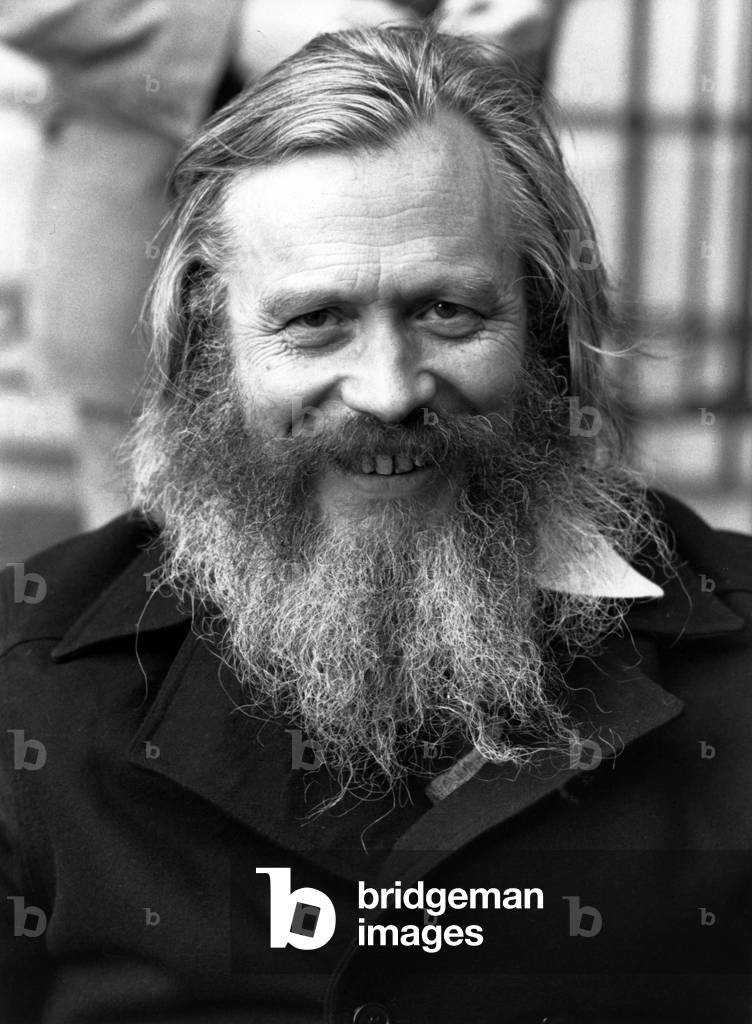
XRA1674178: Keith Carmichael Le 13 Mars 1984. (b/w photo) / Bridgeman Images

XRA1674211: Dany Carrel Receiving Hands From Pierre Vaneck A Valentine's Day Bouquet During Filming The Film “The Moucharde” At Saint Maurice Studios February 14, 1958 Neg: B12735 -Dany Carrel and Pierre Vaneck on Set of Film “La Moucharde” on February 14, 1958 (b/w photo) / Bridgeman Images
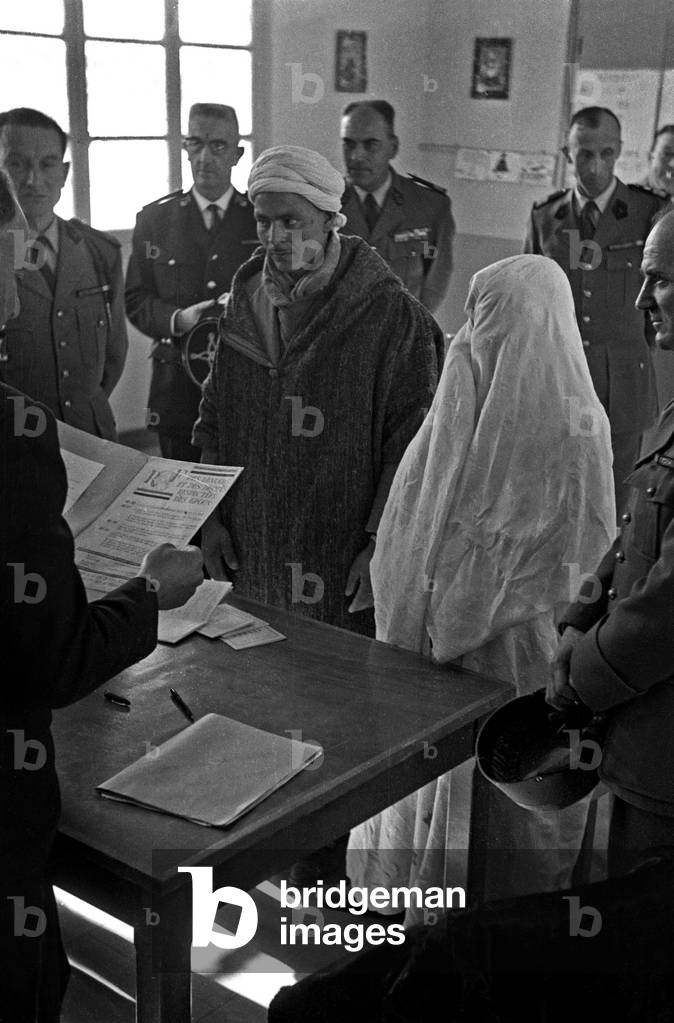
XRA1674214: Muslim Wedding in Tenazet, Algeria, By Muslim Mayor Benyebka Benouza February 23, 1959 (New Statute : Wedding By Consent) (b/w photo) / Bridgeman Images
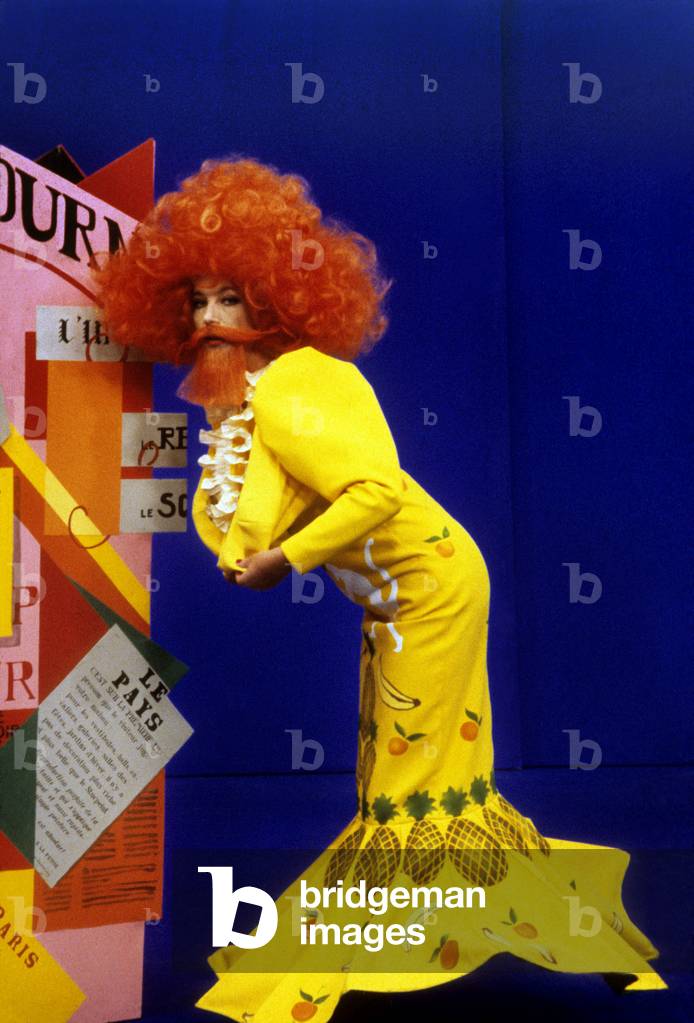
XRA1674226: Tv: “Les Mamelles De Tiresias” Realised By Jean-Christophe Averty With Patricia Karim On September 25, 1981 (photo) / Bridgeman Images
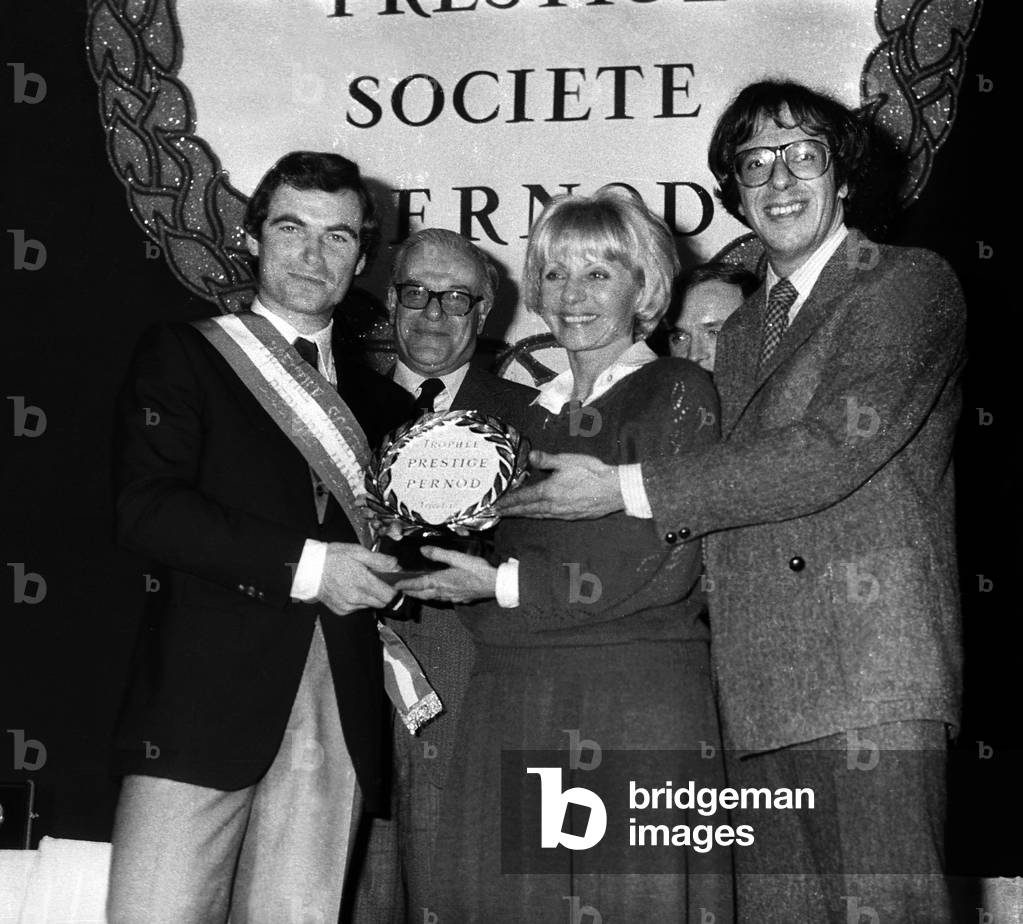
XRA1674262: Anne Cordy And Patrick Topaloff Prestigious Trophee Pernod To Bernard Hinault November 16, 1978 Neg: Cx11096 (b/w photo) / Bridgeman Images
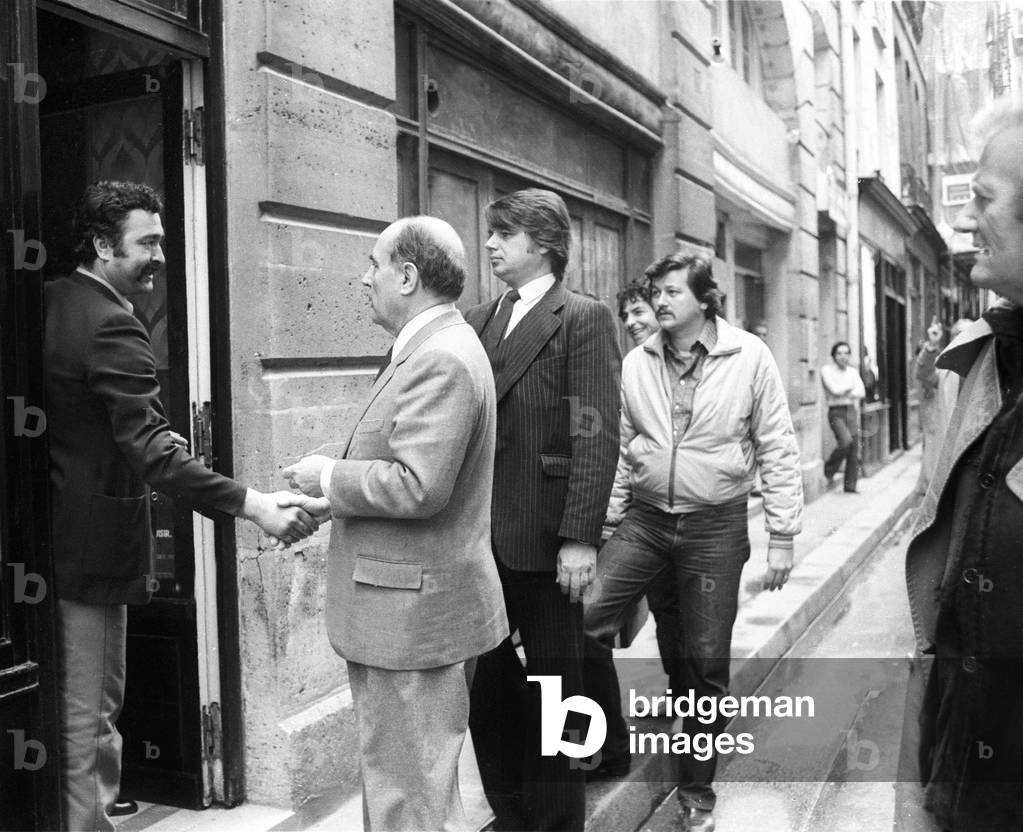
XRA1674280: Francois Mitterrand, New French President, Shaking Hand With Residents of The Rue De Bievre in Paris, He'S With his Bodyguard Andre Tourlier on May 12, 1981 (b/w photo) / Bridgeman Images
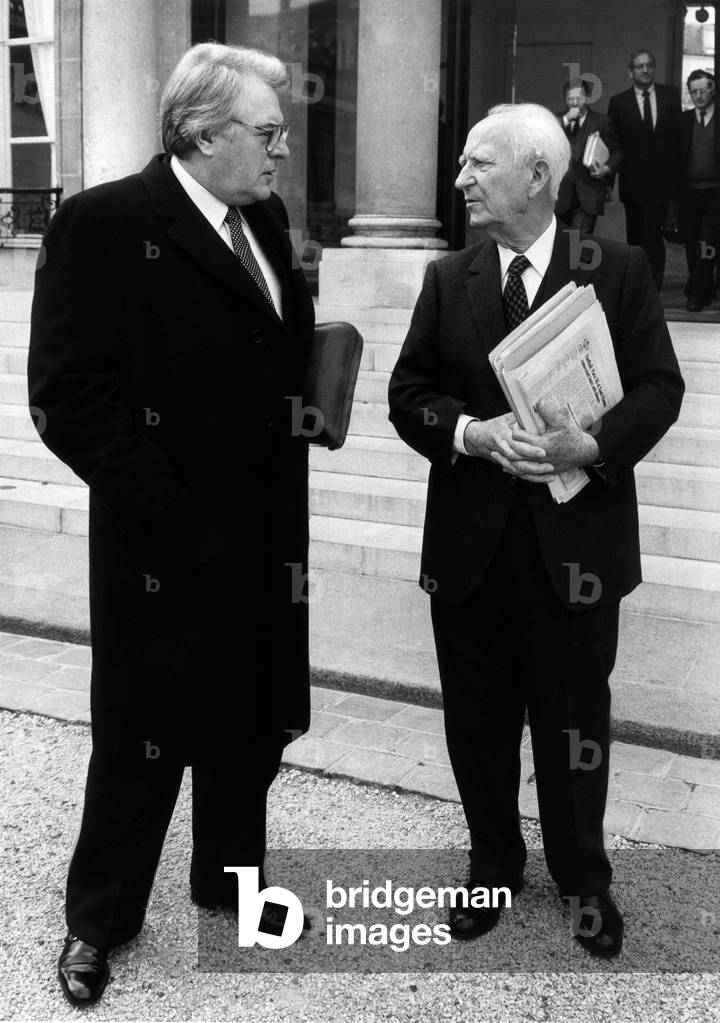
XRA1674295: French Prime Minister Pierre Mauroy, and French Minister of Interior Gaston Defferre, Leaving Elysee Palace in Paris After Council of Ministers, April 4, 1984 (b/w photo) / Bridgeman Images
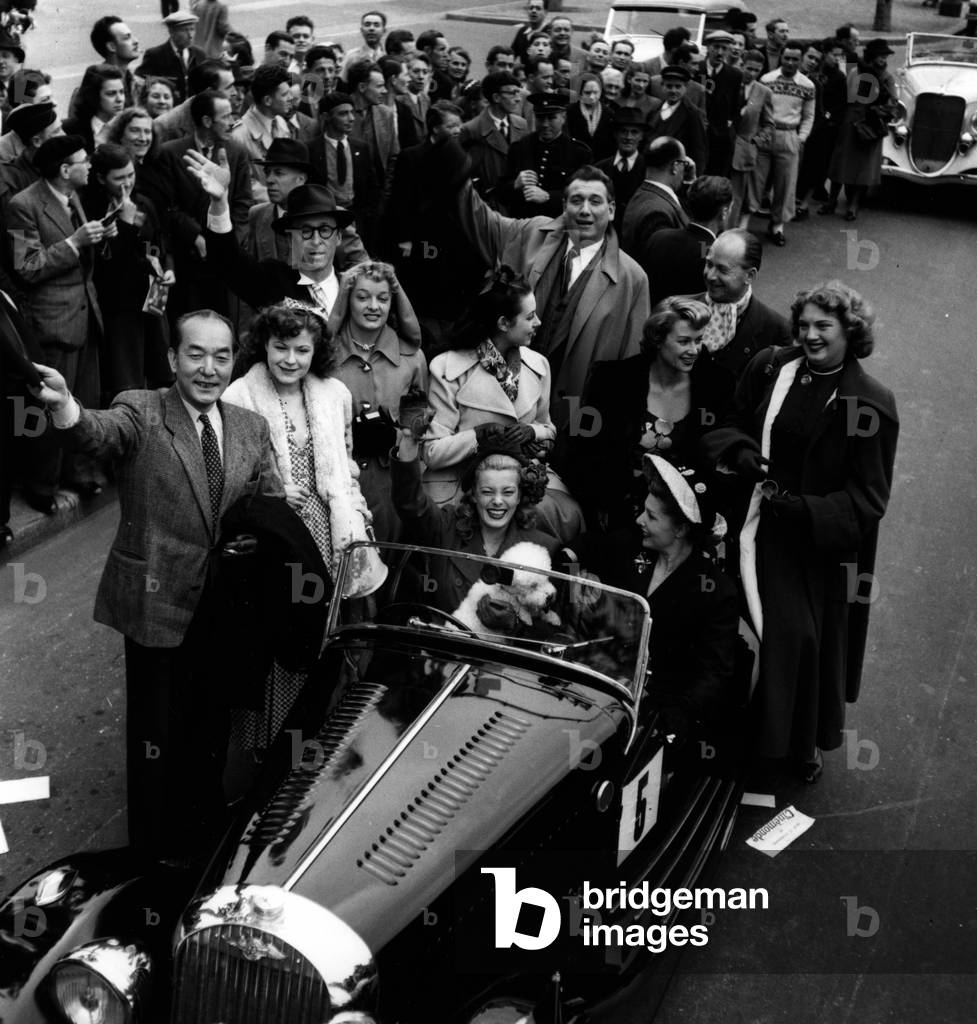
XRA1674304: Rallye Automobile Paris. Arret: Sessue Hayakawa, Xenia Monty, Armand Bernard, Marcelle Derien, A. Reynault, M. Carole, Lina Rochewsky, Suzy Carrie, Simone Renault Le 11 Juillet 1948. Neg: 9068 (b/w photo) / Bridgeman Images

XRA1674325: Marisa Berenson and her 2Nd Husband Jim Randall at Party For Premiere of Film "The Last Tycoon" November 1976 at Beverly Hilton Hotel (b/w photo) / Bridgeman Images

XRA1674331: Joan Baez in Paris on May 20, 1967 (b/w photo) / Bridgeman Images

XRA1674334: Dany Carrel Receiving Hands From Pierre Vaneck A Valentine's Day Bouquet During Filming The Film “The Moucharde” At Saint Maurice Studios February 14, 1958 Neg: B12732 -Dany Carrel and Pierre Vaneck on Set of Film “La Moucharde” on February 14, 1958 (b/w photo) / Bridgeman Images

XRA1674340: Prize Giving of The “Academie Charles Cros” in Paris on March 11, 1975: Raymond Devos (Prix Paul Gilson), Jean Nohain (Prix Pierre Brive), Christian Borel Et Mireille (Mireille Hartuch, Tous Deux Prix Pierre Brive), Caroline Clerc (Prix Pierre Brive), Minou Drouet And Patrick Font (Prix Pierre Brive) (Photo) / Bridgeman Images

XRA1674346: Pierre Vaneck sur le tournage du film « Un bon patriote » le 15 octobre 1973 (photo) / Bridgeman Images

XRA1674349: French Paper "France Soir" (July 6, 1972) About Resignation of Chaban Delmas Government (b/w photo) / Bridgeman Images

XRA1674355: French Prime Minister Michel Debre and Philibert Tsiranana, President of Madagascar, in Paris at Orly Airport, After A 9 Days Travel in Indian Ocean, Background : Nafissa Sid Cara, French Secrtary of State To Muslim Affairs, July 11, 1959 (b/w photo) / Bridgeman Images

XRA1674391: At The "Foire De Paris", French President at Pavilion of West Germany, May 9, 1972 : Young German Women With Beer (b/w photo) / Bridgeman Images

XRA1659170: Stage Director Jacques Seiler (1928-2004) Received Theater Prize For his Direction of Play "Exercices De Style" in 1980 (b/w photo) / Bridgeman Images

XRA1659179: Pierre Mendes-France Surrounded By his Wife Lily and Their Two Sons Michel (Stand Up) Et Bouard The Oldest (Seated) The 15Th June 1954 (b/w photo) / Bridgeman Images

XRA1659197: Robert Boulin, French Minister of Employment, here during Radioprogram "Le Club De La Presse D'Europe 1" on April 27, 1979, He Died in A Pond in Rambouillet in October 1979, Probably Murdered Because He Was Just About To Be Appointed First Minister By President Valerygiscardd'Estaing and Because He Was An Obstacle To The Rpr (b/w photo) / Bridgeman Images

XRA1659227: French Prime Minister Georges Pompidou and Olivier Guichard, Minister of Industry, Leaving Elysee Palace After Ministers Council November 08, 1967 (b/w photo) / Bridgeman Images

XRF1659257: Pierre Paul Marsales Called Polin (1863-1927) French Comic and Operetta Singer , He Was Also Actor, here C.1910 (b/w photo), Unknown photographer, (20th century) / Bridgeman Images

XRA1665700: Jean Marie Gerbault After receiving the 1963 Populist Novel Award for his novel “Dear Poisons” June 21, 1963 (b/w photo) / Bridgeman Images
