2490020 Search Results
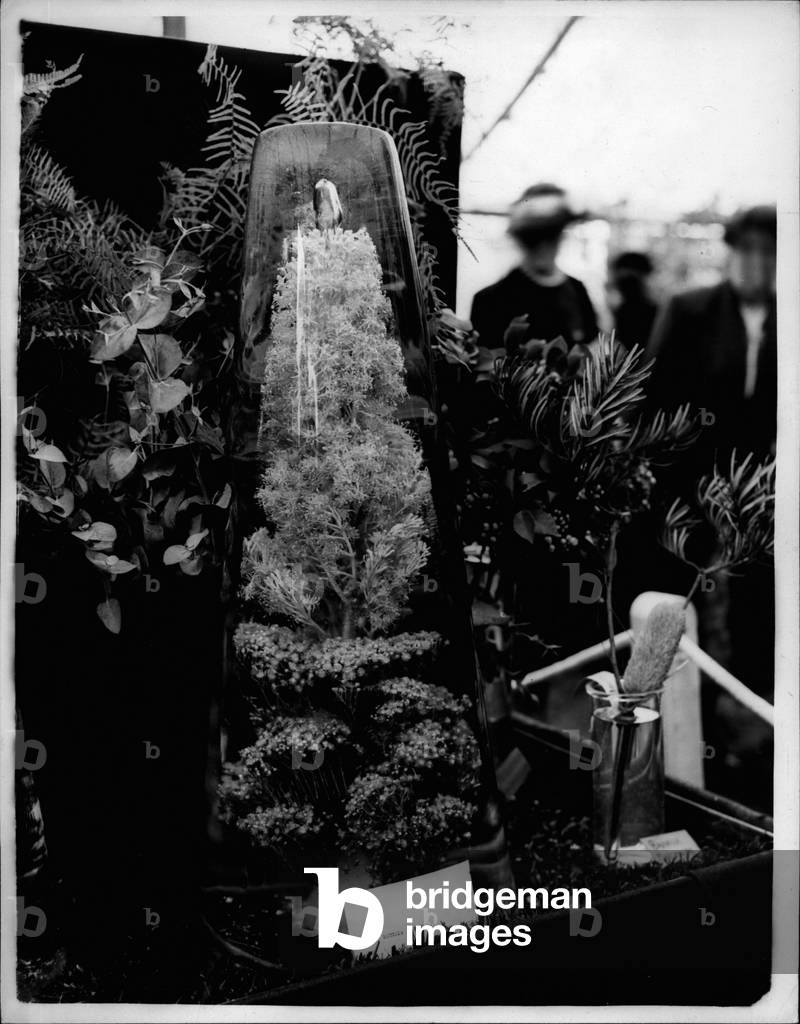
ZUM4843639: May 05, 1953 - Chelsea Flower Show Opens.. Blooms From Australia-In Ice Unique blooms on show at the Chelsea Flower Show this afternoon. They are known as” Neutsia Floribunda” and are seen in the commonwealth Section of the Chelsea Flower Show.. They were flown from Australia for exhibition-in the block of ice. / Bridgeman Images

SOB4843766: Enki Bilal, September 16, 2010, Bassouls, Sophie / Bridgeman Images

SOB4843782: Enki Bilal, September 16, 2010, Bassouls, Sophie / Bridgeman Images

SOB4843831: Neil Bissoondath, 22 May 2007, Bassouls, Sophie / Bridgeman Images

ZUM4843876: May 05, 1953 - Adlai Stevenson places wreath on Mahatma Gandhi's Samadhi in New Delhi: Mr. Adlai Stevenson who was defeated in the American elections for the Presidency of the United States by Pres. Eisenhower is now on a visit to India / Bridgeman Images

GIE4843992: Portrait of the Italian poet, Gian Mario Villalta, born in 1959. / Bridgeman Images

GIE4844098: Portrait of the Italian writer Giampaolo Spinato born in Milan in 1960. / Bridgeman Images

ZUM4844190: May 05, 1953 - They recently held a vacuum cleaning contest between men and housewives an well-known Jungfernstieg in the center of Hamburg. This contest proved that men were much more perfect and faster than housewives. We are showing some snapshots of the side of the losers. / Bridgeman Images

GIE4844242: Babe Walters in her house in Dorchester (Dorset, england) in October 2004 / Bridgeman Images

GIE4844079: Portrait of the Italian writer Giampaolo Spinato born in Milan in 1960. / Bridgeman Images

ZUM4844139: May 05, 1953 - Royal Windsor horse show, Fanny Rosa takes A jump: Keystone photo shows: - during the Jumping event of the at Home Park, today. / Bridgeman Images

GIE4844167: Babe Walters in her house in Dorchester (Dorset, england) in October 2004 / Bridgeman Images

UTD4844288: portrait de Lisa della Casa soprano suisse .Photo vers 1965. / Bridgeman Images

ZUM4839067: Apr. 25, 1953 - Turkish Naval Cadets in London: Naval Cadets from the Turkish training ship” Savarona” who are on a visit to London, today went sightseeing in the capital / Bridgeman Images

GIE4839223: Orly Castel Bloom, Castel-Bloom / Bridgeman Images

GIE4839284: Orly Castel Bloom, Castel-Bloom / Bridgeman Images

GIE4839121: Agota, Agata, Kristof / Bridgeman Images

ZUM4839434: Apr. 29, 1953 - The Beauty and the Beast: Miss Andree Fougere, a charming mannequin with her two coolies competing in the” Beauty and the Beast” contest held in the Garden of the” Ambassadeurs” Theatre, Paris, today. / Bridgeman Images
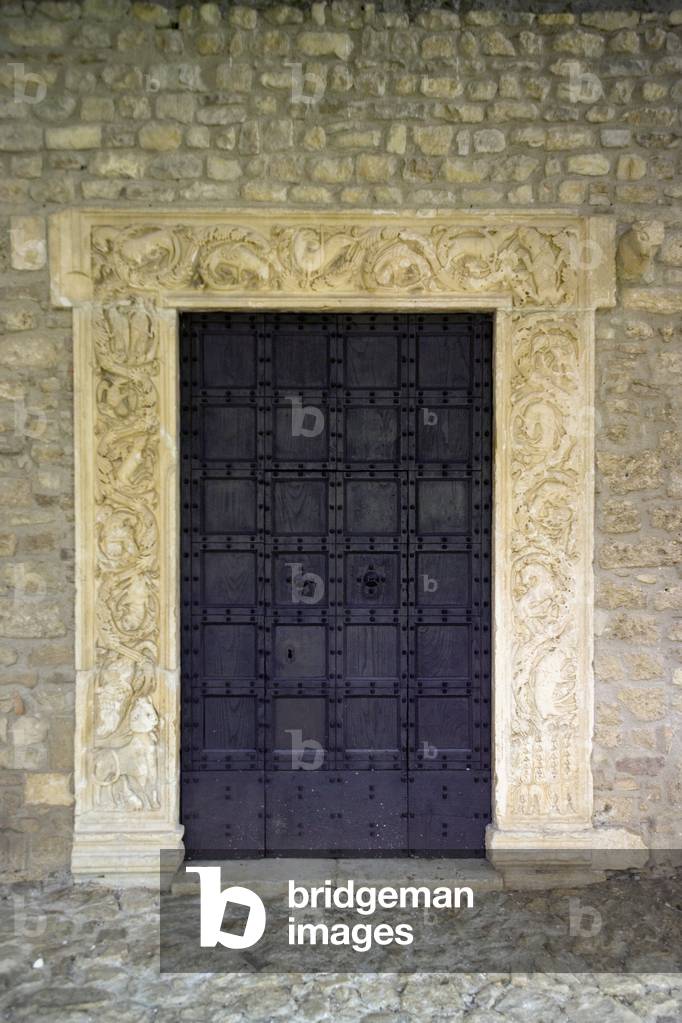
CUB4839513: San Bartolomeo church, Carpineto della Nora, Abruzzo, Italy / Bridgeman Images

SOB4839534: Hans-Peter (Hans Peter) Litscher, April 24, 2007, Bassouls, Sophie / Bridgeman Images

SOB4839511: Hans-Peter (Hans Peter) Litscher, April 24, 2007, Bassouls, Sophie / Bridgeman Images
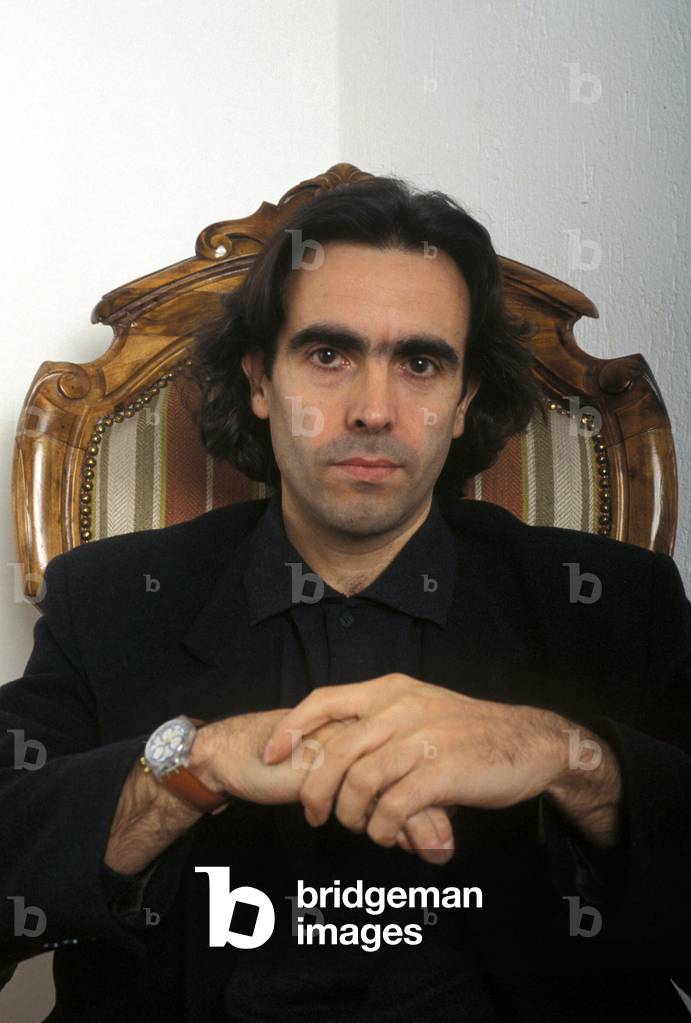
GIE4839567: Portrait of François Dupeyron, French director Born in 1950. / Bridgeman Images

SOB4840008: Masha Meril, October 27, 2007, Bassouls, Sophie / Bridgeman Images
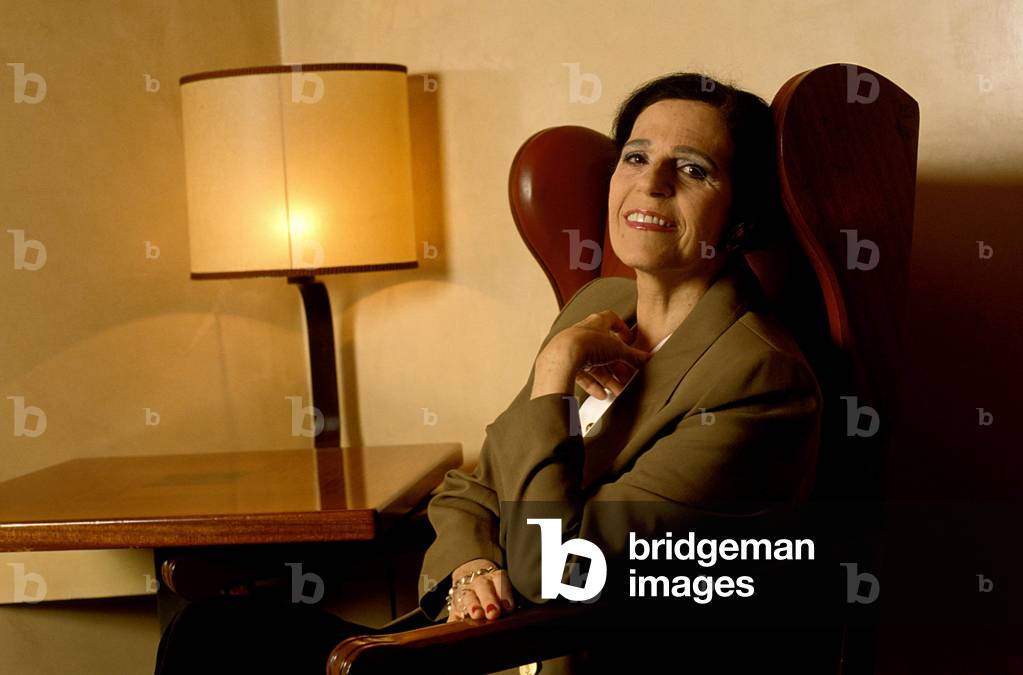
GIE4840081: Viviane Forrester, French literary critic and novelist, born in 1925. / Bridgeman Images
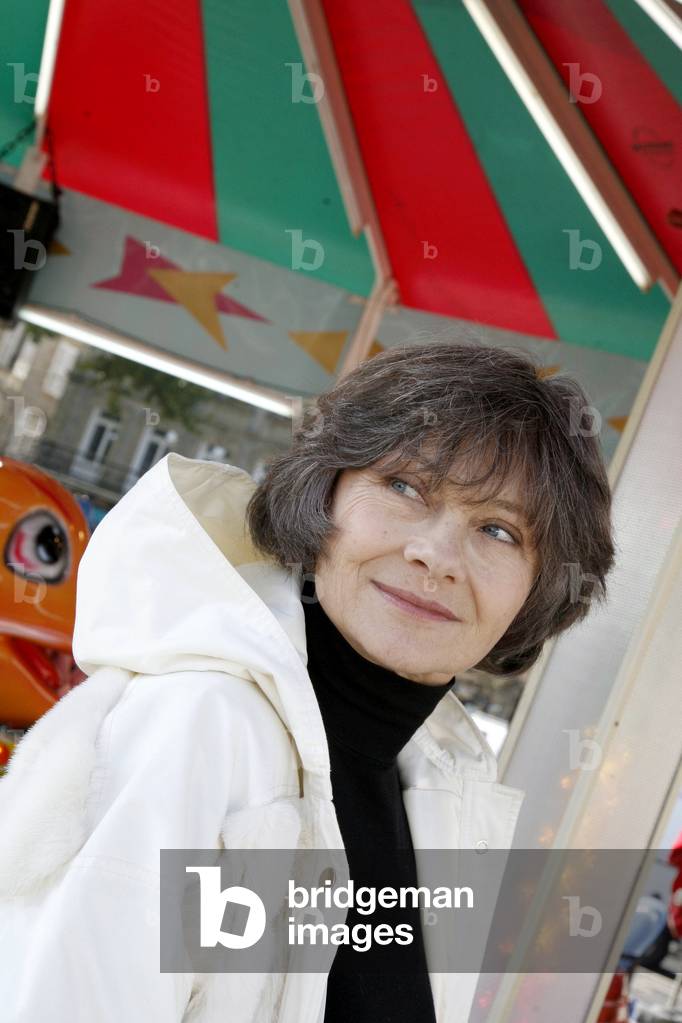
SOB4840087: Masha Meril, October 27, 2007, Bassouls, Sophie / Bridgeman Images
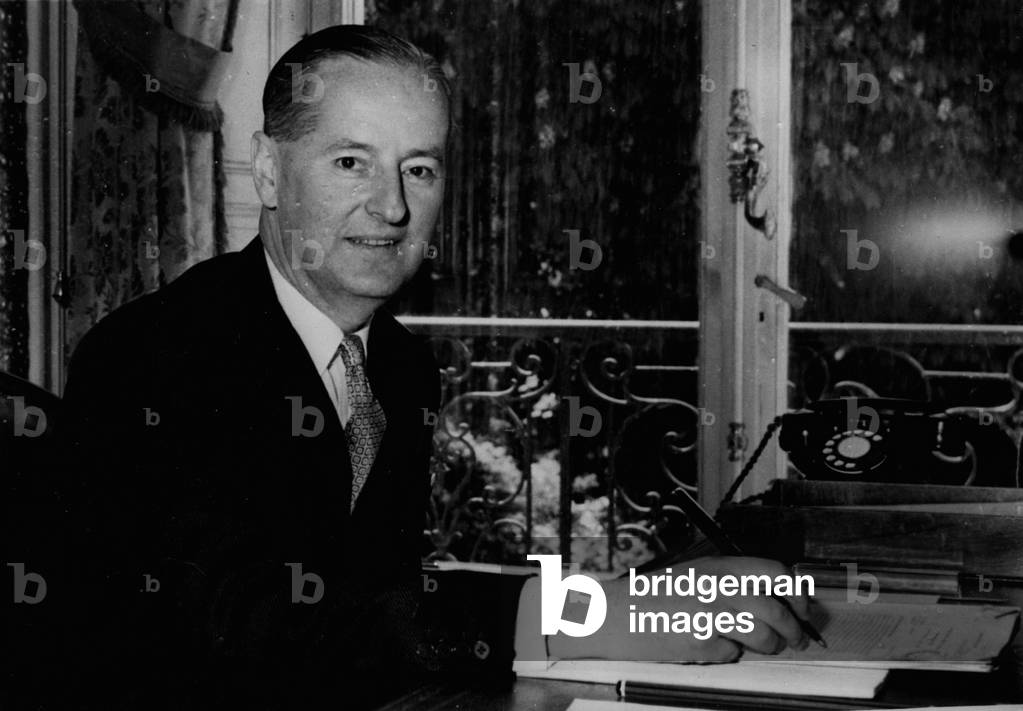
ZUM4840269: May 05, 1953 - British Minister in Paris Becomes Ambassador to Moscow - Mr. William Goodenough Hayter 46 year old British Minister in Paris was last night appointed Ambassador to Moscow in succession to Sir Alvary Cascoigne, who retires early in August. It was also announced that he has been appointed Knight Commander in the Order of St. Michael and St. George. Sir William and Lady Hayter have a 13 year old daughter Teresa who is now at school at Sevenoaks, Kent / Bridgeman Images
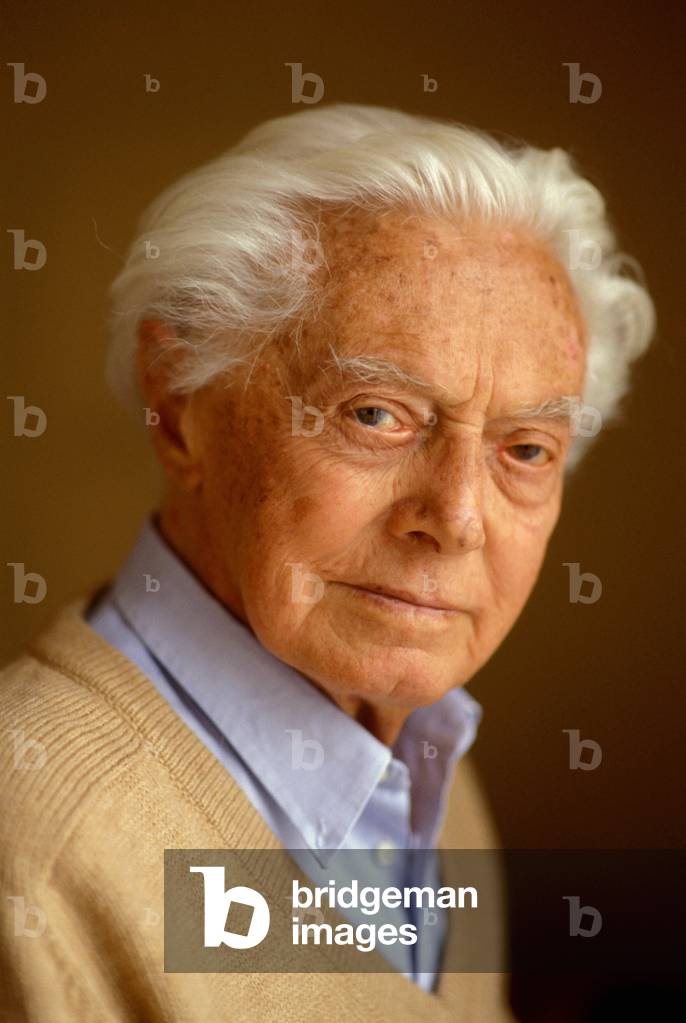
GIE4840273: Portrait of Italian director Dino Risi (born 1916). Spring 2004. / Bridgeman Images
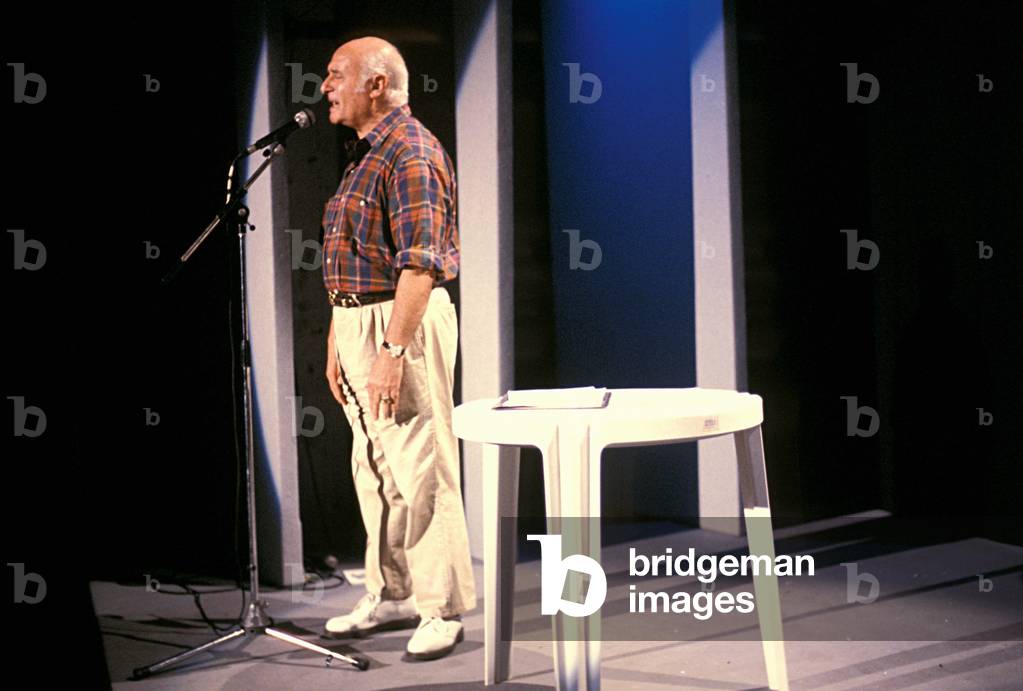
GIE4840441: Portrait of Mimmo Rotella artist (born in 1918). / Bridgeman Images

ZUM4840505: May 05, 1953 - St. Gangolf's pilgrimage and ride of Neudenau. As may be followed back in historical sources the farmers of Neudensau are riding out for centuries to the old Gangold's chapel, about two kilometers outside the gates of the small town, every year in may. The old chapel is one of the oldest buildings of Frankonisa originating from the 9th century. probably this old chapel may be traced back to be an old German sources - sanctuary and also the st. Gangolf's ride may have its origin in an old German habit of blessing the spring and the horses. Every year 150 to 200 horses and thousands of people are taking part in this horse pilgrimage. St. Gangolf's ride is especially meant for the adoration of this saint of the frankonian knights who is regarded from the oldest times to be the helper in need among the Christiana people and to be also the patron saint to the horses. saint always preserved its special character as genuine popular festival through the centuries / Bridgeman Images

ZUM4840563: May 05, 1953 - Rehearsing Trooping The Colour / Bridgeman Images

SOB4840710: Bernardo Carvalho, 13 June 2009, Bassouls, Sophie / Bridgeman Images

ETE4840713: Second World War (1939-1945): after performing for US soldiers, singer Dinah Shore (1914-1994) signed an autograph to an American sergeant. Northern France, September 1944. Photography. / Bridgeman Images

GIE4840875: Portrait of the Italian director Gabriele Salvatores. / Bridgeman Images
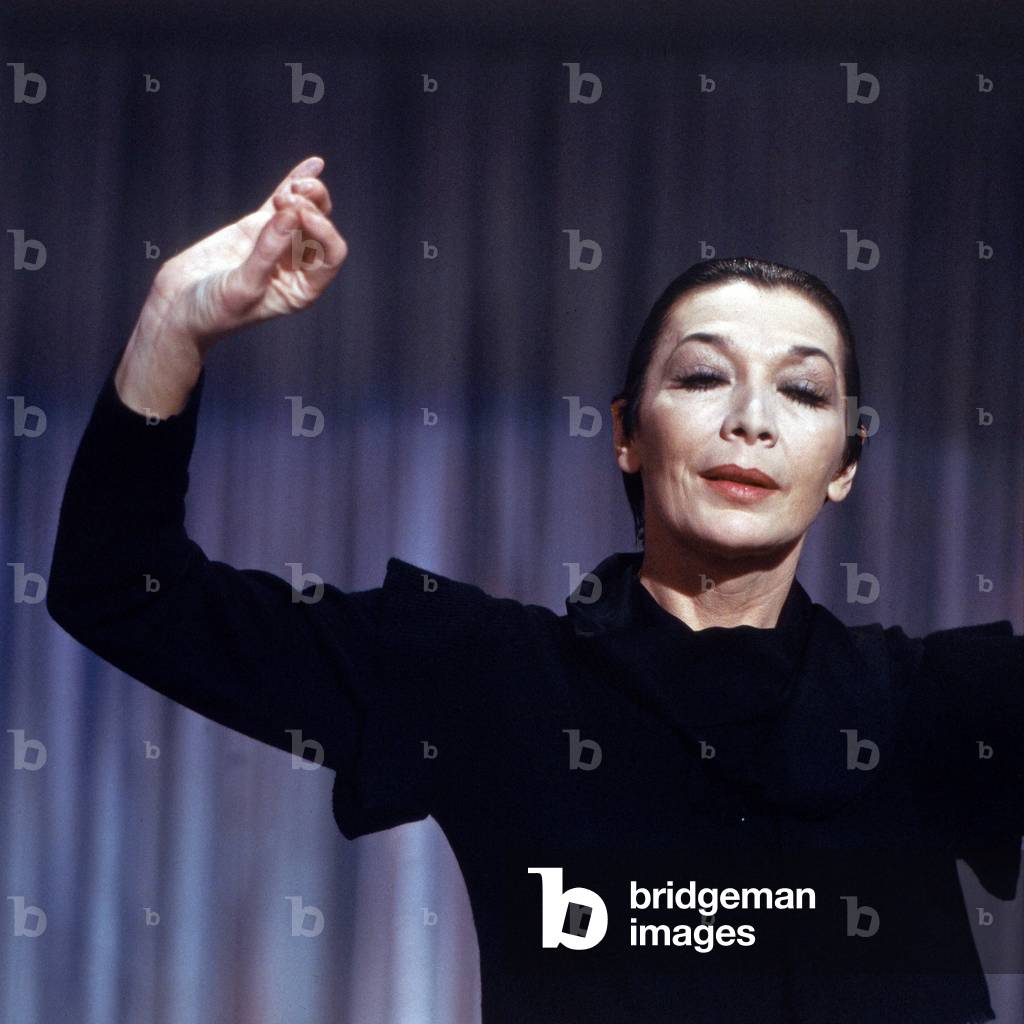
UTD4841564: French chanson singer and actress Juliette Greco, Germany 1990. / Bridgeman Images

GIE4841165: Portrait of the Italian director Michelangelo Antonioni. / Bridgeman Images
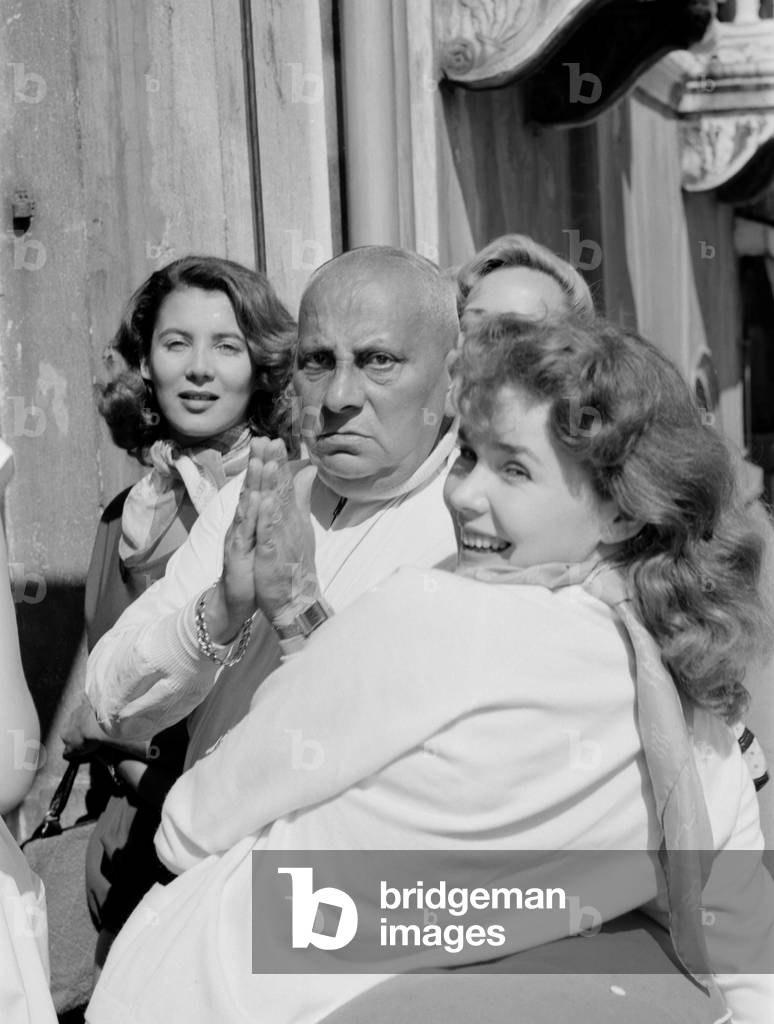
GRZ4836530: THE ACTOR AND DIRECTOR ERICH VON STROHEIM WITH THE ACTRESSES MIRIAM (MYRIAM) BRU AND TANIA WEBER IN THE VENICE LIDO BEACH DURING THE VENICE FILM FESTIVAL - 1952 / Bridgeman Images
