2491557 Search Results
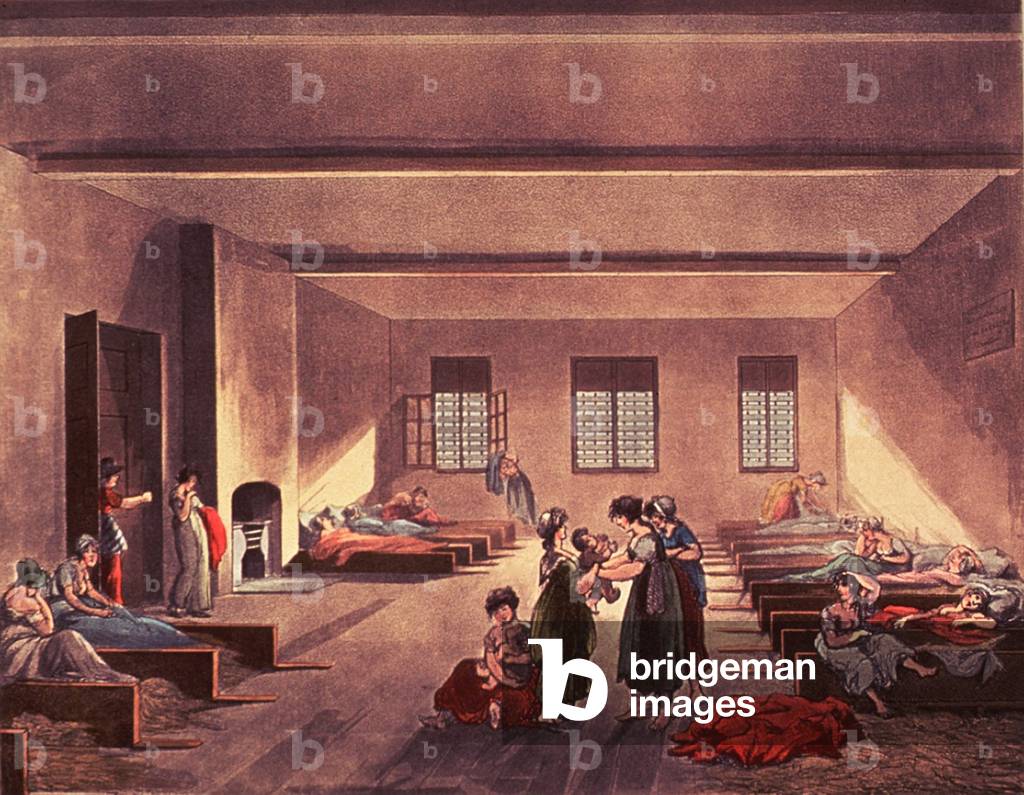
EVB2936583: Detention room in London's Bridewell Hospital, for homeless, impoverished, and probably single or unwed mothers. British Poor Law required paupers be returned to their rural parishes, who were responsible for the local care of the poor. Before return, the women paupers and their children were detained in low stalls with hay for bedding. Drawing by Thomas Rowlandson and Augustus Pugin, c. 1808 / Bridgeman Images
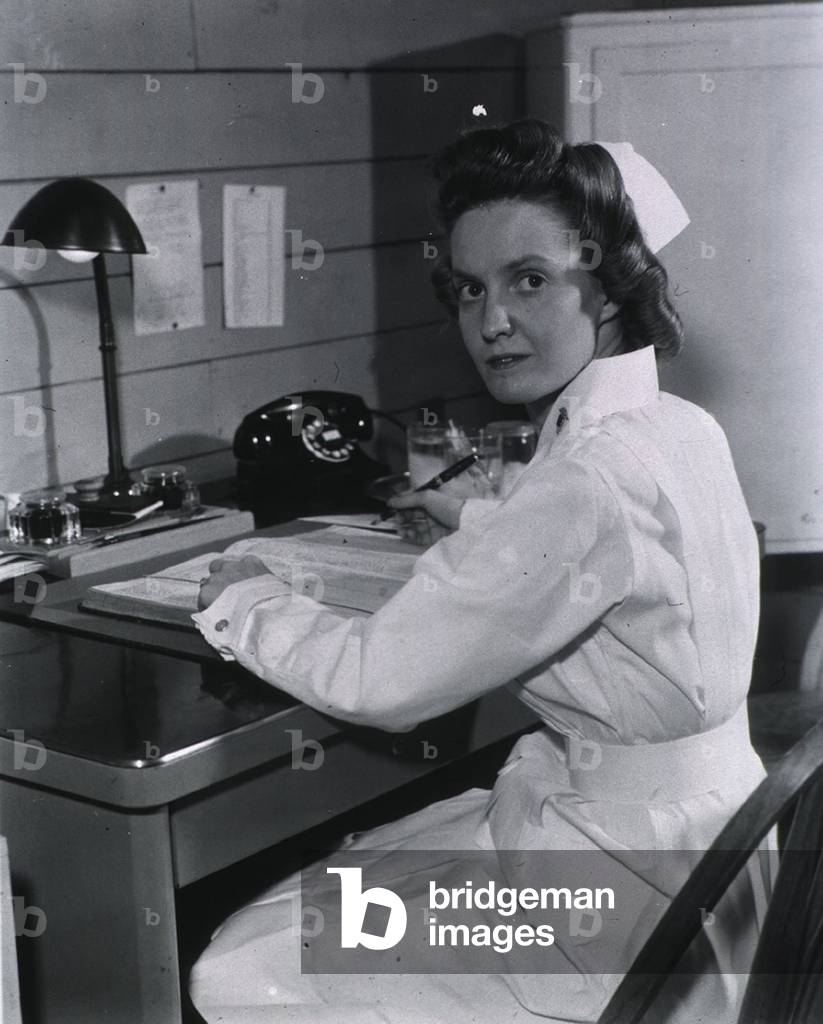
EVB2936592: 2nd Lieutenant Venita Busse, U.S. Army nurse on duty during World War II / Bridgeman Images
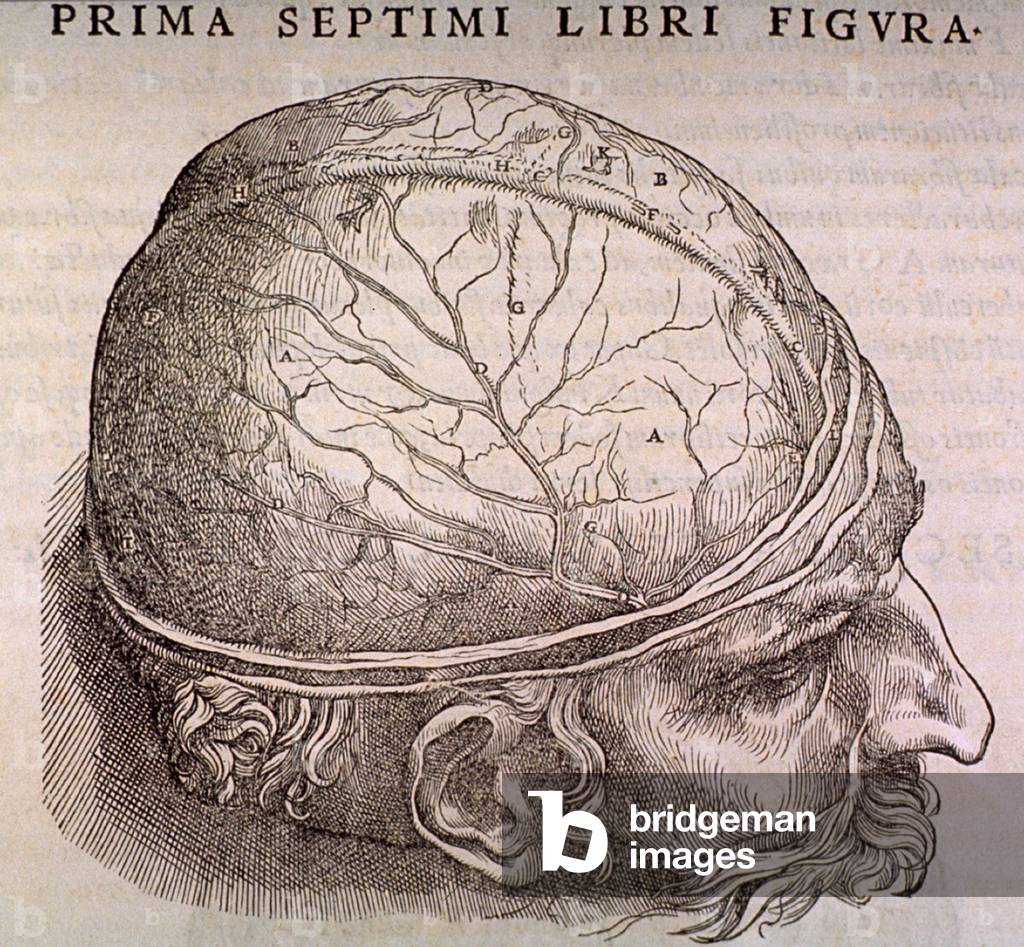
EVB2936662: Brain Plate, showing the duramater, the outermost membrane covering the brain, from the classic anatomical treatise, DE CORPORIS HUMANI FABRICA (On the Structure of the Human Body), by Andreas Vesalius (1514-1564), in 1543 / Bridgeman Images
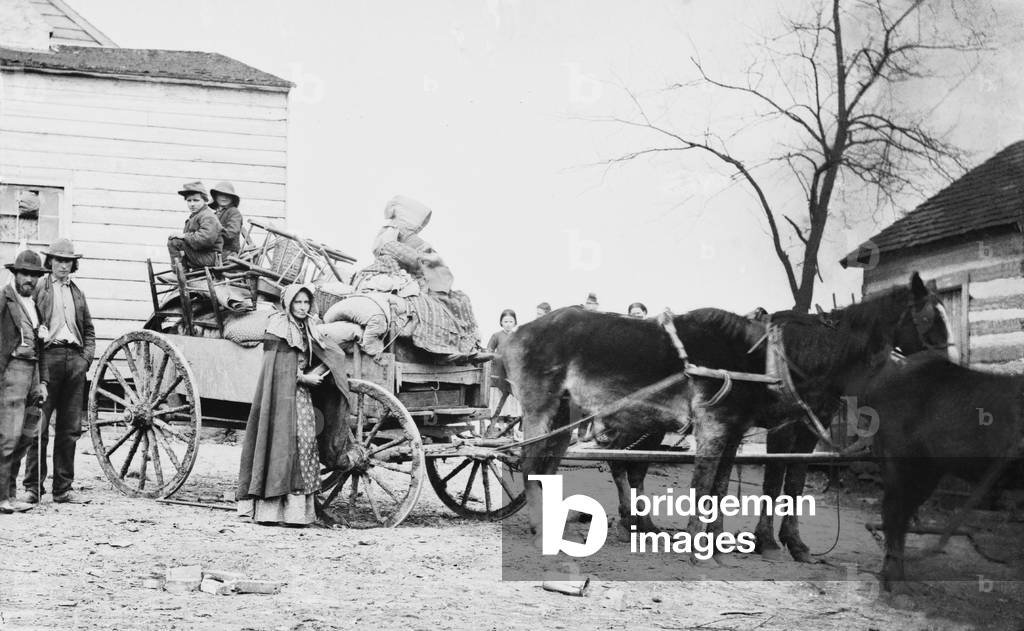
EVB2936772: DEPARTURE FROM THE OLD HOMESTEAD, an 1862 photograph by George Barnard shows a American family on the move during the Civil War. The pipe smoking woman may be a descendant of early Scotch-Irish settlers who populated the Appalachians in the 18th century, and whose women smoked pipes into the 20th century, Barnard, George N. and Gibson, James F. (fl.1860s) / Bridgeman Images
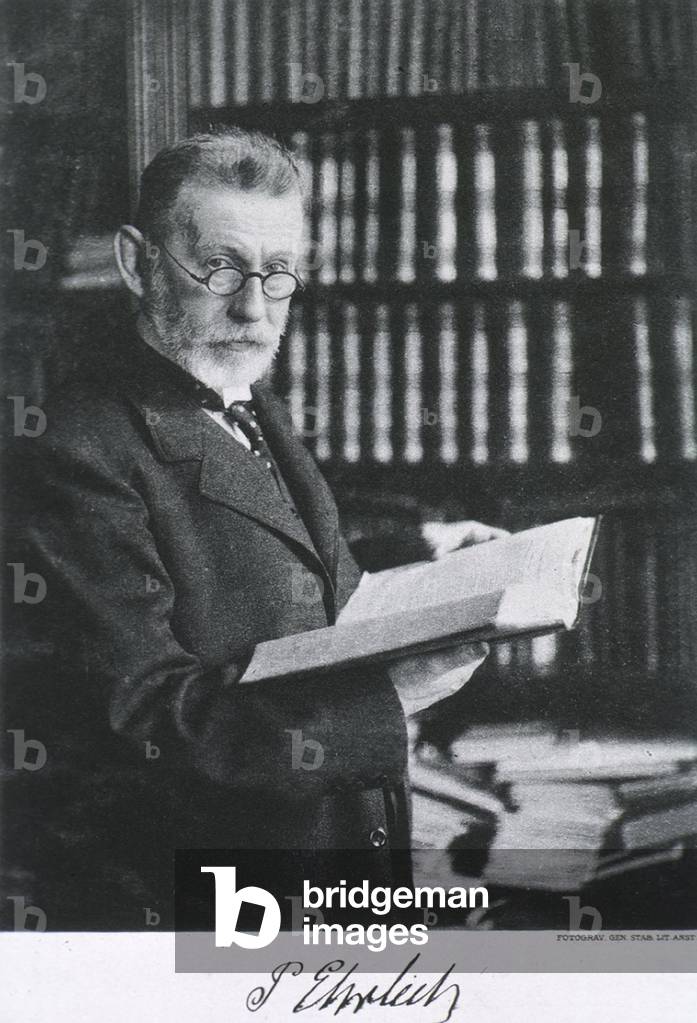
EVB2936674: Paul Ehrlich (1854-1918), German medical scientist experimented with chemical treatments to destroy pathogens and their ill effects on humans. His greatest discovery was an arsenic based medicine that was the first effective treatment for syphilis in 1910, Unknown photographer, (20th century) / Bridgeman Images
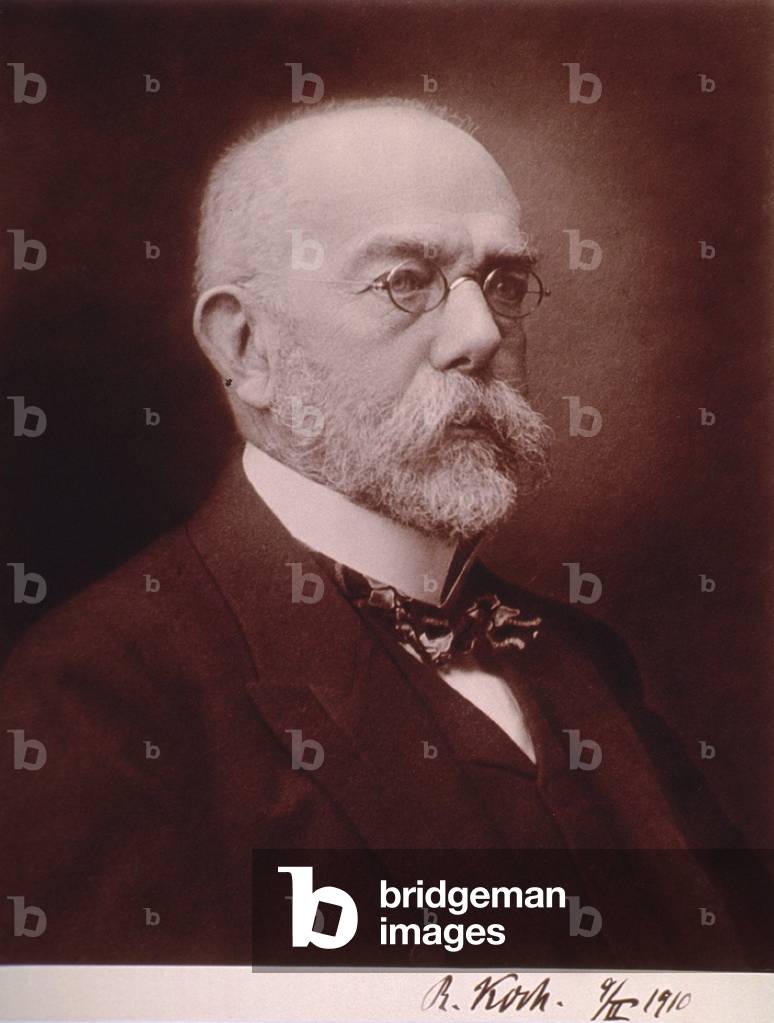
EVB2936683: Robert Koch (1843-1910) German physician discovered the anthrax disease cycle, and the bacteria responsible for tuberculosis and cholera. 1899 portrait, Unknown photographer, (19th century) / Bridgeman Images
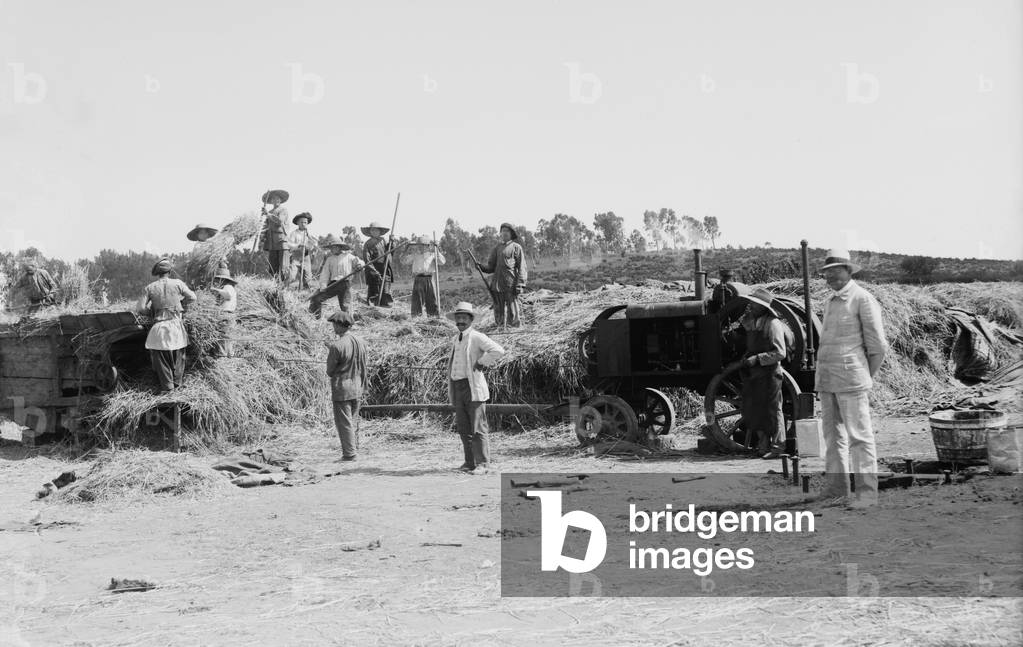
EVB2936814: Harvesting grain on a Jewish communal agricultural settlement, a kibbutz, in Palestine. c. 1900-1929, Unknown photographer, (20th century) / Bridgeman Images
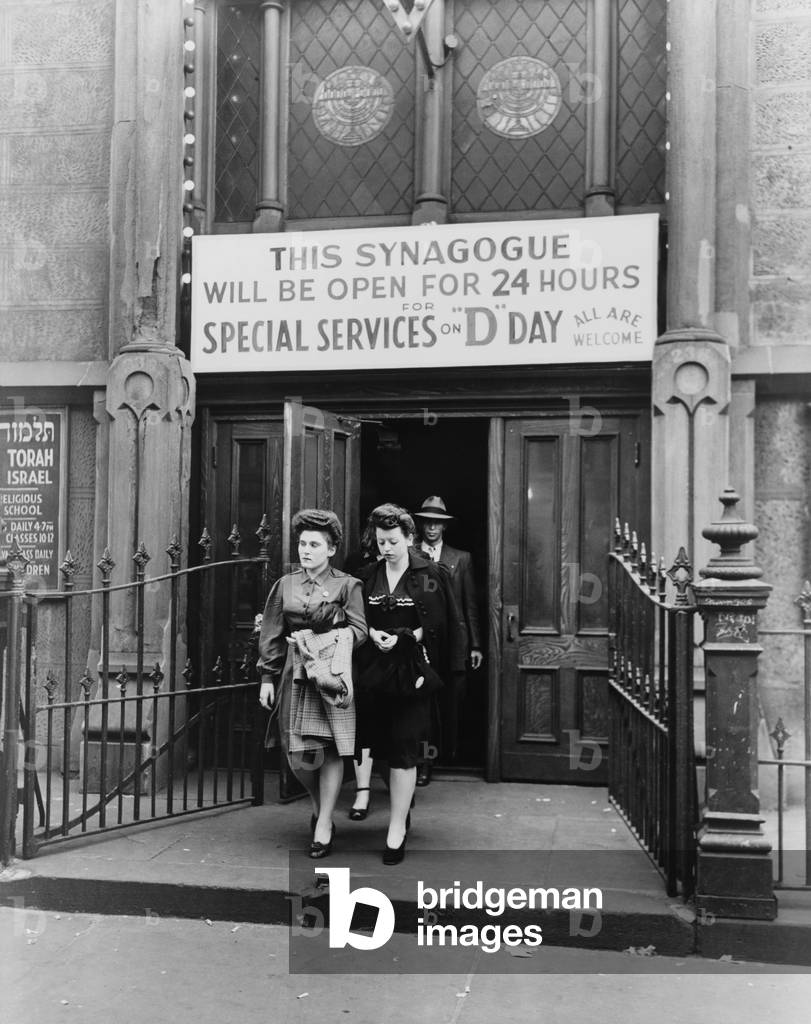
EVB2936841: Wives and families of Jewish American GIs leave a New York City synagogue on West Twenty-third Street, which was open all day on D-Day, June 6, 1944. They awoke to the announcement that Allied troops were landing on the beaches of Normandy and prayed for the safety of their loved ones in military service / Bridgeman Images
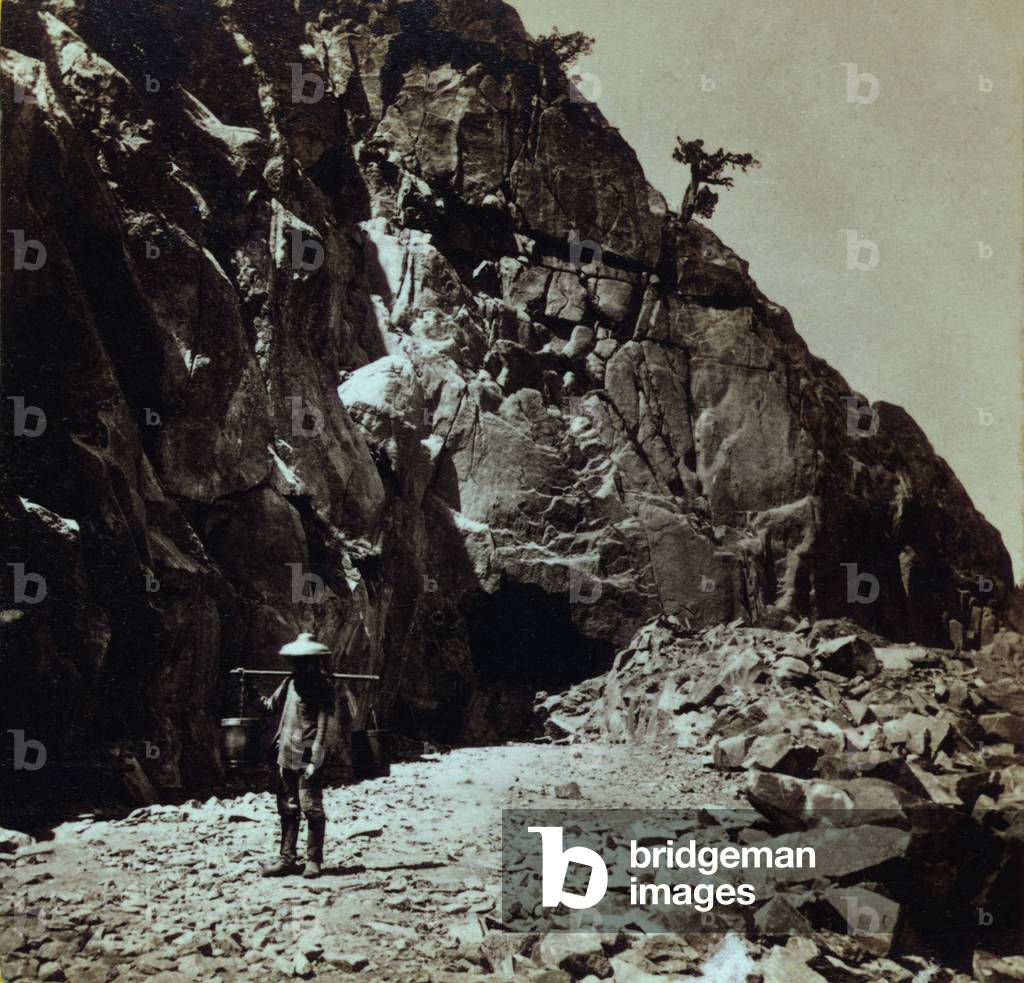
EVB2936853: Chinese railroad worker wearing traditional clothing and hats while working on the Central Pacific Railroad, in the Sierra Nevada Mountains of California. The Central Pacific Railroad recruited large labor groups to build its portion of the Transcontinental railroad. c. 1867 / Bridgeman Images
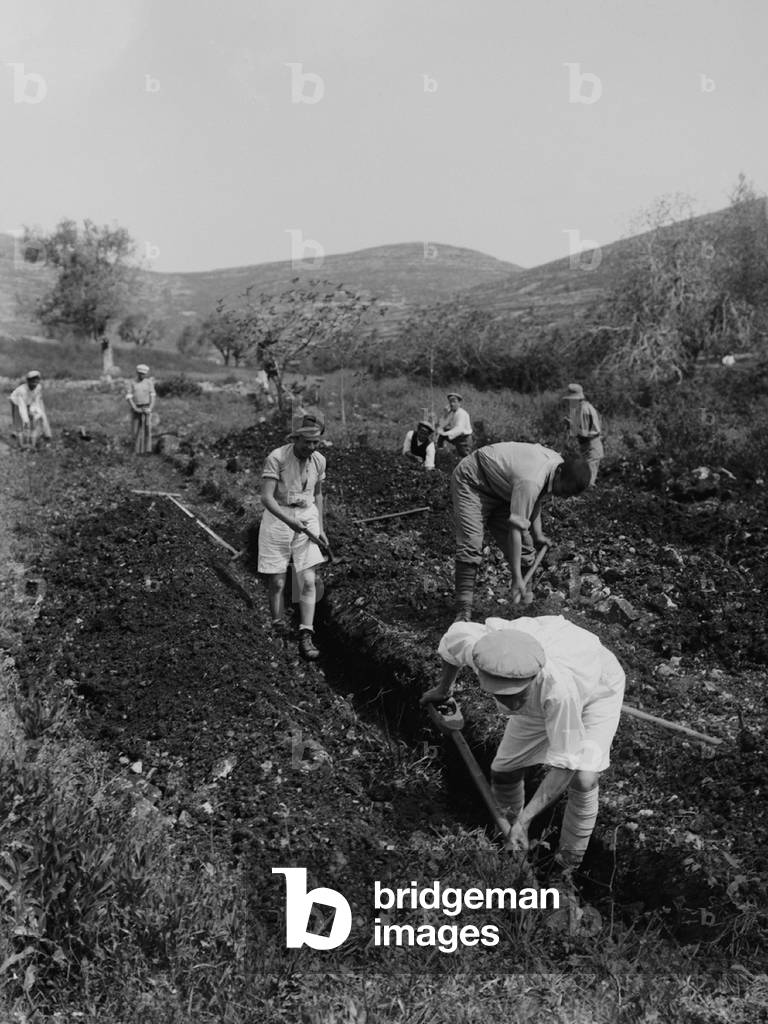
EVB2936794: Jewish immigrants digging a trench as they establish a communal agricultural settlement, a kibbutz, on land provided by Jewish philanthropic organizations, usually purchased from Palestinians or Arab landlords. c. 1920-36, Unknown photographer, (20th century) / Bridgeman Images
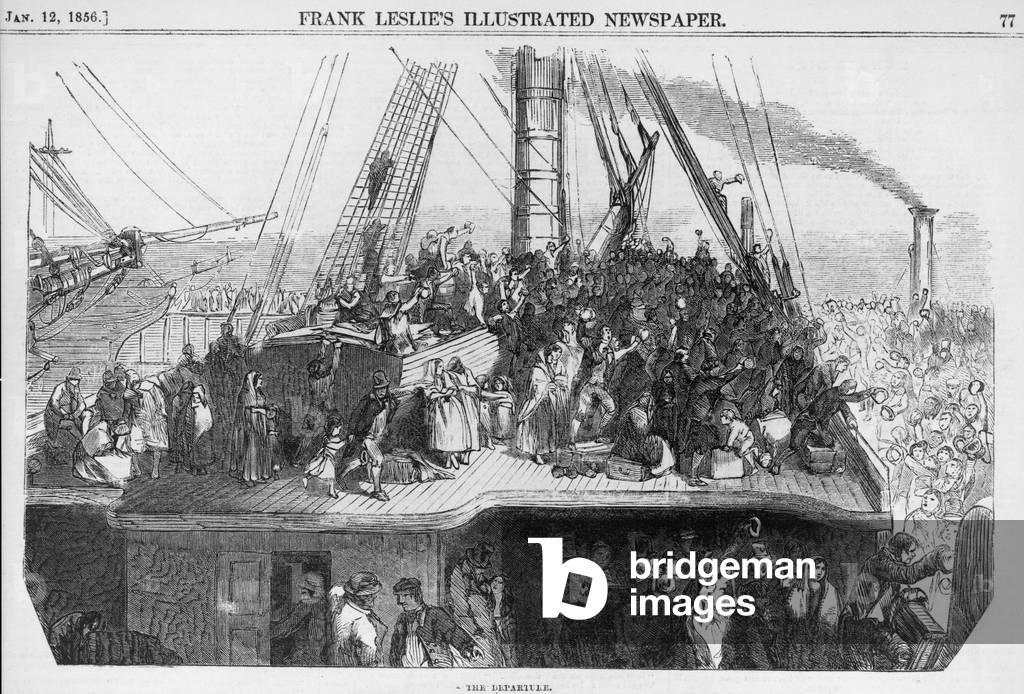
EVB2936827: Immigrants waving farewell to crowd on dock, as their ship leaves a Western European port for North Americ. Wood engravings 1850-1860 / Bridgeman Images

EVB2936822: Crowd of Eastern European emigrants, possibly Jewish, with three Russian officials, who are reviewing their travel papers. c. 1912, Unknown photographer, (20th century) / Bridgeman Images

EVB2936868: Italian woman carrying heavy bundle of clothing on her head Near Astor Place, New York City. She will sew the garments at home for low wages. February 1912 photograph by Lewis Hine, Hine, Lewis Wickes (1874-1940) / Bridgeman Images
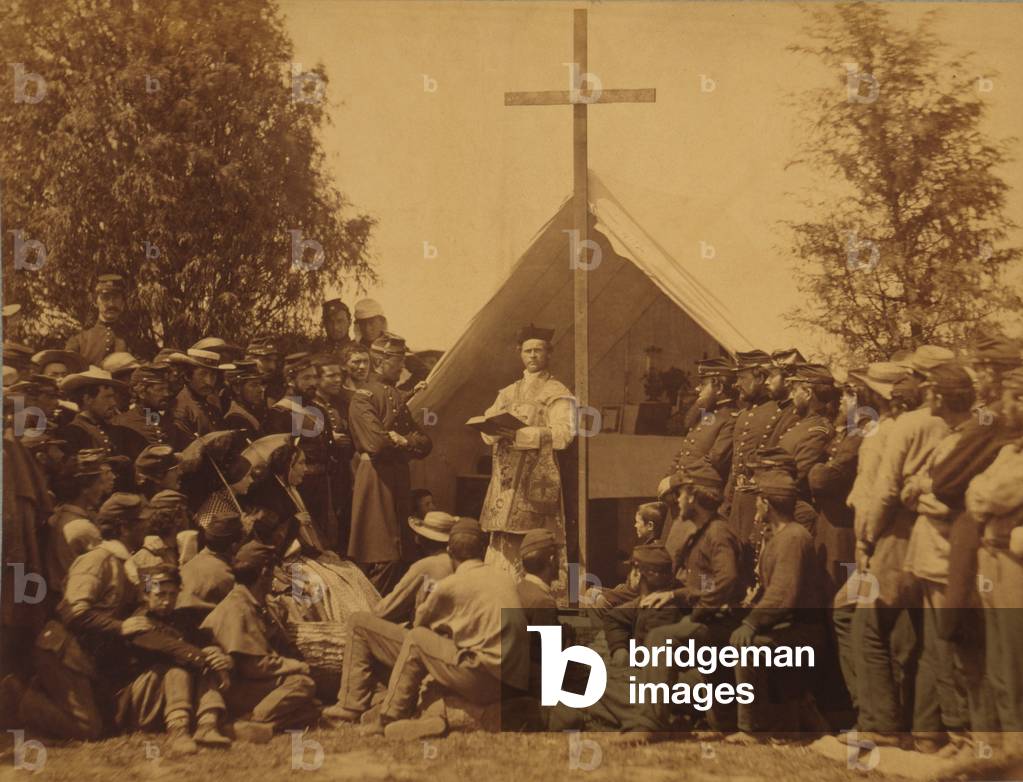
EVB2936905: Irish-American soldiers of the 69th New York State Militia, attend Sunday morning mass in camp in Washington, D.C. area, during the first year of the U.S. Civil War. 1861, Brady, Mathew (1823-96) / Bridgeman Images
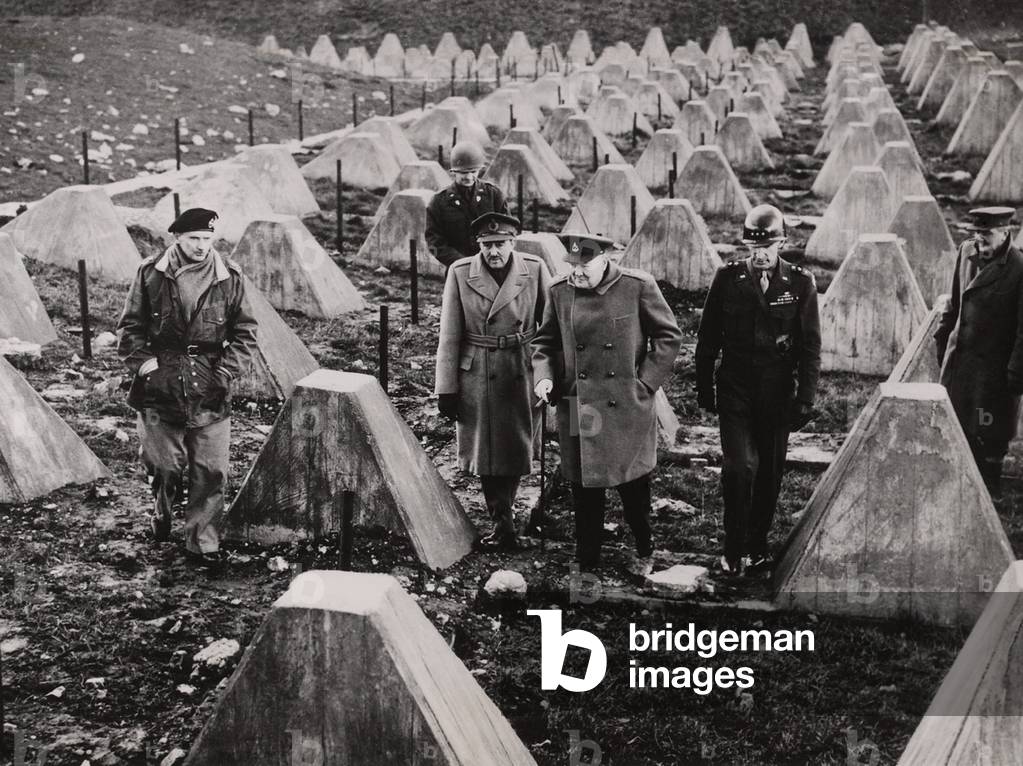
EVB2935770: Winston Churchill walks among the dragons teeth (tank traps) of the fallen Siegfried Line. With him are British Field Marshal Montgomery, British Field Marshal Sir Alan Brooke, and U.S. General William H. Simpson. March 1944 / Bridgeman Images
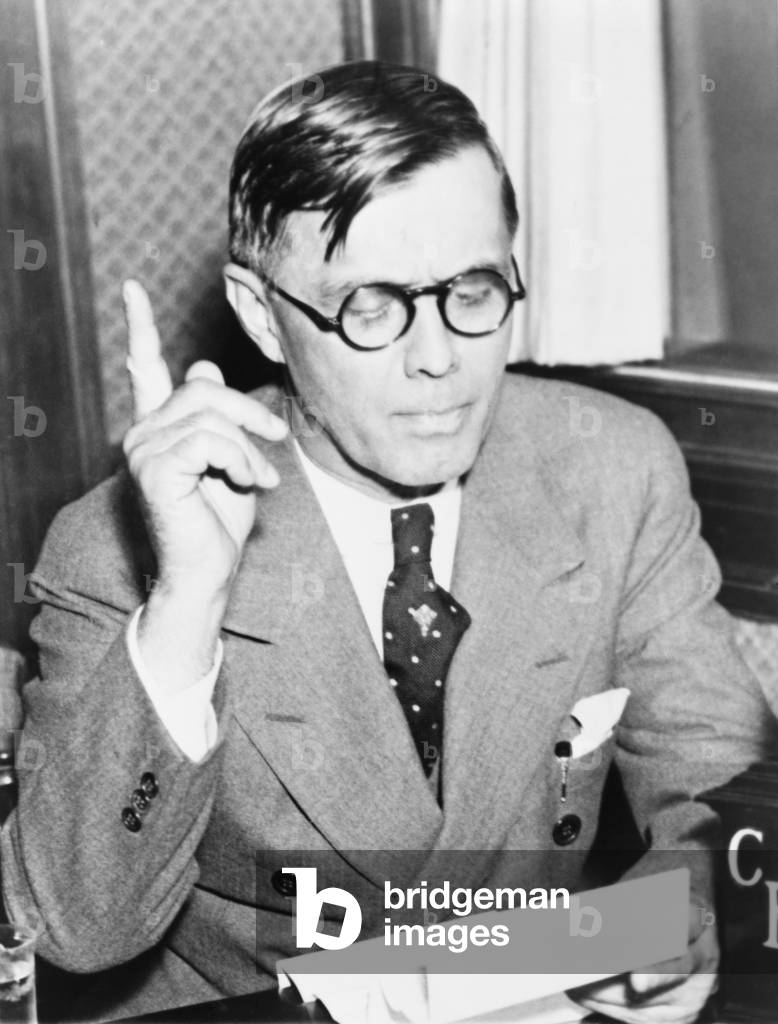
EVB2935847: Georgia Governor Eugene Talmadge (1884-1946), assails the New Deal during radio broadcast in 1935. He was a Southern Democratic critic of FDR 's New Deal and an adamant segregationist / Bridgeman Images
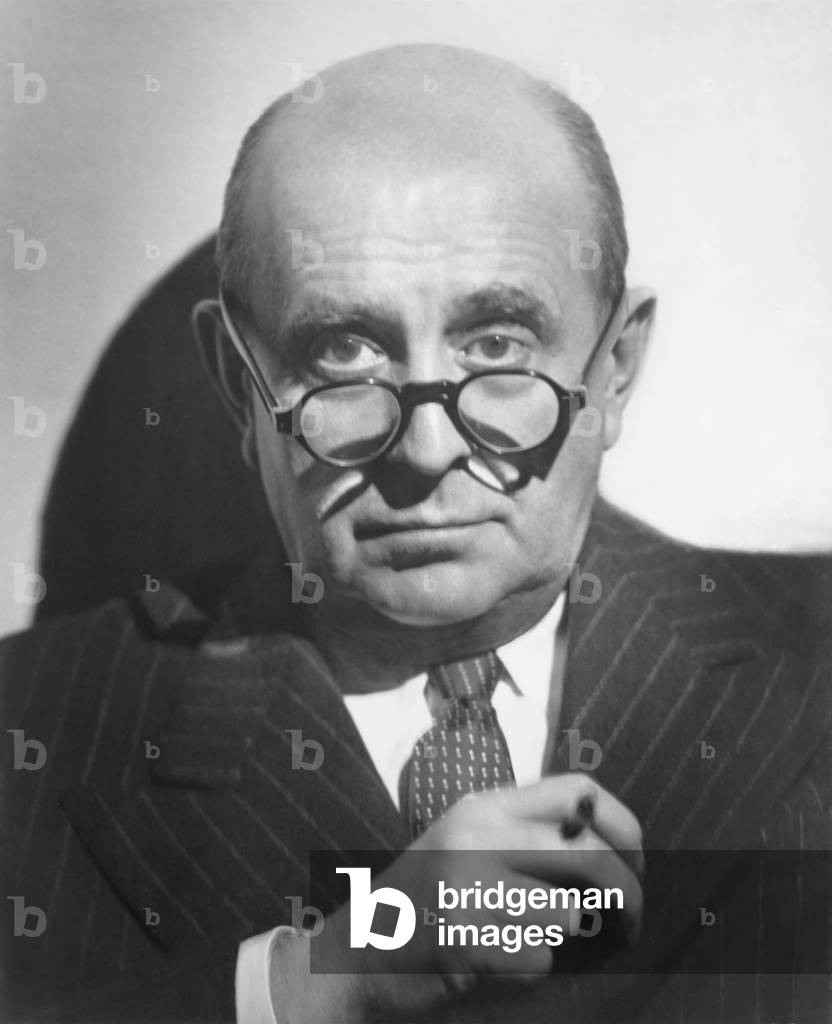
EVB2935806: Jan Garrigue Masaryk (1886-1948), Czechoslovak diplomat and politician and Foreign Minister of Czechoslovakia from 1940 to 1948. Mystery shrouds his death by a fall from his bathroom window after the Communists gained power. 1947 portrait / Bridgeman Images
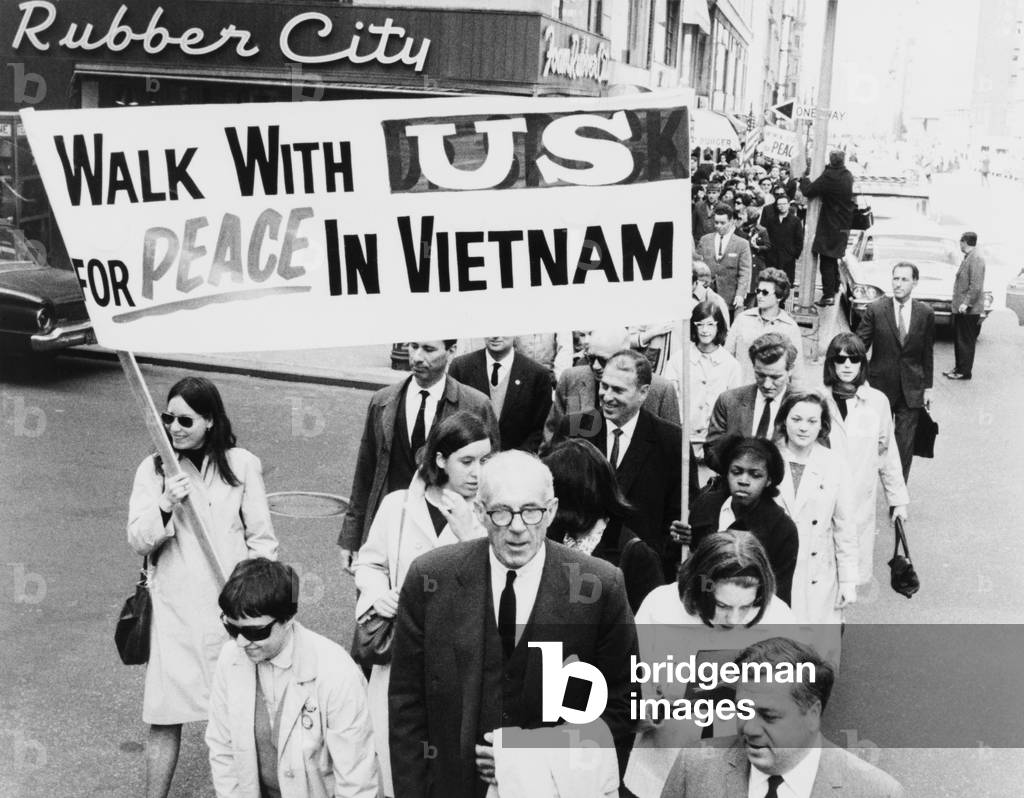
EVB2935853: Dr. Benjamin Spock leading a march to the United Nations to demand a cease-fire in Vietnam. c. 1967 / Bridgeman Images
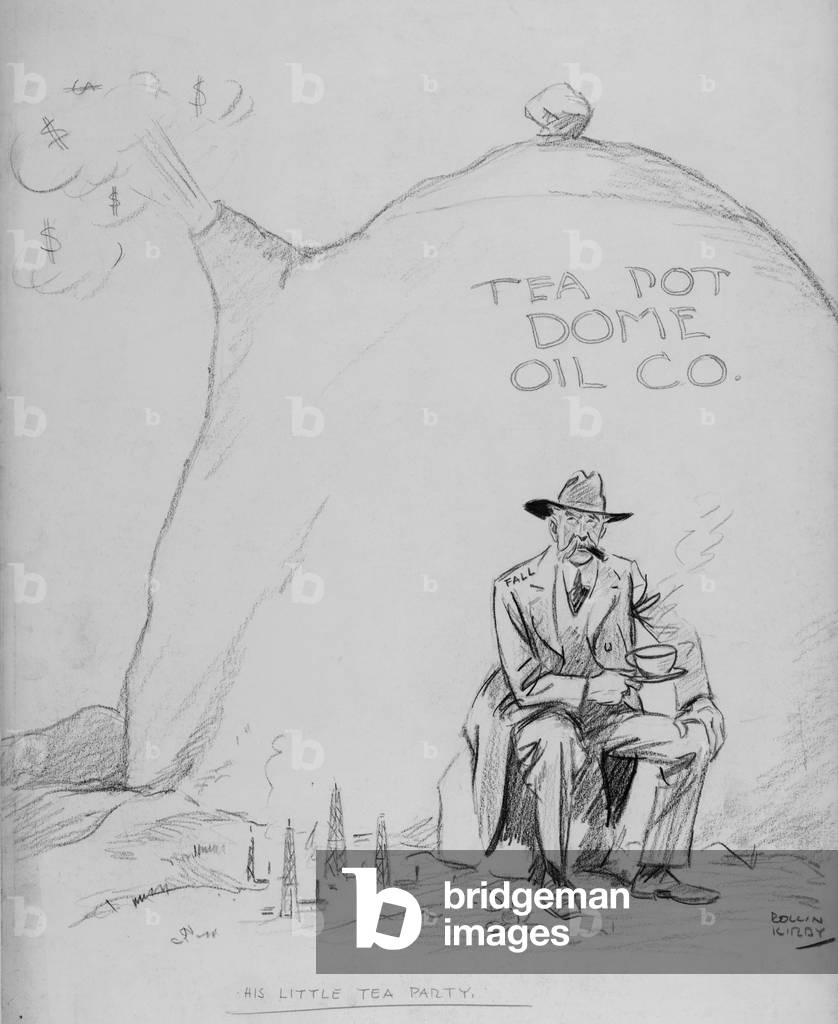
EVB2935887: Cartoon of Secretary of the Interior Albert Fall (1861-1944), sitting on a rock in the desert, surrounded by tiny oil wells, holding a teacup. During the Teapot Dome scandal, Fall was convicted receiving bribes from leasers of government owned oil reserves / Bridgeman Images
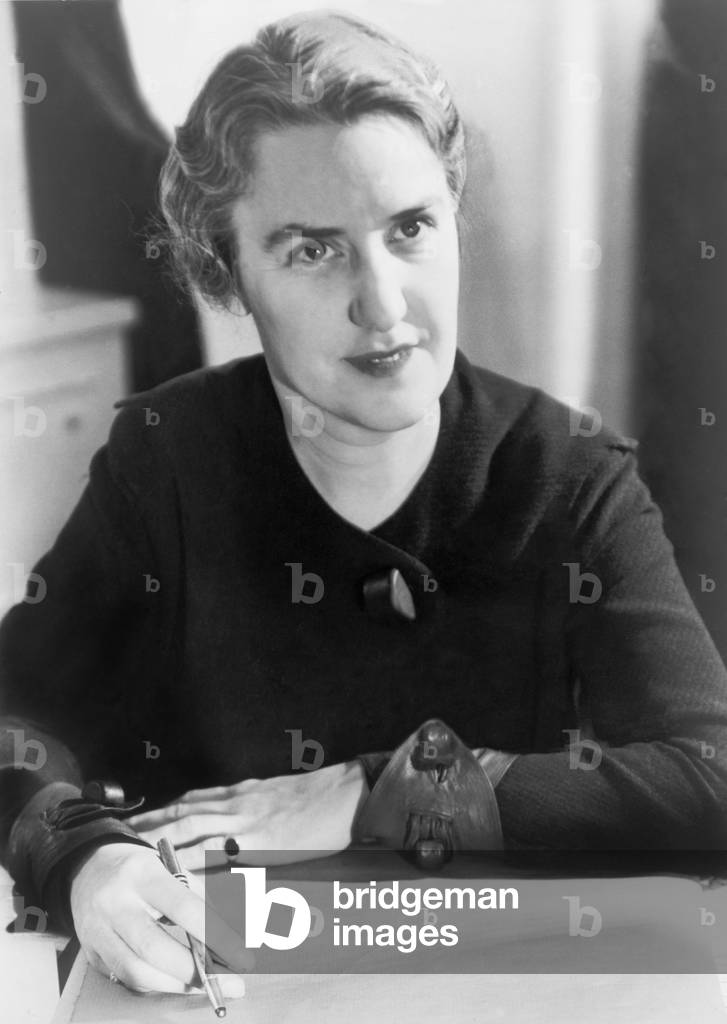
EVB2935890: Marguerite 'Missy' LeHand (1898-1944), was private secretary to U.S. President Franklin D. Roosevelt for 21 years. She was an integral part of the Roosevelt family, and had her own room at Hyde Park and in a private apartment in the White House. c. 1935 / Bridgeman Images
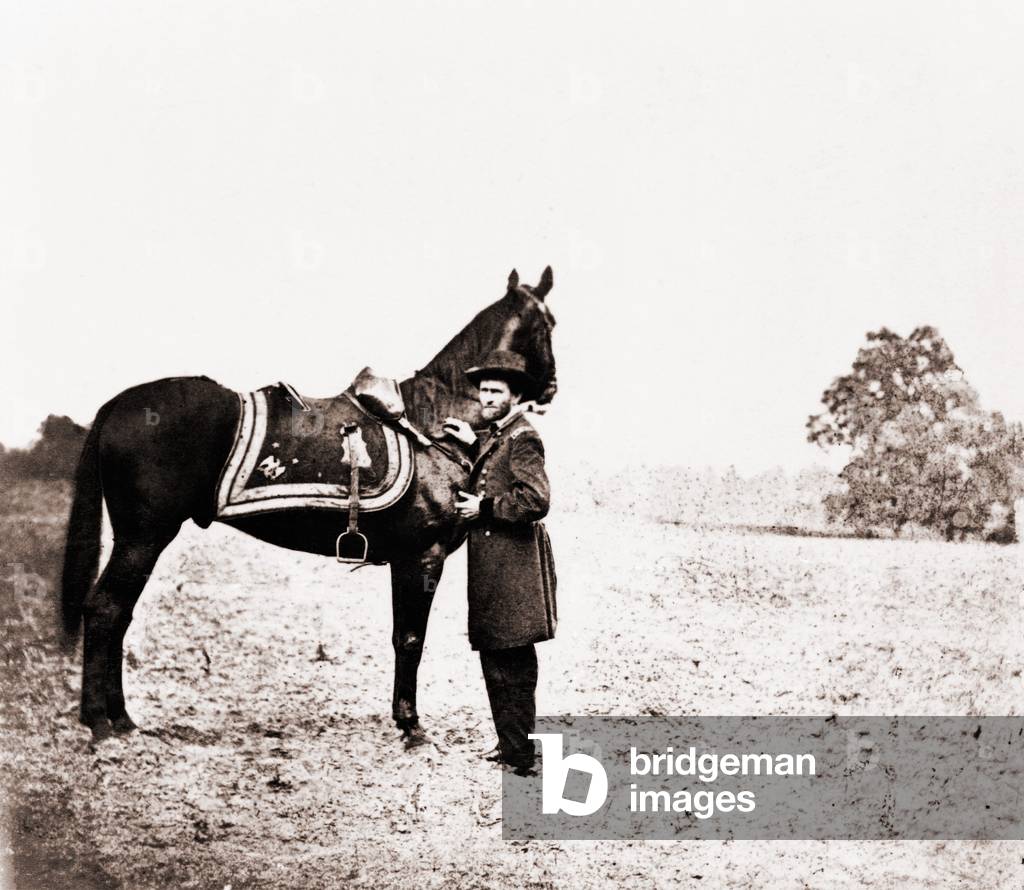
EVB2935919: Union general Ulysses S. Grant (1822-1885), standing alongside his war horse, Cincinnati. June 4, 1864, Unknown photographer, (19th century) / Bridgeman Images
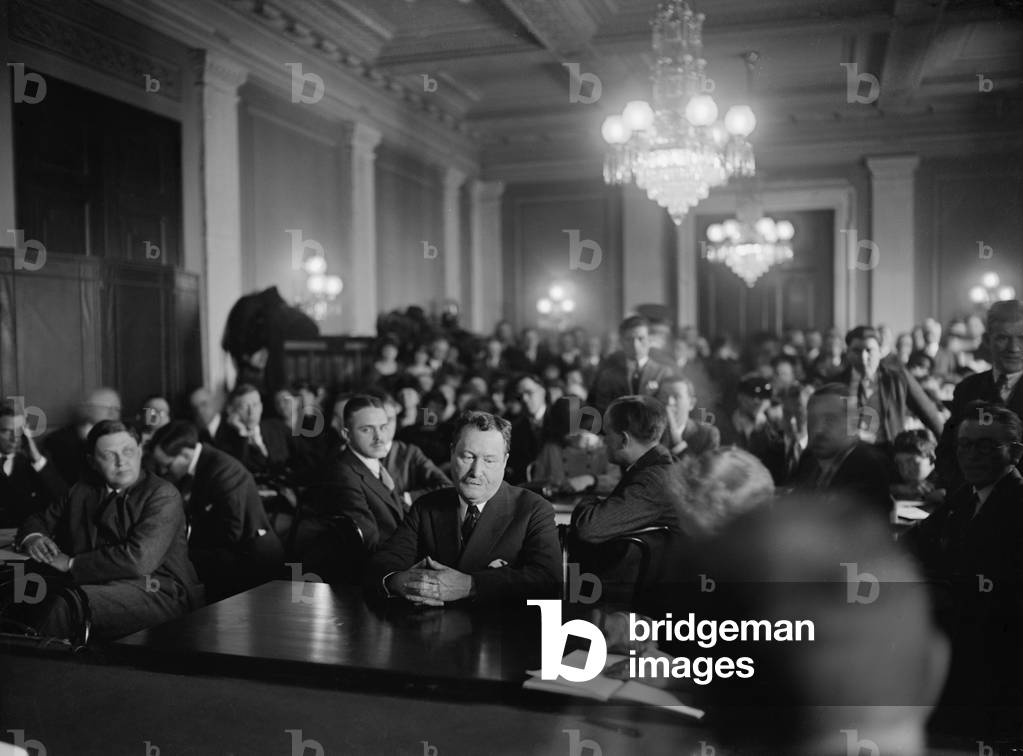
EVB2935998: William 'Billy' Burns (1861-1932), testifying before the Senate Committee investigating the Teapot Dome scandal on April 4, 1924. A few days earlier, President Coolidge had demanded his resignation, Unknown photographer, (20th century) / Bridgeman Images
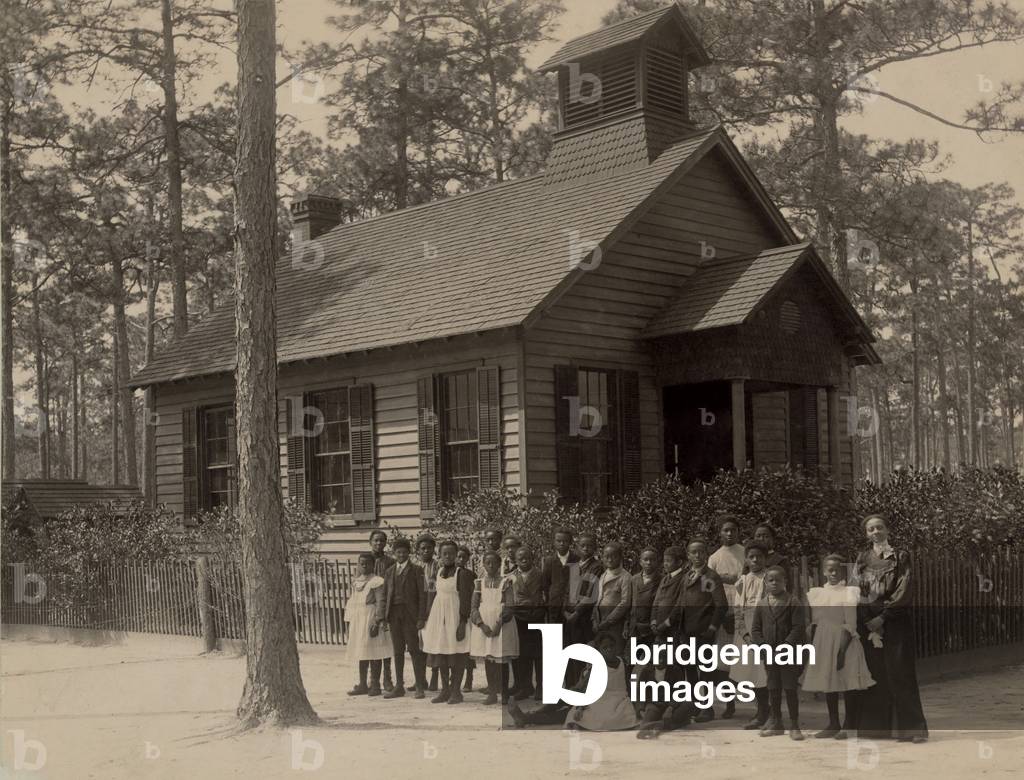
EVB2936007: African American school children posed with their teacher outside a segregated one-room school, in South Carolina. c. 1905 / Bridgeman Images
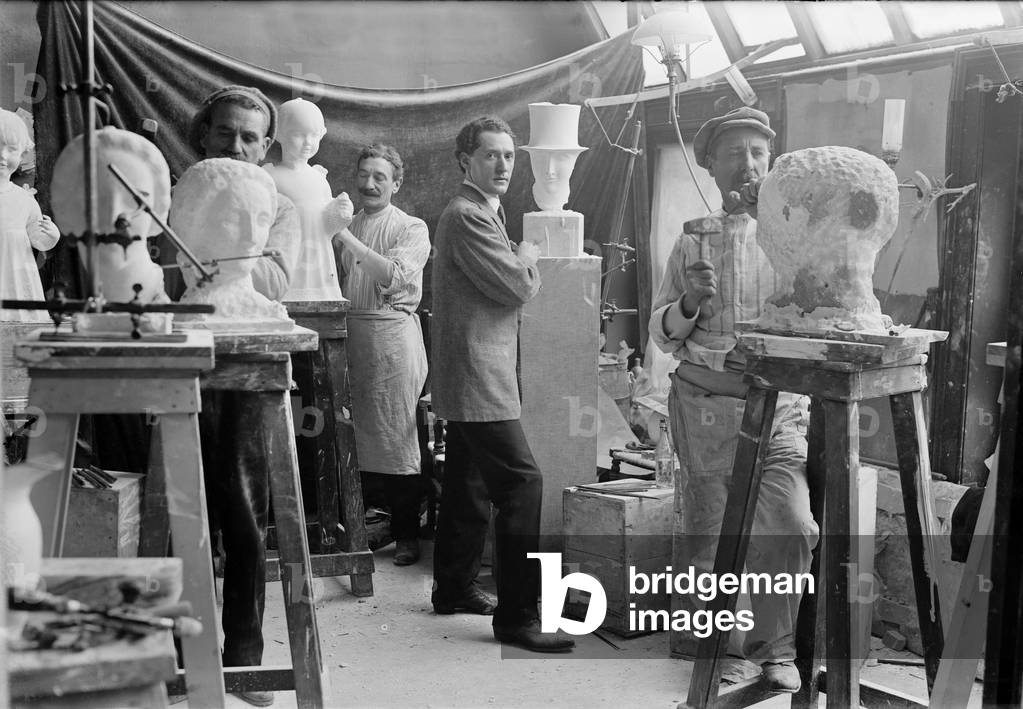
EVB2936062: Elie Nadelman (1882-1946), Polish-born American sculptor standing beside his sculpture in an artists studio class. c. 1915, Unknown photographer, (20th century) / Bridgeman Images
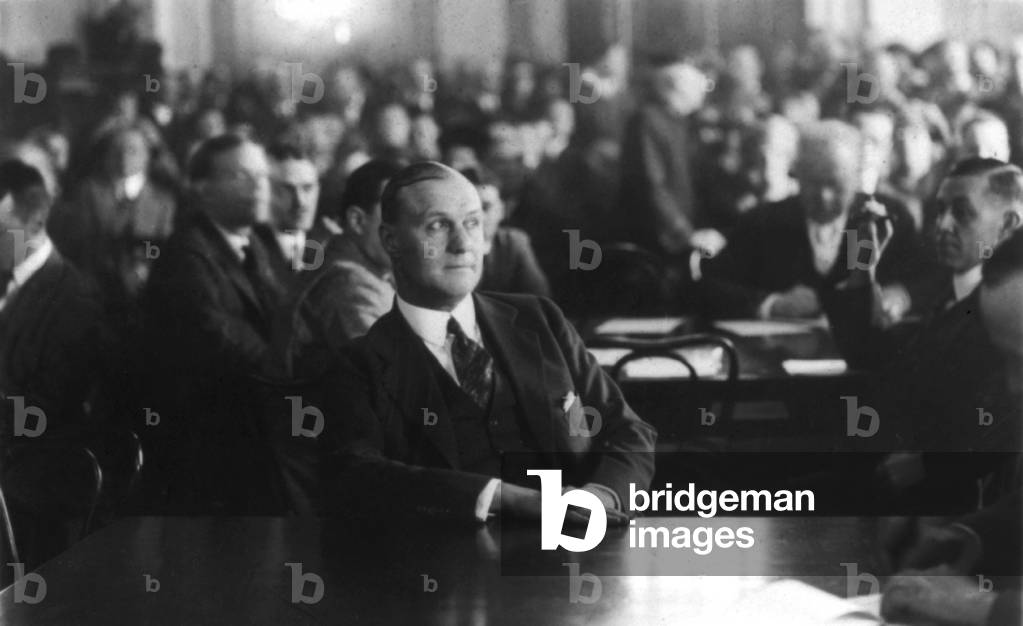
EVB2936101: Harry M. Daugherty (1860-1941), testifying at the Senate Investigation of the Teapot Dome scandal. His testimony prompted President Coolidge to demand his resignation / Bridgeman Images
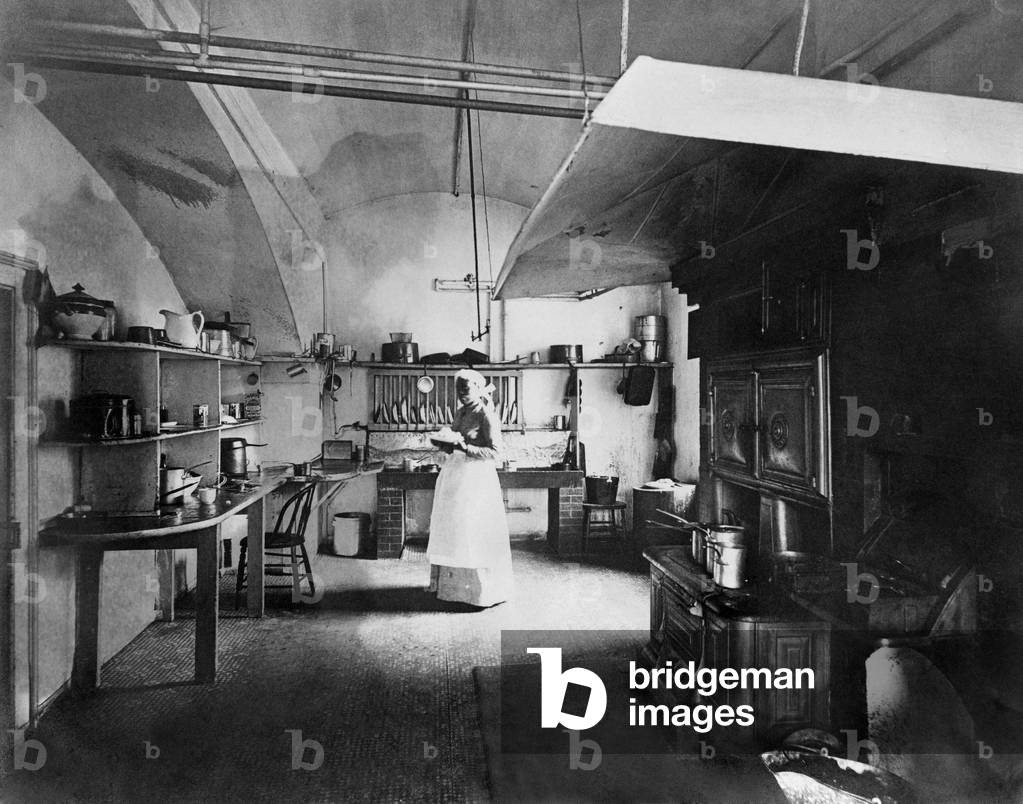
EVB2936113: The White House kitchen during the presidency of Benjamin Harrison. c. 1892, American Photographer, (19th century) / Bridgeman Images

EVB2936119: President Herbert Hoover (1874-1964), takes the oath of office from Chief Justice William H. Taft (1857-1930), on the east portico of the U.S. Capitol, March 4, 1929 / Bridgeman Images
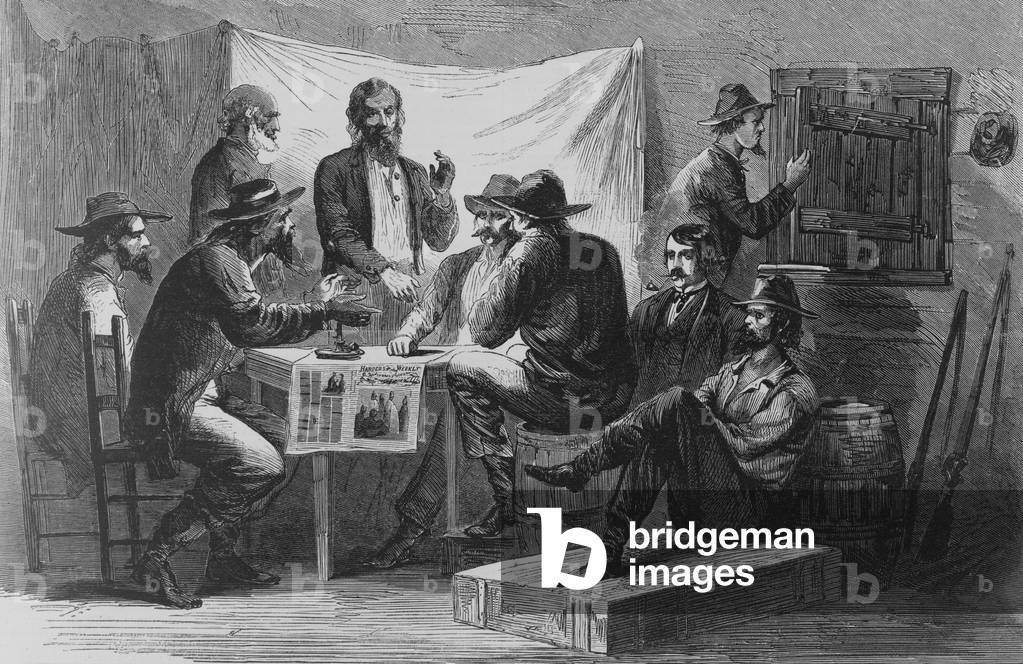
EVB2936144: Nine men at a secret meeting of southern unionists. Called 'scalawags,' they represented a minority in the South that had not supported secession in 1861 and wanted to participate in the Reconstruction government of their states. 1866 / Bridgeman Images
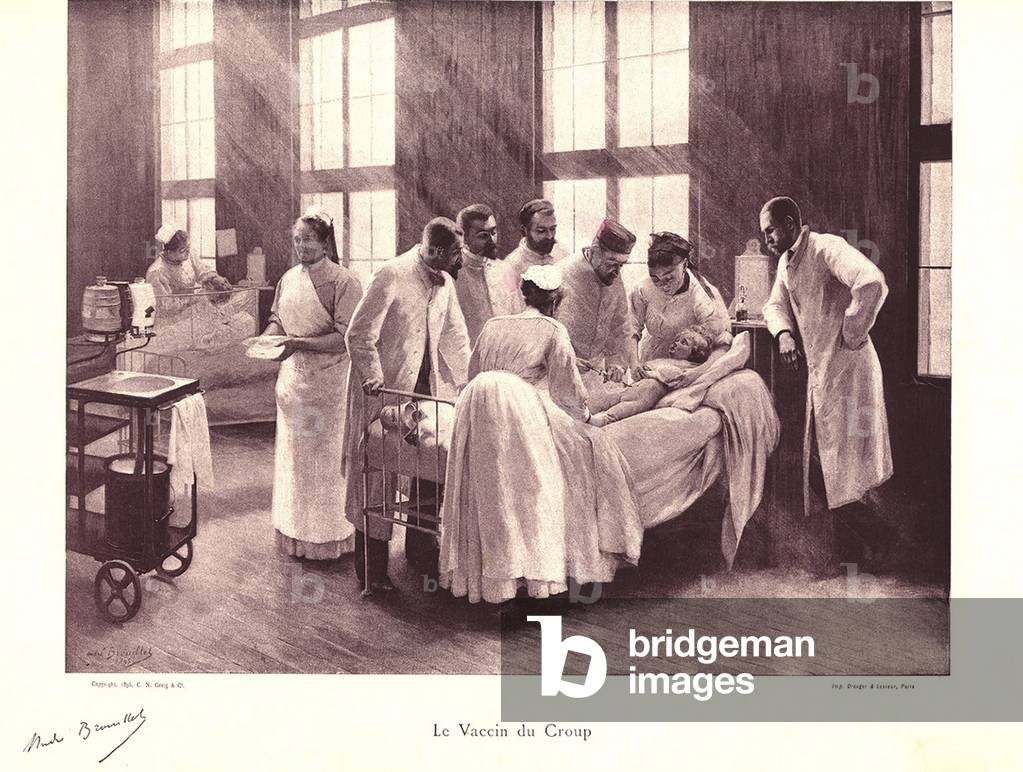
EVB2936376: Croup vaccination. Doctor administers a croup vaccination into the abdomen of little girl as a group of doctors and nurses observe / Bridgeman Images
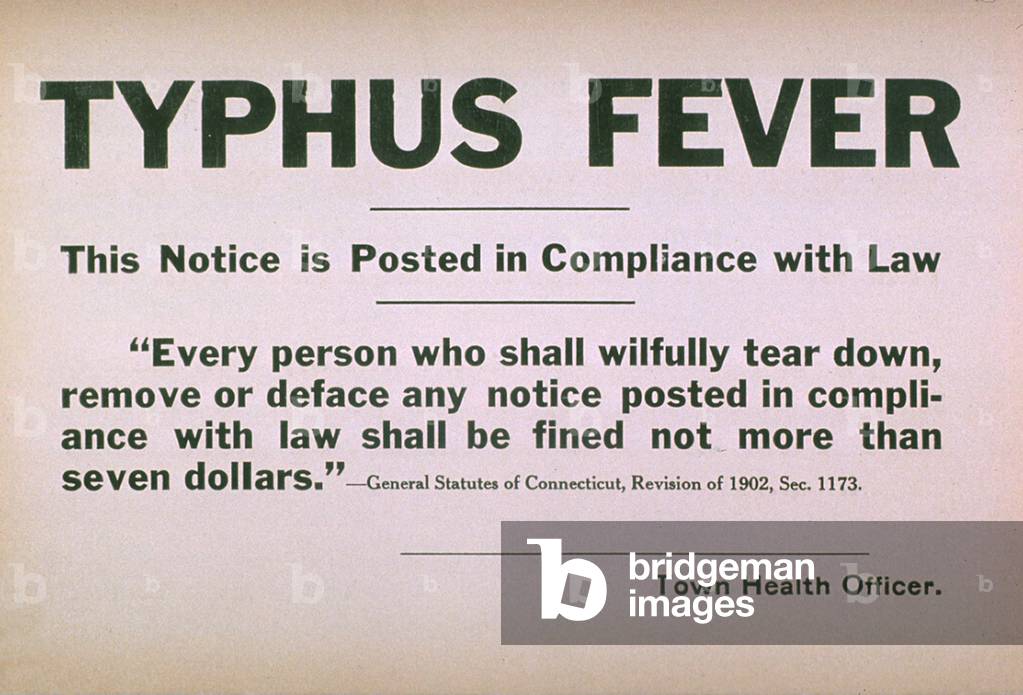
EVB2936417: Early 20th century quarantine sign for the contagious disease typhus fever / Bridgeman Images
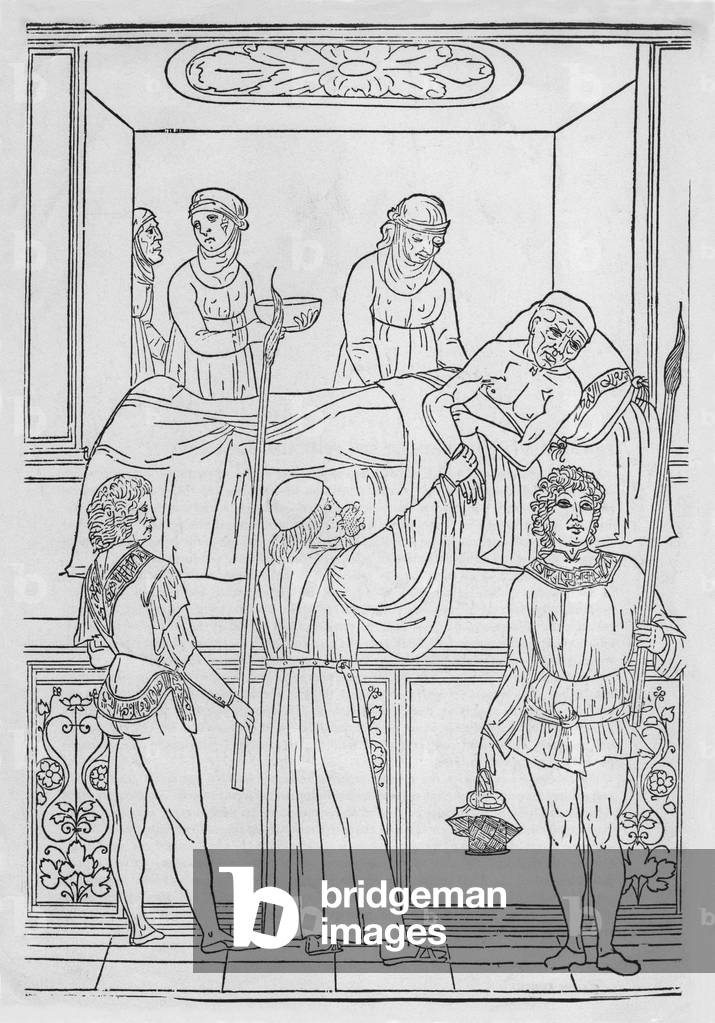
EVB2936404: Germany: Plague patient, 1493 (engraving) / Bridgeman Images
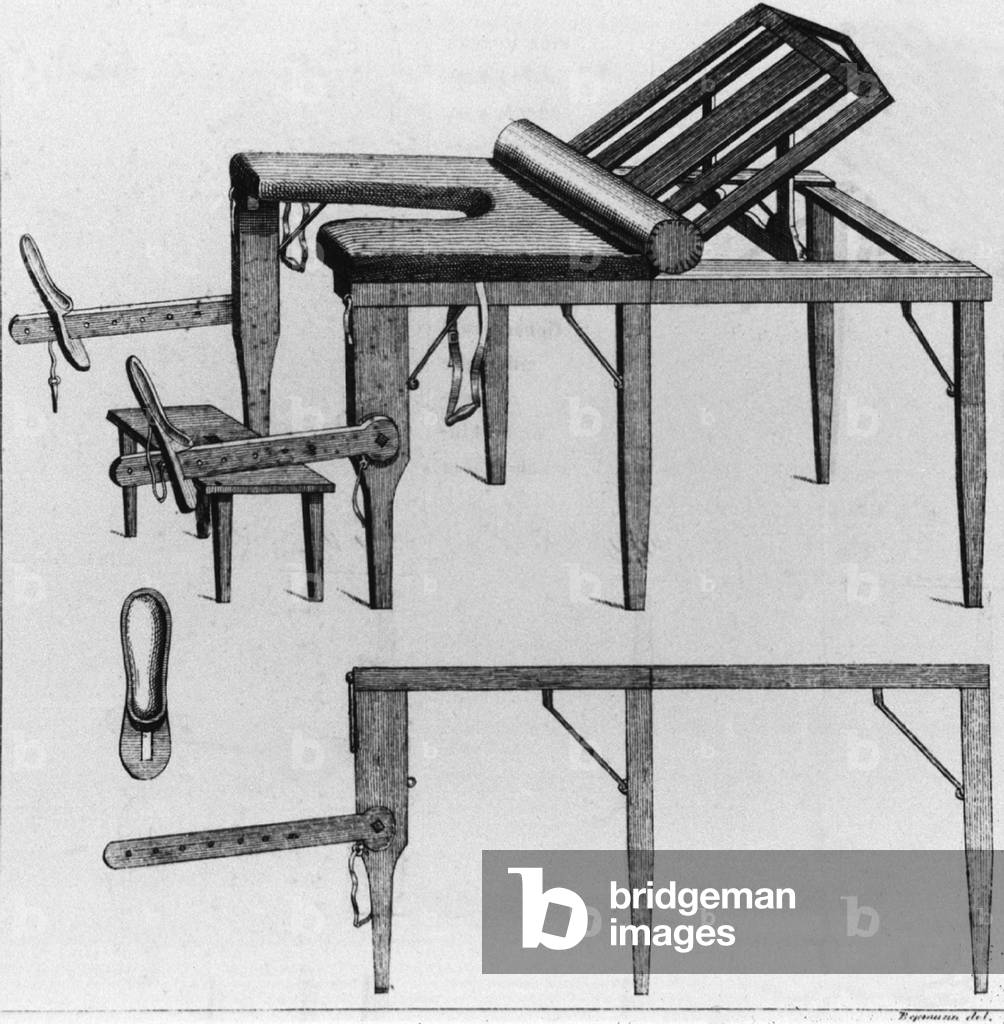
EVB2936436: A wooden birthing table with adjustable back and leg supports, an opening in the seat, and a foot stool. Illustration in a text by German obstetrician, Friedrich Benjamin Osiander (17591822) / Bridgeman Images
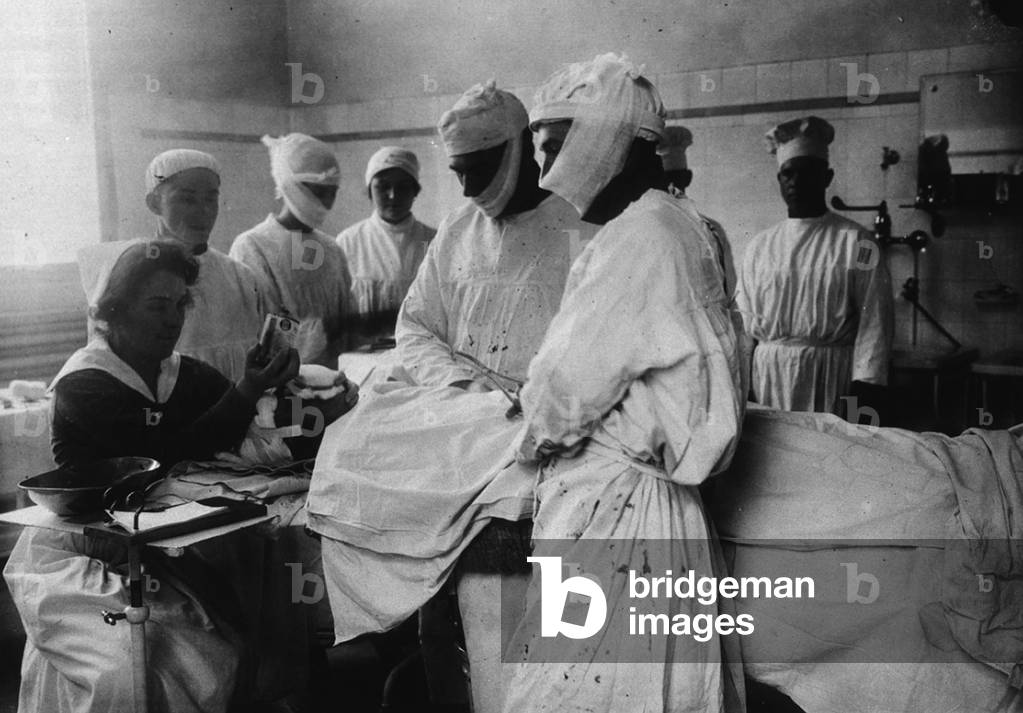
EVB2936455: Masked surgeons perform an operation while a nurse administers ether to anesthetize patient. c. 1920 / Bridgeman Images
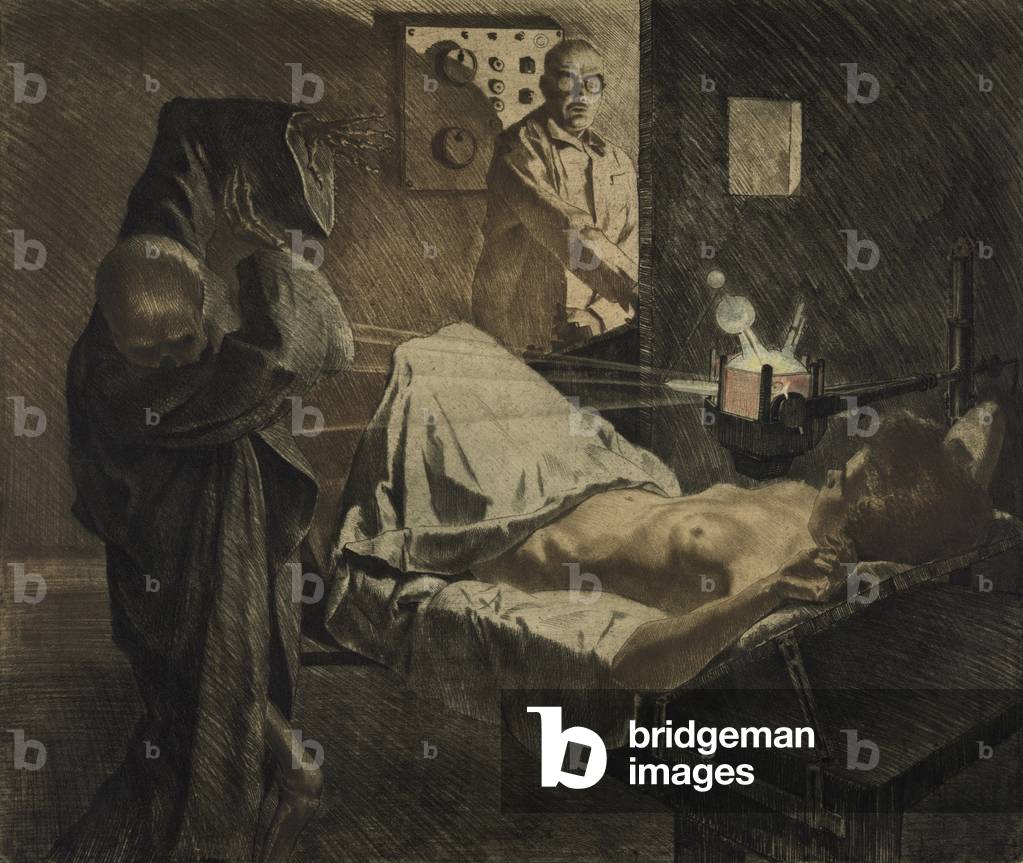
EVB2936489: THE PHYSICIAN OF THE X-RAYS, depicts a physician using x-rays to repel Death, a skeleton wearing a shroud, as it approaches a nude young woman on an operating table. c. 1930 print by Austrian artist, Ivo Saliger (1894-1987) / Bridgeman Images
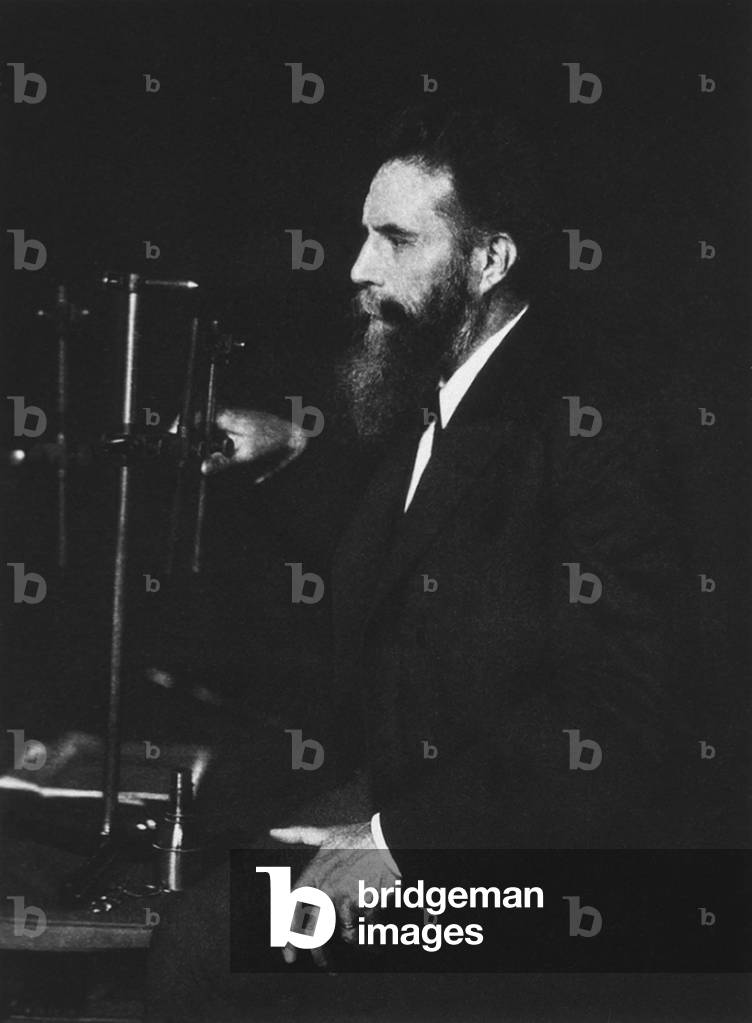
EVB2936510: Wilhelm Roentgen (1845-1923), German physicist, discoverer of X-rays, standing beside one of his machines. Photogravure, c. 1895 / Bridgeman Images
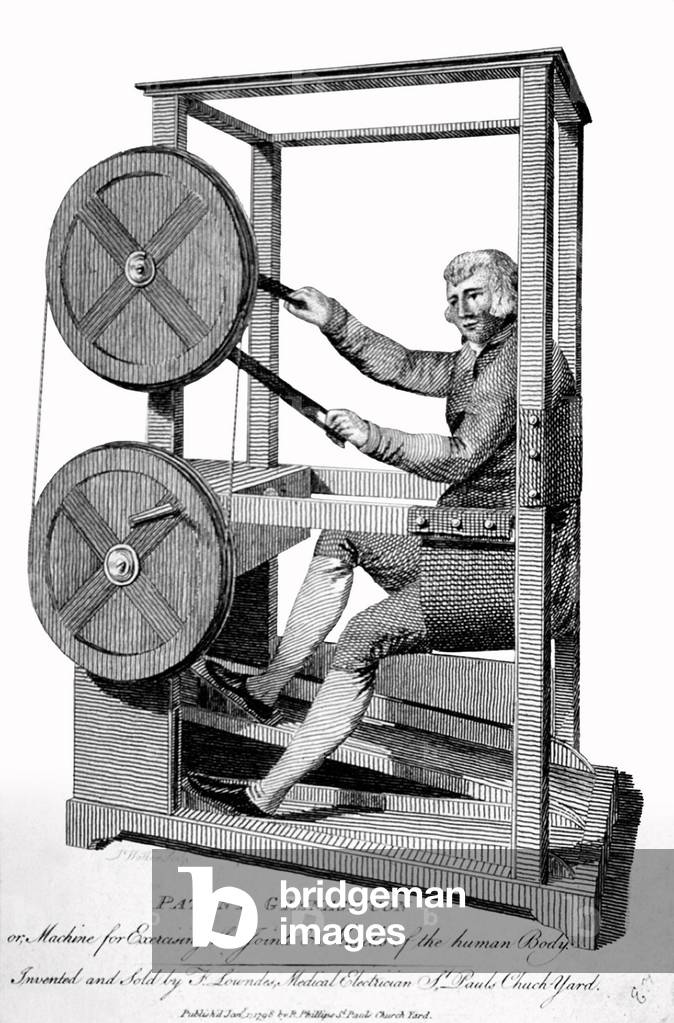
EVB2936512: Medical Patient Gymnasticon, a machine for exercising the joints and muscles of the human body. 18th century English engraving / Bridgeman Images
