2491383 Search Results

PIX4672392: Aircraft trainees at sunset - Contrails in sunset - Condensation trainees seen at the end of the day. Contrails in late afternoon / Bridgeman Images

PIX4650663: DNA and printed circuits - Illustration - Digital DNA - Illustration - Conceptual illustration / Bridgeman Images
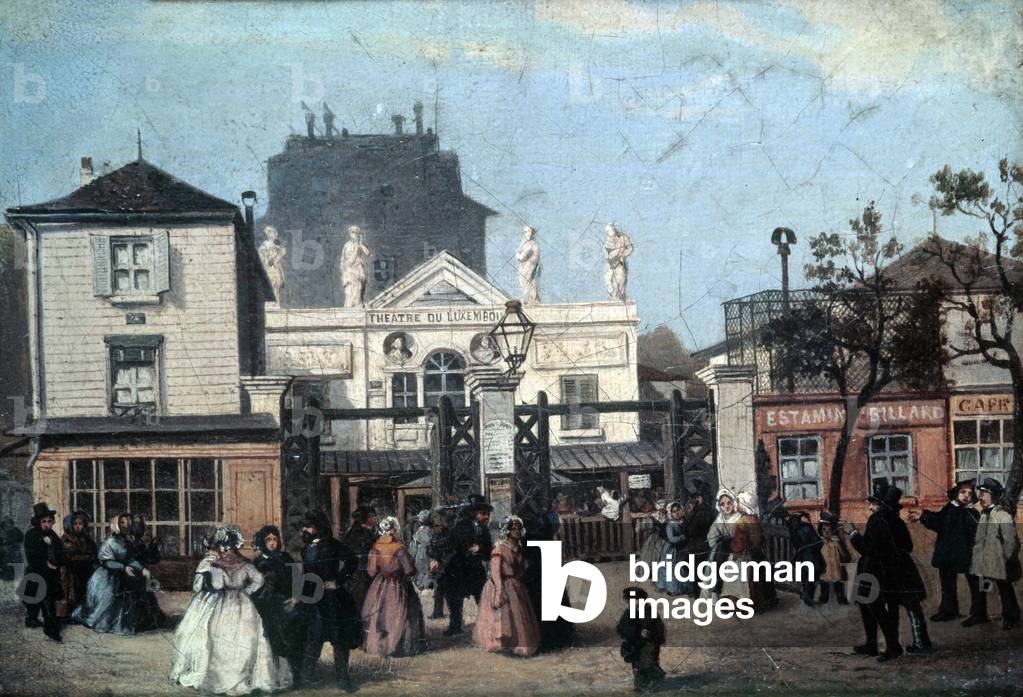
JLJ4650717: View of the Luxembourg theatre called bobino, rue de Fleurus in Paris, 1845 (oil on canvas), Anonymous / Bridgeman Images

LRI4650802: Mr and Mrs Bernheim de Villers (oil on canvas, 1910), Renoir, Pierre Auguste (1841-1919) / Bridgeman Images

FLO4650821: Brown-throated watt-eye, Platysteira cyanea (Show tody, Platystera lobata). Handcoloured steel engraving by William Lizars after an illustration by William Swainson from Sir William Jardine's Naturalist's Library: Ornithology: Flycatchers, Edinburgh, W.H. Lizars, 1836. / Bridgeman Images
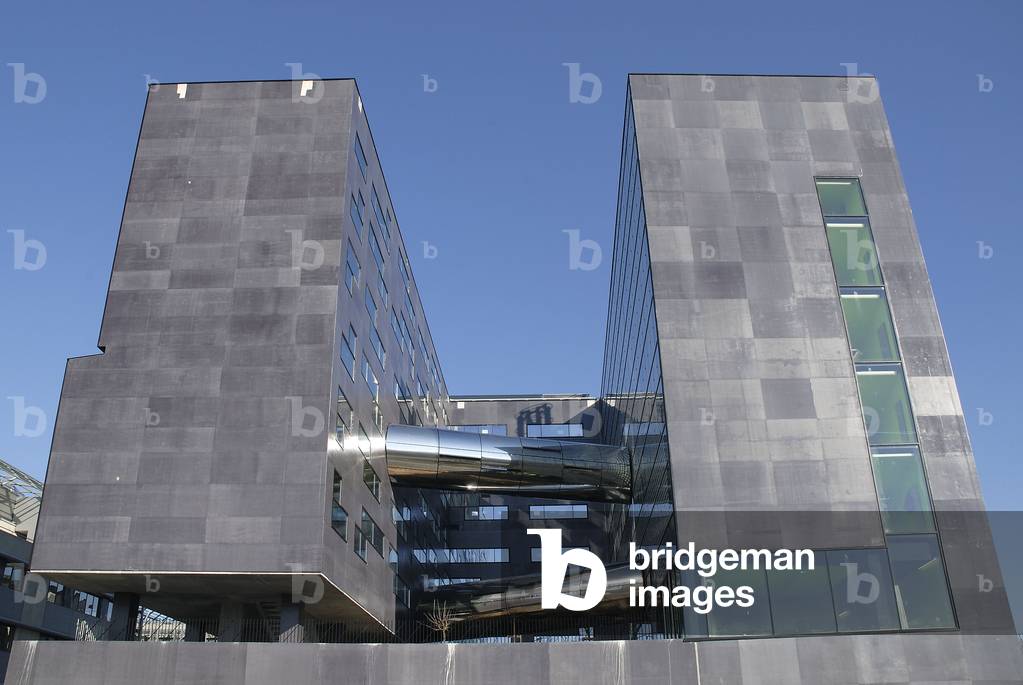
RCT4644528: The UFR of chemistry in the neighborhood Massena a Paris75013. Architects X-TU architects, Anouk Legendre and Nicolas Desmazieres, 2008. Photography 10/02/08., Castan, Remy / Bridgeman Images
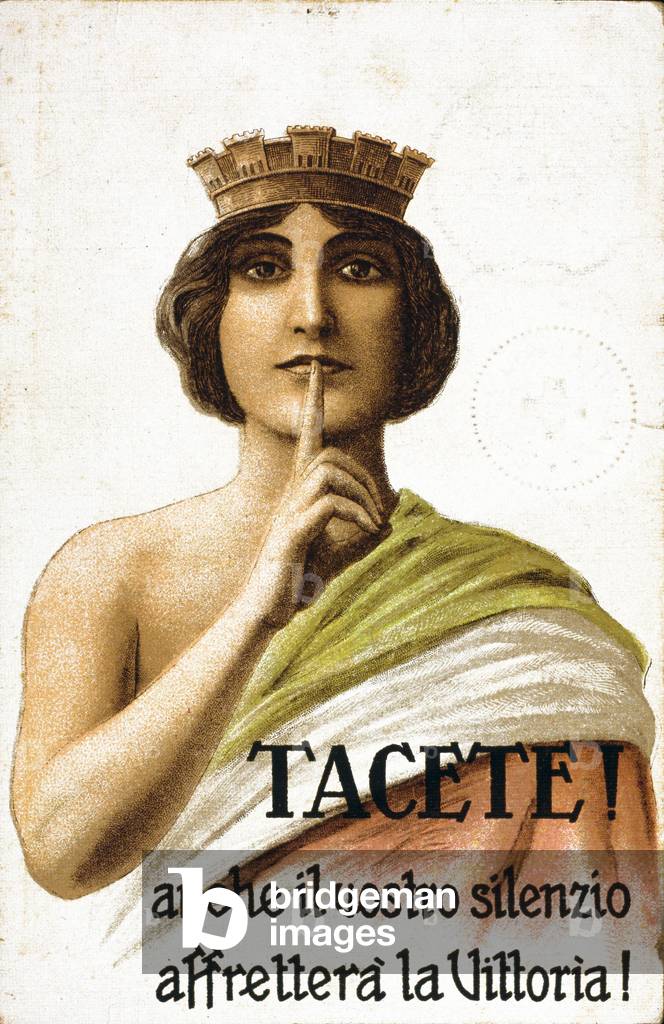
LRI4644561: First World War: allegory of Italy avoiding enemy espionage, 1916 (poster) / Bridgeman Images
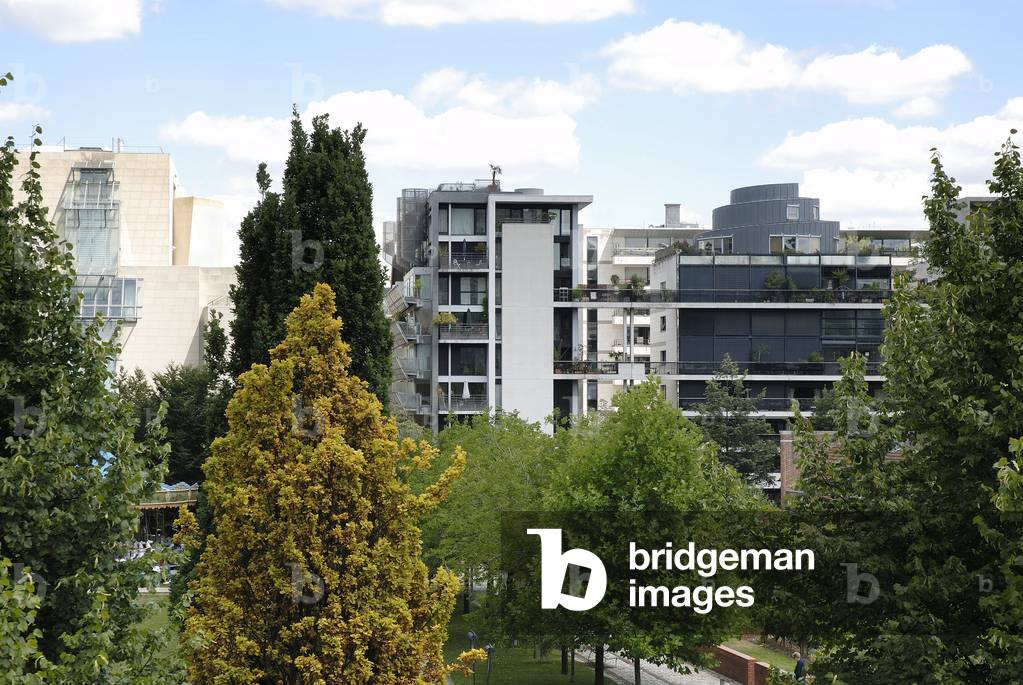
RCT4644573: Accommodation near the Parc de Bercy in Paris 75013. Photography 13/07/08., Castan, Remy / Bridgeman Images

PIX4644624: MSG-2 (Meteosat 9) - Illustration of the European satellite MSG-2 (Meteosat Second Generation) or Meteosat 9 orbit the Earth. Launch on 21 December 2005, it is a geostationary satellite dedicated to meteorology. MSG - 2 in orbit around the Earth, illustration. The 2 - ton MSG - 2 was successfully lofted onto a geostationary transfer orbit by an Ariane 5GS (V169), on December 21, together with India's Insat 4A satellite communication / Bridgeman Images
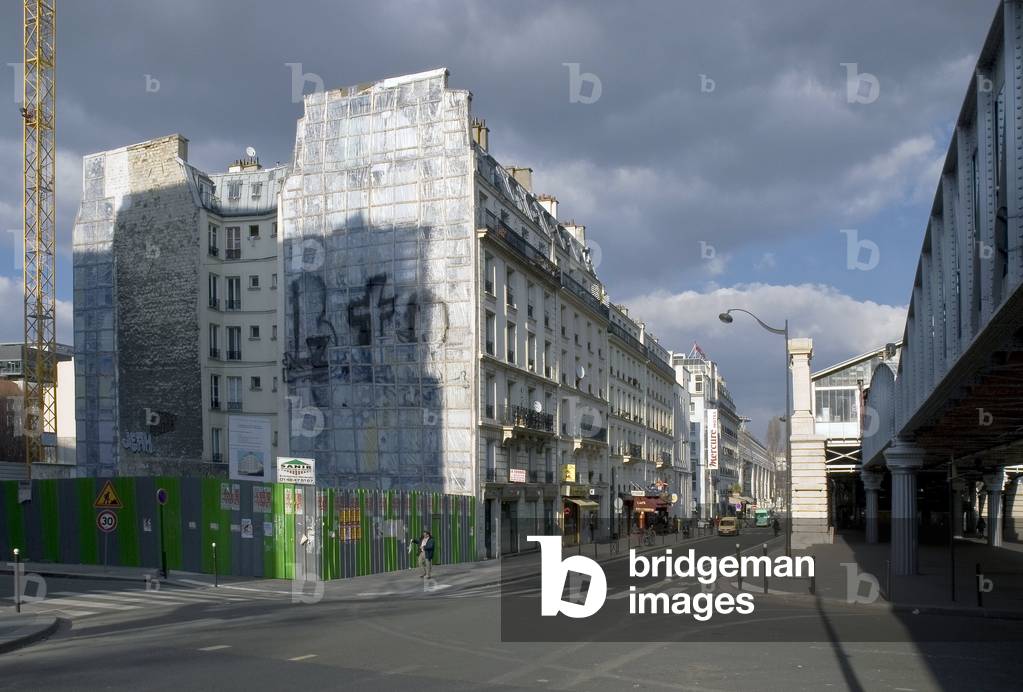
RCT4644684: Boulevard Vincent Auriol in Paris 75013. photograph 05/03/09., Castan, Remy / Bridgeman Images

JLJ4644720: Detail of "The beginning of the model" A young shy model dared to be (painting), Fragonard, Jean-Honore (1732-1806) / Bridgeman Images

JLJ4644723: Bathers Group of naked young women bathing, 18th century (oil on canvas), Fragonard, Jean-Honore (1732-1806) / Bridgeman Images

LRI4644744: First World War: General Luigi Cadorna (1850-1928), General Guglielmo Pecori Giraldi (1856-1941) and General Porro. Italy, Italian Photographer, (20th century) / Bridgeman Images

FLO4644762: Indian python, python bora, Python molurus, and New Guinea bockadam, double-ray hurriah, Cerberus rynchops. Handcoloured copperplate stipple engraving from Jussieu's “” Dictionary of Natural Sciences”” 1816-1830. The volumes on fish and reptiles were edited by Hippolyte Cloquet, natural historian and doctor of medicine. Illustration by J.G. Pretre, engraved by Plee, directed by Turpin, and published by F. G. Levrault. / Bridgeman Images

PIX4644786: The Hubble Space Telescope before launch - The Hubble Space Telescope - Satellite in preparation at the Kennedy Space Center before launch. The Hubble Space Telescope (HST) is lifted into the vertical position in the Vertical Processing Facility as work begins at Kennedy Space Center to process the 94 - inch primary mirror telescope for launch on Discovery on Space Shuttle Mission STS - 31 in March 1990. With HST, astronomers will be able to view 97 percent of the known universe, and will be able to get pictures unlimited and undistorted by the Earth's atmosphere. Compared with earth - based observatories, the HST will be able to view celestial objects that are 50 times fainter, provide images that are 10 times sharper, and see objects that are seven times farther awa / Bridgeman Images

FLO4644789: Lamprey, Petromyzon marinus, large lamprey. Handcoloured copperplate stipple engraving from Jussieu's “” Dictionary of Natural Sciences”” 1816-1830. The volumes on fish and reptiles were edited by Hippolyte Cloquet, natural historian and doctor of medicine. Illustration by J.G. Pretre, engraved by Miss Louvier, directed by Turpin, and published by F. G. Levrault. / Bridgeman Images

TEC4644801: Balcony in Paris 75017. / Bridgeman Images

PIX4656300: La Silla Observatory - Leonard Euler Telescope - La Silla Observatory - Leonard Euler Telescope 04/05/200 / Bridgeman Images
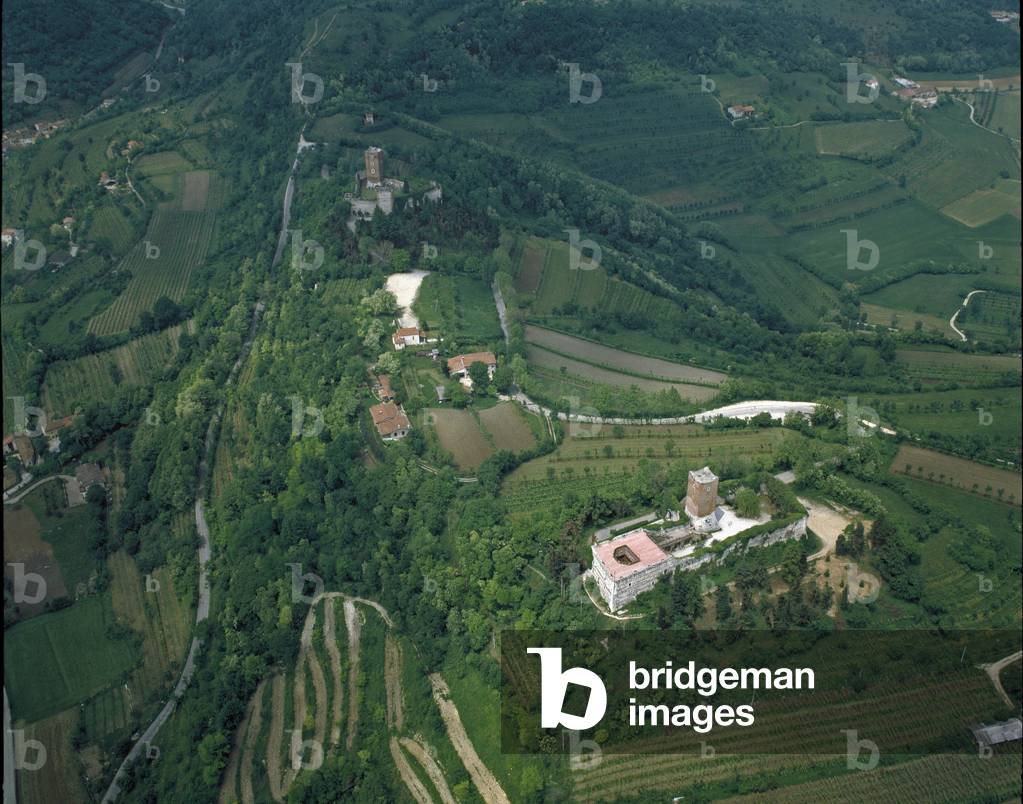
LRI4656324: Aerial view of the Vallee dell'Agno with the castles of Bellaguardia and della Villa related to the legend of Romeo and Juliet (photography) / Bridgeman Images

JLJ4656375: A hunting lunch in the 18th century, 18th century (oil on canvas), Lami, Eugene-Louis (1800-90) / Bridgeman Images

JLJ4656384: Portrait of Antonio Stradivari dit Stradivarius (1644 - 1737), Italian luthier (engraving) / Bridgeman Images

PIX4656390: Stefanik Observatory - Pragu / Bridgeman Images
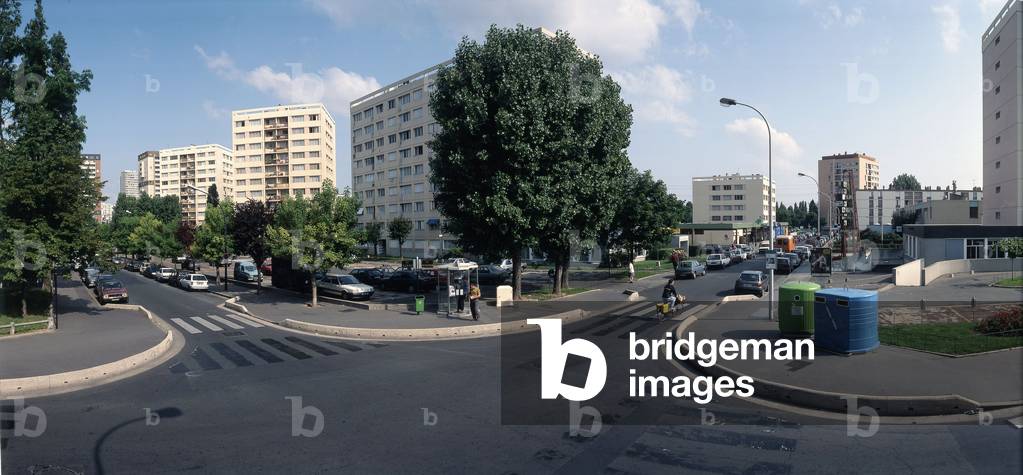
TEC4650878: Porte d'Asnieres in the Hauts de Seine. / Bridgeman Images
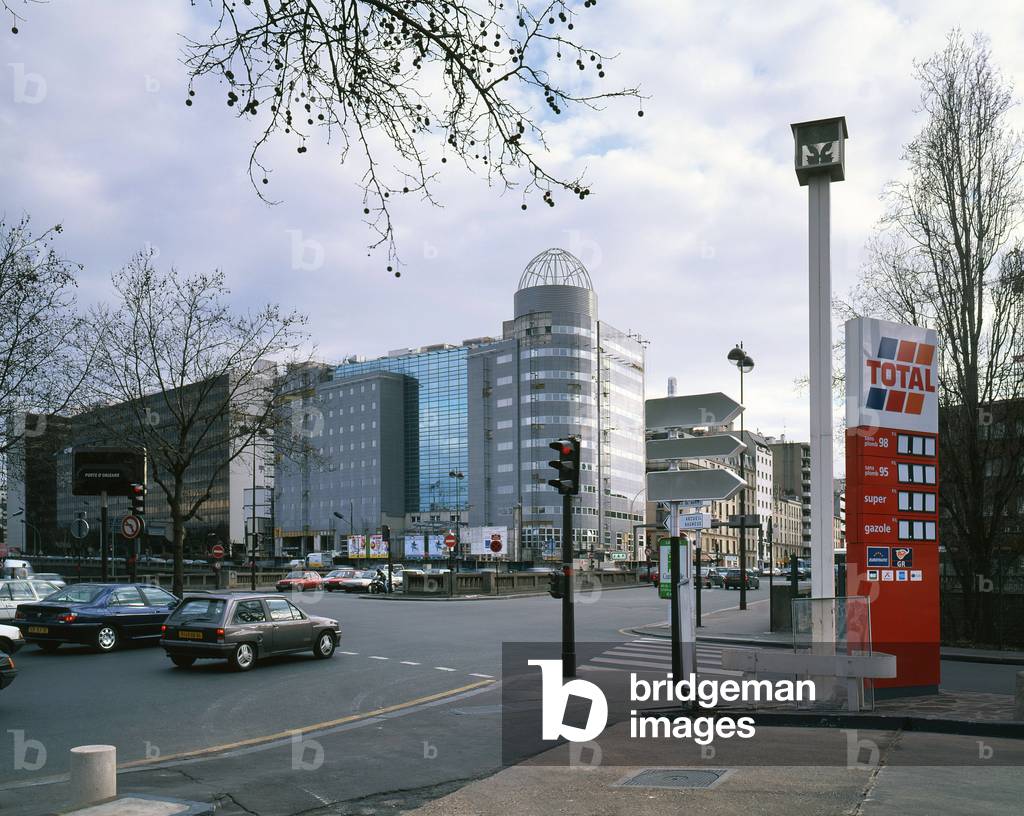
TEC4650956: Porte d'Orleans to Montrouge in the Hauts de Seine. / Bridgeman Images
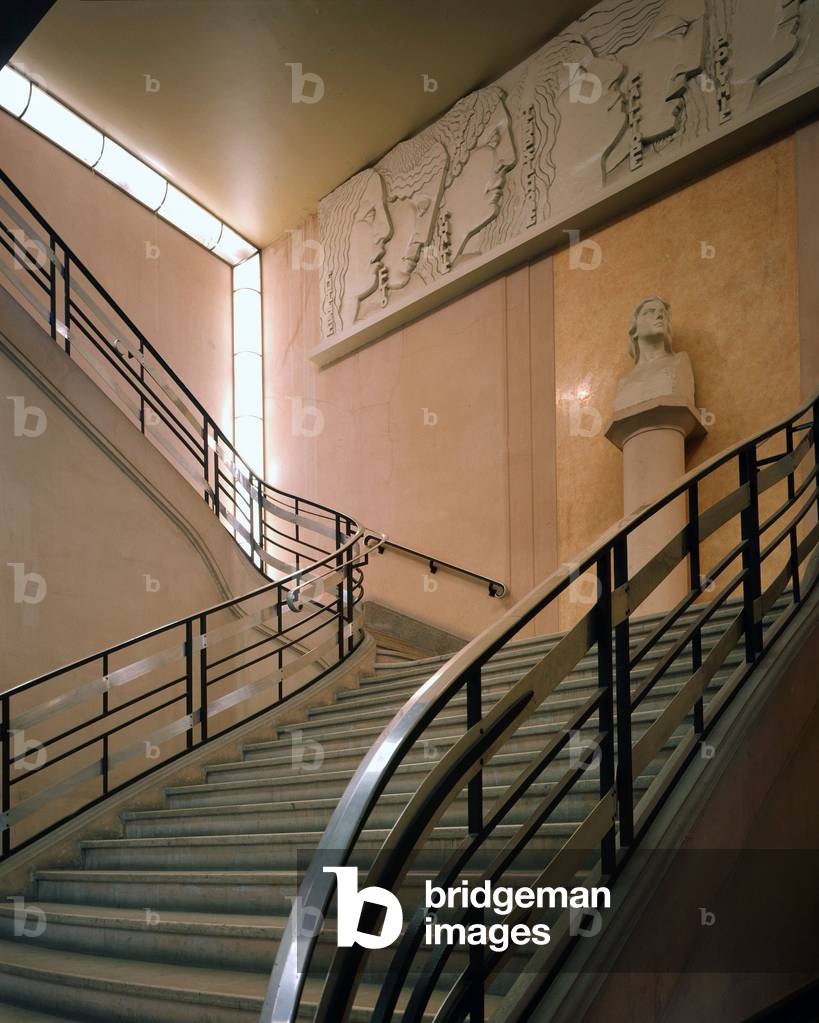
TEC4651049: Administrative and social center in Asnieres in the Hauts de Seine. / Bridgeman Images

JLJ4651118: Plaque commemorating Louis XVI's hunts in Compiegne forest, featuring a valet decoupling the old pack, 1778-81 (painting), Oudry, Jean-Baptiste (1686-1755) (after) / Bridgeman Images
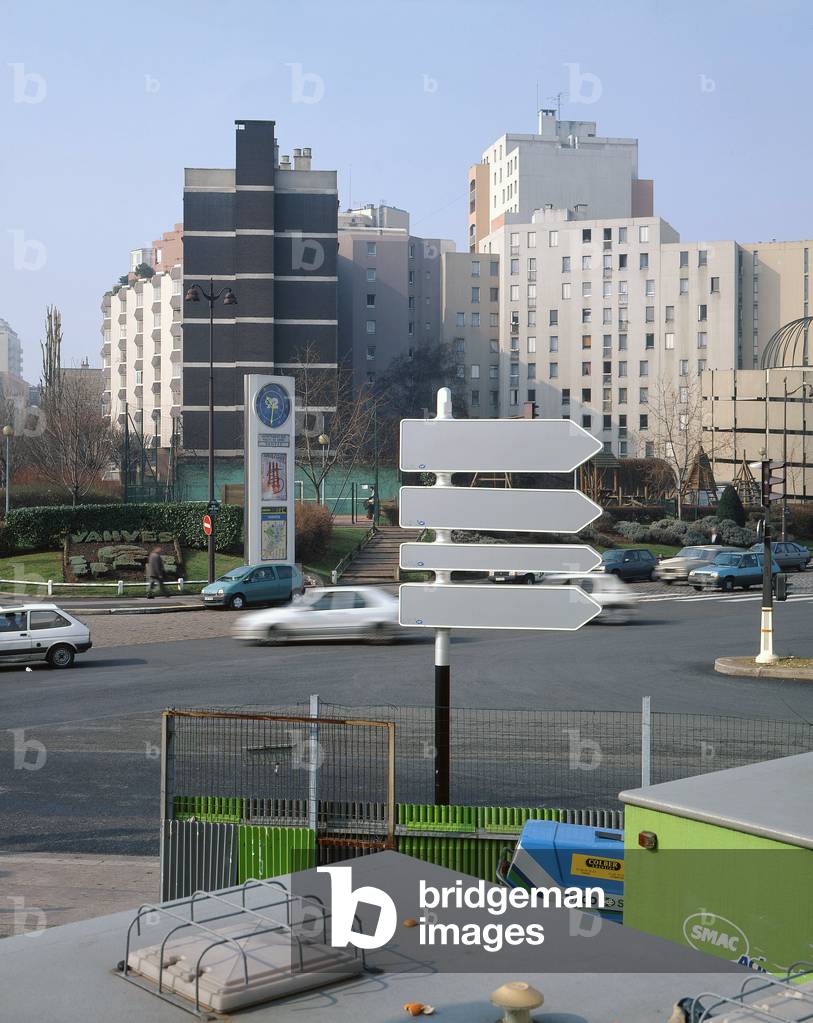
TEC4651121: Porte de Brancion to Vanves in the Hauts de Seine. / Bridgeman Images

LRI4644864: The conquest of Cuzco by the Spanish conquistadors in 1533 (Ink drawing, 16th century), Poma de Ayala, Felipe Huaman (1526-1613) / Bridgeman Images

FLO4644882: Spiny dogfish, dogfish, Squalus acanthias and catshark, Tigree redfish, Scyliorhinus canicula. Handcoloured copperplate stipple engraving from Jussieu's “” Dictionary of Natural Sciences”” 1816-1830. The volumes on fish and reptiles were edited by Hippolyte Cloquet, natural historian and doctor of medicine. Illustration by J.G. Pretre, engraved by Forestier, directed by Turpin, and published by F. G. Levrault. / Bridgeman Images

PIX4644903: Hubble Space Telescope: 1st maintenance mission 12 - 1993 - Astronaut Kathryn Thornton during servicing of HST 12 - 1993 - Astronaut Kathryn C. Thornton in the cargo compartment of the shuttle Endeavour during the fourth extravehicular exit. Astronaut Kathryn C. Thornton works with equipment associated with servicing chores on the Hubble Space Telescope (HST) during the fourth space walk on the eleven day STS - 61 mission / Bridgeman Images

PIX4644960: Hubble Space Telescope: 2nd Maintenance Mission 02 - 1997 - View of astronaut Steven Smith and Hubble Space Telescope during the third extravehicular exit of this maintenance mission, 15 - 02 - 1997 / Bridgeman Images

LRI4644987: Aerial view of the Basilica of St. Mark, the Ducal Palace and the Marciana Library on the Piazzetta Square in Venice / Bridgeman Images

FLO4645005: Banded grunt, Pomadasys furcatus, Pristipome pique, and squirrelfish, Holocentrus ascensionis, Holocentre sogo. Handcoloured copperplate stipple engraving from Jussieu's “” Dictionary of Natural Sciences”” 1816-1830. The volumes on fish and reptiles were edited by Hippolyte Cloquet, natural historian and doctor of medicine. Illustration by J.G. Pretre, engraved by Massard, directed by Turpin, and published by F. G. Levrault. / Bridgeman Images

LRI4645014: View of the tribune (or loggia) of the caryatid of the Temple of Erechteion, 421-405 BC (photography), Greek school, (5th century BC) / Bridgeman Images

LRI4645023: View of one of the Sacred Way, entries of the Shrine dedicated to the god Apollo, 6th - 4th century BC (photography), Greek school, (4th century BC) / Bridgeman Images

JLJ4645077: Bust of Emperor Nerva (Marcus Cocceius Nerva) (26-98 AD), 1st century AD (marble), Roman, (1st century AD) / Bridgeman Images
