2491514 Search Results

MPX5113618: Village of Shahreja near Persepolis S.W.Iran, 16/12/1970 (photo) / Bridgeman Images

MPX5113630: An old man playing a game of boules in a street in Paris, France, 22nd April 1975 (b/w photo) / Bridgeman Images

MPX5113307: Joan Crane and Derek Nesbitt wearing spotted swimsuits, October 1966 (b/w photo) / Bridgeman Images

MPX5113891: Golden Eagle Goldie, sitting perched high up in a tree in Regents Park after escaping from London Zoo, March 1965 (b/w photo) / Bridgeman Images

MPX5111296: A flying saucer was seen at Cardington formerly the Royal Airship Works, Beds. with a thirty ft. diameter the Prototype of what will be the World's biggest flying machine is being built in the R100 Airship hanger, April 1975 (b/w photo) / Bridgeman Images

MPX5110217: Police Dog Major with handler Gerald Ewing, March 1975 (b/w photo) / Bridgeman Images

MPX5114624: French star singer Gilbert Becaud in Strasbourg, France, April 1975 (b/w photo) / Bridgeman Images

MPX5114666: Harold Robbins at the Savoy Hotel London today, April 1977 (b/w photo) / Bridgeman Images

MPX5114942: Tarzan the 1 year old Marmoset sits in his owners slipper after recovering from a dose of double pneumonia, 4th March 1965 (b/w photo) / Bridgeman Images

MPX5114708: Pop Concert Awards. Peter Woolf, January 1977 (b/w photo) / Bridgeman Images

MPX5114798: A grey cat skulks behind some frozen milk bottles in the snow, 2nd January 1979 (b/w photo) / Bridgeman Images

MPX5114638: Mr. Irene Quaranta aged 39 with reflection of Concorde aircraft in his spectacles, April 1975 (b/w photo) / Bridgeman Images

MPX5114704: Rolls-Royce Phantom V, January 1977 (b/w photo) / Bridgeman Images

MPX5114213: Elizabeth Taylor with Husband Eddie Fisher arriving at London Clinic, October 1960 (b/w photo) / Bridgeman Images

MPX5114390: Actress Connie Stevens re-enacts the scene when Marilyn Monroe left an imprint of her bosom in the wet cement outside a theatre, March 1974 (b/w photo) / Bridgeman Images

MPX5114802: Three-year-old chimpanzee Monty is a keen painter, November 1971 (b/w photo) / Bridgeman Images
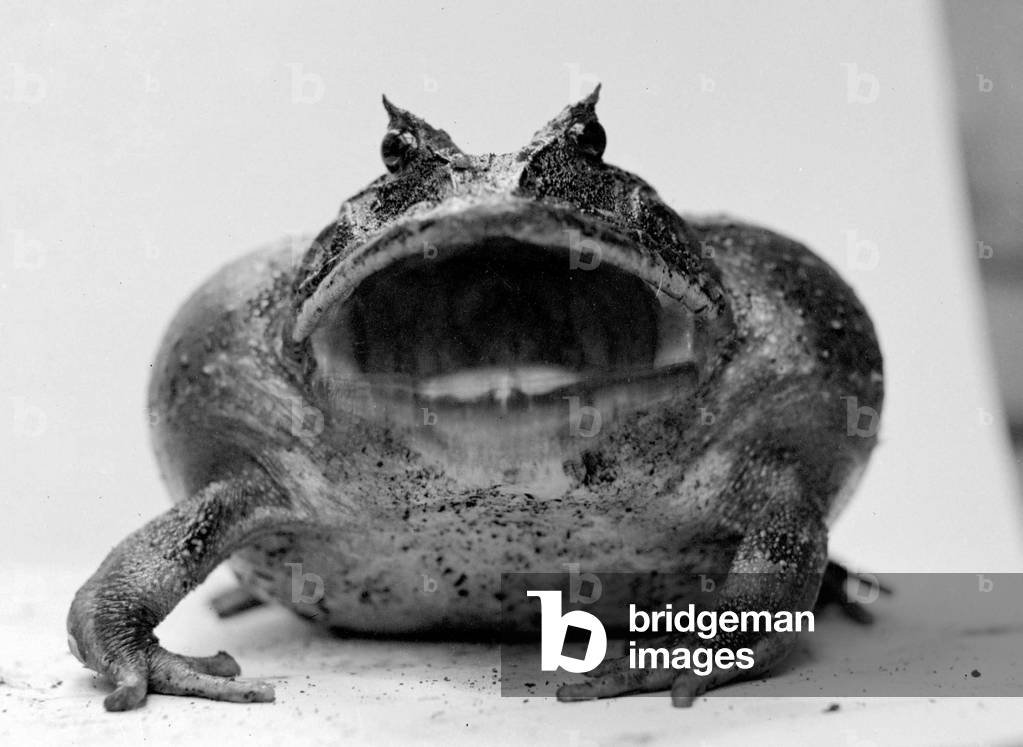
MPX5114847: Toad, c.1935 (b/w photo) / Bridgeman Images

MPX5114495: Woman walking through the streets of Paris, France, April 1975 (b/w photo) / Bridgeman Images

MPX5113093: American actor Lee Marvin amongst the spring flowers during a visit to England, 25th February 1975 (b/w photo) / Bridgeman Images

MPX5112172: V2 Rocket incident at Middlesex St, Aldgate East. OPS wrecked Norwegian Naval College. 10th November 1944 (b/w photo) / Bridgeman Images
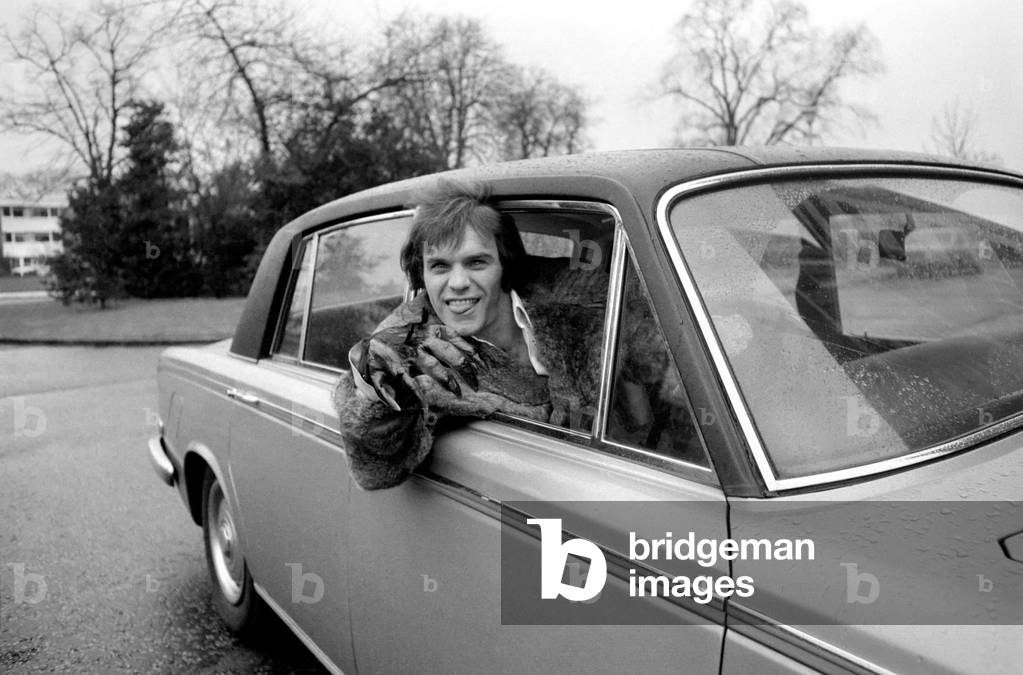
MPX5110018: Comedian Freddie Starr, March 1975 (b/w photo) / Bridgeman Images

MPX5112492: World Premiere of "Here we go round the Mulberry bush" at the London Pavilion, 4th January 1968 (b/w photo) / Bridgeman Images

MPX5112337: V2 Rocket incident at Middlesex St, Aldgate East. OPS wrecked Norwegian Naval College. 10th November 1944 (b/w photo) / Bridgeman Images

MPX5112418: John Lennon and his wife Cynthia wearing trouser suit, beret and glasses in the airport, 15th February 1968 (b/w photo) / Bridgeman Images

MPX5111534: London Fashion Fair International: Model Laura Venner, 22 helping to fix up the stand for Taramina and Watch Your Step Limited, April 1975 (b/w photo) / Bridgeman Images

MPX5111663: Scene from the play Coquette, 5th June 1929 (b/w photo) / Bridgeman Images

MPX5112627: The Treasurer's House in York, North Yorkshire, September 1971 (b/w photo) / Bridgeman Images

MPX5112978: Mayflower, 2nd May 1970 (b/w photo) / Bridgeman Images

MPX5113122: Policemen Ray Fullalove and Sgt. James Findlay on patrol, 24th February 1975 (b/w photo) / Bridgeman Images

MPX5113188: Jumbo Jet First Class, April 1975 (b/w photo) / Bridgeman Images

MPX5112359: Paul McCartney of the Beatles and Jane Asher at Heathrow today. March 1968 (b/w photo) / Bridgeman Images

MPX5112374: Rolling Stones: on stage at Empire Theatre, Liverpool, England 12th March 1971 (b/w photo) / Bridgeman Images

MPX5112404: Rolling Stones on stage at Empire Theatre, Liverpool, England 12th March 1971 (b/w photo) / Bridgeman Images

MPX5112416: World Premiere of "Here we go round the Mulberry bush" at the London Pavilion, 4th January 1968 (b/w photo) / Bridgeman Images

MPX5112587: Prince Charles at Polo, June 1977 (b/w photo) / Bridgeman Images
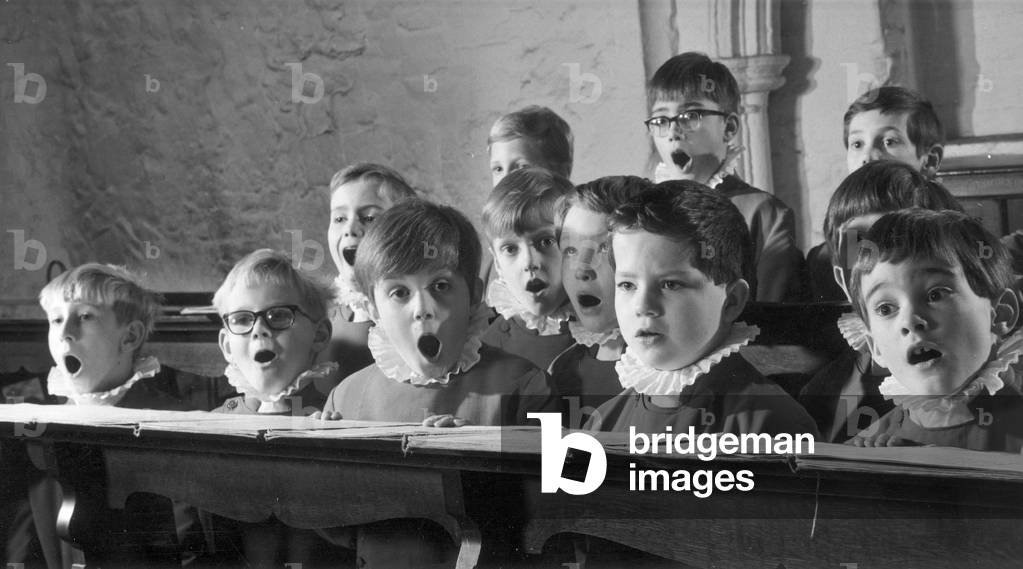
MPX5110454: Young probationers at the Westminster Abbey School Choir sing a hymn during choir practice, 1st December 1972 (b/w photo) / Bridgeman Images
