2491383 Search Results
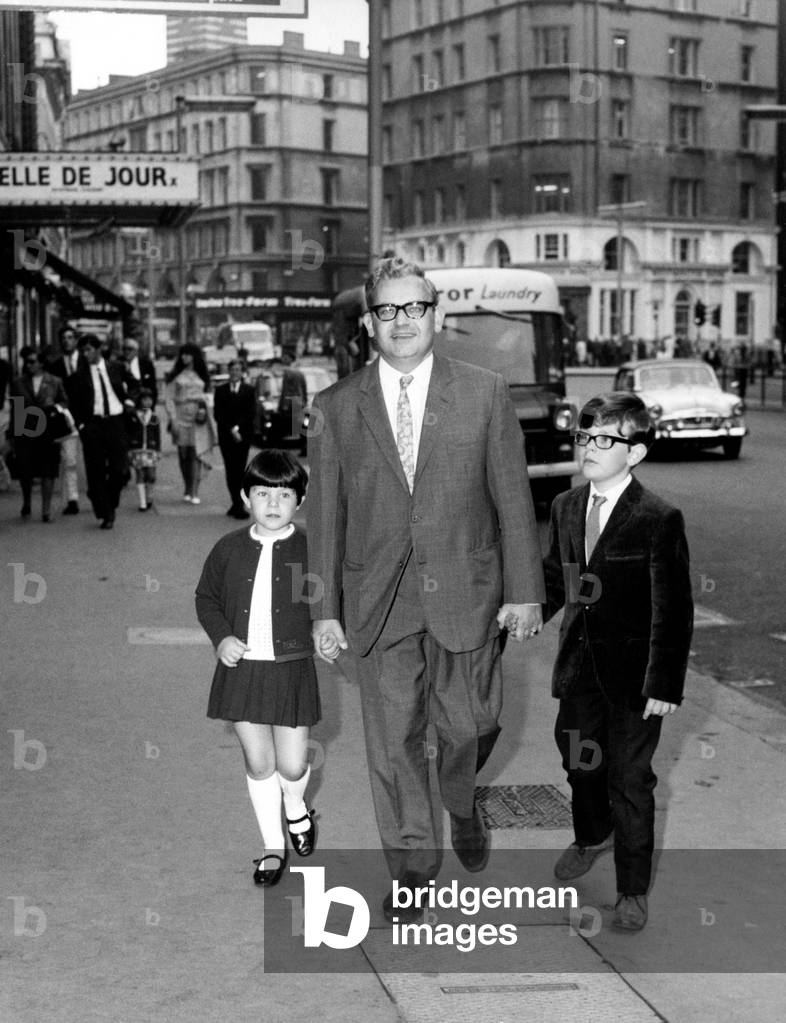
MPX5159357: Ronnie Barker, 1968 / Bridgeman Images
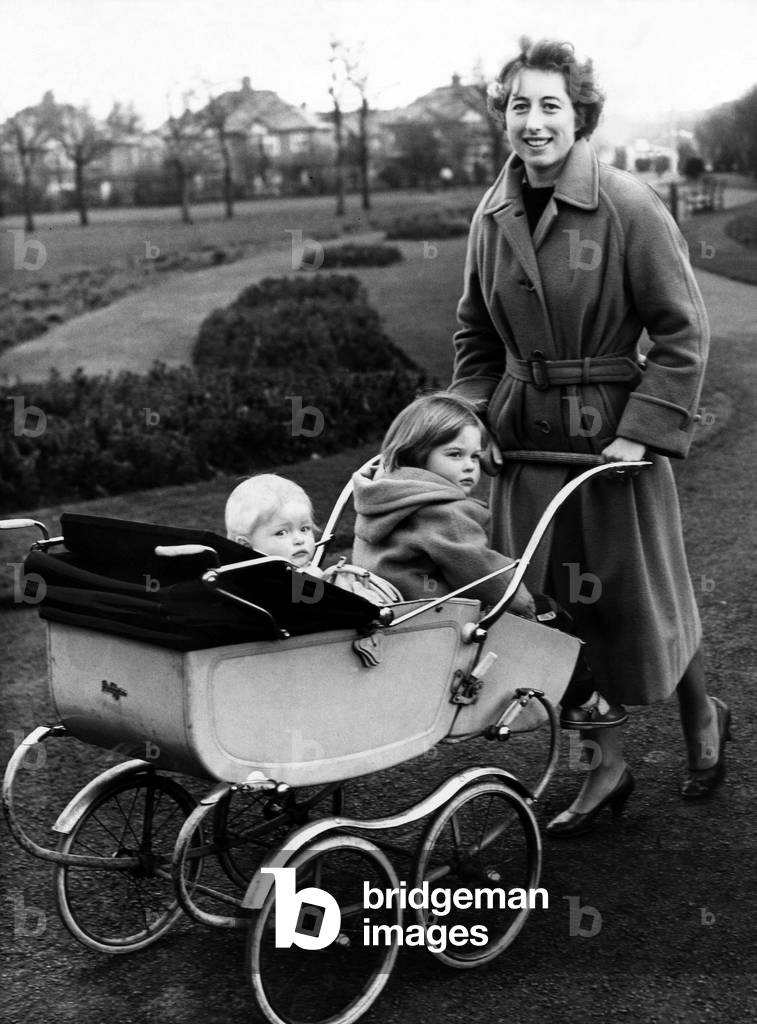
MPX5159366: Mrs M Coleman, of Gosforth, with her daughters Sally and Gillian on 23rd October 1961 (b/w photo) / Bridgeman Images
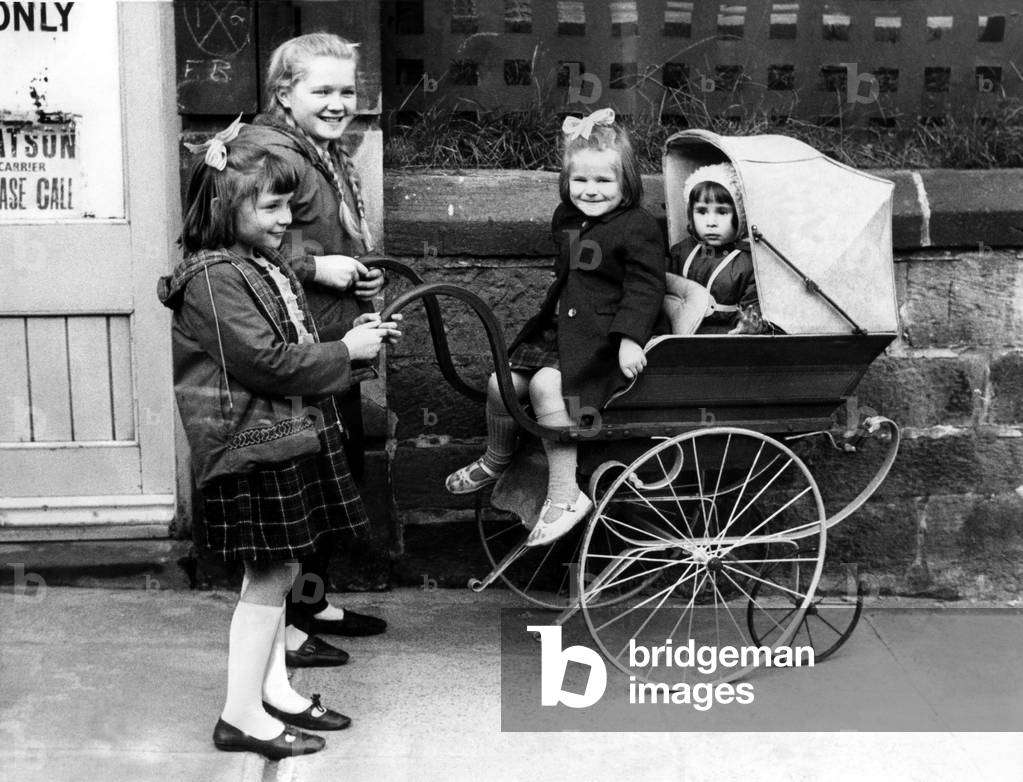
MPX5159369: Linda Carruthers, Valerie Harrison, Gilliam Carruthers and Allison Caruthers trying out the comfort of a Victorian pram on 28th October 1965 (b/w photo) / Bridgeman Images
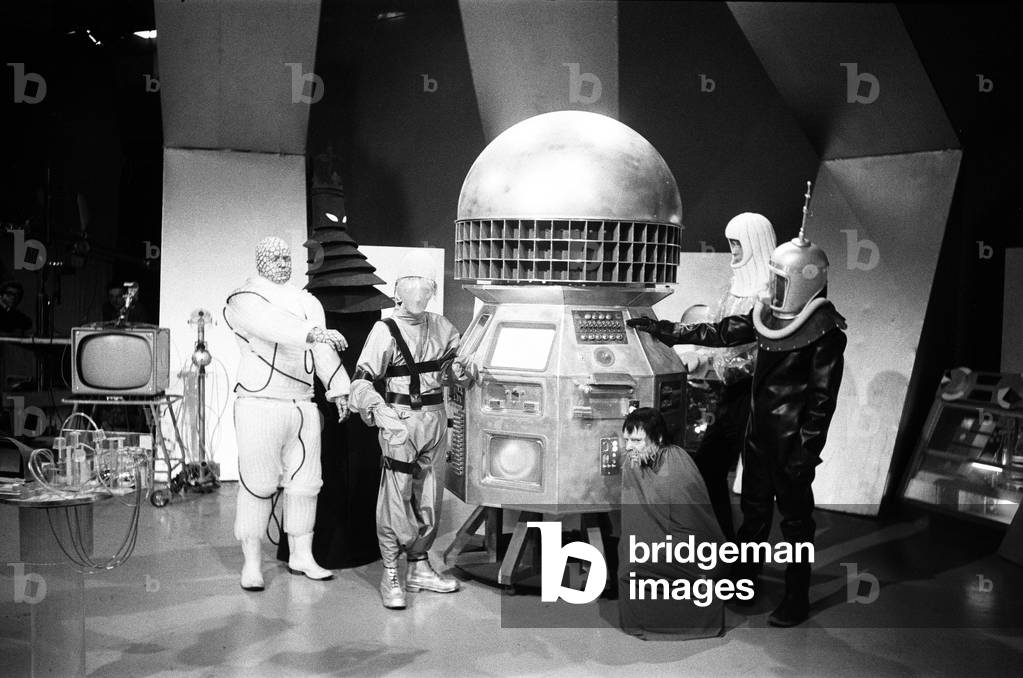
MPX5159381: Various beasts on the set of Doctor Who, where 'The Beasts from UGH (United Galactic Headquarters) was being filmed. 6th August 1965. / Bridgeman Images
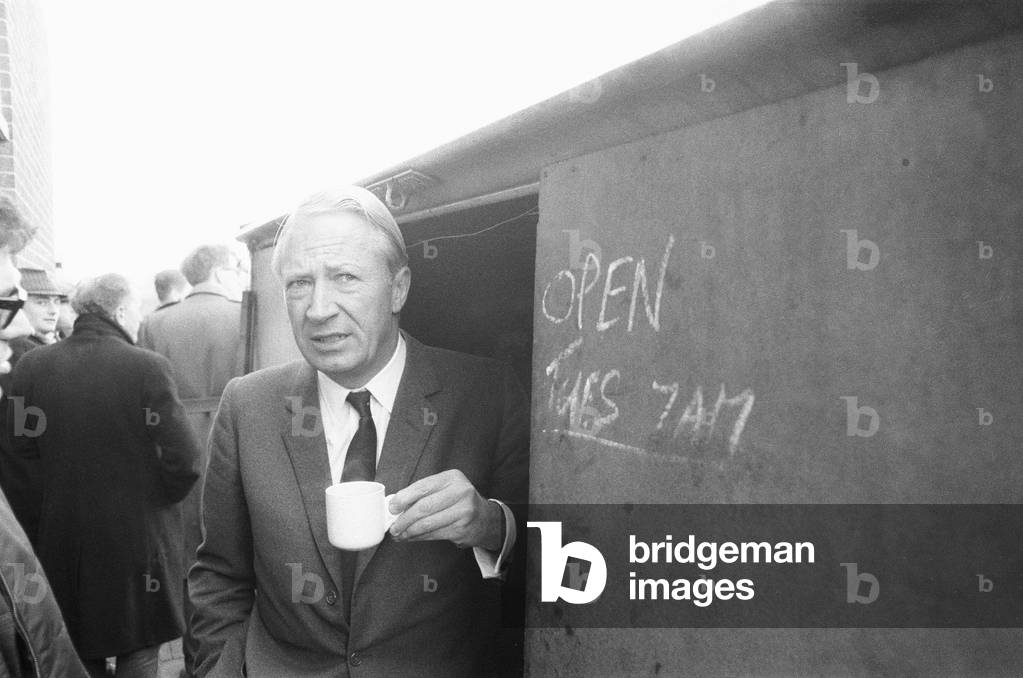
MPX5158660: Hither Green train crash. On Sunday 5 November 1967 the 19:43 Hastings to Charing Cross service, consisting of twelve coaches derailed at 21:16 shortly before the St Mildred's Road railway bridge, near Hither Green maintenance depot., 1967 (b/w photo) / Bridgeman Images
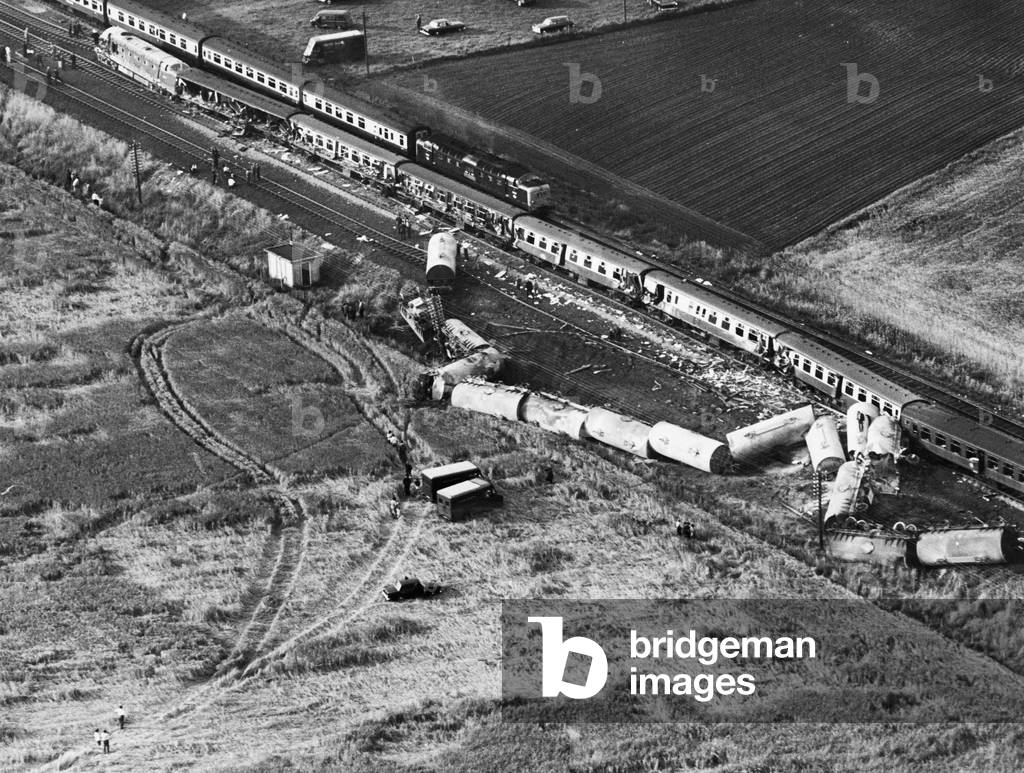
MPX5158681: Topcliffe, Thirsk train crash. Aerial view of the 12.00 express train from King's Cross to Edinburgh which collided at speed with the wreckage of a derailed freight train around 15:17 on that day. Seven people were killed and 45 injured, 15 seriously. 31st July 1967 (b/w photo) / Bridgeman Images
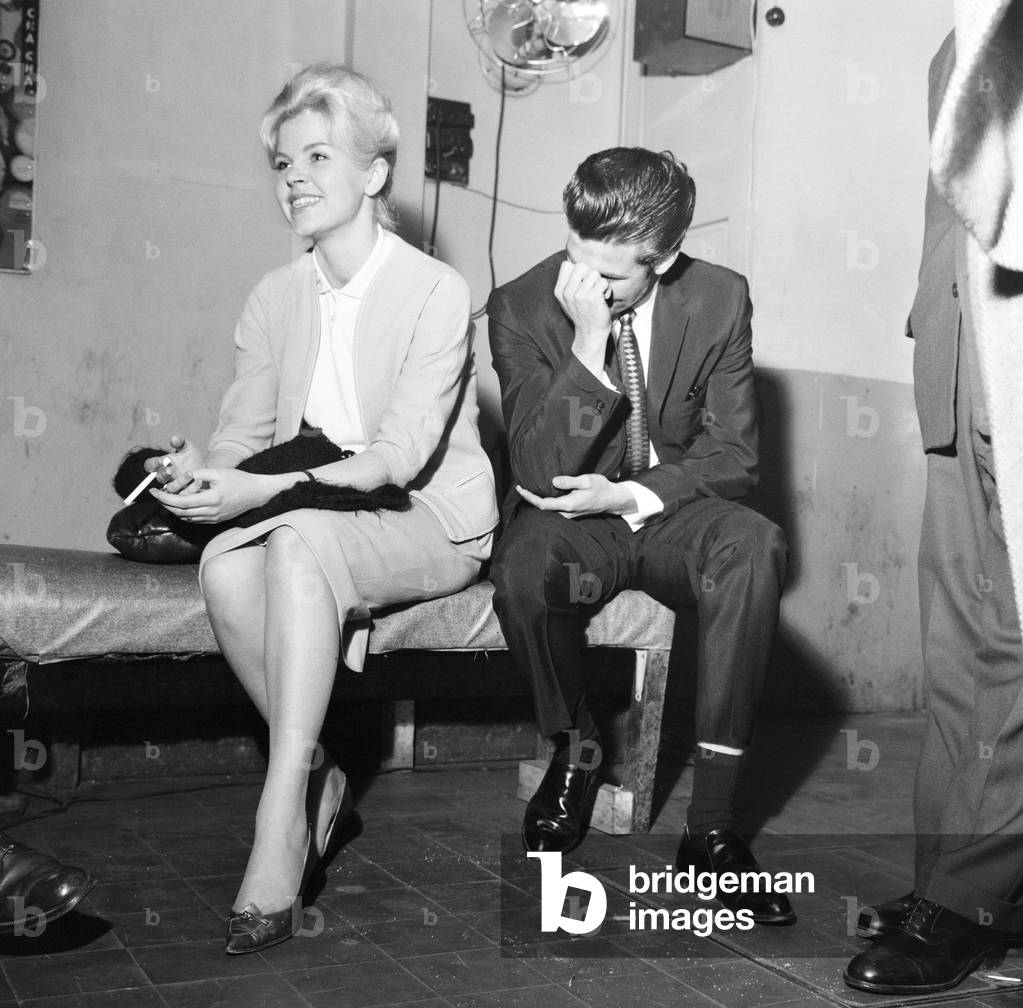
MPX5158518: Vince Taylor, Roll & Roll Singer, and wife Perrin Lewis, 3rd January 1961 (b/w photo) / Bridgeman Images
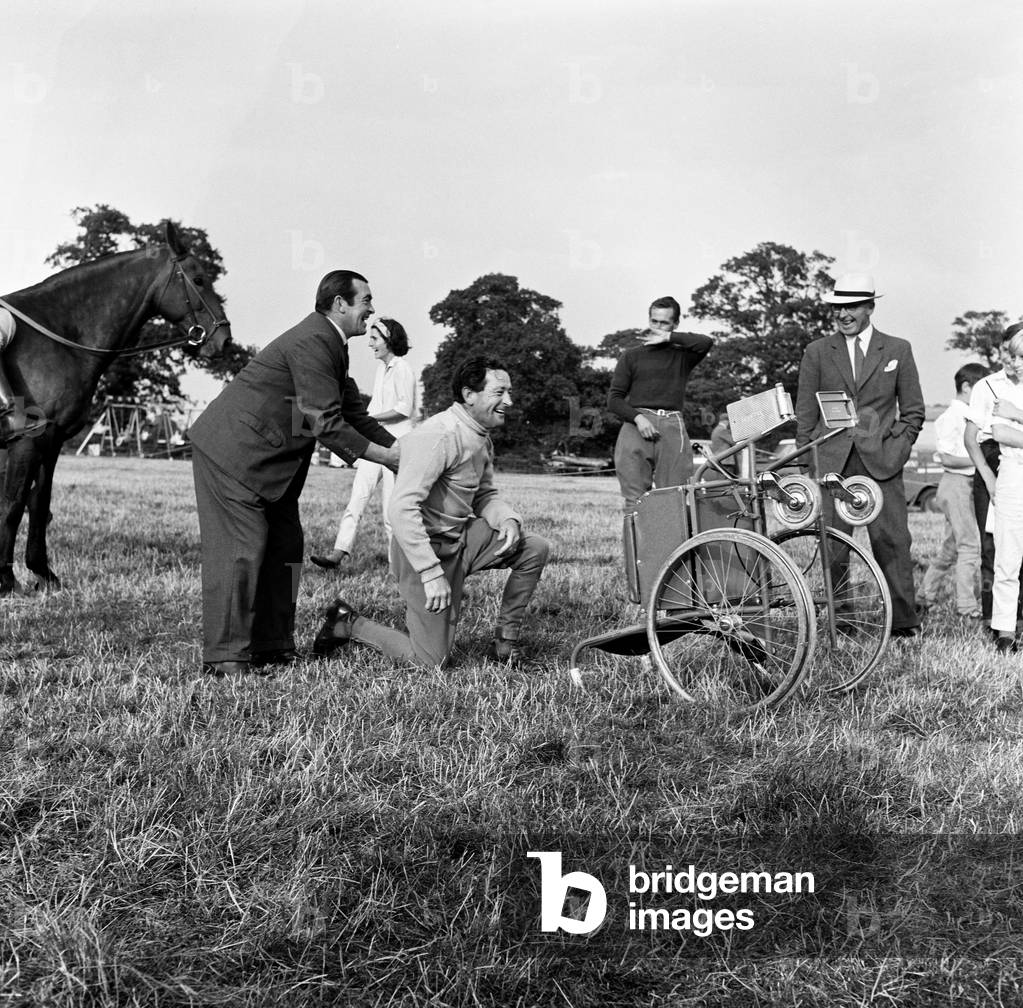
MPX5158560: Finmere Jumping Show and Gymkhana near Buckingham in aid of Stoke Mandeville Games. Injured steeplechase jockey Tim Brookshaw shows Fred Winter a trick with his wheelchair and Fred comes to grief. 11th August 1964 (b/w photo) / Bridgeman Images
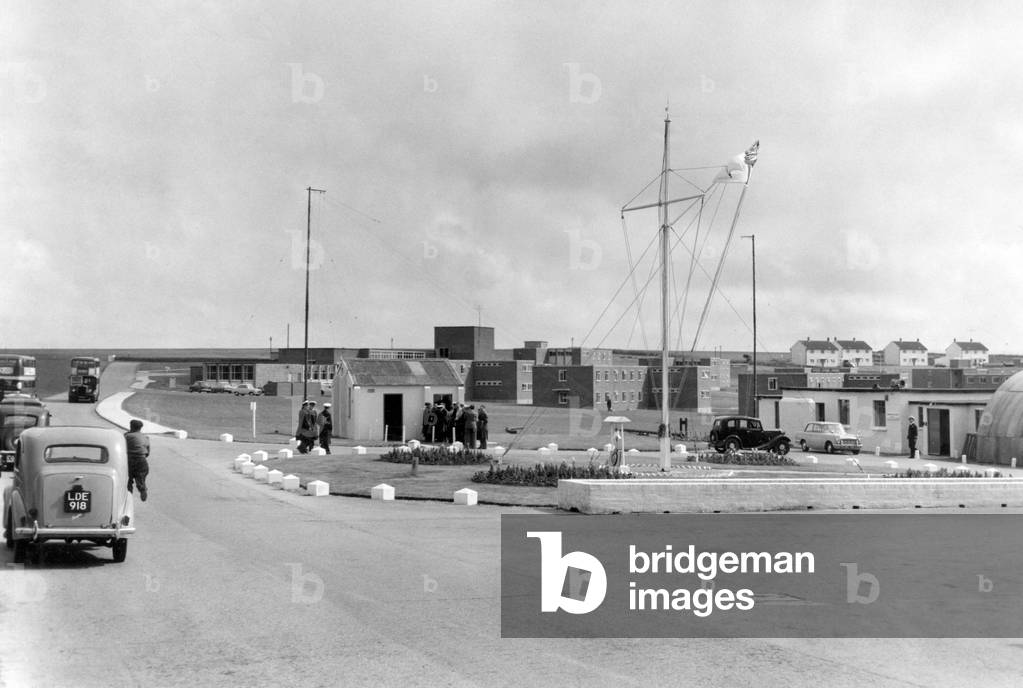
MPX5158714: RAF Brawdy, Pembrokeshire, Wales, 14th July 1961 (b/w photo) / Bridgeman Images
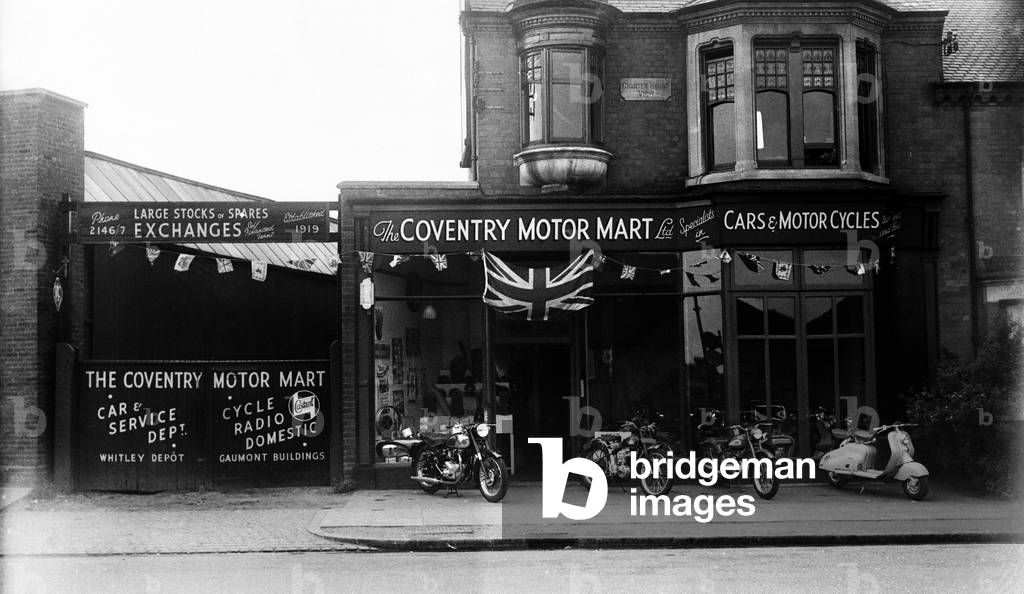
MPX5159475: Coventry Motor Mart motorcycle and scooter showroom at Charter House View, Coventry, West Midlands (formerly Warwickshire) circa 1953 (b/w photo) / Bridgeman Images
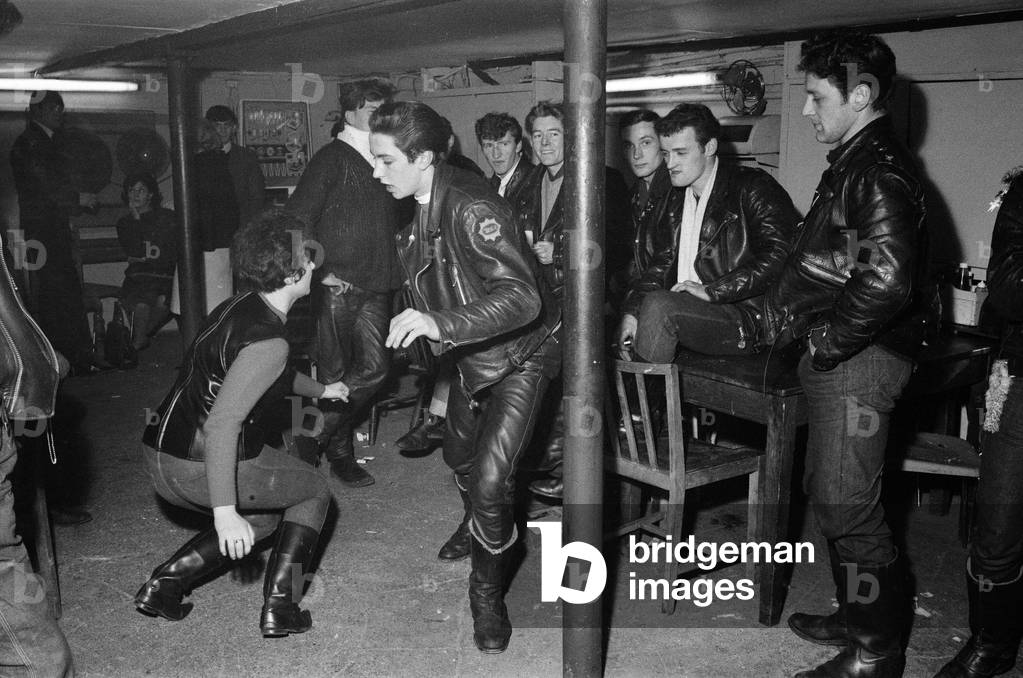
MPX5158750: The mods and rockers were two conflicting British youth subcultures of the early to mid-1960s. Media coverage of mods and rockers fig, hting in 1964 sparked a moral panic about British youths, and the two groups became labelled as folk devils24/10/1963 (b/w photo) / Bridgeman Images
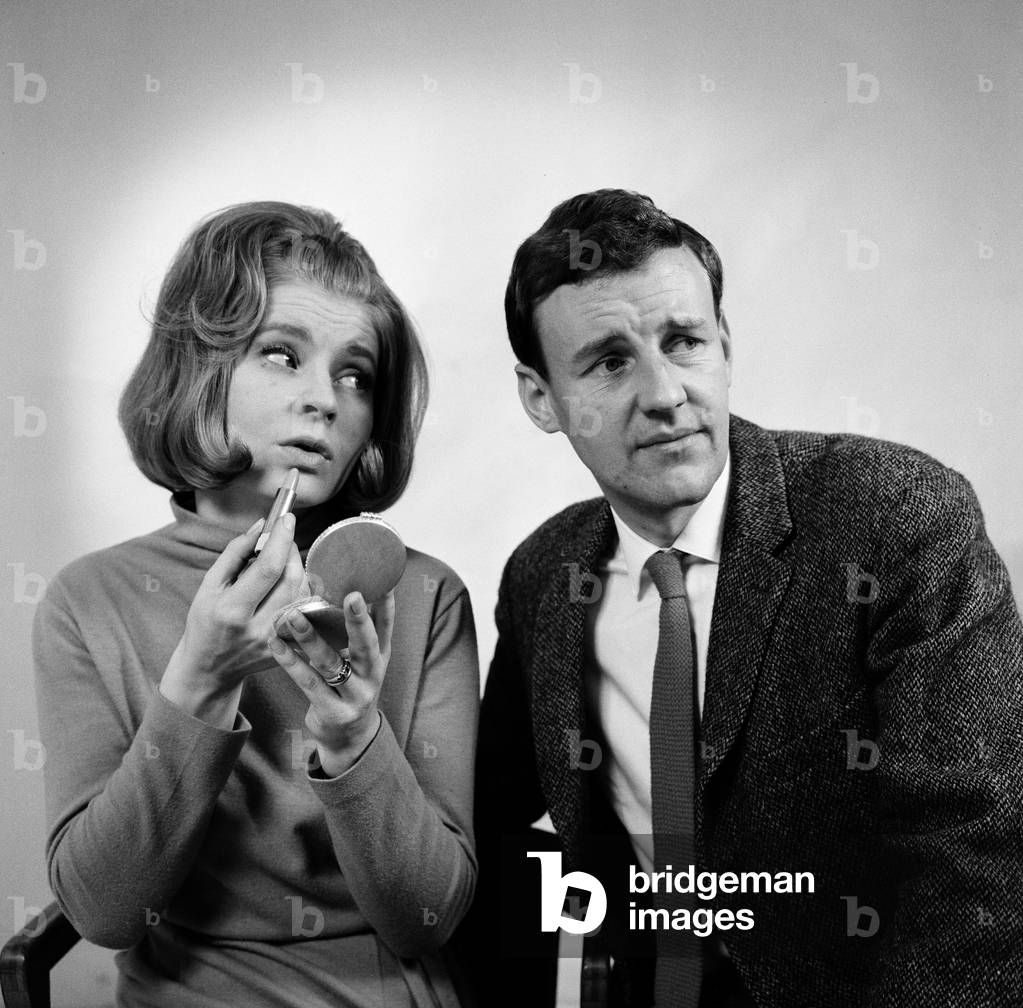
MPX5159484: Stars of The Marriage Lines, BBC TV Comedy Series which takes a light hearted look at newly weds. Prunella Scales as Kate Starling & Richard Briers as George Starling. 25th September 1964 (b/w photo) / Bridgeman Images
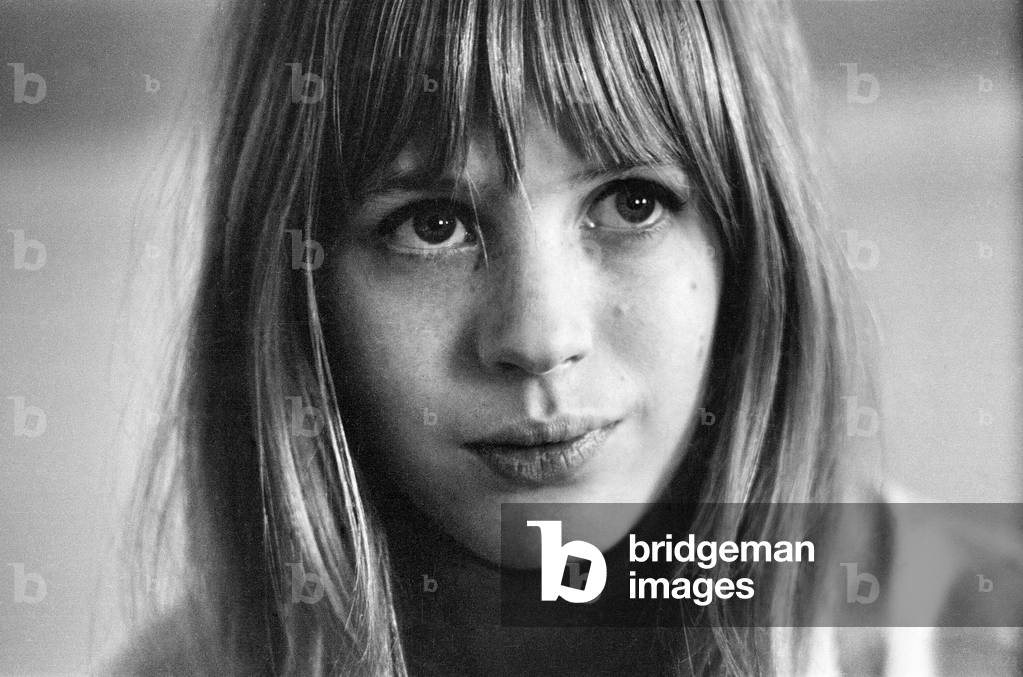
MPX5158825: Marianne Faithfull poses for portraits. 3rd January 1965 (b/w photo) / Bridgeman Images
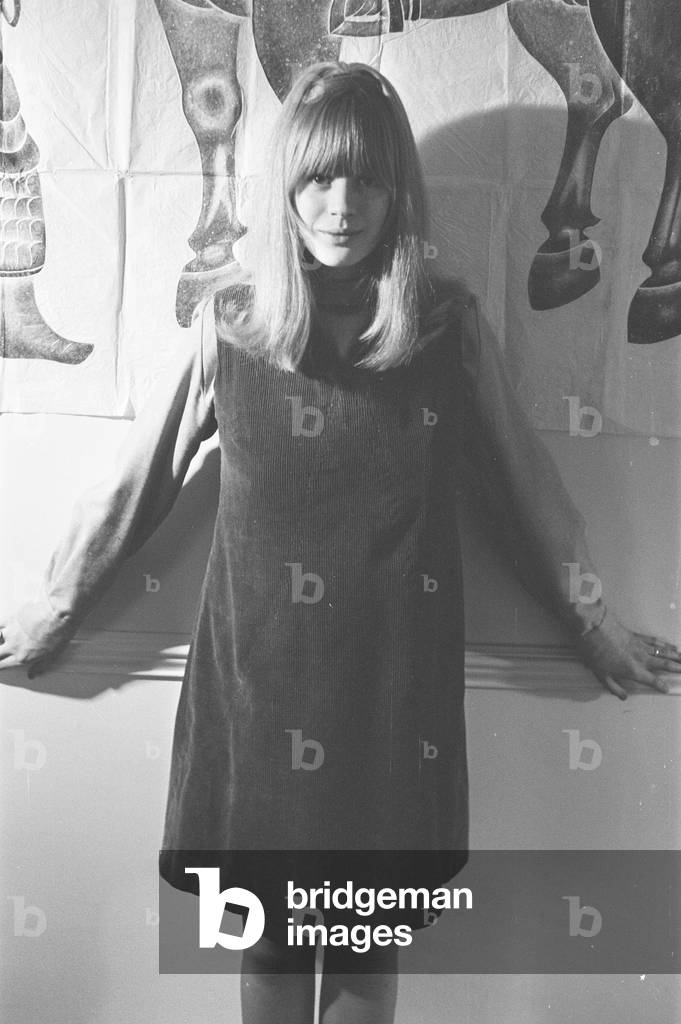
MPX5158831: Marianne Faithfull modeling maternity dresses. 21st September 1965 (b/w photo) / Bridgeman Images

MPX5158846: Johnny Cash, in concert at the Royal Albert Hall, London, Sunday 14 May 1989 (photo) / Bridgeman Images

MPX5158873: A meeting takes place at Highgate United F. C. 27th February 1967 (photo) / Bridgeman Images

MPX5158882: Welsh actor Stanley Baker, April 1964 (b/w photo) / Bridgeman Images

MPX5157451: Part of the vast crowd gathered in Hyde Park for the free concert given by the Rolling Stones. 5th July 1969 (b/w photo) / Bridgeman Images

MPX5157478: North East Shipwrecks - The South Shields Volunteer Life Brigade battled to save the captain and the 22 man crew of the Lebanese steamer Adelfotis II by using breeches buoy. The ship had been blown aground next to the Groyne lighthouse in South Shields by gale force winds. 20th January, 1963 (b/w photo) / Bridgeman Images

MPX5157481: Trodden by the feet of generations, The Black Gate, once a main entrance to the city of Newcastle, remains little changed by the passage of time. The Black Gate was the last addition to the medieval Castle defences. 14th September, 1965 (b/w photo) / Bridgeman Images

MPX5157487: Jazz Drummer Buddy Rich during an interview at the Gosforth Park Hotel in Newcastle before his concert at Newcastle City Hall 24 March 1980 (b/w photo) / Bridgeman Images

MPX5157505: Roy Castle hosted a special performance of the popular Record Breakers show at Gateshead Stadium. The two-hour show was being held to mark the opening of a new indoor training hall at the stadium but it was not to be televised. 9th January, 1980 (b/w photo) / Bridgeman Images

MPX5157532: Brian Johnson, lead singer of the rock group AC/DC, with John Craig at the Lynx Studios, Shieldfield, Newcastle. 26th Febraury, 1983 (b/w photo) / Bridgeman Images

MPX5157550: Market Street looking towards the new Arndale Centre, Manchester. 28th April 1977 (b/w photo) / Bridgeman Images

MPX5157559: Prince Charles (Future Charles III) and Princess Diana leaving St Mary's Hospital after the birth of Prince Harry, 1984 (photo) / Bridgeman Images

MPX5157562: Daily Mirror Offices, Holborn, London, 1961 (b/w photo) / Bridgeman Images

MPX5157568: Prince Harry leaves St Mary's Hospital, London, after birth previous day, 16th September 1984 (b/w photo) / Bridgeman Images
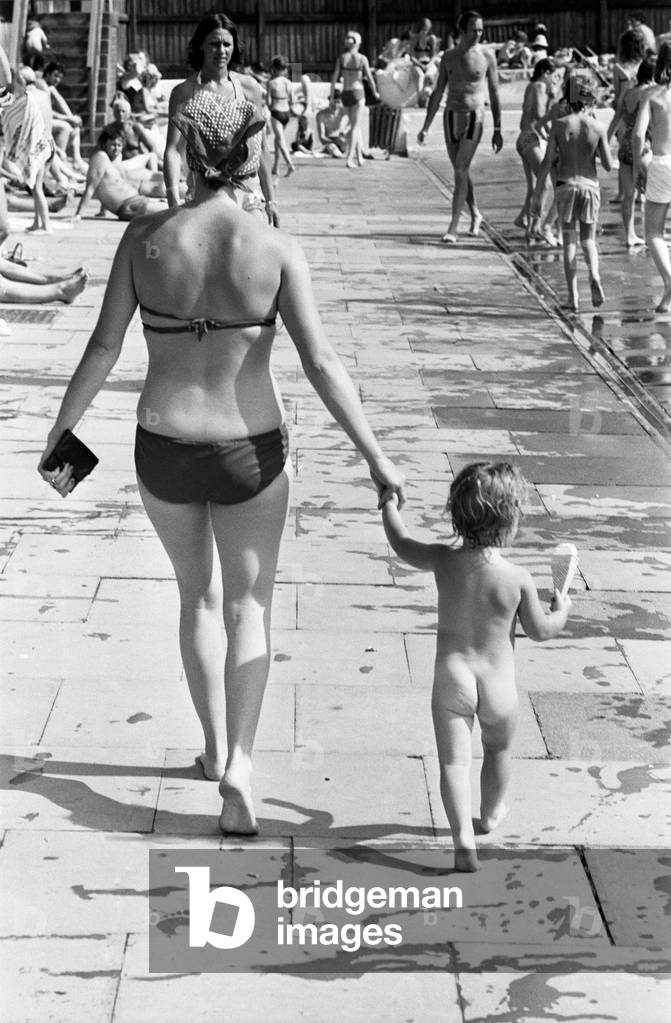
MPX5157601: Mother and child try to keep cool at a Birmingham lido during the summer heatwave of 1976. 28th June 1976 (b/w photo) / Bridgeman Images
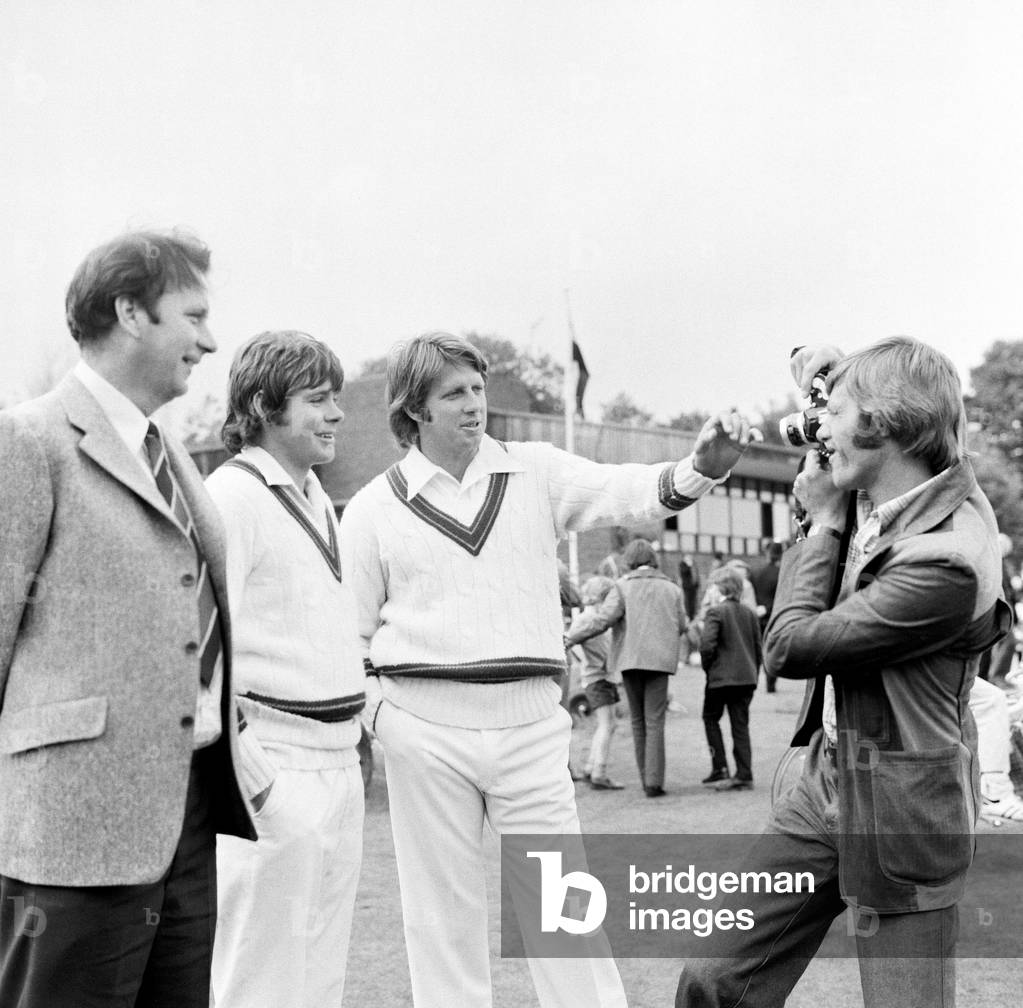
MPX5157637: The touring Australian test team in England, visiting Southgate cricket club ahead of the Ashes test matches. One of Southgate's members Ross Collins snapped the chance to get a picture of fast bowler Jeffrey Thomson (far right) and Jim Higgs (centre) with Southgate captain Jim Conroy (left). 4th June 1975 (b/w photo) / Bridgeman Images
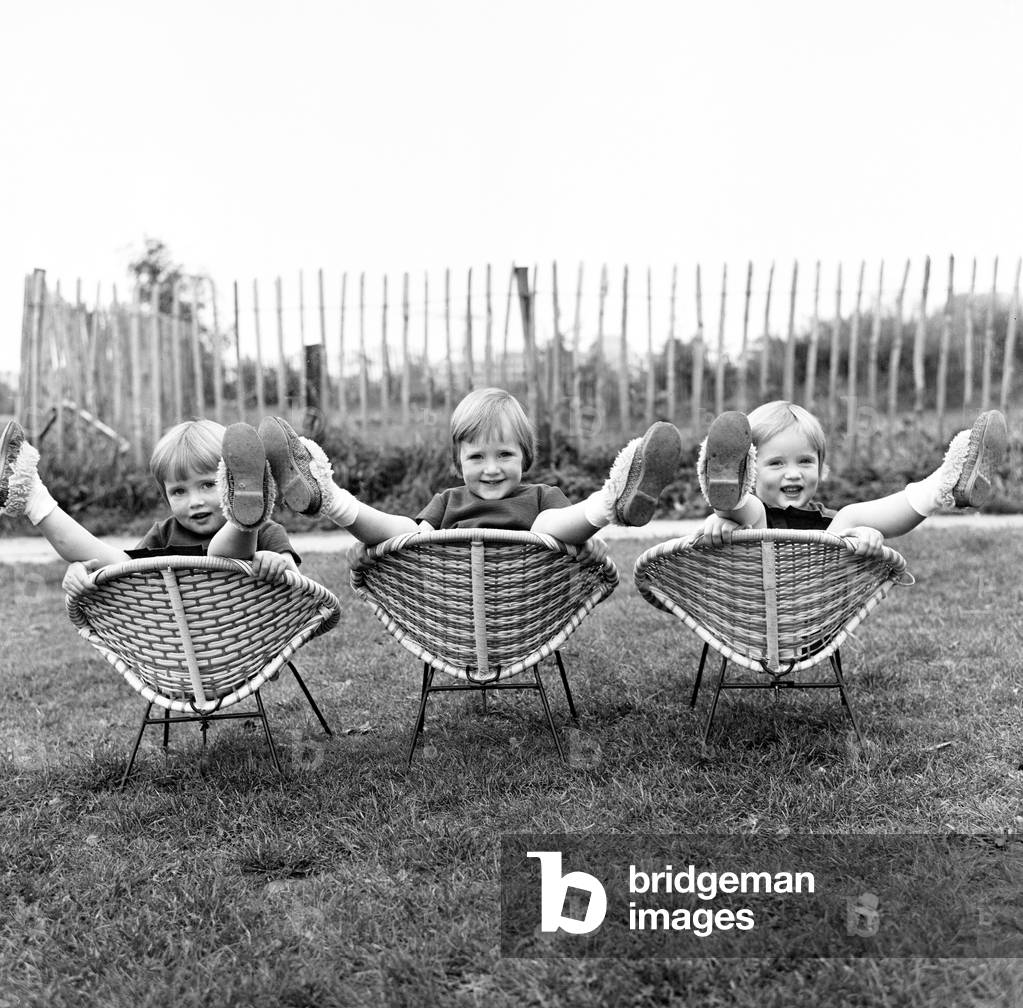
MPX5157649: The Hatton triplets from Manchester, Deborah, Sharon and Allison. 29th October 1964 (b/w photo) / Bridgeman Images
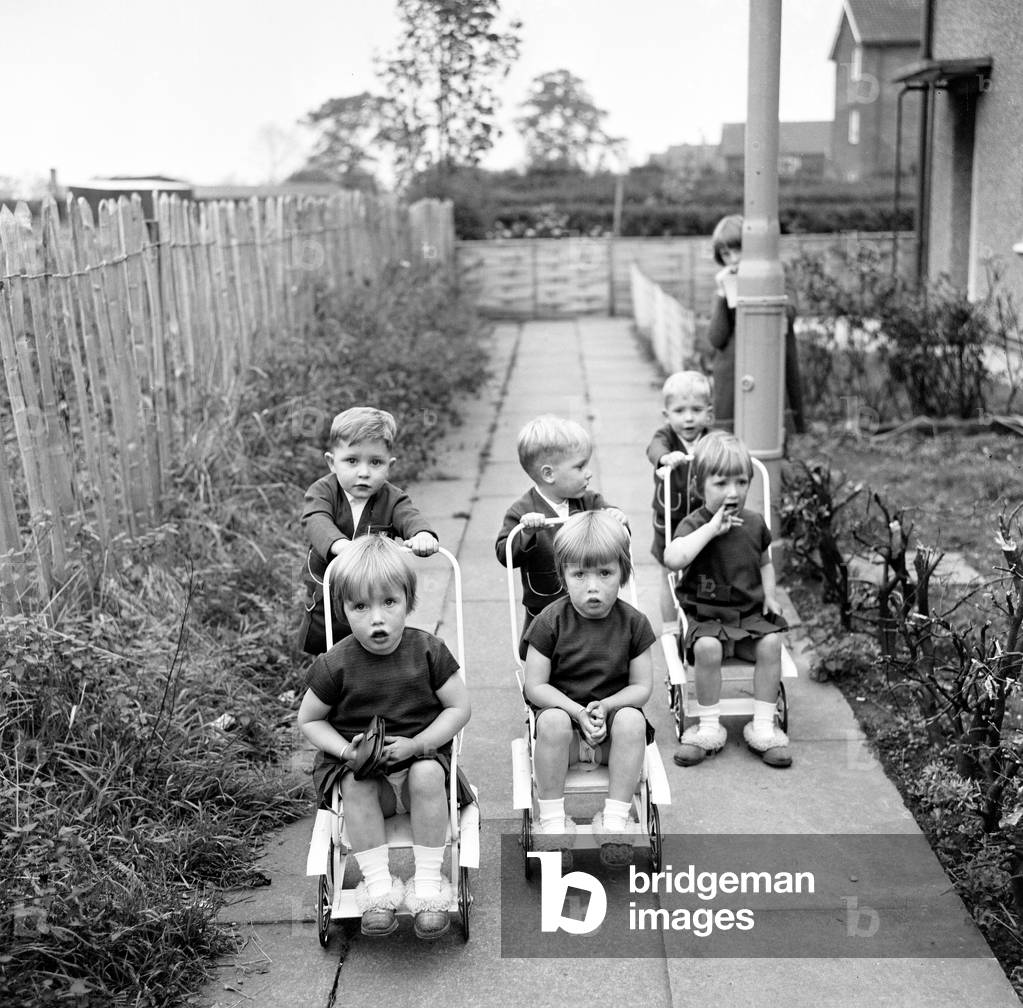
MPX5157655: The Hatton triplets from Manchester, Deborah, Sharon and Allison with the Quilty triplets, Anthony, Bernard and Frank, 29th October 1964 (b/w photo) / Bridgeman Images
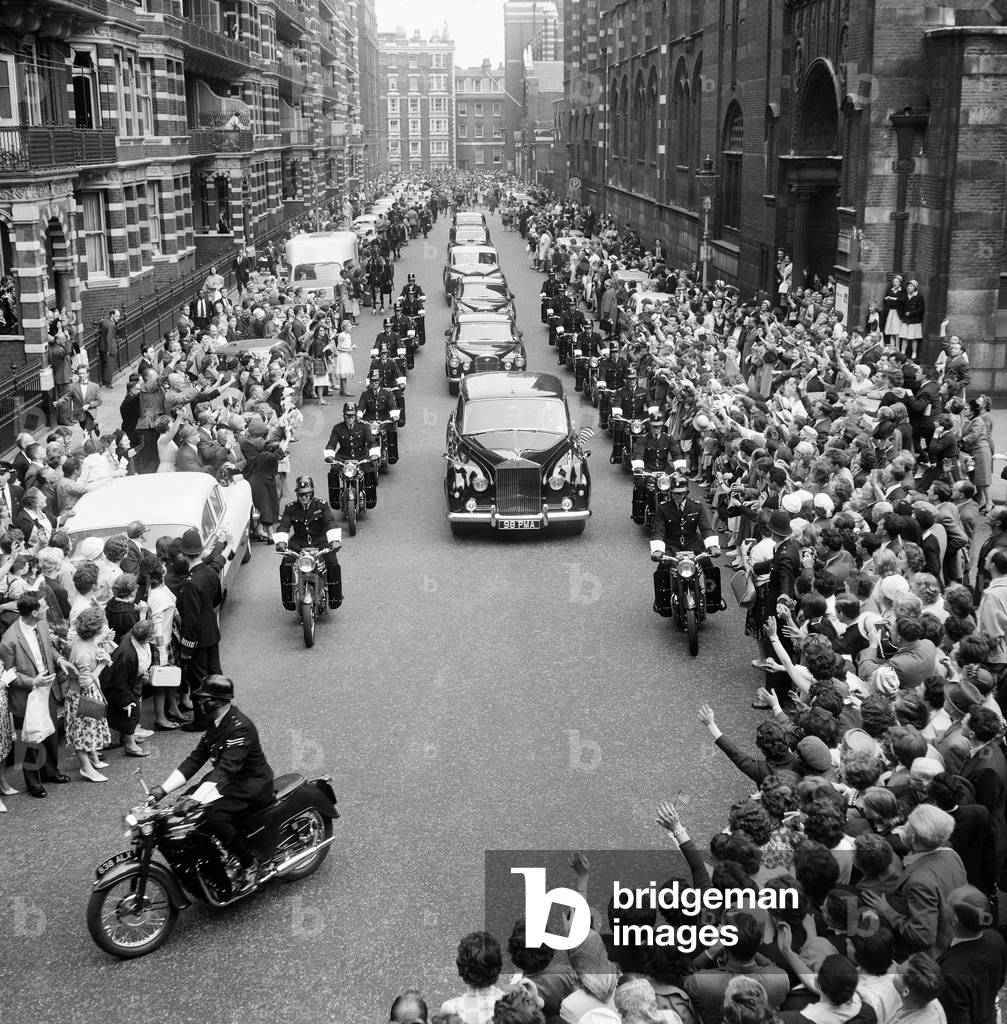
MPX5157694: Second day of the private visit to London of American President John F. Kennedy and the First Lady Jacqueline Kennedy for the christening ceremony of their niece Anna Christina Radziwill, held at Westminster Abbey. An escort of motorcyclists flank the President's car as he leave the christening. 5th June 1961 (b/w photo) / Bridgeman Images

MPX5157700: Marylin Monroe at publicity shoot for "The Prince and the Showgirl", London, July 1956 (b/w photo) / Bridgeman Images
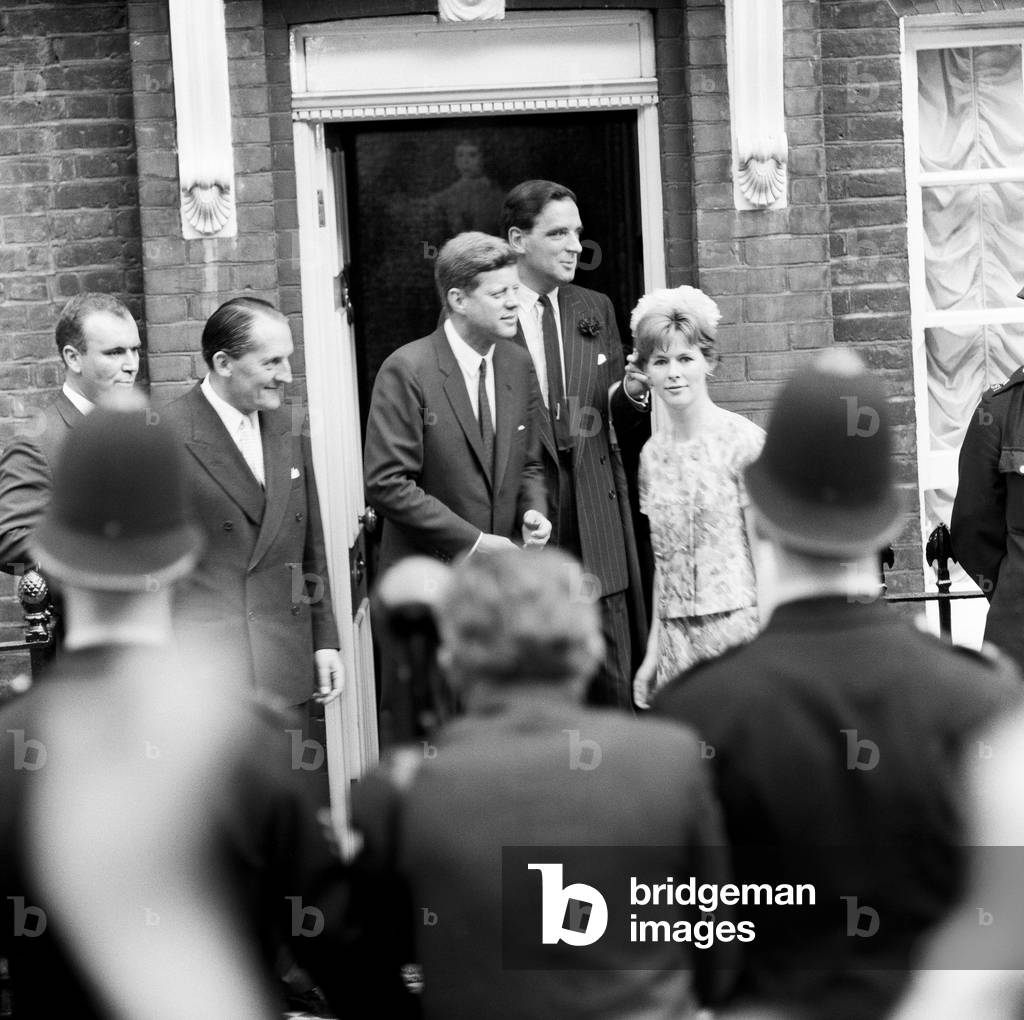
MPX5157706: Second day of the private visit to London of American President John F. Kennedy and the First Lady Jacqueline Kennedy for the christening ceremony of their niece Anna Christina Radziwill, held at Westminster Abbey. 5th June 1961 (b/w photo) / Bridgeman Images
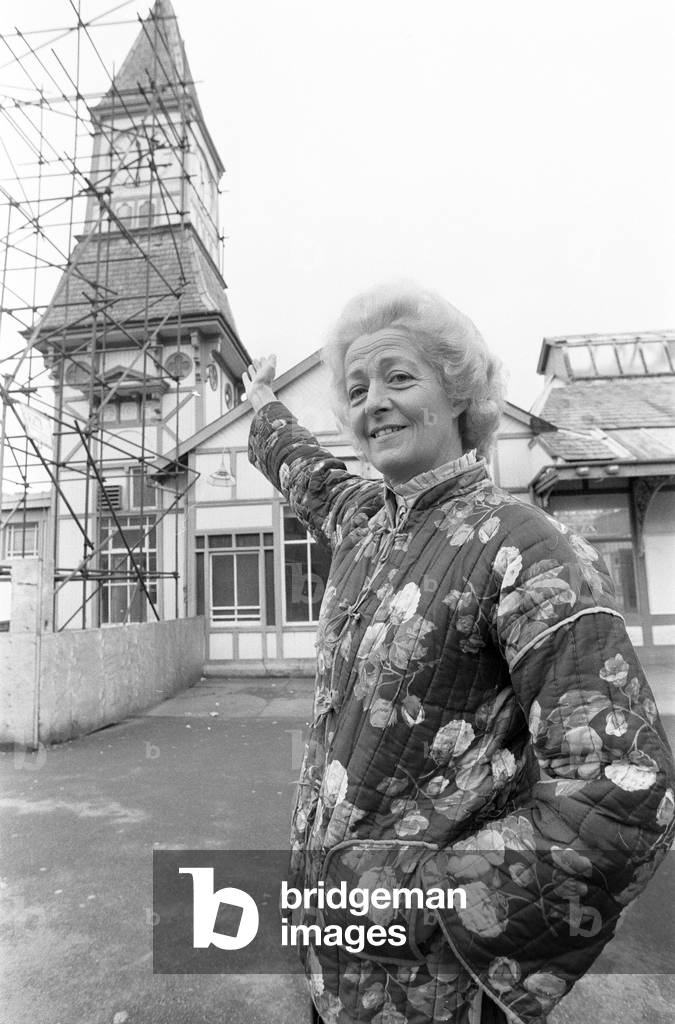
MPX5157125: Frances Shand Kydd, mother of Princess Diana, Princess of Wales, pictured in Oban, Argyll and Bute, The Highlands, Scotland, where she ownes and runs a gift shop, February 1987 (b/w photo) / Bridgeman Images
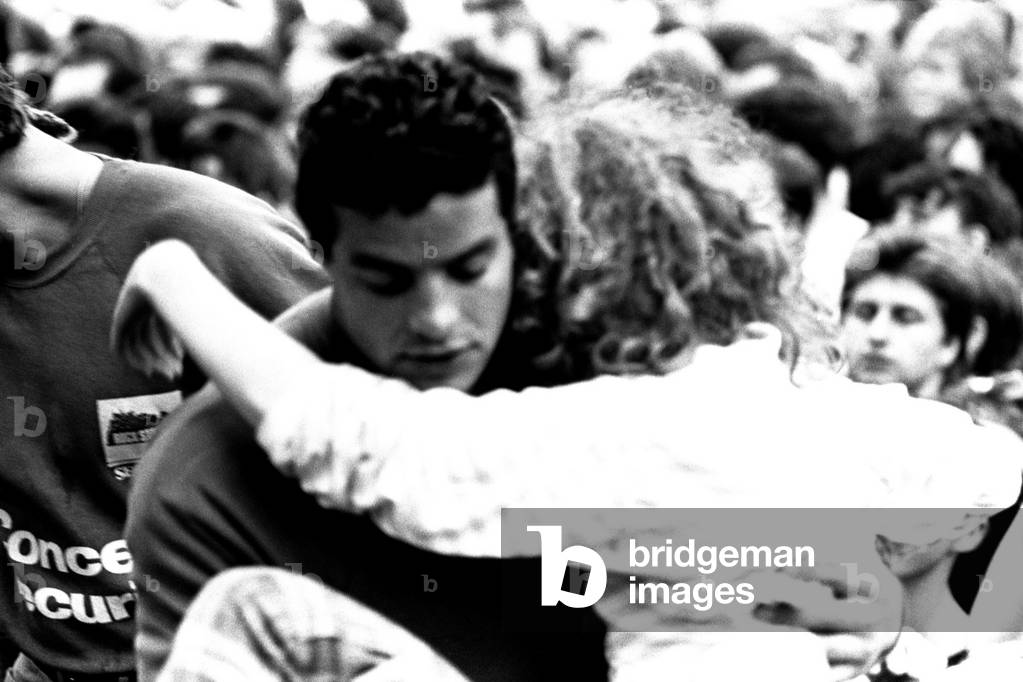
MPX5157149: David Bowie performing at Roker Park, Sunderland on 23rd June 1987 (b/w photo) / Bridgeman Images
