2497571 Search Results
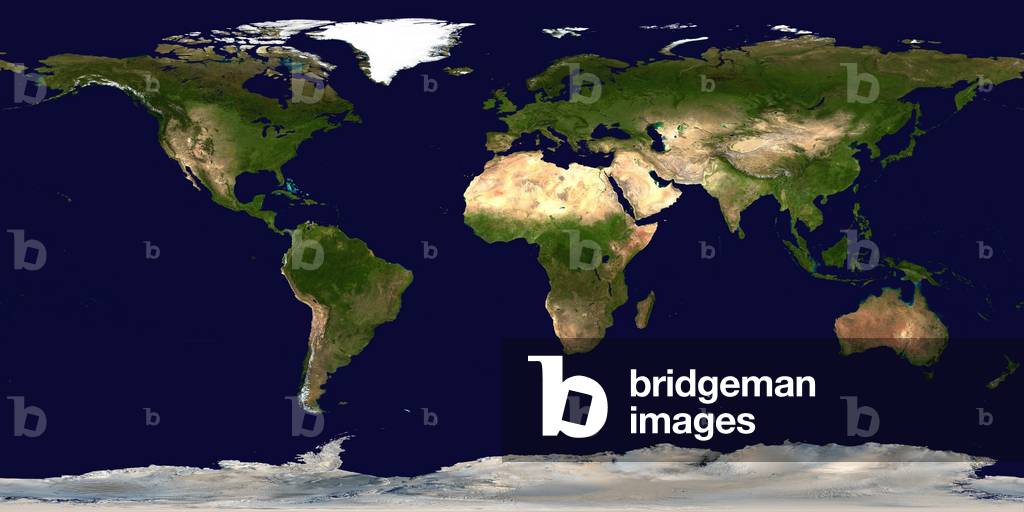
PIX4632280: La Terre vue par satellite - Flying over 700 km above the Earth onboard the Terra satellite, MODIS provides an integrated tool for observing a variety of terrestrial, oceanic, and atmospheric features of the Earth. The land and coastal ocean portions of these images are based on surface observations collected from June through September 2001 and combined, or composited, every eight days to compensate for clouds that might block the sensor's view of the surface on any single day. Two different types of ocean data were used in these images: shallow water true color data, and global ocean color (or chlorophyll) data. Topographic shading is based on the GTOPO 30 elevation dataset compiled by the U.S. Geological Survey's EROS Data Center. MODIS observations of polar sea ice were combined with observations of Antarctica made by the National Oceanic and Atmospheric Administration's AVHRR sensor - - the Advanced Very High Resolution Radiometer / Bridgeman Images
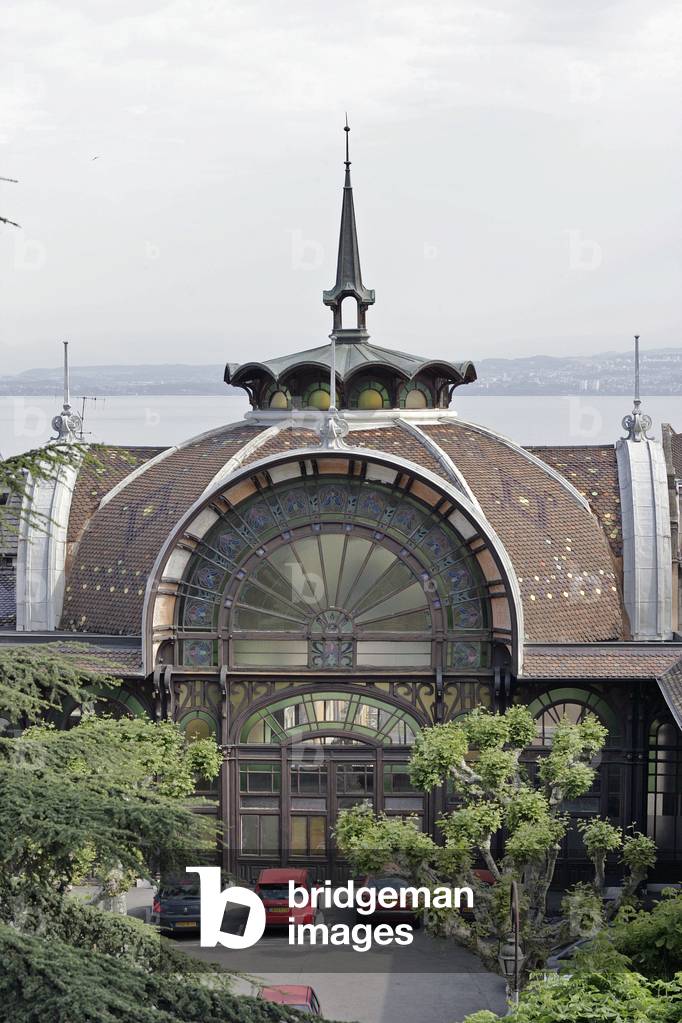
TEC4632446: Source Cachat to Evian les Bains in Haute Savoie. / Bridgeman Images

PIX4632624: Primitive Land - Artist's View / Bridgeman Images

PIX4633003: City of the future and astroport - Artist's view - City of the future and astroport - Viewed artist / Bridgeman Images
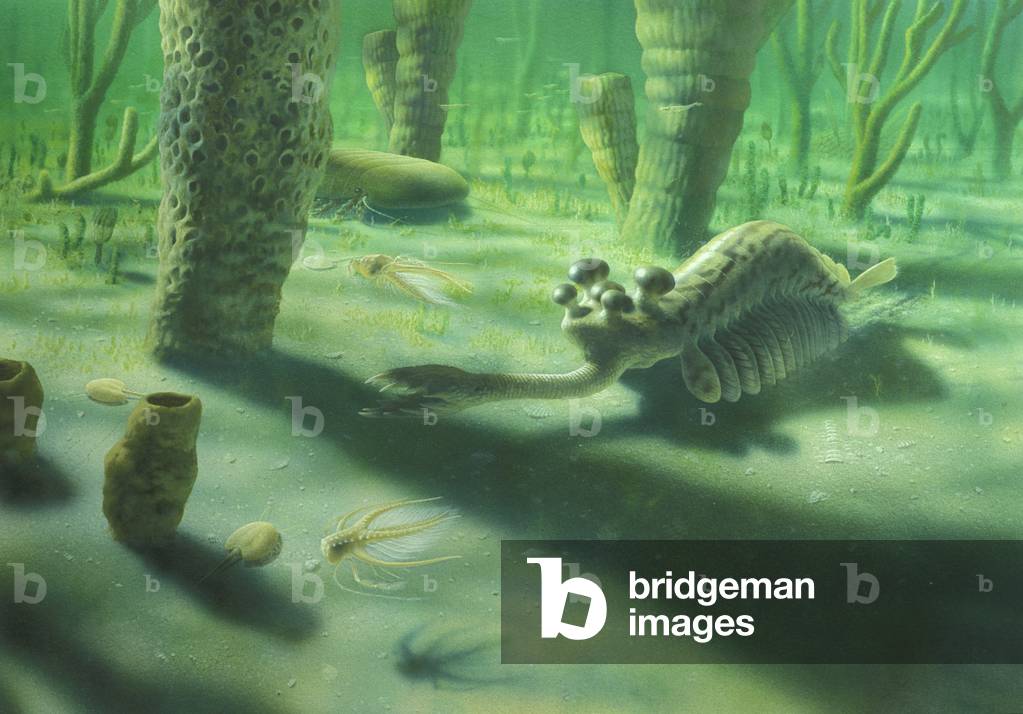
PIX4633194: View of the Burgess Wildlife Artist - View of the Burgess Wildlife Artist - View of the Cambrian Wildlife Artist (- 500 million years) reconstructed from fossils discovered in the early 20th century near Mount Burgess in Canada / Bridgeman Images

TEC4676296: Student accommodation in Paris 75018. / Bridgeman Images

PIX4676373: Easter Island Moais - Starry sky above Moai on Easter island - Star sky on Easter Island Moais. Ahu Tongariki. September 2009. Starry sky above Moais on Easter island. Ahu Tongariki. September 2009 / Bridgeman Images

PIX4676389: Easter Island Moais - Starry sky above Moai on Easter island - Star sky on Easter Island Moais. Ahu Tongariki. September 2009. Starry sky above Moais on Easter island. Ahu Tongariki. September 2009 / Bridgeman Images

PIX4676415: Galapagos Islands - The Galapagos Islands seen from the space shuttle - Galapagos Islands seen by the shuttle Discovery in December 1999. The Galapagos Islands seen from the space shuttle Discovery in december 1999 / Bridgeman Images

PIX4676444: Crater of volcano Ol Doinyo Lengai - Crater of volcano Ol Doinyo Lengai - Carbonatite volcanic cones (hornitos) in the crater of the volcano Ol Doinyo Lengai, an active volcano located in Tanzania in the valley of the great rift. Spatter cones (hornitos) in the crater of volcano Ol Doinyo Lengai. This active volcano located in Tanzania in the great rift valley is the only known volcano producing carbonatite / Bridgeman Images

LRI4676614: Portrait of Suzanne Valadon (wax reconstitution) / Bridgeman Images

LRI4676656: Mimi Pinson in a street of Montmartre (Reconstitution) / Bridgeman Images
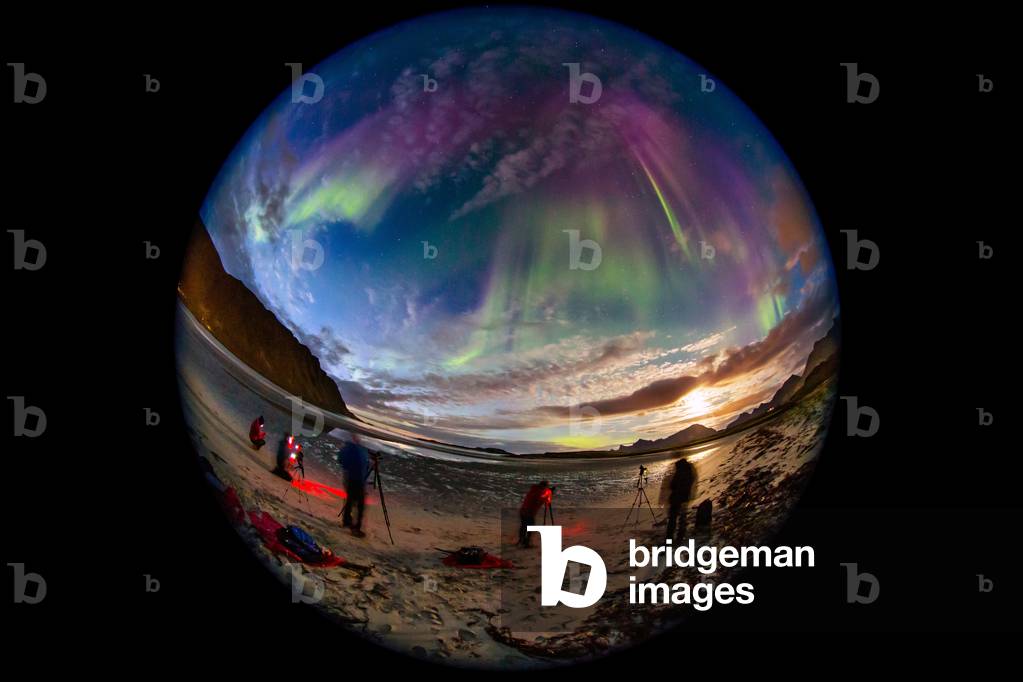
PIX4633623: Aurore boreale and photographers - Norway - Aurora borealis and photographers - Norway / Bridgeman Images

PIX4633631: Aurore boreale and photographers - Norway - Aurora borealis and photographers - Norway / Bridgeman Images

PIX4676752: Stromboli volcano eruption - Stromboli eruption - Stromboli volcano eruption. 7 May 2009. Strombolian eruption. May 7, 2009 / Bridgeman Images

PIX4633680: Watching an Aurora boreale - Norway - Watching an Aurora borealis - Norway / Bridgeman Images

PIX4676775: Stromboli volcano eruption - Stromboli eruption - Stromboli volcano and Full Moon. May 7, 2009. Ash and Strombolian eruptions in morning dawn with full Moon. May 7, 2009 / Bridgeman Images

PIX4633868: Aurore boreale au clair de Lune - Norway - Aurora borealis with Moonlight - Norway - Aurore boreale a Lofoten, Norway. 21 March 2016 / Bridgeman Images

PIX4677032: Eruption of the volcano Semeru night view - Semeru volcano at night - Eruption of the volcano Semeru in June 2008 night view. This explosive active volcano is 3676 metres from the highest point of the island of Java in Indonesia. It's a stratovolcano located on the Pacific belt of fire. Volcanic eruption of Semeru seen at night in june 2008. This active volcano is located in Indonesia on the Pacific Ring of fire. With an elevation of 3676 meters, this stratovolcano is the tallest mountain on the island of Java / Bridgeman Images

PIX4635895: Most of the area of the southern Milky Way covered by this picture never sets for those of us who live at southern latitudes south on -30 degrees. The main constellations here are Centaurus, Crux and Carina, containing some of the most interesting, beautiful and bizzare astronomical objects, including the nearest stars. Alpha Centauri is at lower left and with its companion, beta points (more or less) to the Southern Cross, which in turn lies alongside the Coalsack, one of the nearest dust clouds. Further along the Milky Way is the astonishing Carina nebula, which is home to eta Carinae, probably the most massive star known, and a prime candidate for the next Galactic supernova. It is in Carina that the Sagittarius arm of our galaxy curves sharply away from us, so we see deep into a rich star-forming region.: The Lactee Way from Centaur to Carene - Souther Milky Way form Centaurus to Carina / Bridgeman Images

TEC4635954: University of Law on Chicago University Campus, between Blackstone and Cottage Grove Avenues and East 55th and East 60th Streets in Chicago, USA. Construction 1960, architect Eero Saarinen. Photography 12/04/90. / Bridgeman Images

PIX4662477: Sarcosuchus & crocodiles compared - The Sarcosuchus or Sarcosuchus imperator was a reptile of the order of crocodilians that was between 11 and 14 metres long and weighed nearly 10 tonnes. He lived about 110 million years ago in the cretace. It was one of the biggest crocodiles that existed on Earth. It is here compared to a Crocodylus porosus, on the left, and a Gavialis gangeticus, on the right. An adult crocodyliform reptile of the genus Sarcosuchus from 110 million years ago is compared to a modern saltwater crocodile (Crocodylus porosus) on the left and a modern gharial (Gavialis gangeticus) on the right. The Sarcosuchus is about 40 feet long and weighs 10 tons* while the saltwater crocodile is 20 feet long and weighs 2 tons and the gharial is 20 feet long and weighs about 350 pounds The saltwater crocodile is currently the largest of all living reptiles, as well as the largest terrestrial and riparian predator in the world, while the gharial, aka fish-eating crocodile, is the long-living and most aquatic of all modern crocodiles. Both modern crocodiles have been extant in their current forms for about 50 million years, though sadly the gharial is critically endangered with less than 300 known living individuals today. / Bridgeman Images

PIX4662619: Caudipteryx and Peacock -Comparison - Caudipteryx and peacock compared - Caudipteryx compares a current peacock (Pavo cristatus). Caudipteryx is an extended genus of theropod dinosaur in the oviraptorosaur family. Maybe Caudipteryx was omnivorous. He lived 100 to 130 million years ago. It was two metres long, 60 centimetres high and a weight of 15 kilograms. An adult theropod dinosaur of the genus Caudipteryx from 125 million years ago is compared to a modern adult peacock (Pavo cristatus). Both the Caudipteryx and peacock are about 30 inches tall.* Values are estimates only based upon available paleontological data / Bridgeman Images

PIX4662738: Ouranosaurus - View of an Ouranosaurus nigeriensis, a dinosaur of the Order of Ornithisdogs who lived in Africa 110 million years ago in Cretace. Ouranosaurus nigeriensis was an unusual iguanodont that lived during the early Cretaceous about 110 million years ago in what is now Africa. Ouranosaurus measured about 7 meters long (24 ft) and weighed about 4 tons / Bridgeman Images
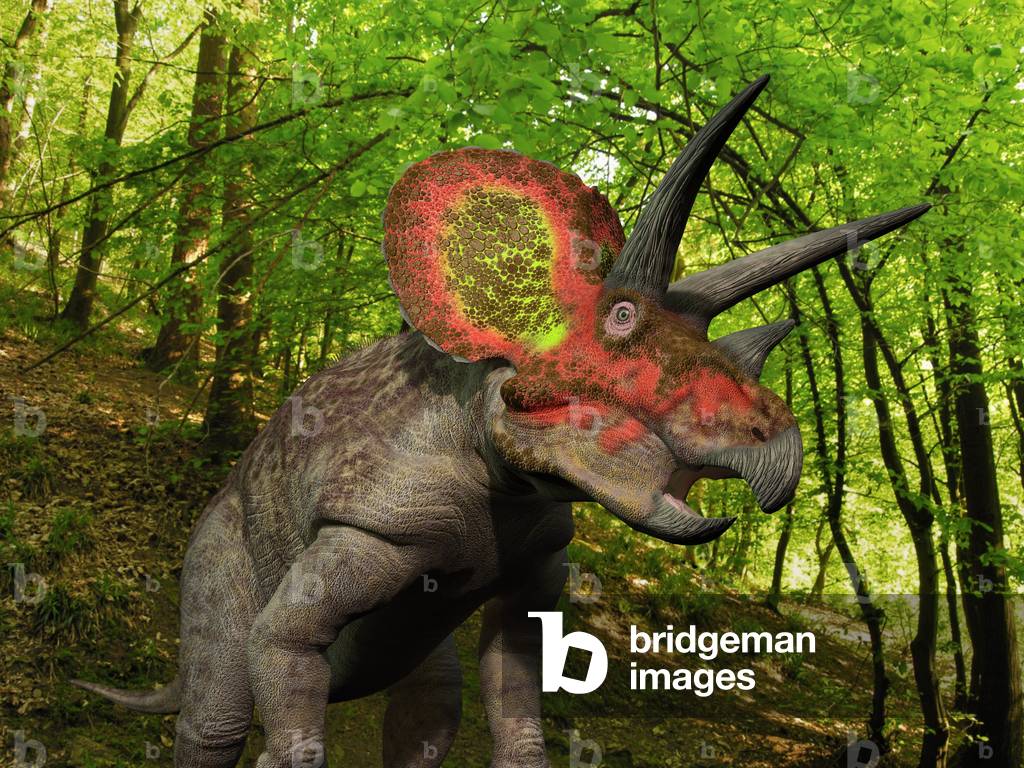
PIX4663044: Colorful Triceratops - A ten ton Triceratops wonders a Cretaceous forest 68 million years ago in what is today the Western United States / Bridgeman Images

LBY4631481: Mumbai, in Bombay, India. photograph 10/10/07. / Bridgeman Images

LBY4631490: Mumbai (Bombay) in India. Photography 10/10/07 / Bridgeman Images
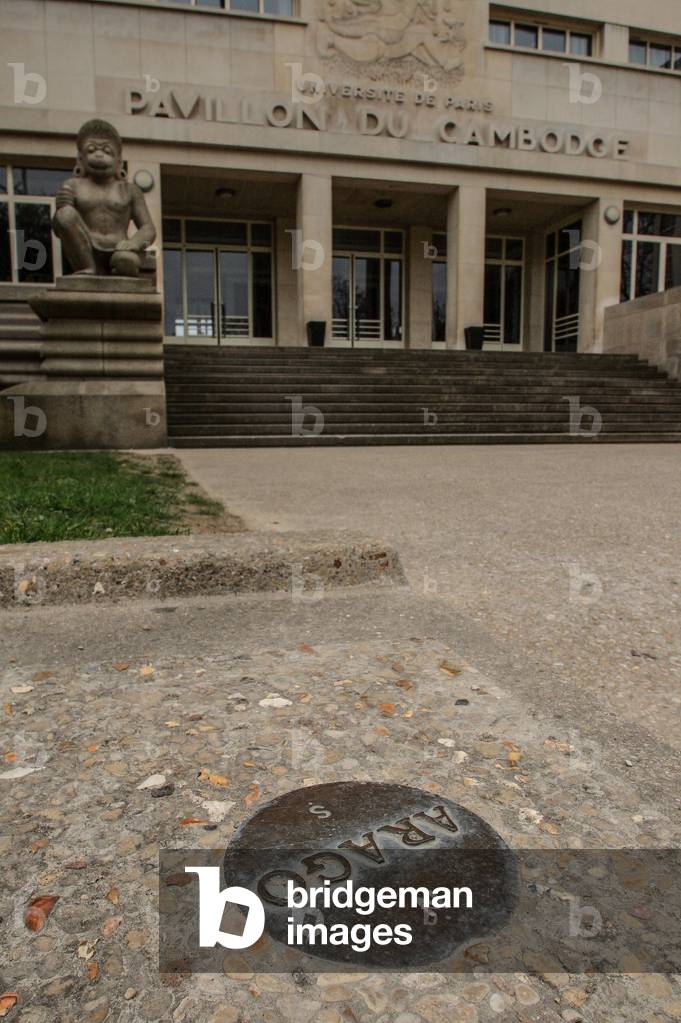
PIX4631516: Medaillon Arago (University Cite) - Arago medallion in Paris: In 1994, to pay tribute to Arago, 135 bronze medallions were encrusted in the ground, thus materializing the Meridian throughout the capital. On each medallion are inscribed the letters N and S, indicating the north and south, as well as the name of the scholar. This monument is the work of Jan Dibbets. One of the 135 bronze medallions into the ground along the Paris Meridian. The medallion is 12 cm in diameter and marked with the name ARAGO plus North and South pointers / Bridgeman Images

PIX4631581: Chateau d'Azay-le-Rideau: Chateau d'Azay-le-Rideau is located in the commune of the same name, in Indre-et-Loire, France. It is one of the chateaux of the Loire. From January 2015 to June 2017 the castle benefited from a restoration project / Bridgeman Images

LBY4631599: Mumbai (Bombay) in India. Photography 10/10/07 / Bridgeman Images

PIX4631619: Chateau d'Azay-le-Rideau: Chateau d'Azay-le-Rideau is located in the commune of the same name, in Indre-et-Loire, France. It is one of the chateaux of the Loire. From January 2015 to June 2017 the castle benefited from a restoration project / Bridgeman Images

PIX4631721: Earth by MSG - 3 - The earth seen by satellite MSG - 3 - La terre vue par le satellite MSG - 3 (Meteosat 10) on 7 August 2012. The earth seen by the Spinning Enhanced Visible and Infrared Imager (SEVIRI) instrument on MSG-3 satellite. It is the first image of the Earth taken by this satellite on August 7, 2012. Europe's latest geostationary weather satellite was launched on 5 July 2012 / Bridgeman Images

PIX4631798: Earth: South pole by satellite - Image of the Earth recomposed from different satellite images obtained by Terra and Aqua satellites on 21 September 2005 for the southern pole (the extent of the ice is at its maximum), in 2002 for the cloud cover and in September 2004 for vegetation / Bridgeman Images
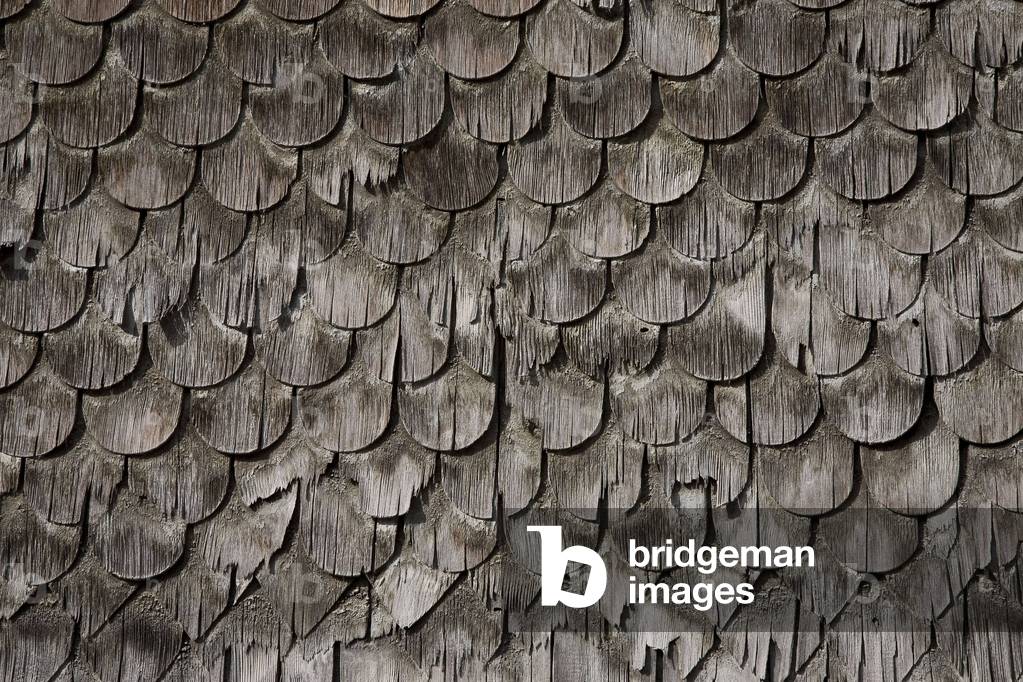
LBY4631907: Vals in Switzerland. / Bridgeman Images

PIX4632019: Earth seen by satellite GOES-16 - Earth from satellite GOES-16: Image of the Earth obtained by satellite GOES-16 on 15 January 2017. NASA GOES 16 satellite image showing earth on January 15, 2017 / Bridgeman Images

PIX4632434: Night Earth - The Americas at night by satellite. 1995 / Bridgeman Images
