2491425 Search Results

MPX5150683: The Rolling Stones at Hemisfair Plaza Arena & Convention Centre, San Antonio, Texas. 4th June 1975 / Bridgeman Images

MPX5150695: Richard Burton and his wife Susie at London Airport. December 1976 / Bridgeman Images

MPX5150701: Liz Taylor and Richard Burton attending the film city festival, October 1970 / Bridgeman Images
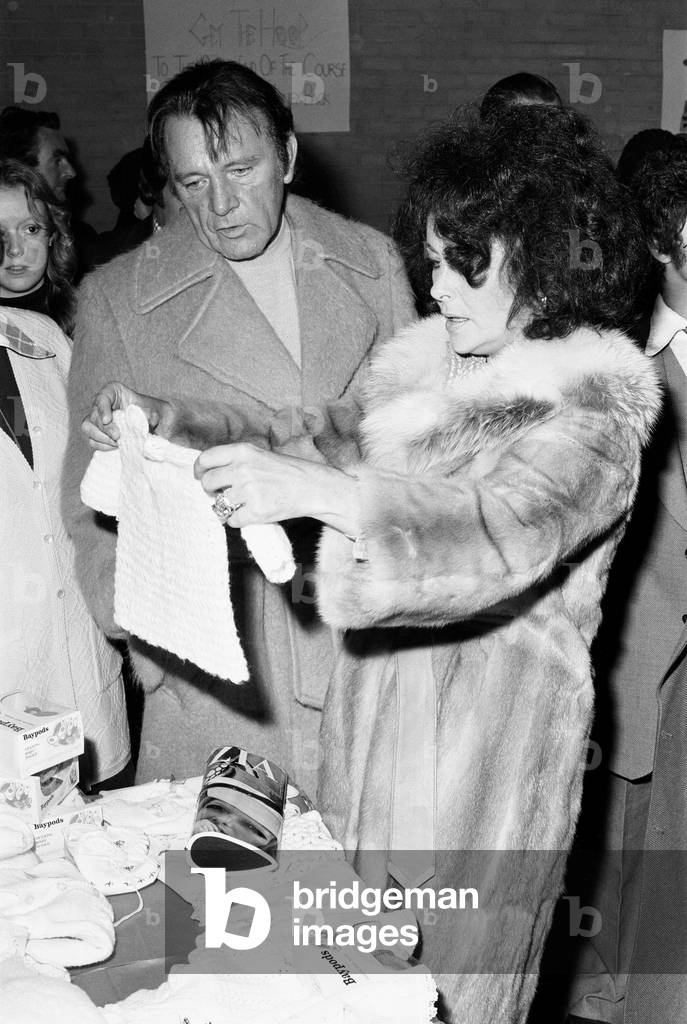
MPX5150734: Richard Burton and Elizabeth Taylor, November 1975 / Bridgeman Images
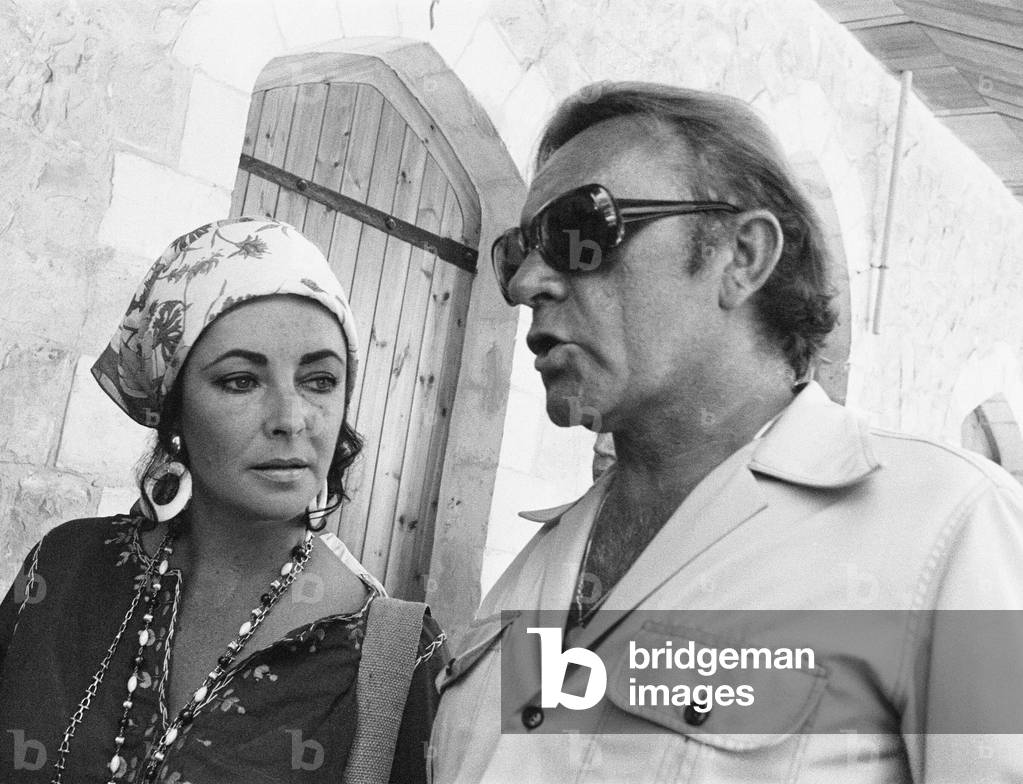
MPX5150737: Richard Burton & Elizabeth Taylor in Jerusalem, Israel 30th August 1975. The couple, who divorced 14 months ago, have been together 2 weeks & plan to remarry again. / Bridgeman Images

MPX5150746: Richard Burton visiting Merton College, Oxford, to discuss the production of 'Mr Faustas'. OPS Burton with students in the Appollo pub in Oxford going through some of the script. 5th February 1966. / Bridgeman Images

MPX5150758: Richard Burton and Elizabeth Taylor in Oxford, February 1966 / Bridgeman Images

MPX5150761: Richard Burton visiting Merton College, Oxford, to discuss the production of 'Mr Faustas'. OPS Burton getting into his Rolls Royce. 5th February 1966. / Bridgeman Images

MPX5150764: Richard Burton's family at home with a picture of him and Elizabeth Taylor on the wall behind them. 4th July 1970. / Bridgeman Images

MPX5150773: Richard Burton visiting Merton College, Oxford, to discuss the production of 'Mr Faustas'. 1st February 1966. / Bridgeman Images

MPX5150791: Keith Richards, May 1967 / Bridgeman Images

MPX5150794: Frank Ifield, c.1962 / Bridgeman Images

MPX5150806: Mick Jagger and Keith Richard of The Rolling Stones performing during the band's concert at St James park, Newcastle. 25th June 1982. / Bridgeman Images

MPX5150818: The Rolling Stones on Broadway. l-r Mick Jagger, Keith Richards, Charlie Watts, Brian Jones and Bill Wyman. 2nd June 1964. / Bridgeman Images

MPX5150851: The Rolling Stones at Longleat, home of Lord Bath. Keith Richards and Mick Jagger on stage asmembers of the St Johns Ambulance help a fainting fan. 2nd August 1964. / Bridgeman Images

MPX5150863: The Rolling Stones, September 1964 / Bridgeman Images

MPX5150881: The Rolling Stones at The Tower Ballroom, New Brighton. Brian Jones, Bill Wyman, Keith Richards, Mick Jagger 10th August 1964. Watched by Jimmy Saville to the left, off stage. / Bridgeman Images

MPX5150887: Frank Sinatra (Right) and tenor Luciano Pavarotti (Centre) seen here after performing on stage at Radio City in New York 31st January 1982 / Bridgeman Images
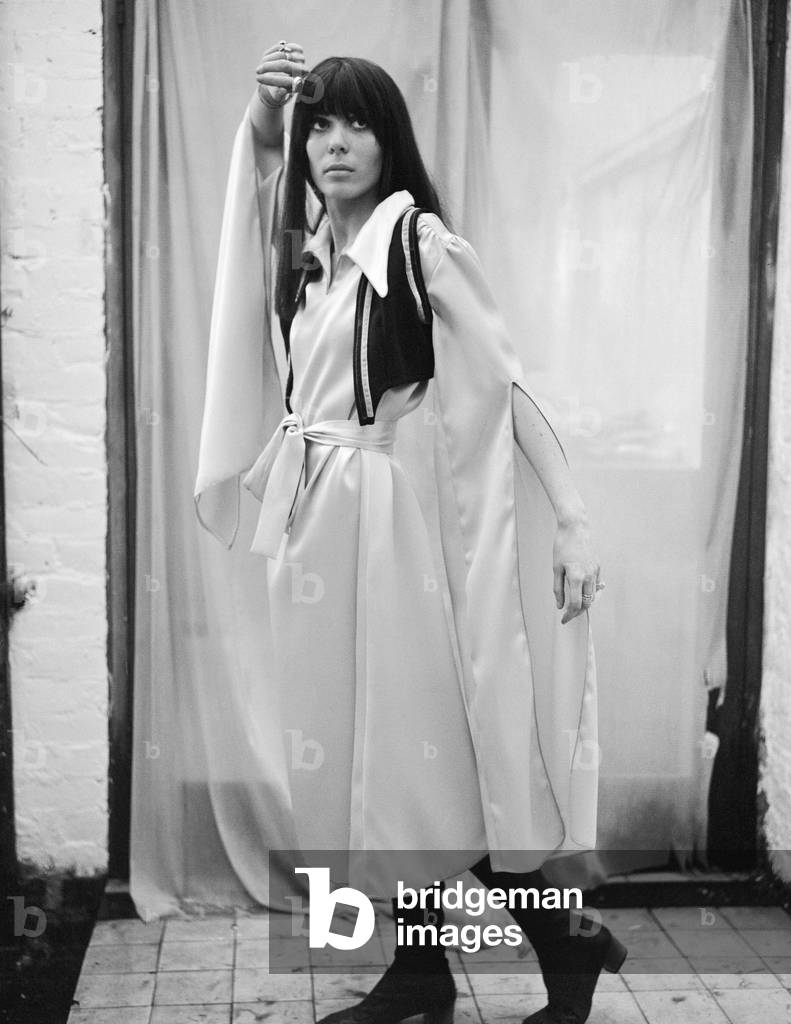
MPX5151204: Suki Poitier, girlfriend Brian Jones of The Rolling Stones modelling 'Malwyn', a dress by designer Ossie Clark. 18th January 1968. / Bridgeman Images
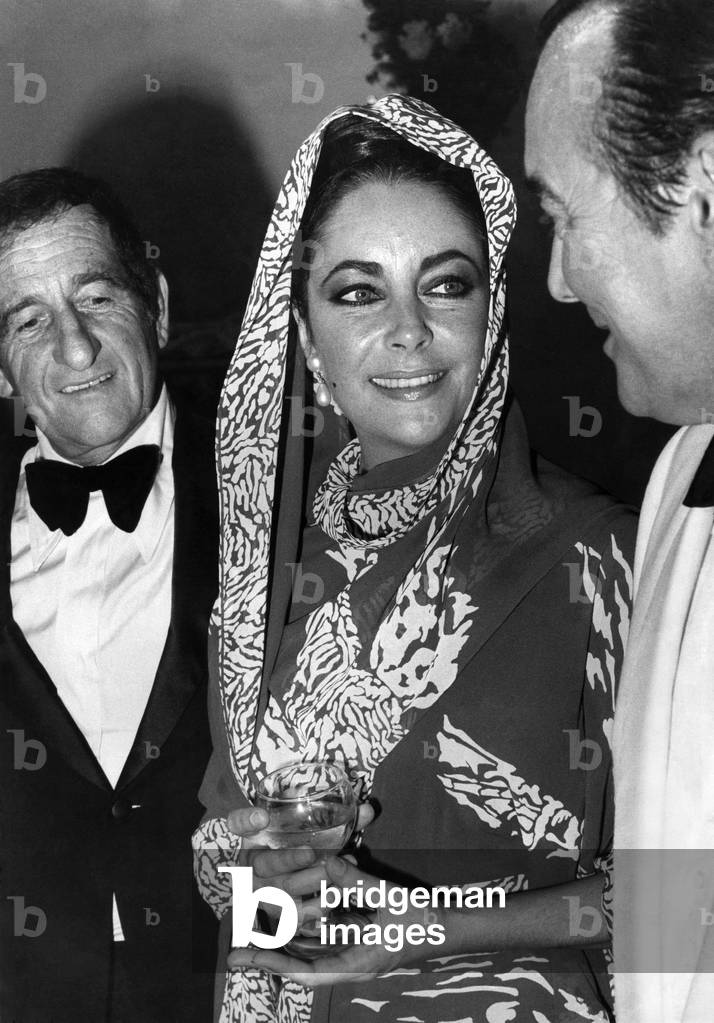
MPX5151217: Elizabeth Taylor flew into San Sabastian in her private jet to open the film festival this weekend. Liz Taylor wearing evening dress at the festival. September 1973 / Bridgeman Images
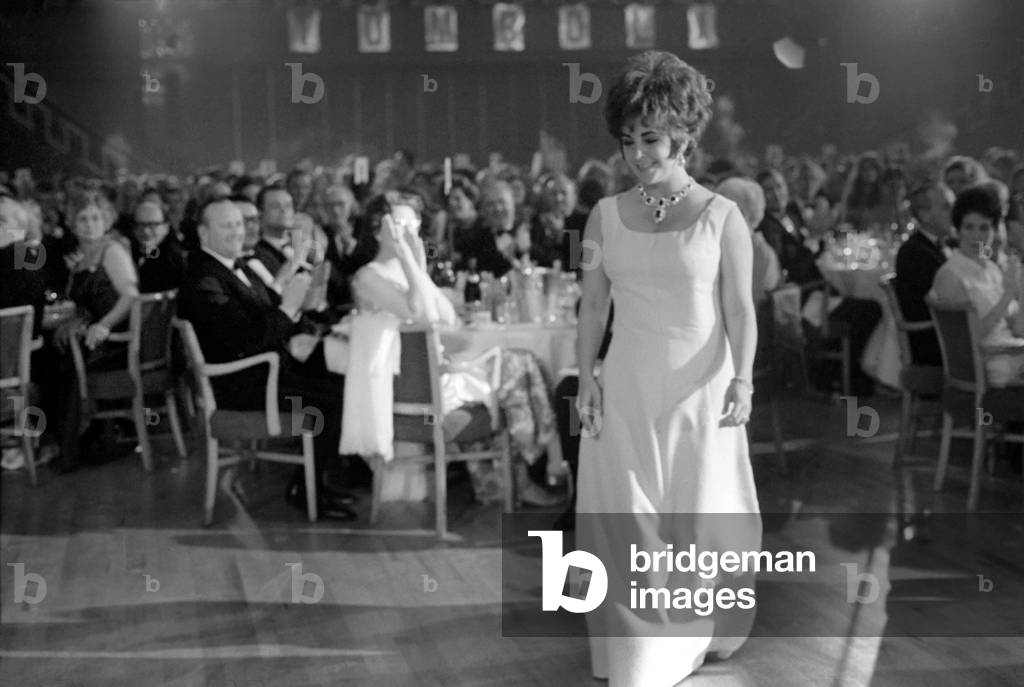
MPX5151220: Richard Burton and Elizabeth Taylor seen here receiving awards from Lord Mountbatten. April 1967 / Bridgeman Images
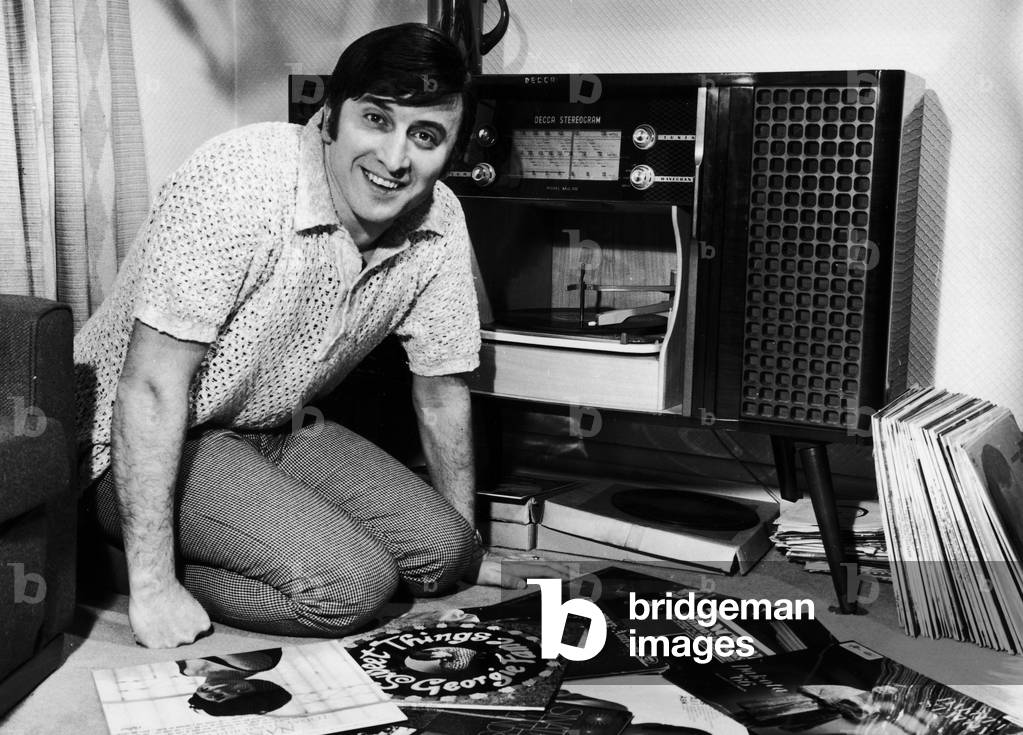
MPX5151232: Singer Vince Hill seen here looking through his record collection at home. 3rd March 1967 / Bridgeman Images
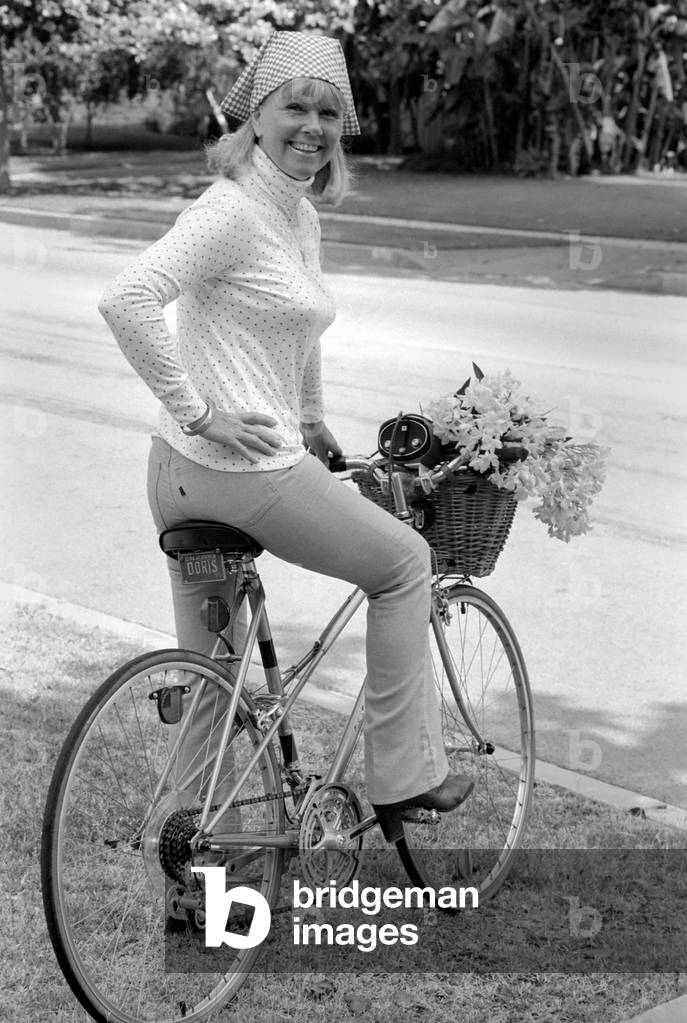
MPX5151279: Doris Day seen holding a bunch of flowers on her bicyle, which she rides every day to keep fit. 26th August 1980. / Bridgeman Images
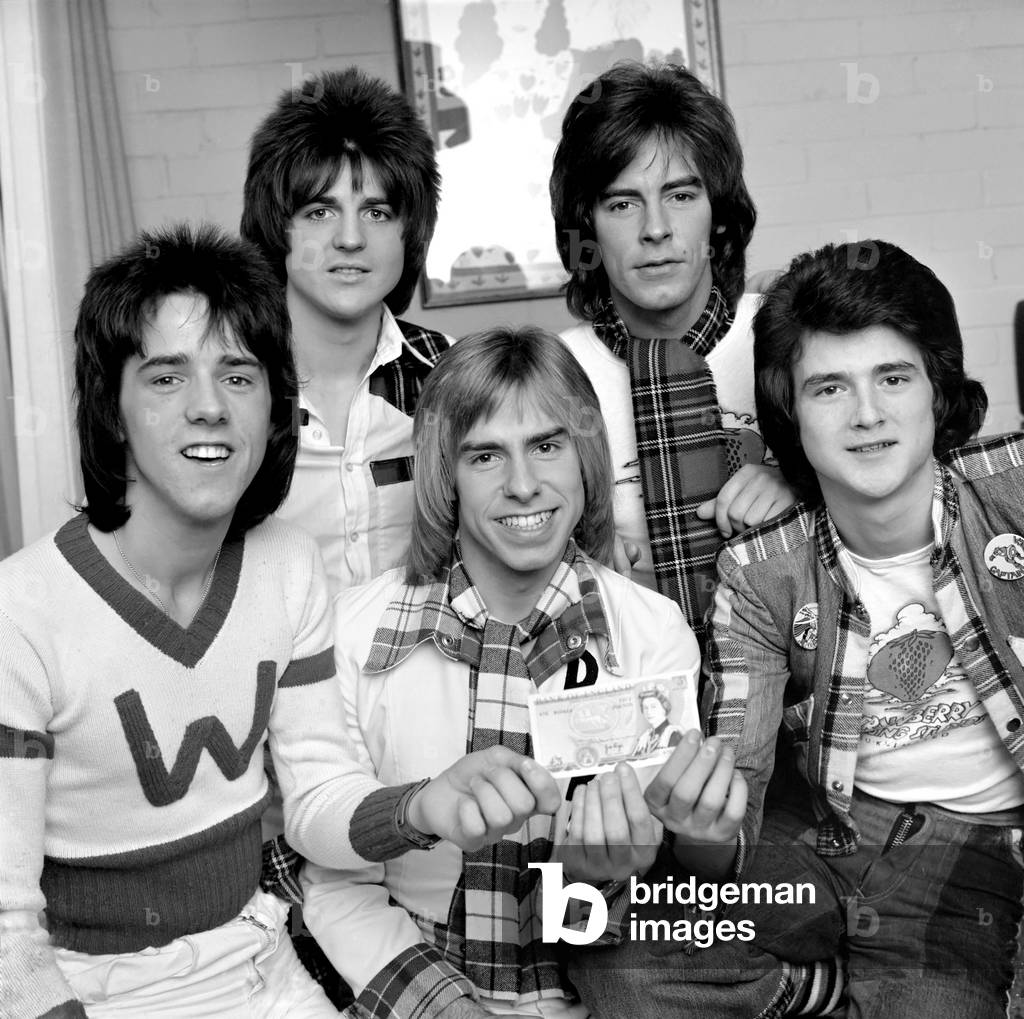
MPX5151285: Bay City Rollers pop group. March 1975 / Bridgeman Images
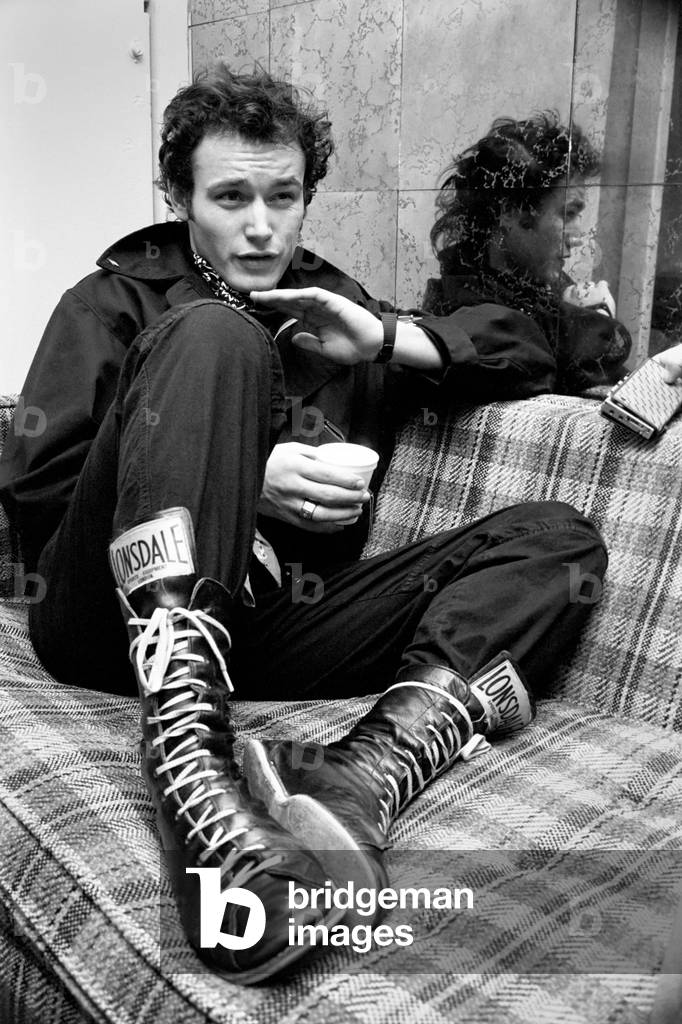
MPX5151291: Adam Ant at The Palladium, Hollywood, Los Angeles, USA. December 1982. / Bridgeman Images
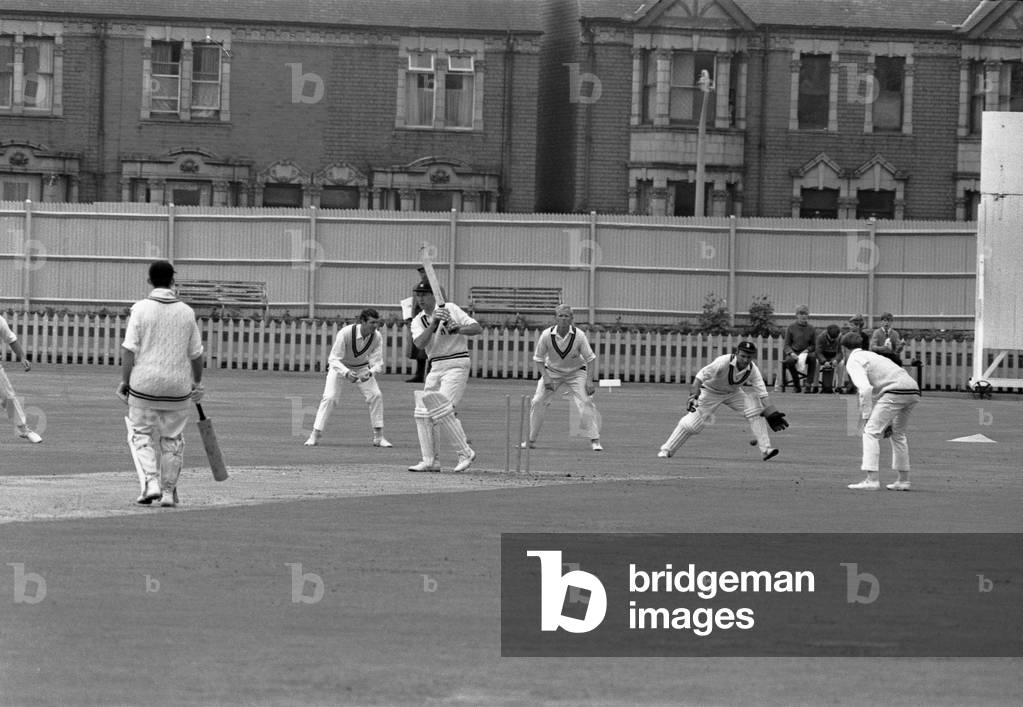
MPX5151247: Courtaulds cricket ground, Lockhurst Lane, Foleshill, Coventry. Warwickshire CCC v Surrey CCC., match action. 16th July 1966 / Bridgeman Images
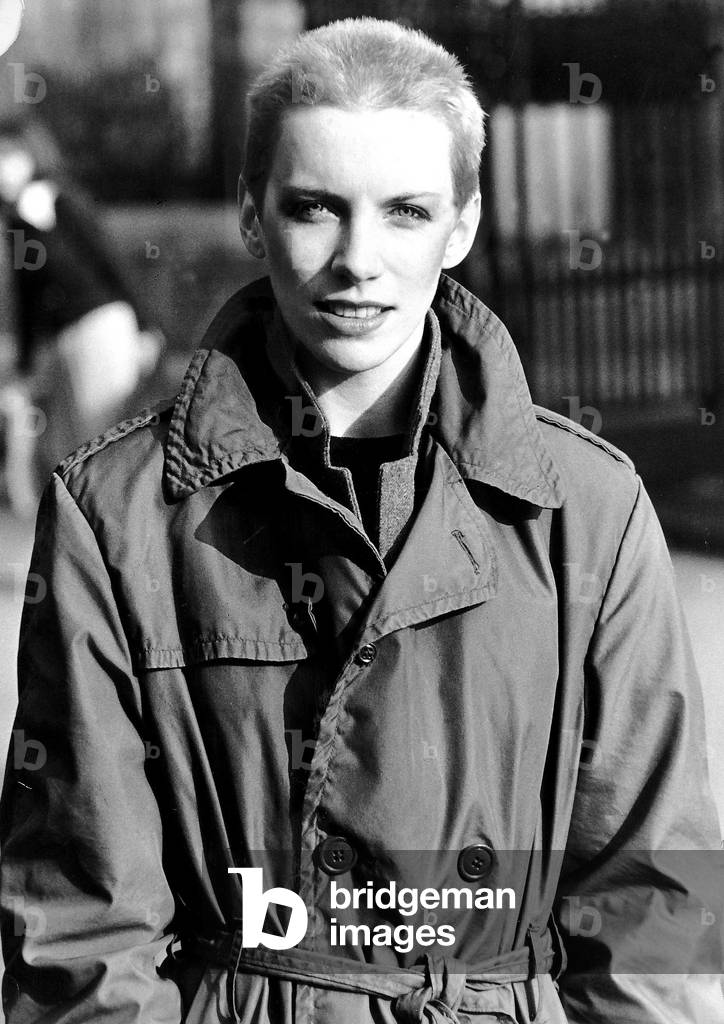
MPX5151339: Annie Lennox, singer of the Eurythmics. 27th March 1983. / Bridgeman Images
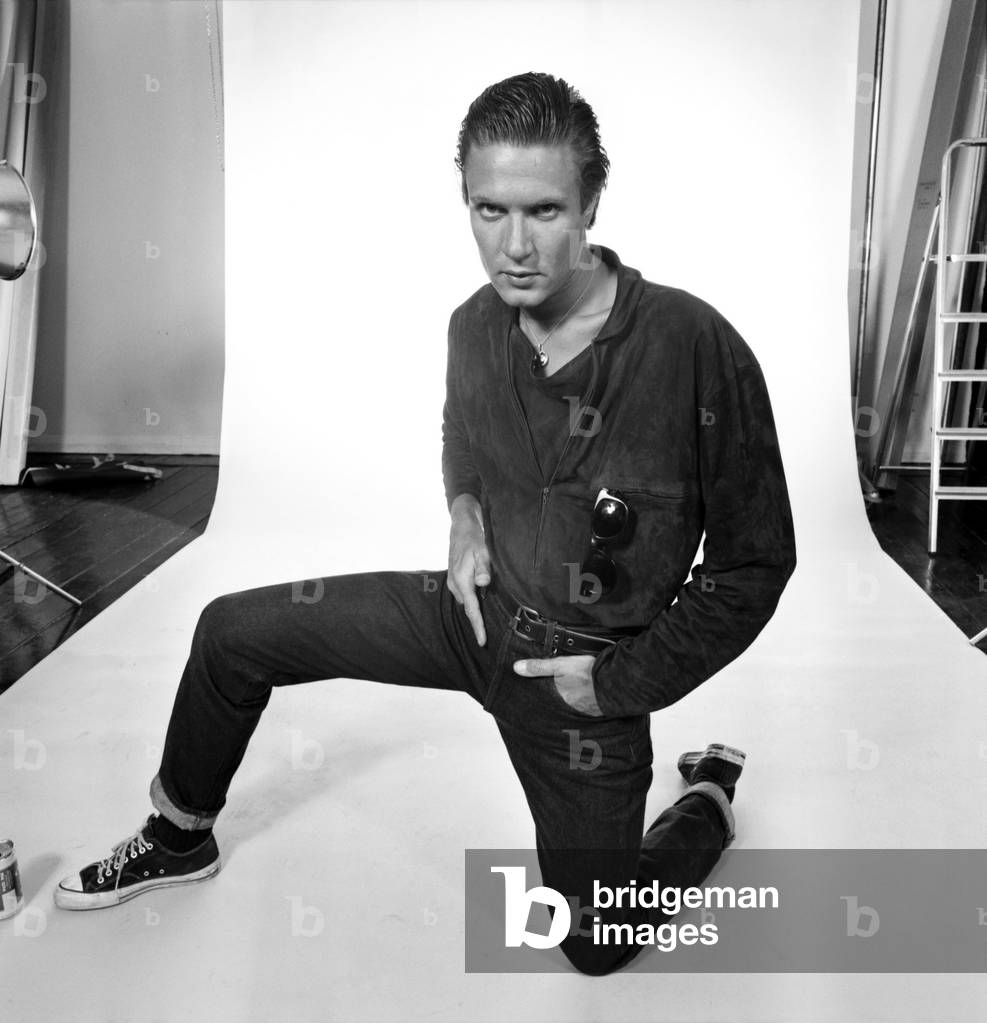
MPX5151274: Duran Duran lead singer Simon Le Bon poses exclusively for the Mirror Rock and Pop Awards. 3rd February 1983. / Bridgeman Images
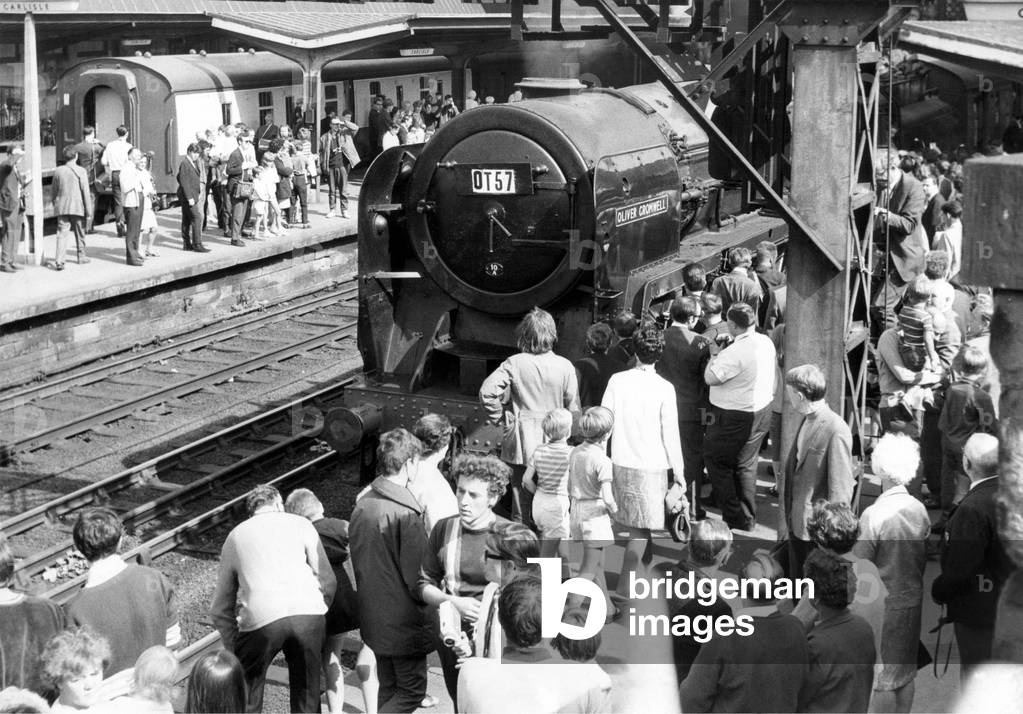
MPX5151396: The Britannia class locomotive Oliver Cromwell which hauled the last steam train into Carlisle on 12th August 1968 / Bridgeman Images
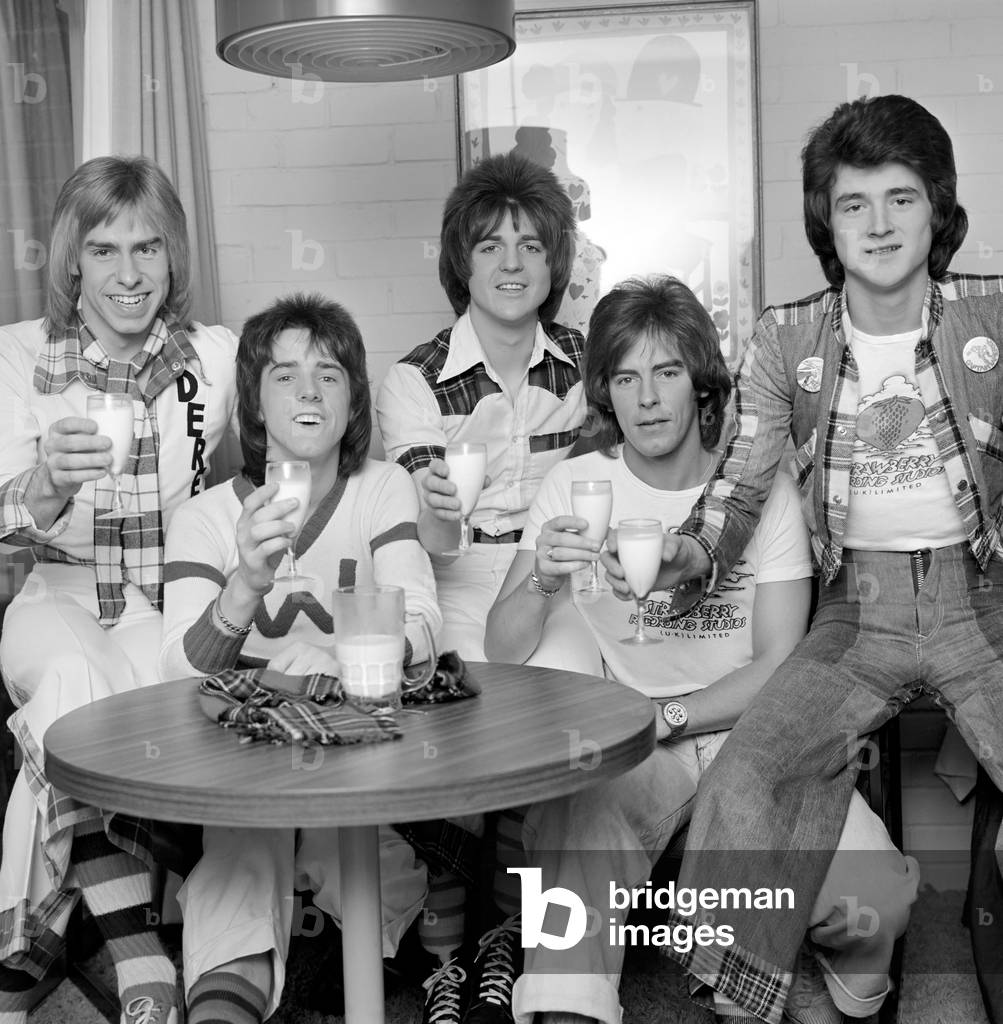
MPX5151286: Bay City Rollers pop group. March 1975 / Bridgeman Images
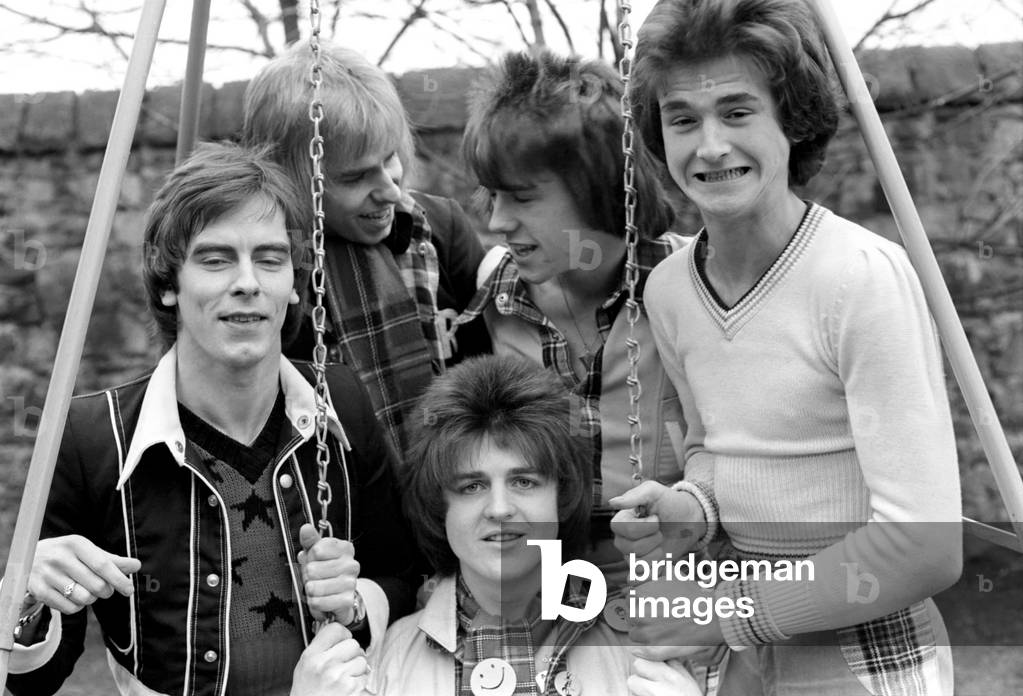
MPX5151298: Bay City Rollers pop group in Edinburgh. February 1975. / Bridgeman Images
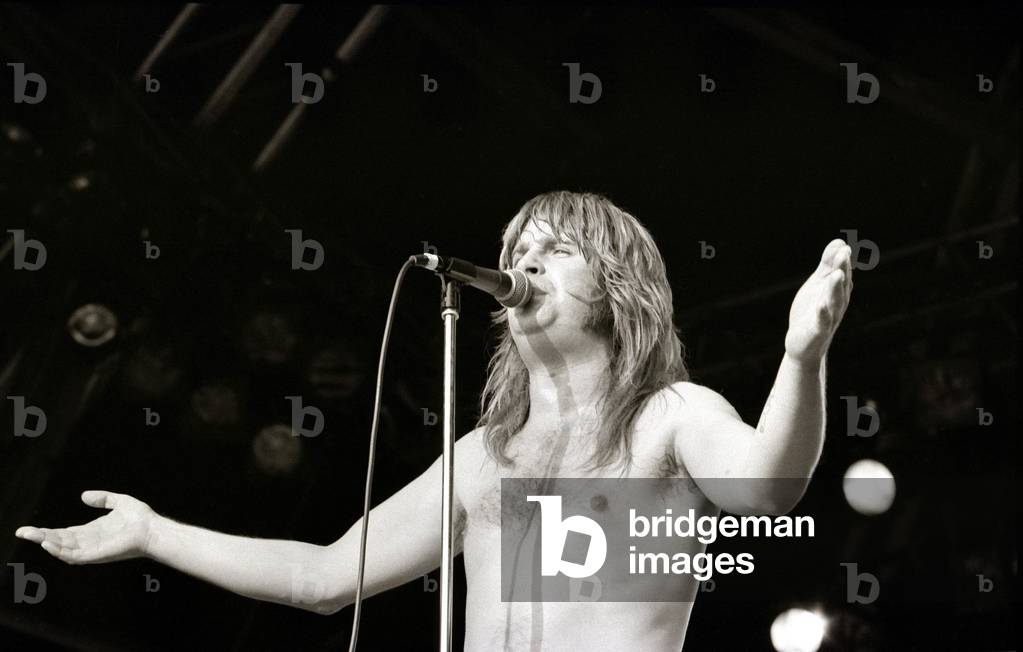
MPX5151307: Ozzy Osbourne performing on stage during a concert 3rd August 1981. / Bridgeman Images
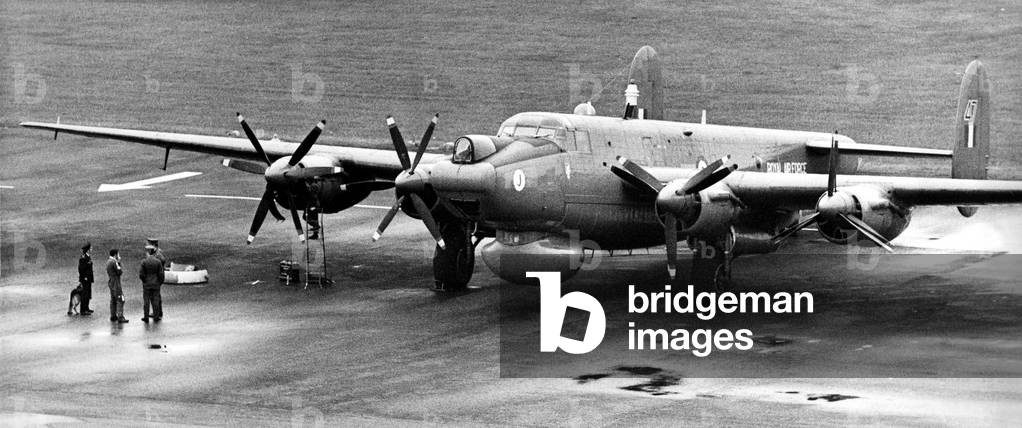
MPX5151462: RAF Avro Shackleton Mk2, 1976 / Bridgeman Images
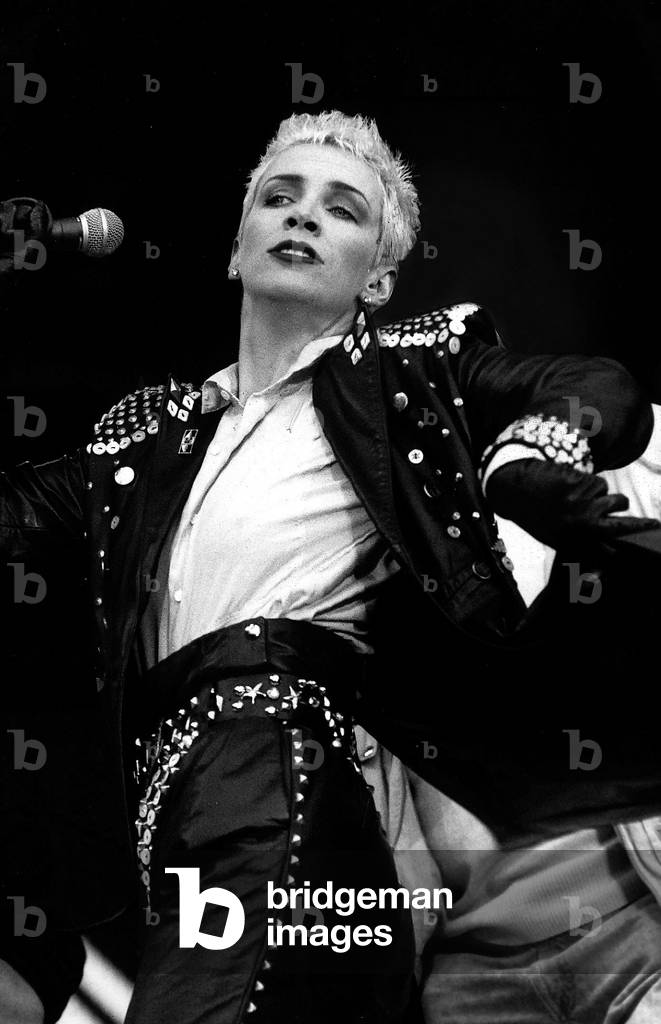
MPX5151340: Scottish singer Annie Lennox of the Eurythmics on stage at the Nelson Mandela benefit concert at Wembley, June 1988. / Bridgeman Images
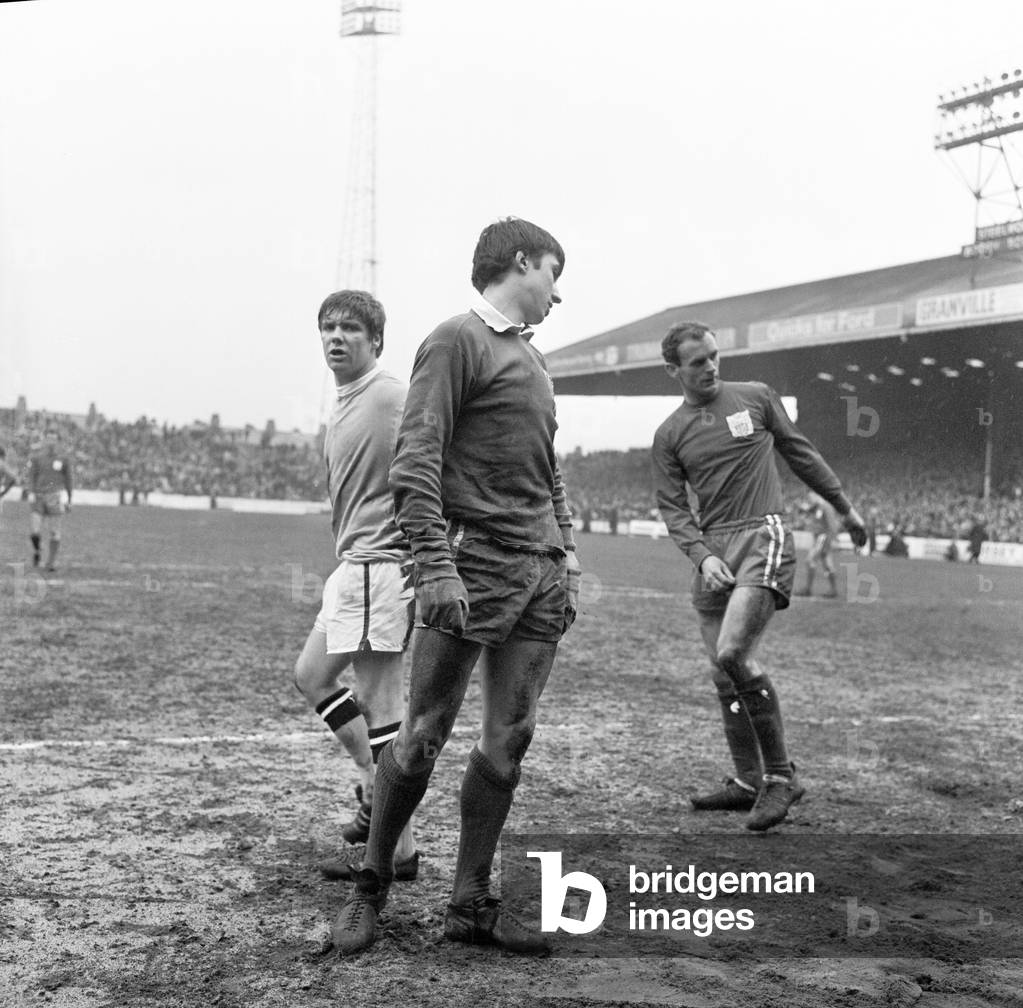
MPX5151355: Manchester City 5 v. Fulham 1. 1968 League Campaign. 16th March 1968 (photo) / Bridgeman Images
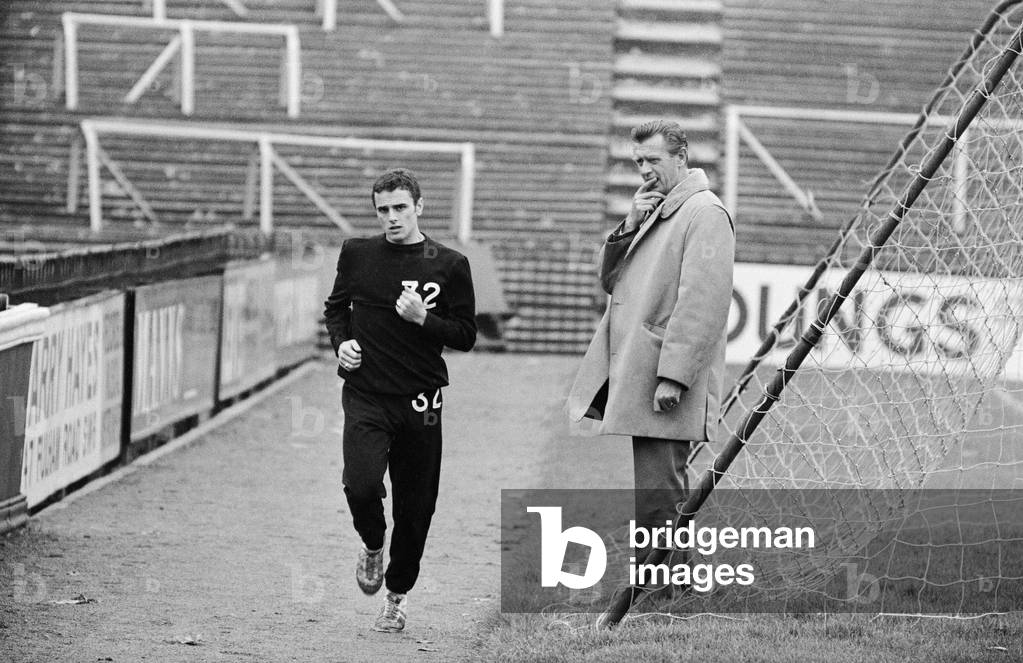
MPX5151367: Fulham manager Vic Buckingham watches Steve Earle doing light training. 14th November 1967 (photo) / Bridgeman Images
