2491376 Search Results
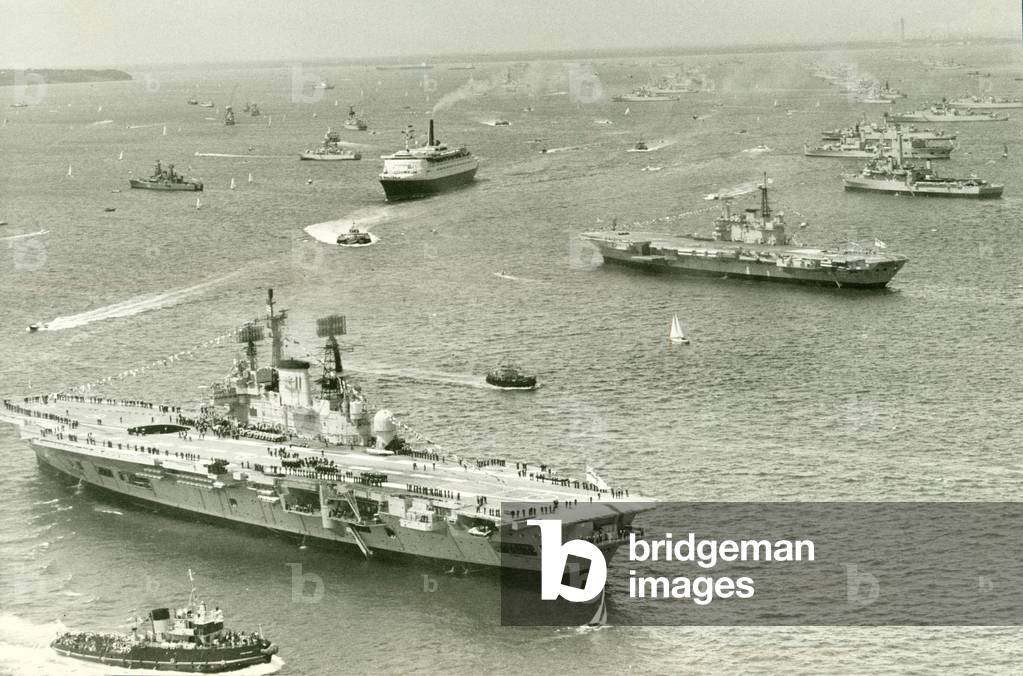
MPX5138073: The Cunard liner QEII cruises through the fleet of Royal Navy ships gather at Spithead for the Queens silver jubilee review In the foreground the Aircraft Carriers HMS Ark Royal and HMS Hermes. June 1977 (photo) / Bridgeman Images
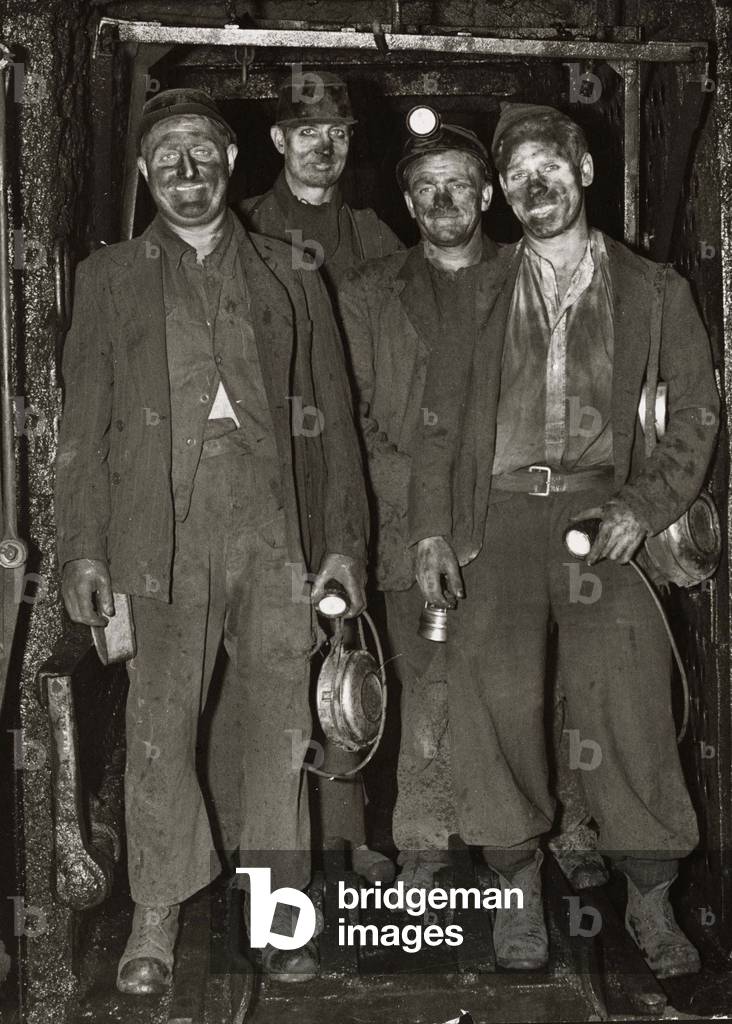
MPX5138079: Coal Miners return to the surface after a hard day digging for coal in the mines April 1951 (b/w photo) / Bridgeman Images
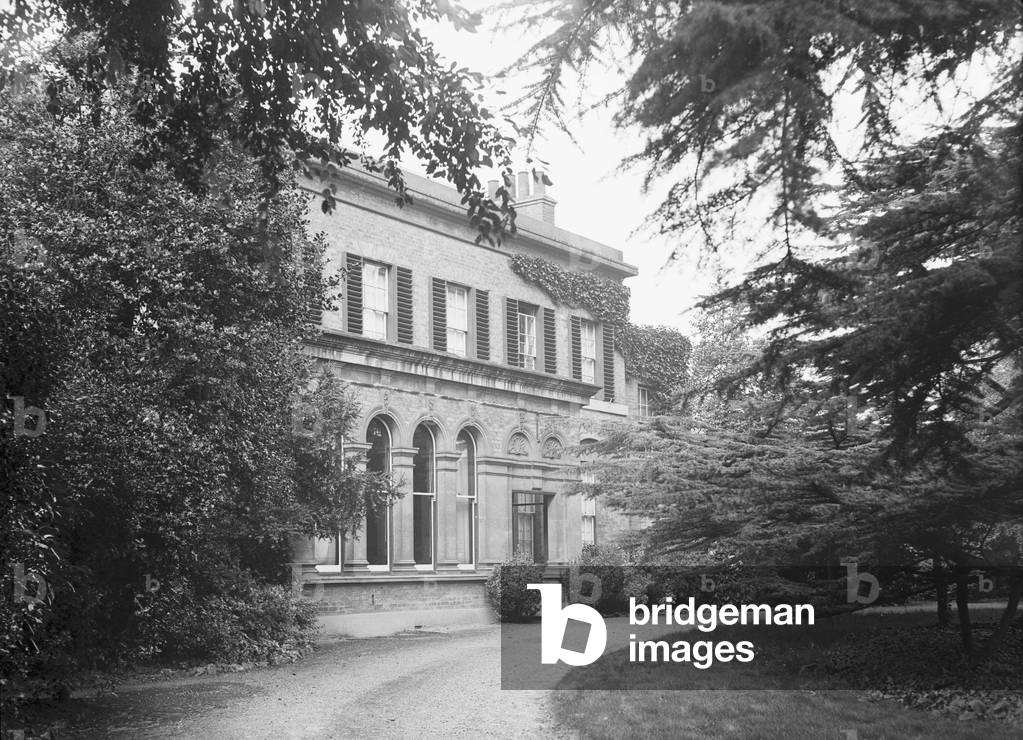
MPX5138094: Belmont House Uxbridge, London, c. 1931 (b/w photo) / Bridgeman Images
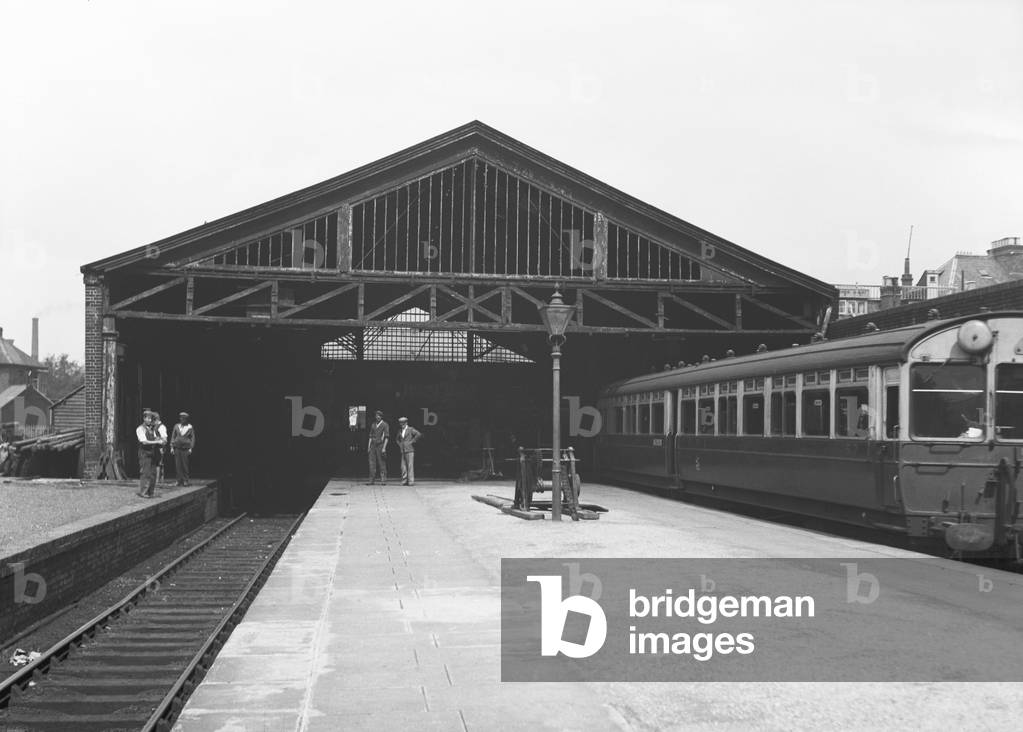
MPX5138100: Vine Street Station in Uxbridge, c. 1931 (b/w photo) / Bridgeman Images
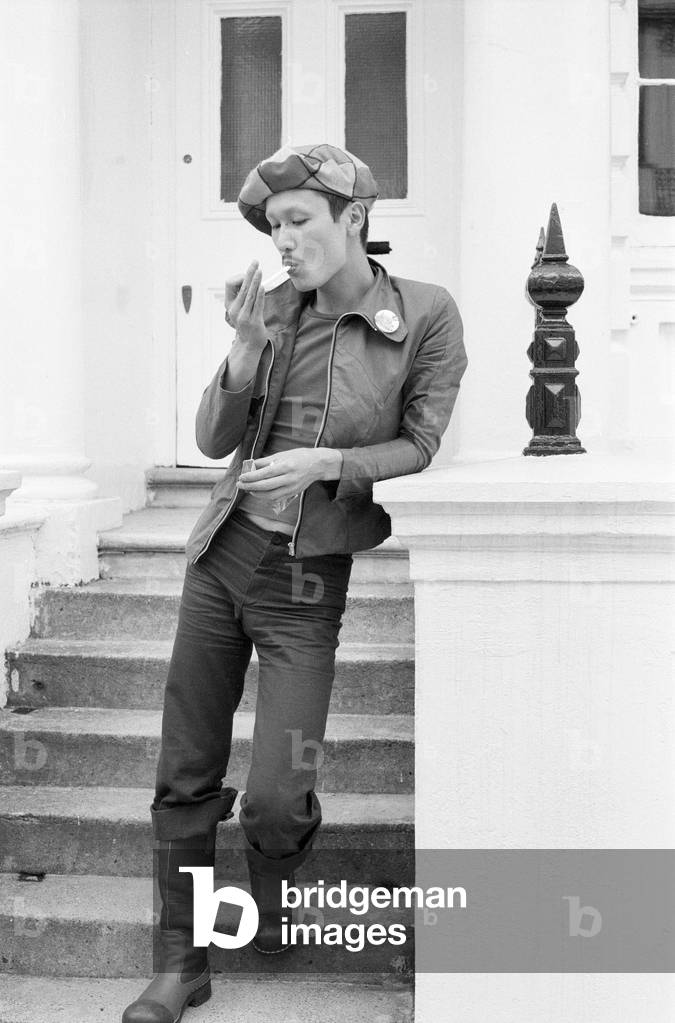
MPX5138127: Kansai Yamamoto, Fashion Designer, The Portobello Hotel, London, 28th May 1971 (b/w photo) / Bridgeman Images
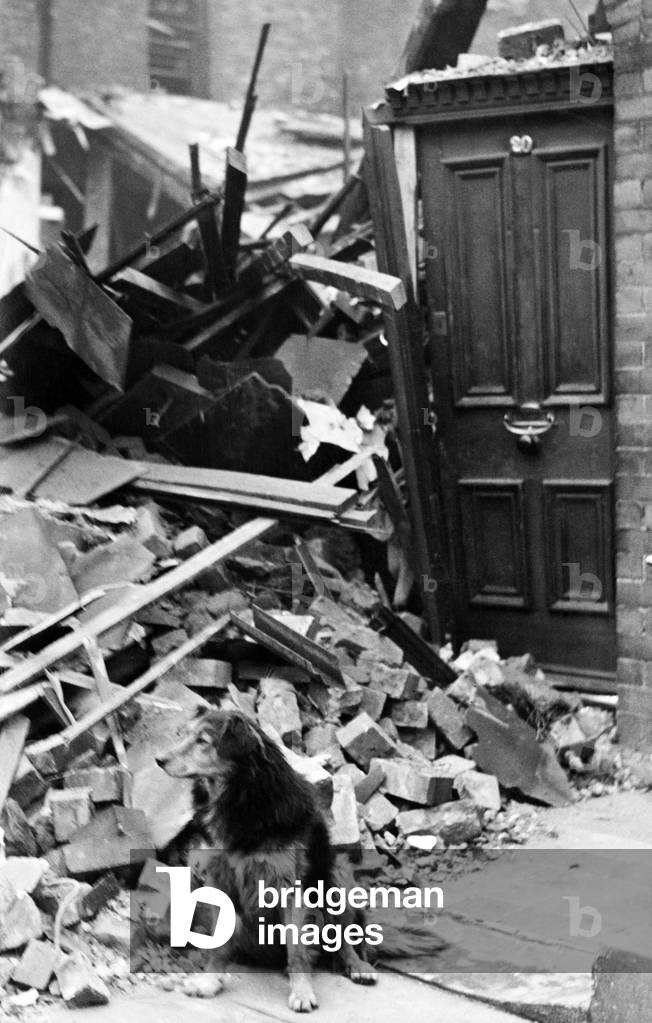
MPX5138154: Bomb damage in Liverpool. Shep, the old dog standing outside the door of his home after it had been demolished by a high explosive bomb during relentless raids on Merseyside. As the house was unoccupied at the time, no one was injured., 25th October 1940 (b/w photo) / Bridgeman Images
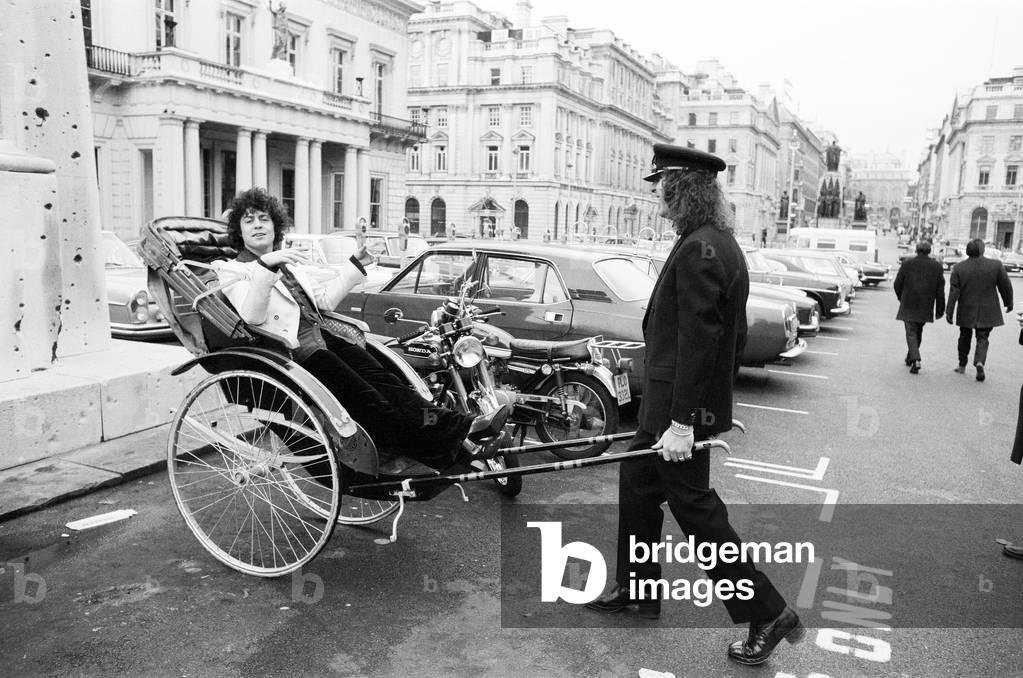
MPX5138172: Singer Marc Bolan in a rickshaw in London. Drawing the rickshaw is Alphie O'Leary, Marc's chauffeur., 12th December 1973 (b/w photo) / Bridgeman Images
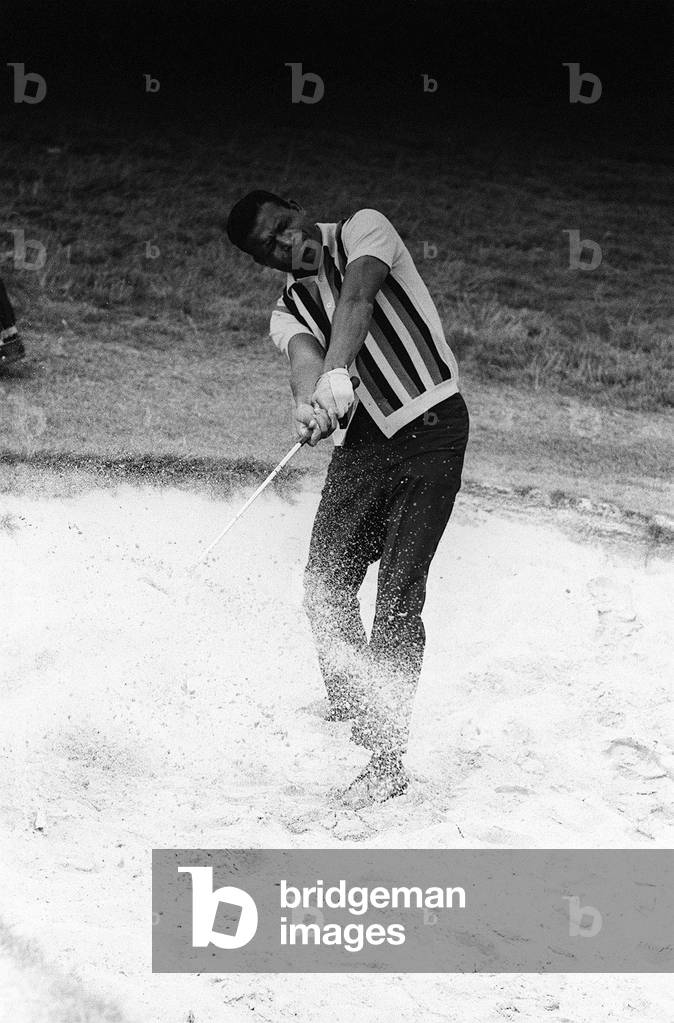
MPX5138190: Boxer Sugar Ray Robinson relaxing with a game of golf trying to get the ball out of the sand bunker Although undoubtedly one of the greatest ever to step into the boxing ring, Sugar Ray Robinson was never quite at home on the golf course, 06/09/1962 (b/w photo) / Bridgeman Images
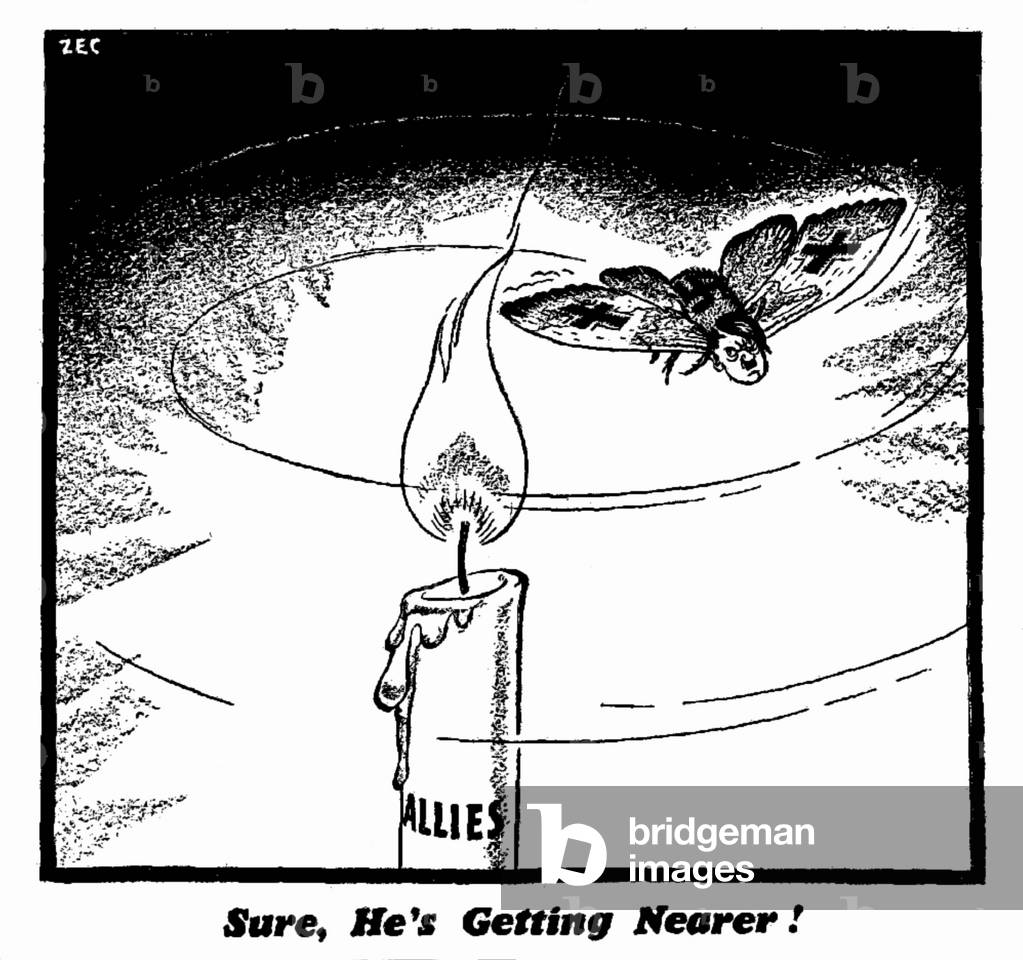
MPX5138196: Sure, He's Getting Nearer! 30th May 1940 (b/w photo), Zec, Philip (1909-1983) / Bridgeman Images
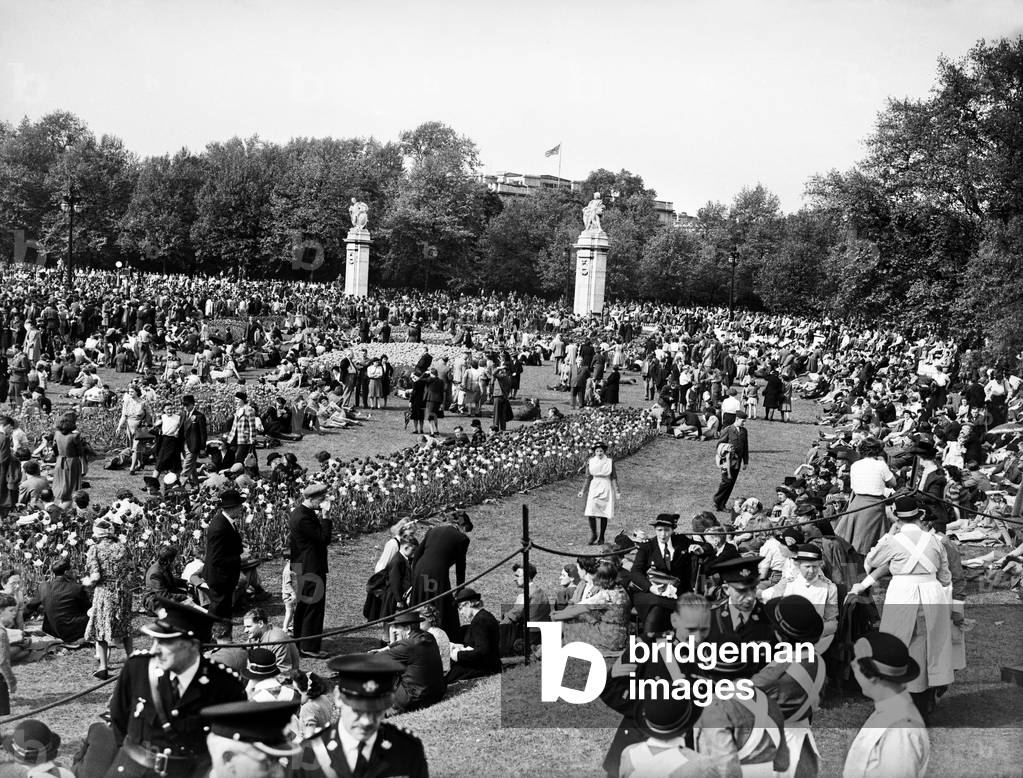
MPX5137939: VE Day celebrations in London at the end of the Second World War. Some of the huge crowd gathered near Canada Gate at Green Park near Buckingham Palace for the celebrations., 8th May 1945 (b/w photo) / Bridgeman Images
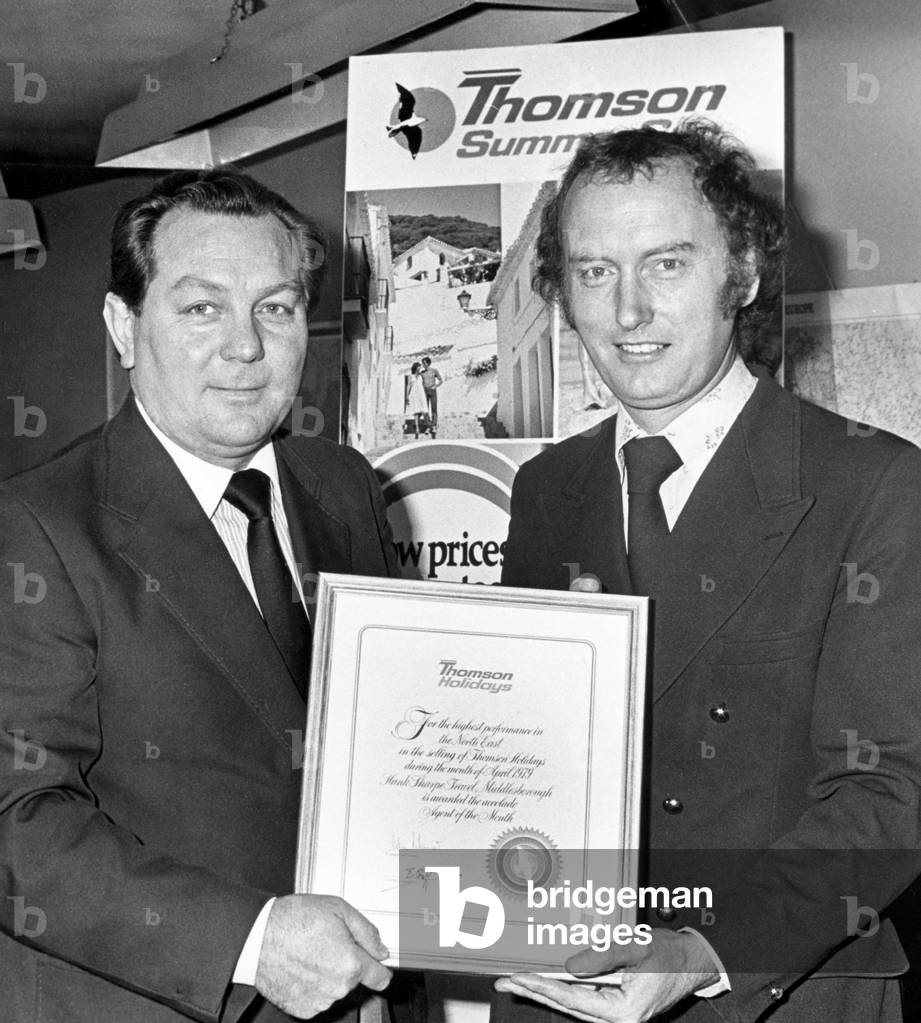
MPX5137948: Hank Sharpe, Travel Agent with Brian Staff, North East General Manager Thomson Holidays, Middlesbrough,, 31st May 1979 (b/w photo) / Bridgeman Images
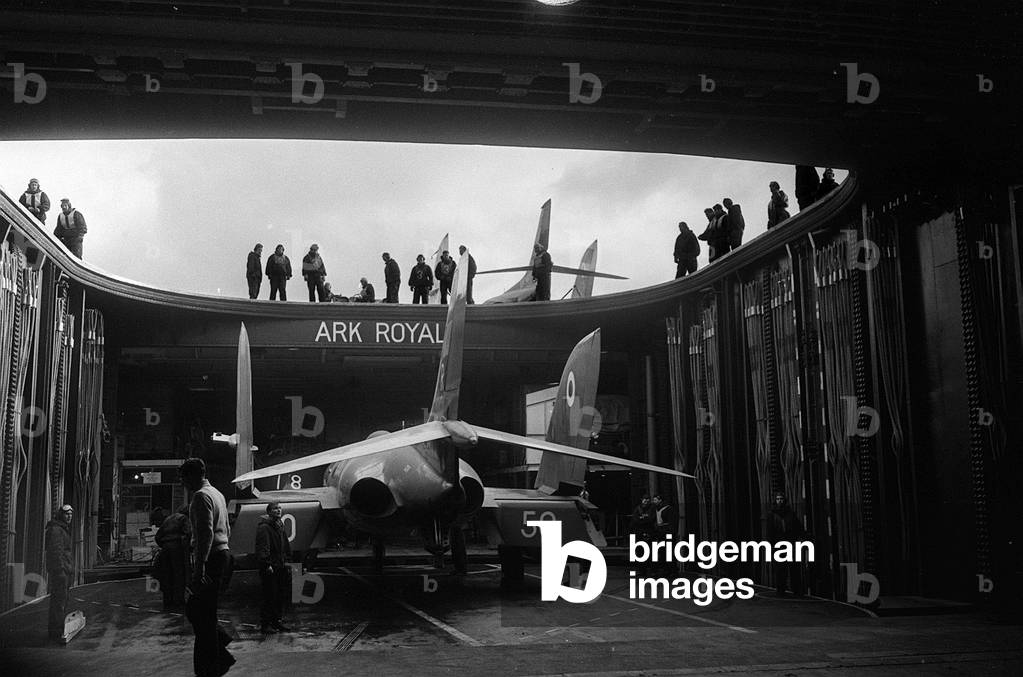
MPX5137954: HMS Ark Royal Aircraft Carrier, March 1965 (b/w photo) / Bridgeman Images
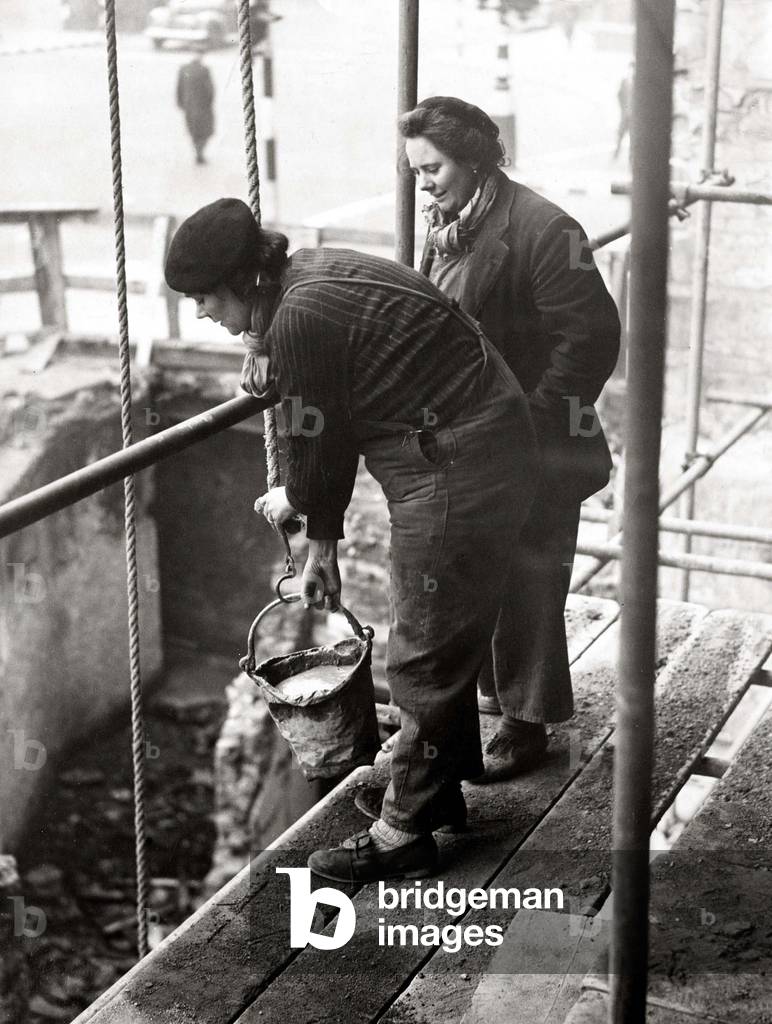
MPX5137963: World War Two. Mrs A Flanagan and Mrs E O' Connor who are working as building labourers on reconstruction work at Ludgate Circus in London January 1943 (b/w photo) / Bridgeman Images
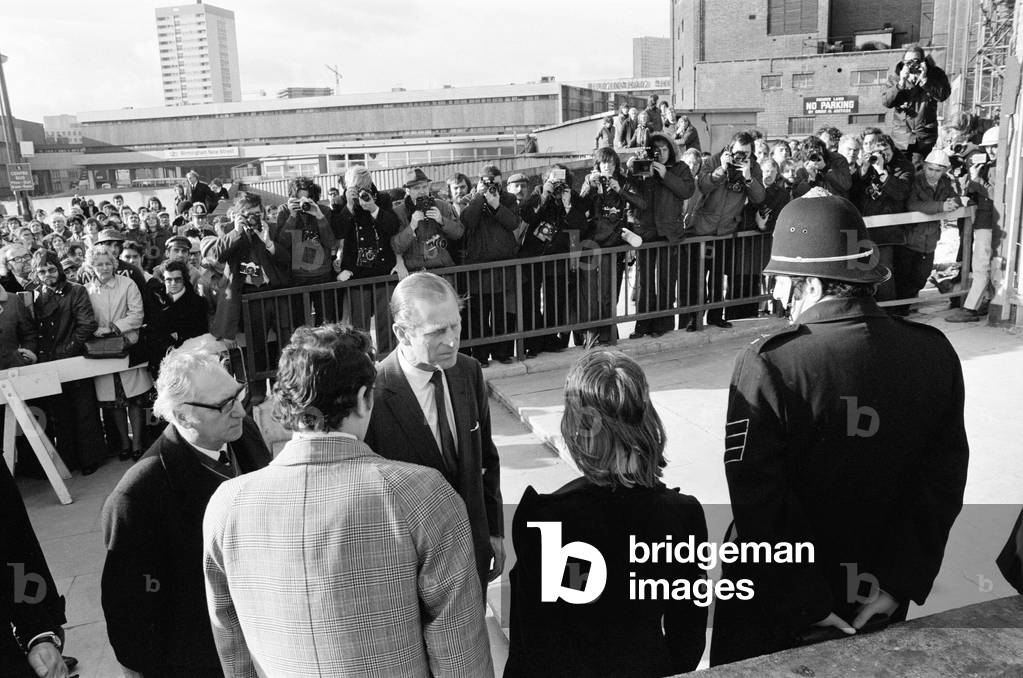
MPX5137990: Prince Philip, Duke of Edinburgh visits the Mulberry Bush pub, one of the scene's of the Birmingham Pub Bombings., 25th November 1974 (b/w photo) / Bridgeman Images
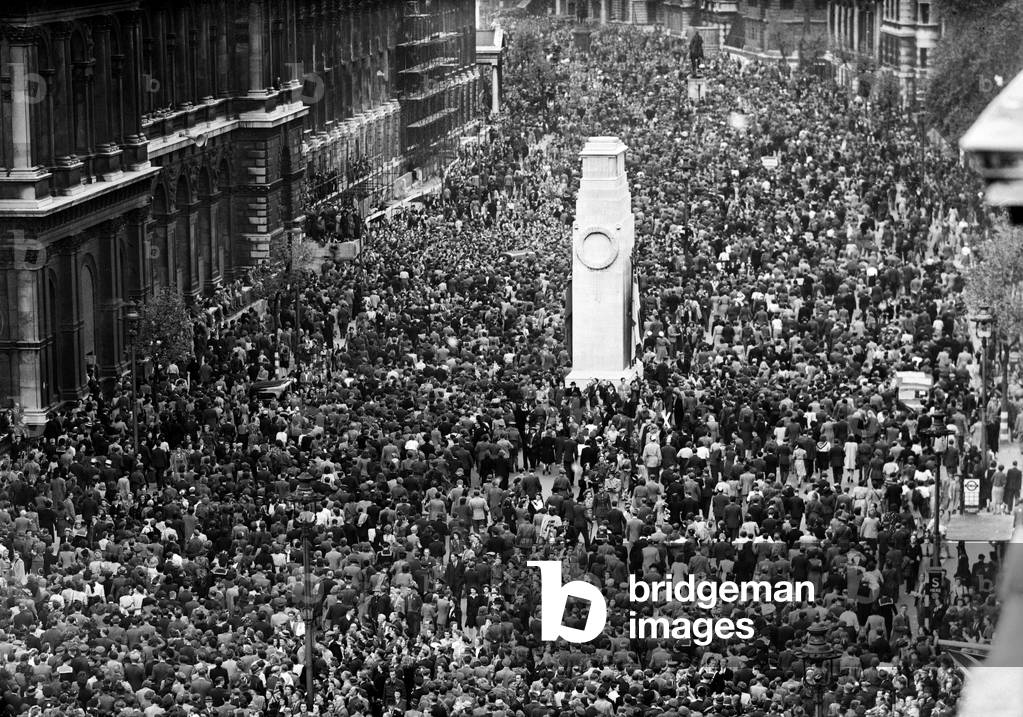
MPX5138017: VE Day celebrations in London at the end of the Second World War. Some of the huge crowd gathered in Whitehall for the celebrations., 8th May 1945 (b/w photo) / Bridgeman Images
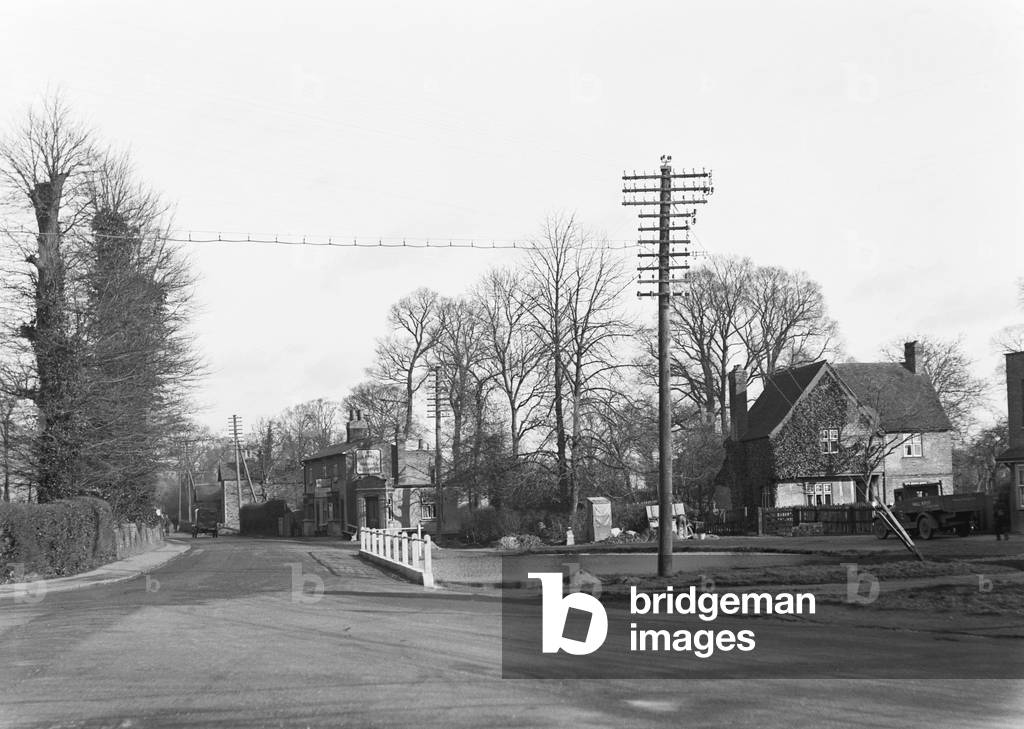
MPX5138044: The Fox and Geese public house at Ickenham, London, beside the pond and pump, c. 1930 (b/w photo) / Bridgeman Images
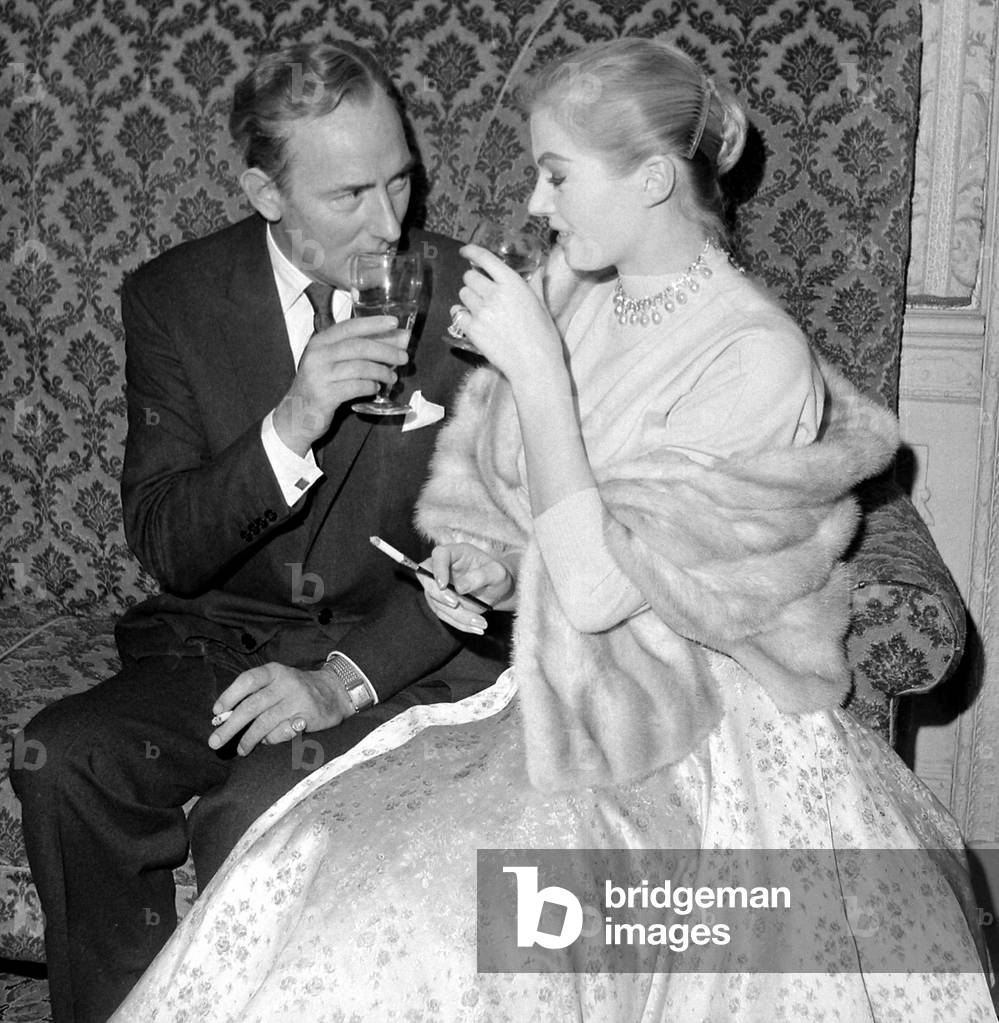
MPX5138050: Anita Ekberg seen here attending a Press reception in London with actor Michael Wilding, 17/11/1955 (b/w photo) / Bridgeman Images
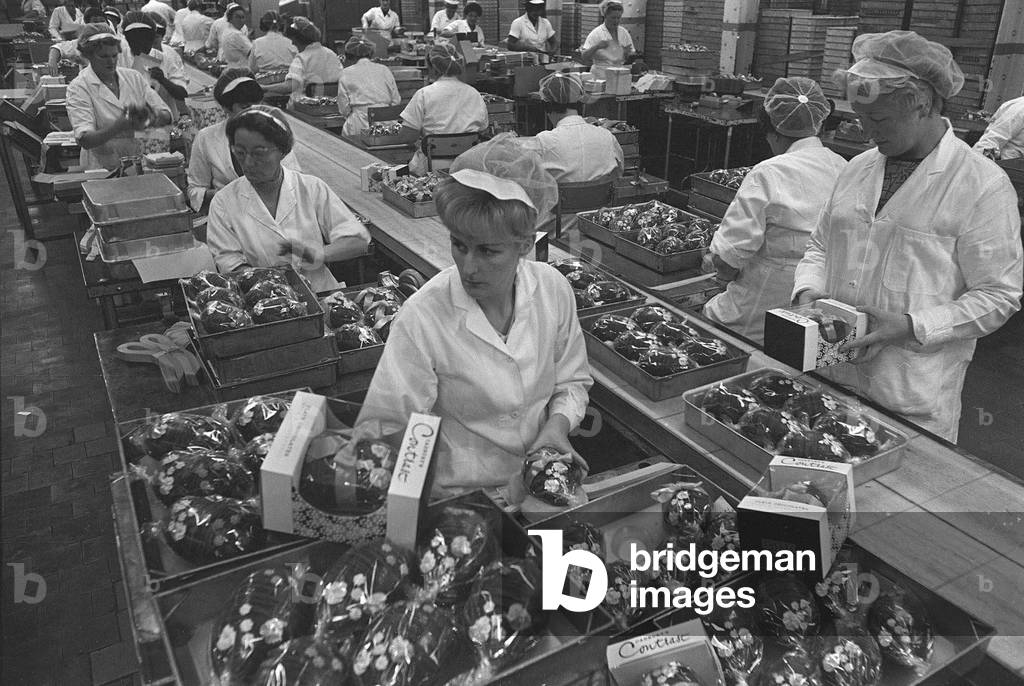
MPX5138080: Cadburys Contrast Easter Eggs December 1966 Ladies working on the Factory Production Line wearing protective overalls, preparing eggs for the Easter celebrations, July 1964 (b/w photo) / Bridgeman Images
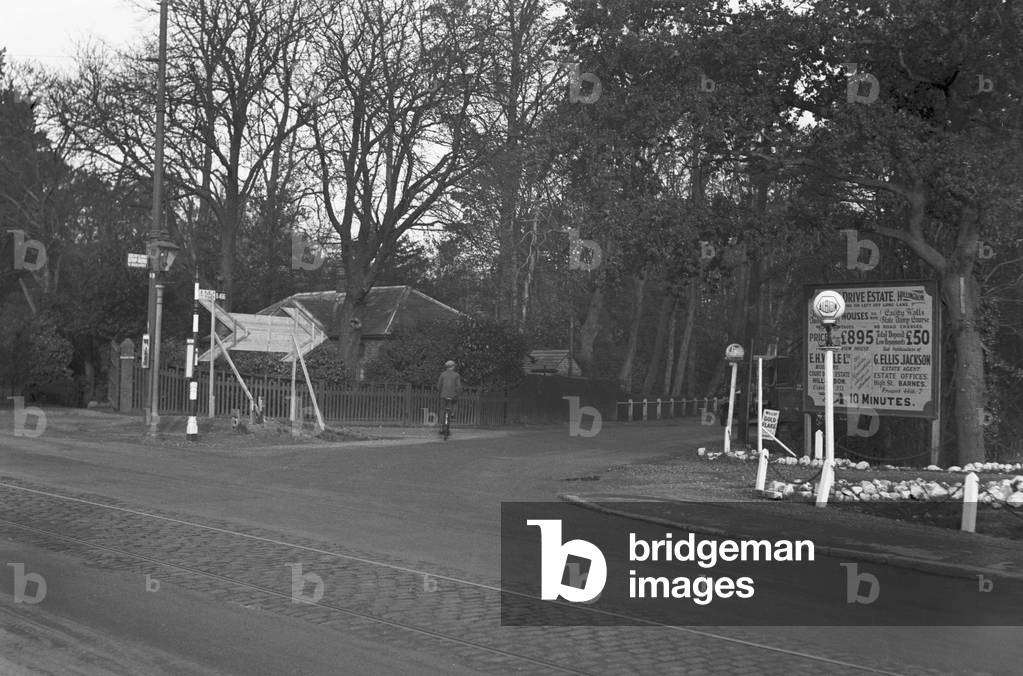
MPX5138083: Estate Agent billboards advertising the new Court Drive Estate in Hillingdon, c. 1931 (b/w photo) / Bridgeman Images
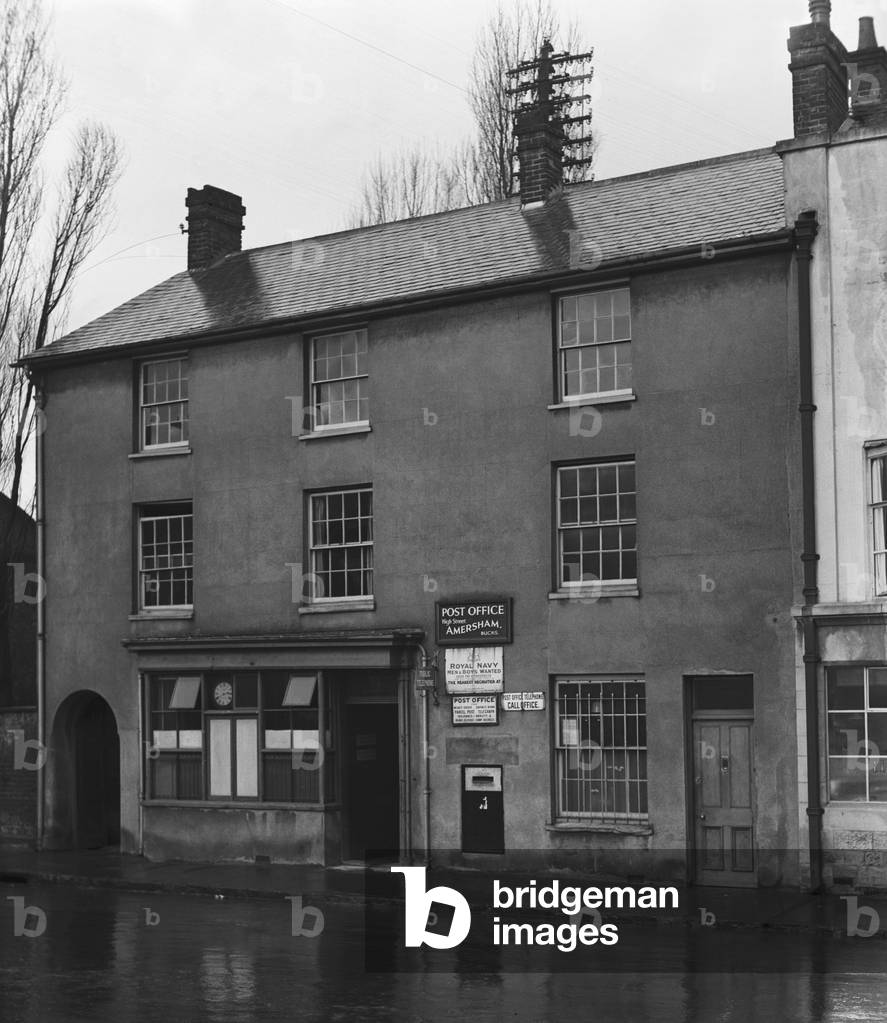
MPX5138086: 57 -, 59 High Street Amersham Post Office and Telephone Exchange, Buckinghamshire, c. 1931 (b/w photo) / Bridgeman Images
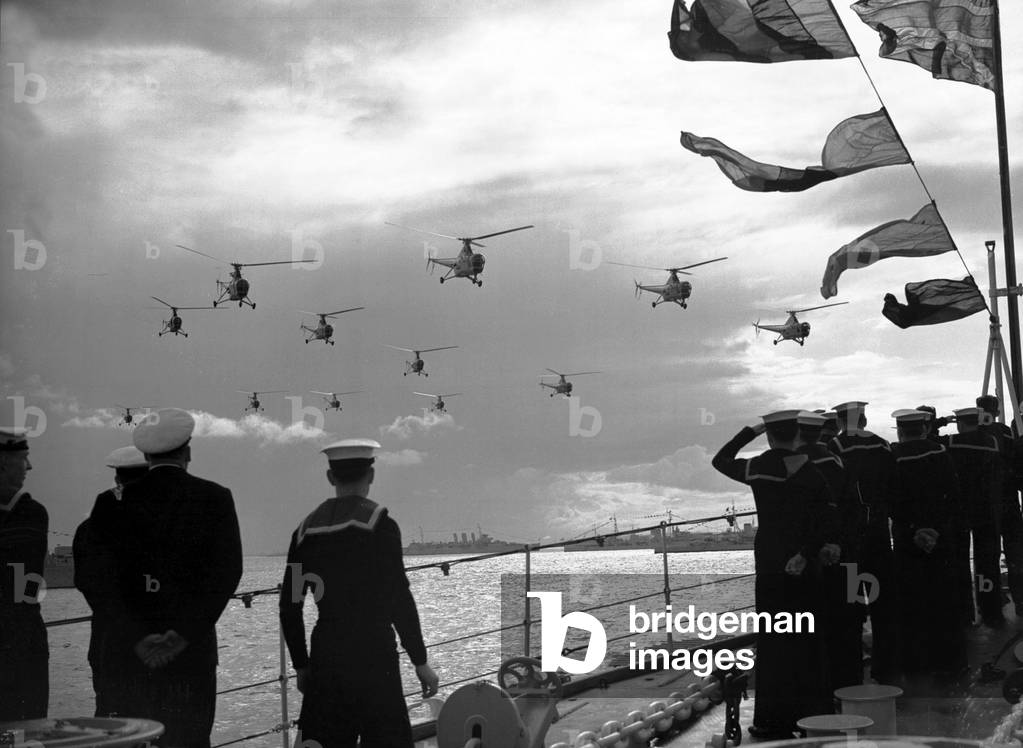
MPX5138101: Queen Elizabeth II Coronation Fleet Review June 1953 (b/w photo) / Bridgeman Images
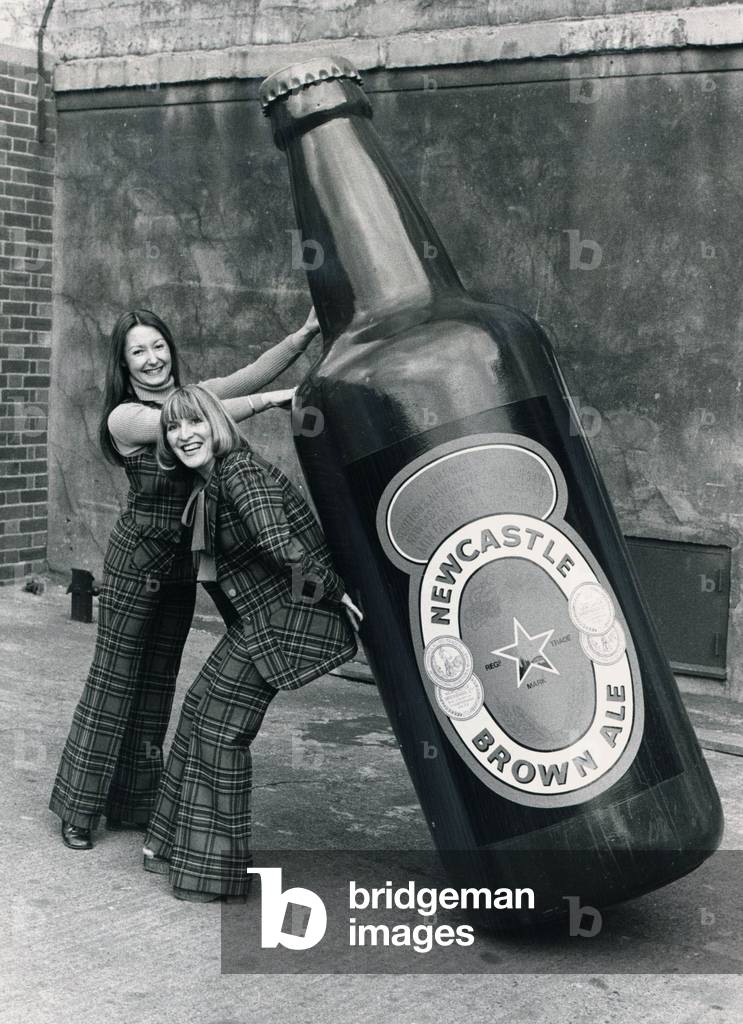
MPX5138134: Brenda Kelly (without jacket) and Jennifer Donkin holding a nine foot tall bottle of Newcastle brown ale, c. 1975 (b/w photo) / Bridgeman Images
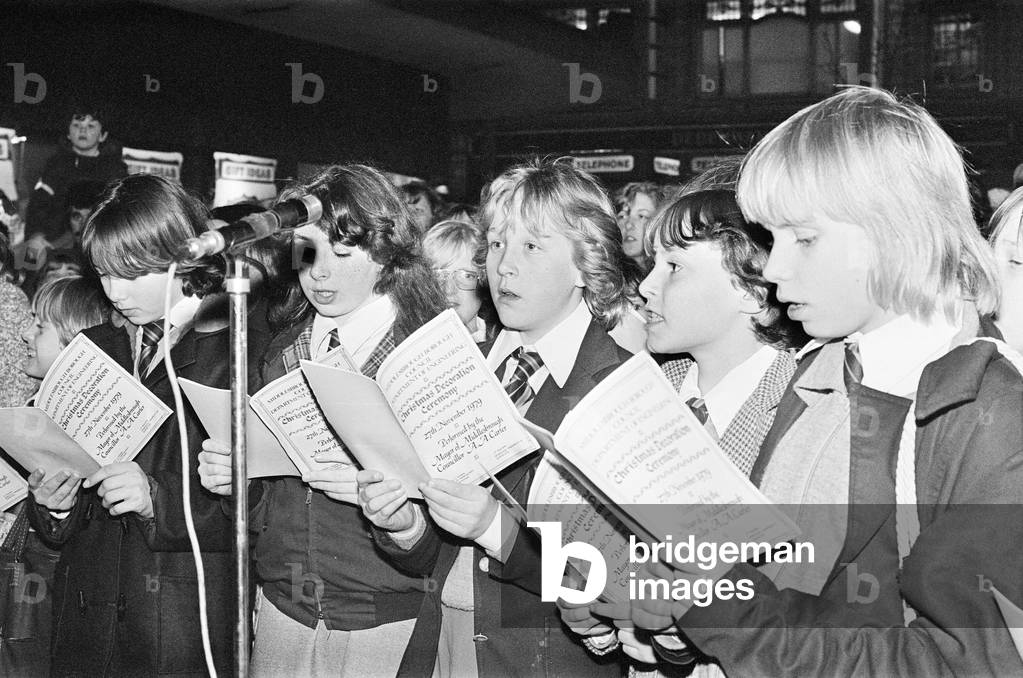
MPX5138146: Middlesbrough Christmas Lights switched on by Mayor, Middlesbrough, North Yorkshire, 27th November 1979 (b/w photo) / Bridgeman Images
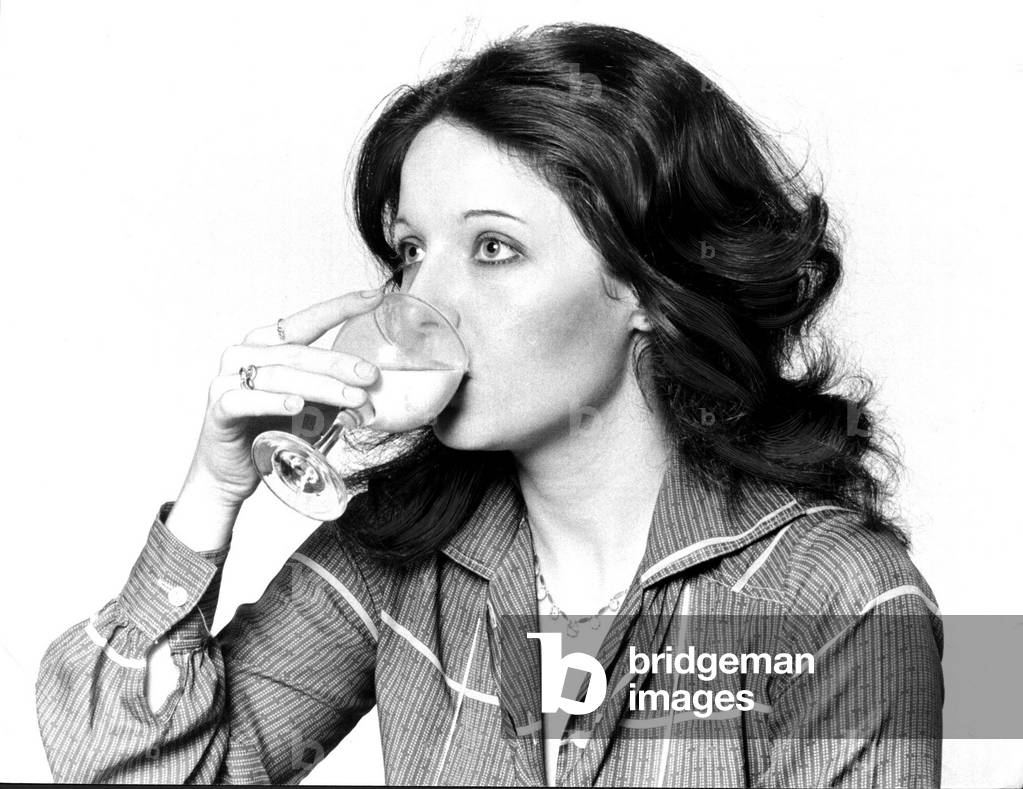
MPX5138152: Woman drinking a cocktail from a wine glass September 1977 (b/w photo) / Bridgeman Images
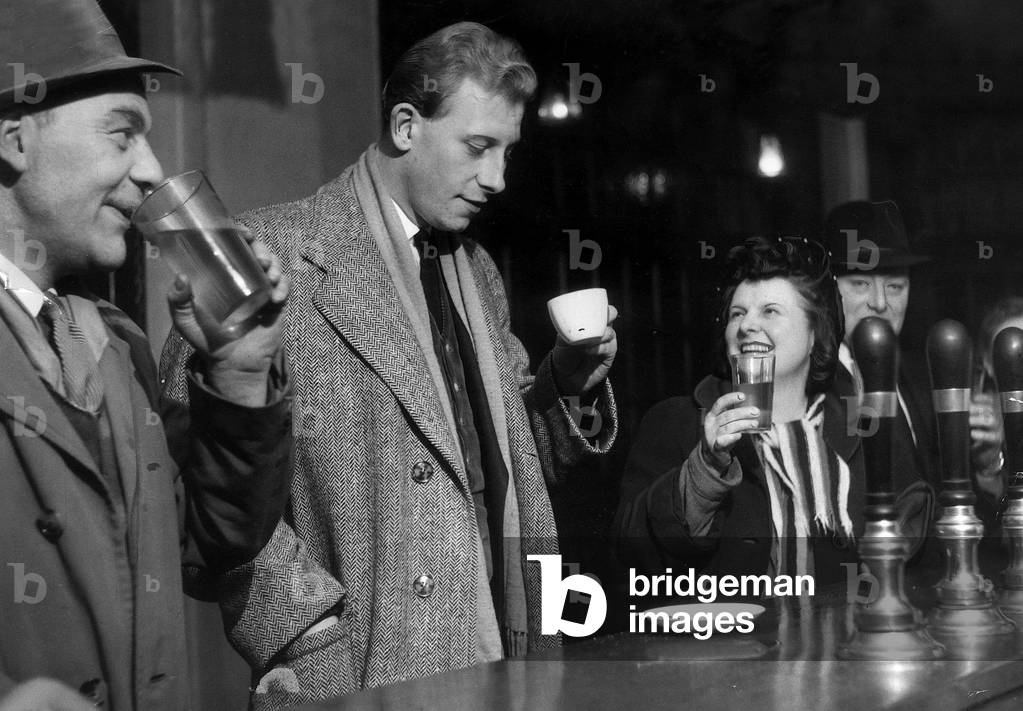
MPX5138161: Peter Woods a reporter on the Daily Mirror drinks a cup of coffee in a public house bar while all around him drink beer November 1954 (b/w photo) / Bridgeman Images
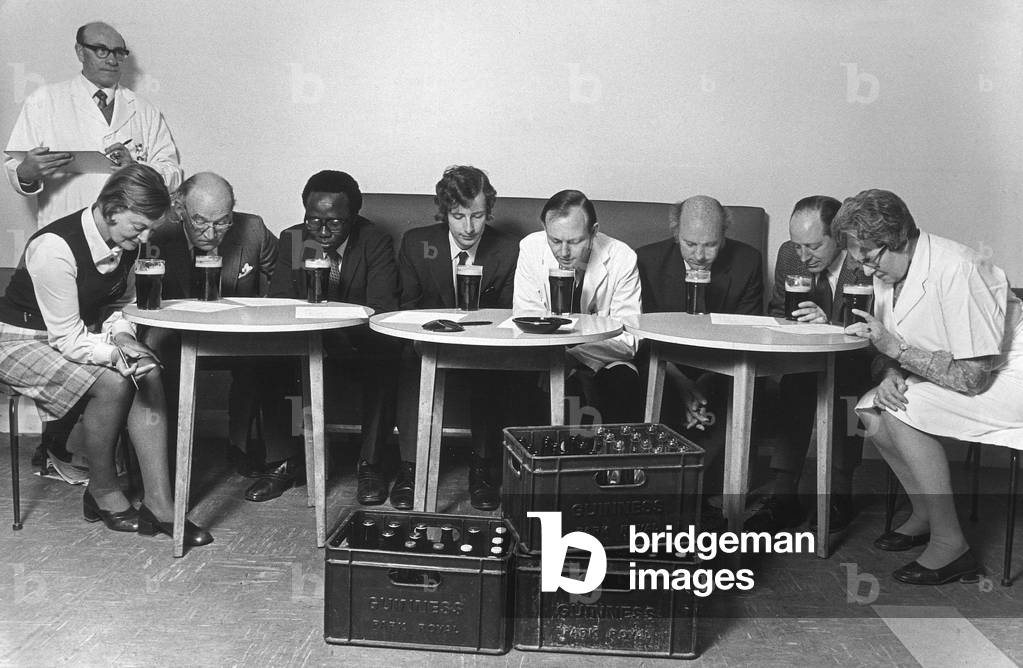
MPX5138167: A tasting panel of men and women smell the aroma from glasses of Guinness at the Park Royal brewery sampling room, 30/05/1975 (b/w photo) / Bridgeman Images
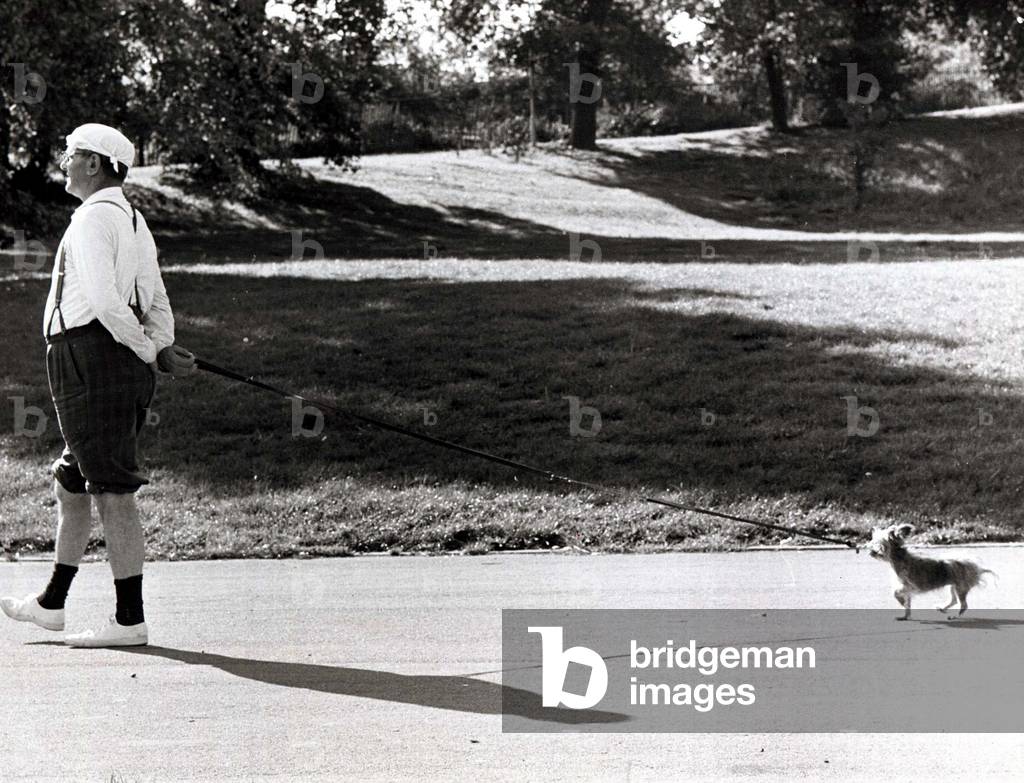
MPX5138218: Ernest Heaton is shown here with his dog Pip during a sponsored stroll for charity at Crystal Palace in London with 50 dog owners. Pip obviously found his walk-on part a bit of a drag. September 1976 (b/w photo) / Bridgeman Images
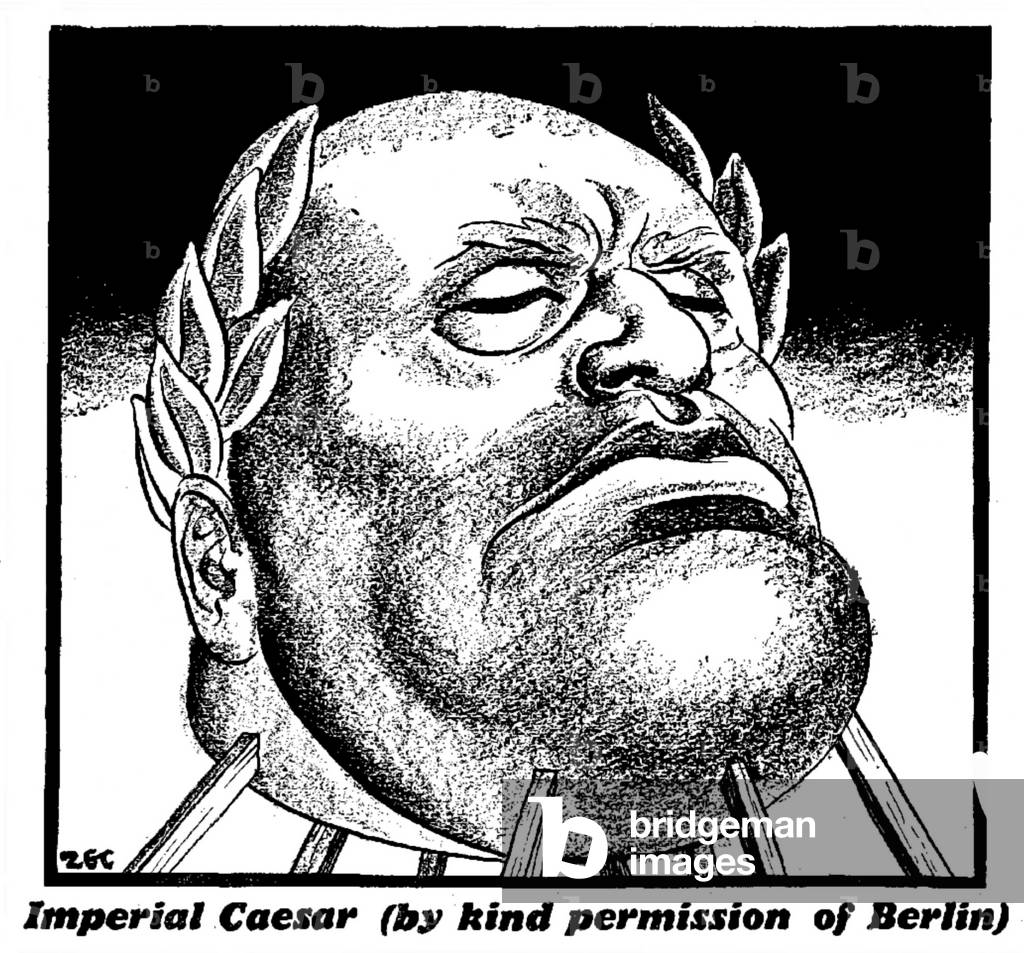
MPX5138221: Imperial Caesar (by kind permission of Berlin) 27th June 1940 (b/w photo), Zec, Philip (1909-1983) / Bridgeman Images
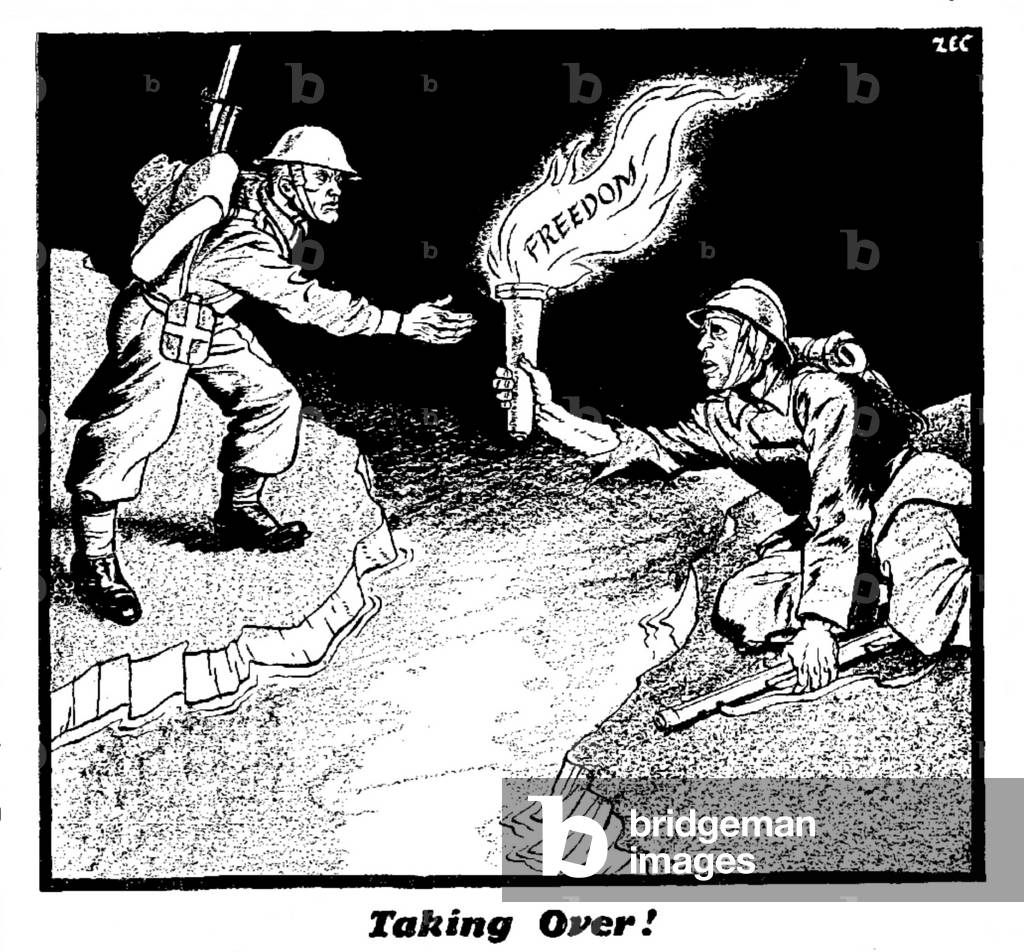
MPX5138230: Taking Over, 18th June 1940 (b/w illustration), Zec, Philip (1909-1983) / Bridgeman Images
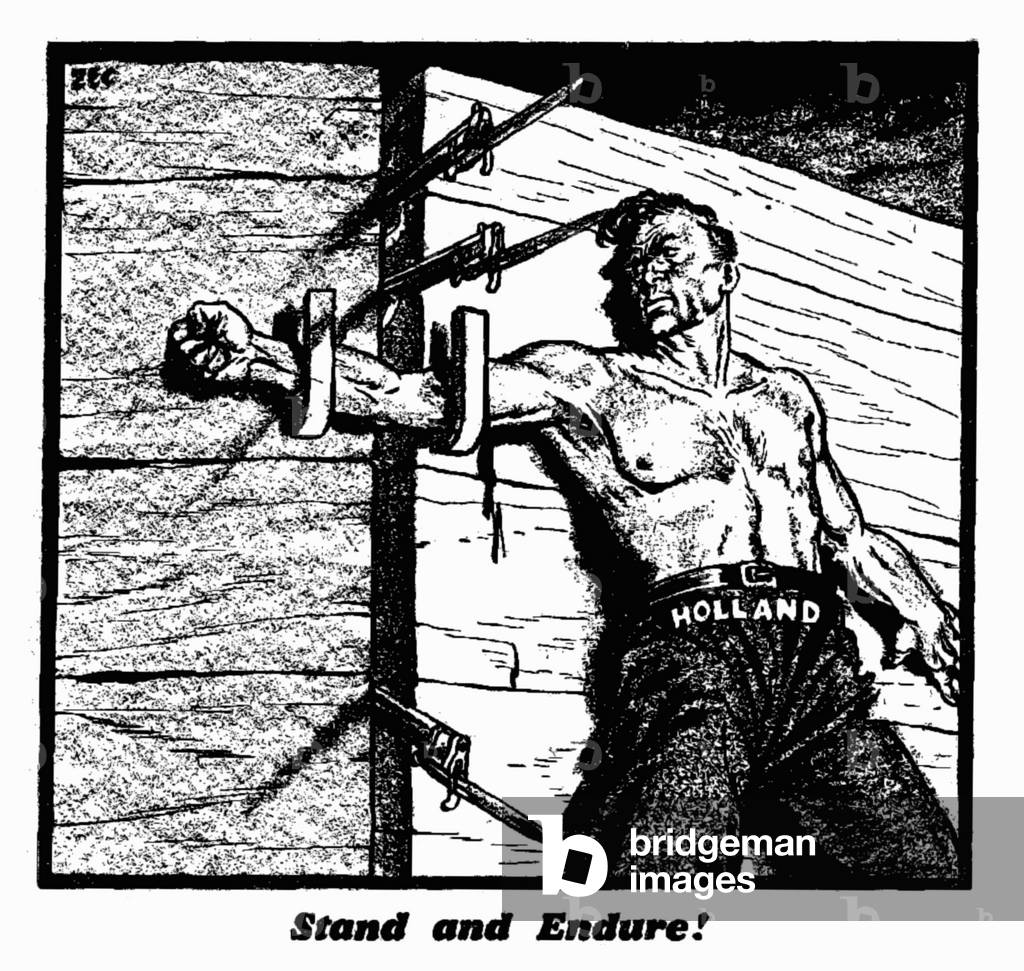
MPX5138210: Stand and Endure, 15th May 1940 (b/w illustration), Zec, Philip (1909-1983) / Bridgeman Images
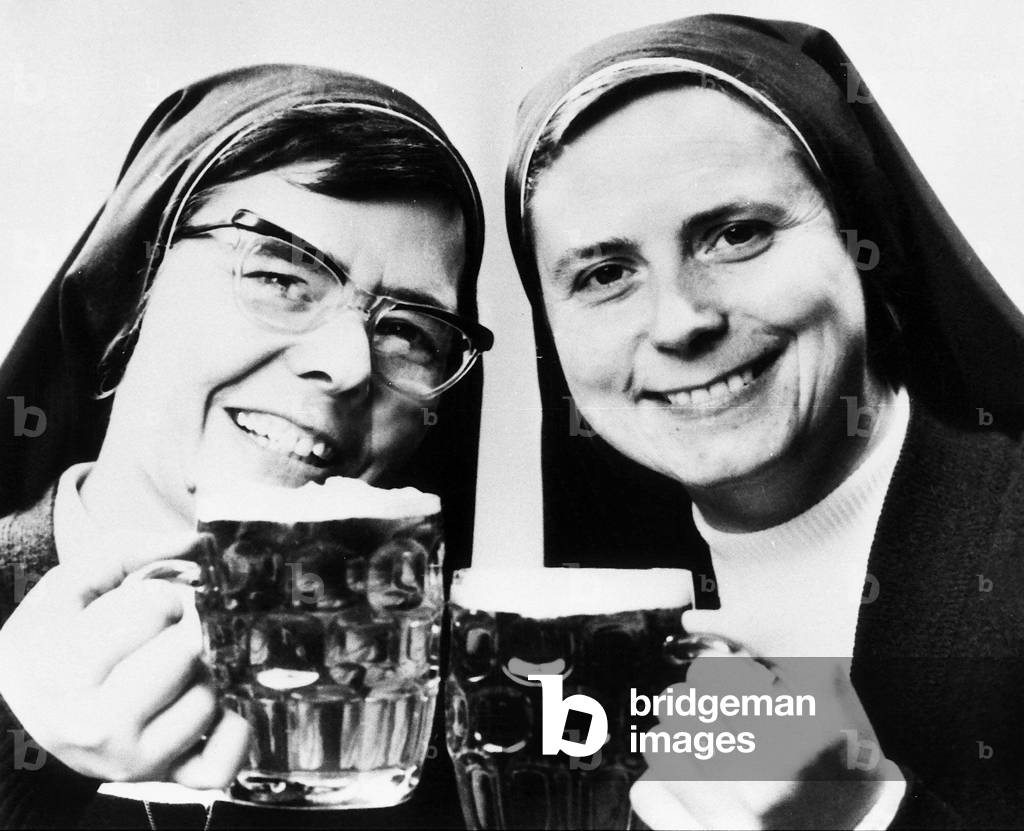
MPX5138231: Nuns Sisters Elizabeth and Joan with pints of beer 1976 (b/w photo) / Bridgeman Images
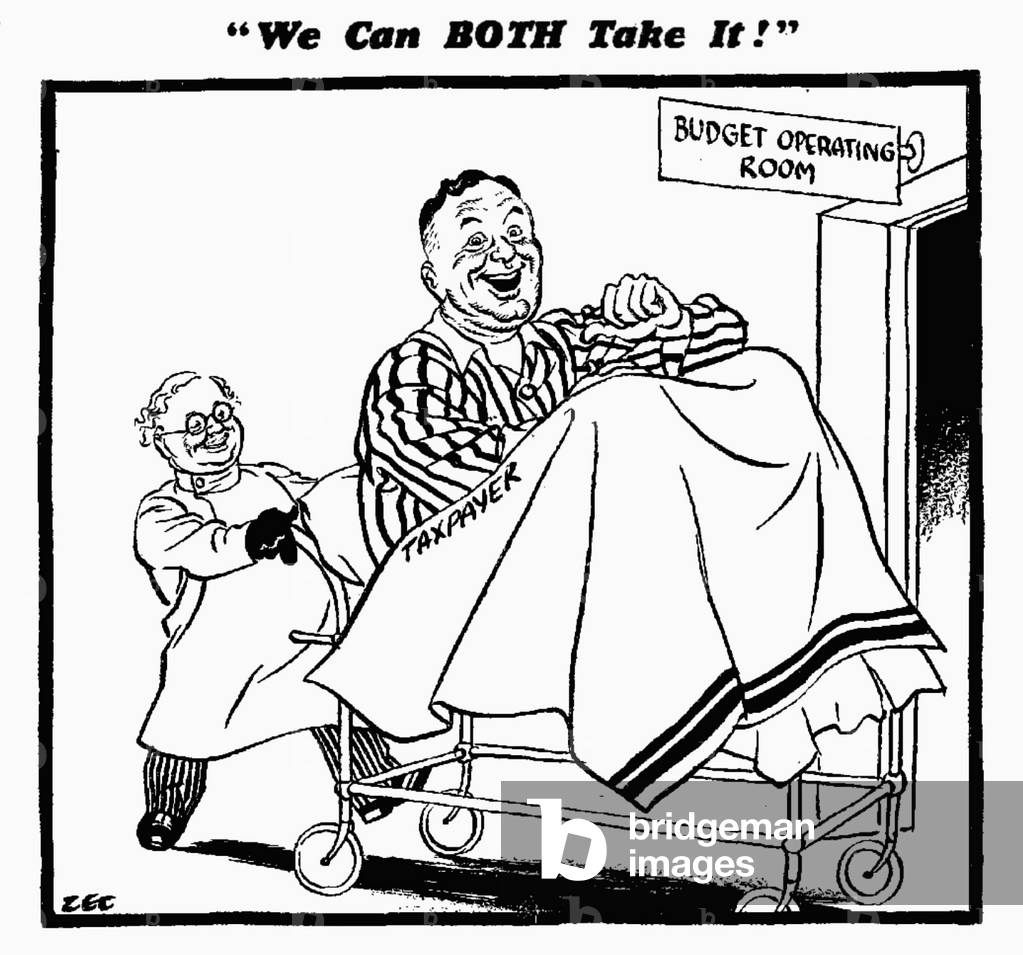
MPX5138296: "We Can Both Take It!" 23rd July 1940 (b/w photo), Zec, Philip (1909-1983) / Bridgeman Images
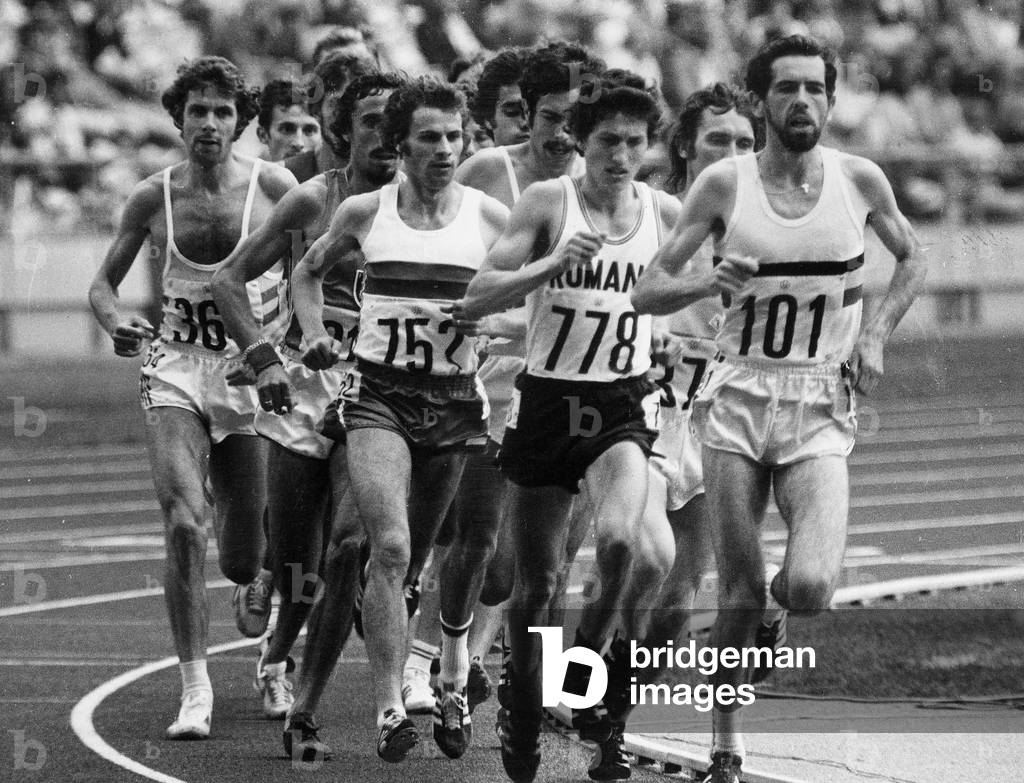
MPX5138308: Brendan Foster runner Olympic Games 1976 (b/w photo) / Bridgeman Images
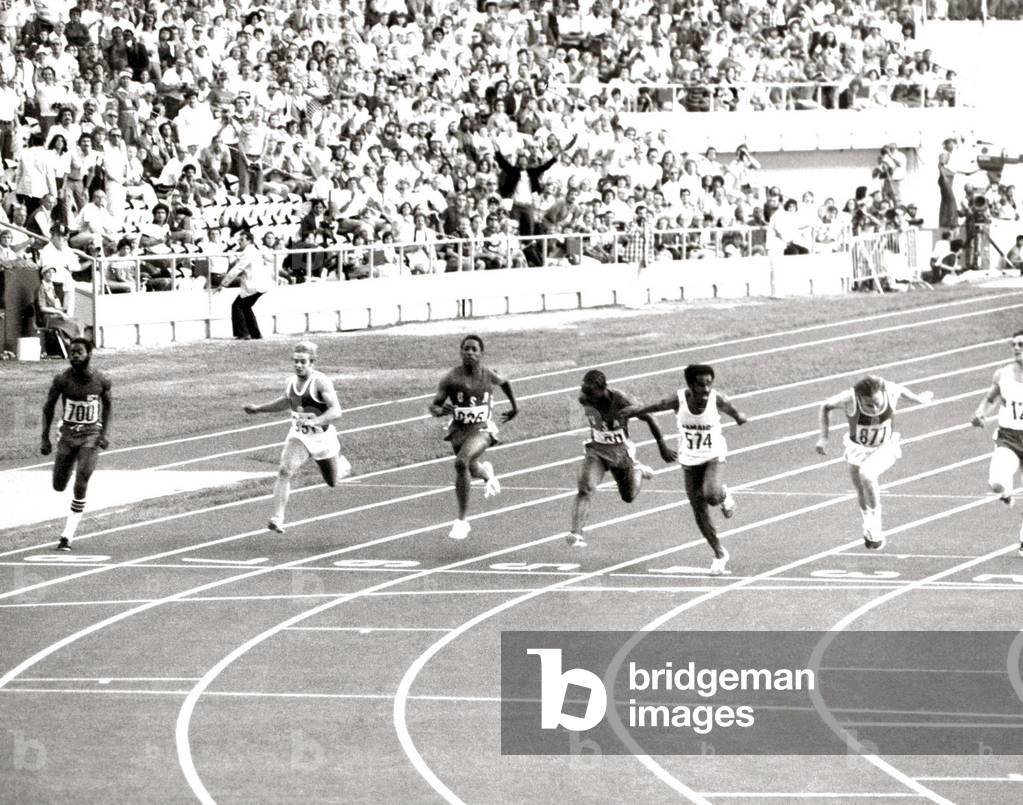
MPX5138314: Gay Abrahams (Panama), Dieter Kurrat (East Germany), John Jones (USA), Harvey Glance (USA), Donald Quarrie (Jamaica) silver medallist, Valery Dorzov (Russia) bronze medallist, Petar Petrov (Bulgaria). (Winner Haseley Crawford not in picture). Olympic Games 1976 (b/w photo) / Bridgeman Images
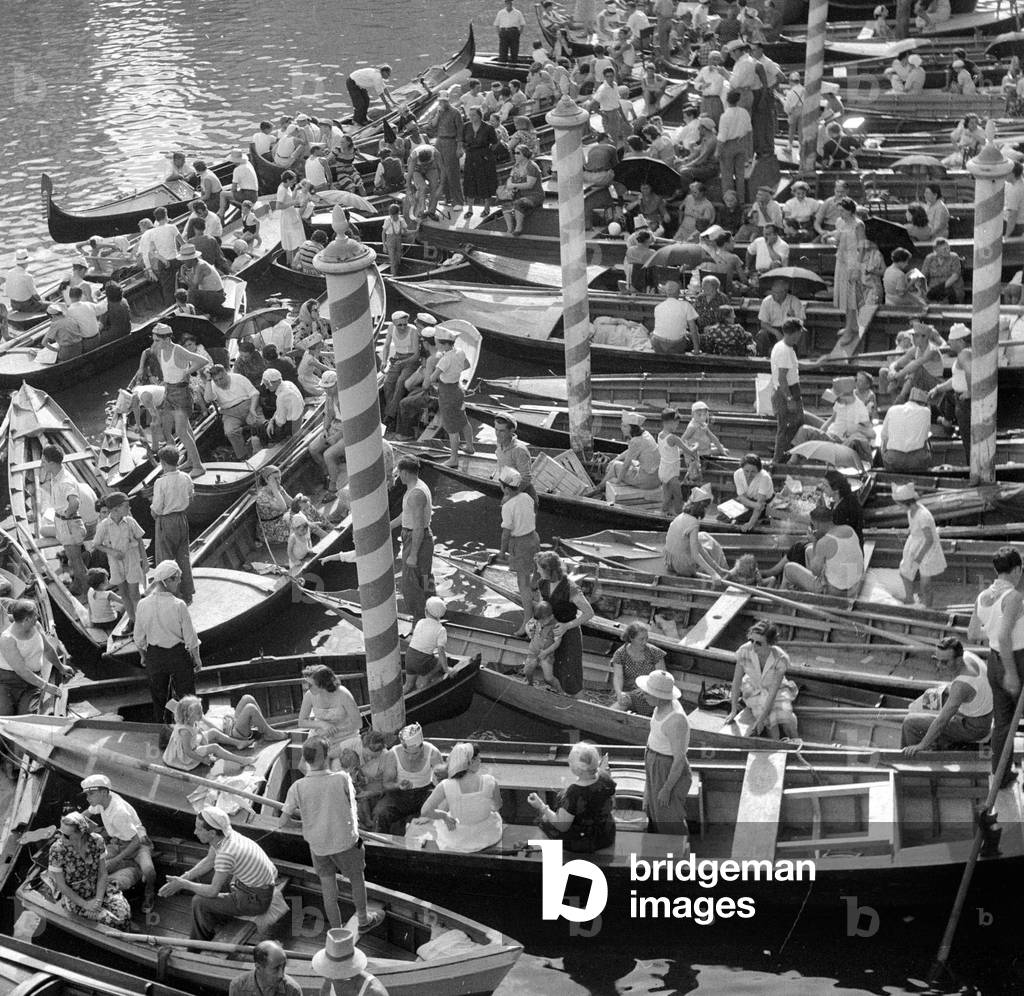
MPX5138246: Boats and gondolas tied up as the procession of gondolas pass along the Grand Canal Venice September 1952 (b/w photo) / Bridgeman Images
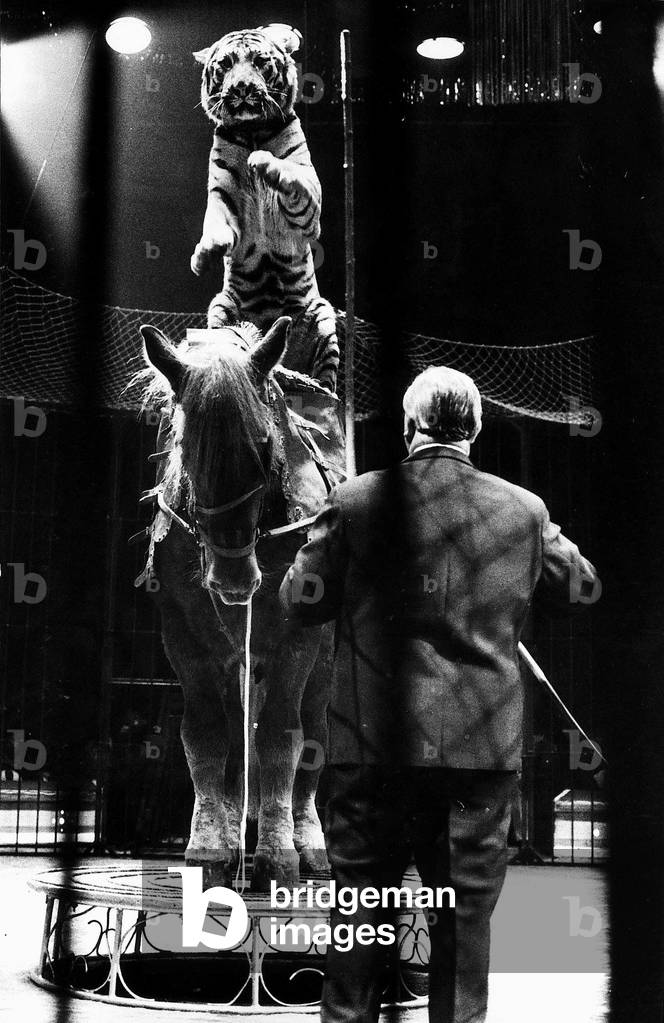
MPX5138276: Entertainment Animal Circus, December 1969 Harry Bella Horse riding Tiger rides sam a cart horse in the Bella Vue Circus, December 1969 (b/w photo) / Bridgeman Images
