Search options

Orientation
Colour

Display options

View

Print

To print search results, use print friendly version of this page.

2491514 Search Results

Orion Constellation and Moonlight - Constellation of Orion and moonrise - News - Zelande. New Zealand

PIX4592423: Orion Constellation and Moonlight - Constellation of Orion and moonrise - News - Zelande. New Zealand / Bridgeman Images

Constellation Orion - Orion constellation - The constellation Orion. In overprint, the mythological form of this constellation, extracted from the Uranographia of Hevelius. 22 January 2007, Quimper (Finistere - France). Orion constellation. Constellation mythological form from “” Uranographia”” star atlas by Hevelius (1690) has been added. January 22 2007, Quimper (Finistere - France)

PIX4592438: Constellation Orion - Orion constellation - The constellation Orion. In overprint, the mythological form of this constellation, extracted from the Uranographia of Hevelius. 22 January 2007, Quimper (Finistere - France). Orion constellation. Constellation mythological form from “” Uranographia”” star atlas by Hevelius (1690) has been added. January 22 2007, Quimper (Finistere - France) / Bridgeman Images

Star sky above the castle of Lagarde (09) - Starry sky above the castle of Lagarde - Sirius and the Great Dog are visible above the castle Constellation of Canis Major with the bright star Sirius above the castle of Lagarde in Ariege

PIX4590974: Star sky above the castle of Lagarde (09) - Starry sky above the castle of Lagarde - Sirius and the Great Dog are visible above the castle Constellation of Canis Major with the bright star Sirius above the castle of Lagarde in Ariege / Bridgeman Images

Capsule Apollo 1 after fire - The Apollo 1's Command Module after the accident fire. Jan 28 1967 - The Apollo 1's Command Module after the accident fire. Jan 28 196

PIX4594994: Capsule Apollo 1 after fire - The Apollo 1's Command Module after the accident fire. Jan 28 1967 - The Apollo 1's Command Module after the accident fire. Jan 28 196 / Bridgeman Images

Constellation of the Sextant - Constellation of Sextans - Constellation of the Sextant extracted from the Uranographia of Hevelius. Recolorised image. Map showing the constellation of Sextans with its mythological form from “” Uranographia”” star atlas by Hevelius (1690). Recolored Image

PIX4594019: Constellation of the Sextant - Constellation of Sextans - Constellation of the Sextant extracted from the Uranographia of Hevelius. Recolorised image. Map showing the constellation of Sextans with its mythological form from “” Uranographia”” star atlas by Hevelius (1690). Recolored Image / Bridgeman Images

Constellation of the Great Bear - Constellation of Ursa Major - Plate extracted from the Mirror of Urania by Jehoshaphat Aspin - 1825 Urania's Mirror, by Jehoshaphat Aspin, 1825

PIX4591614: Constellation of the Great Bear - Constellation of Ursa Major - Plate extracted from the Mirror of Urania by Jehoshaphat Aspin - 1825 Urania's Mirror, by Jehoshaphat Aspin, 1825 / Bridgeman Images

Constellations of the Little Lion and the Lion - Constellations of Leo Minor and Leo - Leo Minor the lesser Lion, is a constellation of the northern Spring and was created by Johannes Hevelius (1611 - 1687), first published in his 1690 atlas Firmamentum Sobiescianum. He is believed to have named the star 46 Leonis Minoris 'Praecipua' because it was the principal star in his new and not very distictive constellation, which at 232 square degrees is 64th largest. Leo Minor is due north of the distinctive sickle shape in Leo, and south of the hind leg of Ursa Major, 'The Great Bear'

PIX4593341: Constellations of the Little Lion and the Lion - Constellations of Leo Minor and Leo - Leo Minor the lesser Lion, is a constellation of the northern Spring and was created by Johannes Hevelius (1611 - 1687), first published in his 1690 atlas Firmamentum Sobiescianum. He is believed to have named the star 46 Leonis Minoris 'Praecipua' because it was the principal star in his new and not very distictive constellation, which at 232 square degrees is 64th largest. Leo Minor is due north of the distinctive sickle shape in Leo, and south of the hind leg of Ursa Major, 'The Great Bear' / Bridgeman Images

Peacock Constellation - Constellation of Pavo - Pavo, the Peacock, lies south of Sagittarius and Corona Australis, and is one of Johann Bayer's twelve constellations, introduced in 1603. It is one of several birds in the southern sky, including Apus, Grus, Phoenix and Tucanae. The legends say that the goddess of the heavens, Juno (the Greek Hera) ordered a hundred - eyed giant, Argos Panoptes, to keep his eyes on her wandering husband, Jupiter. He ordered Argos slain and Juno transformed the 100 eyes into the Peacock's tail. These eyes are also meant to represent the starry sky

PIX4593107: Peacock Constellation - Constellation of Pavo - Pavo, the Peacock, lies south of Sagittarius and Corona Australis, and is one of Johann Bayer's twelve constellations, introduced in 1603. It is one of several birds in the southern sky, including Apus, Grus, Phoenix and Tucanae. The legends say that the goddess of the heavens, Juno (the Greek Hera) ordered a hundred - eyed giant, Argos Panoptes, to keep his eyes on her wandering husband, Jupiter. He ordered Argos slain and Juno transformed the 100 eyes into the Peacock's tail. These eyes are also meant to represent the starry sky / Bridgeman Images

Boreales Constellations - Boreal constellations - A map of the sky representing the constellations of the northern hemisphere around the Earth. Engraving from “Harmonia Macrocosmica” by Andreas Cellarius, 1708. Northern hemisphere constellations around the Earth. Plate of the Harmonia Macrocosmica of Andreas Cellarius, 1708

PIX4594646: Boreales Constellations - Boreal constellations - A map of the sky representing the constellations of the northern hemisphere around the Earth. Engraving from “Harmonia Macrocosmica” by Andreas Cellarius, 1708. Northern hemisphere constellations around the Earth. Plate of the Harmonia Macrocosmica of Andreas Cellarius, 1708 / Bridgeman Images

Constellation of Pisces - Constellation of Pisces - Composite of two images. The sky is enlarged in relation to reality. Constellation of Pisces. Composite image. Stars are bigger than in reality

PIX4593482: Constellation of Pisces - Constellation of Pisces - Composite of two images. The sky is enlarged in relation to reality. Constellation of Pisces. Composite image. Stars are bigger than in reality / Bridgeman Images

Winter constellations - Winter constellations - The moon growing with ash light passes near the Pleiades cluster in the constellation Taurus. On the left, the constellation Orion. 11 April 2005 The crescent Moon with Earthshine is next to M45, The Pleiades, as they set in the twilight in the west with the Winter constellations of Orion and Taurus. April 11, 2005. (c) 2006 Jerry Lodriguss/www.astropix.com (c) 2006 Jerry Lodriguss/www.astropix.co

PIX4594080: Winter constellations - Winter constellations - The moon growing with ash light passes near the Pleiades cluster in the constellation Taurus. On the left, the constellation Orion. 11 April 2005 The crescent Moon with Earthshine is next to M45, The Pleiades, as they set in the twilight in the west with the Winter constellations of Orion and Taurus. April 11, 2005. (c) 2006 Jerry Lodriguss/www.astropix.com (c) 2006 Jerry Lodriguss/www.astropix.co / Bridgeman Images

Constellation of Fish - Constellation of Pisces - Plate extracted from the Mirror of Urania by Jehoshaphat Aspin - 1825 Urania's Mirror, by Jehoshaphat Aspin, 1825

PIX4593504: Constellation of Fish - Constellation of Pisces - Plate extracted from the Mirror of Urania by Jehoshaphat Aspin - 1825 Urania's Mirror, by Jehoshaphat Aspin, 1825 / Bridgeman Images

Constellations of the Lion, Cancer and Gemeaux - Leo, Cancer and Gemini constellations - September 26, 2006, Monts d'Arree (Finistere - France). In overprint, the mythological forms of these constellations, extracted from the Uranographia of Hevelius. Mythological Constellations forms from “” Uranographia”” star atlas by Hevelius (1690) have been added. September 26 2006, Monts d'Arree (Finistere - France)

PIX4592063: Constellations of the Lion, Cancer and Gemeaux - Leo, Cancer and Gemini constellations - September 26, 2006, Monts d'Arree (Finistere - France). In overprint, the mythological forms of these constellations, extracted from the Uranographia of Hevelius. Mythological Constellations forms from “” Uranographia”” star atlas by Hevelius (1690) have been added. September 26 2006, Monts d'Arree (Finistere - France) / Bridgeman Images

Clock with chimes showing clockwork mechanism. Copperplate engraving by Wilson Lowry after a drawing by J. Farey Jr. from Abraham Rees' Cyclopedia or Universal Dictionary of Arts, Sciences and Literature, Longman, Hurst, Rees, Orme and Brown, London, 1820.

FLO4593679: Clock with chimes showing clockwork mechanism. Copperplate engraving by Wilson Lowry after a drawing by J. Farey Jr. from Abraham Rees' Cyclopedia or Universal Dictionary of Arts, Sciences and Literature, Longman, Hurst, Rees, Orme and Brown, London, 1820. / Bridgeman Images

Dress (Robe) of the reign of King George II, 1727-1760. She wear a pink hat with plumes and ribbons, a tight bodice with lace cuffs, and a full crinoline petticoat. Based on Thomas Jeffery's Collection of Dresses, Gray's Inn Journal, Spectator, Rose Bradwardine's dress in Sir Walter Scott's Waverley. Handcoloured lithograph from “” Costumes of British Ladies from the Time of William the First to the Reign of Queen Victoria”, London, Dickinson and Son, 1840.

FLO4594765: Dress (Robe) of the reign of King George II, 1727-1760. She wear a pink hat with plumes and ribbons, a tight bodice with lace cuffs, and a full crinoline petticoat. Based on Thomas Jeffery's Collection of Dresses, Gray's Inn Journal, Spectator, Rose Bradwardine's dress in Sir Walter Scott's Waverley. Handcoloured lithograph from “” Costumes of British Ladies from the Time of William the First to the Reign of Queen Victoria”, London, Dickinson and Son, 1840. / Bridgeman Images

Presbyteres agaric (Agaricus personatus 1), russule heterophyll (Russula heterophylla 2), clavary amethyst (Clavaria amethystina 3) - Chromolithography based on a drawing by Mordecai Cubitt Cooke (1825-1914), published in “A Plain and Easy Account of British Fungi” (English), Robert Hardwicke Edition, London, 1862

FLO4594412: Presbyteres agaric (Agaricus personatus 1), russule heterophyll (Russula heterophylla 2), clavary amethyst (Clavaria amethystina 3) - Chromolithography based on a drawing by Mordecai Cubitt Cooke (1825-1914), published in “A Plain and Easy Account of British Fungi” (English), Robert Hardwicke Edition, London, 1862 / Bridgeman Images

Bee hive and ice house, mortar mill, and artist's guide to drapery and horse. Copperplate engraving by Wilson Lowry from Abraham Rees' Cyclopedia or Universal Dictionary of Arts, Sciences and Literature, Longman, Hurst, Rees, Orme and Brown, London, 1820.

FLO4591069: Bee hive and ice house, mortar mill, and artist's guide to drapery and horse. Copperplate engraving by Wilson Lowry from Abraham Rees' Cyclopedia or Universal Dictionary of Arts, Sciences and Literature, Longman, Hurst, Rees, Orme and Brown, London, 1820. / Bridgeman Images

Female musician playing chimes and gongs, Qing Dynasty. Handcoloured copperplate engraving by Andrea Freschi after Antoine Cardon from Henri-Leonard-Jean-Baptiste Bertin and Jean Baptiste Joseph Breton's China, Its Costumes, Arts, Manufactures, etc., Howlett and Brimmer, London, 1824.

FLO4590318: Female musician playing chimes and gongs, Qing Dynasty. Handcoloured copperplate engraving by Andrea Freschi after Antoine Cardon from Henri-Leonard-Jean-Baptiste Bertin and Jean Baptiste Joseph Breton's China, Its Costumes, Arts, Manufactures, etc., Howlett and Brimmer, London, 1824. / Bridgeman Images

Ancient Roman musical instruments. A timbrel of Basque drum (1), a citharistria or female minstrel (2), a double Lithuus (3), Pan playing on the syrinx (4), a bacchanal playing on two flutes of the same pitch, tibiae pares (5), antique theatrical masks (6,7), and a genuine ancient metalline Lithuus (8). Copperplate engraving from Abraham Rees' Cyclopedia or Universal Dictionary of Arts, Sciences and Literature, Longman, Hurst, Rees, Orme and Brown, London, 1820.

FLO4593639: Ancient Roman musical instruments. A timbrel of Basque drum (1), a citharistria or female minstrel (2), a double Lithuus (3), Pan playing on the syrinx (4), a bacchanal playing on two flutes of the same pitch, tibiae pares (5), antique theatrical masks (6,7), and a genuine ancient metalline Lithuus (8). Copperplate engraving from Abraham Rees' Cyclopedia or Universal Dictionary of Arts, Sciences and Literature, Longman, Hurst, Rees, Orme and Brown, London, 1820. / Bridgeman Images

Pneumatics ventilator, section and plan, 18th century. Copperplate engraving by Wilson Lowry after an illustration by J. Farey from Abraham Rees' “” Cyclopedia or Universal Dictionary,” London, 1817.

FLO4593496: Pneumatics ventilator, section and plan, 18th century. Copperplate engraving by Wilson Lowry after an illustration by J. Farey from Abraham Rees' “” Cyclopedia or Universal Dictionary,” London, 1817. / Bridgeman Images

Dress (Robe) of the reign of Edward V and Richard III, 1483-1485. She wears a tall headdress with long veil, a furtrimmed mantle with wide collar over a striped dress. Seated in a medieval carved chair with lions on the arms. Based on portraits of Elizabeth Woodville, queen of Edward IV, description of the dress of Anne Neville, queen of Richard III, illuminated Royal manuscript 16F2, and effigy of Lady Peyton, Isleham Church, Cambridgeshire. Handcoloured lithograph from “” Costumes of British Ladies from the Time of William the First to the Reign of Queen Victoria”, London, Dickinson and Son, 1840.

FLO4594617: Dress (Robe) of the reign of Edward V and Richard III, 1483-1485. She wears a tall headdress with long veil, a furtrimmed mantle with wide collar over a striped dress. Seated in a medieval carved chair with lions on the arms. Based on portraits of Elizabeth Woodville, queen of Edward IV, description of the dress of Anne Neville, queen of Richard III, illuminated Royal manuscript 16F2, and effigy of Lady Peyton, Isleham Church, Cambridgeshire. Handcoloured lithograph from “” Costumes of British Ladies from the Time of William the First to the Reign of Queen Victoria”, London, Dickinson and Son, 1840. / Bridgeman Images

Anatomy of the human eye, showing eyeball, optic nerve, muscle, cornea, retina, sections through eye. Copperplate engraving by Milton from Abraham Rees' Cyclopedia or Universal Dictionary of Arts, Sciences and Literature, Longman, Hurst, Rees, Orme and Brown, London, 1820.

FLO4591961: Anatomy of the human eye, showing eyeball, optic nerve, muscle, cornea, retina, sections through eye. Copperplate engraving by Milton from Abraham Rees' Cyclopedia or Universal Dictionary of Arts, Sciences and Literature, Longman, Hurst, Rees, Orme and Brown, London, 1820. / Bridgeman Images

Bonze or Buddhist monk performing a vow to crawl on all fours with a saddle on his back. Handcoloured copperplate engraving by Andrea Freschi after Antoine Cardon from Henri-Leonard-Jean-Baptiste Bertin and Jean Baptiste Joseph Breton's China, Its Costumes, Arts, Manufactures, etc., Howlett and Brimmer, London, 1824.

FLO4590120: Bonze or Buddhist monk performing a vow to crawl on all fours with a saddle on his back. Handcoloured copperplate engraving by Andrea Freschi after Antoine Cardon from Henri-Leonard-Jean-Baptiste Bertin and Jean Baptiste Joseph Breton's China, Its Costumes, Arts, Manufactures, etc., Howlett and Brimmer, London, 1824. / Bridgeman Images

Chinese lamp on a chair stand and wax candles made of tallow from the tallow tree, Triadica sebifera, Qing Dynasty. Handcoloured copperplate engraving by Andrea Freschi after Antoine Cardon from Henri-Leonard-Jean-Baptiste Bertin and Jean Baptiste Joseph Breton's China, Its Costumes, Arts, Manufactures, etc., Howlett and Brimmer, London, 1824.

FLO4590583: Chinese lamp on a chair stand and wax candles made of tallow from the tallow tree, Triadica sebifera, Qing Dynasty. Handcoloured copperplate engraving by Andrea Freschi after Antoine Cardon from Henri-Leonard-Jean-Baptiste Bertin and Jean Baptiste Joseph Breton's China, Its Costumes, Arts, Manufactures, etc., Howlett and Brimmer, London, 1824. / Bridgeman Images

Chinese musical instruments, Qing Dynasty: iron Hien-pan 1, bronze vase 2, drum, wooden percussion instrument in the shape of a fish 4, and Bong-gui 5. Handcoloured copperplate engraving by Andrea Freschi after Antoine Cardon from Henri-Leonard-Jean-Baptiste Bertin and Jean Baptiste Joseph Breton's China, Its Costumes, Arts, Manufactures, etc., Howlett and Brimmer, London, 1824.

FLO4590326: Chinese musical instruments, Qing Dynasty: iron Hien-pan 1, bronze vase 2, drum, wooden percussion instrument in the shape of a fish 4, and Bong-gui 5. Handcoloured copperplate engraving by Andrea Freschi after Antoine Cardon from Henri-Leonard-Jean-Baptiste Bertin and Jean Baptiste Joseph Breton's China, Its Costumes, Arts, Manufactures, etc., Howlett and Brimmer, London, 1824. / Bridgeman Images

Terracotta krater, 590-570 BC,

LRI4590381: Terracotta krater, 590-570 BC,, Etruscan, (6th century BC) / Bridgeman Images
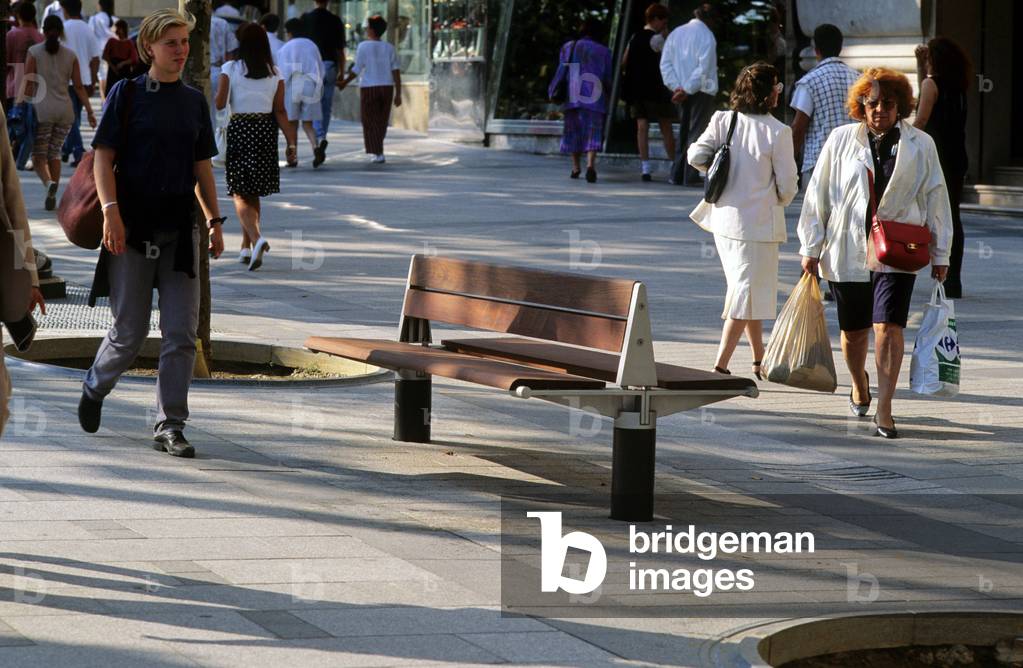
Urban furniture on the Champs Elysees, Paris 8th arrondissement. As part of the redesign of the Champs Elysees entrusted to Bernard Huet, a new line of urban furniture has been specially designed by Jean-Michel Wilmotte to give a unit by eliminating bulky and unnecessary elements: new benches, candelabres, lights, kiosks. Photography 1998.

TEC4594909: Urban furniture on the Champs Elysees, Paris 8th arrondissement. As part of the redesign of the Champs Elysees entrusted to Bernard Huet, a new line of urban furniture has been specially designed by Jean-Michel Wilmotte to give a unit by eliminating bulky and unnecessary elements: new benches, candelabres, lights, kiosks. Photography 1998. / Bridgeman Images
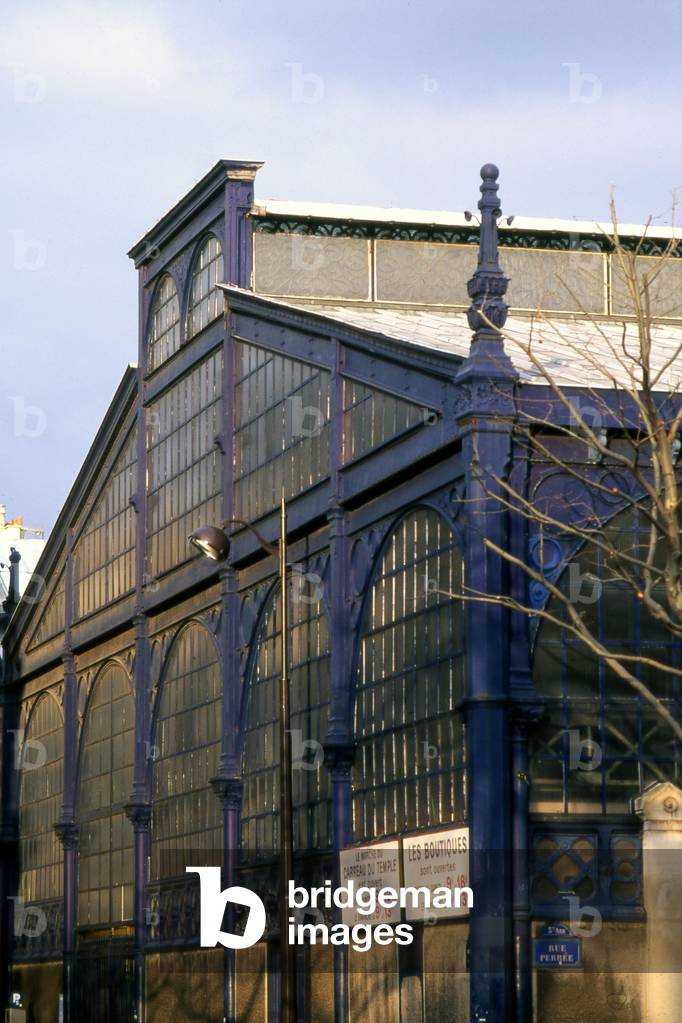
The walk of the Square of the Temple in Paris. Construction 1865, architects Ernest Legrand and Jules de Merindol.

TEC4594101: The walk of the Square of the Temple in Paris. Construction 1865, architects Ernest Legrand and Jules de Merindol. / Bridgeman Images
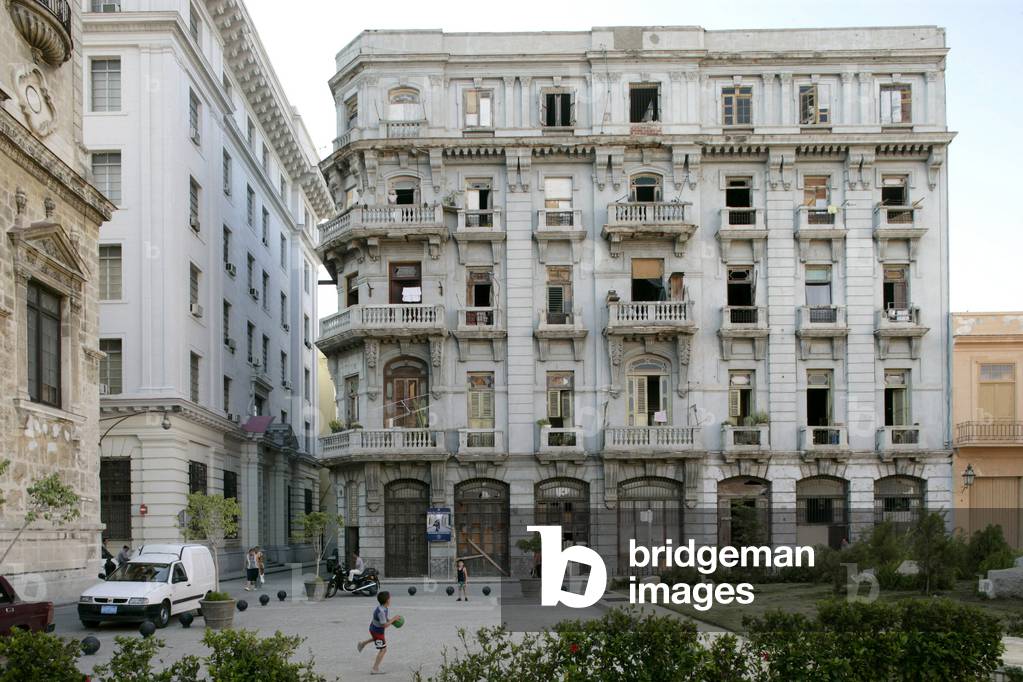
Habana Vieja district in Havana, Cuba.

TEC4593187: Habana Vieja district in Havana, Cuba. / Bridgeman Images
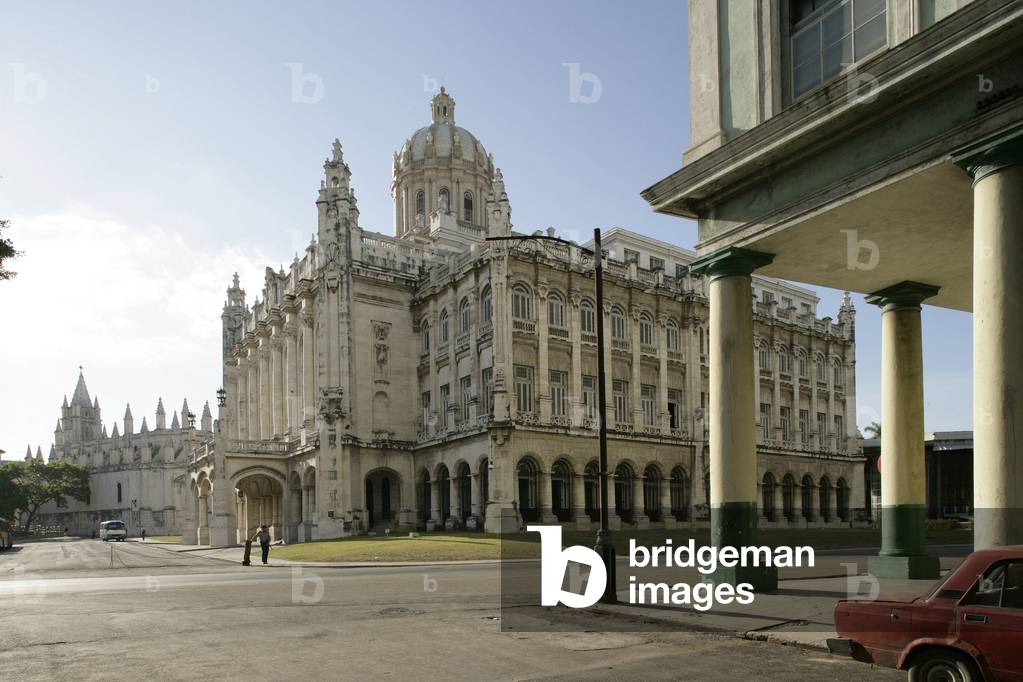
The Museum of the Revolution in Havana (Cuba).

TEC4593084: The Museum of the Revolution in Havana (Cuba). / Bridgeman Images
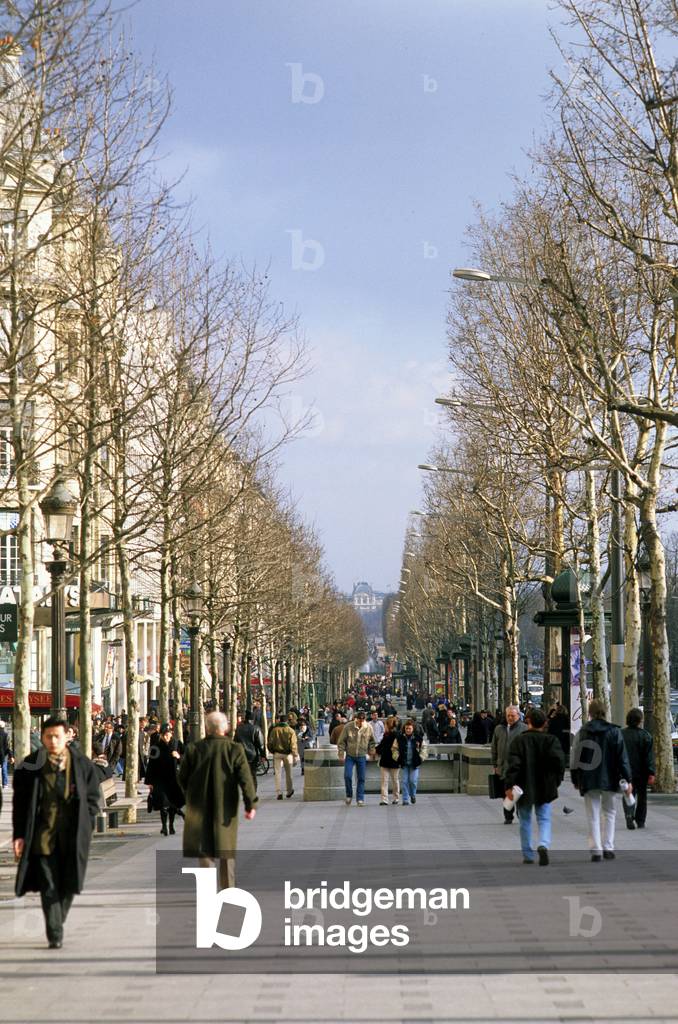
Avenue des Champs Elysees, Paris 8th arrondissement. It was Jean Baptiste (Jean-Baptiste) Colbert (1619-1683) who had Andre Le Notre (1613-1700) opened in 1667 an avenue starting from the Tuileries to reach a hill, today called L'Etoile. There's nothing left from that time. Only nineteenth century witnesses remain on the Champs Elysees. Bernard Huet was asked in 1994 to bring back the Champs Elysees in order to restore its prestige to the avenue: the cars were driven from the allees, an underground car park created, the floor covered with grey granite slabs. The promenade aspect was reinforced by the planting of a second row of plane trees and new constraints were defined for signs and windows.

TEC4594794: Avenue des Champs Elysees, Paris 8th arrondissement. It was Jean Baptiste (Jean-Baptiste) Colbert (1619-1683) who had Andre Le Notre (1613-1700) opened in 1667 an avenue starting from the Tuileries to reach a hill, today called L'Etoile. There's nothing left from that time. Only nineteenth century witnesses remain on the Champs Elysees. Bernard Huet was asked in 1994 to bring back the Champs Elysees in order to restore its prestige to the avenue: the cars were driven from the allees, an underground car park created, the floor covered with grey granite slabs. The promenade aspect was reinforced by the planting of a second row of plane trees and new constraints were defined for signs and windows. / Bridgeman Images
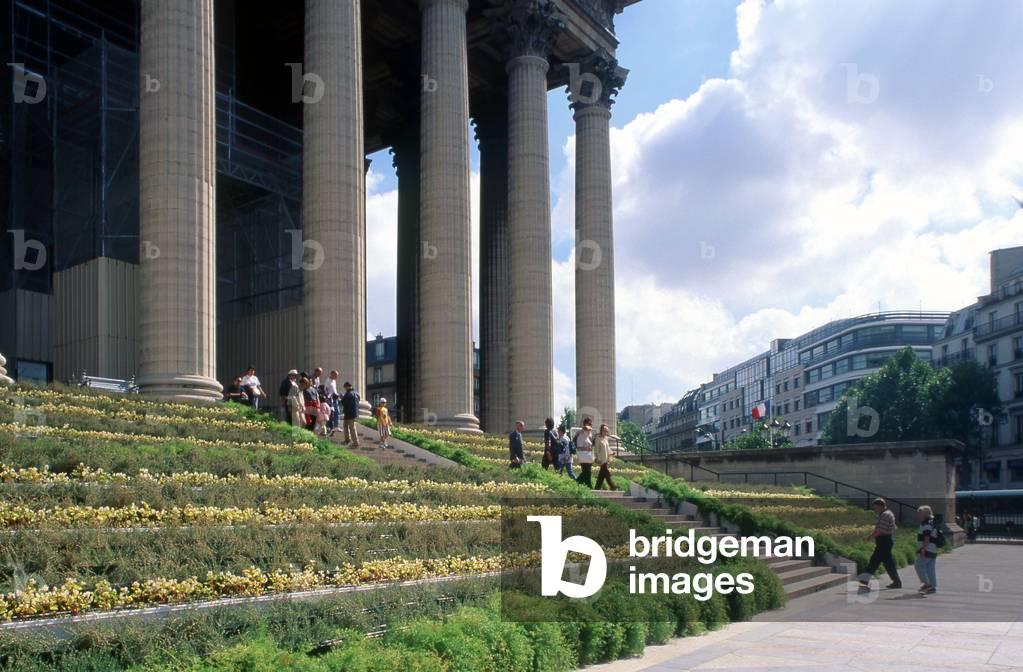
L'Eglise de La Madeleine, Place de la Madeleine, Paris 8th arrondissement. Its construction lasted nearly a century. Subject to political aleas, it was finally Napoleon (1769-1821) who entrusted Pierre Vignon (1763-1828) with the task of building an ancient temple dedicated to his military glory. Only the Restoration restored its religious vocation to the Church of Sainte Marie Madeleine in 1842, architect Charles Girault (1851-1932). Photography 1999.

TEC4594675: L'Eglise de La Madeleine, Place de la Madeleine, Paris 8th arrondissement. Its construction lasted nearly a century. Subject to political aleas, it was finally Napoleon (1769-1821) who entrusted Pierre Vignon (1763-1828) with the task of building an ancient temple dedicated to his military glory. Only the Restoration restored its religious vocation to the Church of Sainte Marie Madeleine in 1842, architect Charles Girault (1851-1932). Photography 1999. / Bridgeman Images
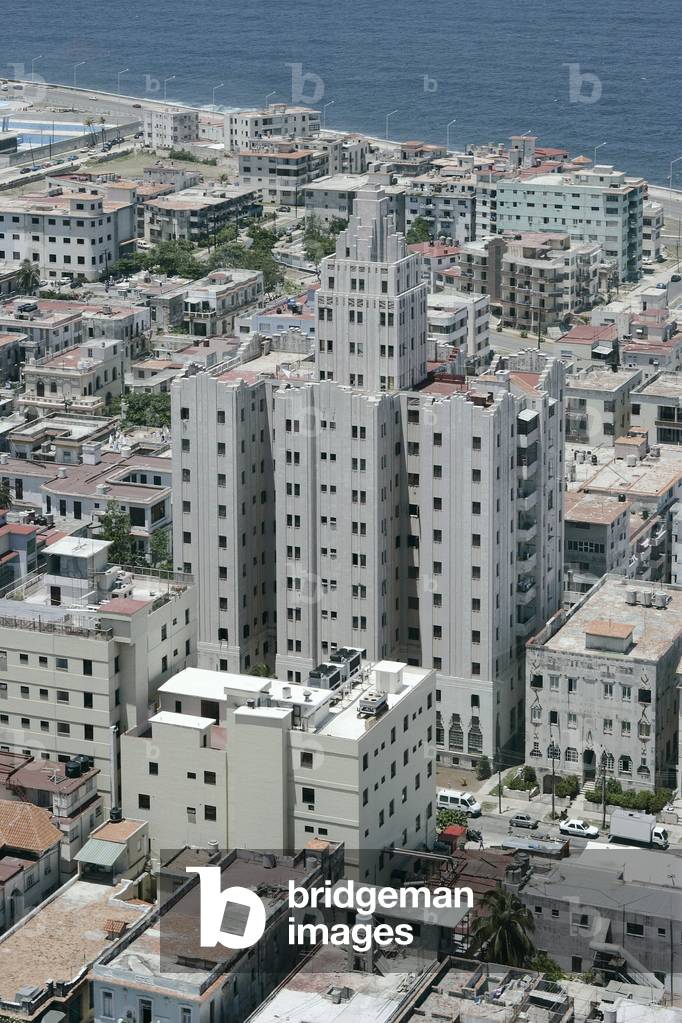
Vedado district in Havana, Cuba.

TEC4592370: Vedado district in Havana, Cuba. / Bridgeman Images
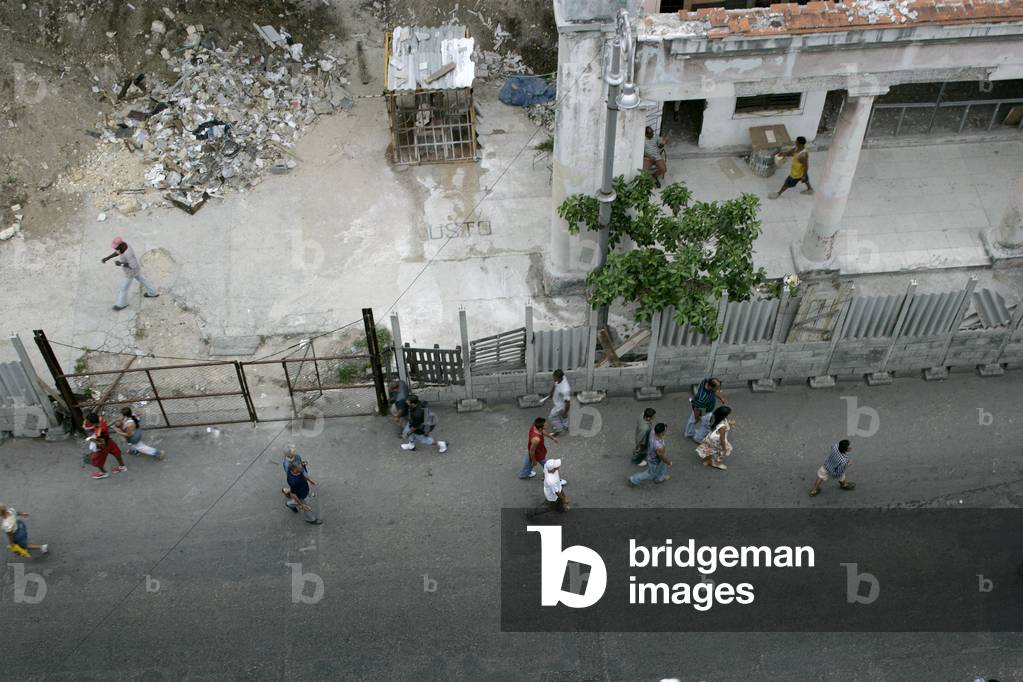
Centro Habana district in Havana, Cuba.

TEC4592365: Centro Habana district in Havana, Cuba. / Bridgeman Images
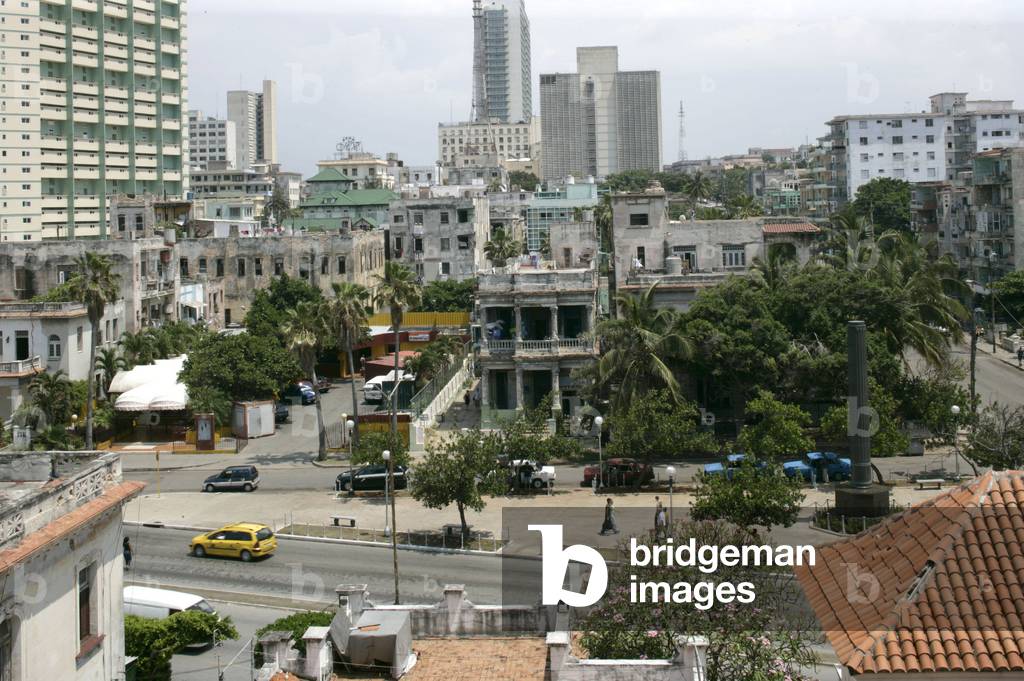
Vedado district in Havana, Cuba.

TEC4592783: Vedado district in Havana, Cuba. / Bridgeman Images
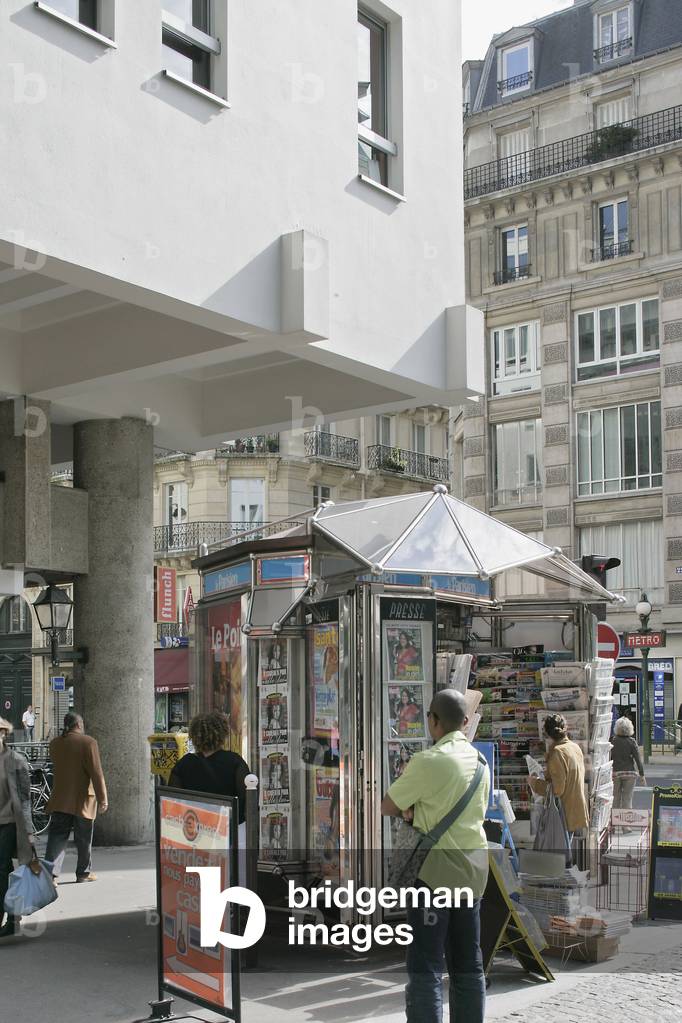
A Parisian kiosk, rue Rambuteau, Paris 3rd arrondissement.

TEC4594161: A Parisian kiosk, rue Rambuteau, Paris 3rd arrondissement. / Bridgeman Images


Back to top