2490880 Search Results
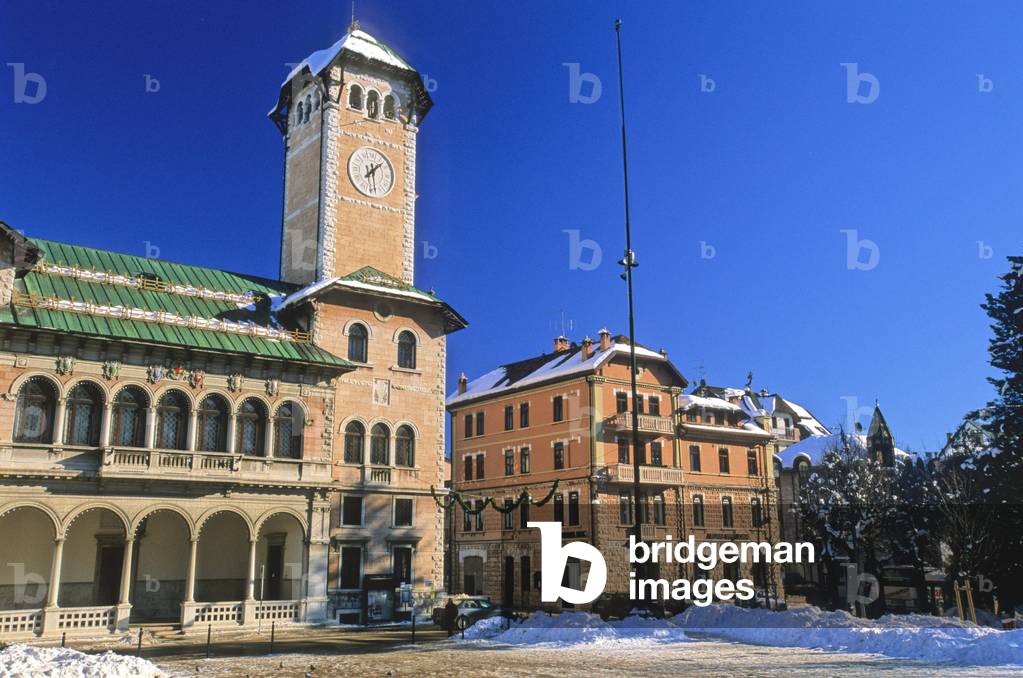
CUB4508218: Municipal palace, Asiago, Veneto, Italy / Bridgeman Images

CUB4508303: Refectory, Santa Maria delle Grazie church, Milan, Lombardy, Italy. / Bridgeman Images

CUB4508313: The arch at Sempione park, Milan, Lombardy, Italy. / Bridgeman Images

CUB4508332: Castello Sforzesco, Milan, Lombardy, Italy. / Bridgeman Images

CUB4508416: De La Ville hotel, Hoepli street, Milan, Lombardy, Italy. / Bridgeman Images
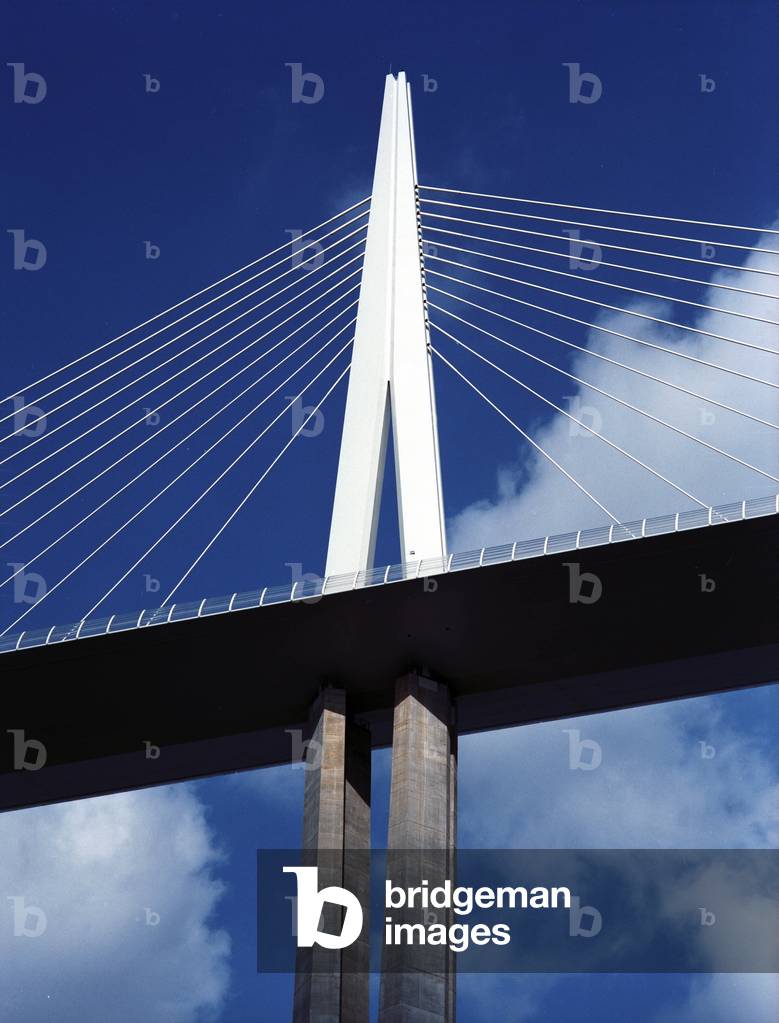
CUB4508481: Bridge, Millau, Tarn valley, France, Europe / Bridgeman Images
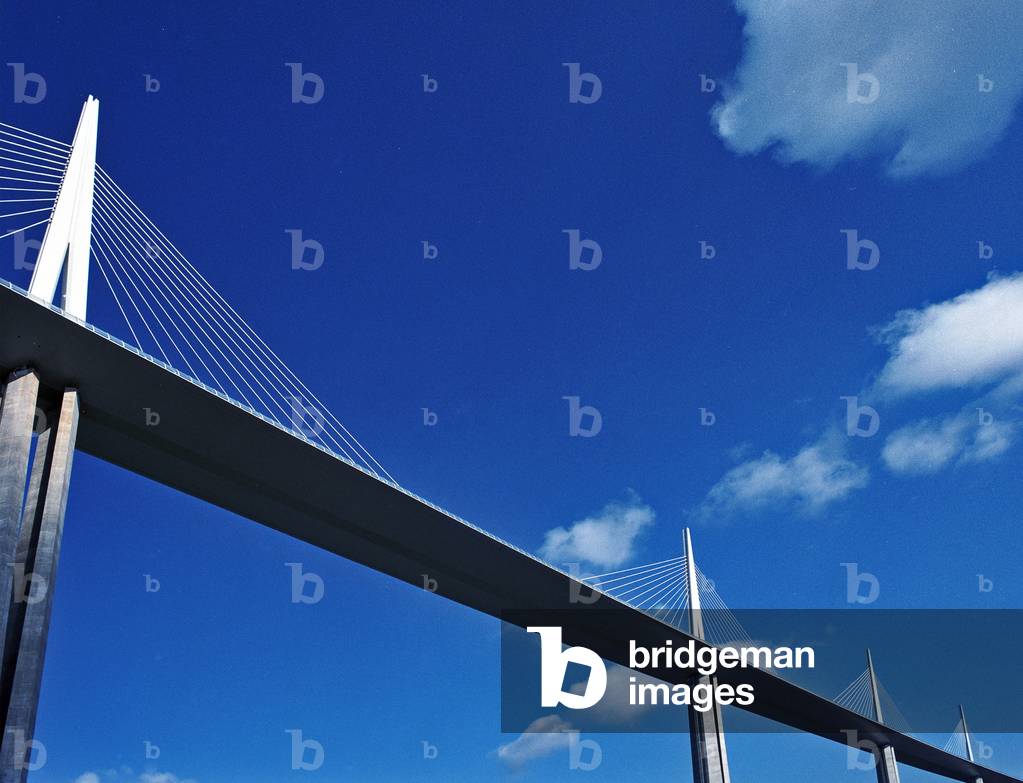
CUB4508498: Bridge, Millau, Tarn valley, France, Europe / Bridgeman Images

CUB4508534: Spanish flag, Madrid, Spain, Europe / Bridgeman Images
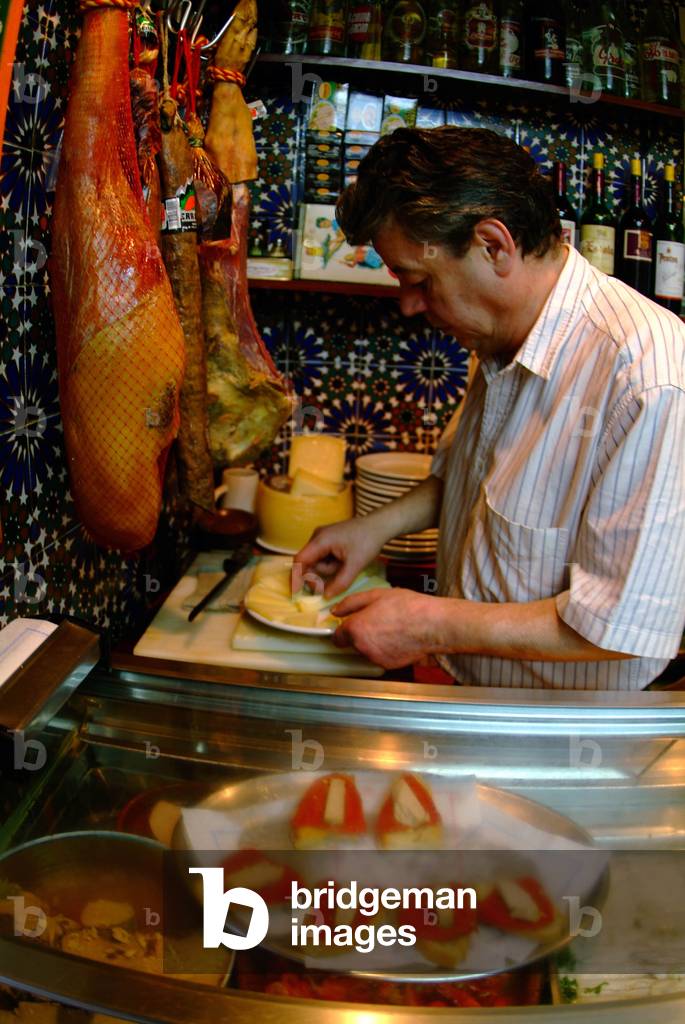
CUB4508563: Interior of a cafe, Madrid, Spain, Europe / Bridgeman Images
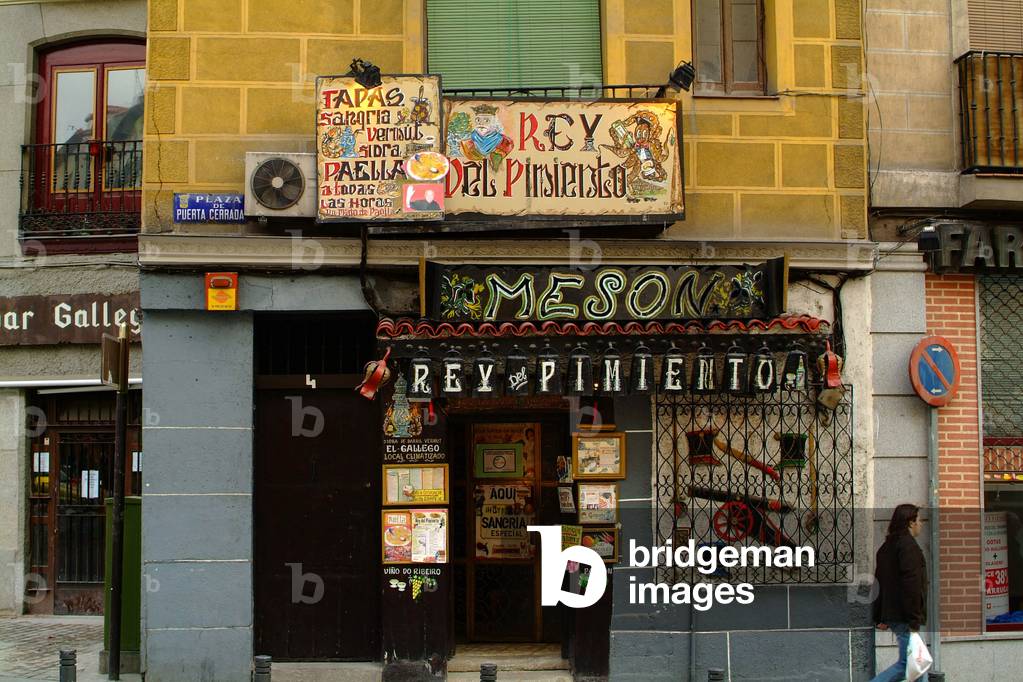
CUB4508602: Rey del Pimientp cafe, Madrid, Spain, Europe / Bridgeman Images

CUB4508700: Richard Gere photocall for “” The Hoax””” movie, Rome Intenational Film Festival, Rome, Lazio, Italy / Bridgeman Images

LRI4604387: The ladies of the banks of the Seine (oil on canvas, 1856), Courbet, Gustave (1819-77) / Bridgeman Images

LRI4604426: The Lady of Frankfurt (oil on canvas, 1858), Courbet, Gustave (1819-77) / Bridgeman Images

JLJ4604438: Saint Jerome in the Desert, 16th century (oil on canvas), Patinir, Joachim (1480-1524) / Bridgeman Images

PIX4604533: Fusees Ariane 5 ES ATV and ECA - Illustration - The Ariane 5 ES ATV and ECA rockets - Illustration - Artist view of the Ariane 5 ES ATV rocket, on the left, compare to the Ariane 5 ECA rocket, on the right. Artist's impression of the Ariane 5 ES ATV (left) with the Ariane 5 ECA (right) / Bridgeman Images

PIX4604674: Artist's view of the launcher Soyuz - Fregat with the satellite GIOVE - A / Bridgeman Images

PIX4604727: Soyuz FG - Fregat - 04 - 2005 - View of the Soyuz FG - Fregat rocket during its transfer from the integration building to the Baikonour fire pitch, Kazakhstan, April 13, 2005. This rocket decolished on 15 April 2005, taking a crew of three men aboard the Soyuz TMA capsule to reach the international space station two days later. The Soyuz FG launcher carrying the Soyuz TMA - 6 spacecraft is transferred to launch pad 1/5 at the Baikonour Cosmodrome, Kazakhstan, early in the morning of April 13, 2005, two days before its lift - off for the Eneide mission to the International Space Station (ISS) with ESA astronaut Roberto Vittori, from Italy. The Soyuz spacecraft is enclosed in the white protective fairing / Bridgeman Images

PIX4604817: Proton rocket decolving 11/98 - Proton 11/98 rocket decolving a Proton rocket carrying the first element of the international space station, Zarya. 20/11/1998 / Bridgeman Images

PIX4604845: Proton rocket 10/02 - Proton rocket on its fire pad. 10/2002 / Bridgeman Images

PIX4604880: Artist's view of the Rockot launcher with the Cryosat satellite. - Artist's view of the Rockot launcher with the Cryosat satellite / Bridgeman Images

PIX4604900: Launch of the Dnepr - Dnepr rocket launch - Launch of the Cryosat - 2 satellite on board a Dnepr rocket, 8 April 2010. Successful launch for ESA's CryoSat - 2 ice satellite Europe's first mission dedicated to studying the Earth's ice was launched on April 8 2010 from Kazakhstan. From its polar orbit, CryoSat - 2 will send back data leading to new insights into how ice is responding to climate change and the role it plays in our 'Earth system'. The CryoSat - 2 satellite was launched at 15:57 CEST (13:57 UTC) on a Dnepr rocket provided by the International Space Company Kosmotras from the Baikonur Cosmodrome in Kazakhstan. The signal confirming that it had separated from the launcher came 17 minutes later from the Malindi ground station in Kenya / Bridgeman Images

PIX4604931: Launch of Explorer 1 - First American satellite - Launch of Explorer 1 satellite, place on Juno 1 launcher (Jupiter rocket - C modified), February 1, 1958. This satellite was the first artificial satellite launched by Americans. He confirmed the presence of a radiation belt around the Earth, the belt of Van Allen / Bridgeman Images

JLJ4604952: Love, 1655-58 (painting), Romanelli, Giovanni Francesco (Il Viterbese) (1610-62) / Bridgeman Images

JLJ4567014: Peasant plates decorated with floral motifs, 19th century (ceramic), French School, (19th century) / Bridgeman Images

LRI4567084: First page of musical score of minuet in Armida by J Haydn (1784), Haydn, Joseph (1732-1809) / Bridgeman Images

LRI4567126: Frontispiece of musical score of Flik e Flok ballet by Filippo Taglioni, Anonymous / Bridgeman Images

LRI4567178: Title page of musical score of Capriccio by F Kalkbrenner, Anonymous / Bridgeman Images

JLJ4567225: Figure symbolizing the evangelist Saint Luke, 1475-1500 (engraving), French School, (15th century) / Bridgeman Images

CUB4508733: Staging, Sinopoli room, Rome International Film Festival, Rome, Lazio, Italy / Bridgeman Images
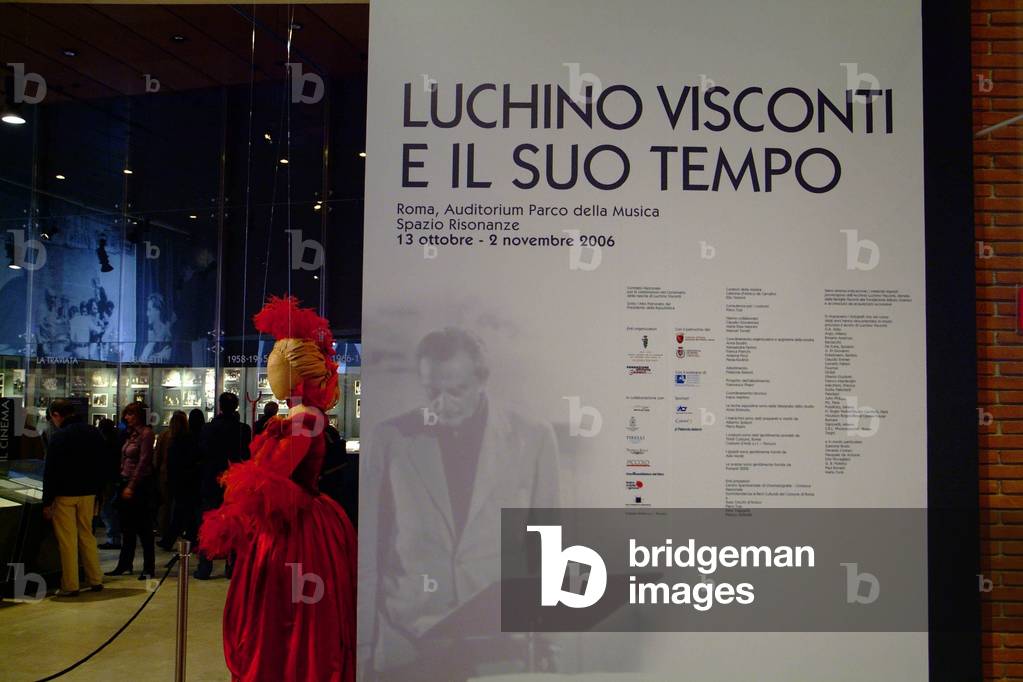
CUB4508740: Luchino Visconti costume exhibition, Rome International Film Festival, Rome, Lazio, Italy / Bridgeman Images

CUB4508775: Coffee shop, Rome International Film Festival, Rome, Lazio, Italy / Bridgeman Images

CUB4508779: Staging near Via Veneto, Rome International Film Festival, Rome, Lazio, Italy / Bridgeman Images
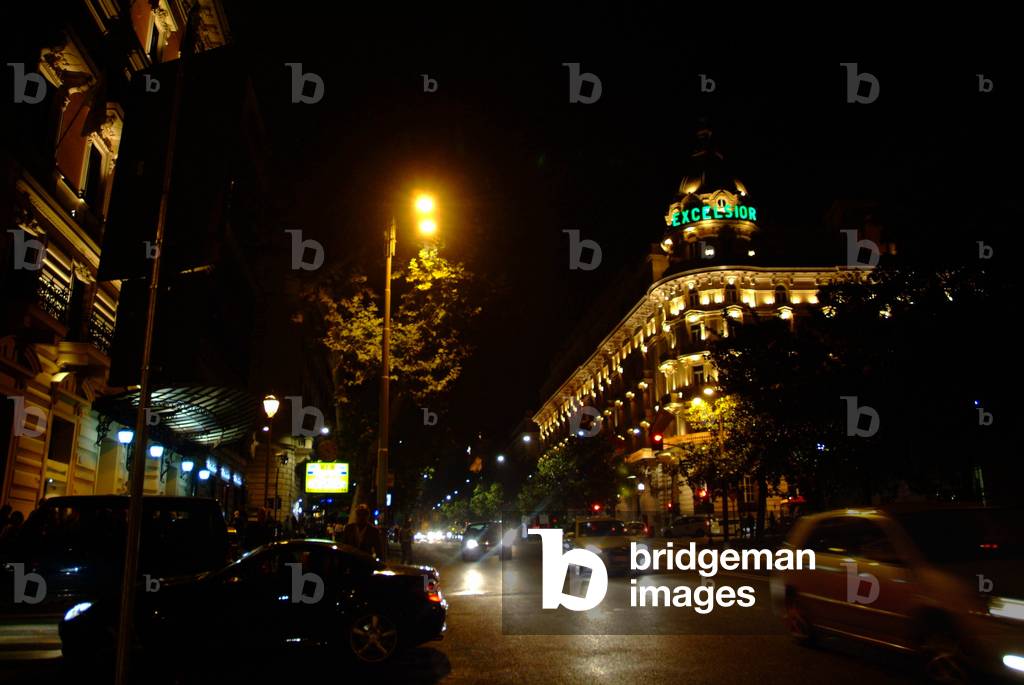
CUB4508784: The Westin Excelsior Rome Hotel, Rome International Film Festival, Rome, Lazio, Italy / Bridgeman Images

CUB4508826: Red carpet, Ornella Muti, Rome International Film Festival, Rome, Lazio, Italy / Bridgeman Images

PIX4567349: Eclipse of 11/08/1999: observation du soleil - Solar eclipse observation with safe solar glasses. August 11 1999 - Sun observation with protective glasses / Bridgeman Images

PIX4567359: Eclipse de Soleil observee par projection - Solar eclipse observation - Total eclipse of Sun of 29 March 2006. Partial phase of the projected eclipse using a pair of binoculars. Total solar eclipse, March 29, 2006, Turkey. Partial phase projected by binoculars / Bridgeman Images
