2491064 Search Results

JLJ4563886: Battle of Laubressel near Troyes, 1814 (oil on canvas), Langlois, Jean Charles (1789-1870) / Bridgeman Images
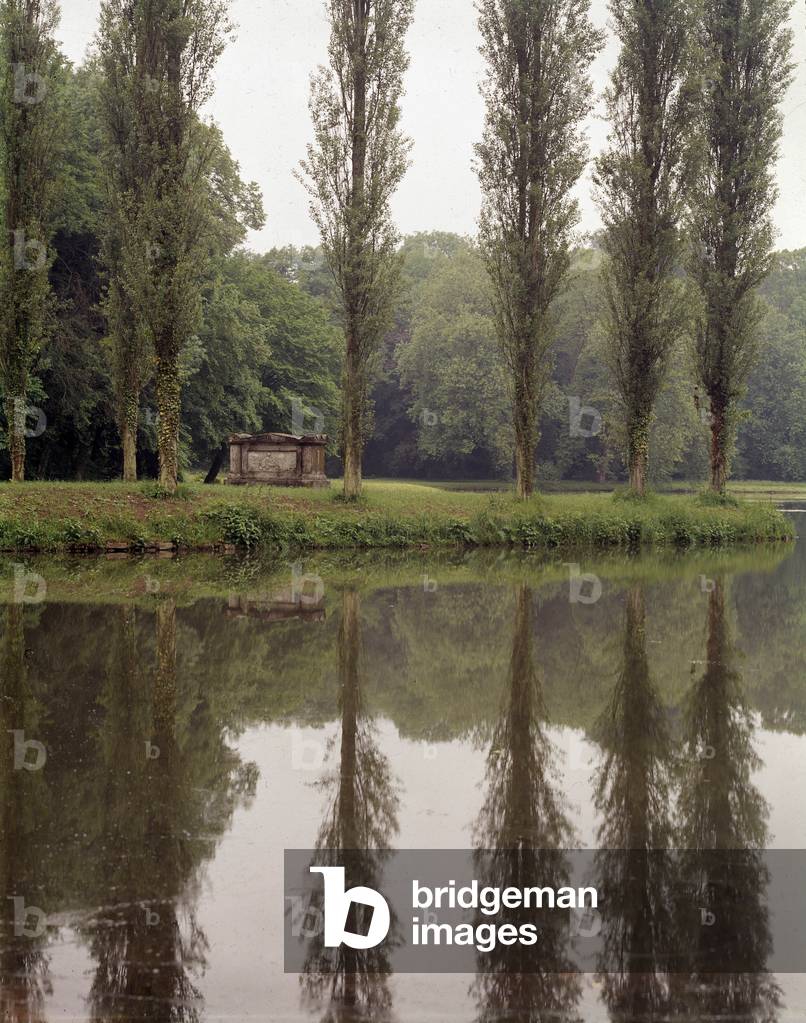
JLJ4563952: View of the tomb of the Swiss philosopher Jean Jacques Rousseau at Ermenonville (photo), Unknown artist, (18th century) / Bridgeman Images

JLJ4564037: Italian robbers, The bandits, some drink others sleep, 19th century (engraving), Unknown Artist, (19th century) / Bridgeman Images

CUB4499224: Mosque, Haifa, Israel, Middle East / Bridgeman Images

CUB4499235: Mosque, Haifa, Israel, Middle East / Bridgeman Images

CUB4499242: The Redeemer's celebration by night, Venice, Veneto, Italy / Bridgeman Images

CUB4499250: View of the casbah (kasbah), Morocco, North Africa / Bridgeman Images

CUB4499276: View of the casbah (kasbah), Morocco, North Africa / Bridgeman Images

CUB4499299: Modern architecture, Bejing, China, Asia / Bridgeman Images

CUB4499308: Yeast, Italy / Bridgeman Images
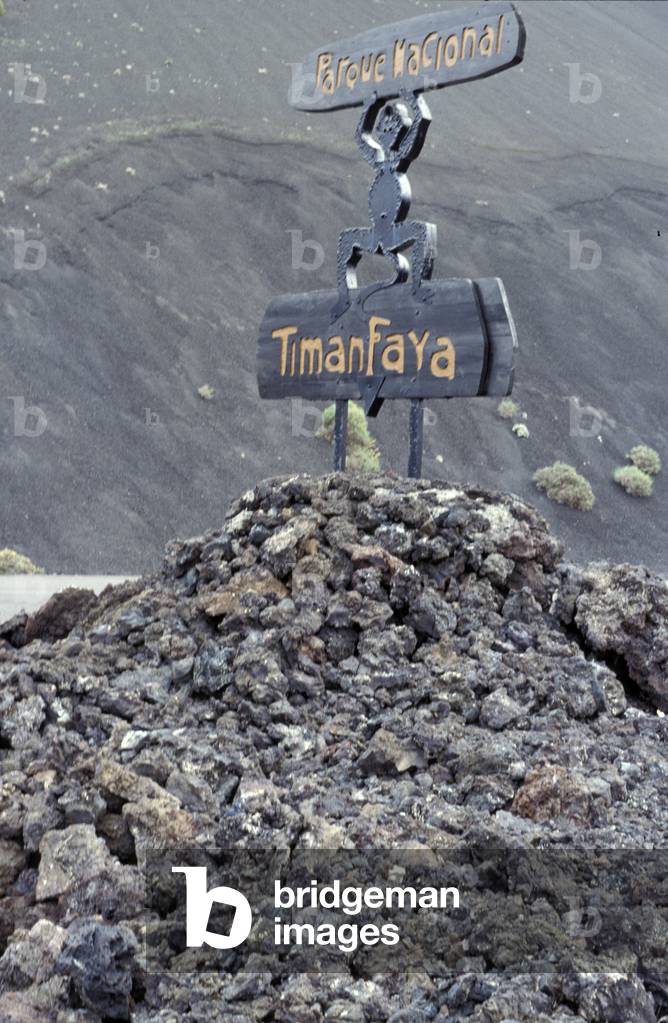
CUB4499344: Timanfaya Volcano National Park, Lanzarote, Canary Islands, Spain, Europe / Bridgeman Images

CUB4499376: Castello square, Milan, Lombardy, Italy / Bridgeman Images

CUB4499411: Dante street, Milan, Lombardy, Italy / Bridgeman Images
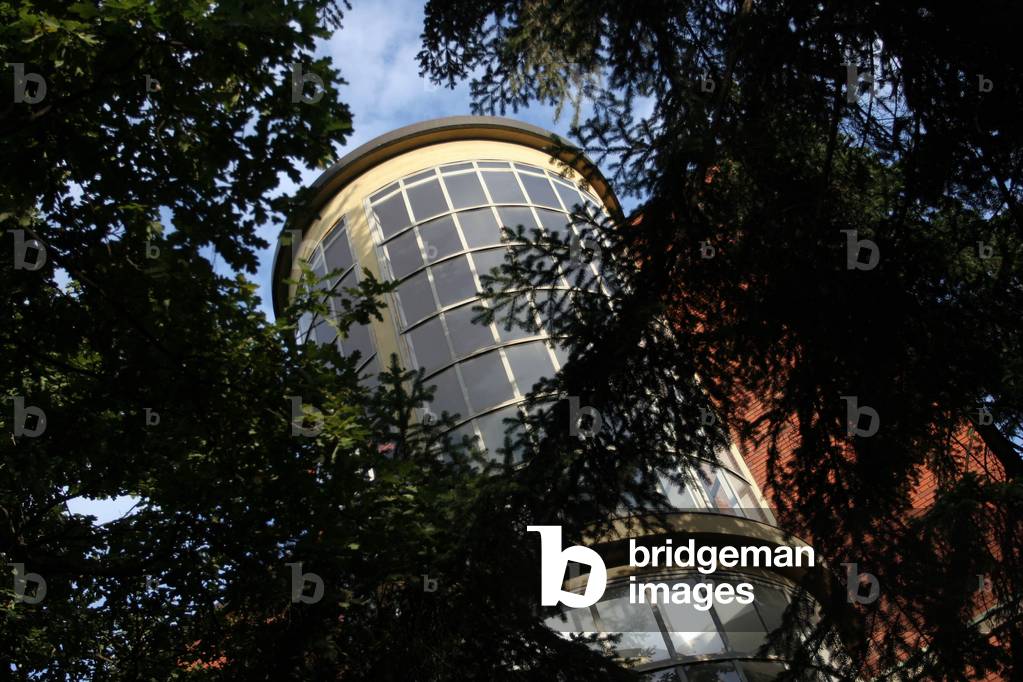
CUB4499424: Triennale palace, Alemagna street, Milan, Lombardy, Italy / Bridgeman Images
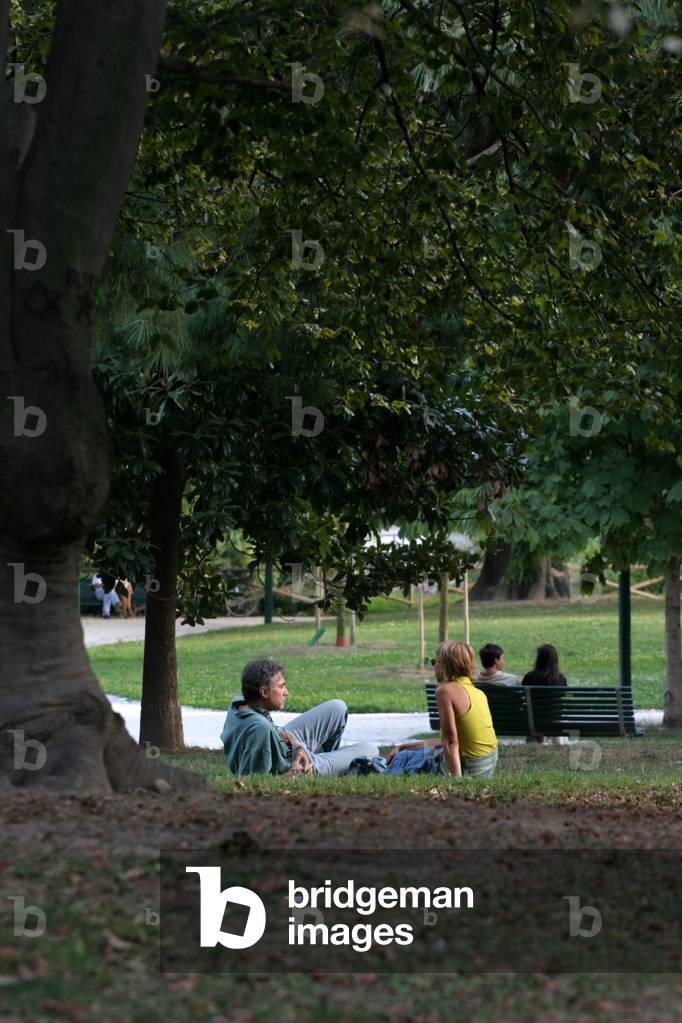
CUB4499457: Sempione park, Milan, Lombardy, Italy / Bridgeman Images

CUB4499484: Sempione park, Milan, Lombardy, Italy / Bridgeman Images
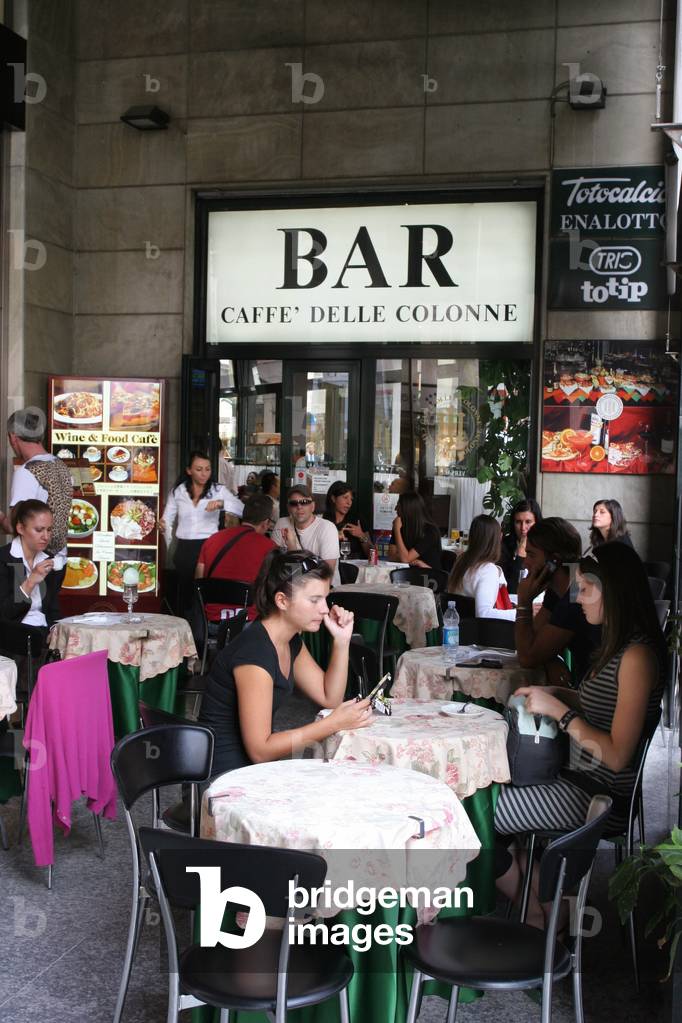
CUB4499507: Cafe, San Babila square, Milan, Lombardy, Italy / Bridgeman Images

CUB4499557: Pedestrian crossing, San Babila square, Milan, Lombardy, Italy / Bridgeman Images

CUB4499583: Courgettes, Italy / Bridgeman Images
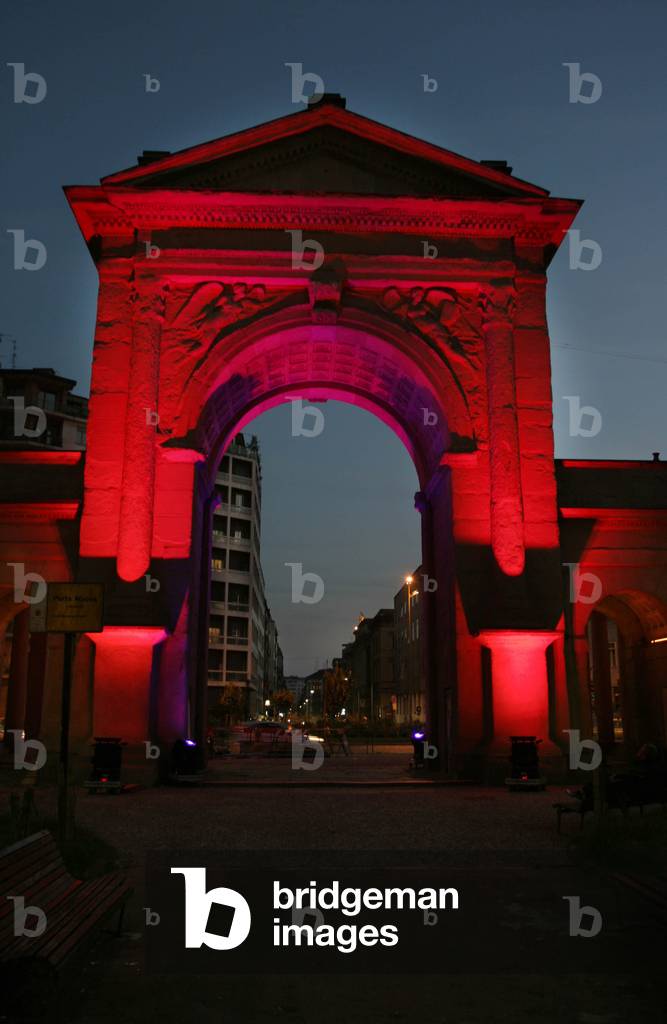
CUB4499650: Porta Nuova illuminated for fashion week, Milan, Lombardy, Italy / Bridgeman Images

CUB4499667: Corn flakes, Italy / Bridgeman Images

CUB4499691: Italian breakfast, Italy / Bridgeman Images

CUB4499703: Italian breakfast, Italy / Bridgeman Images

CUB4499720: Omenoni palace, Corso Venezia, Milan, Lombardy, Italy / Bridgeman Images

CUB4499772: Biennale, Arsenal, Venice, Veneto, Italy / Bridgeman Images

CUB4499802: Bikers controlling the map, Asiago upland, Bikers' itinerary, Veneto, Italy / Bridgeman Images
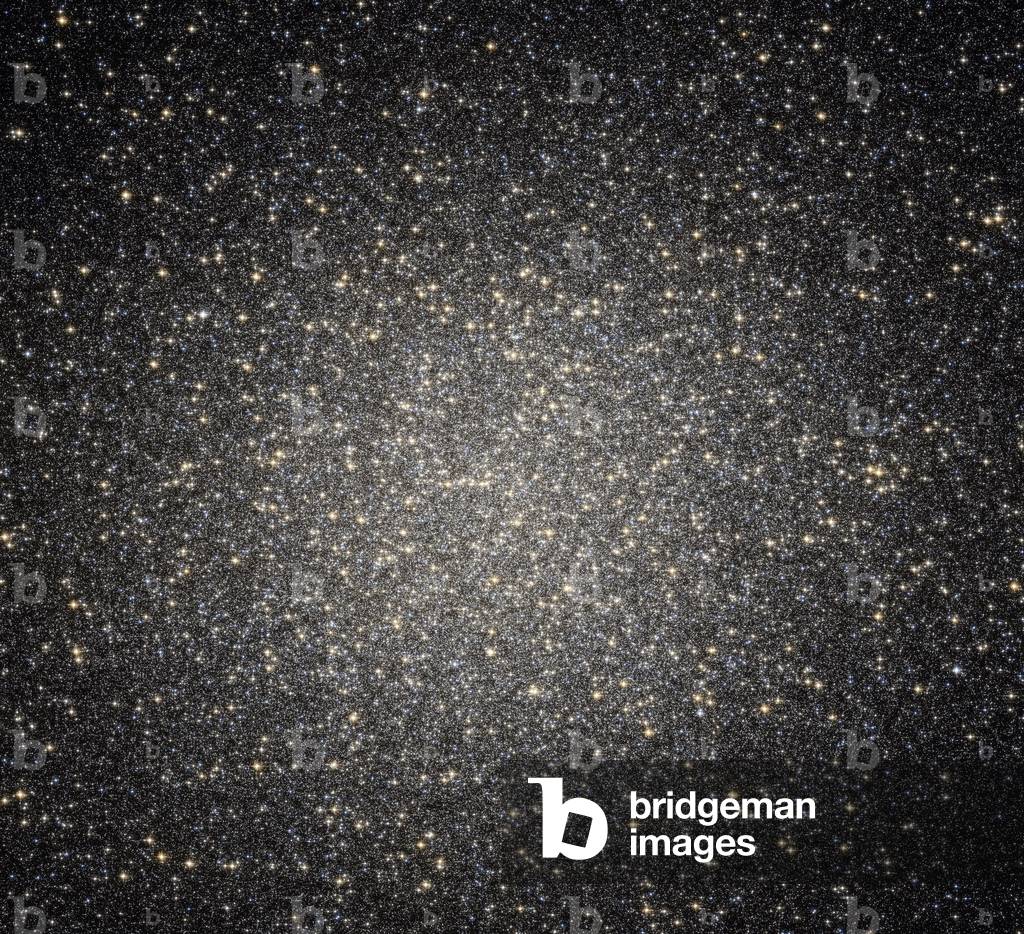
PIX4564426: Centaur Omega globular cluster - NGC 5139, Omega Centauri globular cluster - Visible to the naked eye in the southern hemisphere, Centaurus Omega is the most massive globular cluster in the galaxy. About 17,000 light years ago, millions of stars nearly 12 billion years old are concentrated here. This image obtained by the ACS camera of the Hubble space telescope and observations made by the southern Gemini telescope seem to indicate the presence of a black hole in the center of the cluster. NGC 5139 is the largest and most spectacular globular cluster in the entire night sky, and the largest in our galaxy. At 36 arc minutes, Omega Centauri is larger than the full moon in apparent size. It is located about 17,000 light years away from our Sun and at 4th magnitude, is easily visible without a telescope as a “” star”” in the constellation of Centaurus. It contains about 2 million stars, almost twice as many as M13. This composite image obtained with the Advanced Camera for Surveys onboard the NASA/ESA Hubble Space Telescope and data obtained by the GMOS spectrograph on the Gemini South telescope in Chile show that Omega Centauri appears to harbour an elusive intermediate - mass black hole in its centre / Bridgeman Images

JLJ4564513: 17th century dancer costume, Opera library, Paris (object), French School, (17th century) / Bridgeman Images

PIX4564519: Globular cluster M5 in Serpens - Globular cluster M5 in Serpens - This cluster of stars is located about 25,000 light years away from Earth. It is one of the most extensive (165 years - light) and one of the oldest known globular clusters. M5 is perhaps the most spectacular globular cluster visible from the northern hemisphere, and can even be seen under excellent conditions with the naked eye, in the constellation Serpens. It is elongated, one of the largest and one of the oldest clusters (maybe 13 billion years), and at a distance of almost 25000 light - years from us / Bridgeman Images
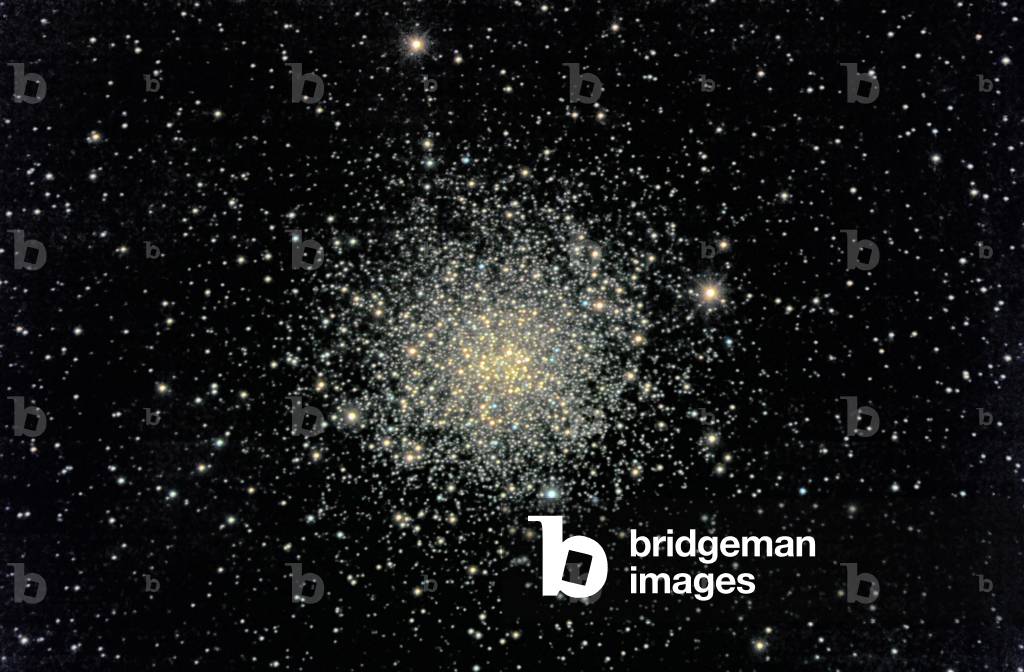
PIX4564596: Globular cluster M107 in Ophiuchus - Globular cluster M107 in Ophiuchu / Bridgeman Images

LRI4564620: Portrait of Giovanni Paisiello (engraving) / Bridgeman Images

PIX4564671: Globular cluster M13 - Hercules cluster - The Great Globular Cluster in Hercules M13 - M13 (NGC 6205), extends for about 150 years - light and is 22,000 years - light from Earth in the constellation of Hercules. Image obtained with a telescope 61 cm diameter, 75 minutes of installation. M13 (NGC 6205) in the Hercules constellation has a diameter of about 150 light - years and is 22,000 light - years away from Earth. Image taken with a 24 - inch telescope, total exposure time: 75 minutes / Bridgeman Images

JLJ4564675: Courtesans playing music exposed to the eyes of voyeurs Japanese, c.1769 (print), Harunobu, Suzuki (1725-70) / Bridgeman Images

PIX4564718: Globular cluster M10 in Ophiuchus - Globular cluster M10 in the constellation Ophiuchus - M10 (NGC 6254) is a globular cluster of magnitude 7 approximately 16,000 years - light from Earth in the constellation Ophiuchus. M10, or NGC 6254, is a seventh magnitude globular cluster in the constellation Ophiuchus, close to M12. About 16000 light - years away and about 70 light - years across, M10 on the sky has about half the diameter of the full moon / Bridgeman Images

LRI4564748: Portrait of Giambattista Pergolesi (engraving) / Bridgeman Images
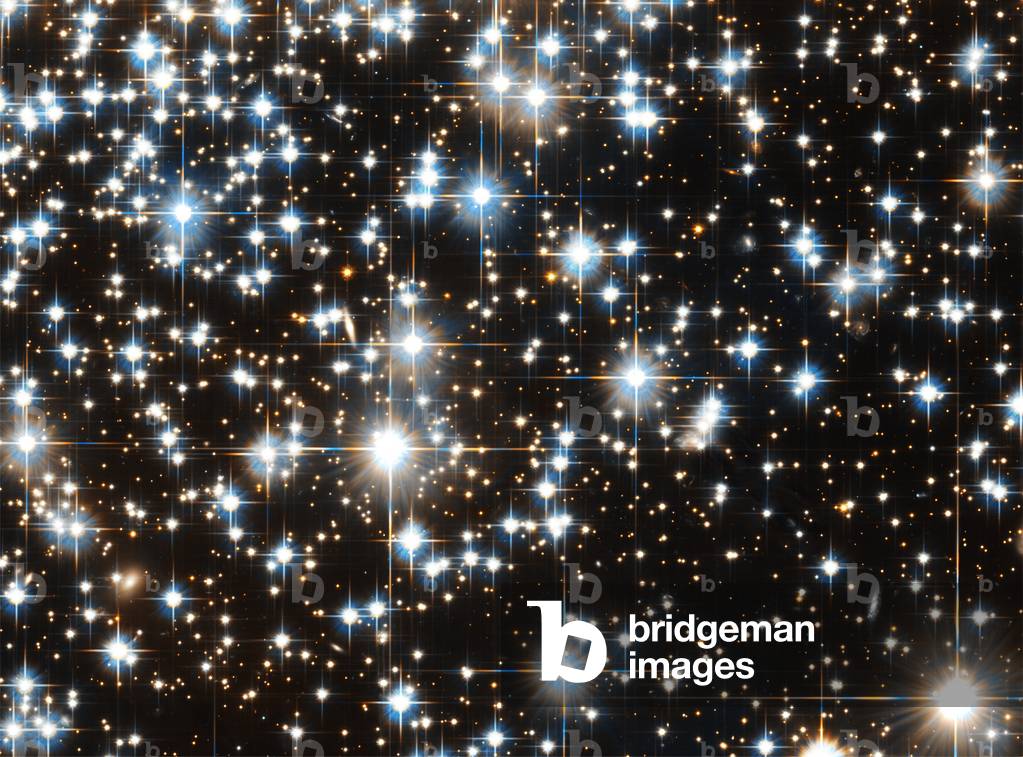
PIX4564835: Globular cluster NGC 6397 - Detail - Globular cluster NGC 6397 - Detail - The globular cluster NGC 6397 is located 8200 years - light in the southern constellation of the Altar. This image obtained by the Hubble Space Telescope in 2005 shows a detail of the cluster where a number of white dwarves have been observed. This image shows young and old white dwarf stars - - the burned - out relics of normal stars - - in the ancient globular star cluster NGC 6397. The Hubble images were taken in March and April 2005 / Bridgeman Images
