2490904 Search Results

CUB4504338: Porch, Emilia street, Modena, Emilia Romagna, Italy / Bridgeman Images

CUB4504352: Particular of the Cathedral, Modena, Emilia Romagna, Italy / Bridgeman Images
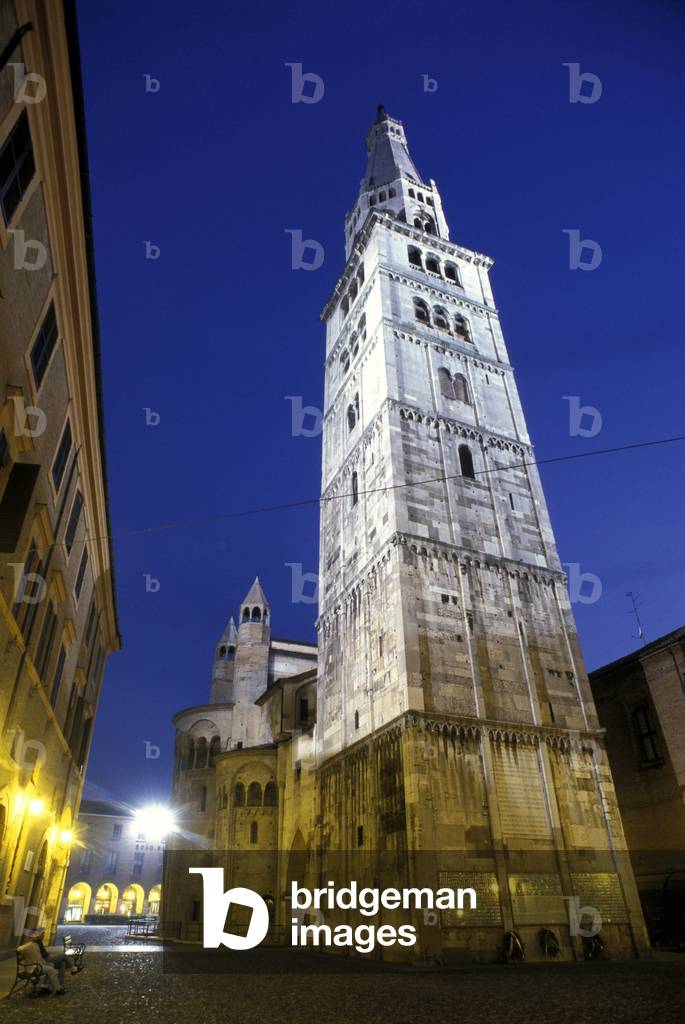
CUB4504379: Ghirlandina tower, Modena, Emilia Romagna, Italy / Bridgeman Images

CUB4504403: Italcarni pigbreeding, Campo Galliano, Emilia Romagna, Italy / Bridgeman Images

CUB4504452: Archaeological museum, Modena, Emilia Romagna, Italy / Bridgeman Images

CUB4504502: Costume historical commemoration, Carpi, Emilia Romagna, Italy / Bridgeman Images
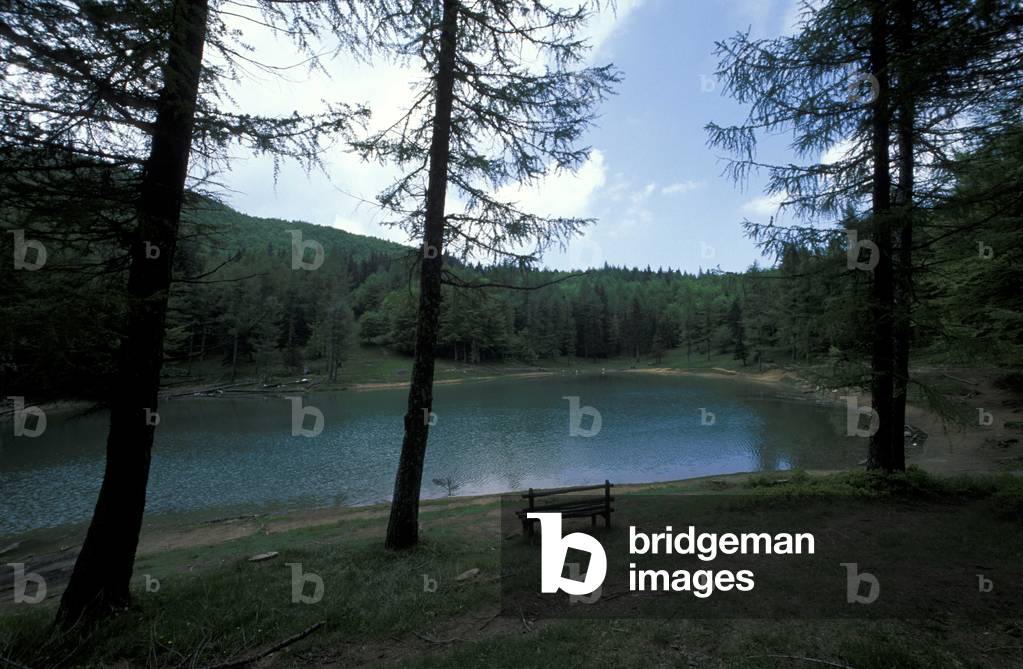
CUB4504542: Ninfa lake, Sestola, Emilia Romagna, Italy / Bridgeman Images

CUB4504582: The castle, Vignola, Emilia Romagna, Italy / Bridgeman Images

CUB4504636: La Salvarola thermal bath, Sassuolo, Emilia Romagna, Italy / Bridgeman Images

CUB4504669: Foreshortening, Treviso, Veneto, Italy / Bridgeman Images

CUB4504679: Pescheria island, Treviso, Veneto, Italy. / Bridgeman Images

CUB4504713: Typical dish based on chicory, Beccherie restaurant, Treviso, Veneto, Italy / Bridgeman Images

CUB4504731: Podestà palace and Civic tower, Treviso, Veneto, Italy / Bridgeman Images
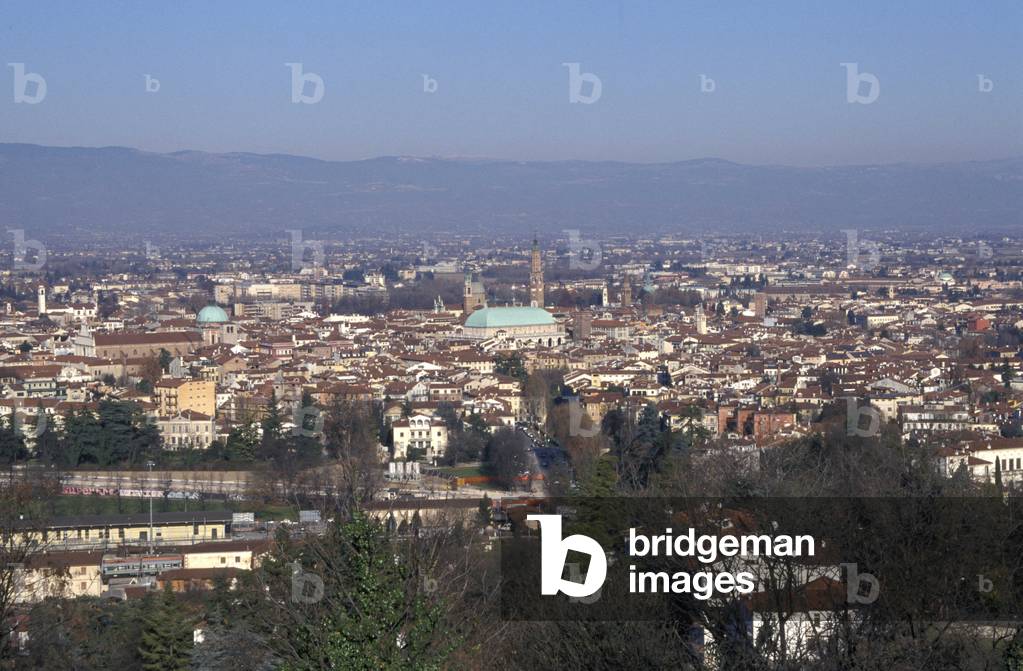
CUB4504768: Cityscape, Vicenza, Veneto, Italy / Bridgeman Images

CUB4504791: Particular, Basilica Palladiana, Piazza dei Signori, Vicenza, Veneto, Italy / Bridgeman Images

CUB4504823: Drappieri's house, Bologna, Emilia Romagna, Italy / Bridgeman Images

PIX4568295: Open cluster NGC 4755 - Jewel Box - The Jewel Box cluster, NGC 4755 - NGC 4755 is located in the constellation of the Southern Cross at a distance of 7800 years - light from Earth. The bright orange star is Kappa Crucis, a supergiant red star. This famous group of young bright stars is an open cluster some 7800 light years from the Sun. It was named the Jewel Box from its description by Sir John Herschel as 'a casket of variously coloured precious stones', which refers to its appearance in the telescope. The bright orange star is kappa Crucis, and it contrasts strongly against its predominantly blue, hot companions. Kappa Cru is a very large, (hence very luminous) quite young star in its red supergiant stage, which paradoxically indicates that its life is drawing to a close. The cluster is looks like a star to the unaided eye and appears close to the eastern - most star of the Southern Cross, so is only visible from southern latitude / Bridgeman Images

JLJ4568334: Line music: a soldier member of the military orchestra, 1855 (w/c), Detaille, Jean-Baptiste Edouard (1848-1912) / Bridgeman Images

LRI4568361: Sheet music of Suite for piano (Opus 90) by Camille Saint-Saens (print), Anonymous / Bridgeman Images

JLJ4568406: Gallo, Roman art: bronze statuettes of naked man and dancer, from the Tresor of Neuvy, en, Sullias (Loiret), 3rd century (bronze), Gallo-Roman (3rd century) / Bridgeman Images

PIX4568454: Open cluster M11 in the ECU of Sobieski - M11 open cluster in Scutum - M11 (NGC 6705) is a cluster of about 3000 stars. Image obtained by Siding Spring Clusters of bright blue stars like M11 are found scattered among the spiral arms of the Milky Way and other galaxies like it. They are a clear sign that star formation is active, because such clusters are usually very young and short lived. The stars in M11 all formed from the same material and at about the same time, a few million years ago. In 100 million years or so, all the brightest stars in the group will have evolved into cool supergiants and exploded as supernovae, leaving behind large numbers of low mass, relatively faint stars whose lives will be much longer and whose end will be much less dramatic. Located in the constellation of Scutum, it is sometimes mistaken for a loose globular cluster. M11 is also called the “” Wild Duck Cluster”” because of it's resemblance to a flight of wild ducks when viewed in a telescope. M11, with an overall brightness of magnitude 5.8, contains as many as 500 stars ranging from 8th magnitude down to 14th magnitude / Bridgeman Images

JLJ4568521: Feminism: 'Speech for Women's Empowerment in the United States' A young woman standing on a barrel claim women's rights, 19th century (engraving), Anonymous / Bridgeman Images

LRI4568538: Frontispiece of I due Figaro, opera by Alessandro Speranza, Anonymous / Bridgeman Images

PIX4568549: Open cluster NGC 6939 and galaxy NGC 6946 - Spiral galaxy NGC 6946 and open cluster NGC 6939 - The spiral galaxy NGC 6946 is located about 10 million years ago - light in Cephee. Many star formations are observed here. The cluster of stars NGC 6939, on the right, belongs to our galaxy. Spiral Galaxy NGC 6946 and Open Cluster NGC 6939 are located about 2 degrees southwest of Eta Cepheus. 6946 is a 9.7 magnitude spiral galaxy that was discovered by William Herschel on September 9, 1798 and is about 10 arc minutes in diameter. It is a relatively close galaxy at a distance of about 10 million light years, and was once suspected by Edwin Hubble of being a member of the Local Group of galaxies that includes the Milky Way, but today it is not believed to be a member. Because we are looking at it through the plane of our own galaxy, it is highly obscured by dust. NGC 6946 is sometimes called the Fireworks galaxy because of the number of supernovae that have been discovered there and the galaxy's prodigious rate of star formation. By contrast, open cluster NGC 6939, seen about 40 arc minutes northwest of NGC 6946, is located inside of our own galaxy at a distance of approximately 36 light years. It is just by coincidence that these two objects lie close to each other in the same line of sight / Bridgeman Images

PIX4568629: Open cluster M52 in Cassiopee - Open cluster M52 in Cassiopeia - M52 (NGC 7654) is an open cluster that contains about 200 stars / Bridgeman Images

JLJ4568704: Little sand castle: children play on the beach with sand, 20th century (chromo), French School, (20th century) / Bridgeman Images
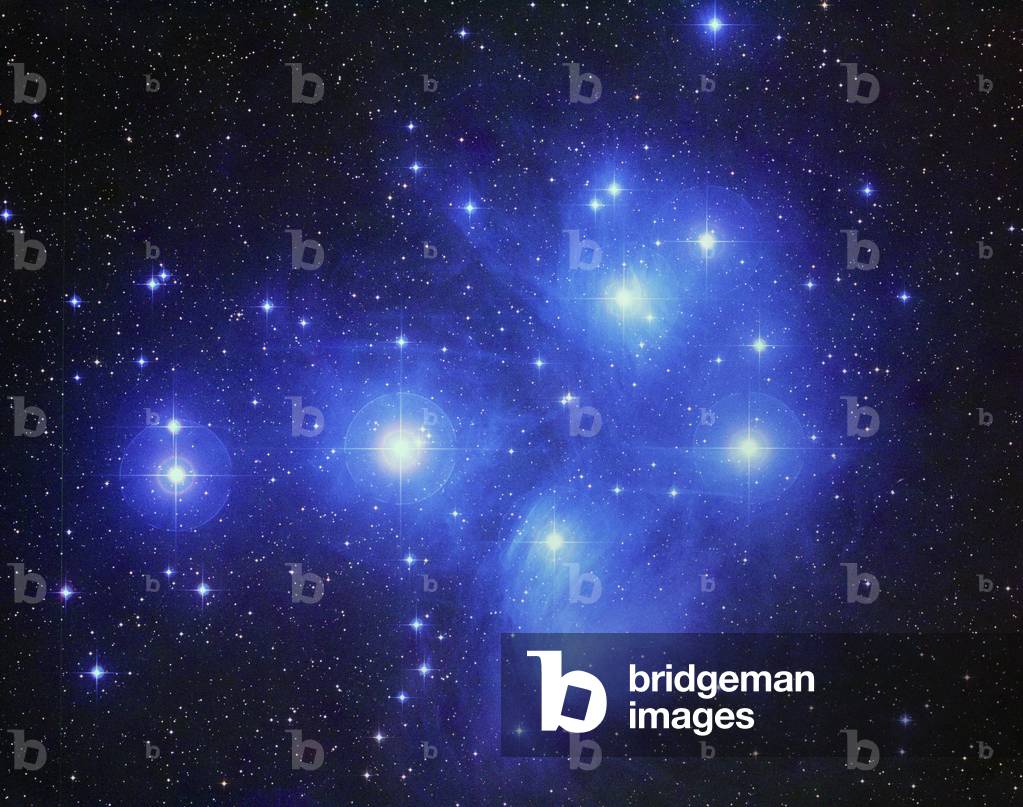
PIX4568732: Open Cluster of Pleiades - The Pleiades star cluster - The Pleiades cluster is a cluster of about 500 young stars nees 150 million years ago. Visible in the constellation Taurus, this cluster is 440 years from the Earth. The Pleiades are one of the finest and nearest examples of a reflection nebula associated with a cluster of young stars. The cluster itself is a group of many hundreds of stars about 400 light years from Earth in the northern constellation of Taurus and has been recognised since ancient times. Seven of the brightest stars are quite easy to see with the unaided eye and bear the names of the Seven Sisters, the daughters of Atlas. The nebulosity seen here is light reflected from the particles in a cloud of cold gas and dust into which the cluster has drifted. It appears blue because these tiny interstellar particles scatter blue light more efficiently than the longer wavelengths of red light and it is streaky because of the distribution of dust particles in space / Bridgeman Images

PIX4568744: Hyades and Pleiades open clusters - Hyades and Pleiades open clusters - The Hyades cluster, on the left, with the brilliant star Aldebaran. On the right, the Pleiades cluster. These two clusters belong to the constellation of the Taurus of which Aldebaran is the brightest star; it is a red giante. The Pleiades is a relatively nearby open cluster, which according to new data from the Hipparcos satellite is located at a distance of 370 light years. The Hyades (at left) is another open cluster located even closer at a distance of 153 light years / Bridgeman Images

LRI4568783: Double page from a music treaty by Giuseppe Tartini, 1754, Unknown artist, (18th century) / Bridgeman Images

XEE4409483: Proces de Benjamin Ullmo : A ship sign condemns perpetual deportation and military degradation, 1908 (print), Unknown Artist / Bridgeman Images

XEE4409879: Scene of the Middle Ages hunting., Unknown Artist / Bridgeman Images

CUB4504867: Landscape, Ampezzo, Friuli Venezia Giulia, Italy / Bridgeman Images

CUB4504890: Carnic Museum of Folk-arts, Tolmezzo, Friuli Venezia Giulia, Italy / Bridgeman Images
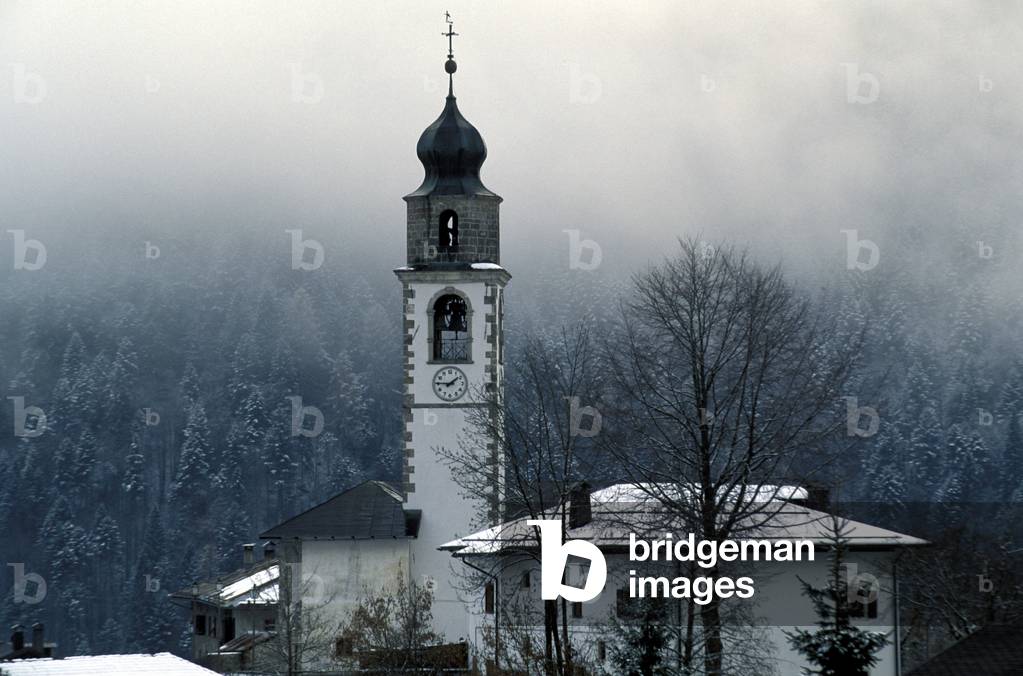
CUB4504905: Parish church, Sauris di Sotto, Friuli Venezia-Giulia, Italy / Bridgeman Images
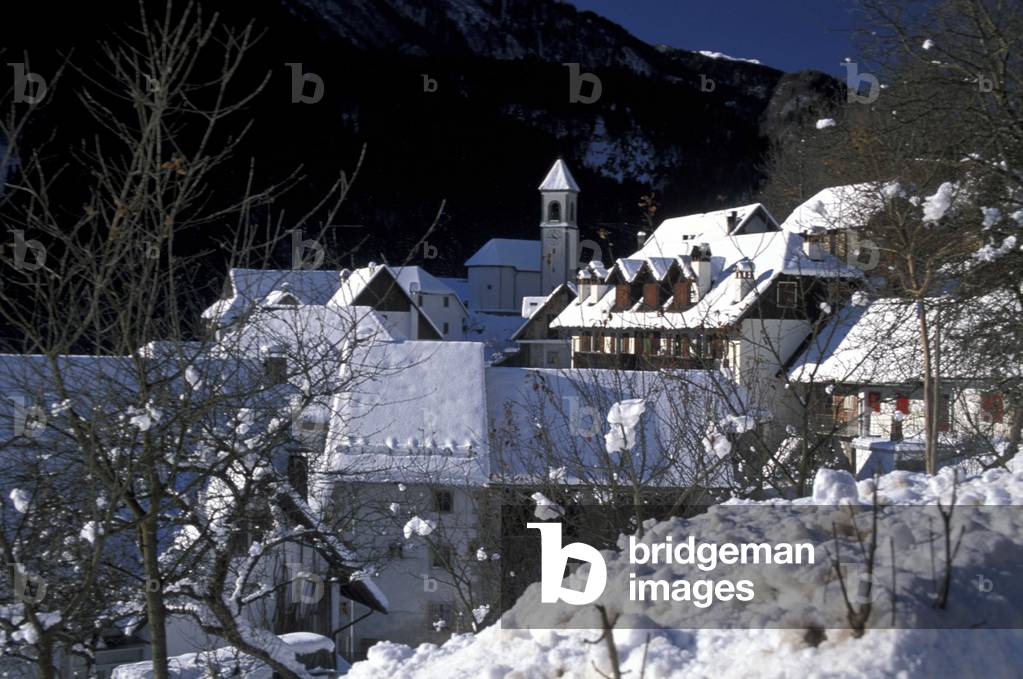
CUB4504990: Cityscape, Prato Carnico, Friuli Venezia Giulia, Italy / Bridgeman Images

CUB4505029: Town hall, Udine, Friuli Venezia Giulia, Italy / Bridgeman Images
