2491557 Search Results

ITR6434948: Basilica of Saint Madeleine, Vezelay, 1120-1150 (photography), Romanesque, (12th century) / Bridgeman Images

ITR6435098: Absalom's Death, 12th Century (sculpture), Romanesque, (12th century) / Bridgeman Images
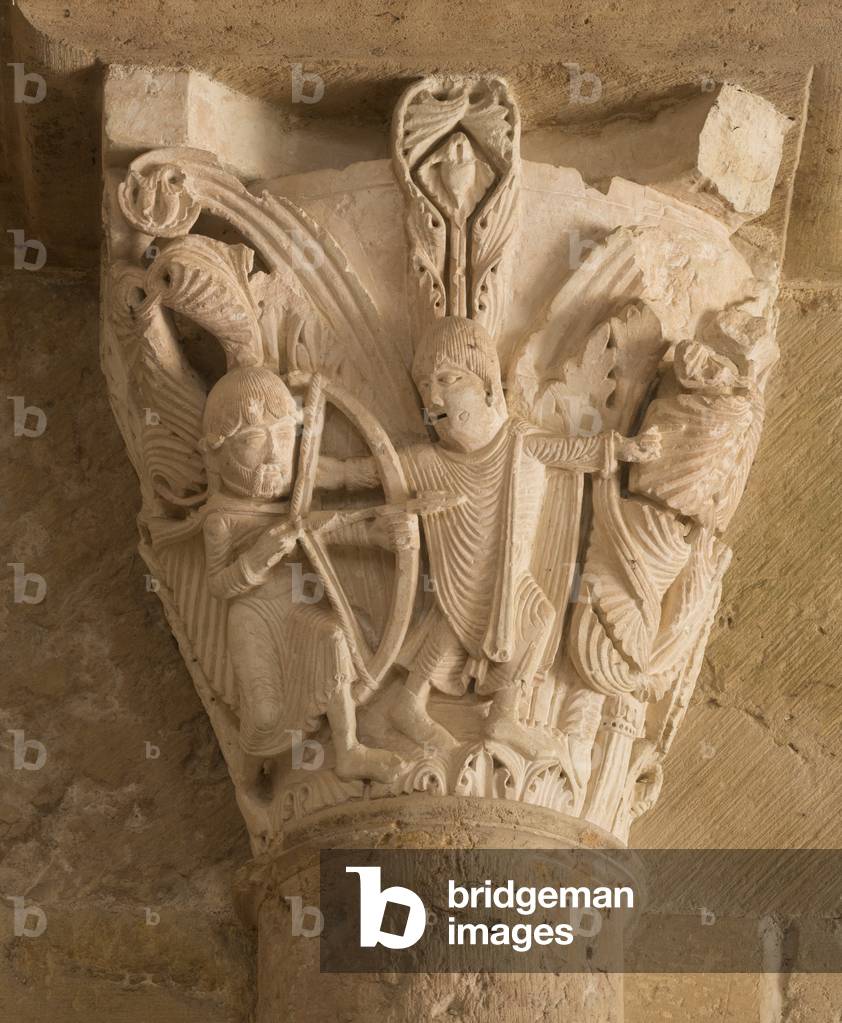
ITR6435173: Carved capital, 12th century, church of Vezelay (sculpture), Romanesque, (12th century) / Bridgeman Images

ITR6435221: Basilica of Saint Madeleine, Vezelay, 1120-1150 (photography), Romanesque, (12th century) / Bridgeman Images

GRL6435488: The Piccolomini Library, north-east wall: “Aeneas Sylvius journeys to the Council of Basel, winter 1432”, Pinturicchio, Bernardino di Betto (c.1452-1513) / Bridgeman Images

GRL6435656: The Piccolomini Library, north east wall: “Aeneas Sylvius is crowned poet laureate by the Emperor Frrederick III, July 27, 1442 ”, Pinturicchio, Bernardino di Betto (c.1452-1513) / Bridgeman Images

GRL6435740: The Piccolomini Library, north east wall: “Aeneas Sylvius makes an act of submission to Pope Eugenius IV, February 7, 1447 ”, Pinturicchio, Bernardino di Betto (c.1452-1513) / Bridgeman Images

GRL6435745: The Piccolomini Library, north east wall: “Aeneas Sylvius makes an act of submission to Pope Eugenius IV, February 7, 1447 ”, Pinturicchio, Bernardino di Betto (c.1452-1513) / Bridgeman Images

GRL6435759: The Piccolomini Library, south east wall: “Aeneas Sylvius receives the Cardinal’s hat form Pope Calixtus III, December 17, 1456 ”, Pinturicchio, Bernardino di Betto (c.1452-1513) / Bridgeman Images

GRL6435806: The Piccolomini Library, south west wall: “ Pius II presides over the Diet of Mantua, June1, 1459", Pinturicchio, Bernardino di Betto (c.1452-1513) / Bridgeman Images

DUV6523562: J: Jealousy, the success of his companions hurt him., French School, (19th century) / Bridgeman Images

DUV6523568: P: Laziness, laziness generates vices., French School, (19th century) / Bridgeman Images

DUV6523577: Ornate Alphabet - Majusule Letters A B C D E F, French School, (19th century) / Bridgeman Images

DUV6523607: C as Conviction, Hermann-Paul, Rene George (1874-1940) / Bridgeman Images

DUV6523616: L as Lama, Hermann-Paul, Rene George (1874-1940) / Bridgeman Images

DUV6523661: T: Tiger, French School, (19th century) / Bridgeman Images

DUV6523730: Plate n° 12: Art Nouveau sign painter models (Tailor). Capitalization abecedary., French School, (20th century) / Bridgeman Images
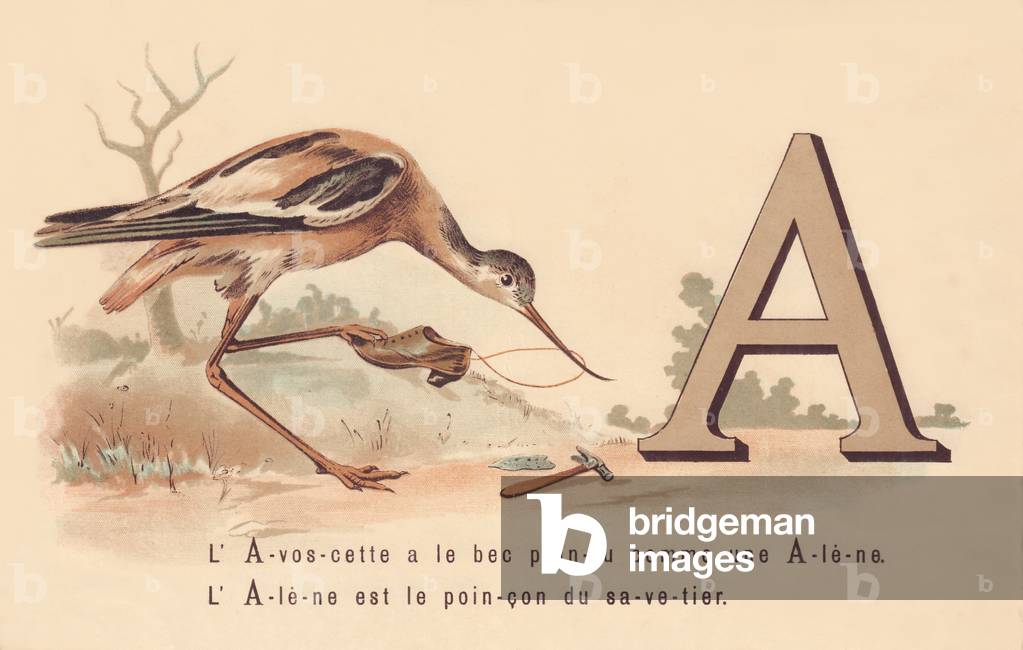
DUV6345482: A: L'Avoscette has the pointed beak like an Alene The Alene is the hallmark of the savetier, French School, (19th century) / Bridgeman Images
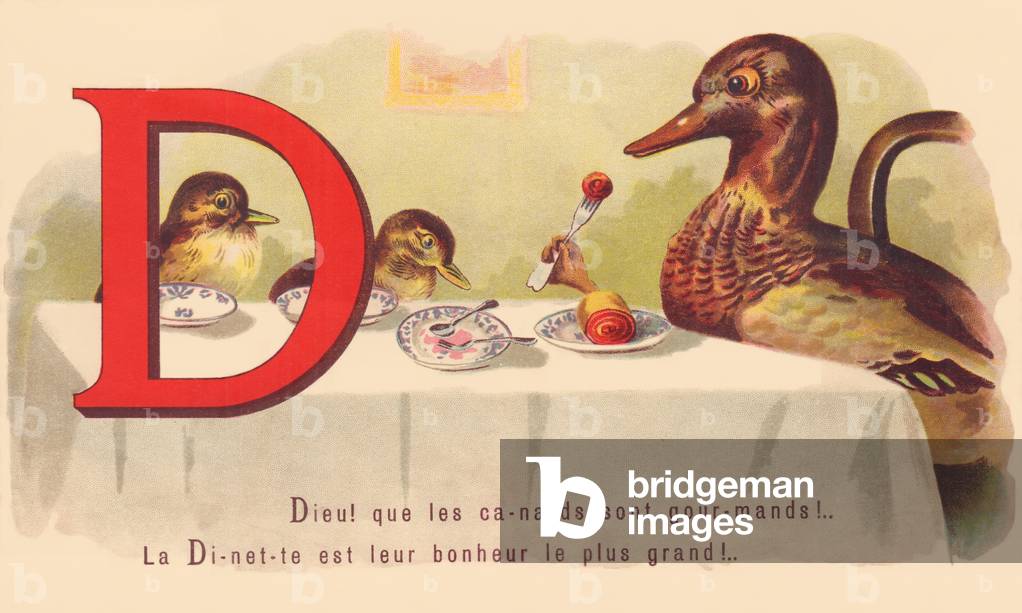
DUV6345492: D: God! that ducks are greedy! The Dinette is their greatest happiness!, French School, (19th century) / Bridgeman Images
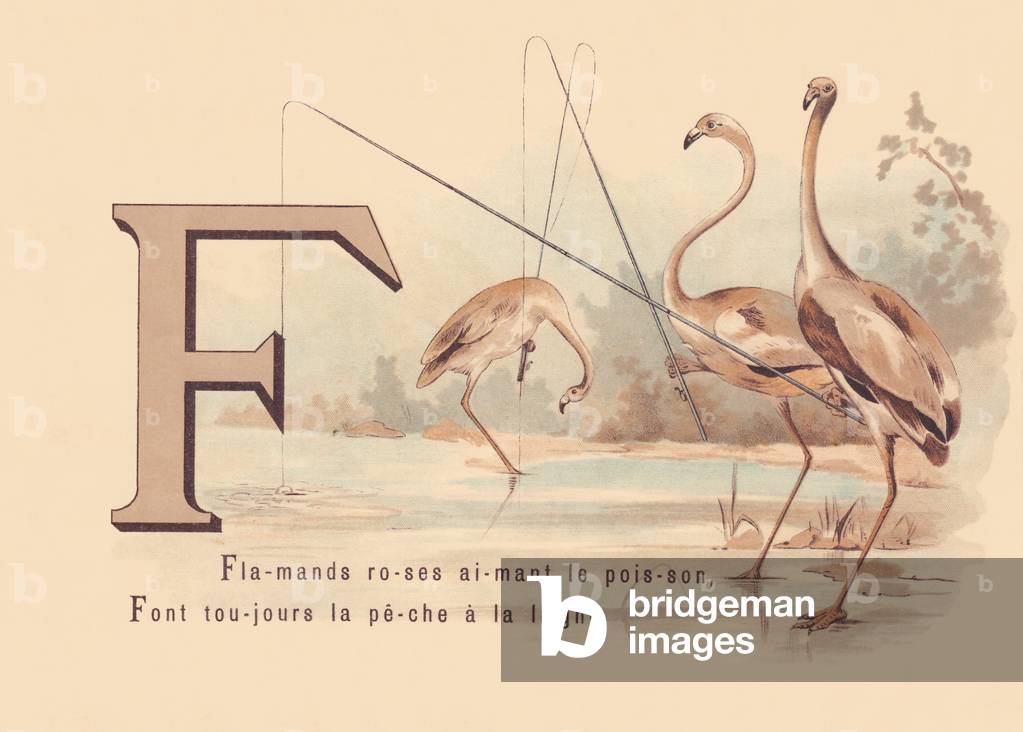
DUV6345496: F: Flamingos magnet fish, Always do angling, French School, (19th century) / Bridgeman Images
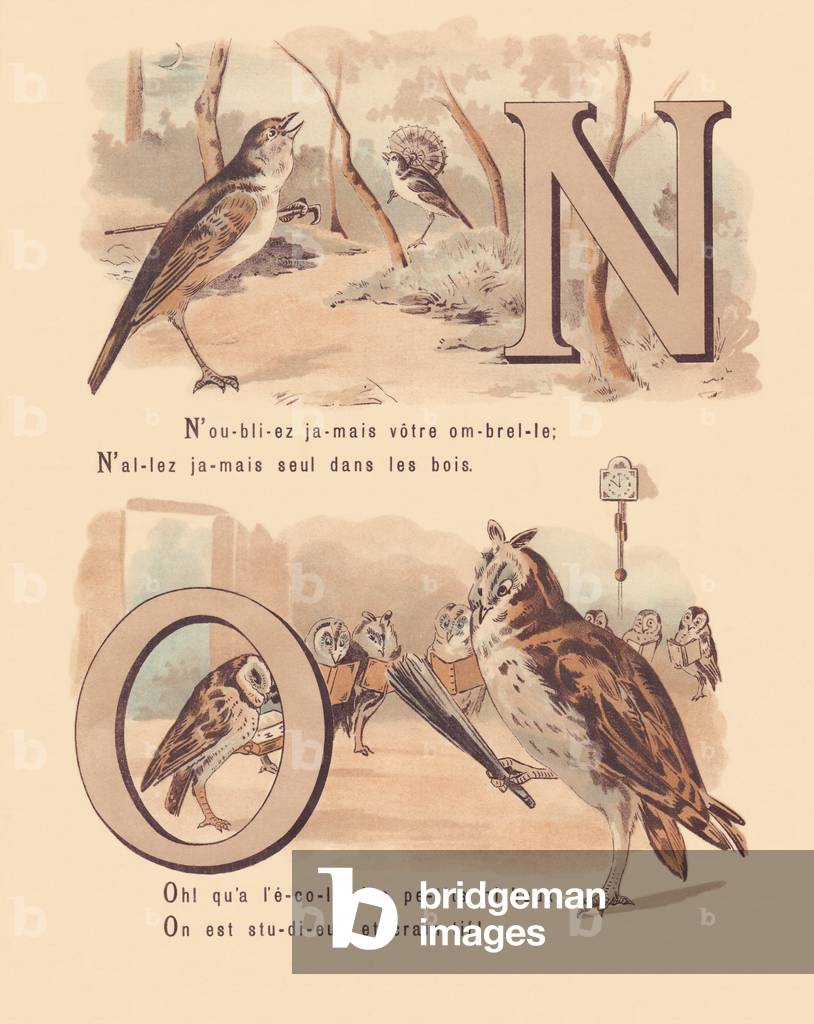
DUV6345517: N O: Nightingale, nuptial, owl, orthography, French School, (19th century) / Bridgeman Images
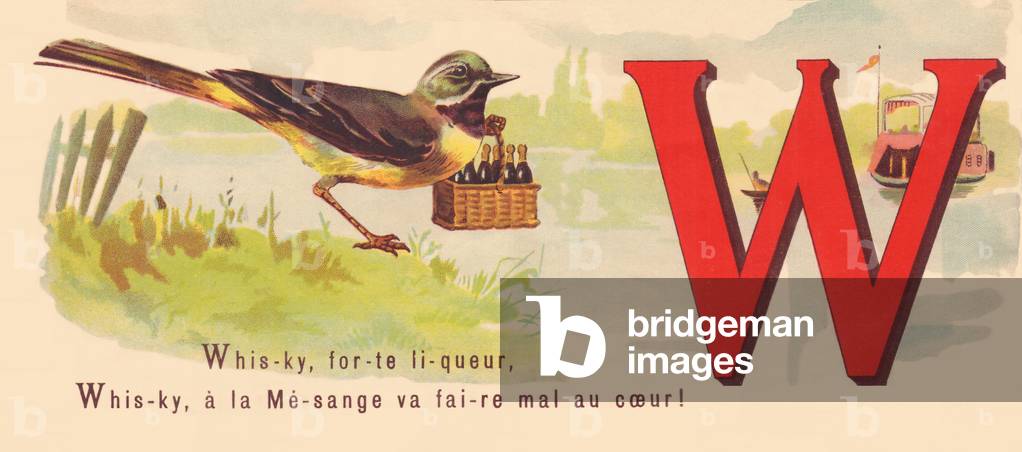
DUV6345537: W: Whiskey, strong liqueur, Whiskey, has the Tit will hurt the heart!, French School, (19th century) / Bridgeman Images
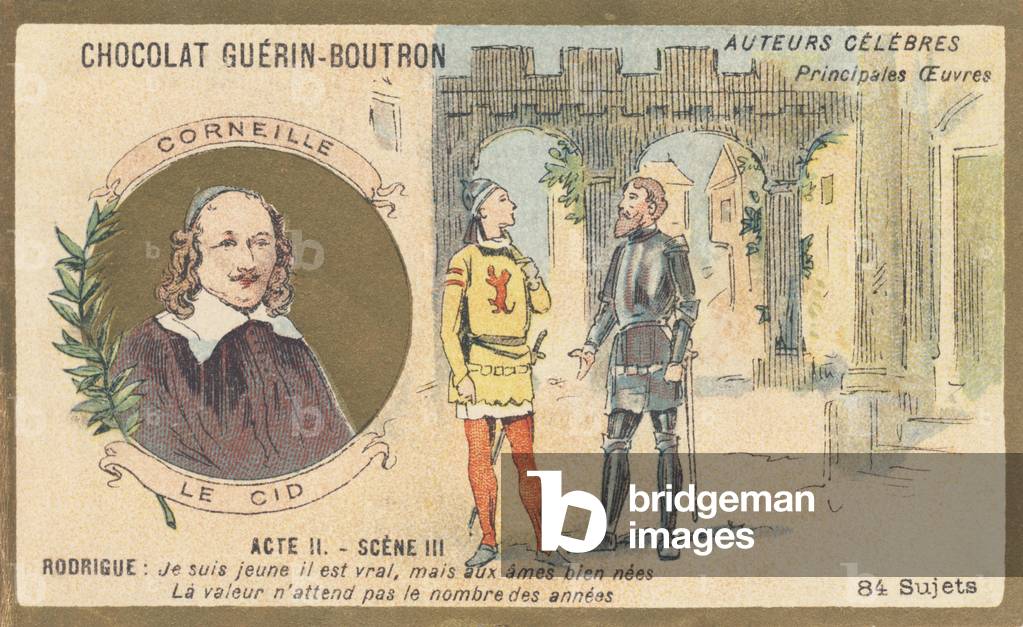
DUV6345556: Pierre Corneille (1606-1684), French playwright and poet, author of “Le Cid”, play (1637), French School, (19th century) / Bridgeman Images
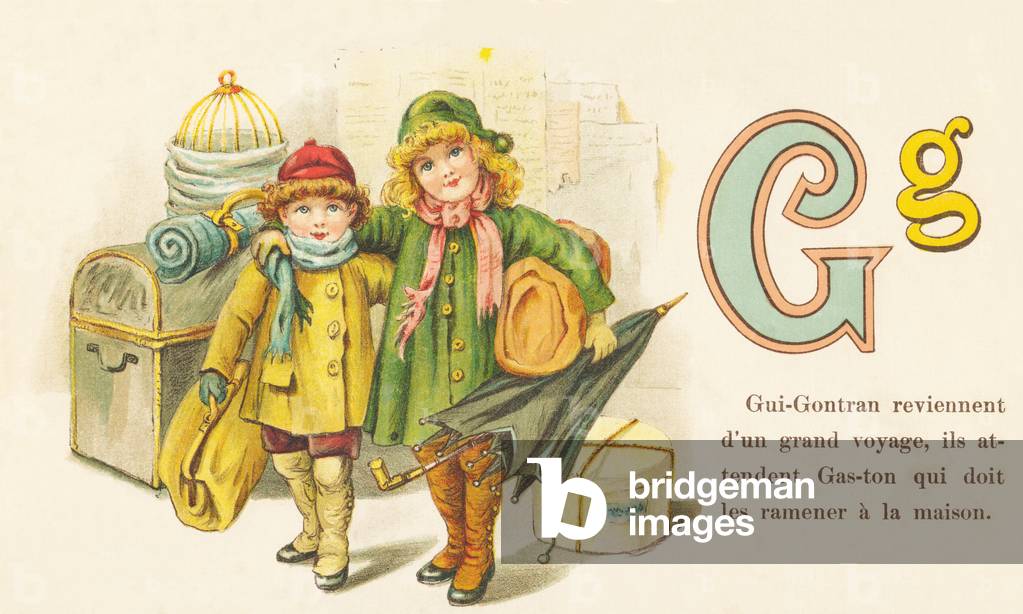
DUV6345571: G: Gui-Gontran come back from a big trip, they wait for Gaston who has to bring them home, French School, (20th century) / Bridgeman Images
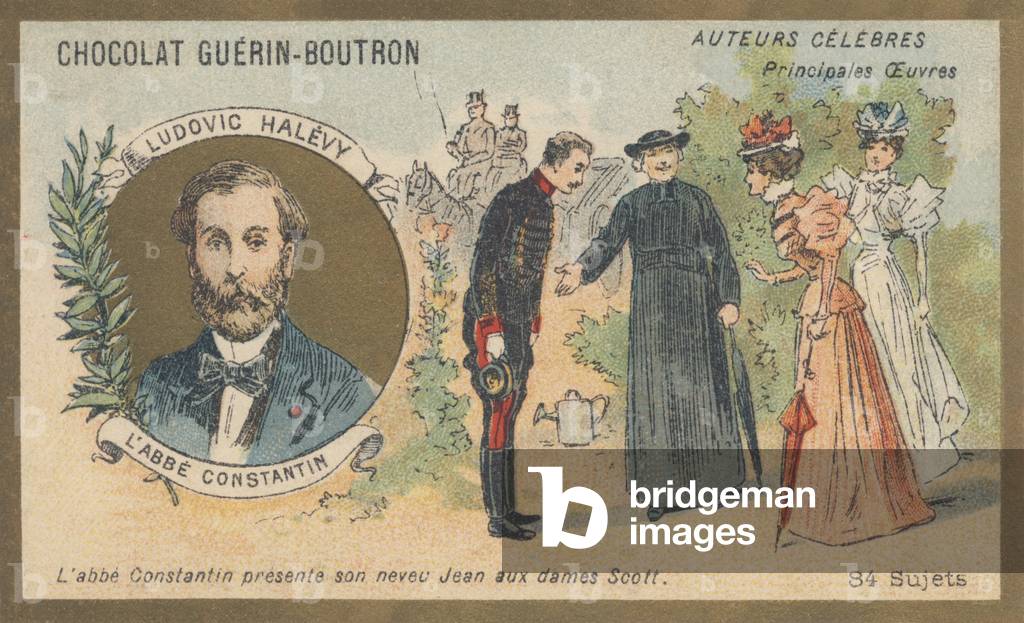
DUV6345583: Ludovic Halevy (1834-1908), playwright, librettist of operettes and operas, and French novelist, author of “L'abbe Constantin”, novel (1882), French School, (19th century) / Bridgeman Images
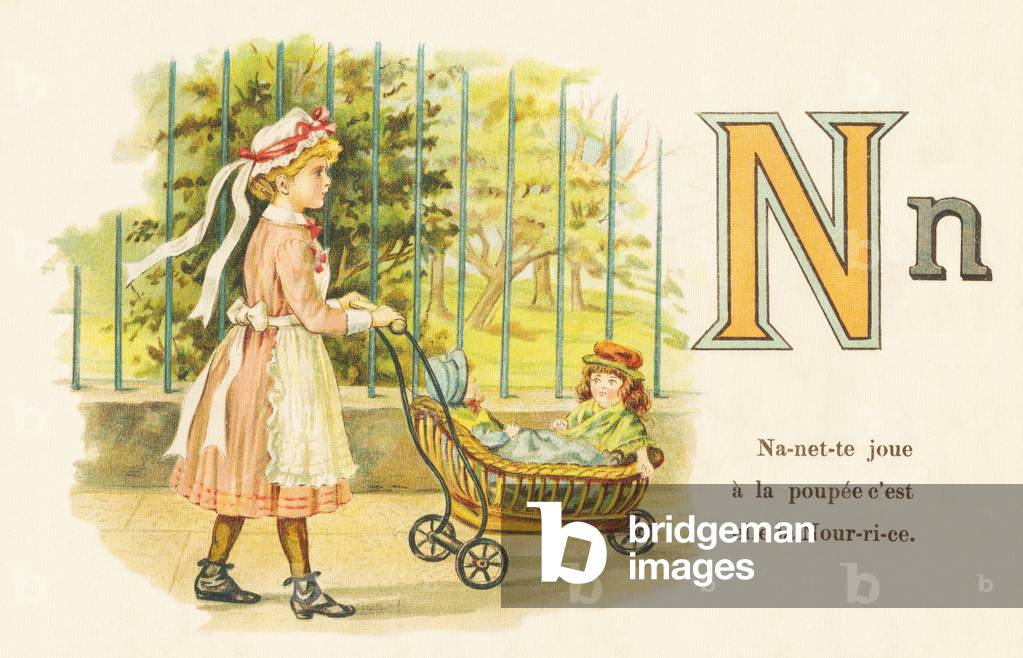
DUV6345589: N: Nanette plays the doll. She's the Nanny., French School, (20th century) / Bridgeman Images
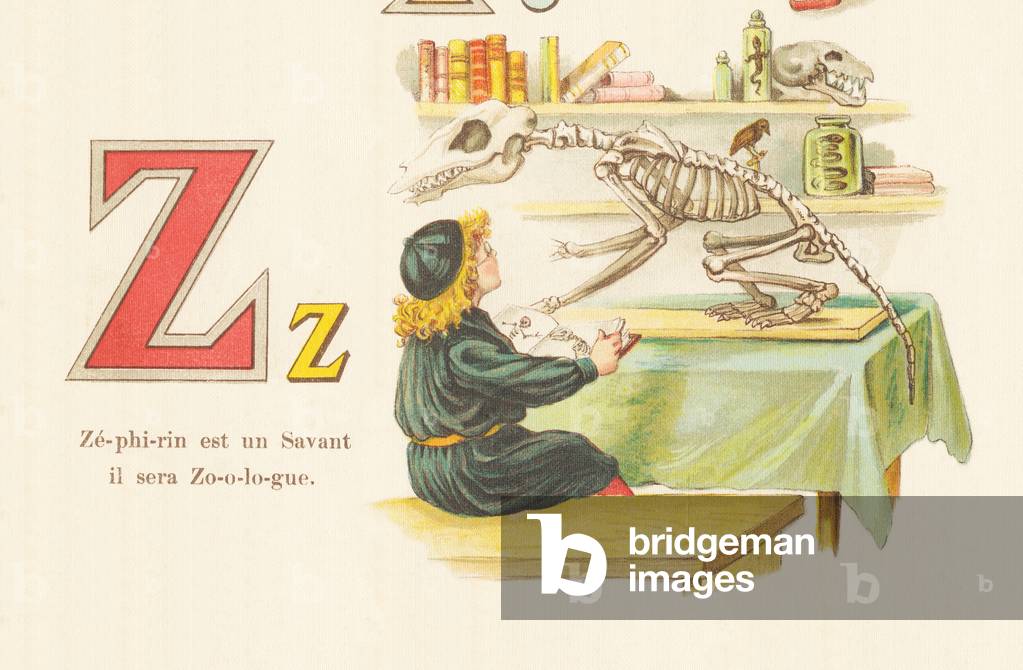
DUV6345604: Z: Zephirin is a Savant he will be a Zoologist, French School, (20th century) / Bridgeman Images

DUV6345613: E F: Elisabeth and Etienne, Felix, François and Fernand, Neziere, Raymond de la (1865-1953) / Bridgeman Images

DUV6345637: U V: Urban, Veronica, Victorin, Virginia and Victoire, Neziere, Raymond de la (1865-1953) / Bridgeman Images

DUV6345640: W X: William and Xavier, Neziere, Raymond de la (1865-1953) / Bridgeman Images

DUV6345705: D as Dominos, Unknown Artist, (20th century) / Bridgeman Images

DUV6345717: N O P Q Butterfly Bear Nest, Unknown Artist, (20th century) / Bridgeman Images

DUV6345720: P as Butterfly, Unknown Artist, (20th century) / Bridgeman Images

DUV6345723: R as Grape, Unknown Artist, (20th century) / Bridgeman Images

DUV6345741: I: invalid, ibis, if (colour litho), Cordier, A. (19th century) / Bridgeman Images

DUV6345850: A: tree, Unknown Artist, (19th century) / Bridgeman Images
