2497532 Search Results
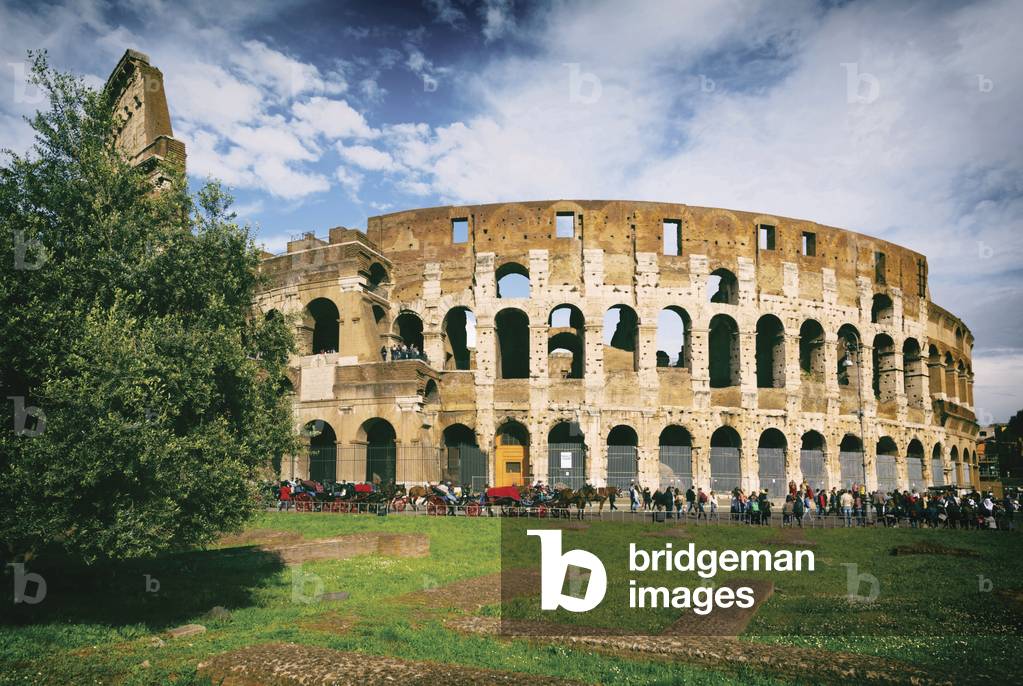
KW6432027: Exterior of the Colosseum, Rome, Italy (photo), Roman, (1st century AD) / Bridgeman Images

GEG6431840: Lucie Delarue Mardrus, Woman of French Letters, 1908 (engraving), Barrere, Adrien (1874-1931) / Bridgeman Images

FIA6430543: On the Shore of the Lake, Martinque, 1887 (oil on canvas), Gauguin, Paul (1848-1903) / Bridgeman Images

GEG6428457: Elections and suffragette, 1910 (engraving), Roubille, Auguste (1872-1955) / Bridgeman Images

GRL6372279: The Ark of the relics of St St John the Baptist in the duomo of Genoa, 13th century, Master of the Ark of the Baptist (c.1200-50) / Bridgeman Images

GRL6372355: Genoa, Duomo (St Lawrence Cathedral), inside, Cybo chapel (northern arm of the transept), Funerary Monument of Archbishop Giuliano Cybo: "Jesus Christ enthroned, between Saint Peter (left) and Saint Paul (right)", statue by Giangiacomo and Guglielmo Della Porta, and by Niccolò Da Corte (1533 - 1537), Porta, Giacomo & Guglielmo della & Corte, Niccolò da (16th century) / Bridgeman Images

EXP6371179: Untitled, 2019 (photo), Carelli, Domenico / Bridgeman Images

GRL6372429: Genoa, Duomo (St Lawrence Cathedral), inside, the Southern aisle, southern wall: "Crucifixion" (1443) from the funerary monument of Girolamo Calvi, by Lombard artist of the Gagini workshop, Italian School, (15th century) / Bridgeman Images

GRL6372486: Genoa, Duomo (St Lawrence Cathedral), inside, apse, choir, North side: "The Baptist in the wilderness", wood intarsia by Giovanni Francesco Zambelli (XVI century), Zambelli, Giovanni Francesco (16th century) / Bridgeman Images

GRL6372382: Genoa, Duomo (St Lawrence Cathedral), inside, The Lercari Chapel or The Chapel of the Blessed Sacrament (Northern apse), vault: "Hosea", fresco by Giovanni Battista Castello known as Bergamasco, 1564-7, Castello, Giovanni Battista (Il Bergamasco) (1509-69) / Bridgeman Images

GRL6372436: Genoa, Duomo (St Lawrence Cathedral), inside, the Southern aisle, southern wall: "Crucifixion" (1443) from the funerary monument of Girolamo Calvi, by Lombard artist of the Gagini workshop, Italian School, (15th century) / Bridgeman Images

GRL6372453: Genoa, Duomo (St Lawrence Cathedral), inside, the presbitery vault: "The Martyrdom of St Lawrence", (1622-24), fresco of the ceiling, by Lazzaro Tavarone, Tavarone, Lazzaro (1556-1641) / Bridgeman Images

GRL6372461: Genoa, Duomo (St Lawrence Cathedral), inside, the presbitery vault: "St Bernard of Clairvaux", (1622-24), fresco of the ceiling, by Lazzaro Tavarone, Tavarone, Lazzaro (1556-1641) / Bridgeman Images

GRL6372660: Genoa, Duomo (St Lawrence Cathedral), dome, tambour: “St Mark”, figurative panel (XVI century), Italian School, (16th century) / Bridgeman Images

GRL6372765: Genoa, Museum of the Treasury of the Cathedral of San Lorenzo: the Ark processional Ash St John the BaptiSt The Ark was commissioned by the Priors Chapel and was built by Teramo Danieli and Simone Caldera, 1438 - 1445, embossed silver, cast, gilt and enamels, Danieli, Teramo & Caldera, Simone (15th century) / Bridgeman Images

GRL6372783: Genoa, Museum of the Treasury of the Cathedral of San Lorenzo: the Ark processional Ash St John the BaptiSt The Ark was commissioned by the Priors Chapel and was built by Teramo Danieli and Simone Caldera, 1438 - 1445, embossed silver, cast, gilt and enamels, Danieli, Teramo & Caldera, Simone (15th century) / Bridgeman Images

GRL6372791: Genova, the Diocesan Museum: the funeral monument of Cardinal Luca Fieschi, by the worskhop of Giovanni di Balduccio from Pisa, about 1336, Balduccio, Giovanni (1290-1339) (workshop of) / Bridgeman Images

GRL6372797: Genova, the Diocesan Museum: the funeral monument of Cardinal Luca Fieschi, by the worskhop of Giovanni di Balduccio from Pisa, about 1336, Balduccio, Giovanni (1290-1339) (workshop of) / Bridgeman Images

GRL6372799: Genova, the Diocesan Museum: the funeral monument of Cardinal Luca Fieschi, by the worskhop of Giovanni di Balduccio from Pisa, about 1336, Balduccio, Giovanni (1290-1339) (workshop of) / Bridgeman Images

GRL6372661: Genoa, Duomo (St Lawrence Cathedral), dome, tambour: “St John the Evangelist”, figurative panel (XVI century), Italian School, (16th century) / Bridgeman Images

GRL6372760: Genoa, Museum of the Treasury of the Cathedral of San Lorenzo: the Ark processional Ash St John the BaptiSt The Ark was commissioned by the Priors Chapel and was built by Teramo Danieli and Simone Caldera, 1438 - 1445, embossed silver, cast, gilt and enamels, Danieli, Teramo & Caldera, Simone (15th century) / Bridgeman Images

GRL6372770: Genoa, Museum of the Treasury of the Cathedral of San Lorenzo: the Ark processional Ash St John the BaptiSt The Ark was commissioned by the Priors Chapel and was built by Teramo Danieli and Simone Caldera, 1438 - 1445, embossed silver, cast, gilt and enamels, Danieli, Teramo & Caldera, Simone (15th century) / Bridgeman Images

GRL6372776: Genoa, Museum of the Treasury of the Cathedral of San Lorenzo: the Ark processional Ash St John the BaptiSt The Ark was commissioned by the Priors Chapel and was built by Teramo Danieli and Simone Caldera, 1438 - 1445, embossed silver, cast, gilt and enamels, Danieli, Teramo & Caldera, Simone (15th century) / Bridgeman Images

GRL6372782: Genoa, Museum of the Treasury of the Cathedral of San Lorenzo: the Ark processional Ash St John the BaptiSt The Ark was commissioned by the Priors Chapel and was built by Teramo Danieli and Simone Caldera, 1438 - 1445, embossed silver, cast, gilt and enamels, Danieli, Teramo & Caldera, Simone (15th century) / Bridgeman Images

GRL6372784: Genoa, Museum of the Treasury of the Cathedral of San Lorenzo: the Ark processional Ash St John the BaptiSt The Ark was commissioned by the Priors Chapel and was built by Teramo Danieli and Simone Caldera, 1438 - 1445, embossed silver, cast, gilt and enamels, Danieli, Teramo & Caldera, Simone (15th century) / Bridgeman Images

GRL6372187: Genoa, Duomo (St Lawrence Cathedral), inside, the nave: "the pulpit - detail of commemorative plaque" (1526-7), Scala, Pierangelo della (16th century) / Bridgeman Images

GRL6372818: Genoa, Museum of St Augustine: Grifo, by Campionese sculptor ("Master of Giano") about 1315, Italian School, (14th century) / Bridgeman Images
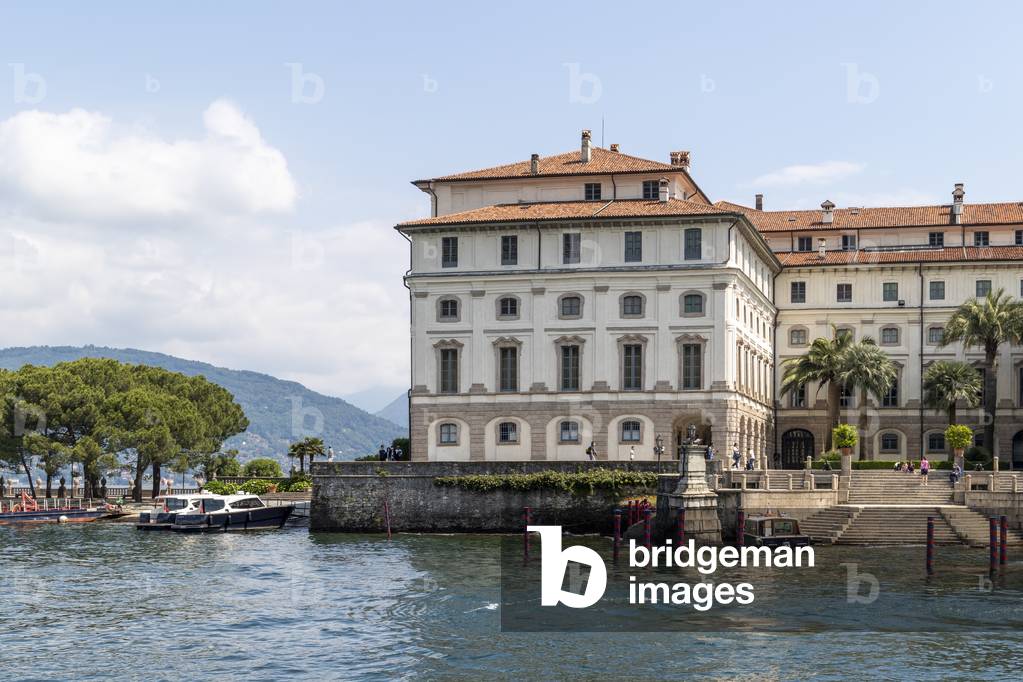
BSI6364789: Palazzo Borromeo, island Bella, Borromean Islands, Piedmont, Italy (photo), Balossini, Camillo / Bridgeman Images
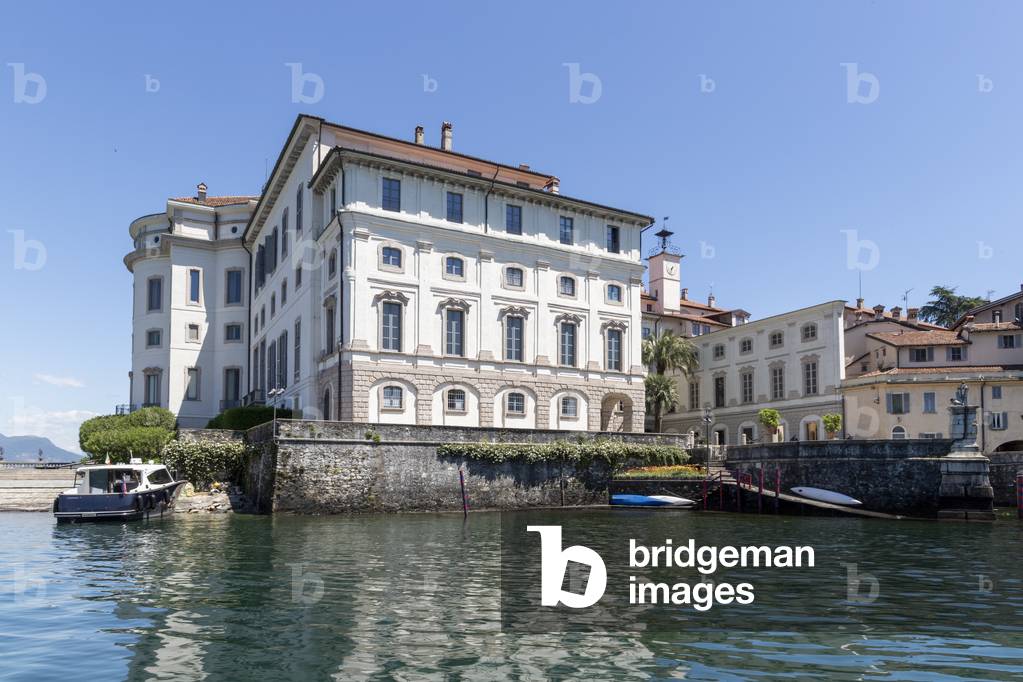
BSI6364787: Palazzo Borromeo, island Bella, Borromean Islands, Piedmont, Italy (photo), Balossini, Camillo / Bridgeman Images
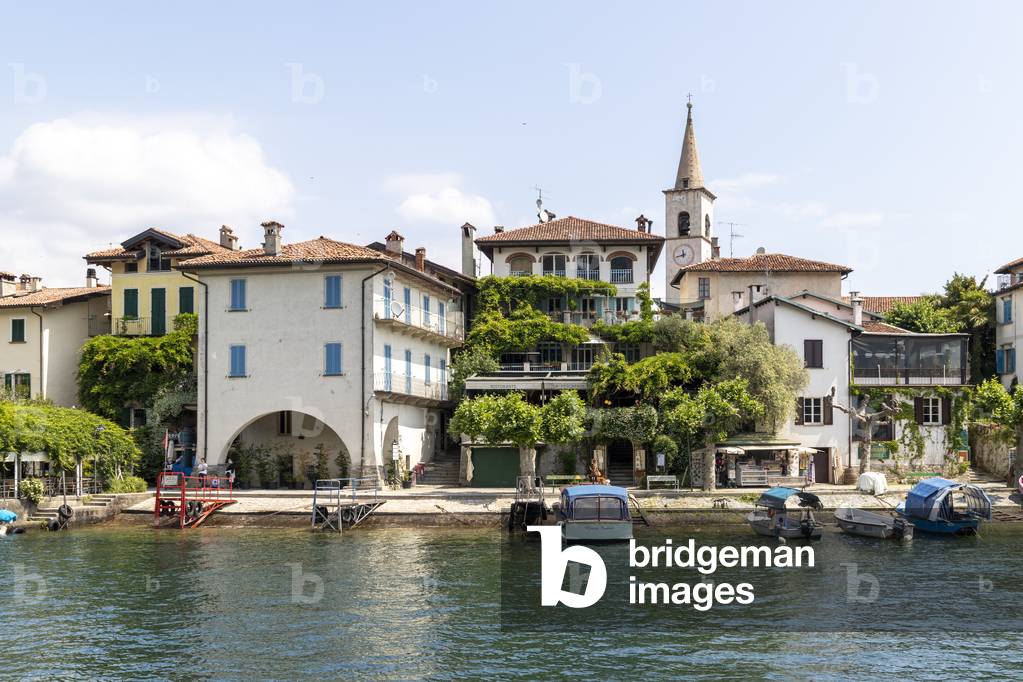
BSI6364792: Fisherman Island, Borromean Islands, Piedmont, Italy (photo), Balossini, Camillo / Bridgeman Images
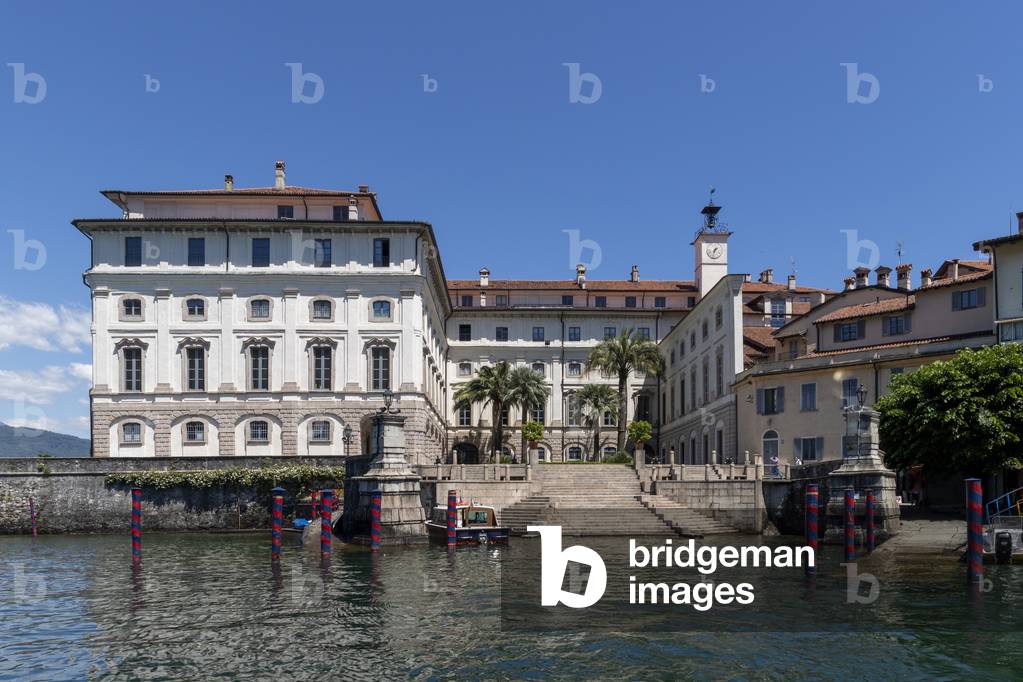
BSI6364785: Palazzo Borromeo, island Bella, Borromean Islands, Piedmont, Italy (photo), Balossini, Camillo / Bridgeman Images
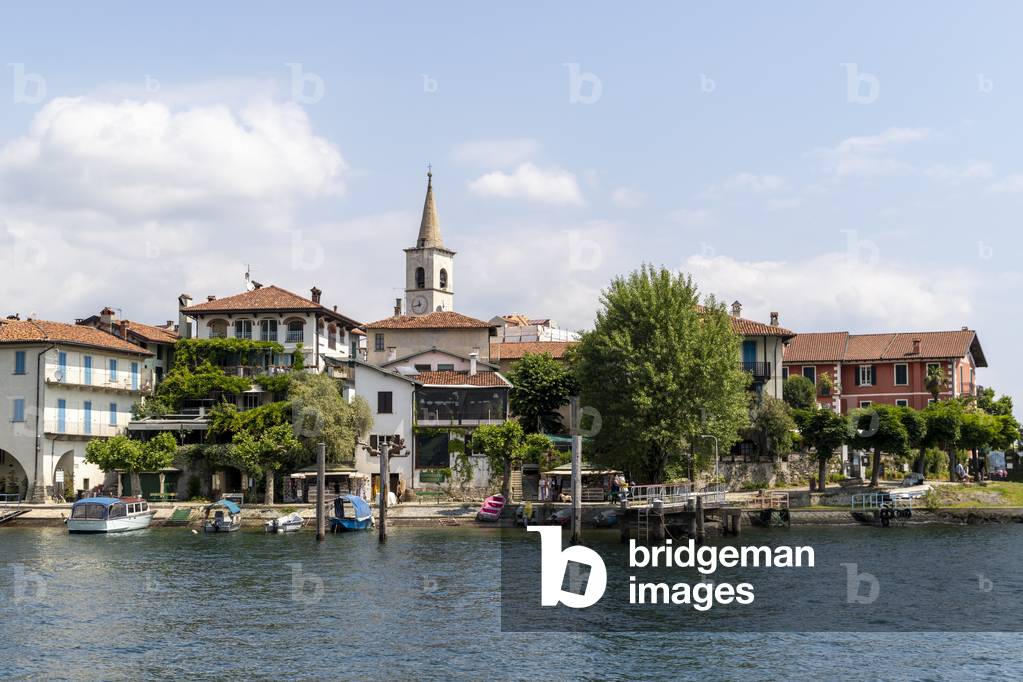
BSI6364791: Fisherman Island, Borromean Islands, Piedmont, Italy (photo), Balossini, Camillo / Bridgeman Images

OVR6365244: From Son , 1936, Dornberger, Carl (Dørnberger, Carl (1864-1940) / Bridgeman Images

OVR6365253: Smallholding, Jorde, Lars (1865-1939) / Bridgeman Images

XOS6365378: General Malin Craig (b/w photo), Harris & Ewing (1905-45) / Bridgeman Images

OVR6365250: Hydrangea, 1911, Holmboe, Thorolf (1866-1935) / Bridgeman Images
