2497527 Search Results

SBL7129662: Painted relief image on the vault, Egyptian 20th Dynasty (1200-1085 BC) / Bridgeman Images

SBL7129648: Painted relief image on the wall, Egyptian 20th Dynasty (1200-1085 BC) / Bridgeman Images

CIN7128190: Lamp, 1882 (earthenware & brass), McLaughlin, Mary Louise (1847-1939) / Bridgeman Images
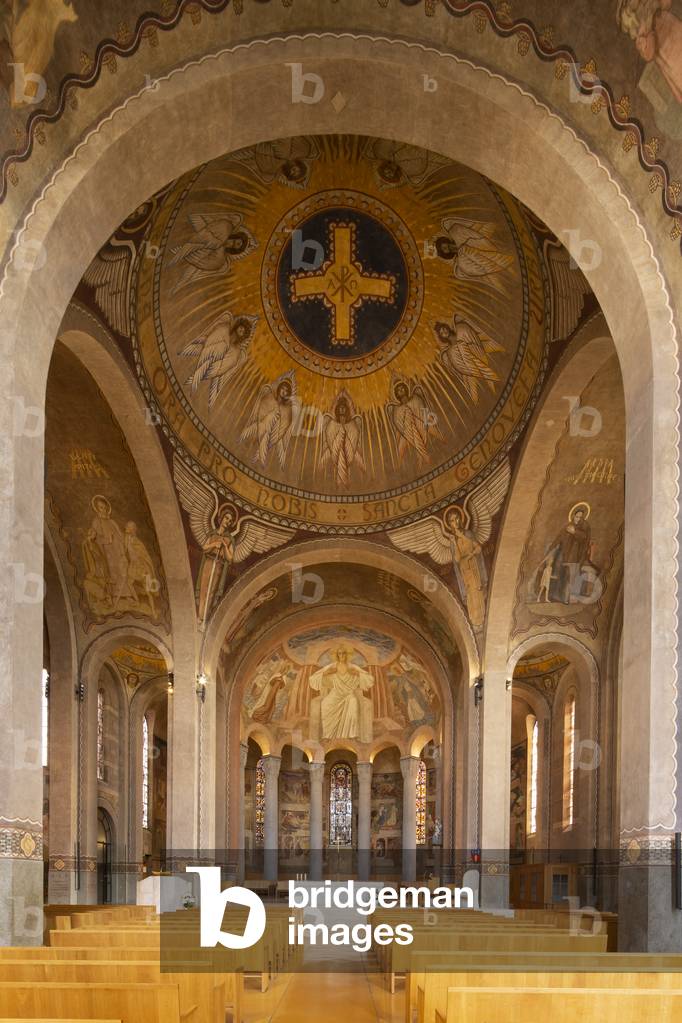
ITR7132491: Sainte-Geneviève and Saint-Maurice Cathedral in Nanterre, 1924-1937 (photo), Pradelle, Georges (1865-1934) & Froidevaux, Yves-Marie (1907-1983) / Bridgeman Images

LLM7133163: The Woollen Industry, illustration for The Romance and Realm of Commerce, A Book for Parents and Sons, by Alfred Morris, 1904 (litho), English School, (20th century) / Bridgeman Images

MHO7133414: Menorca Mahon Poster Mark Bradford exhibition in Illa del Rei, Bradford, Mark (b.1961) / Bridgeman Images

TRK7133660: Siege of Edessa (1144), 1727 (engraving), French School, (18th century) / Bridgeman Images

TRK7133669: Trajan's Dacian Wars. 2nd century AD, 1727 (engraving), French School, (18th century) / Bridgeman Images
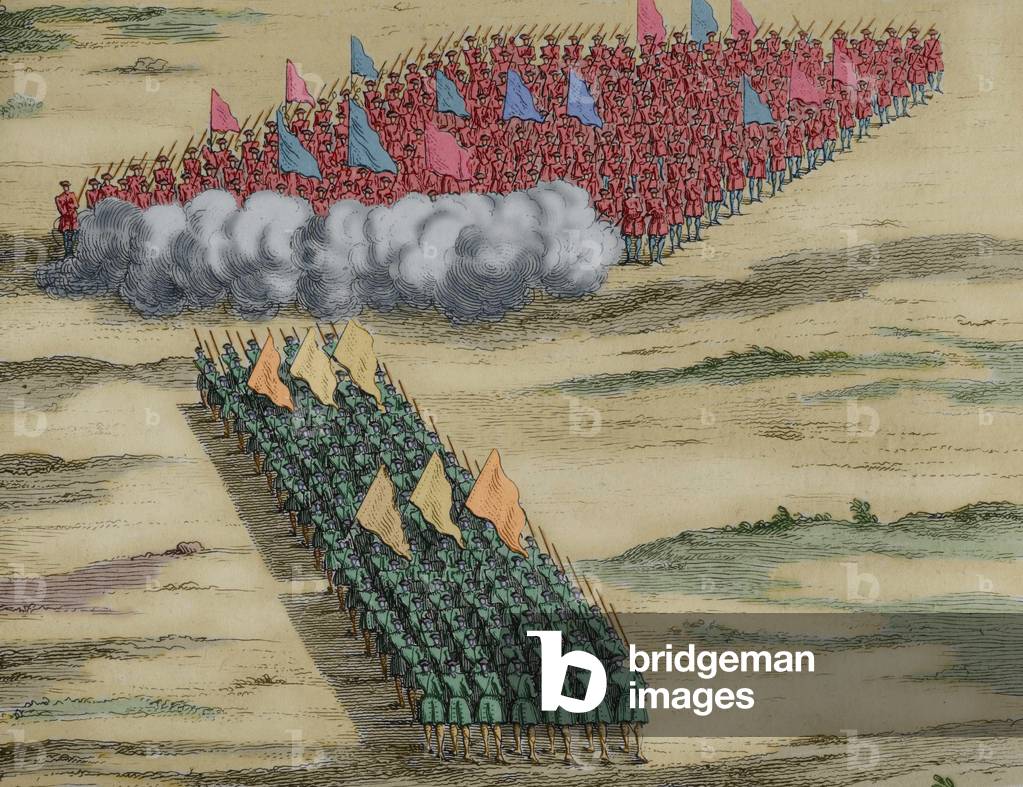
TRK7133695: Compact quadrangle of 3600 soldiers, attacked by another 1200, 1727 (engraving), French School, (18th century) / Bridgeman Images

TRK7133664: A mobile siege tower, mounted on wooden logs and battering ram, 1727 (engraving), French School, (18th century) / Bridgeman Images

KWE7132022: King Philip III of Spain and as Philip II, King of Portugal,, Hondius, Hendrik I (1573-p.1649) (after) / Bridgeman Images

KWE7132036: The Toilette. 19th century childcare., Ludwig, Augusta (b.1834) / Bridgeman Images

SBL7130023: The gambler, 1980 (oil on canvas), Affandi (1907-1990) / Bridgeman Images

SBL7130072: Our lady of mount Carmel, 1800, (sculpture), Balzico, Alfonso (1825-1901) / Bridgeman Images

SBL7130102: The dream of Kan Keo offering to Dewi Sri, 1981, (oil on board), Meier, Theo (1908-82) / Bridgeman Images

SBL7130203: Altar de san Francisco, 1989,(oil on canvas), Baldemor, Manuel (b.1947) / Bridgeman Images

SBL7130100: Buddha Shakyamuni, about 1100-1150, (basalt), Indian School, (12th century) / Bridgeman Images

SBL7130171: Guardian figure from an epic drama, 1400-1500, (volcanic stone), Indonesian School, (15th Century) / Bridgeman Images

SBL7130185: The cart driver, 1890 circa, (oil on panel), Luna y Novicio, Juan (1857-1900) / Bridgeman Images

SBL7130112: Portrait of a balinese woman, 20th century (oil on canvas), Meier, Theo (1908-82) / Bridgeman Images

SBL7130165: Albert Einstein, 1933 (bronze), Epstein, Jacob (1880-1959) / Bridgeman Images

SBL7130181: Bust of Jose Rizal, 1926 (wood), Nepomuceno, Graciano (1881-1974) / Bridgeman Images

SBL7130189: Social cancer, 1970, (oil on wood), Montero, Jaime (20th century) / Bridgeman Images

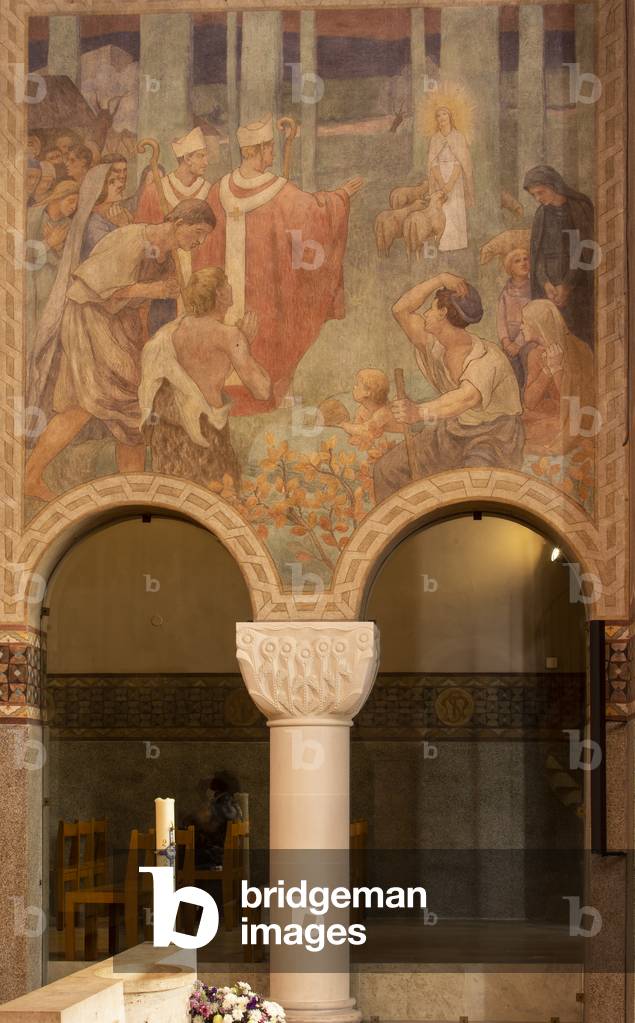
ITR7132495: The Prodigal Son. Fresco in the Cathedral of Nanterre, 1924-1937, Radan, Joseph (fl. 1st half of the 20th century) / Bridgeman Images

GEG7132528: Who will pay for the violins. Fourteenth of July Ball with the Popular Front, 1936 (cartoon), Roy, Roger (20th century) / Bridgeman Images

HFE7132561: Hôtel Lambert, built by Louis Le Vau, ïle Saint-Louis, Pariis, Le Vau, Louis (1612-70) / Bridgeman Images

TRK7133649: Portrait of Claude le Blanc. 1728 (engraving), Drevet, Pierre (1663-1738) / Bridgeman Images

TRK7133670: Trajan's Dacian Wars. 2nd century AD, 1727 (engraving), French School, (18th century) / Bridgeman Images

TRK7133653: Cannon shooting while it goes forward at the head of a line, according to the Swedish method. 17th century, 1727 (engraving), French School, (18th century) / Bridgeman Images

TRK7133668: Ballista, 1727 (engraving), French School, (18th century) / Bridgeman Images

TRK7133673: Map of Italy, 1728 (engraving) / Bridgeman Images
ITR7132496: Sainte-Geneviève and Saint-Maurice Cathedral in Nanterre, 1924-1937 (photo), Pradelle, Georges (1865-1934) & Froidevaux, Yves-Marie (1907-1983) / Bridgeman Images
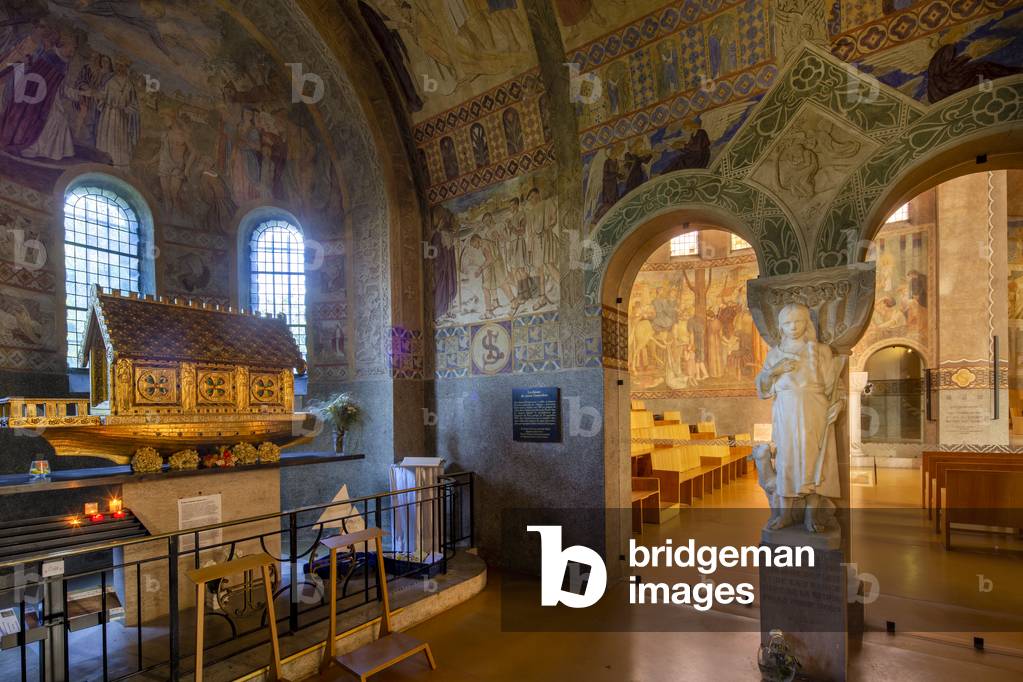
ITR7132499: Sainte Genedvieve Chapel, Nanterre Cathedral, 1924-1937 (photo), Pradelle, Georges (1865-1934) & Froidevaux, Yves-Marie (1907-1983) / Bridgeman Images
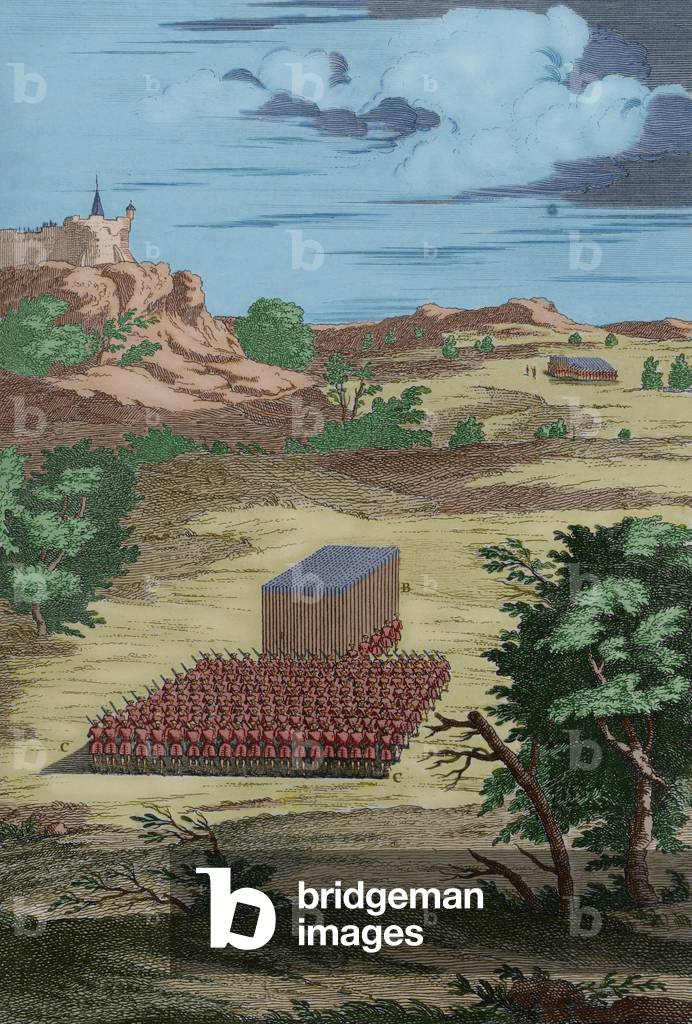
TRK7133696: "Coin de Gustave", 1727 (engraving), French School, (18th century) / Bridgeman Images

TRK7133684: Central Africa. Indigenous from Ubujue, Ugaha and Uhyeya. 1887 (Engraving), Ronjat, Etienne Antoine Eugene (b.1822) / Bridgeman Images

SBL7130130: Sanur sea, 2000, (acrylic on canvas), Smit, Arie (1919-2016) / Bridgeman Images
