2497532 Search Results
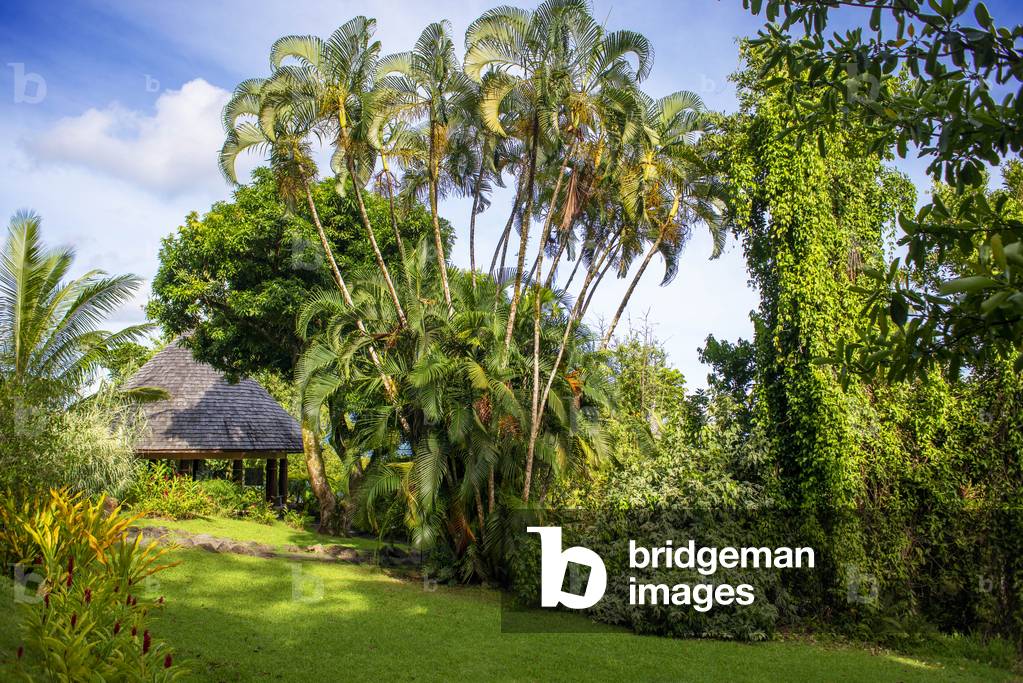
SRB6366910: Palm trees at Route de ceinture, Tahiti Nui, Society Islands, French Polynesia, South Pacific, 2020 (photo), Reboredo, Sergi / Bridgeman Images
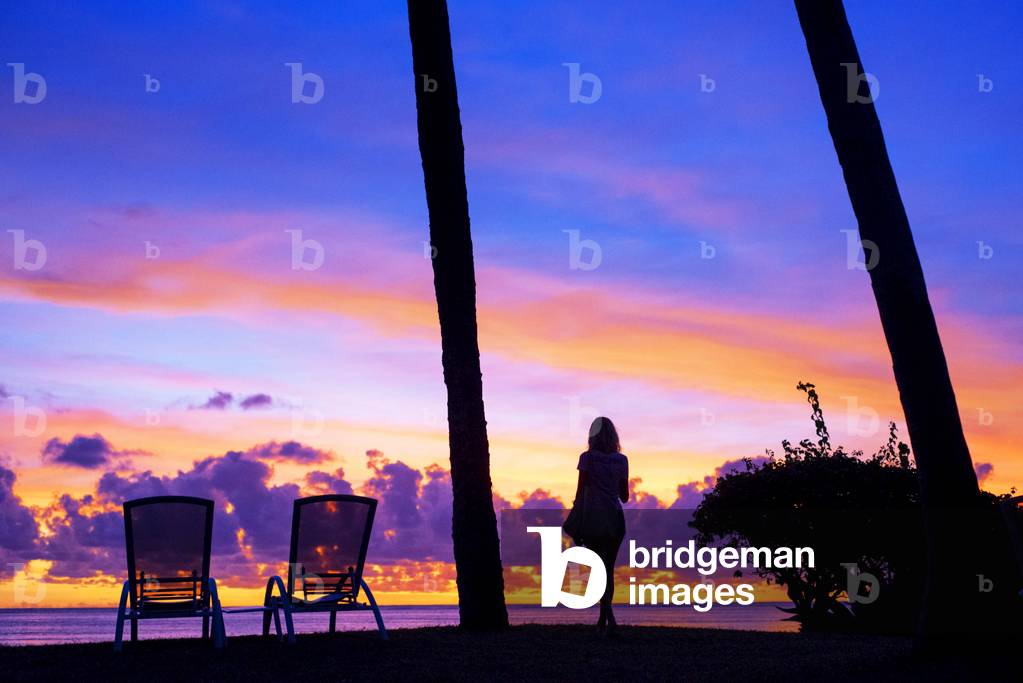
SRB6366927: Sunset in Le Meridien Hotel on the island of Tahiti, French Polynesia, Tahiti Nui, Society Islands, French Polynesia, South Pacific, 2020 (photo), Reboredo, Sergi / Bridgeman Images
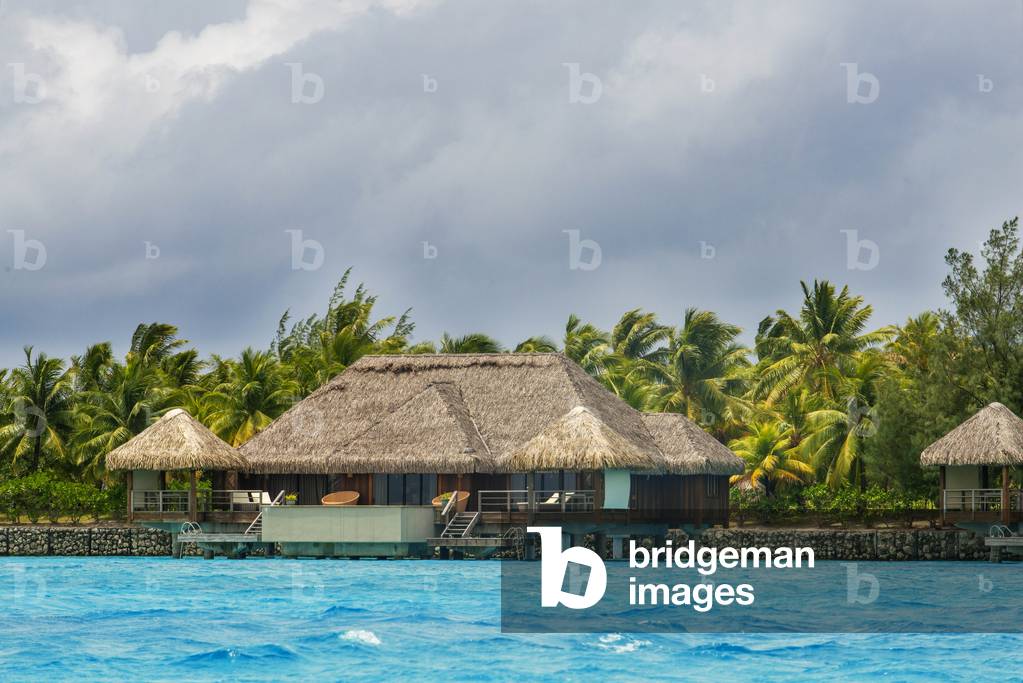
SRB6366981: Overwater bungalows of Hilton bora Bora Nui Resort hotel in Bora bora Island, 2020 (photo), Reboredo, Sergi / Bridgeman Images
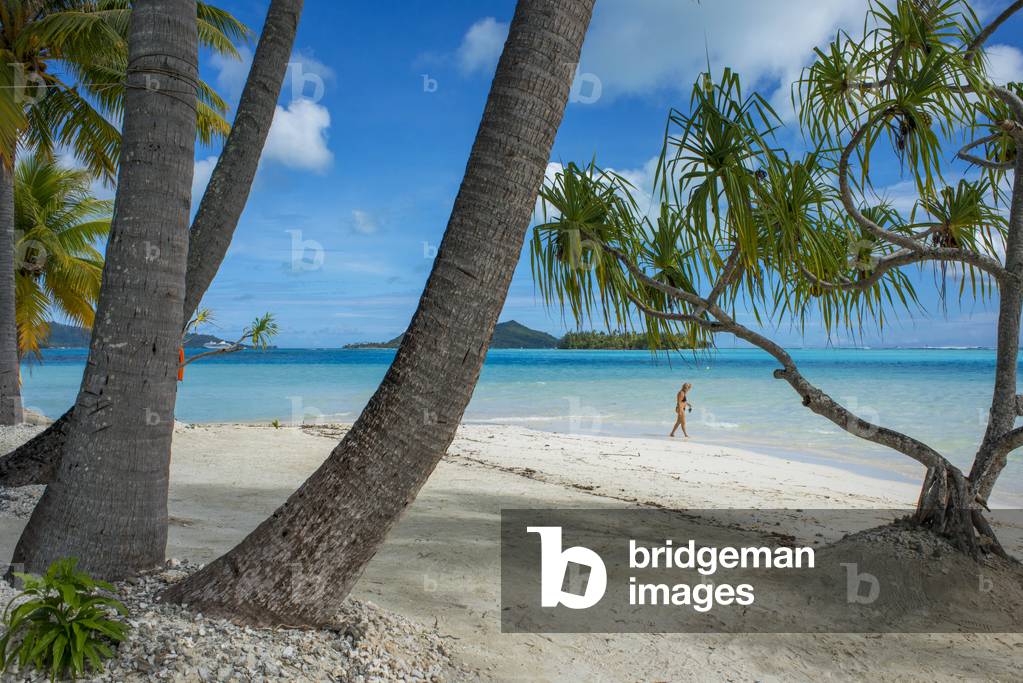
SRB6367005: Beach of motu Tevairoa island, a little islet in the lagoon of Bora Bora, Society Islands, French Polynesia, South Pacific, 2020 (photo), Reboredo, Sergi / Bridgeman Images
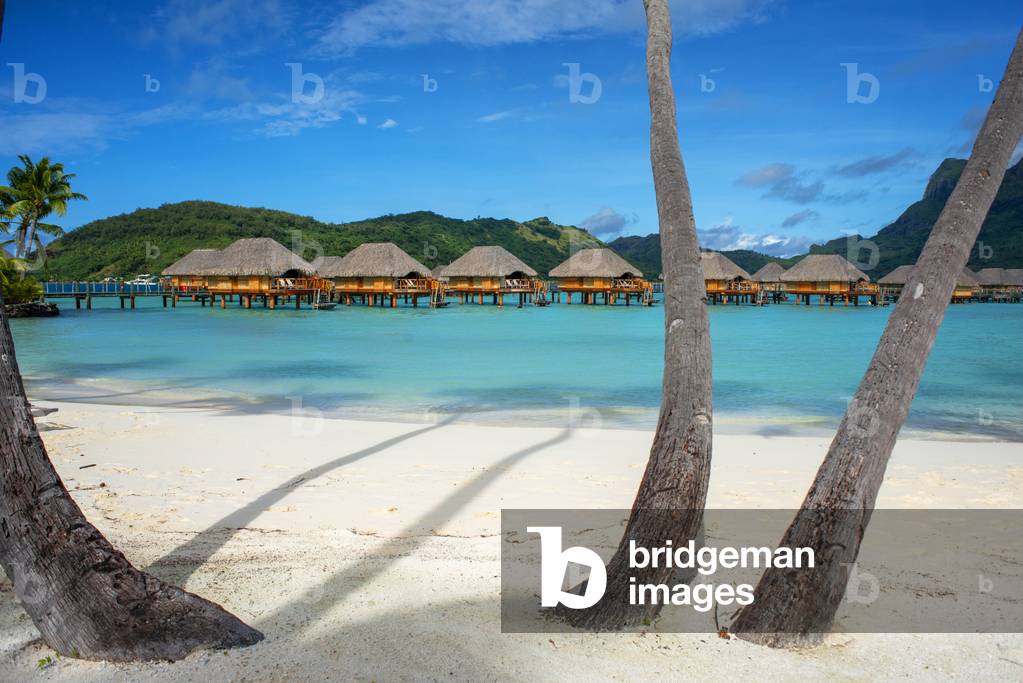
SRB6367015: Palms in the beach at Le Bora Bora by Pearl Resorts luxury resort in motu Tevairoa island, a little islet in the lagoon of Bora Bora, Society Islands, French Polynesia, South Pacific, 2020 (photo), Reboredo, Sergi / Bridgeman Images
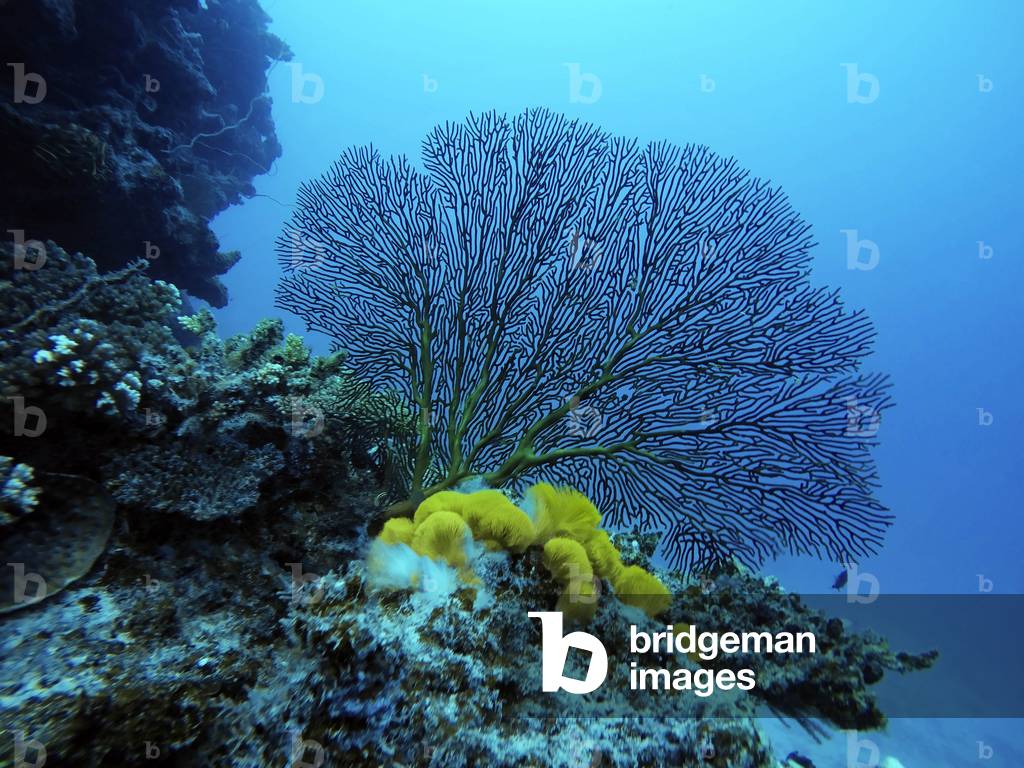
SRB6367029: A healthy tropical coral reef hosting tabletop and staghorn corals and encrusting, colorful sponges with clear blue water, Malolo Island Resort and Likuliku Resort, Mamanucas island group Fiji, 2020 (photo), Reboredo, Sergi / Bridgeman Images
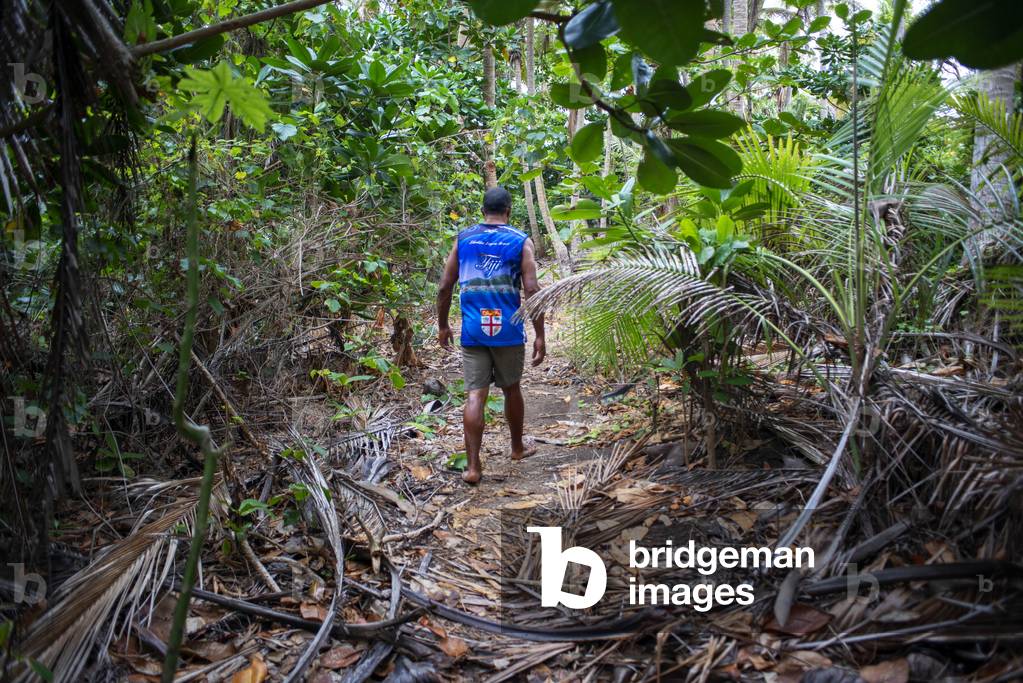
SRB6367041: Walking inside Monukiri island Mamanucas island group Fiji, 2020 (photo), Reboredo, Sergi / Bridgeman Images
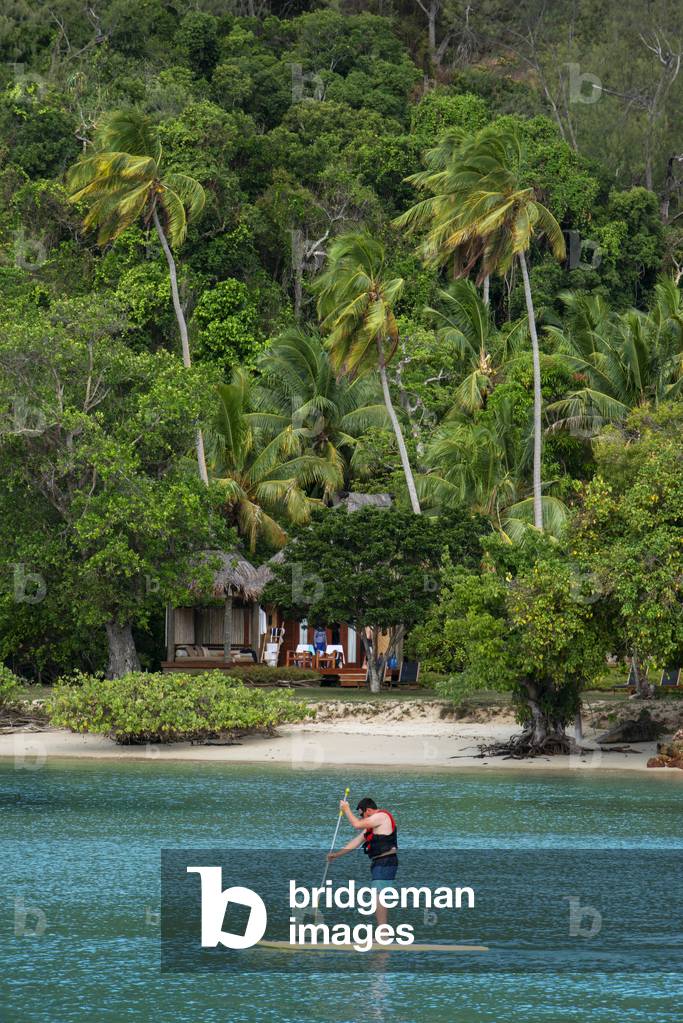
SRB6367053: Torust practicing paddel surf in Likuliku Lagoon Resort, Five Star Resort, Malolo Island, Mamanucas, Fiji, 2020 (photo), Reboredo, Sergi / Bridgeman Images
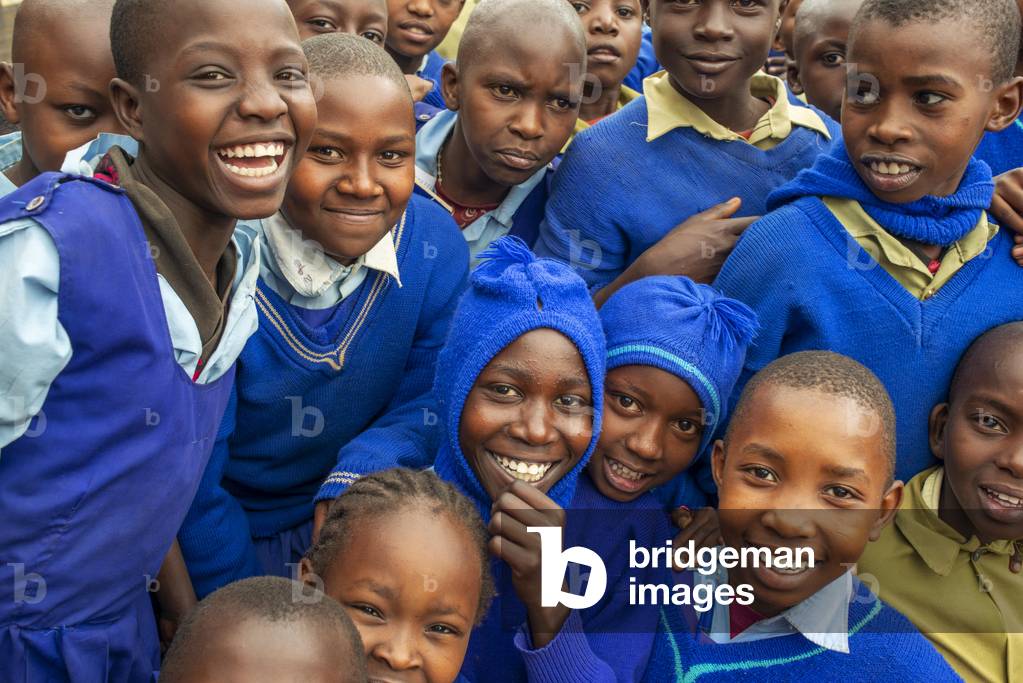
SRB6367061: Inside primary and second school in a small village near Kitui city in the Kamba country in Kenya, Africa, 2020 (photo), Reboredo, Sergi / Bridgeman Images
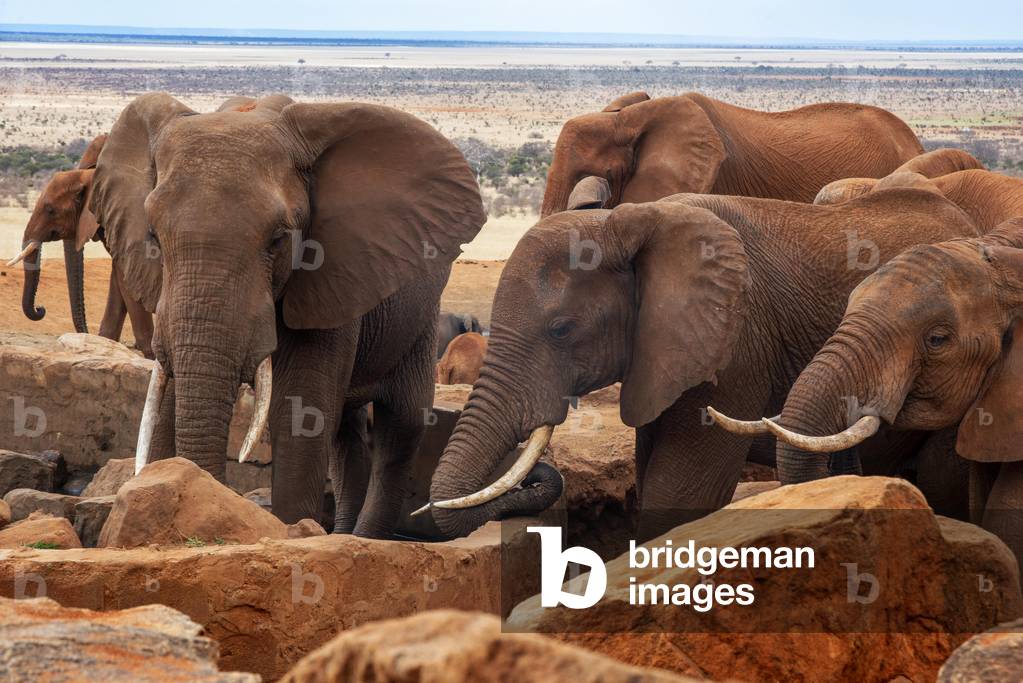
SRB6367092: An elephant covered in red dust blocks a track in Kenya s Tsavo National Park, 2020 (photo), Reboredo, Sergi / Bridgeman Images
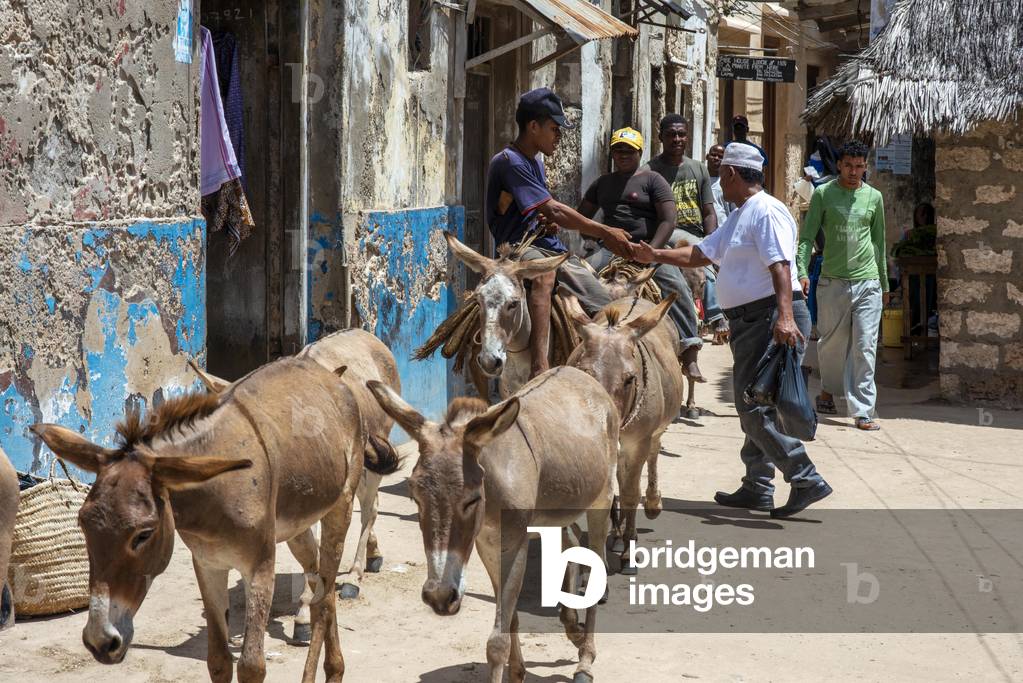
SRB6367122: Men riding donkeys on the main street of Lamu town in Lamu Island, Kenya, 2020 (photo), Reboredo, Sergi / Bridgeman Images
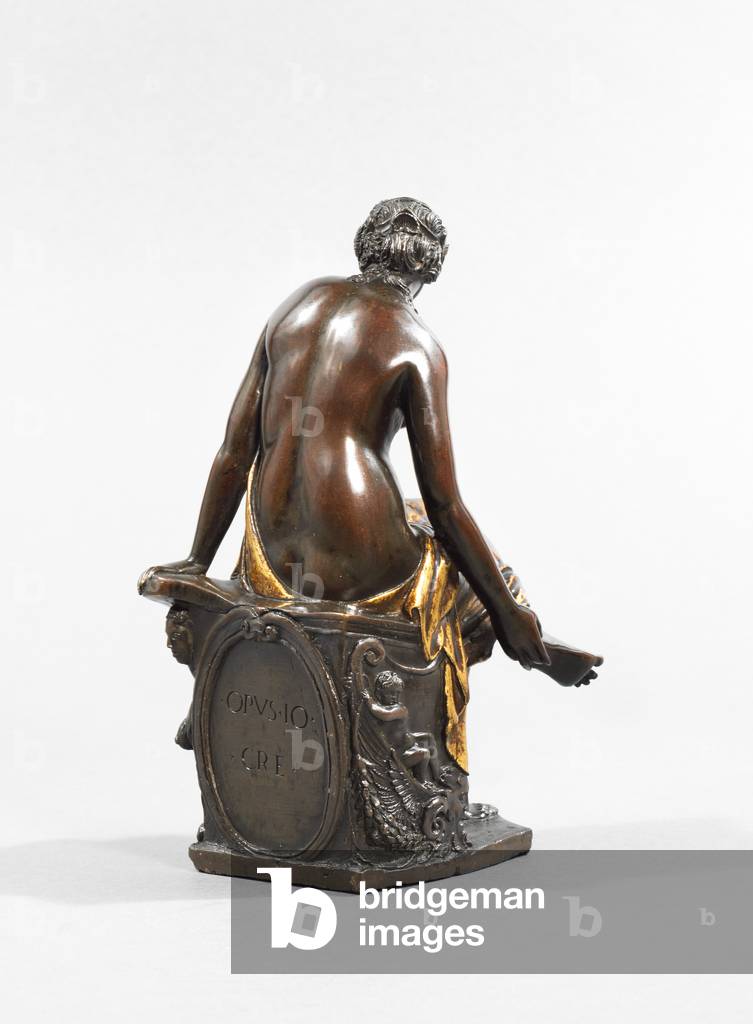
TWC6375315: Seated Woman, Padua, Italy, c.1480-90 (bronze copper alloy, partly gilded), Fonduli de la Crema, Giovanni (fl.1460s-97) / Bridgeman Images
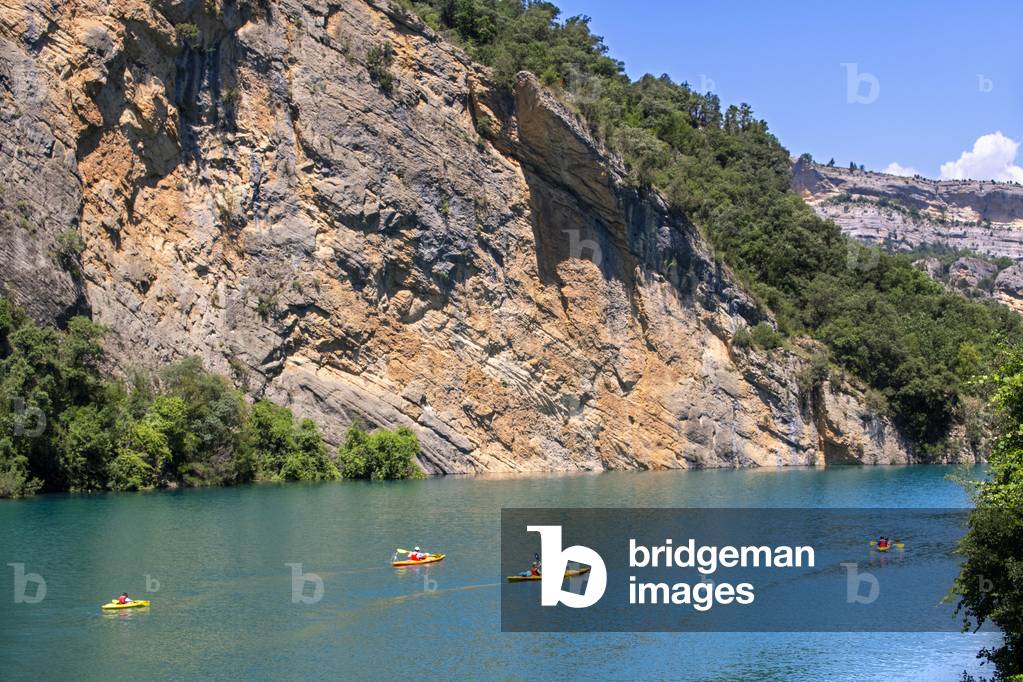
SRB6367815: Congost de Mont-Rebei in the Pre-Pyrenees of Lleida, Catalonia, Serra del Montsec, La Noguera, Lleida, Spain The Montrebei Gorge (in Catalan Congost de Mont-Rebei) is a place that is located between the provinces of Huesca and Lérida (Spain), between the regions of Ribagorza and Pallars Jussà, It is constituted in the narrowest part by which the Noguera Ribagorzana river, which constitutes the natural border between Aragon and Catalonia, crosses the Montsec mountain range, walls in vertical fall of more than 500 meters and a width at its minimum point of 20 meters , The Catalan part is part of the Noguera Nature Reserve, It is within the Sierra del Montsec Natural Interest Area, 2020 (photo), Reboredo, Sergi / Bridgeman Images
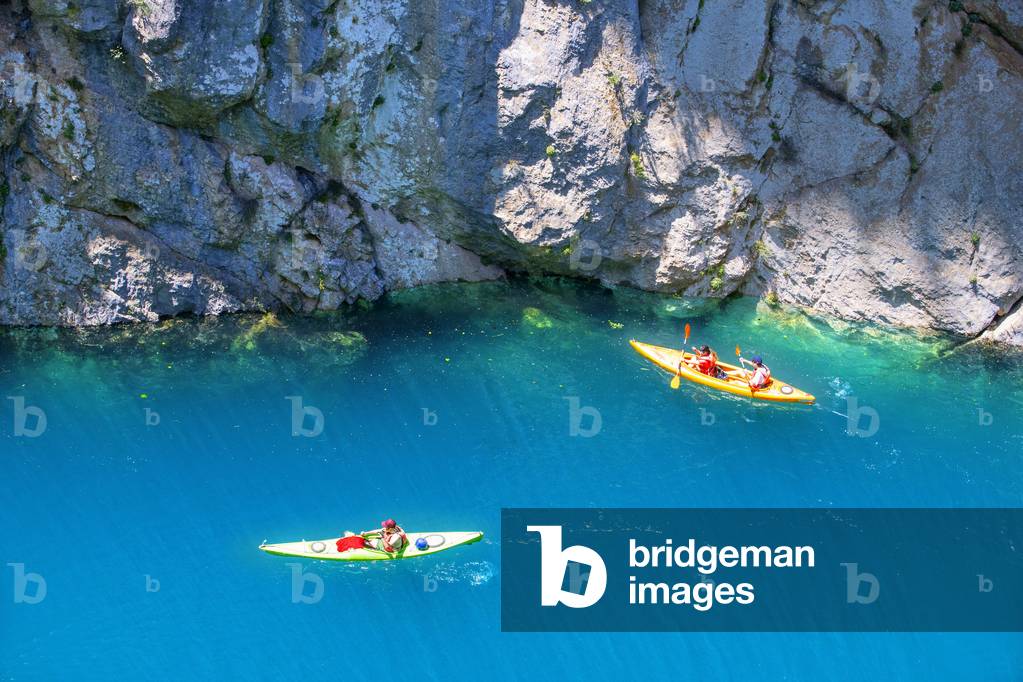
SRB6367824: Congost de Mont-Rebei in the Pre-Pyrenees of Lleida, Catalonia, Serra del Montsec, La Noguera, Lleida, Spain The Montrebei Gorge (in Catalan Congost de Mont-Rebei) is a place that is located between the provinces of Huesca and Lérida (Spain), between the regions of Ribagorza and Pallars Jussà, It is constituted in the narrowest part by which the Noguera Ribagorzana river, which constitutes the natural border between Aragon and Catalonia, crosses the Montsec mountain range, walls in vertical fall of more than 500 meters and a width at its minimum point of 20 meters , The Catalan part is part of the Noguera Nature Reserve, It is within the Sierra del Montsec Natural Interest Area, 2020 (photo), Reboredo, Sergi / Bridgeman Images
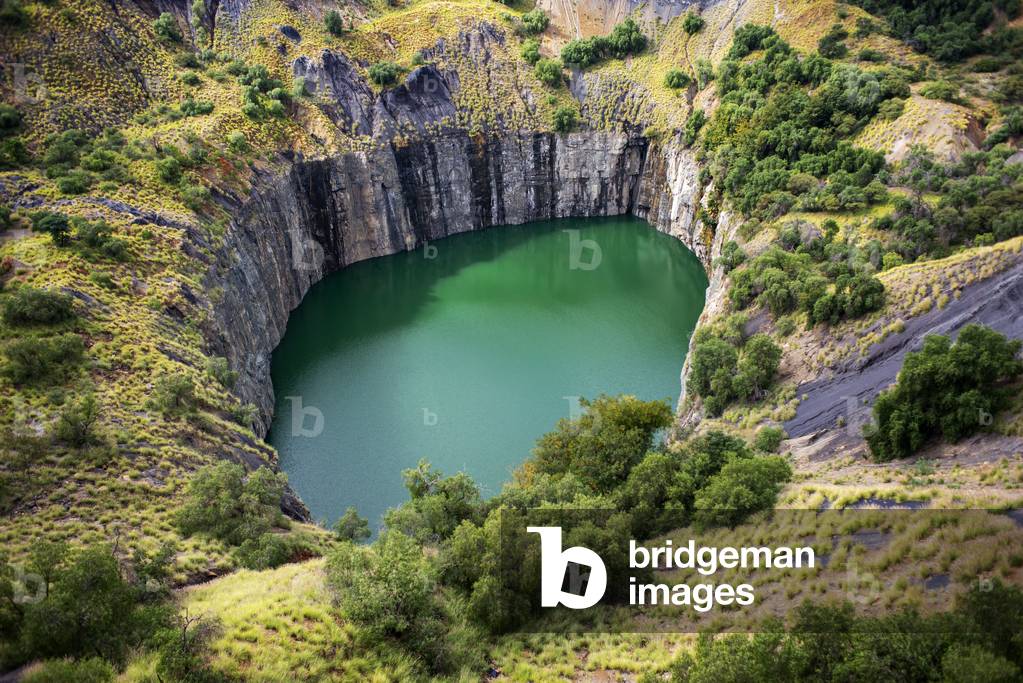
SRB6367883: The Big Hole, part of Kimberley diamond mine which yielded 2722 kg of diamonds, Northern Cape, South Africa, Africa Kimberley is a stop in the luxury Rovos Rail train going from Pretoria to Cape Town. , 2020 (photo), Reboredo, Sergi / Bridgeman Images
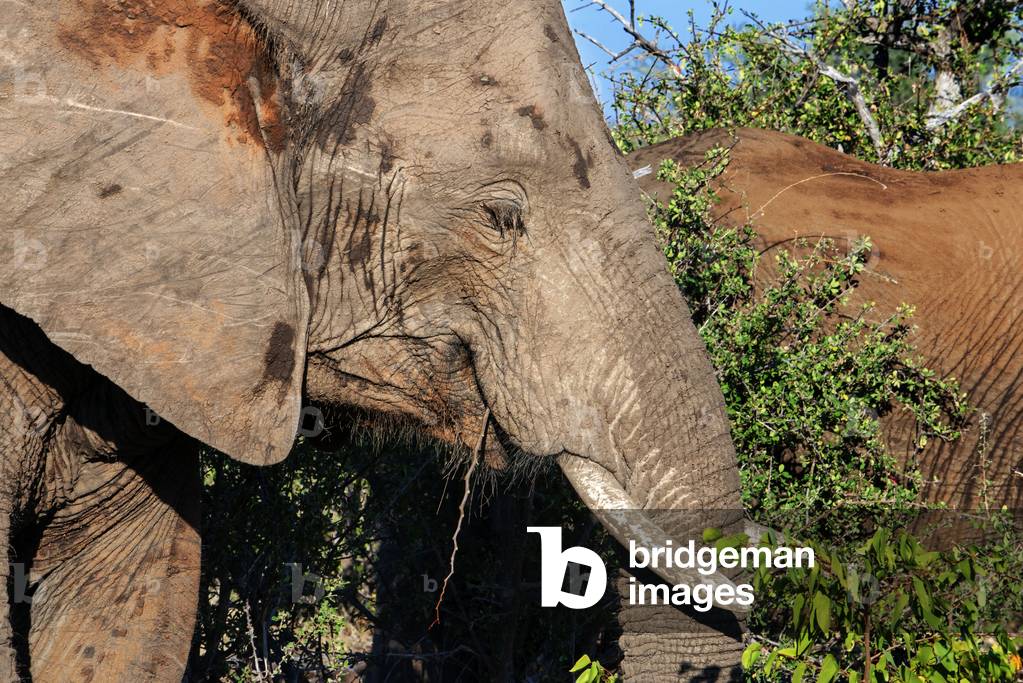
SRB6367911: African elephant (Loxodonta africana) small group of elephants drinking at a waterhole in Mashatu game reserve, Botswana, Africa, 2020 (photo), Reboredo, Sergi / Bridgeman Images
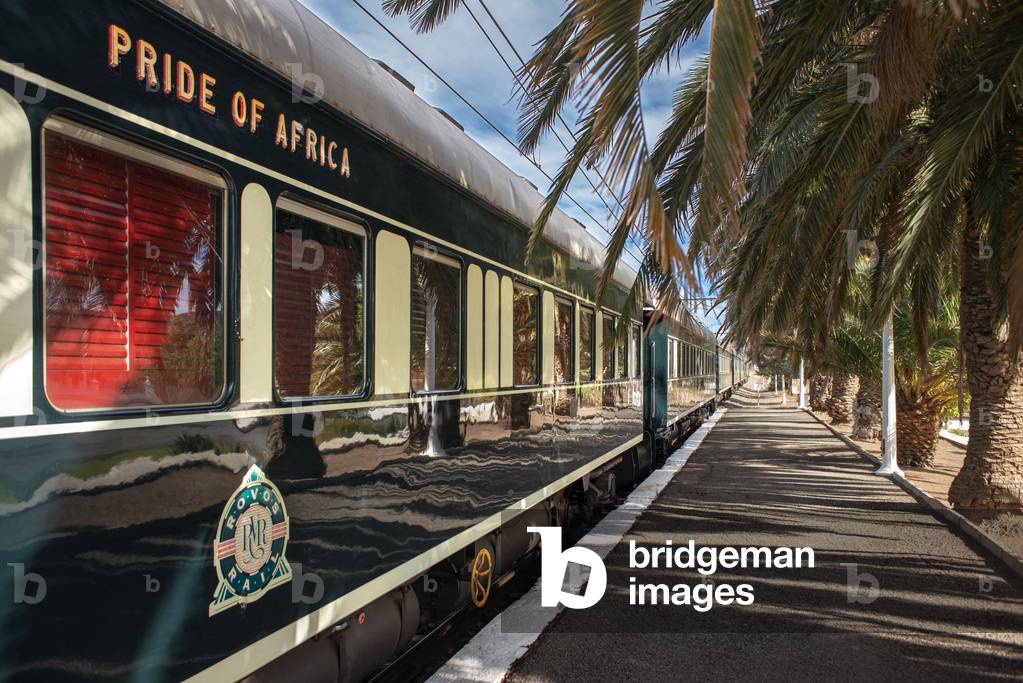
SRB6367887: The Rovos Rail luxury train travelling between Cape Town and Pretoria in South Africa Matjiesfontein station Pride of Africa beautifully rebuilt Classic train that form part of the luxurious and privately owned Rovos Rail fleet, 2020 (photo), Reboredo, Sergi / Bridgeman Images
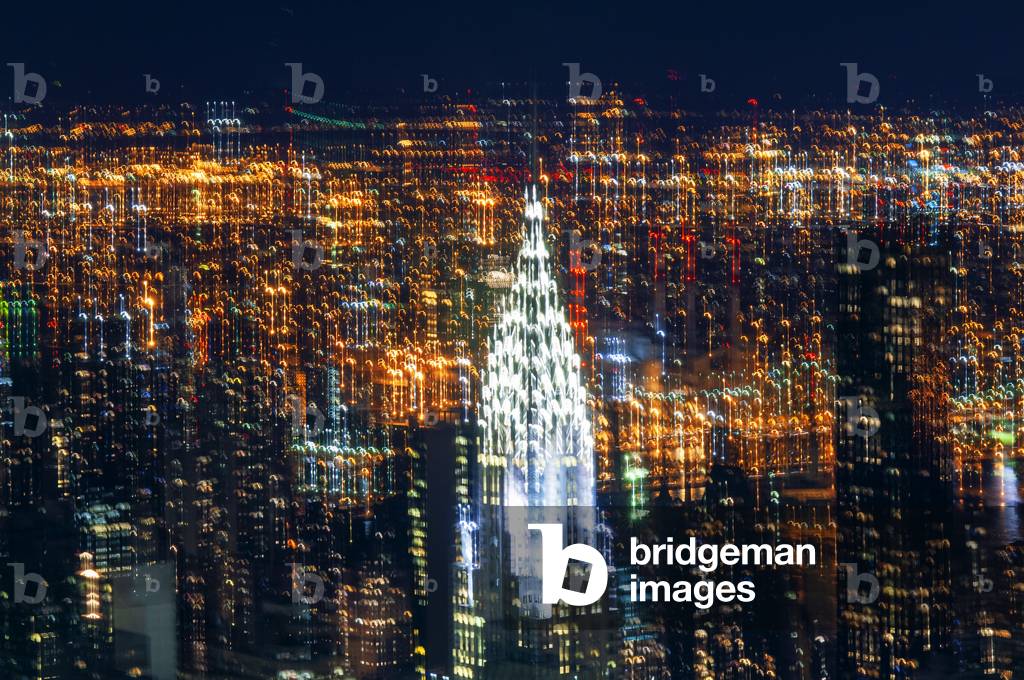
SRB6367939: Aerial view from the Empire State building, Night view of Lower Midtown with Metlife Building and the Chrysler Building in height projecting other impressive skyscrapers, 2020 (photo), Reboredo, Sergi / Bridgeman Images
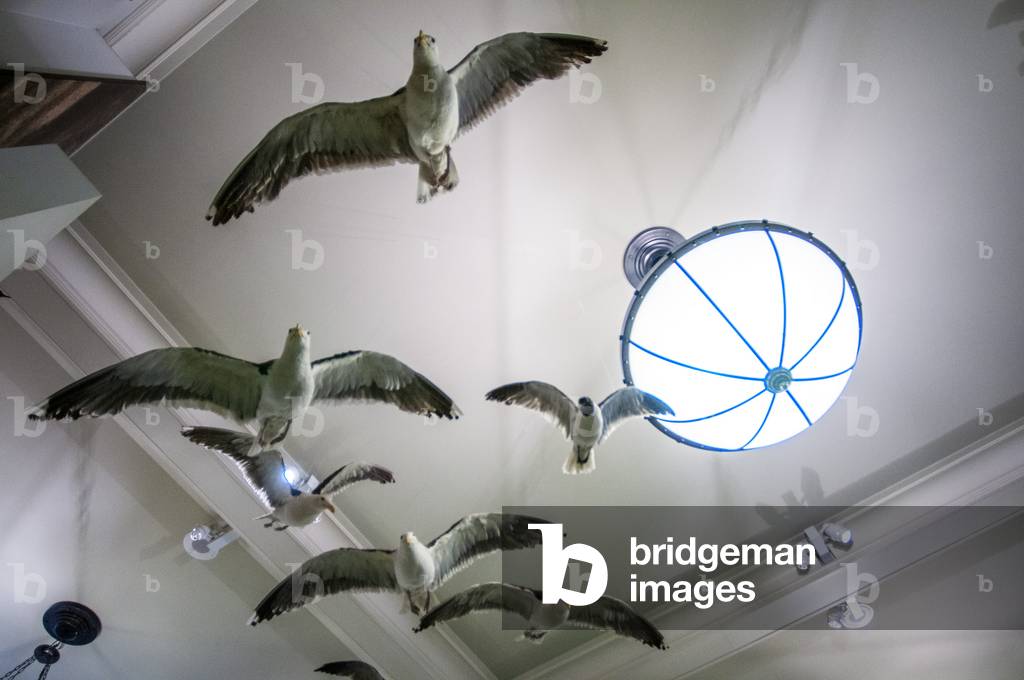
SRB6367977: Seagulls exhibit at the Museum of Natural History in New York's Upper West Side neighborhood, adjacent to Central Park, New York, USA, 2020 (photo), Reboredo, Sergi / Bridgeman Images

SRB6367963: Bronx, New York: Crab apple trees with yellow and white Daffodils on Daffodil Hill at the New York Botanical Garden, 2020 (photo), Reboredo, Sergi / Bridgeman Images
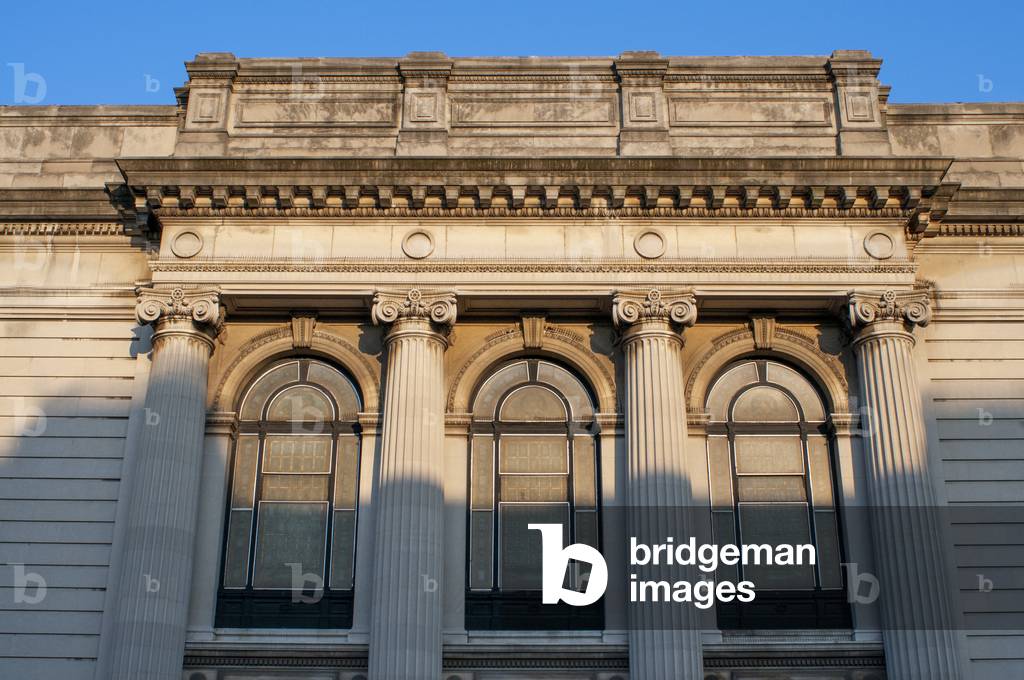
SRB6367994: Pentecostal church in NYC's Harlem, New York, 2020 (photo), Reboredo, Sergi / Bridgeman Images
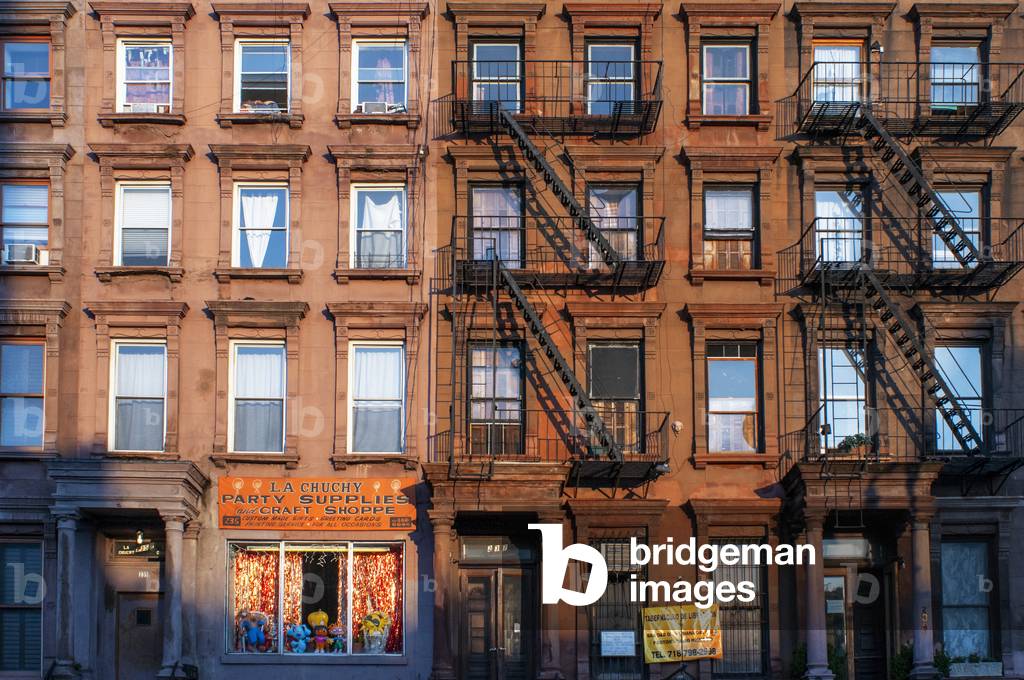
SRB6367991: Fire escapes on tenement apartment buildings in Harlem neighborhood, New York City, 2020 (photo), Reboredo, Sergi / Bridgeman Images
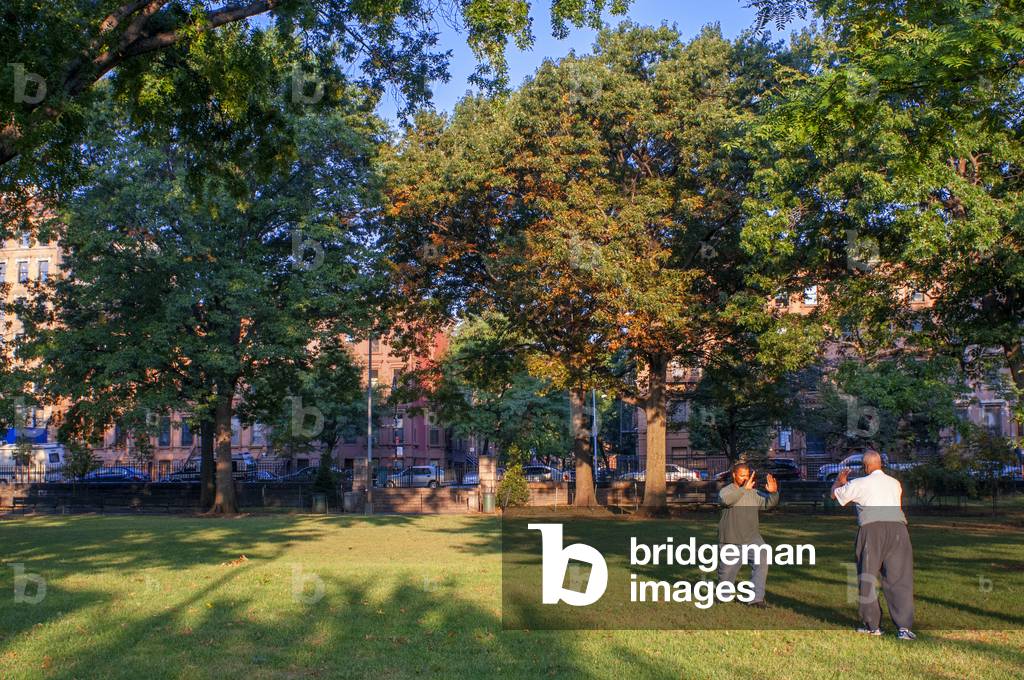
SRB6367995: Morning tai chi at Garvey Park, Harlem, New York, USA, 2020 (photo), Reboredo, Sergi / Bridgeman Images

SRB6368011: The Gay Street in Greenwich Village street, At the end of this tiny street, at 15 Christopher St, the famous bookstore specializing in gay themed on the world and served as a reference and resistance to movement for many years homosexual Oscar Wilde Bookshop was until early 2009, although the Gay street itself and attracts many curious only to photograph the sign, including the sign postcards and paintings are sold, Gay Street: And its elegant Federal-style houses in the novel by Ruth McKenney about life in the Village, My Sister Eileen, 2020 (photo), Reboredo, Sergi / Bridgeman Images
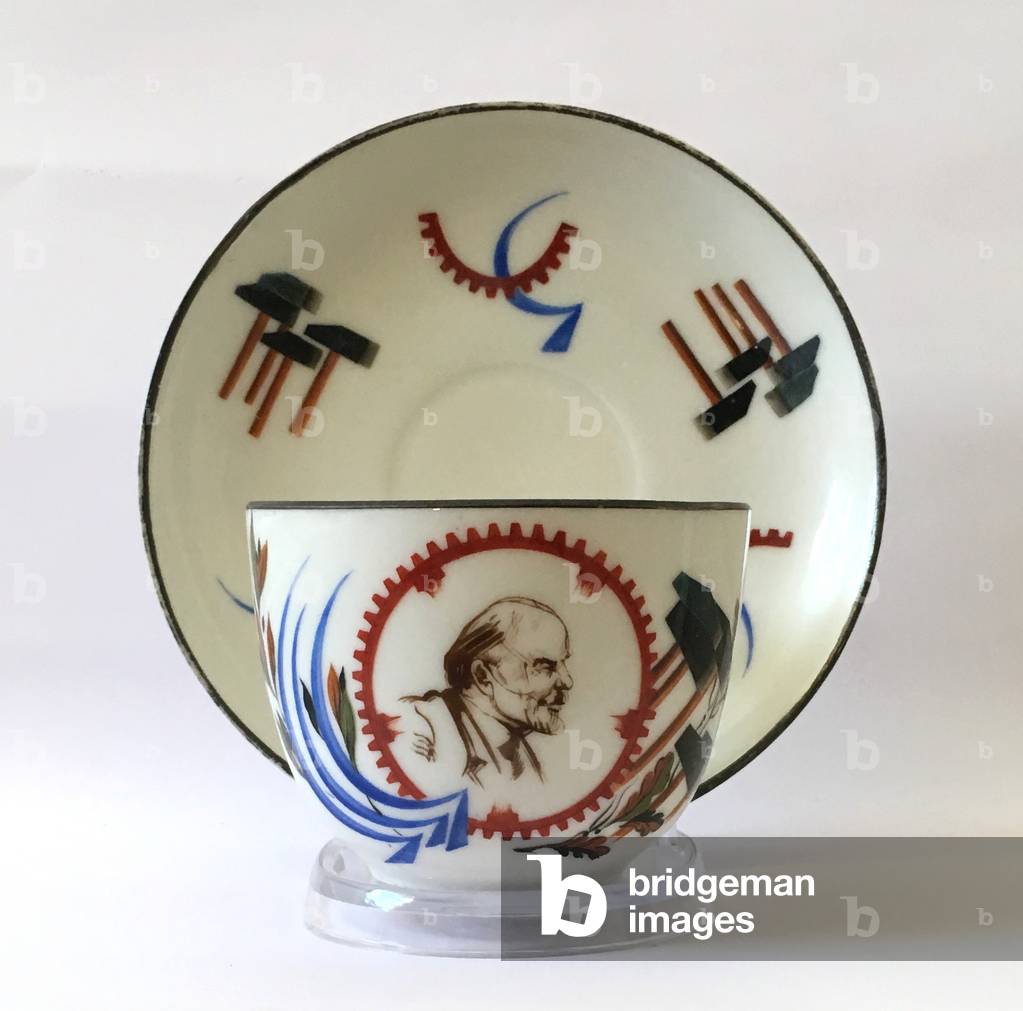
RPP6368167: Propaganda Porcelain Teacup Depicting Soviet Leader Vladimir Lenin, c.1924 (porcelain) / Bridgeman Images

GEG6368577: The Pine Cone, surreal sheet, 1922, French School, (20th century) / Bridgeman Images

MAI6368809: Fishing Boat 57BX (w/c and bodycolour on tinted paper), Goodwin, Albert (1845-1932) / Bridgeman Images

MAI6368816: Sturry Nr Canterbury, c.1860-c.1932 (w/c and bodycolour on paper), Goodwin, Albert (1845-1932) / Bridgeman Images

HFO6368738: Suffer or Strike, 2018 (oil on panel), Flockhart, Helen (b.1963) / Bridgeman Images

GRL6372246: Genoa, Duomo (St Lawrence Cathedral), inside, Baptistery (formerly Church of St John the Old): "Madonna and Child between St John the Baptist and St Lawrence", by Luca Cambiaso, Oil painting on panel, 1567, Cambiaso, Luca (1527-85) / Bridgeman Images

GRL6372351: Genoa, Duomo (St Lawrence Cathedral), inside, Cybo chapel (northern arm of the transept), Funerary Monument of Archbishop Giuliano Cybo: from the left, statues of Abraham in the foreground, and then St Jerome, St Peter, St John the Baptist, by Giangiacomo and Guglielmo Della Porta, and by Niccolò Da Corte (1533 - 1537), Porta, Giacomo & Guglielmo della & Corte, Niccolò da (16th century) / Bridgeman Images

GRL6372281: The Ark of the relics of St St John the Baptist in the duomo of Genoa, 13th century, Master of the Ark of the Baptist (c.1200-50) / Bridgeman Images

GRL6372324: Genoa, Duomo (St Lawrence Cathedral), the Chapel of St John the Baptist: stained glasses by Pompeo Bertini, 1870, Bertini, Pompeo (fl.c.1870) / Bridgeman Images

GRL6372332: Cybo chapel (northern arm of the transept), lunette: Arrival of St John the Baptist's ashes, 1910 (fresco), Pogliaghi, Ludovico (1857-1950) / Bridgeman Images

GRL6372354: Genoa, Duomo (St Lawrence Cathedral), inside, Cybo chapel (northern arm of the transept), Funerary Monument of Archbishop Giuliano Cybo: "Jesus Christ enthroned between St Peter (on the left) and St Paul (on the right)", statue by Giangiacomo and Guglielmo Della Porta, and by Niccolò Da Corte (1533 - 1537), Porta, Giacomo & Guglielmo della & Corte, Niccolò da (16th century) / Bridgeman Images

GRL6372433: Genoa, Duomo (St Lawrence Cathedral), inside, the Southern aisle, southern wall: "Crucifixion" (1443) from the funerary monument of Girolamo Calvi, by Lombard artist of the Gagini workshop, Italian School, (15th century) / Bridgeman Images
