2491557 Search Results

LLM2804007: Le Mas-D'Agenais, Eglise, Facade S (colour photo), French Photographer, (19th century) (after) / Bridgeman Images

LLM2804022: Sainte-Croix, Eglise, Abside (colour photo), French Photographer, (19th century) (after) / Bridgeman Images

LLM2804042: Cadillac, Chateau d'Epernon, Ensemble N O (colour photo), French Photographer, (19th century) (after) / Bridgeman Images

LLM2804053: Vigeois, Eglise, Abside et transept (colour photo), French Photographer, (19th century) (after) / Bridgeman Images

LLM2804070: Trois-Palis, Eglise, Ensemble S O (colour photo), French Photographer, (19th century) (after) / Bridgeman Images

LLM2804094: Bressuire, Ruines du Chateau, Interieur (colour photo), French Photographer, (19th century) (after) / Bridgeman Images

LLM2804100: Airvault, Pont de Vernay, Partie centrale (colour photo), French Photographer, (19th century) (after) / Bridgeman Images

LLM2804113: Poitiers, Eglise Saint-Porchaire, Clocher (colour photo), French Photographer, (19th century) (after) / Bridgeman Images

LLM2804123: Bastia, Vue du vieux Port et de la ville (colour photo), French Photographer, (19th century) (after) / Bridgeman Images
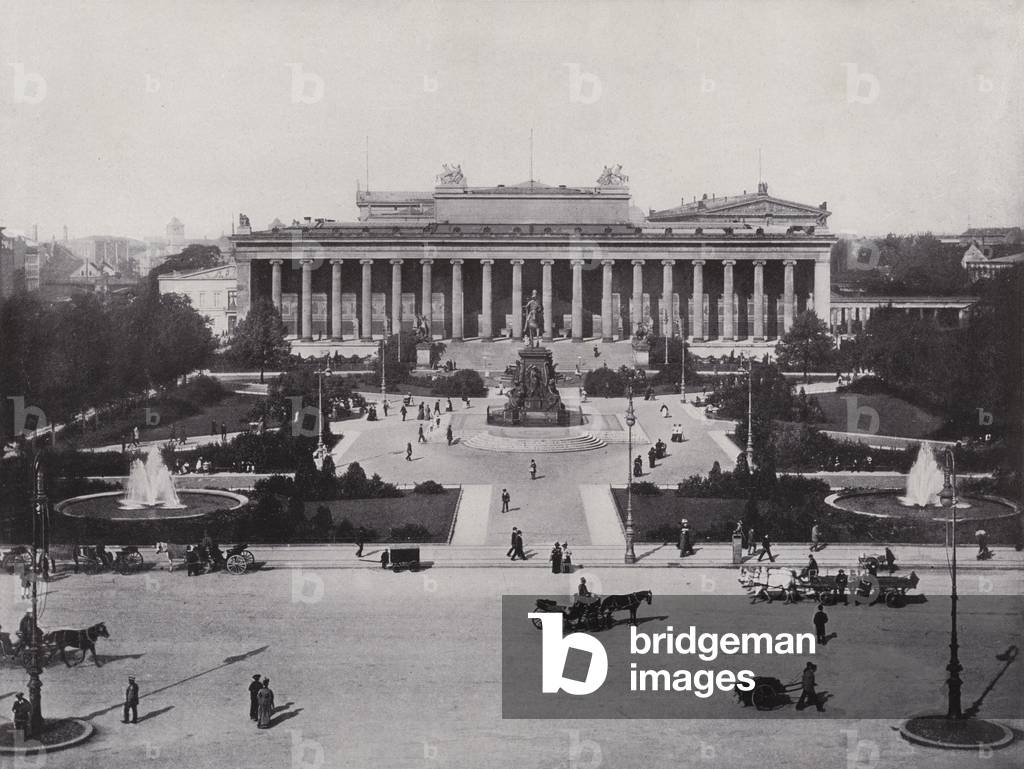
LLE3103332: Lustgarten (b/w photo), German Photographer, (20th Century) / Bridgeman Images
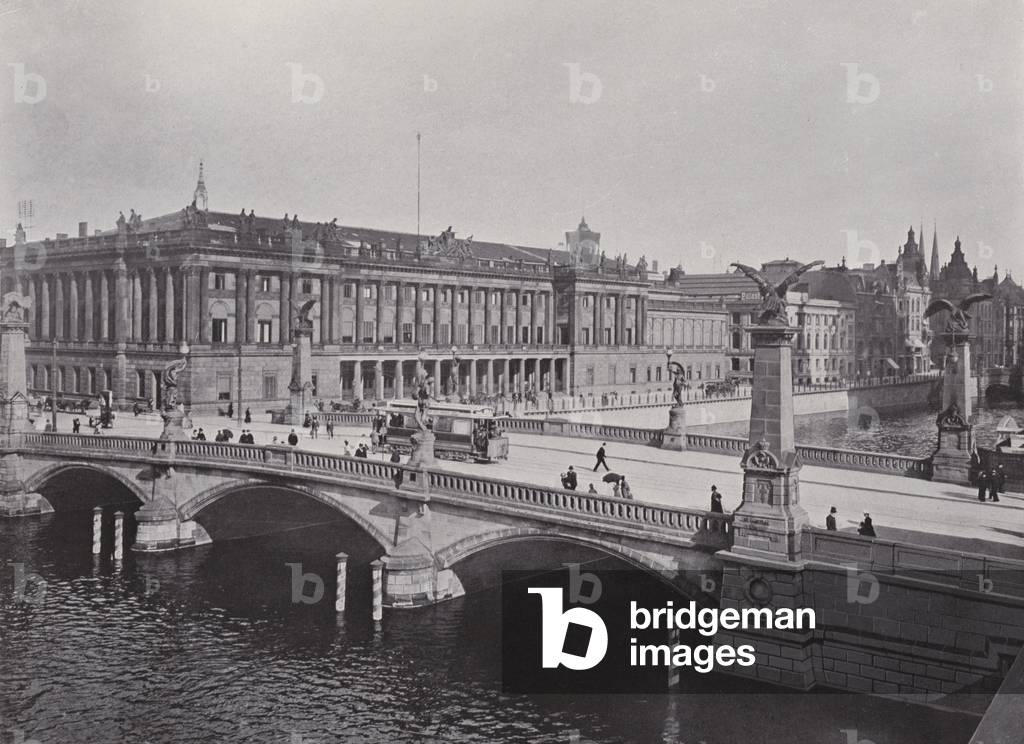
LLE3103339: Borse, Friedrichsbrucke (b/w photo), German Photographer, (20th Century) / Bridgeman Images
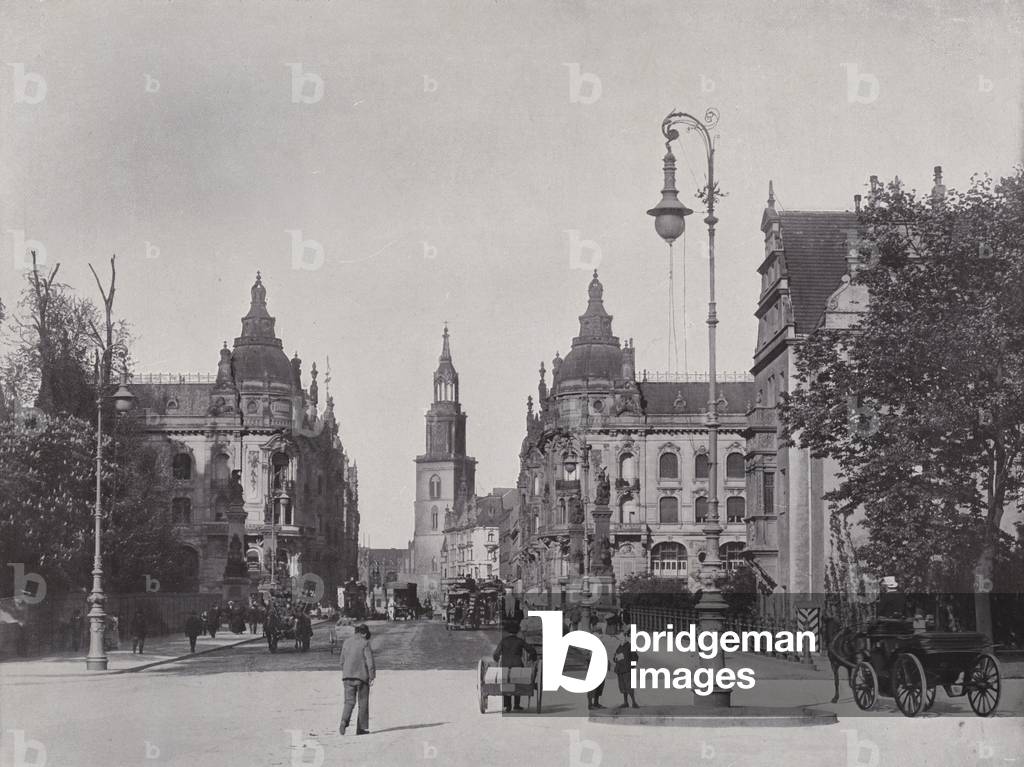
LLE3103353: Kaiser Wilhelm-Brucke Und Kaiser Wilhelm-Strasse (b/w photo), German Photographer, (20th Century) / Bridgeman Images
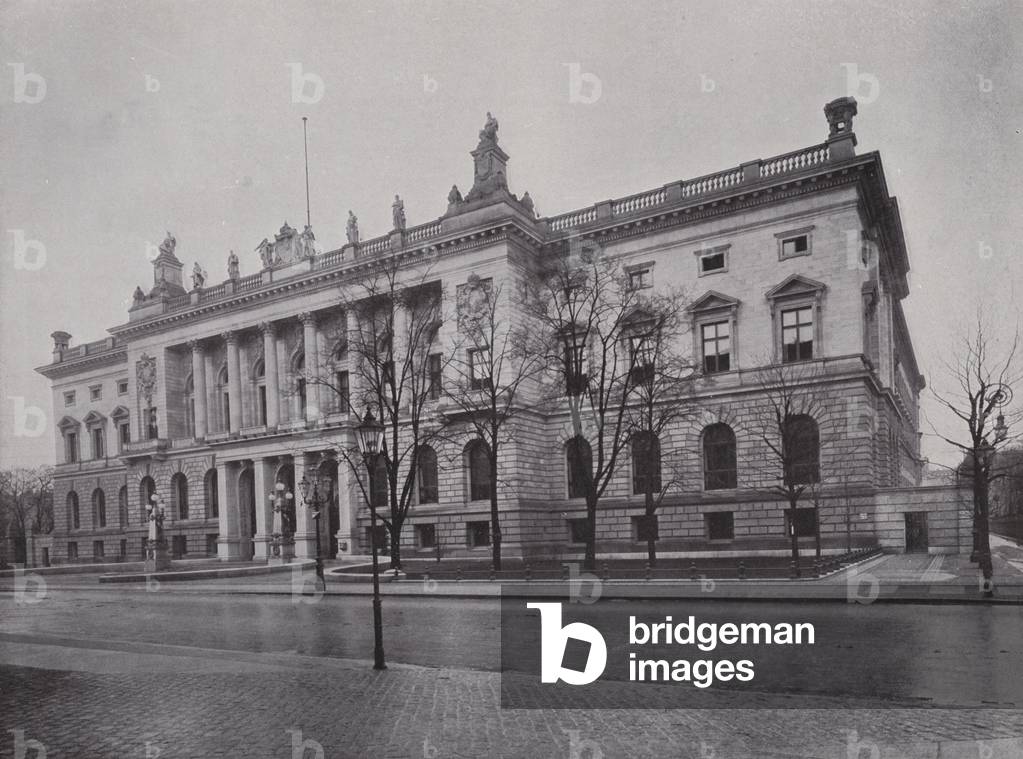
LLE3103463: Abgeordnetenhaus (b/w photo), German Photographer, (20th Century) / Bridgeman Images
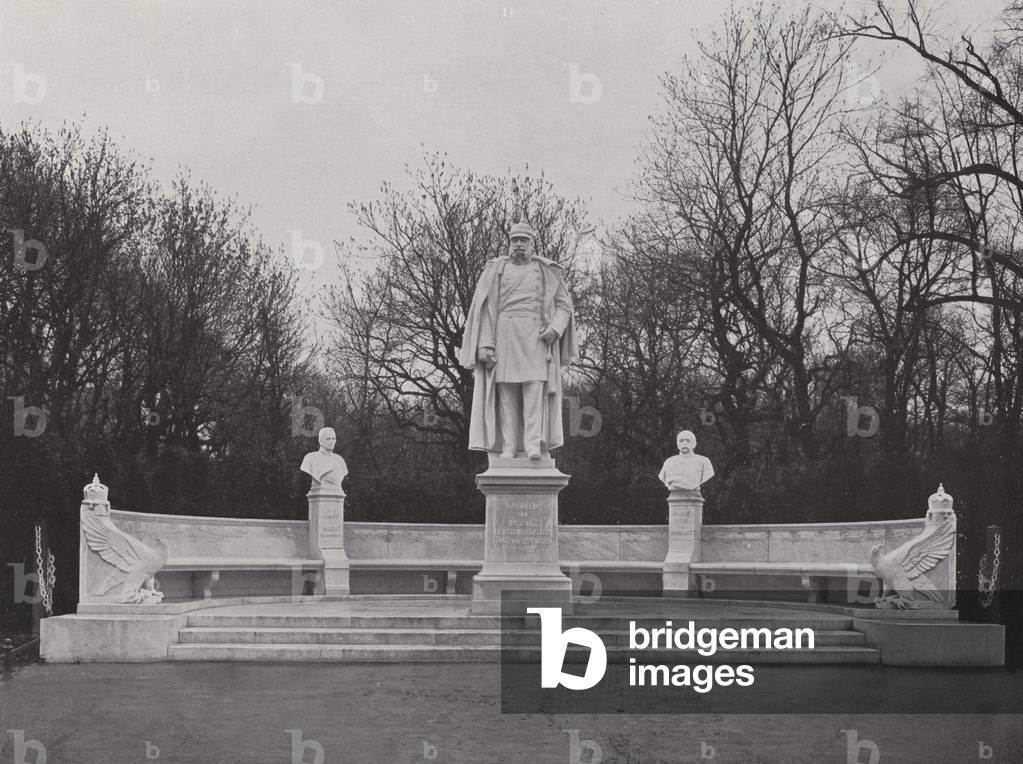
LLE3103508: Denkmal In Der Sieges-Allee, Wilhelm Der Grosse (b/w photo), German Photographer, (20th Century) / Bridgeman Images

LLM3103552: The Dairy Garden (b/w photo), Latham, Charles (d.1912) / Bridgeman Images
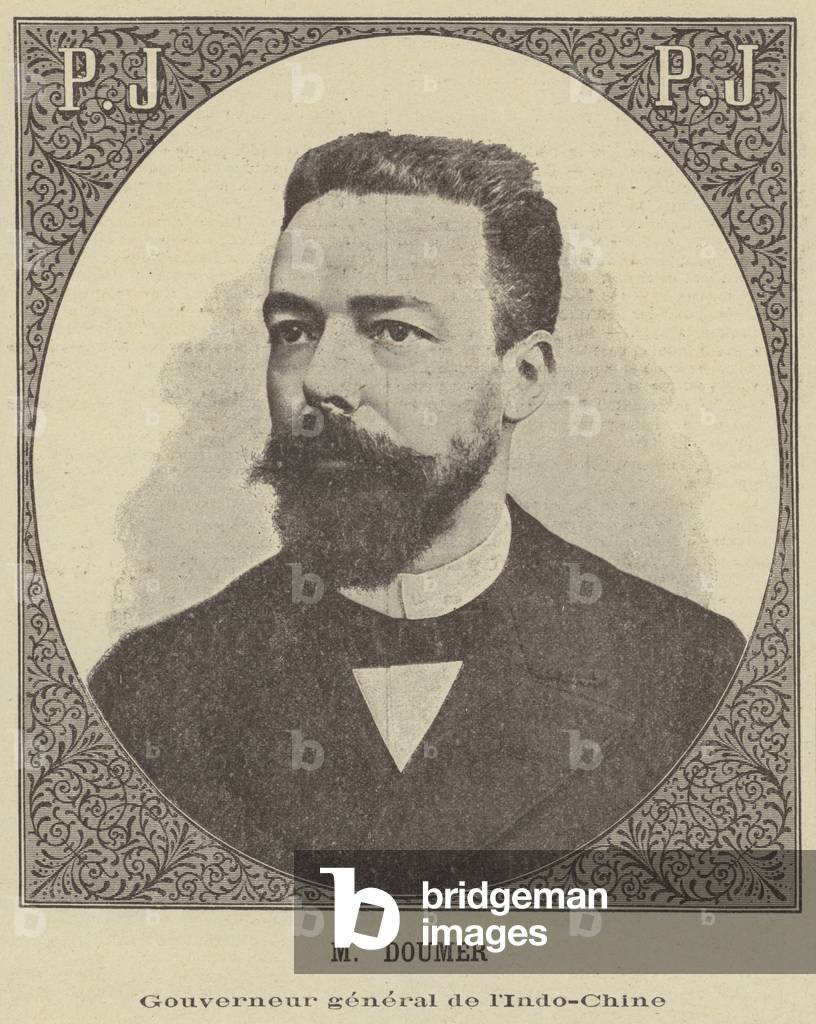
LLM2818954: Paul Doumer, Governor General of French Indochina (litho), French School, (19th century) / Bridgeman Images

LLM2803763: Concarneau, Le Port (colour photo), French Photographer, (19th century) (after) / Bridgeman Images
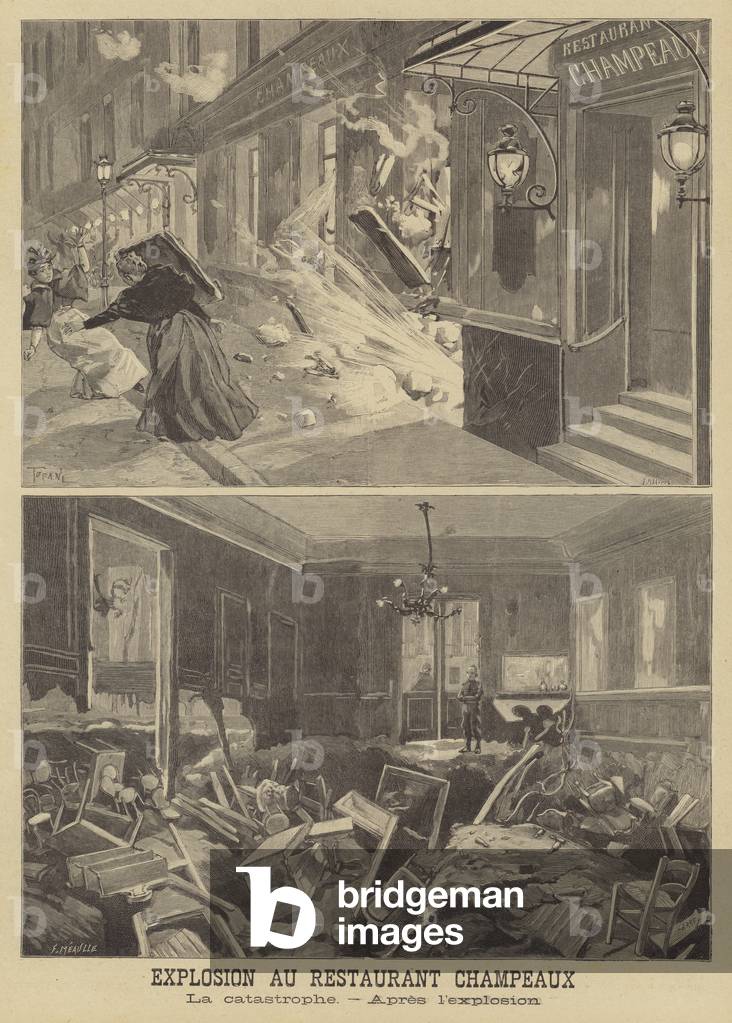
LLM2818966: Explosion at the Restaurant Champeaux, Paris (litho), French School, (19th century) / Bridgeman Images
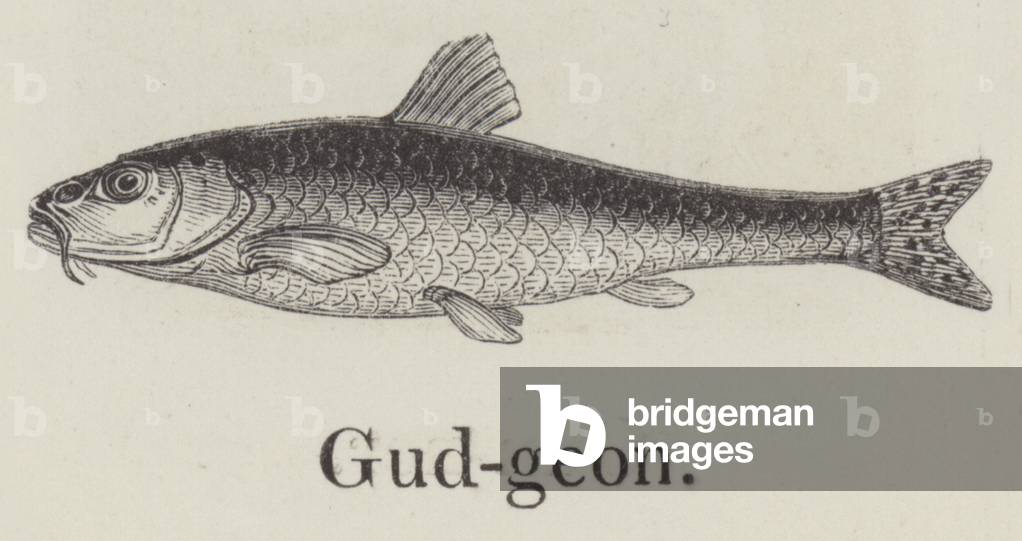
LLM2806413: Gudgeon (engraving), English School, (19th century) / Bridgeman Images
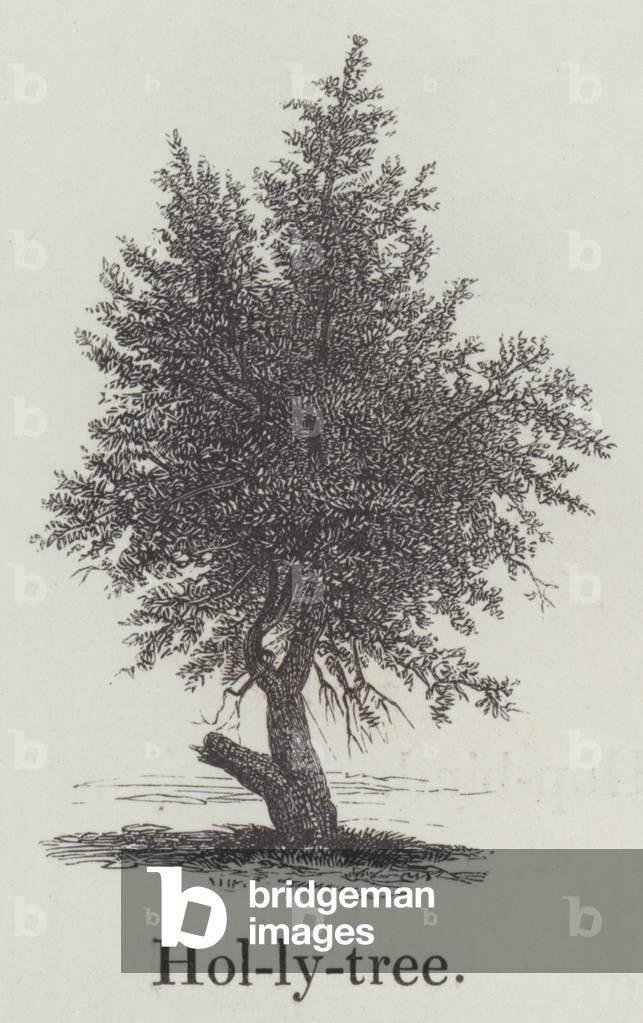
LLM2806508: Hollytree (engraving), English School, (19th century) / Bridgeman Images

LLM2815153: The dramas in Russian prisons, revolutionaries that fear the sentence to forced labor marry (colour litho), Beltrame, Achille (1871-1945) / Bridgeman Images

LLM2815162: The bizarre case of a train overturned by an ox, on the Turin-Rivoli line (colour litho), Beltrame, Achille (1871-1945) / Bridgeman Images

LLM2815173: Humble heroes, a railway cantoniera that prevents a train clash between Luino and Novara (colour litho), Beltrame, Achille (1871-1945) / Bridgeman Images

LLM2815206: The political moment, Montenegrins who in a small theater in Constantinople protest against (colour litho), Beltrame, Achille (1871-1945) / Bridgeman Images
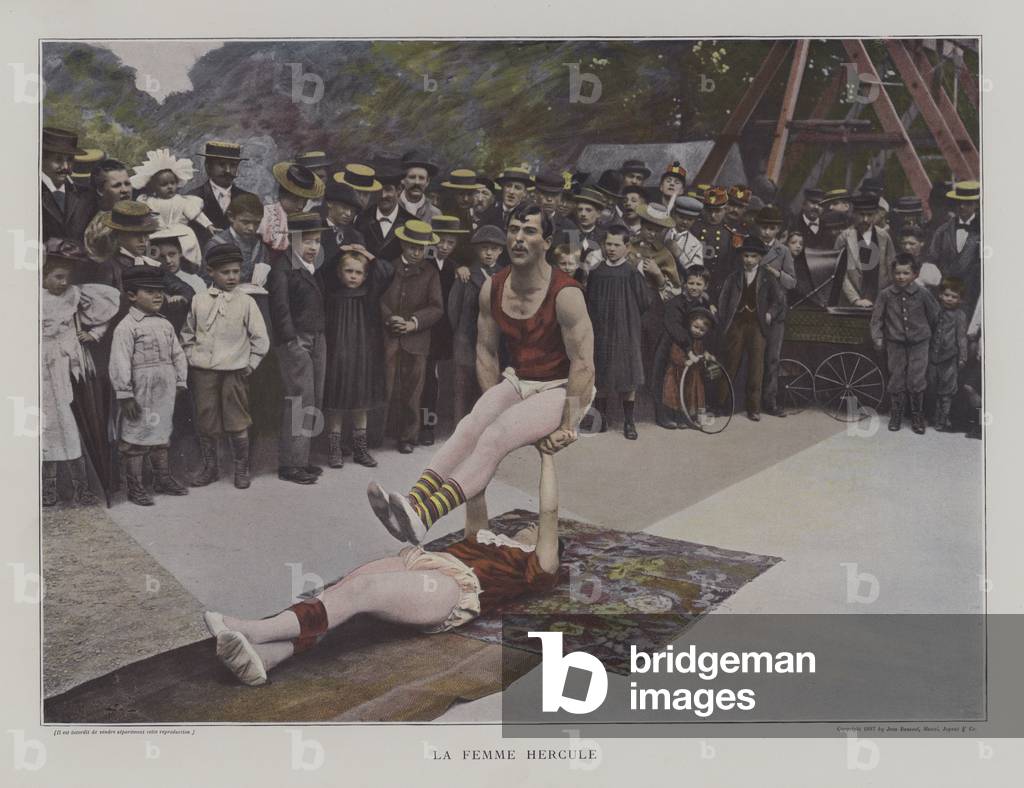
LLM3098861: The female Hercules (colour photo), French Photographer, (19th century) / Bridgeman Images

LLM3098866: Le Postillon du Nouvel An (The New Year Postman) (colour litho), Bouisset, Firmin (1859-1925) (after) / Bridgeman Images

LLM2815241: The baptism of the Infanta Beatrice, the third daughter of the Sovereigns of Spain, in the throne room of (colour litho), Beltrame, Achille (1871-1945) / Bridgeman Images
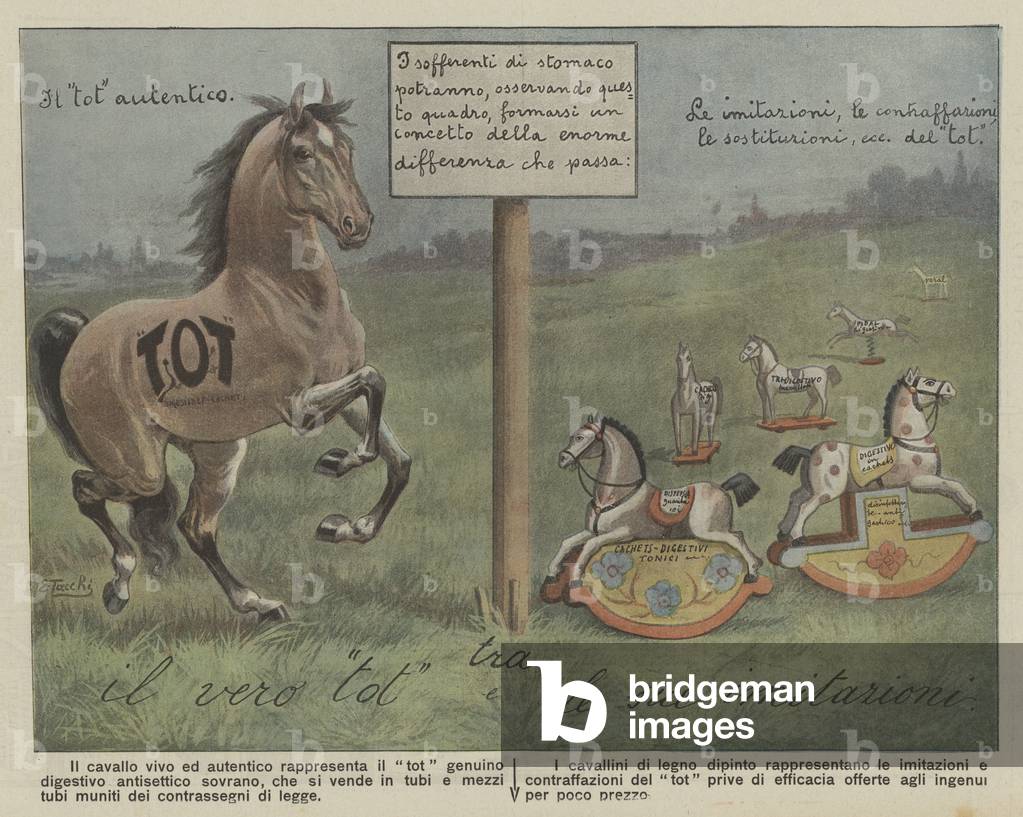
LLM2815254: Tot Digestible Cachet (colour litho), Italian School, (20th century) / Bridgeman Images

LLM2815266: Five criminals attack a steamer, in the middle of the day, in the port of Palermo (colour litho), Beltrame, Achille (1871-1945) / Bridgeman Images

LLM3098922: Il Neige (It's Snowing) (colour litho), Dodge, William de Leftwich (1867-1935) (after) / Bridgeman Images

LLM2815328: Telegraph employee assaulted and murdered at night by two rebaldi masked in the Udine telegraph office (colour litho), Beltrame, Achille (1871-1945) / Bridgeman Images
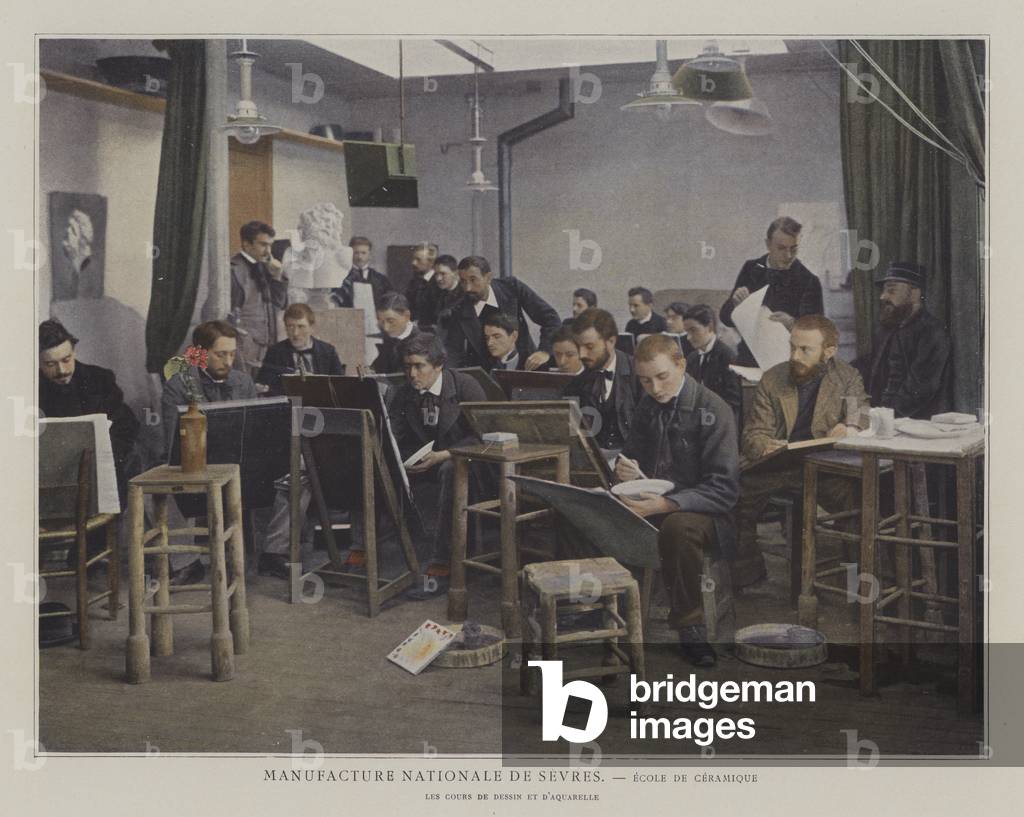
LLM3099064: Drawing class in the ceramics school at the Sevres porcelain factory, France (colour photo), French Photographer, (20th century) / Bridgeman Images

LLM3099065: Carnaval (Carnival) (colour litho), La Touche, Gaston de (1854-1913) / Bridgeman Images

LLM2815332: The first major air journey from one city to another, Paulhan left London, lands in Manchester on April 28 (colour litho), Beltrame, Achille (1871-1945) / Bridgeman Images

LLM2815345: Blessing of the bells given by the Pope for the new St Mark's bell tower, still under construction, in Venice (colour litho), Beltrame, Achille (1871-1945) / Bridgeman Images

LLM2815377: The crimes of ignorance, the people of Molfetta destroy a cart of disinfectants intended for (colour litho), Beltrame, Achille (1871-1945) / Bridgeman Images
